Australia Ensemble: Concert 4
October 10, Sir John Clancy Auditorium, UNSW
Program:
Carl VINE | Strutt Sonata (2017)
Elena KATS-CHERNIN | Blue Silence (2006/2012)
Mikhail GLINKA | Trio pathétique (1832)
Ludwig van BEETHOVEN | Septet in E flat Op. 20 (1800)
Performers:
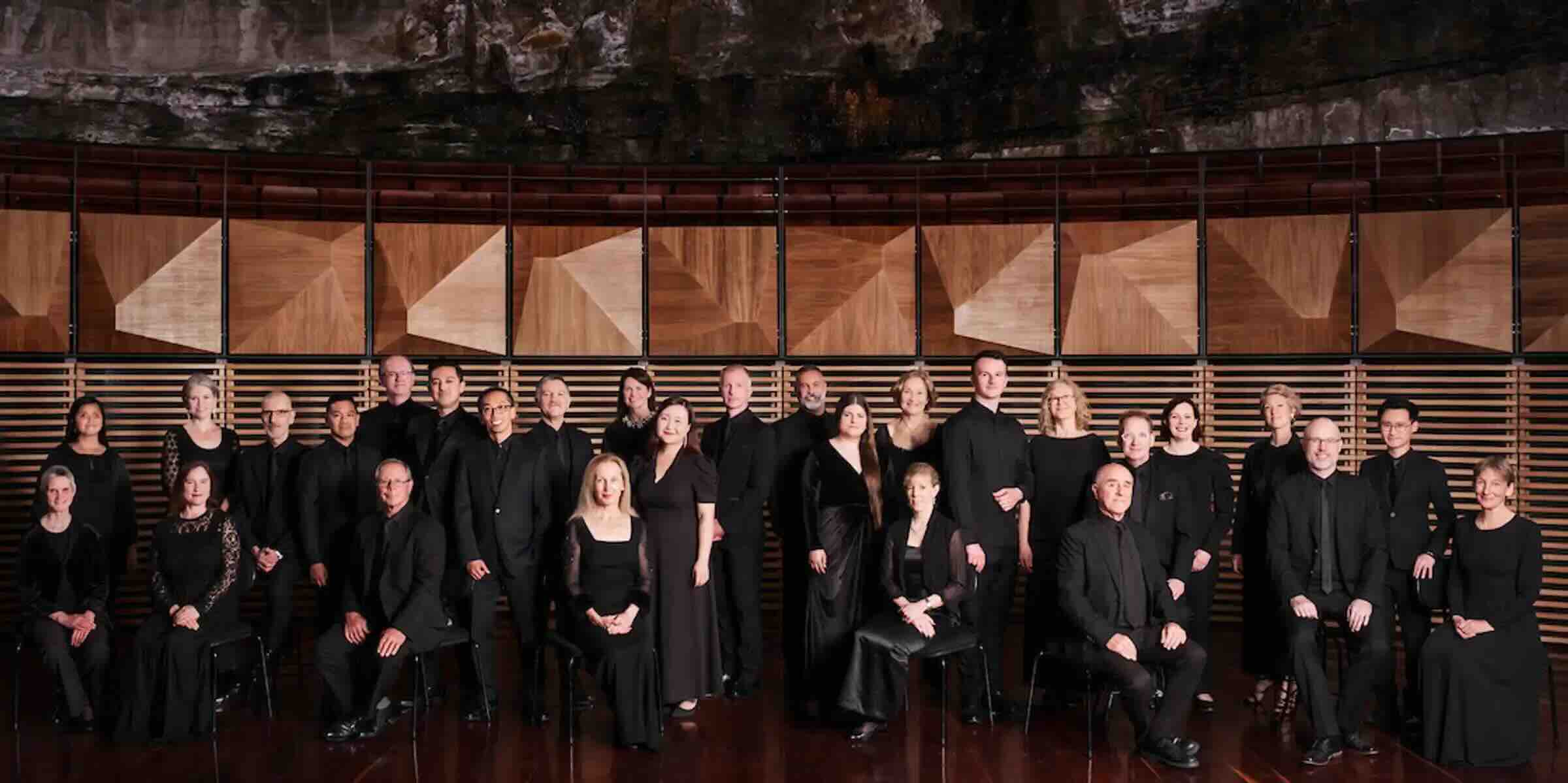
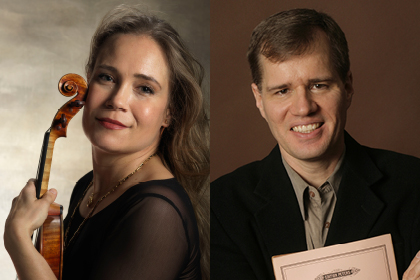
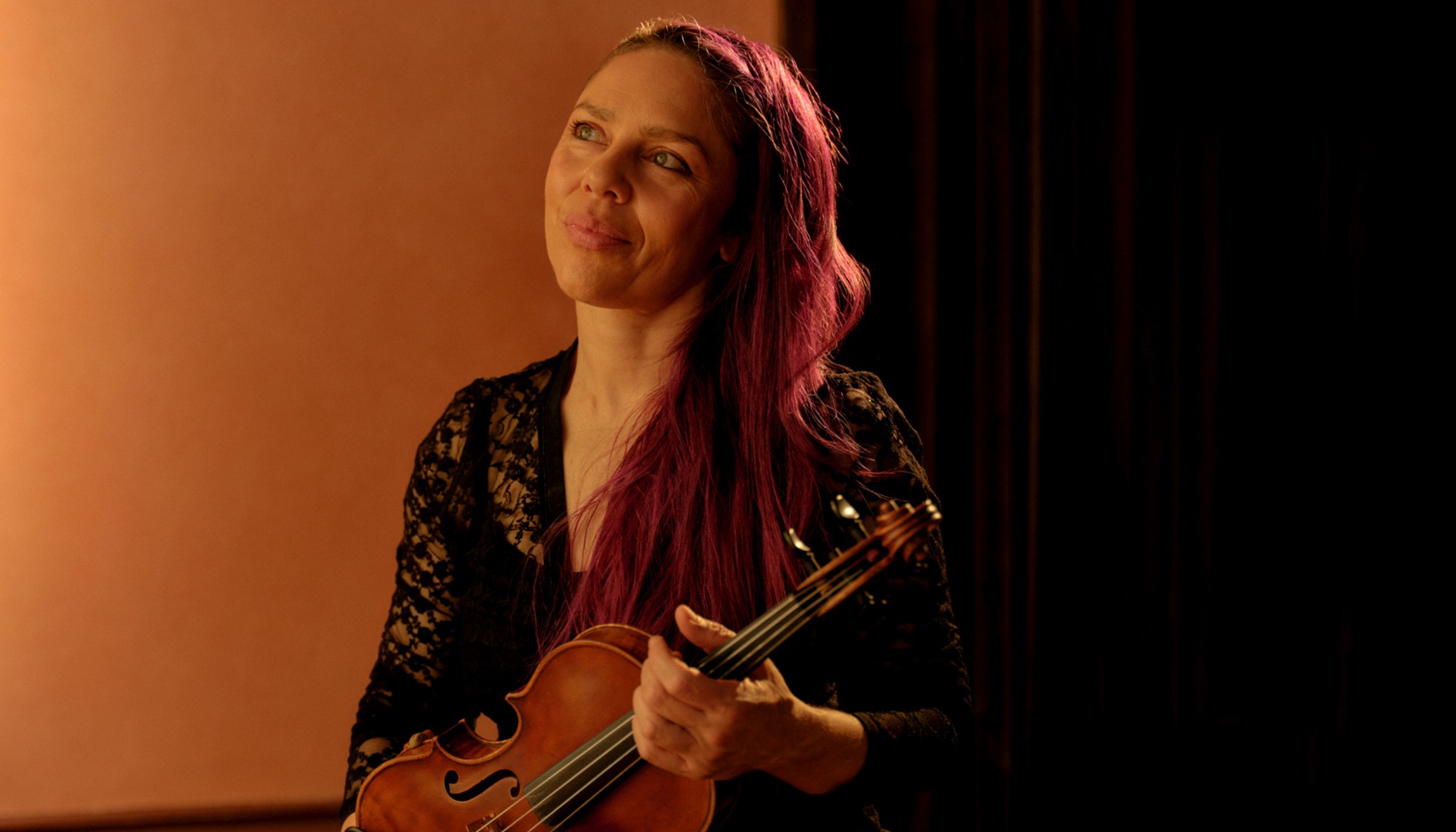
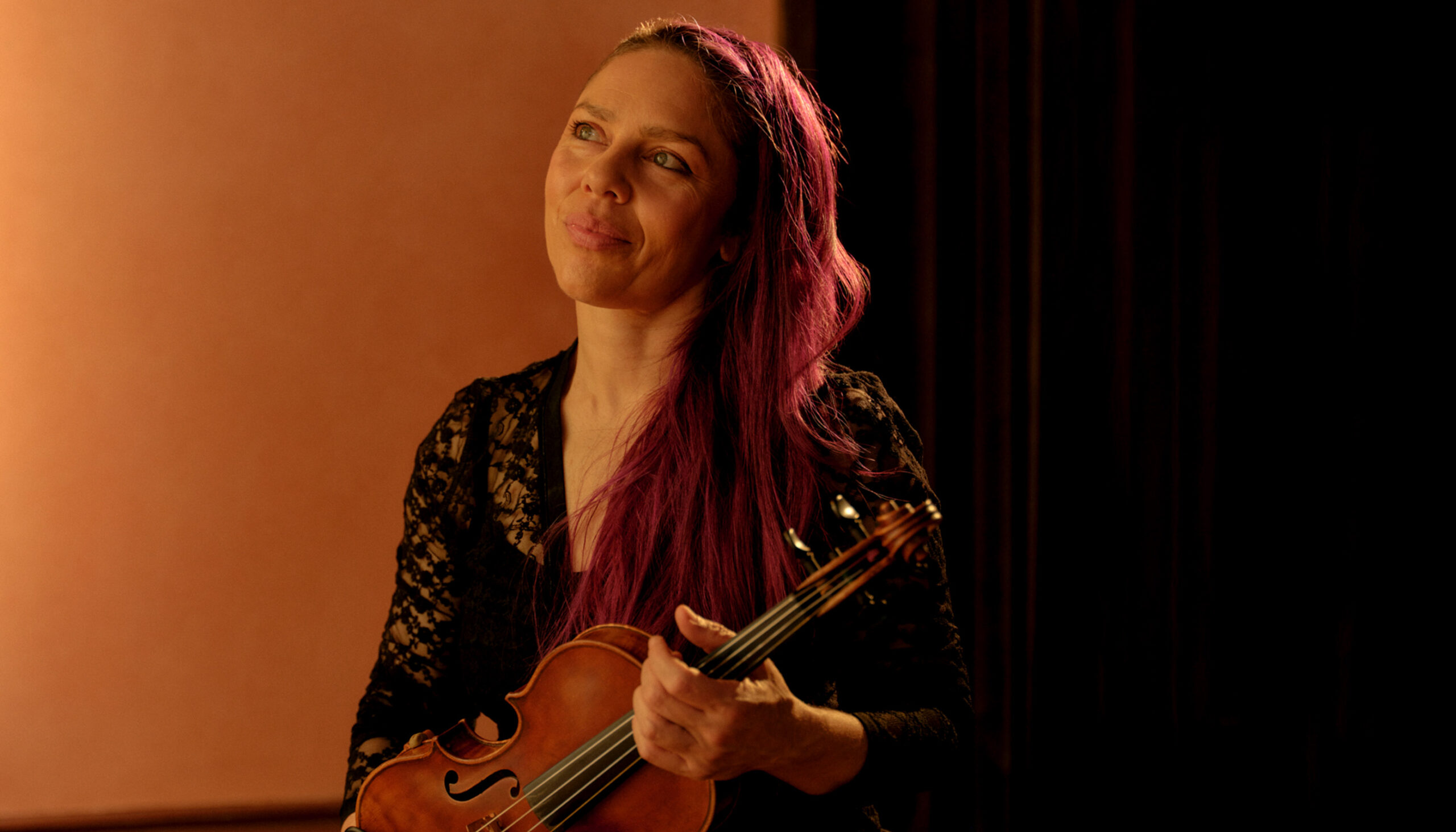
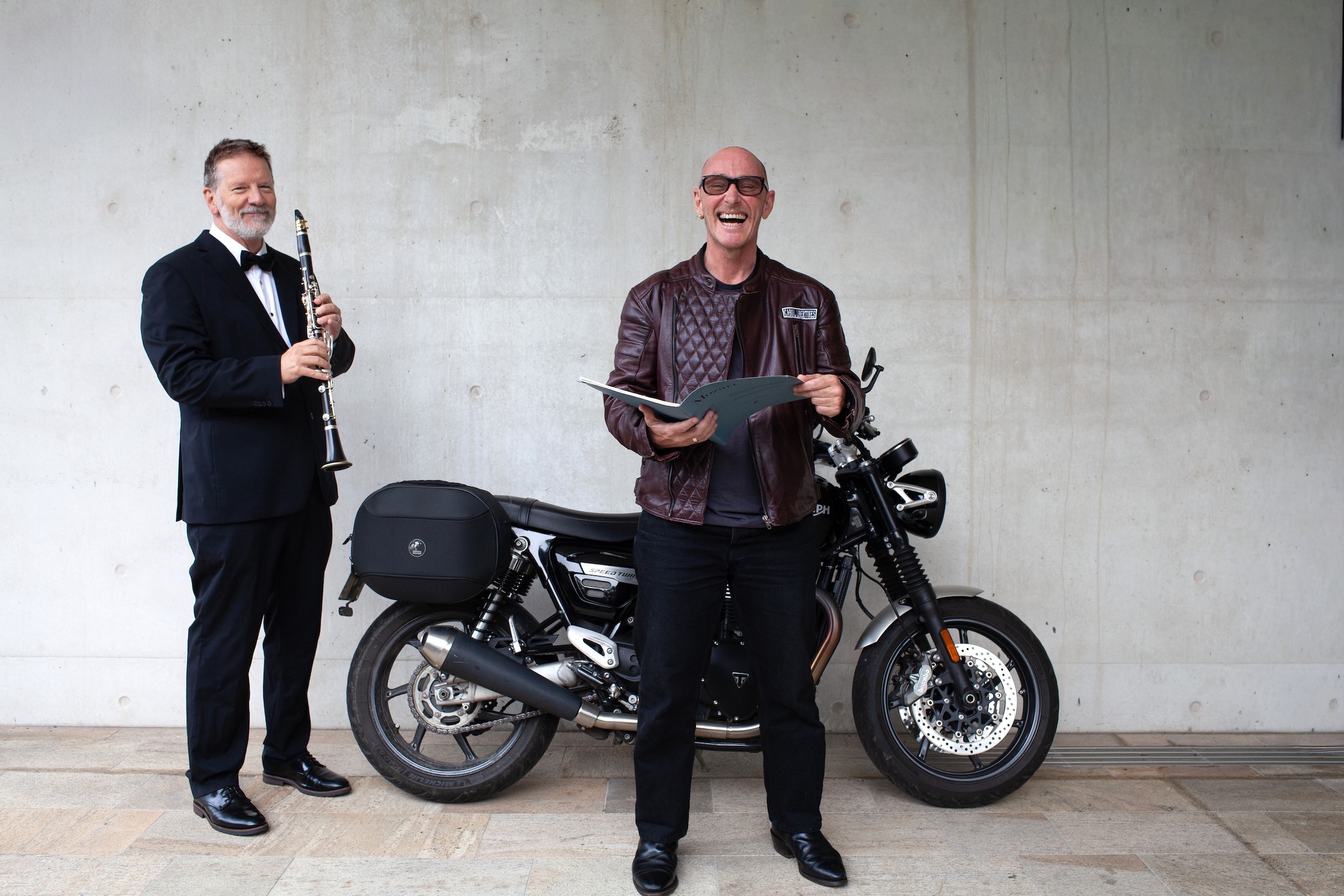
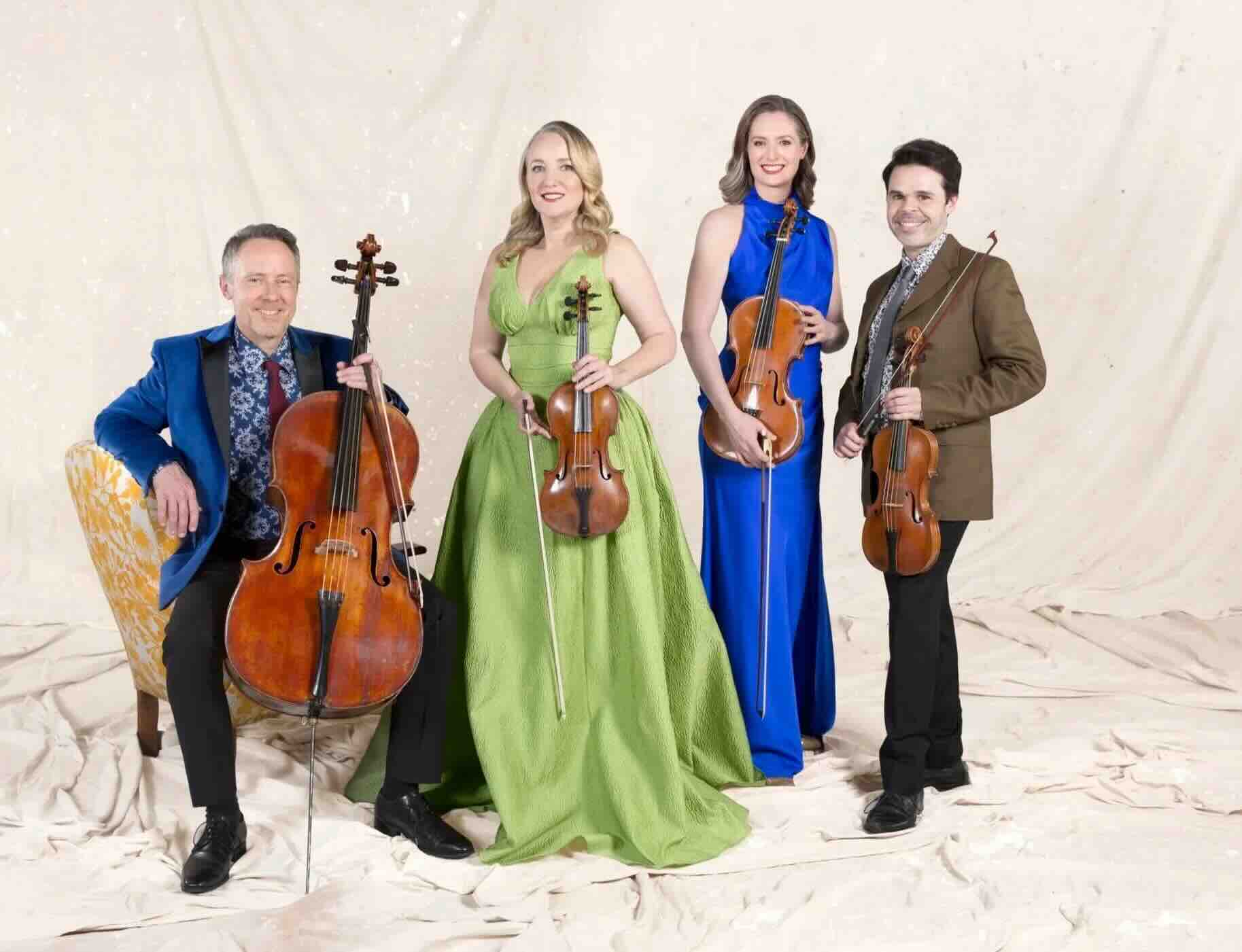
David Griffiths, clarinet; Dimity Hall, violin; Julian Smiles, cello; with guest artists Andrea Lam, piano; Carla Blackwood, horn; Andrew Barnes, bassoon; Tahlia Petrosian, viola; and Andrew Meisel, double bass
Carl Vine’s Strutt Sonata has nothing to do with arrogantly walking around. It is a piece commissioned to commemorate John Strutt, long-standing patron of the arts. In a way the composition is a rather conventional work for piano and cello and, from a listener’s point of view, undemanding. It is tonally diatonic and has many engaging melodies, expressively played by Julian Smiles. Andrea Lam’s accompaniment was always sympathetic, providing interesting and delicate supporting textures.
Likewise, Blue Silence is a rather simple and tonal piece by Kats-Chernin for violin, cello and piano, here based on just three chords. She wrote it with her young son in mind, who suffers from acute schizophrenia, creating a melancholic, yet calming and almost cradling atmosphere. Kats-Chernin said that her son’s condition caused her to totally re-evaluate her compositional approach overnight. There is some darkness at times in the strings, but there is nothing to contend. Hall, Smiles and Lam attained a perfect balance, with some exquisite ensemble playing.
Glinka spent much of his early adult life studying in Milan and Vienna, so the Trio Pathétique, written in the 1830s, was decidedly in the European rather than Russian musical tradition. The piece is written for a piano trio not with strings, but with Clarinet and Bassoon, and is decidedly in the musical vein of Mozart, Beethoven and Schubert. He is said to have composed it while suffering from unrequited love, and there are certainly some dark moments. However, on the whole it is rather cheerful and mostly devoid of that characteristic Russian suffering. Griffiths and Barnes positively danced their parts and their enthusiasm was infectious. There was total engagement with the music.
The headline piece of the program was the early Beethoven Septet in E flat Op. 20. It is more like an early classical divertimento with multiple movements. His chamber music would later settle down to just three or four movements. The work is scored for clarinet, horn, bassoon, violin, viola, cello, and double bass. It enjoyed immense popularity in its day and this has to a certain extent been maintained over the intervening centuries. Beethoven however famously deprecated the work with “I didn’t know how to write music then, but I do now” and later “Damn that work! I wish it were burnt.” Despite his exasperation at its popularity, it was none-the-less a money spinner for him and, knowing well on which side his bread was buttered, he dedicated it to the Empress Maria Theresa. Many composers have made arrangements of it for various ensembles and as a piano reduction, and indeed Beethoven himself did too (probably against his own better judgment). I guess the work is worth hearing once for historical purposes and to see where Beethoven started, but I am with the composer that it is a somewhat dull affair and would certainly not go out of my way to hear it again. That said, the Ensemble played with professional commitment.
An interesting development for the Ensemble is that all musicians (except cello and double bass of course) performed standing up, in the manner of the Australian Chamber Orchestra. This usually engenders a more intense rather than relaxed interpretation, but I am not sure whether this approach worked as well with this particular repertoire. Perhaps the lack of compositional depth in the Septet could be blamed, but it felt at times as if the enjoyment in the music which usually characterises the AE was sometimes lacking.
In terms of intensity, the Glinka was definitely the highlight of the program.
Paul Stanhope, the Artistic Chair of the Australia Ensemble, introduced their program for next year. I am particularly looking forward to Messiaen’s Quartet for the End of Time, a new piece by the WA composer Lachlan Skipworth and some works by Clara Schumann. It was also announced that the composer Dr Natalie Nicolas would be the recipient of the 2025 Layton Fellowship. Congratulations to Natalie!
You can read more about the 2025 program here >>