Australia Ensemble | Concert 3
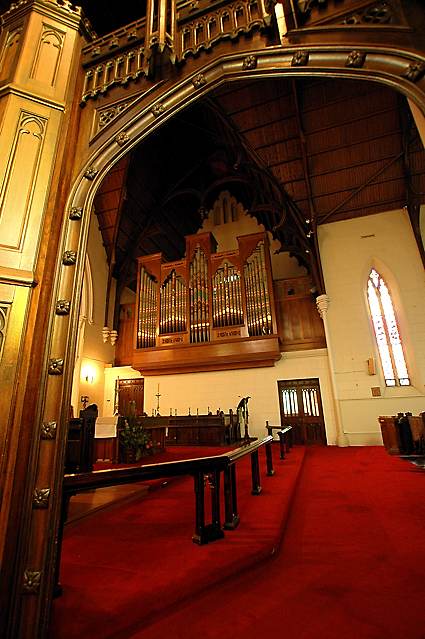
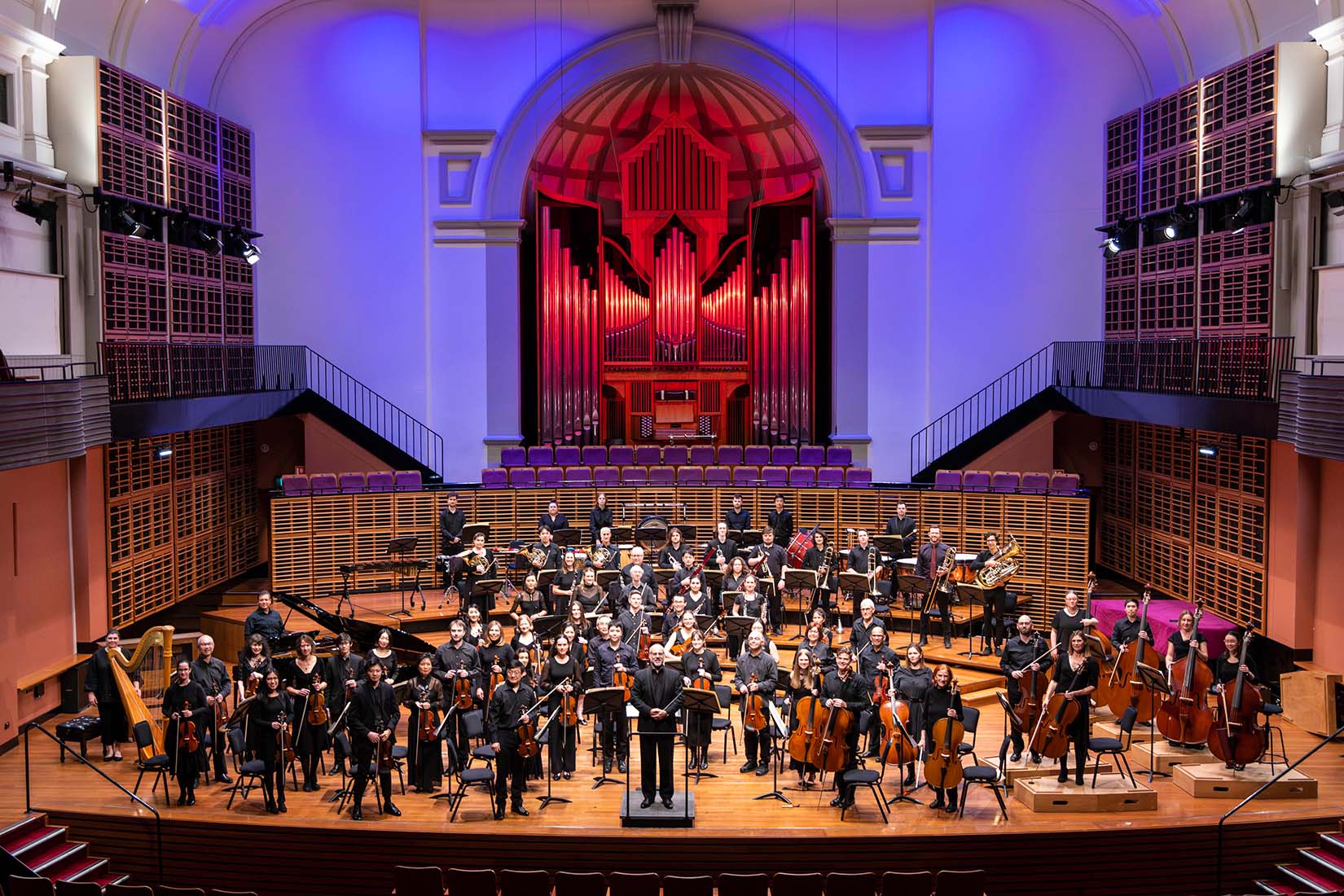
20 August 2025, John Clancy Auditorium, UNSW, Kensington. NSW
PROGRAM
GRENFELL: Poems of a Bright Moon (2000)
FINZI: Five Bagatelles (1942)
CRUMB: Vox Balaenae (1971)
ARENSKY: Piano Trio no. 1 Op. 32 (1894)
CORE MEMBERS:
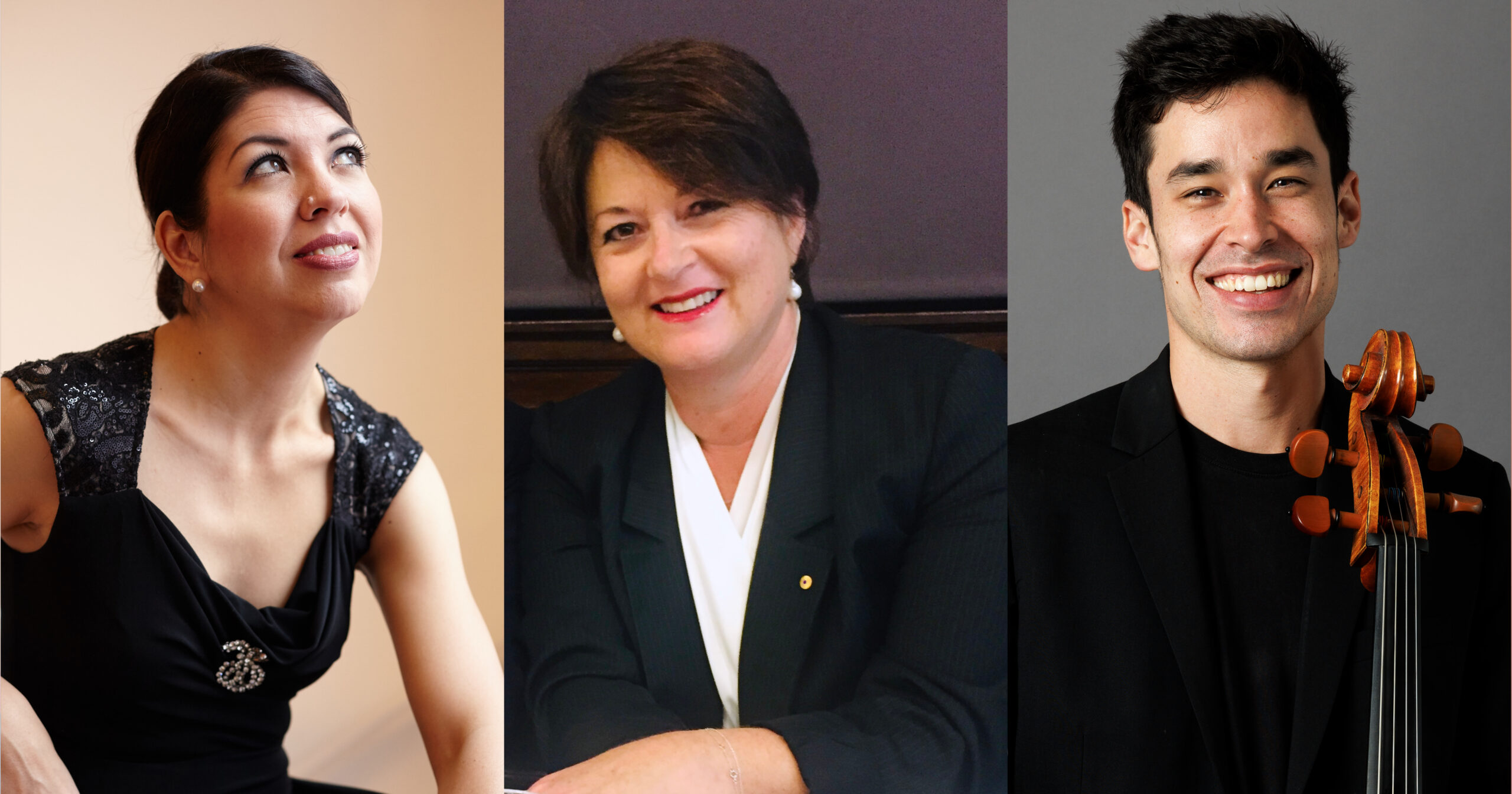
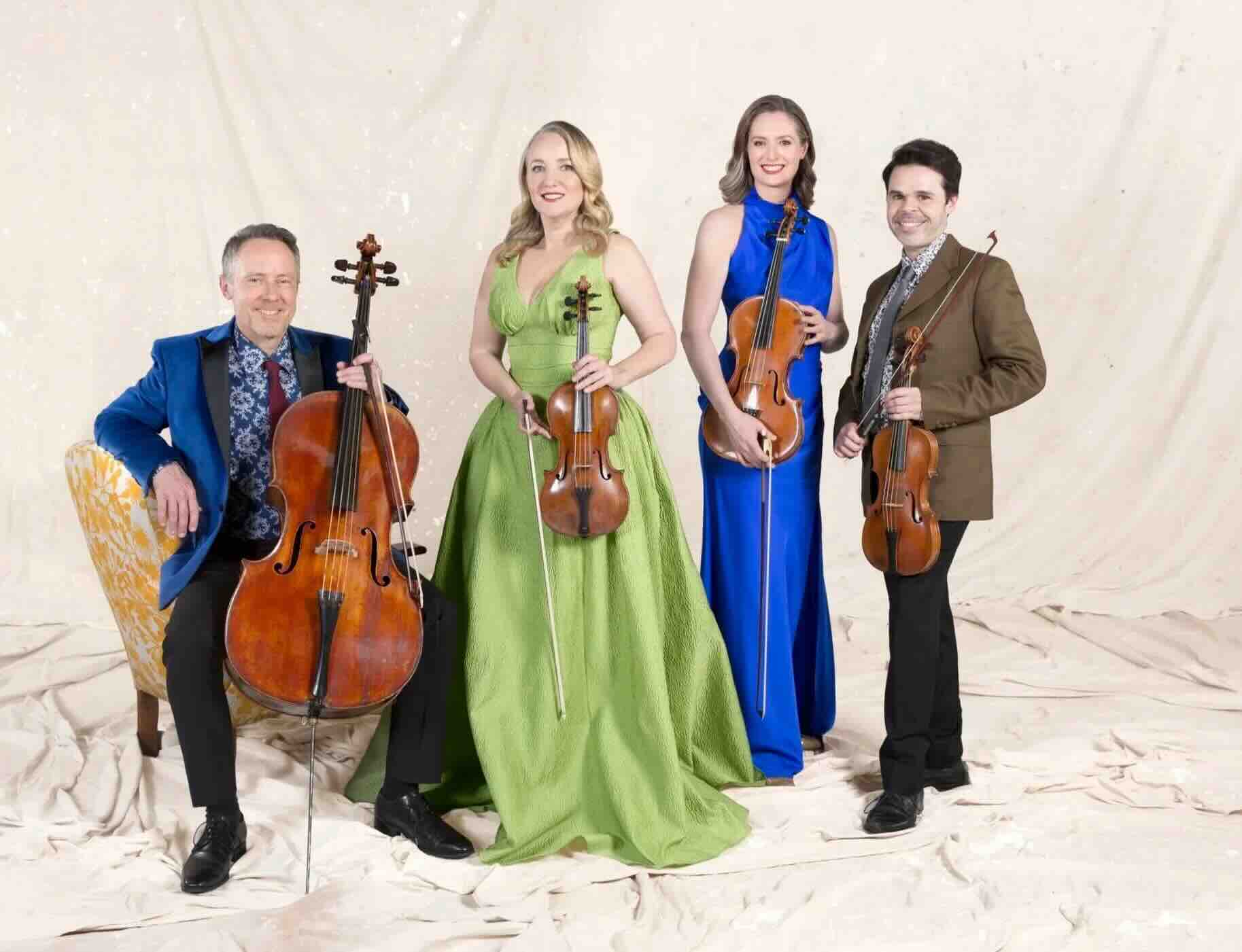
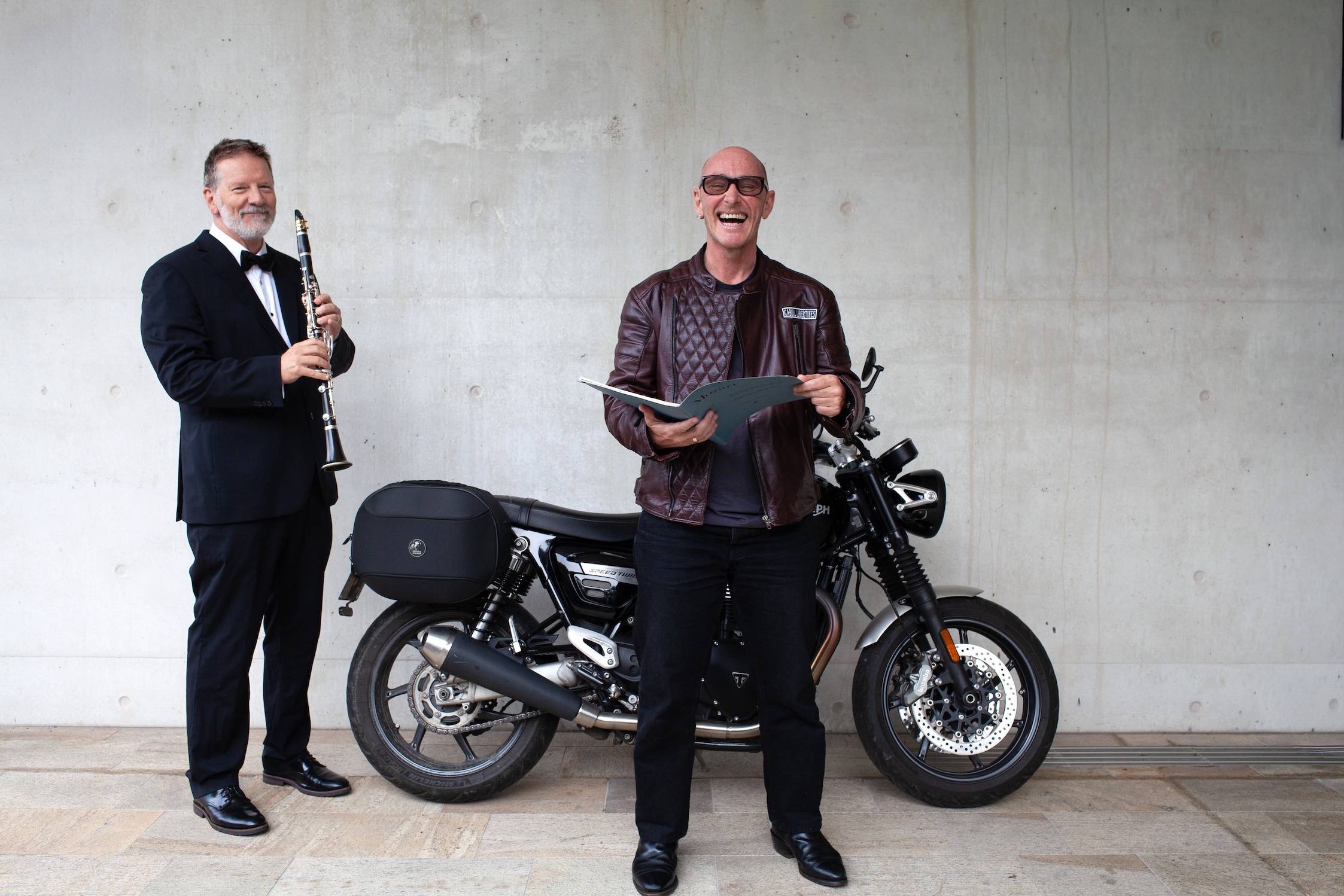
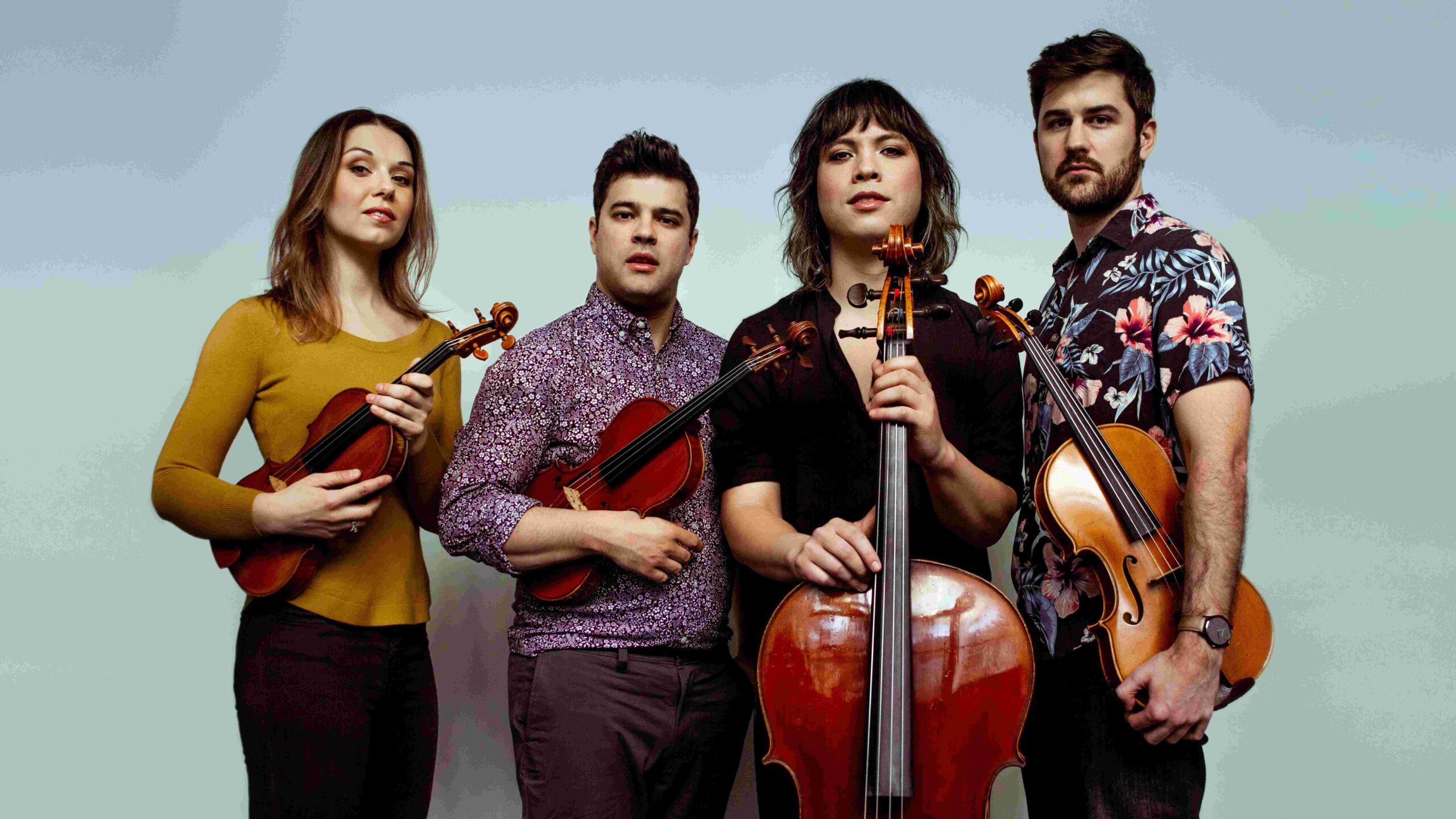
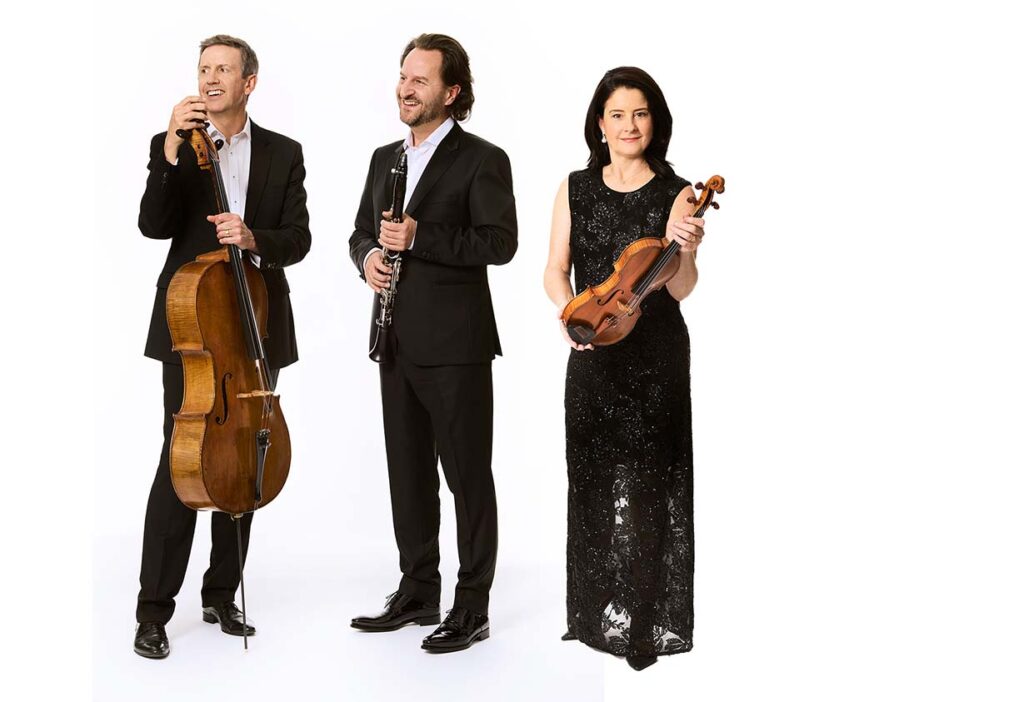
David Griffiths, clarinet, Dimity Hall, violin, Julian Smiles, cello
GUEST ARTISTS:
Joshua Batty, flute, Beatrice Colombis, violin. Tobias Breider, viola, David Fung, piano
Scott Robert, cinematographer and ocean advocate
With Australia Ensemble concerts, usually the major work on the program is presented as a stand-alone after interval. The Arensky Piano Trio in this case. But in this concert, while the other works were impressive, the Crumb piece upstaged them all.
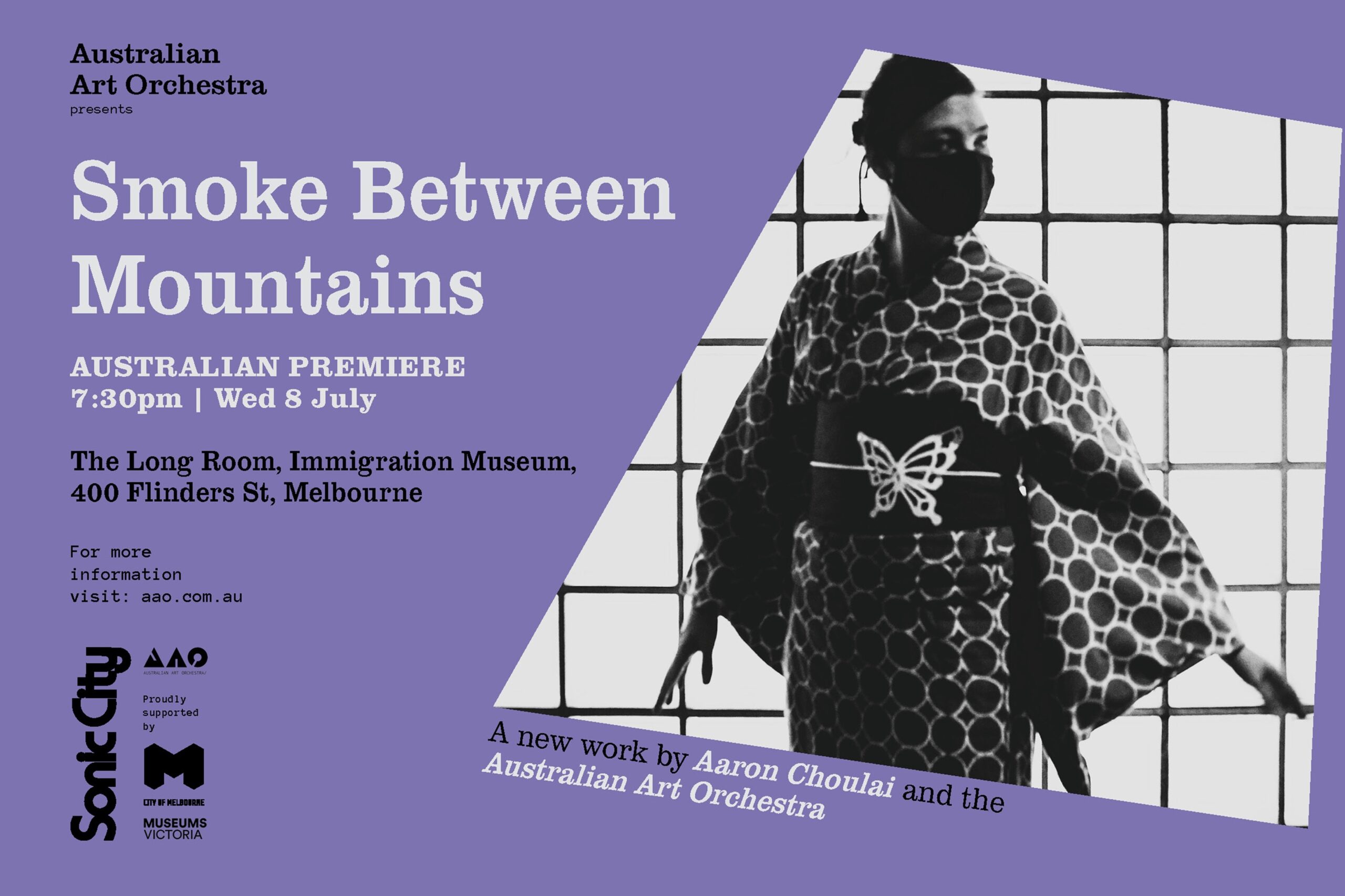
The American composer George Crumb wrote Vox Balaenae (“The Voice of the Whale”) after hearing recordings of whale songs for the first time in the 1960s. The score calls for the flautist vocalising into the flute, the pianist plucking and strumming strings amongst other special effects. Julian Smiles played an electric cello to add further eerie and otherworldly sounds. Amplification was added too, not so much for volume as for adding a strangeness of tone, and sometimes to dramatise a sudden entry. The players wear masks to depersonalise them, keeping the focus of the audience on the sound. But the most mesmerising of all was the wonderful footage of humpback whales, adults and pups, viewed from above, always swimming from right to left on a wide format screen. The performance of the ensemble sympathetically complemented the majesty of these magnificent animals and emulated the beauty of their song. And the message was clear. The heartbreaking image of a whale attempting to swim while tangled in fishing lines and the empty ocean at the conclusion of the piece, highlighted that mankind will eventually cause their permanent demise. An awe inspiring performance. The audience was riveted.
The loosely unifying theme of this concert is the landscape or environment.
Gerald Finzi, a composer of the first half of the 20th Century, wrote the Five Bagatelles for clarinet and piano. It was his most famous composition, to the point that it overshadowed his other works. We heard it here arranged for string quartet and clarinet by Christian Alexander to mark the 100th anniversary of the composer’s birth. Finzi was, like many of his compatriots such as Holst and Vaughan Williams, much taken by the landscapes of rural England. He begins this work in a neo-baroque style and finishes with a quasi fugue. The string quartet and clarinet arrangement offers the opportunity to move many of the lyrical phrases from the clarinet part to the strings. The players brought out new possibilities with different bowing techniques, mutes, and varying tempos and widths of vibrato. Also, while a piano part is inherently unified in chordal and arpeggio patterns; in its absence the strings worked well to coordinate bowing, rhythm and articulation, especially in the slow Romance movement. They clearly add a further musical dimension.
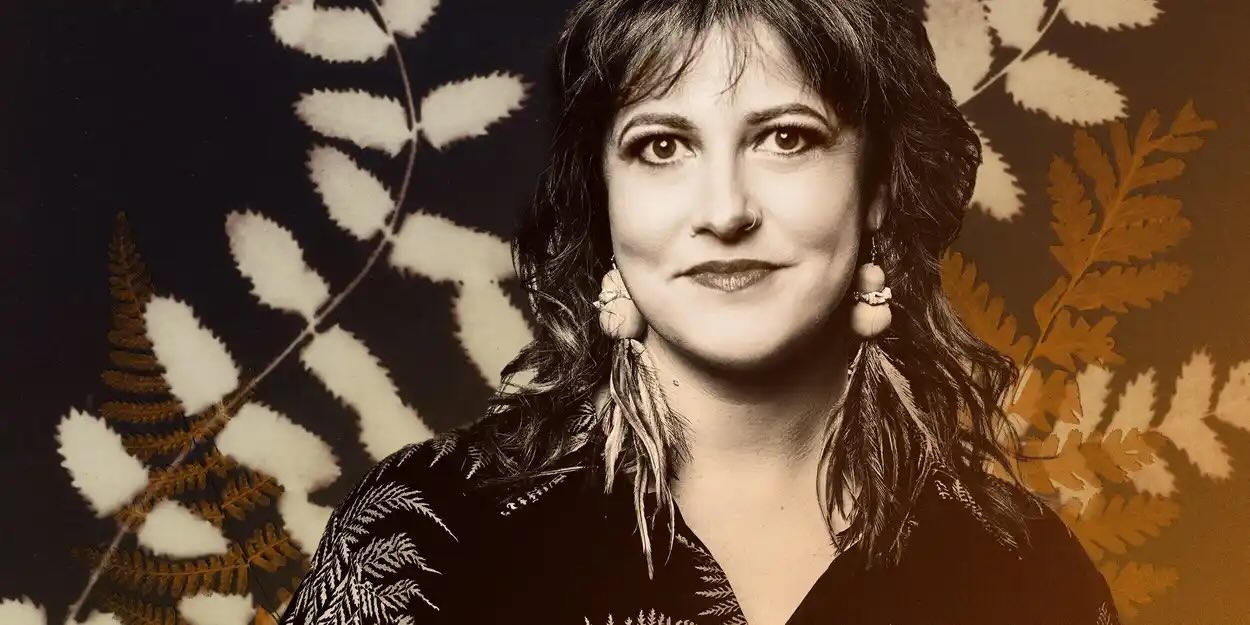
Maria Grenfell, currently Associate Professor of Music at the University of Tasmania, often has strong Asian influences in her works. Her Poems of a Bright Moon are based on the Tang Dynasty poems of Li Po which carry evocative images of mountains, moonlight and rivers and evoke the fleeting nature of existence. The piece is scored for flute, clarinet and piano but is by no means a stock ensemble piece. It is often static, modal and has shimmering textures to conjure up the physical images. It unfolds rather than develops. The musicians worked hard to maintain the transparency of texture in the quiet dynamics. Especially impressive was Joshua Batty on the alto flute in the second movement, playing seamlessly in octaves with David Griffiths on the clarinet.
The Piano Trio no. 1 by the late 19th century Russian composer Anton Arensky was the major work after interval. The piece was a tribute to Tchaikovsky, although stylistically and in its formal structure, it felt more akin to Mendelssohn. Again we have a work by the composer that is probably the most well know and the most performed of all his works. A weakness of the composition is that after the frivolity and humour of the Scherzo, which was vividly brought to life by the ensemble, the abject mournfulness of the Elegia movement seemed like an impossible non-sequitur. The AE is clearly at home in this repertoire, playing the lush Romantic sonorities with expansive phrasing, passion and warmth.
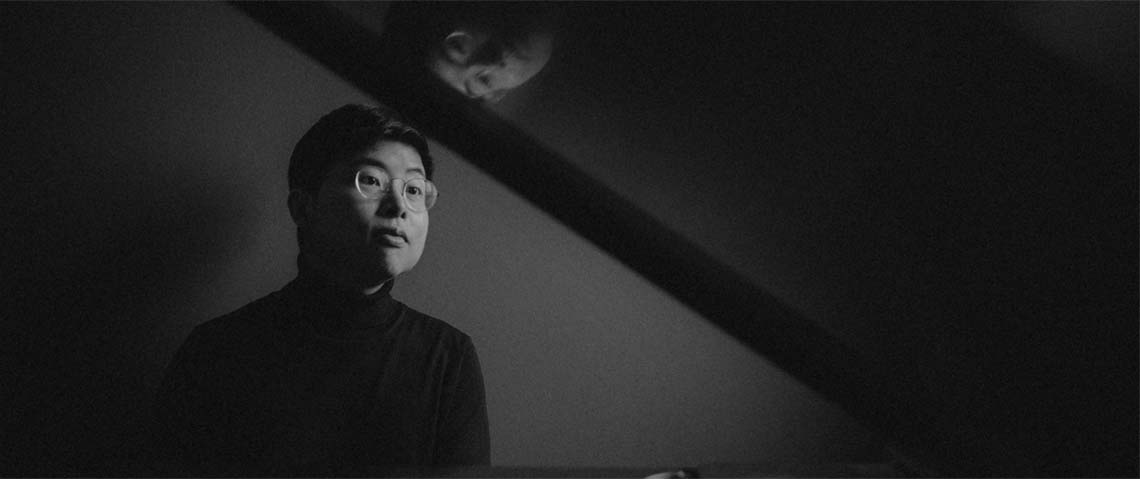
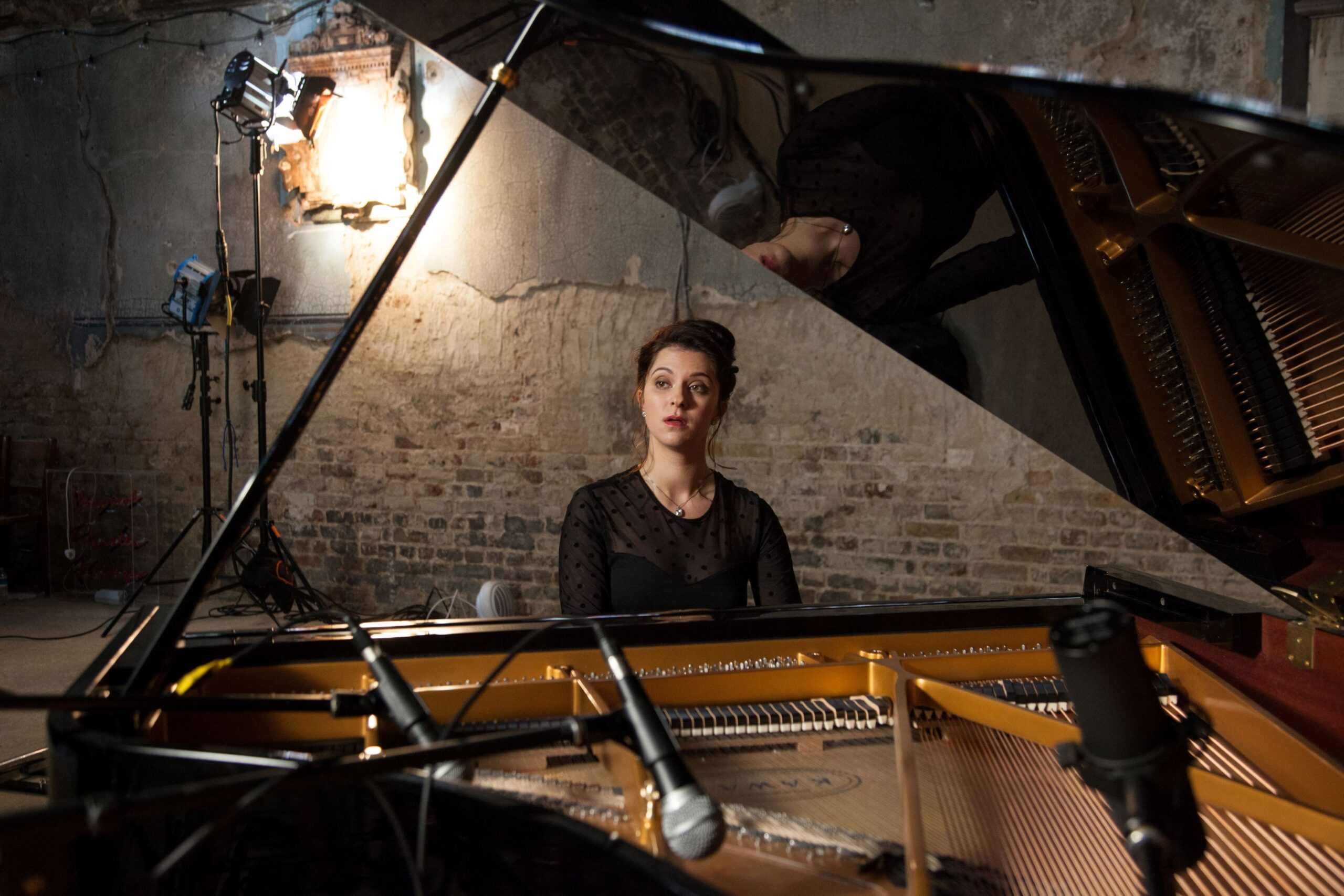
Finally, the guest pianist David Fung must be singled out for mention. He is an ensemble player of the first rank. He was able to bring out drama when needed, but particularly impressive was his ability to blend with the other players, exhibiting all the skills usually reserved for viola players, who sit unobtrusively in the middle of the texture. Hats off to viola players! Hopefully Fung will be a frequent guest with the Ensemble and many other chamber groups around Sydney.