Opera Australia | La Traviata
9 May, 2026, Regent Theatre, Melbourne, VIC
Honouring Our ‘Fallen Woman’
The Occasion
As the tentacles of Autumn reached into Melbourne’s heartland on this chilly Saturday night, it was off to the mighty Regent Theatre in search of the Fallen Woman. Somewhat ironic as the next morning the gentle menfolk of urban and rural Oz arise to pamper the Elevated Woman – yes every florist’s joint favourite day along with Valentine’s Day… Mother’s Day. Indeed the Fallen Woman we speak of is the English translation title of Verdi’s delightful yet ultimately tragic, La Traviata.
Giuseppe Verdi
Giuseppe Verdi remains one of opera’s towering figures, celebrated for fusing sweeping melody with intense human emotion. Born in rural Italy in 1813, he transformed opera into emotionally charged music drama that resonated far beyond aristocratic audiences. His works explored love, sacrifice, politics and hypocrisy with remarkable theatrical urgency. Operas such as Rigoletto, Aida and Otello became international triumphs, filled with unforgettable melodies and powerful dramatic force. By his death in 1901, Verdi had become not merely Italy’s greatest operatic composer, but a potent symbol of Italian identity and cultural pride.
History and Origins of La Traviata
La Traviata premiered in Venice in 1853 and was based on Alexandre Dumas fils’ novel and play La Dame aux Camélias. Verdi was fascinated by the story’s mixture of glamour, illness, morality and doomed romance. Remarkably modern for its era, the opera portrayed contemporary society rather than distant kings or mythological heroes. Its heroine, Violetta, was a courtesan seeking dignity and genuine love within a judgmental world. The premiere was initially considered a failure, partly due to controversial subject matter and miscasting, but revisions quickly transformed it into one of the most beloved operas ever written, now central to international repertory.
Tuberculosis, Tragedy and the Female Protagonist
Tuberculosis haunted nineteenth-century art and opera, often symbolising doomed beauty, emotional sensitivity and social fragility. Violetta belongs to a long tradition of tragic operatic heroines destroyed by illness, sacrifice and society’s moral judgment. Audiences of Verdi’s time would immediately recognise tuberculosis as both a physical and poetic condition. The disease slowly strips Violetta of vitality while exposing the hypocrisy of the wealthy society surrounding her. Her tragedy lies not only in dying young, but in discovering genuine love too late. Like many female protagonists in opera, she becomes a figure whose emotional honesty is punished by rigid social expectations and male authority.
The Oz Production
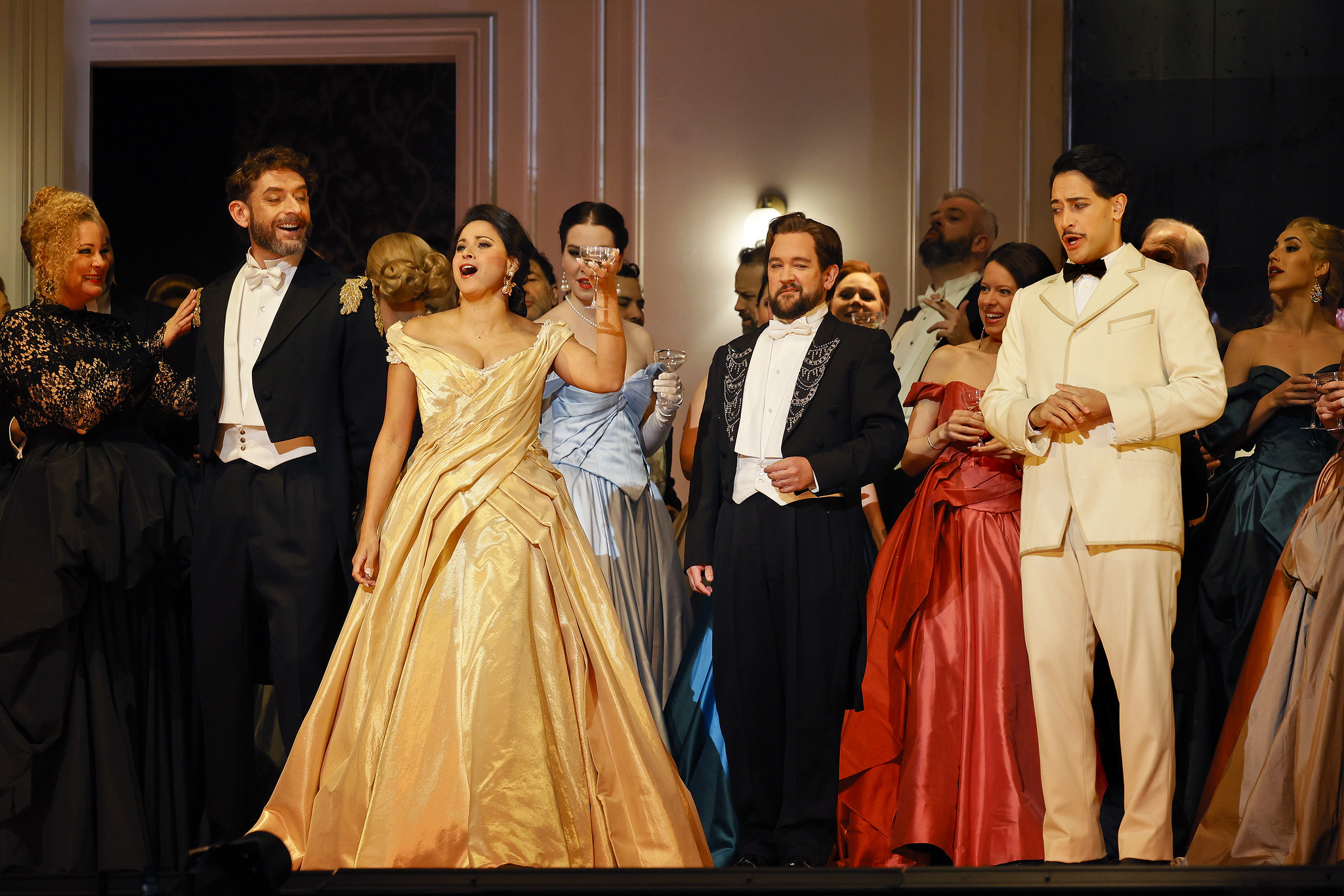
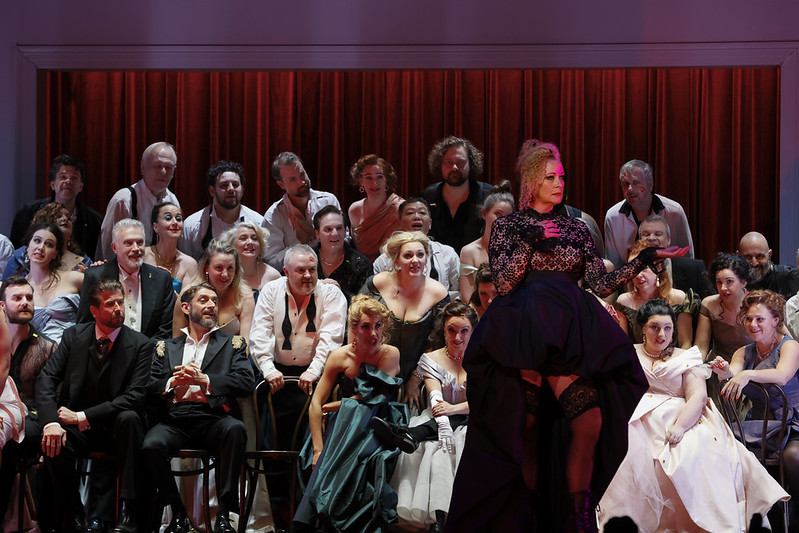
Opera Australia’s La Traviata at Melbourne’s Regent Theatre has emerged as a lavish, emotionally charged triumph — a production that honours Verdi’s romantic grandeur while injecting it with sharp contemporary pulse. Director Sarah Giles strips away any dusty museum-piece stiffness and delivers a Traviata that feels urgent, sensual and psychologically alive. Critics have praised the staging as glittering, cinematic and devastatingly intimate, presenting Violetta not simply as a tragic courtesan, but as a fiercely intelligent woman cornered by hypocrisy, desire and social performance.
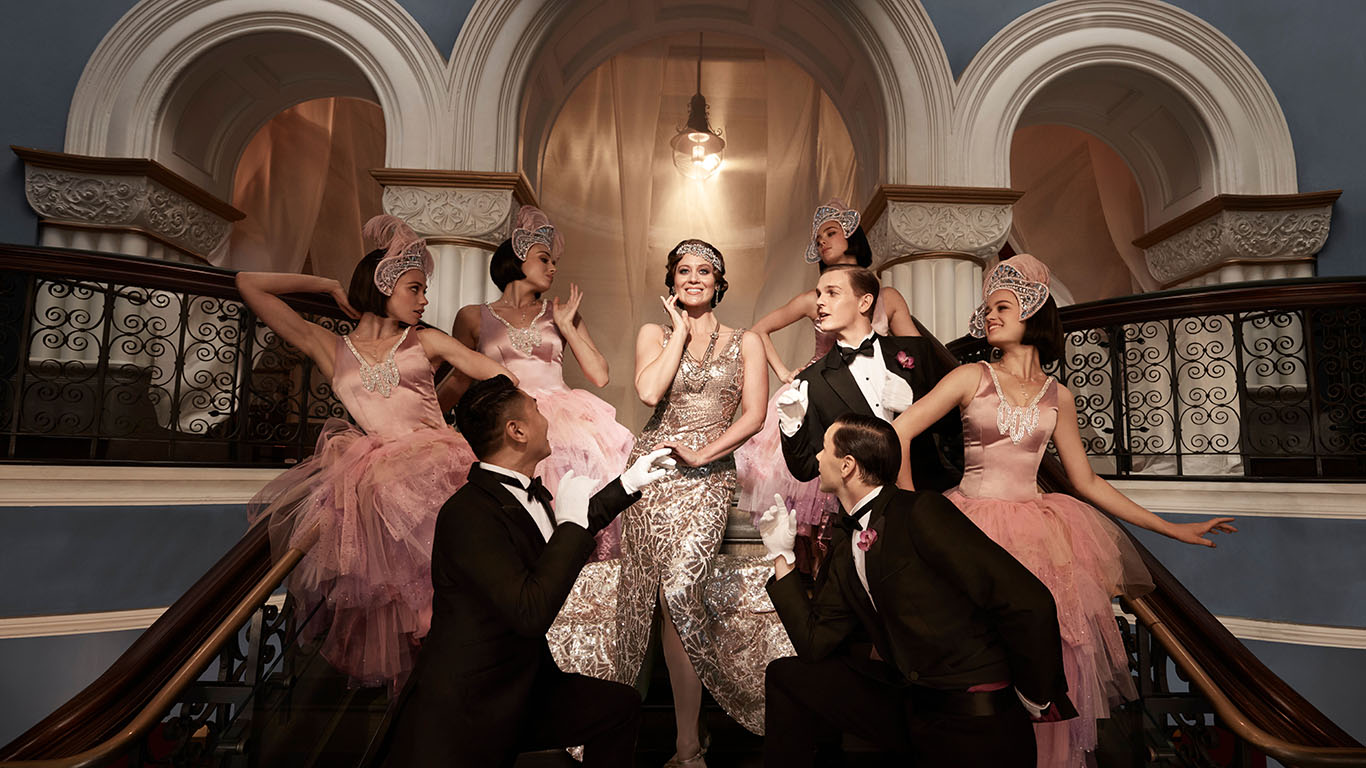
The visual world positively intoxicates: cascading chandeliers, decadent Parisian salons, velvet glamour and sweeping staircases all shimmer with seductive excess, while moments of brutal emotional isolation suddenly cut through the spectacle like broken glass. Designer Charles Davis has been widely applauded for revealing the loneliness lurking beneath the luxury, creating a world where beauty itself feels faintly rotten. Meanwhile conductor Giampaolo Bisanti drives Verdi’s score with elegance, warmth and surging emotional momentum rather than sheer bombast, allowing both orchestra and chorus to breathe with lyrical intensity.
This Traviata hits the elusive sweet spot: neither radical deconstruction nor safe heritage revival. It is lush, modern, emotionally accessible and quietly feminist in sensibility — a production unafraid of grand operatic emotion, yet intelligent enough to expose the cruelty and performance hidden beneath high society’s glittering surface. By the final curtain, it leaves audiences wrung out, dazzled and unexpectedly moved.
Winning Principals
The immediate visceral success of the evening’s entertainment stands and falls on the combined abilities of tonight’s cast, our central Trinity.
Giorgio Germont — Luke Gabbedy (baritone) anchors much of the complex drama as the plot unravels. Luke communicated the gravitas of his influential role with admirable aplomb and force,
Alfredo Germont — sung by Oreste Cosimo (tenor) was commendable for the sheer beauty and nuance of his mellifluous tones. It was noticeable how the sonic impact of his voice reached every nook and cranny in the revered Regent.
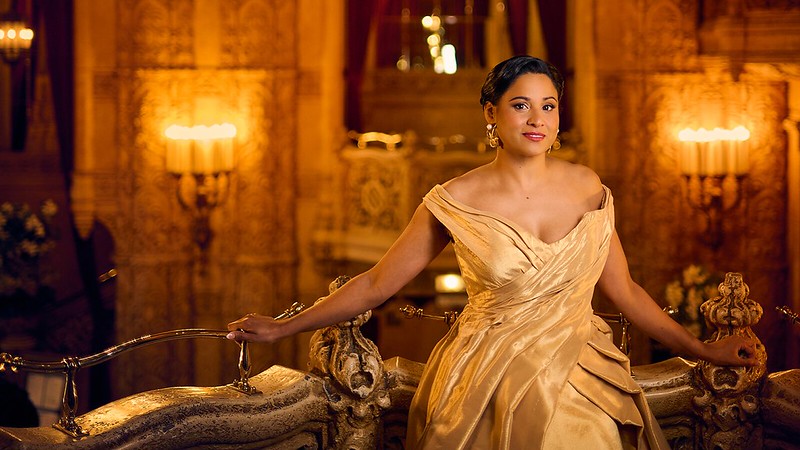
Violetta Valéry — sung by Maria Laura Iacobellis (soprano). This is a vastly complex role, involving humour, love, the manipulative arts, fragility without shrinking, vulnerability without victimhood. Maria fused the challenge of carrying the richness of this incredibly lyrical and beautiful score with the leviathan demands of the actress with certainty, assurance and a knowing wisdom. Truly this is no mean feat, and so bouquets to both the artist and director for their diligent attention to detail and their vision of how best to tell this complex and ultimately tragic story.
The pomposity and absurdity of opera in the social media age
Opera survives because it is gloriously excessive. In a world of scrolling attention spans and filtered identities, it offers gigantic emotions performed without apology. People sing instead of speaking, lovers die spectacularly for honour, and heroines expire from tuberculosis after impossible high notes. It is absurd, pompous and magnificently unreasonable — precisely why younger audiences continue rediscovering it.
Millennials and Gen Z often approach opera ironically at first, amused by the melodrama and velvet excess. Yet opera runs on the same emotional machinery as social media itself: spectacle, vanity, heartbreak, rivalry and emotional performance before an audience. Opera simply does it with orchestras instead of smartphones.
Its grandeur also offers relief from disposable digital culture. In a world of compressed messages and endless content, opera insists on scale, slowness and emotional commitment. Beneath the wigs, chandeliers and outrageous plot twists lies something timeless: human beings longing dramatically, foolishly and beautifully for love, meaning and recognition.