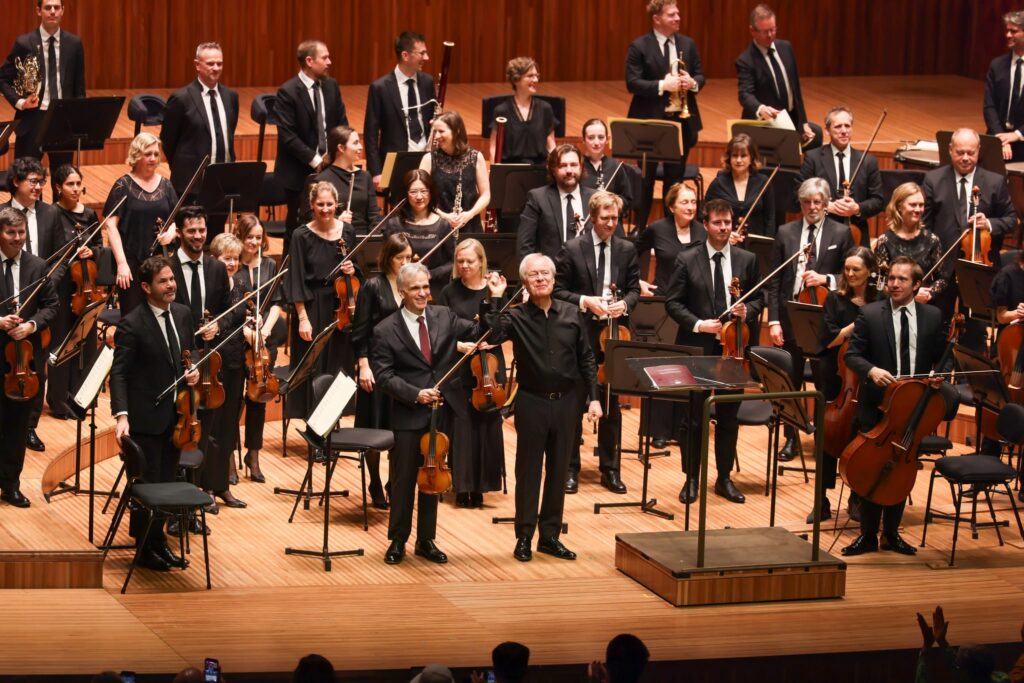
Sydney Symphony Orchestra | Gil Shaham performs Beethoven’s Violin Concerto
5 July 2026, Sydney Opera House Concert Hall, Sydney NSW
conducted by David Robertson
Beethoven Violin Concerto in D major, opus 61, with Gil Shaham soloist.
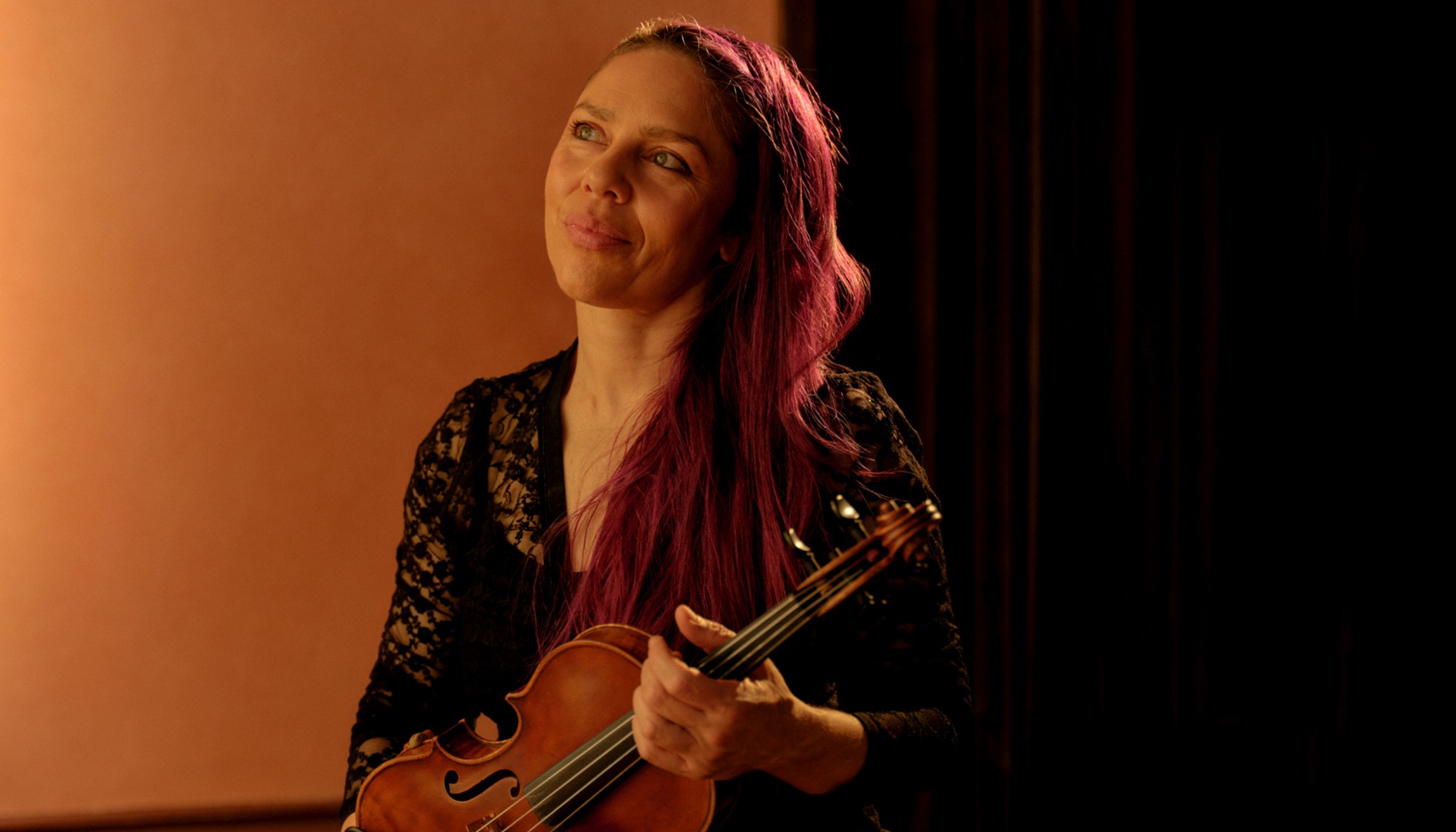
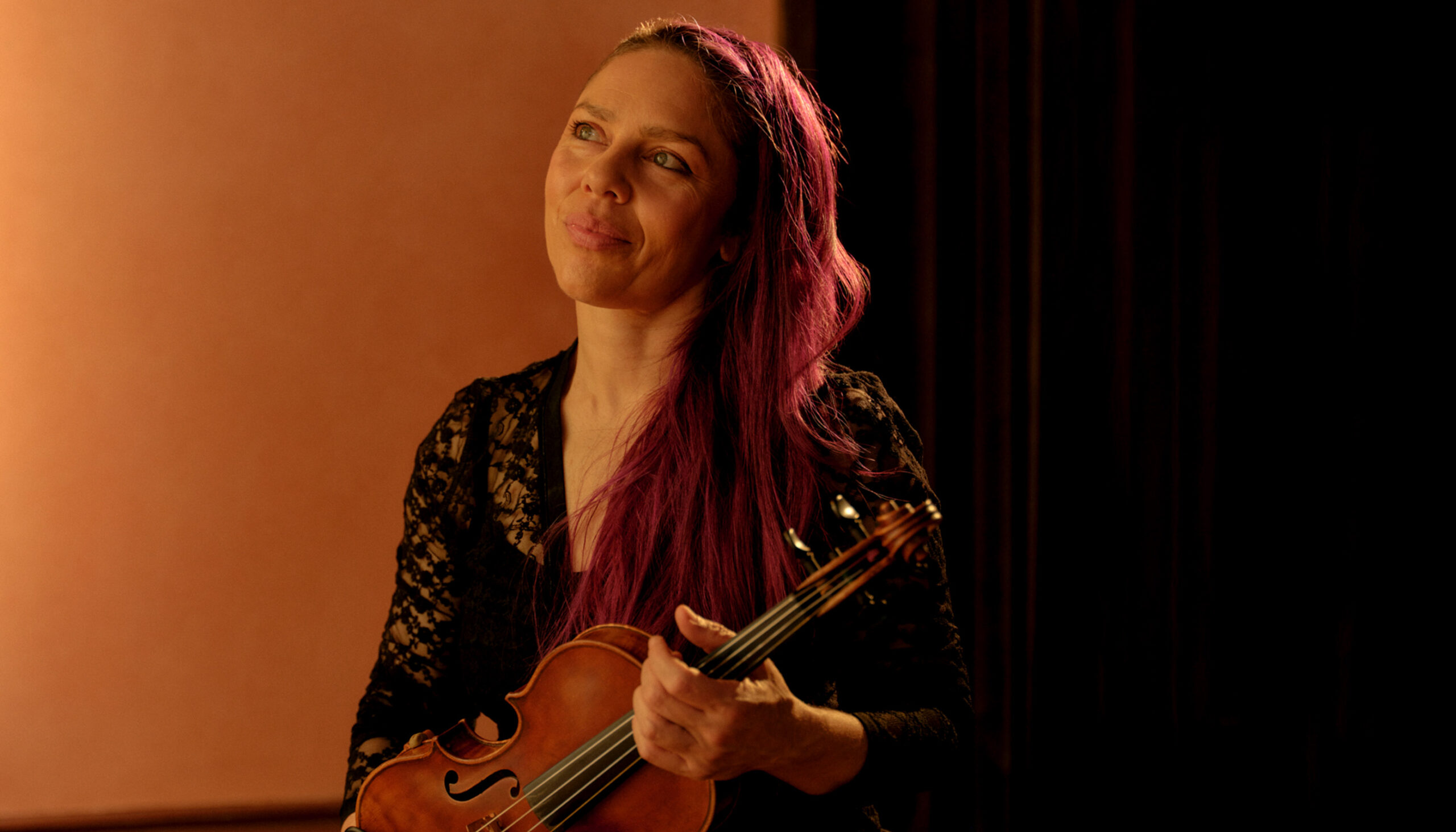
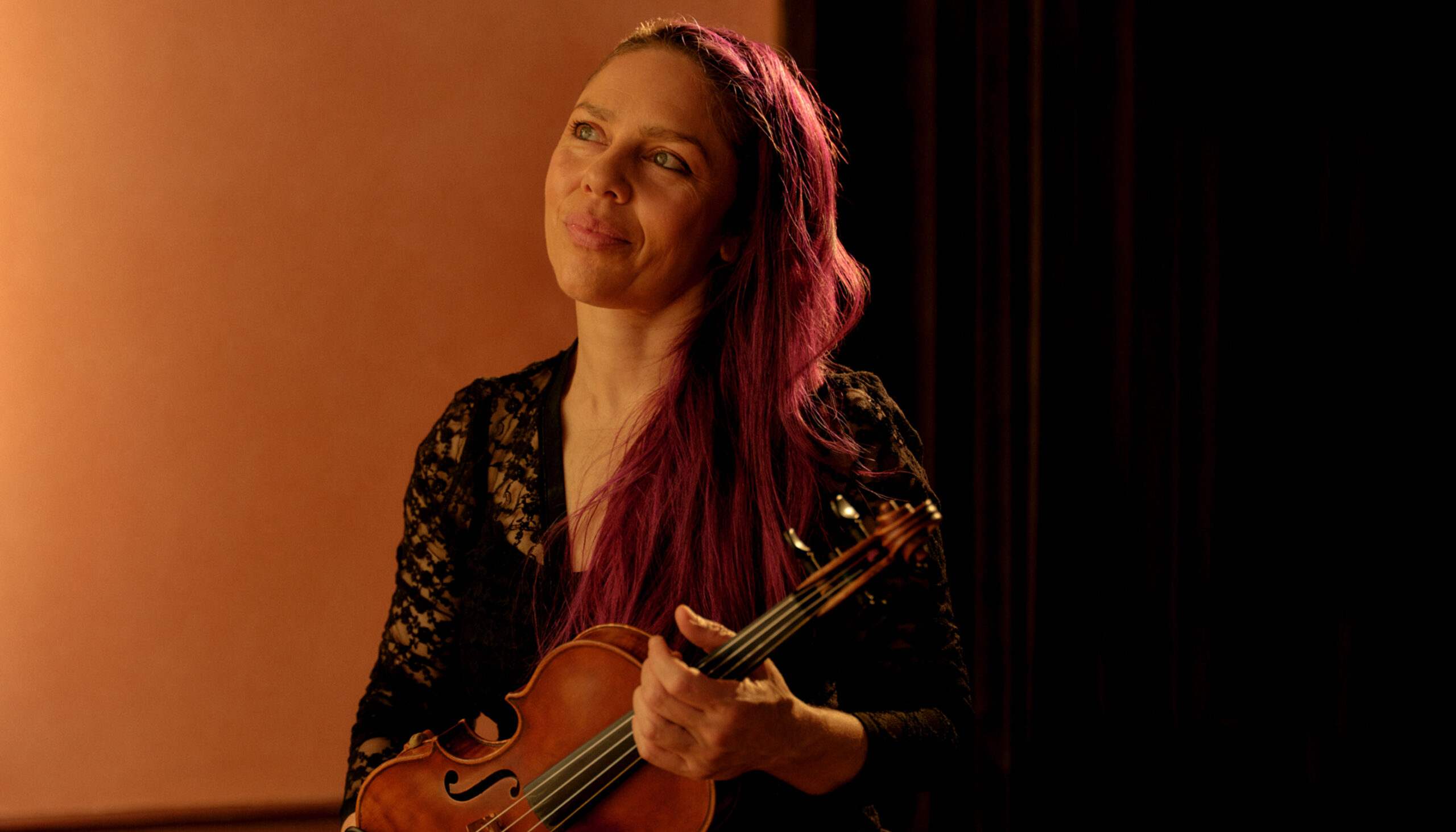
Celebrated American violinist Gil Sharman delivered a radiant and flawless performance that masterfully balanced the monumental scale of the Beethoven with intimate, lyrical grace. The dynamic range of both orchestra and soloist was particularly striking. So were the brisk tempi. Lots of content to get through! (In other words, it’s a long piece.) Gil often came in early for his entries, which worked really well for his interpretation. He has a sumptuous and clean tone well suited for the Beethoven violin concerto — most violinists dread the high exposed unaccompanied notes that beset the solo part, but his articulation is so pure and in tune that he has no fear. His 1719 Stradivari sings with sensible musical phrasing and rubato.
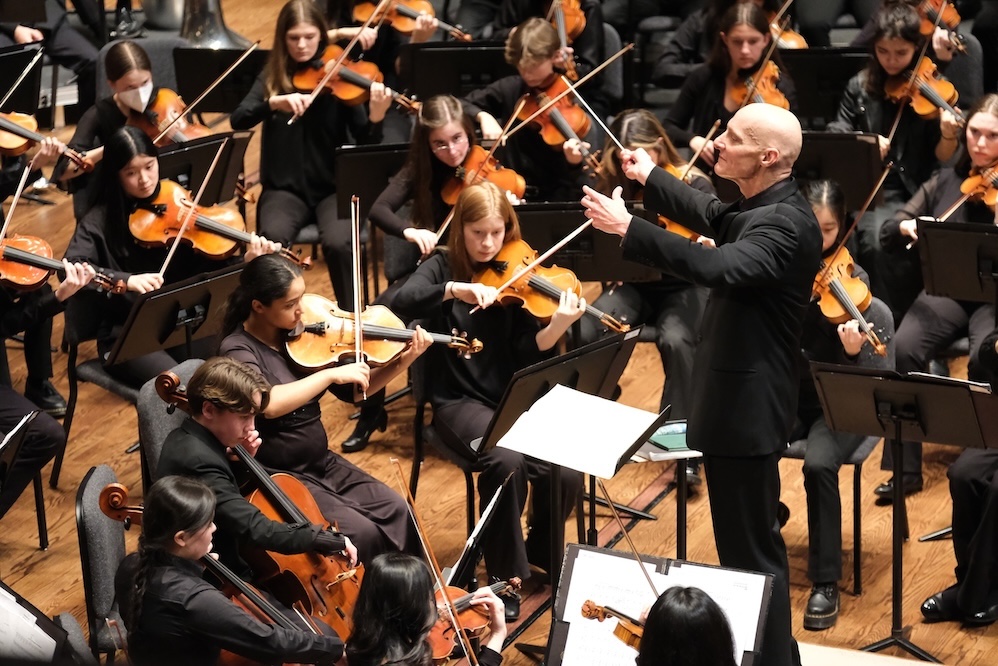
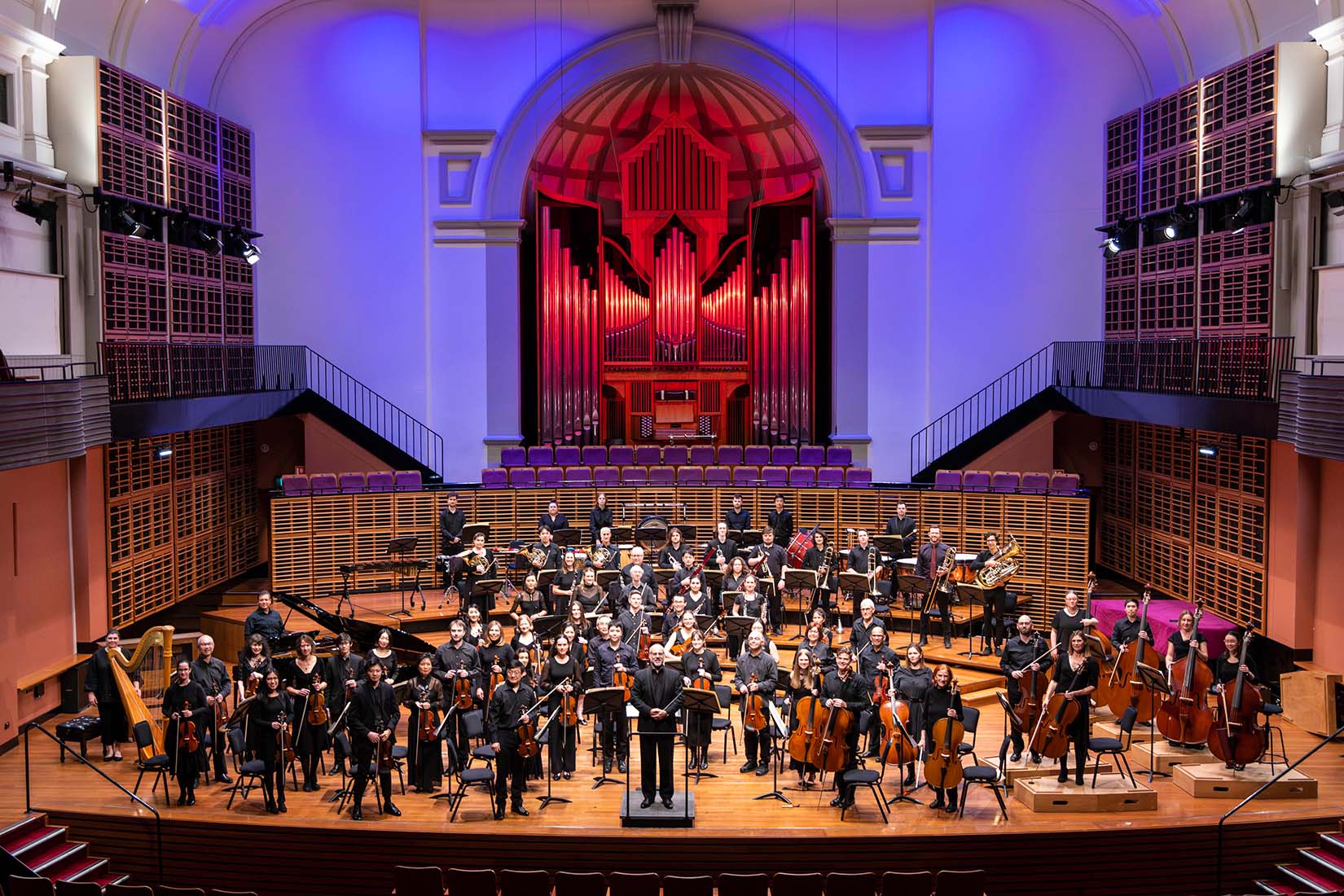
A successful Beethoven Violin Concerto requires a true partnership between the soloist and the ensemble, and the synergy here was absolute. Under the baton of David Robertson, the SSO provided an accompaniment that allowed Gil’s subtle turns of phrase and nuanced dynamics to cut through clearly. The orchestra responded to his pliant shaping of the solo line with immaculate rapport, matching his energy and lifting every phrase with purpose.
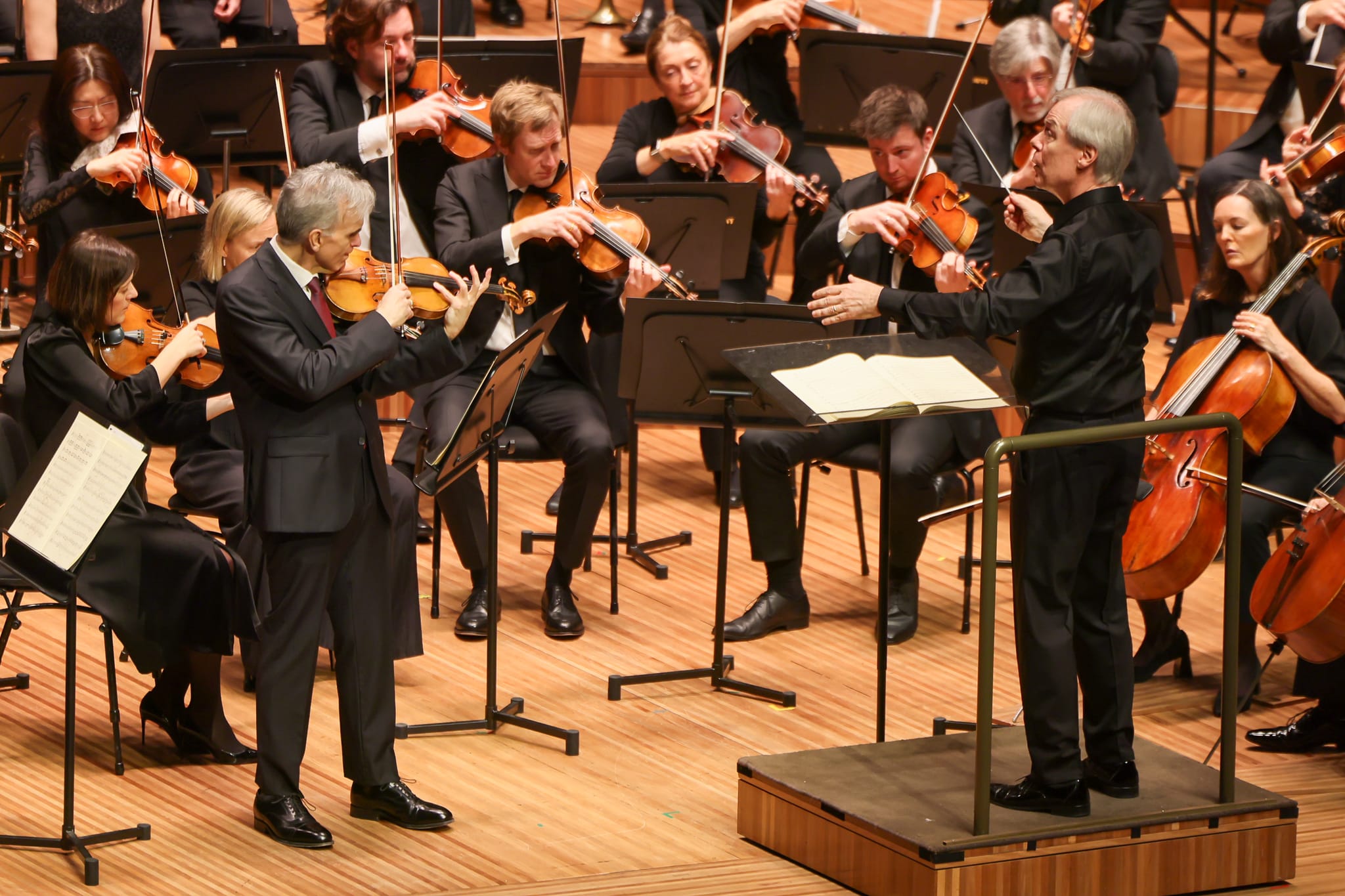
He navigated the soaring heights and intricate demands of the piece and its cadenzas with stunning dexterity, proving to be both agile and deeply thoughtful. While the playing remained undeniably athletic, it never fell into the trap of cheap showmanship; instead, every note was imbued with clear artistic intention. His obvious love for the piece, his instrument and his desire to give the audience (and Beethoven) his best was palpable. It was so good to see a soloist enjoying the music that he is listening to (the orchestral interludes are very long in Beethoven) and also warming up his fingers on his violin’s fingerboard while the wonderful SSO is playing. What a multi-tasker! One small observation that may be useful: when Gil turned towards the orchestra or stood behind the conductor, his sound seemed to lose projection from where I was sitting, which occasionally affected the balance between soloist and orchestra – otherwise, this was a transcendent performance of a deceptively difficult classic.
Gil then gave us an encore of Bach’s Gavotte from his 3rd Partita in E for unaccompanied violin, and it was jaw-dropping how the soloist’s technical proficiency and control was so masterfully displayed – especially with the grace notes on double stops. He showed us with the flawless intonation of both his performances that he worked hard, but it looked effortless to us!
Nielsen Symphony 4, opus. 29, FS76 ‘The Inextinguishable’
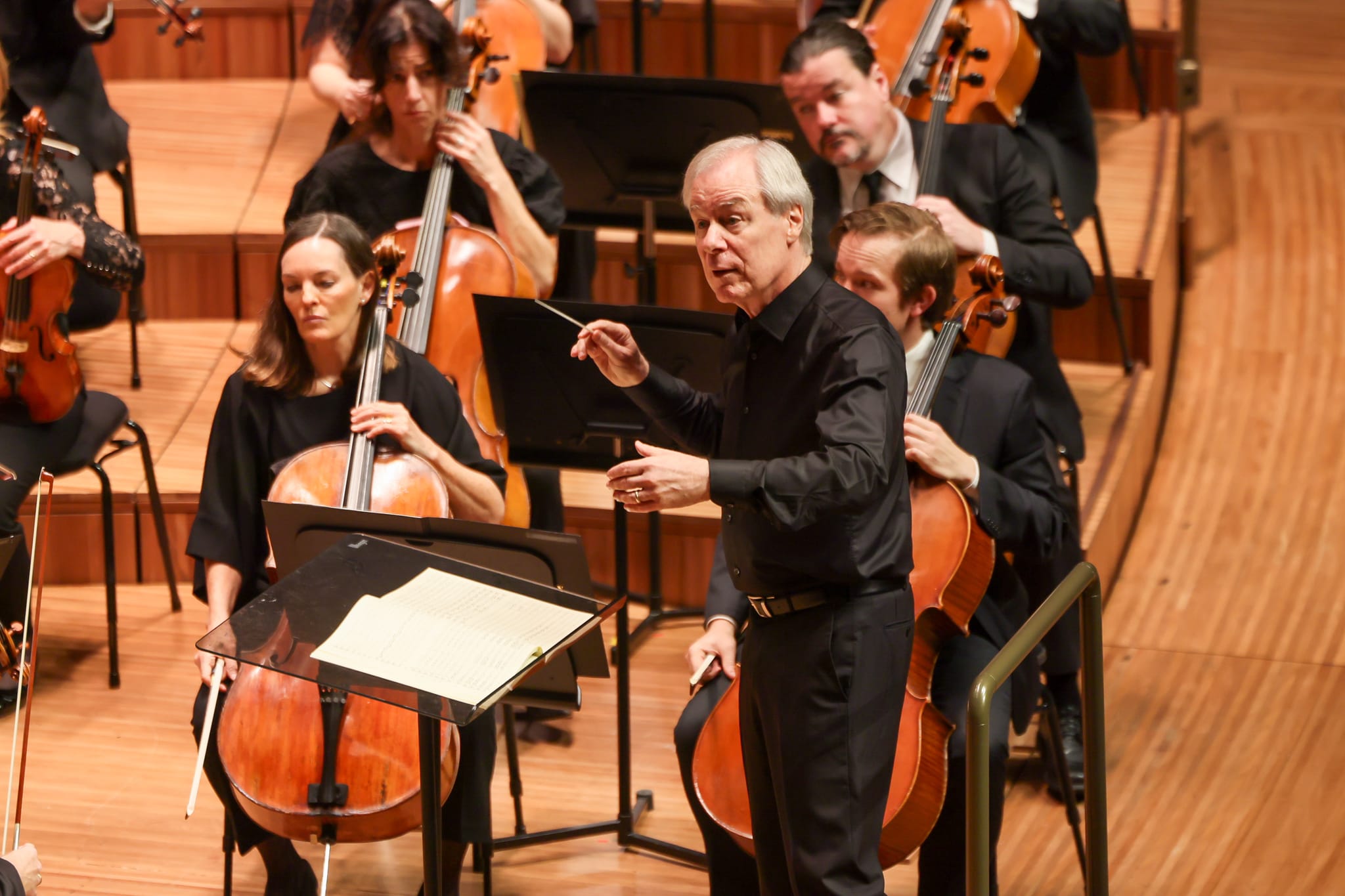
David Robertson’s interpretation of Nielsen’s Symphony No.4 was an absolute triumph. He captured Nielsen’s famous manifesto that “Music is Life”, guiding the orchestra through a visceral, electrifying performance that left the audience breathless from start to finish.
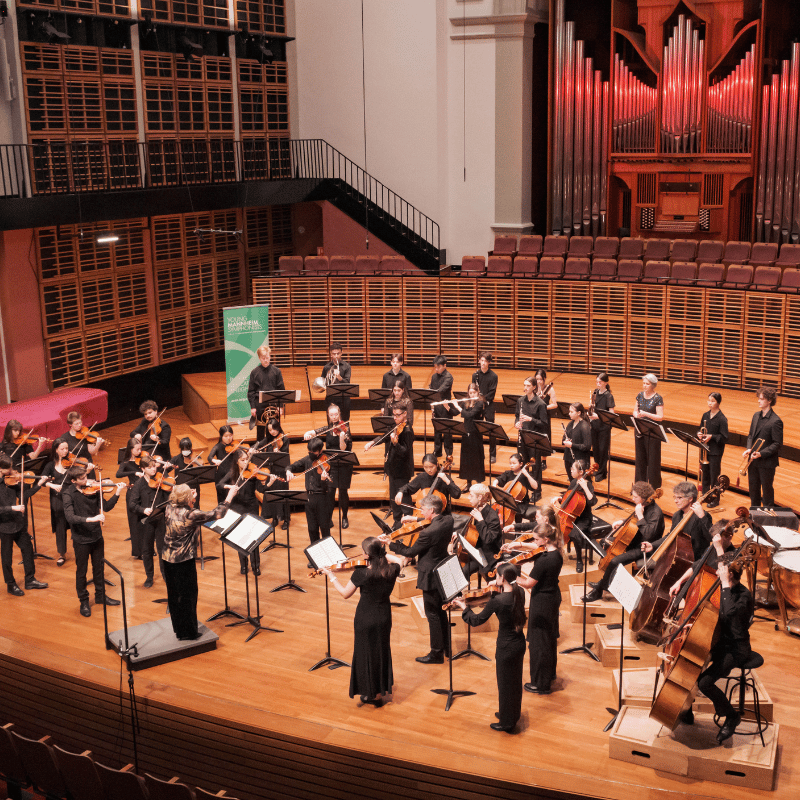
The opening salvo burst forth like a shot, immediately establishing muscular, driving, and relentless momentum. Under Robertson’s expansive gestures, the Sydney Symphony Orchestra produces a fierce sound that would not be out of place in a movie scene of Armageddon, which Nielsen alludes to (WWI).
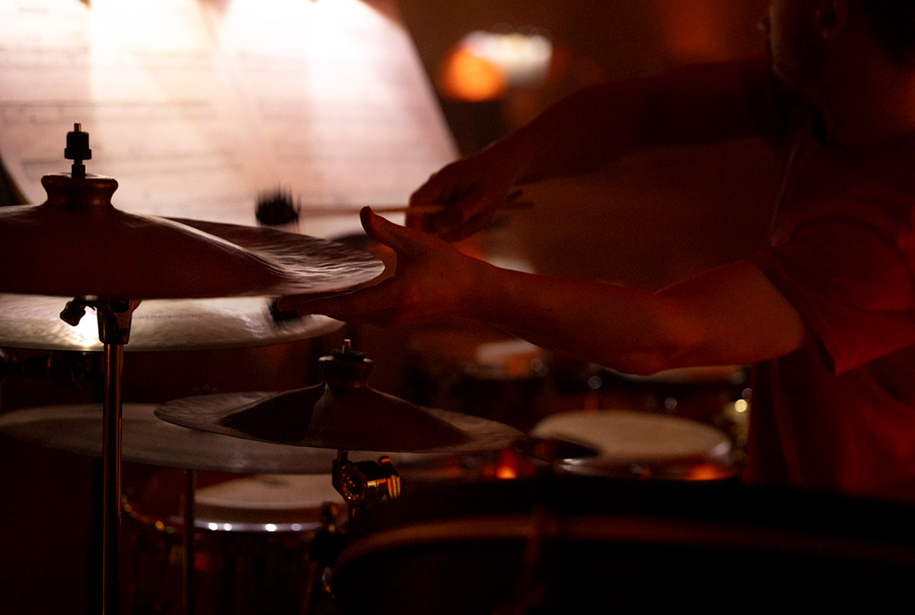
The orchestra navigates the technical polyrhythm hurdles with spectacular clarity. The lush, responsive strings provide a rich sonic foundation, while the brass and woodwinds gleam with piercing intent. The second movement, with its pastoral woodwind conversations, provides a fleeting and beautifully balanced respite from the underlying tension. The ultimate highlight of the performance comes in the fourth movement, where the music transforms into a sonic battle to the death between two sets of timpani positioned on opposite sides of the stage. The physical impact in the Concert Hall is staggering. Robertson harnesses this ferocious duel, ensuring it never devolves into mere spectacle, but rather serves as a physical representation of the triumphant life-force. The ensuing crescendo builds into a radiant, sunrise-like climax that is both thrilling and profoundly moving.
This is a breathtaking, white-knuckle ride through one of the twentieth century’s symphonic masterpieces. Robertson and the SSO seamlessly link Nielsen’s four movements into a single, cohesive and exhilarating narrative, delivering a performance that is unmissable for any music lover.
Photo credit – Sydney Symphony Orchestra