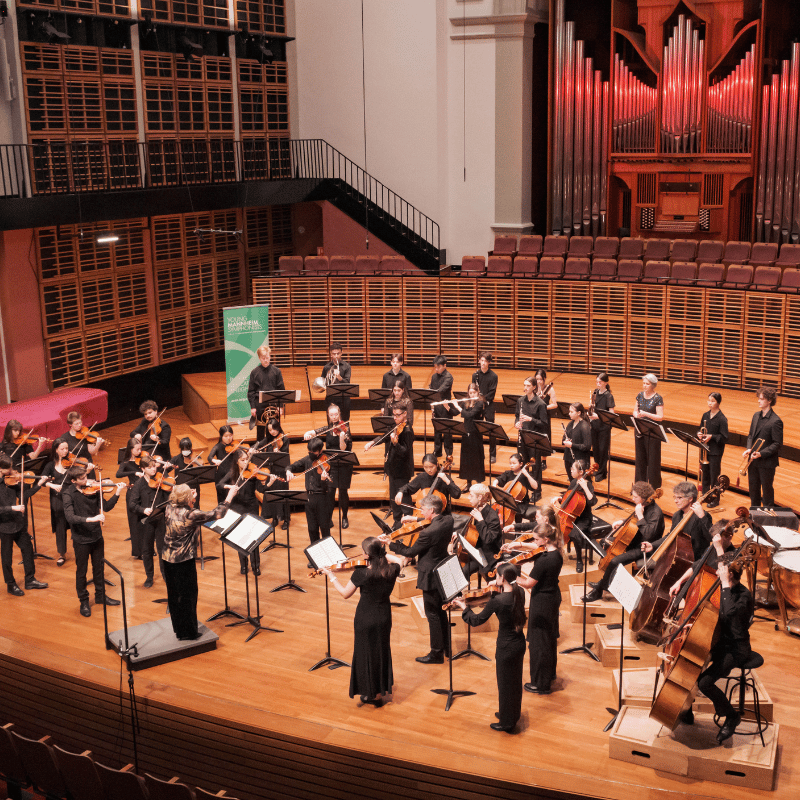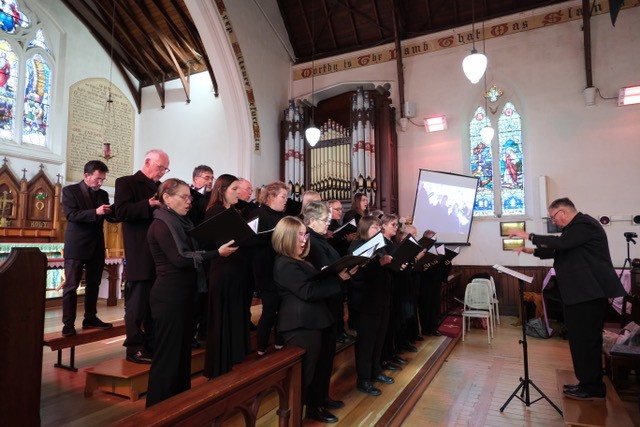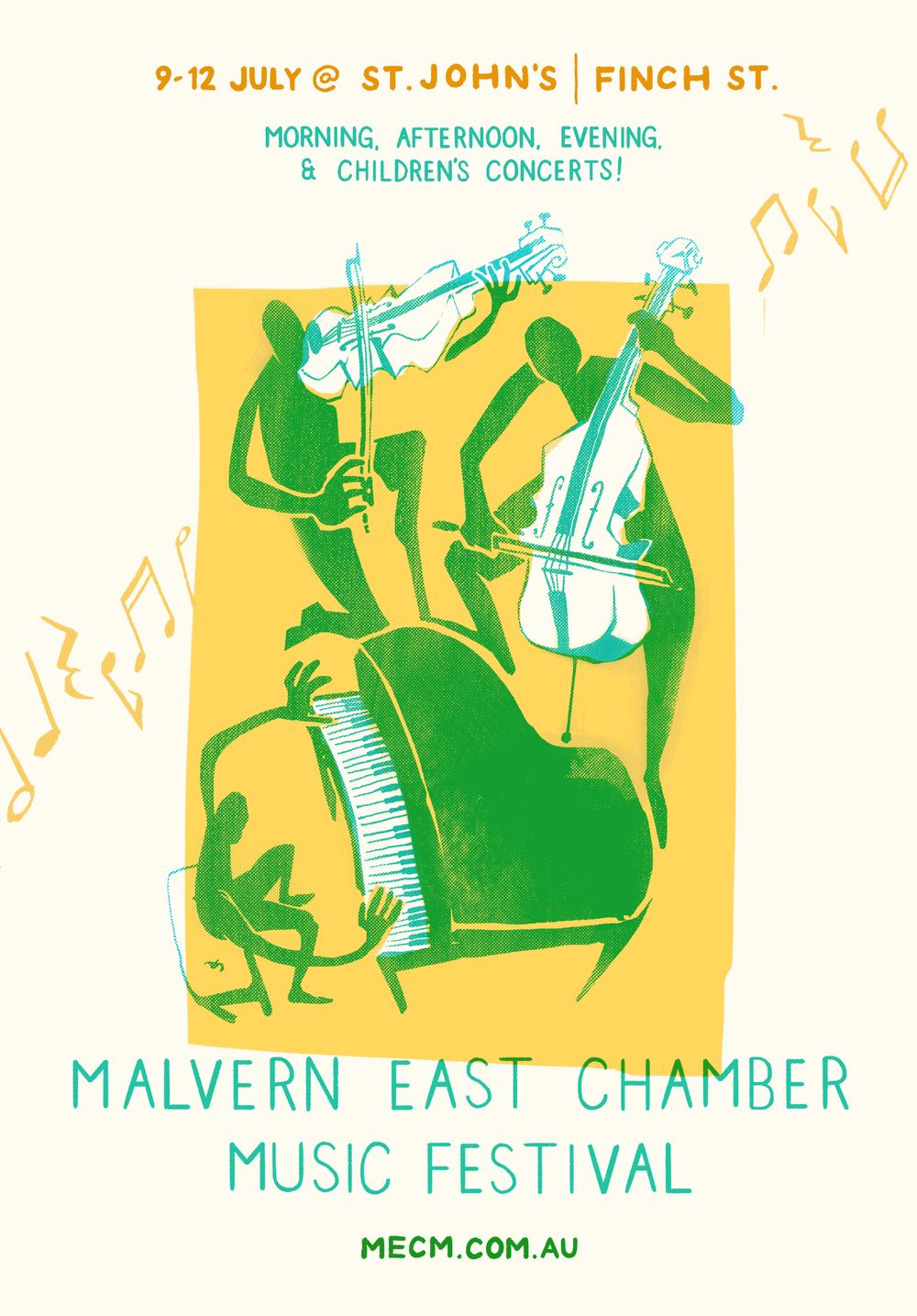
Set in the heart of the quaint town of Bangalow, Northern New South Wales, the A&I hall was an intimate venue for chamber music. Locals flock each year to attend the Bangalow Music Festival, an important event for their community.
Bangalow Music Festival, presented by Southern Cross Soloists, is now in its 18th year. The 2019 theme, Conversations Through Chamber Music, explored musical storytelling. Tania Frazer, Artistic Director, said chamber music is a conversation where each musician must listen, react and communicate.
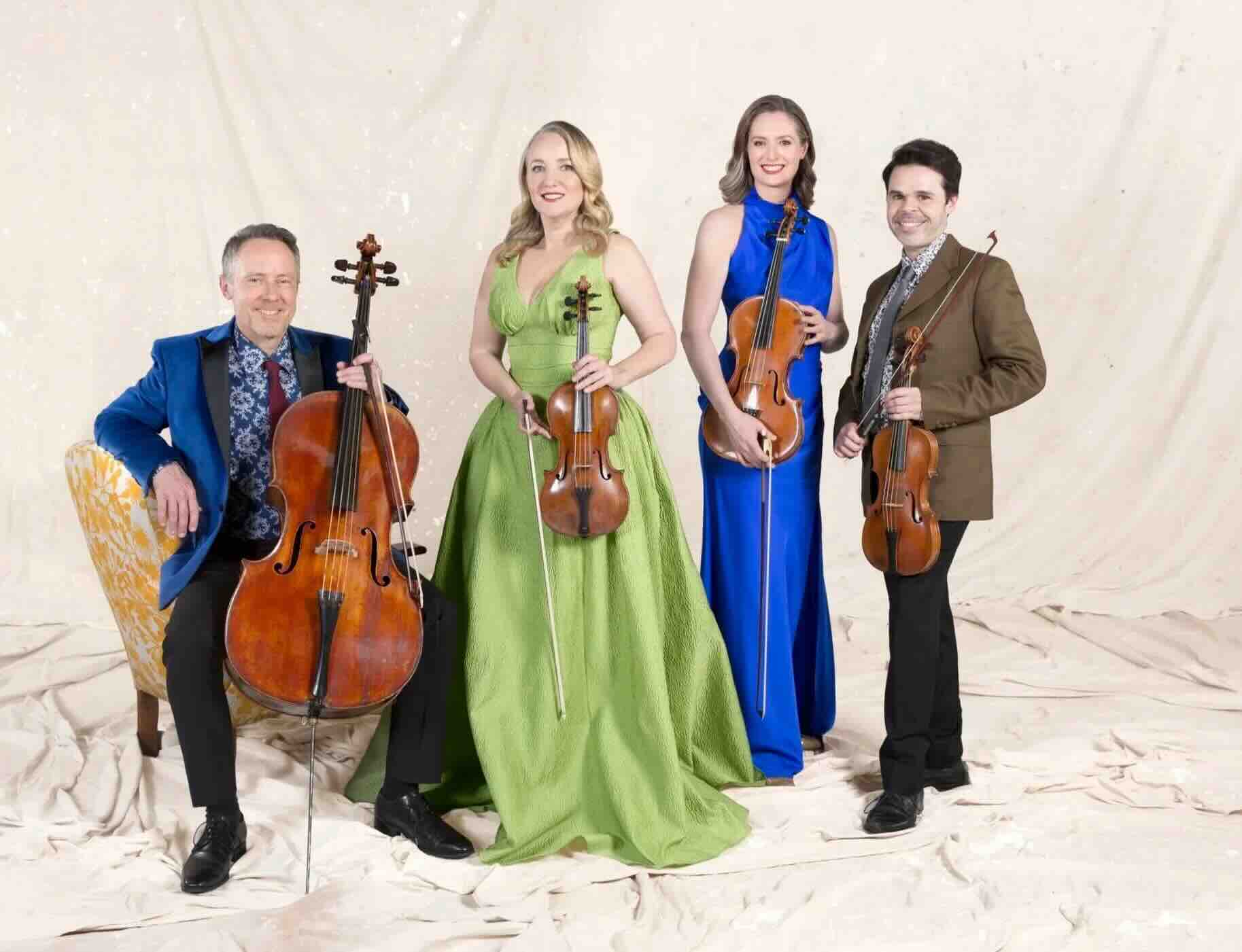
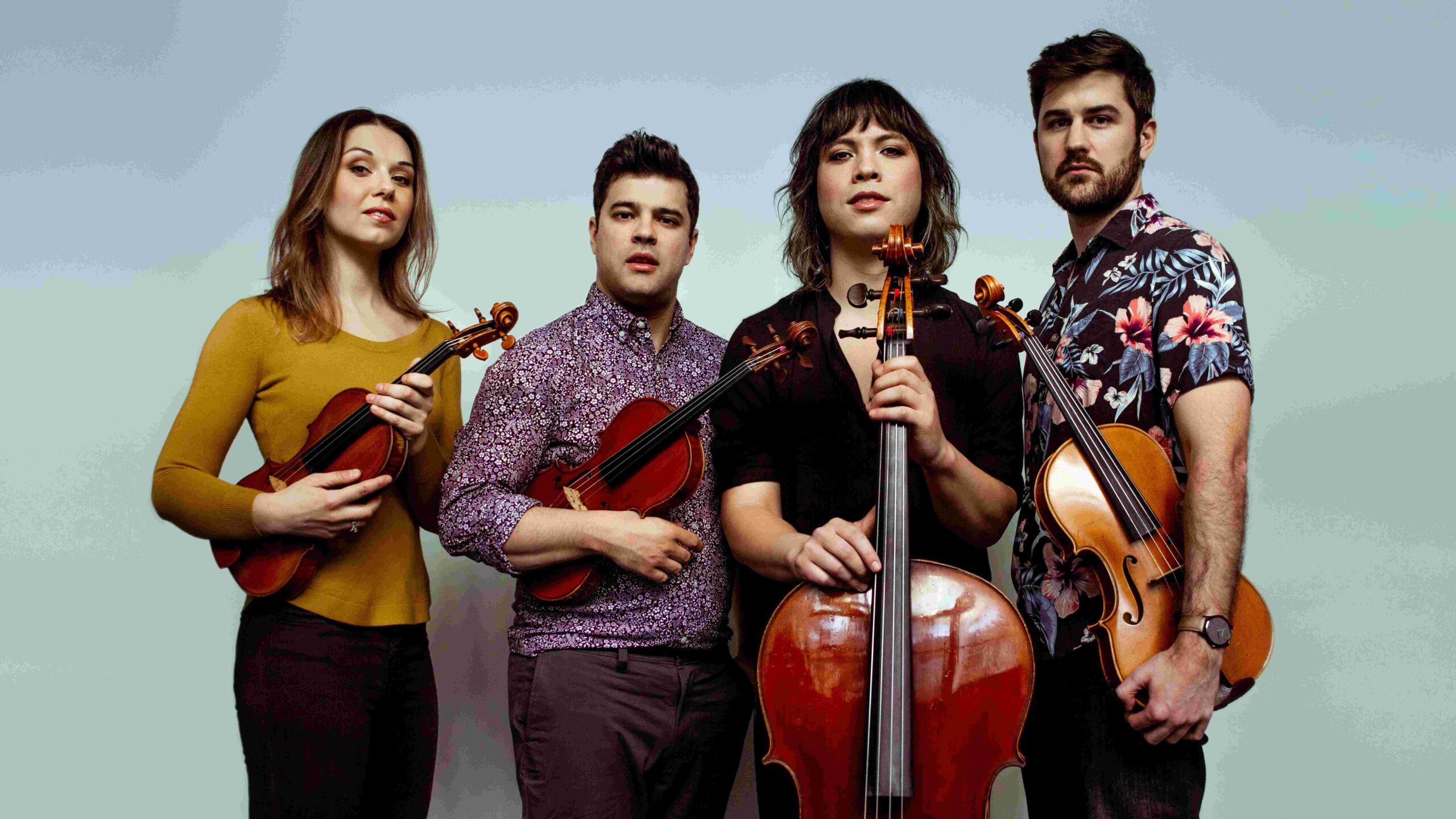
Held from the 9th-11th August 2019, Bangalow Music Festival featured Australian chamber artists and international soloists, including the Orava String Quartet, New Zealand Chamber Soloists, guitarist Karin Schaupp, conductor Chris Dragon, and Southern Cross Soloists. Southern Cross Soloists is formed of leading soloists from across Australia, who aim to foster emerging chamber talent and provide engagement for regional communities.
The programme on Saturday opened with ‘Karin Meets Dragon’, an in-conversation between Chris Dragon and Karin Schaupp, tracing the history of the guitar. Schaupp was joined by a string quintet from Southern Cross Soloists to perform Tarantella Napoletana by Athanasius Kircher, a lively folk dance accompanied by castanets. This bold piece captured the audience and allowed the guitar to shine.

Next, a string quartet by Joseph Hayden, No.8 in E Major, Op. 2, No. 2, a divertimento with five movements, including two minuets framing a slow central movement. The first movement began with a sprightly conversation between the first violin and its three partners. Violinists Victoria Sayles and Alan Smith tackled the difficult passages with dexterity.
Then, the father of Spanish guitar, Rodrigo. Schaupp, on guitar, and Tania Frazer on cor anglaise, performed a duet of Joaquín Rodrigo’s Aranjuez ma pensée, one of his most well-known compositions. This duet was performed with real sensitivity, the two instruments weaving in and out in a conversation. The piece was full of sorrow, but also redemption.
The string quintet then returned for Robert Davidson’s Landscape. Davidson is a Brisbane-based composer, who has had works commissioned and performed by all of Australia’s professional orchestras. Landscape was commissioned for Schaupp and string quartet. The piece is inspired by the Glass House Mountains landscape. Schaupp and the quintet performed this piece with full, heavy sound, moving through light and dark sections, like a rushing river.
To close, Schaupp was joined by Blair Harris on cello to perform Suite Populaire Espagnole by Manuel De Falla. The piece was in three movements, El Paño Moruno, Nana and Polo, each telling Spanish folklore stories with a flamenco flair. Harris stole the stage, playing with attitude and expression, one with his cello. His hair dancing, body rocking, even dimples on his face. He was met with rapturous applause.
Audience members received light refreshments and crowded in the warmth of the adjoining hall.
Saturday’s second concert featured the wind instruments from the Southern Cross Soloists. First, Lina Andonovska performed Sergei Prokofiev’s Flute Sonata Op. 94, accompanied by Alex Raineri on piano. Andonovska’s flute soared high like a bird. She showed mastery of the instrument throughout.

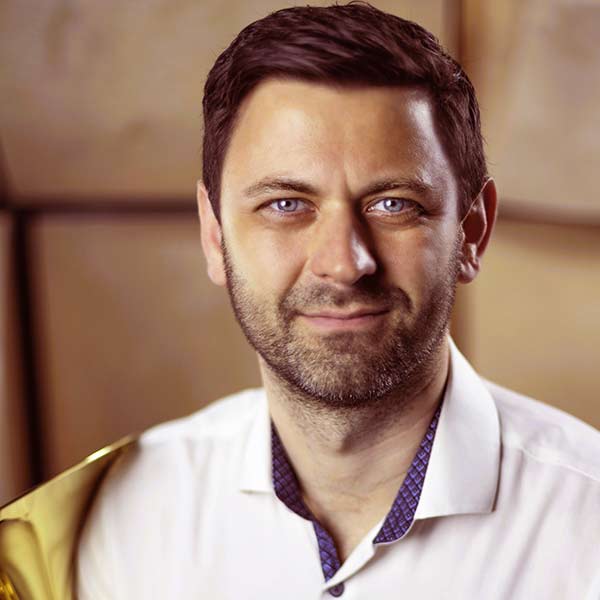
Next was Alex Miller on French horn, playing Ross Edwards’ Laughing Moon, also accompanied by Raineri. Miller displayed the deep timbre of the French horn, through a reflective movement and contrasted by faster sections.
Ashley Smith then performed a jazzy clarinet solo, Wapango by Paquito D’Rivera. This piece was loud, with clashing notes and complex rhythms. Smith was dynamic, swaying with the instrument.
To close this section, the soloists performed three movements of Francis Poulenc’s Trio for oboe, bassoon and piano, FP 43. This featured Frazer on oboe, Adam Mikulicz on bassoon and Raineri on piano. The piece began slow, interweaving, then faster melodies came in. The instruments blended, conversing with each other. The audience was appreciative.
Before the afternoon concerts, there was a chance to explore Bangalow and eat lunch at a local café. The streets whistled with August winds, but the hospitality was warm.
Saturday’s third concert featured New Zealand Chamber Soloists, Amalia Hall (violin), James Tennant (cello) and Katherine Austin (piano). The concert opened with Ludwig Van Beethoven’s Piano Trio in D Major, Op. 70 No. 1 ‘Ghost’. Amalia Hall’s resonant tone, expression, phrasing and vibrato soaked sound over the audience. The cello and piano blended with the violin.
Next was a work by New Zealand composer, John Psathas, Corybas. This piece had an odd-metered groove, a looser beat, evoking ideas of the ocean. Violin and cello came in and out in rising waves, escalating to the deep undercurrent of the piano’s bass register.
To close, New Zealand Chamber Soloists were joined by Ashley Smith (clarinet), Alex Millar (French horn) and James Wannan (viola) from Southern Cross. The ensemble played Ernst Von Dohnányi’s Sextet in C for piano, strings and winds, Op. 37. The five movements transitioned between moods, the instruments taking turns.

Following this, concert-goers took another stroll around town and found restaurants had stayed open especially for the evening concert, offering dinner.
Saturday evening culminated with a concert by Southern Cross Soloists and Orava Quartet. First, Johann Sebastian Bach, Flute Sonata in G Minor, BWV 1020, featuring flautist Andonovska and pianist Raineri. Andonovska played the two allegro movements with speed and agility, and the slower adagio movement with emotion.
Then, cellist Harris and Raineri played Claude Debussy’s Sonata for Cello and Piano, L. 144. Harris plucked the pizzicato with attitude. His fingers danced up and down the cello’s fingerboard. The piece built to several climaxes, falling away, and then finished in a flurry of percussion.
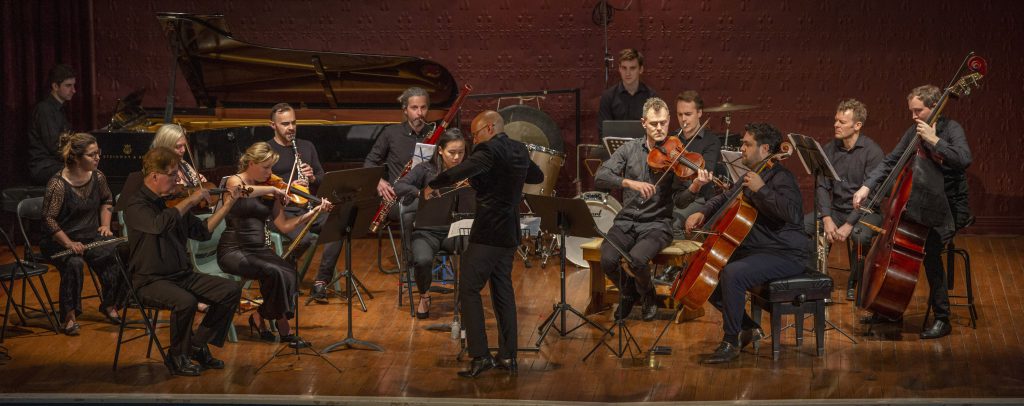
Then, the ensemble reassembled for Joe Chindamo’s Sanctuary. Conducted by Dragon, this piece was a chance for the group to really work together in a layered, dynamic form. Frazer (oboe) and Smith (clarinet) took solos.

A brief interval, with drinks. Audience members pulled their jackets tight as the wind howled outside the hall.
Then, French hornist Miller returned for Robert Schumann’s Adagio and Allegro, Op. 70, accompanied by Raineri. The piece was technically demanding, exploring the range and possibilities of the horn. Miller showed performance nuance.
To finish, the accompanist became the accompanied: the piano was pushed to centre stage, and the ensemble members set up on the floor. Raineri performed Sergei Rachmaninoff’s Rhapsody on a Theme of Paganini, Op. 43. This piece presented variations on Paganini’s theme, with instruments weaving and changes in tempo, mood and texture. The final variations built to several climaxes, but fell back and the piano finished on its own. Raineri displayed virtuosity and was met with cheers, applause and standing ovation. A fitting way to end a music-filled day.

Thoughts about: