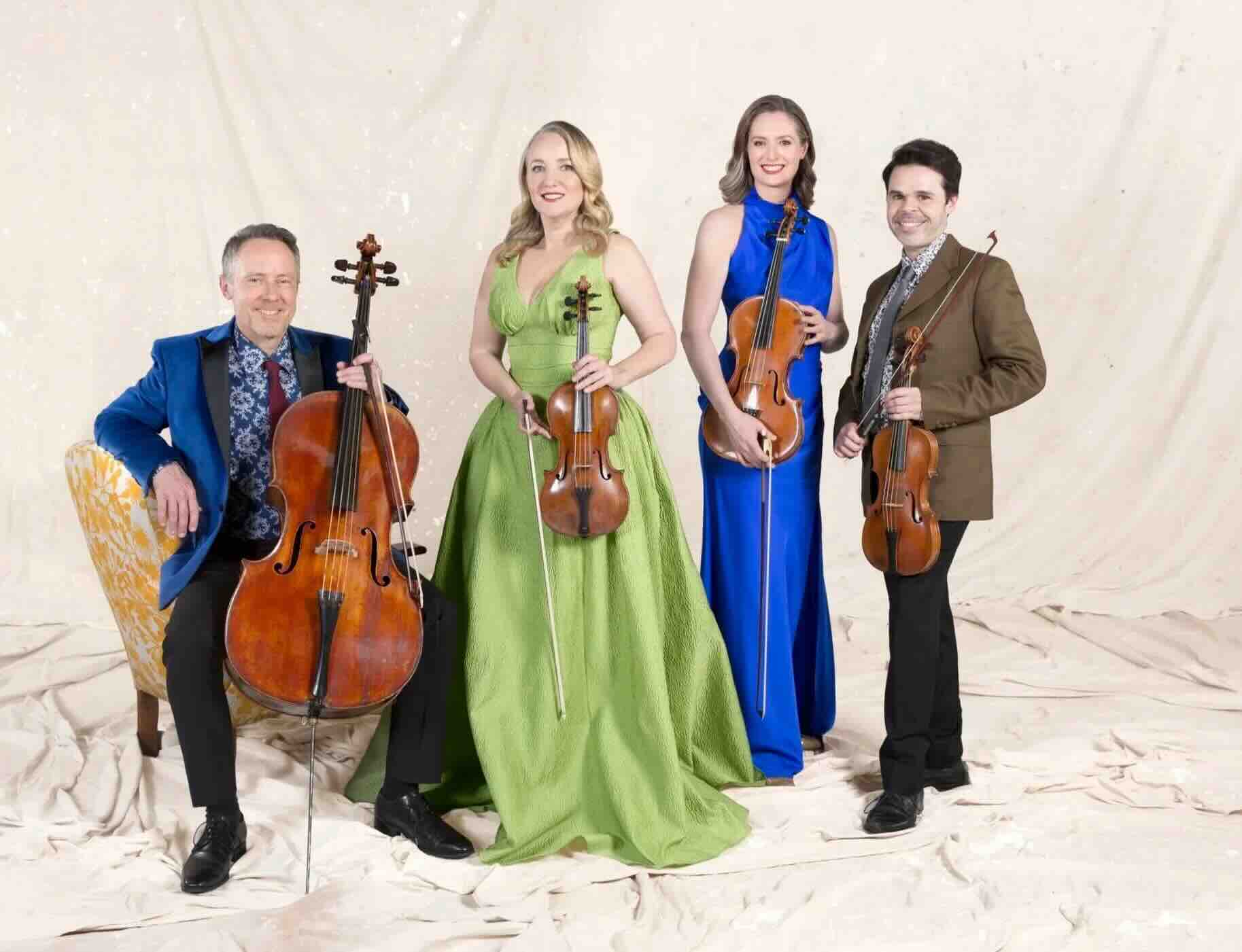
Australia Ensemble UNSW | Concert 4
October 25, 2025, Sir John Clancy Auditorium, UNSW, NSW
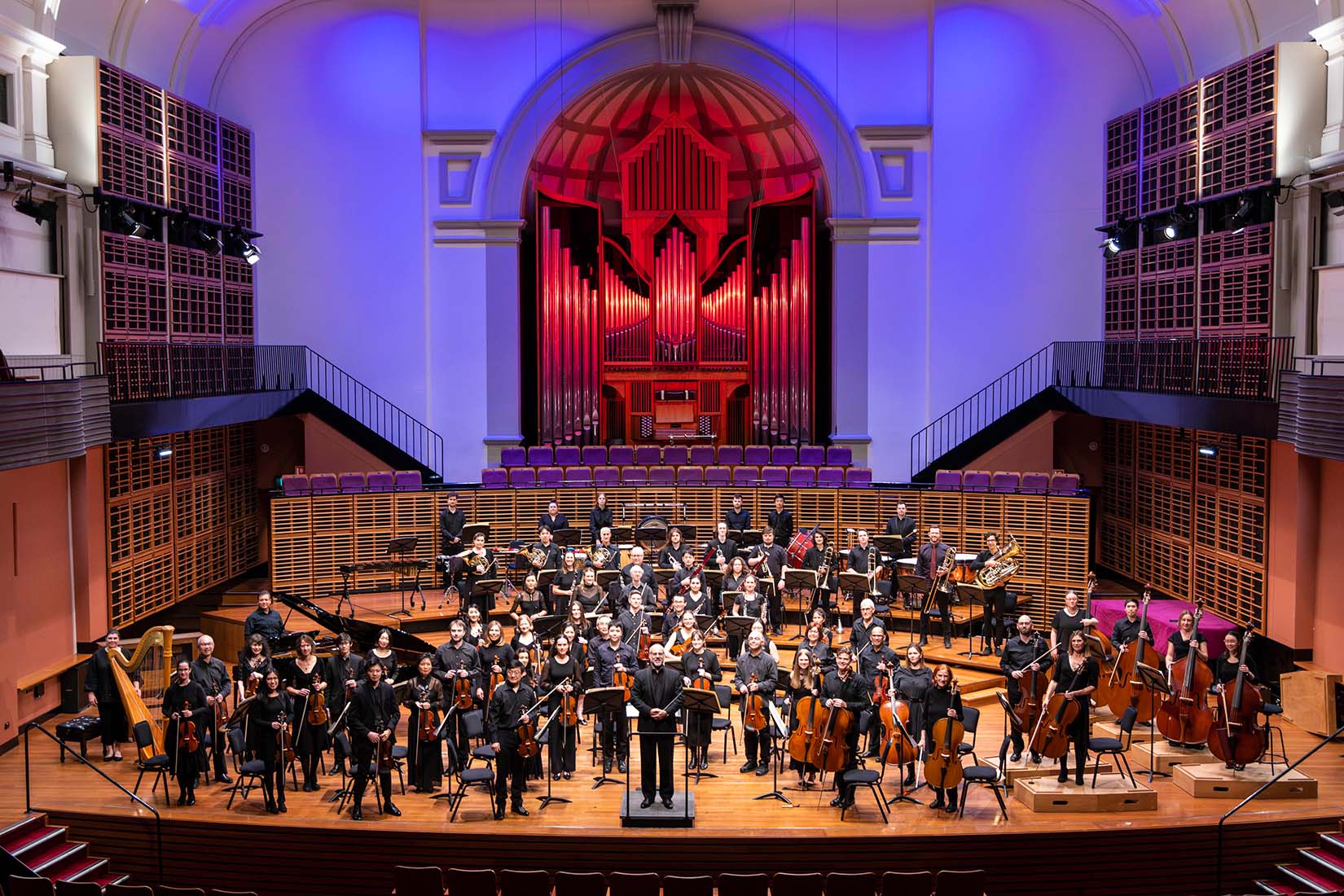
The Australia Ensemble UNSW held its final concert for the year on Saturday October 25 in the Sir John Clancy Auditorium. Catch the light rail from Central Train station like me, it drops you off virtually at the front door step.
The program notes provided were excellent, and the bubblies and chocolates provided after the end-of-year concert were amazing! They topped off a wonderful concert experience and made it truly memorable. You will be getting a lot of the program note’s facts in this review. For example, there were reflections from Australian composer Lachlan Skipworth, whose Canticles was featured at the end of the first half of the program. For anyone who is interested in composing, or learning about the artistic process of creation, interviews and reflections like this are an invaluable resource.
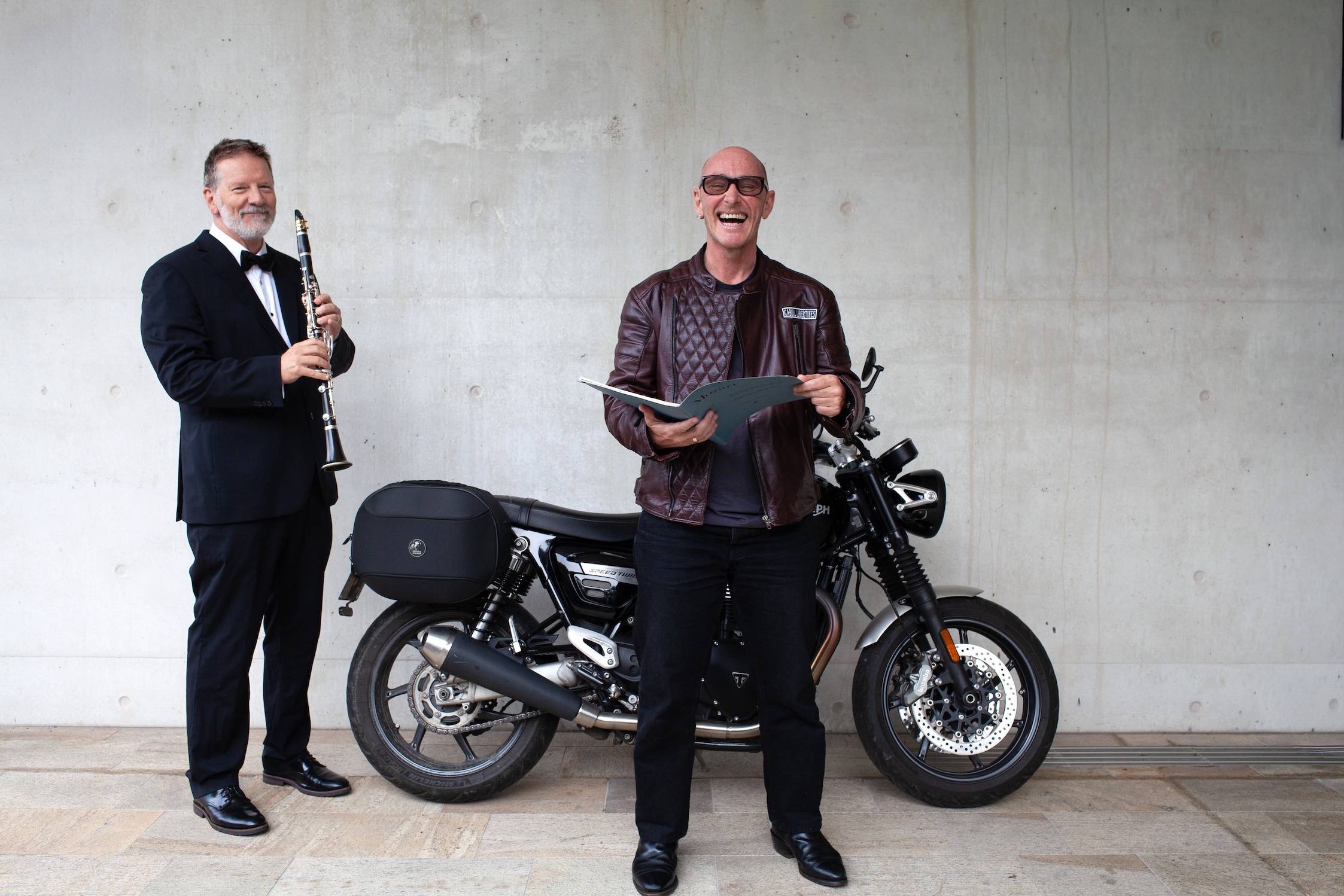
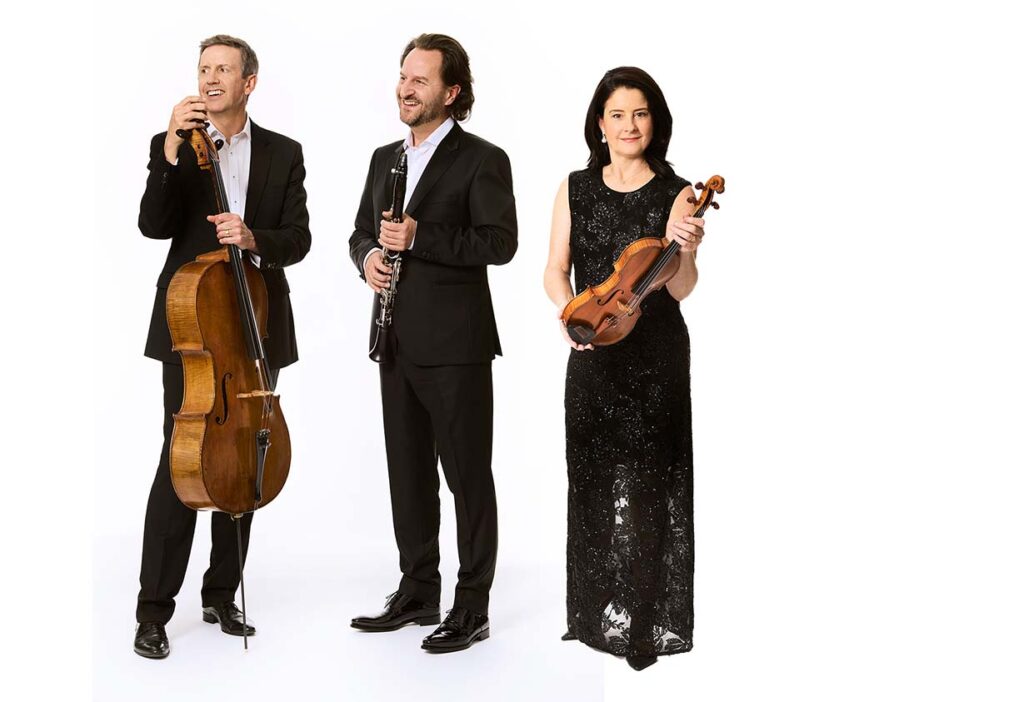
The program started with Beethoven’s Clarinet Trio in B flat major, op. 11. This was a delightful work full of sunshine. And indeed, like many clarinet pieces before and since, it is hard to compose mournful music for such a happy instrument. The synergy and comfort level between performers was evident from the first moment. After minimal tuning, they looked at each other, and began together, straight into it. I love a lack of delaying. At various moments, they leaned towards each other to maintain the synergy, and I love the way that they look at each other when they rubato to taper off their phrases. It was also illuminating to watch Julian Smiles’ (cellist) work that he puts into dynamic contrast – playing softly is not less energy, sometimes it can be more. The great exception to all this teamwork – as it always is – the piano is a lonely instrument even when in an ensemble.
One thing that I found really strange for Beethoven; in the 3rd movement, the piano had a quasi-improvisatory solo passage that sounded almost jazzy. Post-this moment, the whole conclusion to the piece was strange but humorous as Beethoven tied himself into knots while he typically tried to defy conventional expectations of how to finish a piece.
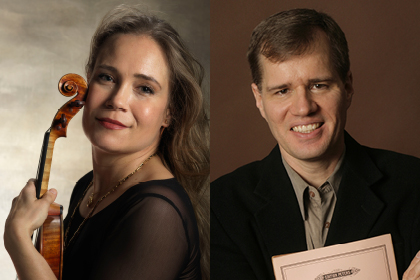
Dimity Hall (violinist) and Timothy Young (pianist) then began the Schumann 3 Romances, op. 22. At first I thought this was a Robert Schumann piece, but as the performance progressed, I thought, “Hang on, this doesn’t sound like Robert’s harmonies”. I did a deeper dive into the program notes, and found that it was Clara’s 3 Romances. I was very pleased with the round full tones Dimity and Timothy were able to elicit from their instruments that were wholly homogeneous and smooth.
The next piece was the Lachlan Skipworth Canticles for clarinet, violin, cello and piano – an Australian and world premiere performance. Despite being a still living ‘modern’ composer, he is a melodic and accessible composer whose primary interest is in communicating and sharing great ideas with his audience.
As the piece faded in from the ether, I thought that the entry sounded luminous and would be a meditative piece. Boy, was I so wrong! And happily so. The piece quickly segued into a violently energetic moment, with jagged passages from all the instrumentalists. Despite all this wildness, the clarinet – as it usually is – was the rock and the beacon which calls everyone else back home once they dissipate their wild energy. Towards the end of the piece, it was so unusual to hear a melody carried by 2 instruments in unison: the violin and cello. All the instruments played a fast and furious rendition which had shades of film music to it, but not quite. I was so happy to hear this eclectic piece at its premiere, and hope that it gets many performances in the future. At the end of the piece, Lachlan came on stage to receive his accolades.
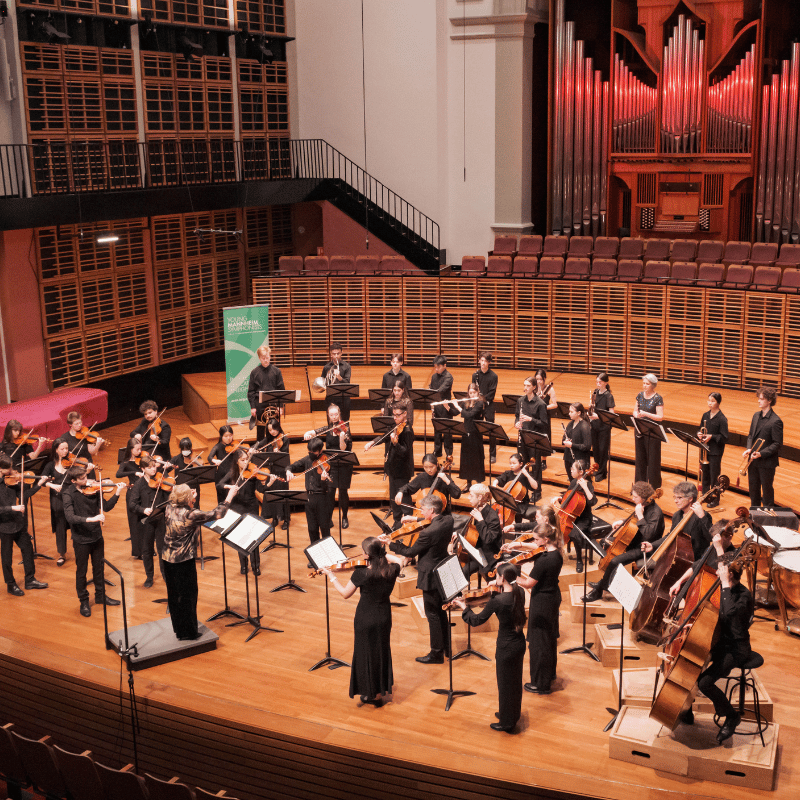
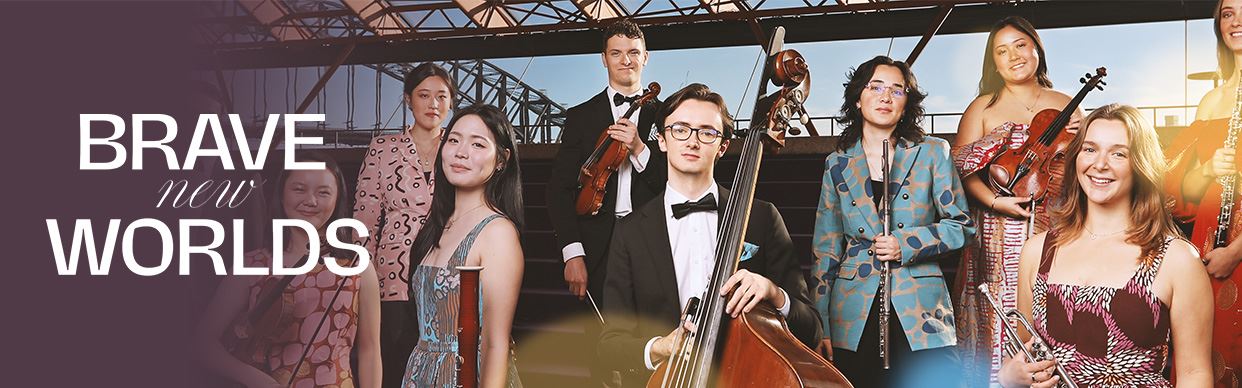
I am not ashamed to say this – I was shocked to see a cello and double bass come on stage for the Dvorak ‘Wind’ Serenade in D minor, op. 44. A deeper dive into wiki told me the truth: 2 clarinets, 2 bassoons, 3 (French) horns and 2 oboes is the minimum. I was so lucky to get the max’ed out ensemble, including cello, double bass and contrabassoon, and I am very grateful to hear this rendition.
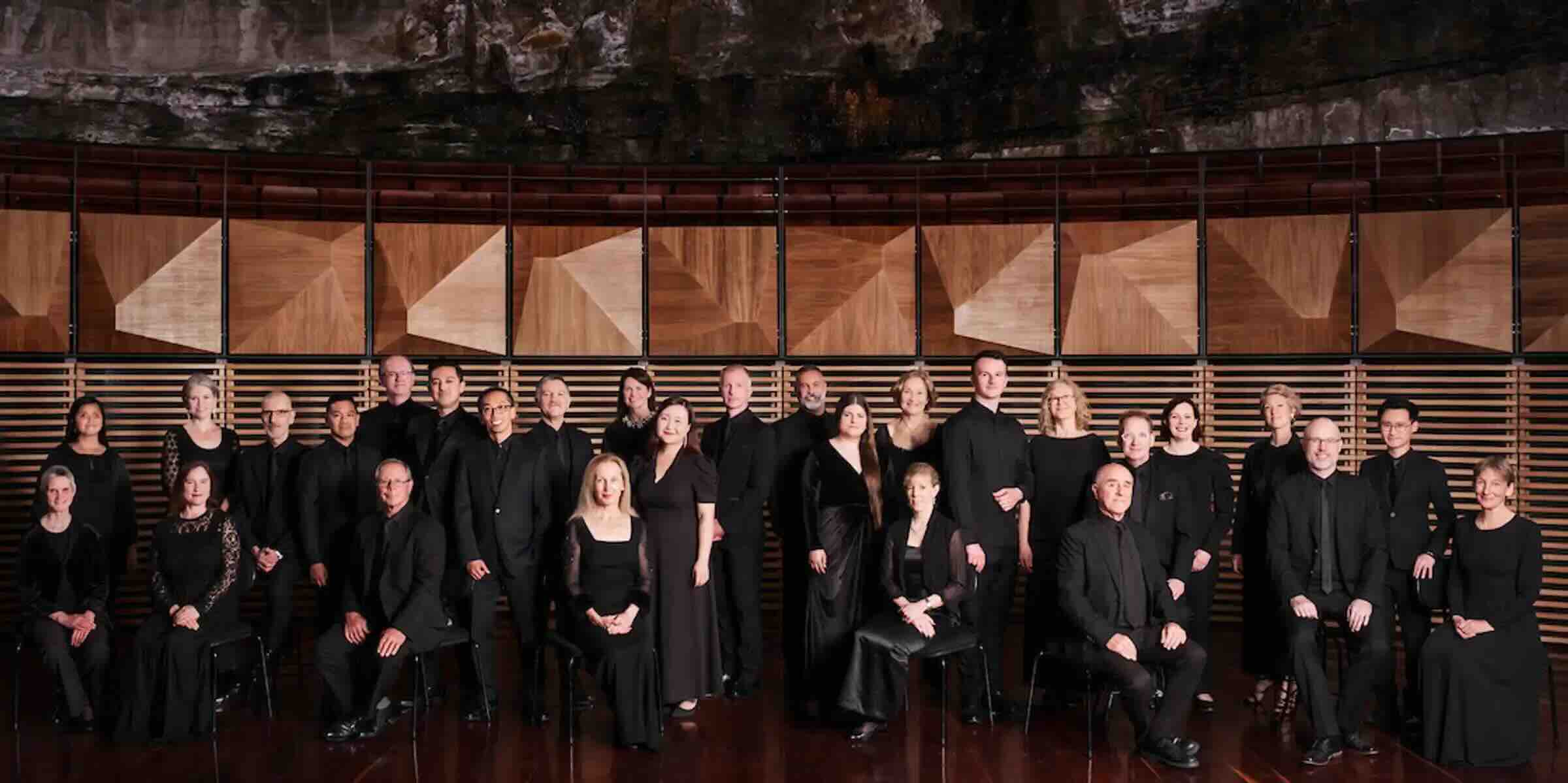
In the first movement, the cellist led the piece, but in the 2nd, 3rd and 4th movements the clarinettist was the ‘conductor’. I never knew that the clarinettist had to change his mouthpiece when he changed instruments. It’s interesting to see a live performance to witness the mechanics involved in performing. It was also utterly wonderful to see the cello and double bass so together that the 2 instruments sounded as one, an octave apart. In all 4 movements, it was gratifying to hear all the different instrumentalists shape their phrases in the same way, so that the phrases of the piece were exquisitely moulded with unity, no matter the instrument. This was particularly true in the 4th movement towards the end, where the piece transforms from the sublime to the martial. At one moment, the piece was travelling smoothly, and then they suddenly ‘tutti’d’, accelerated, crescendoed and presented the march theme of the first movement. It was all performed so seamlessly that it was hard to believe that there were 5 students in this ensemble. While 5 of the performers were students studying at the Melbourne Conservatorium at the University of Melbourne, the end product was an ensemble of the highest quality, with professional standards and elite ensemble skills.