Australian Haydn Ensemble | Haydn’s Passion
December 1, 2024, City Recital Hall, Sydney, NSW
PROGRAM
Haydn: Symphony No. 49 in F minor The Passion
Mozart: Violin Concerto No. 3 in G Major K. 216
CPE Bach: Symphony in E minor Wq.178
Mozart: Symphony No. 29 in A Major K. 201
ARTISTS
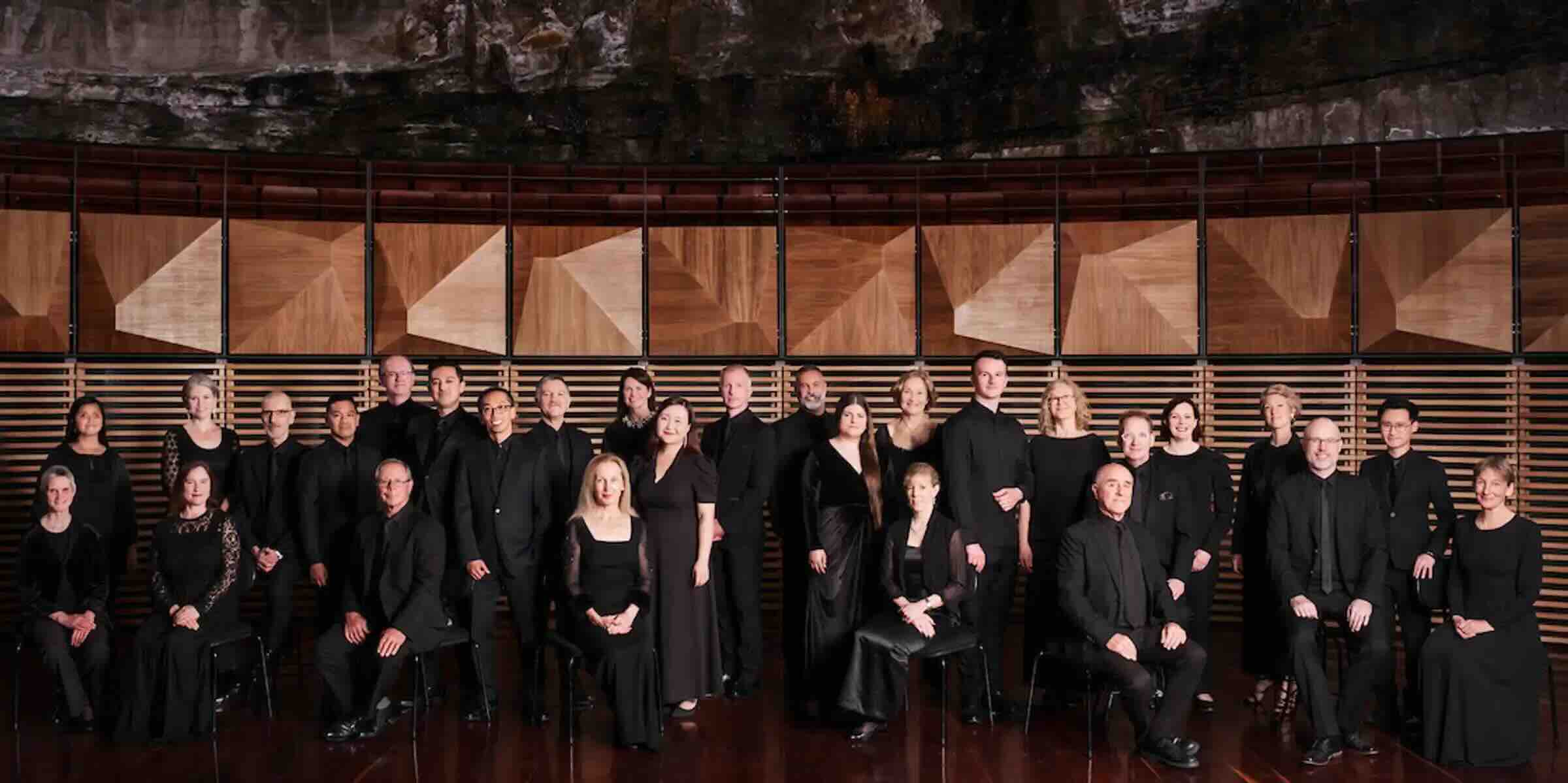
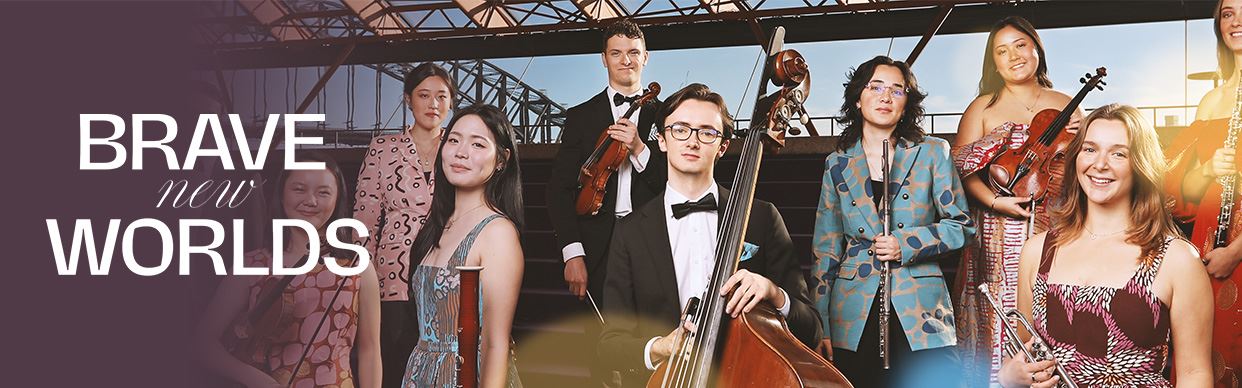
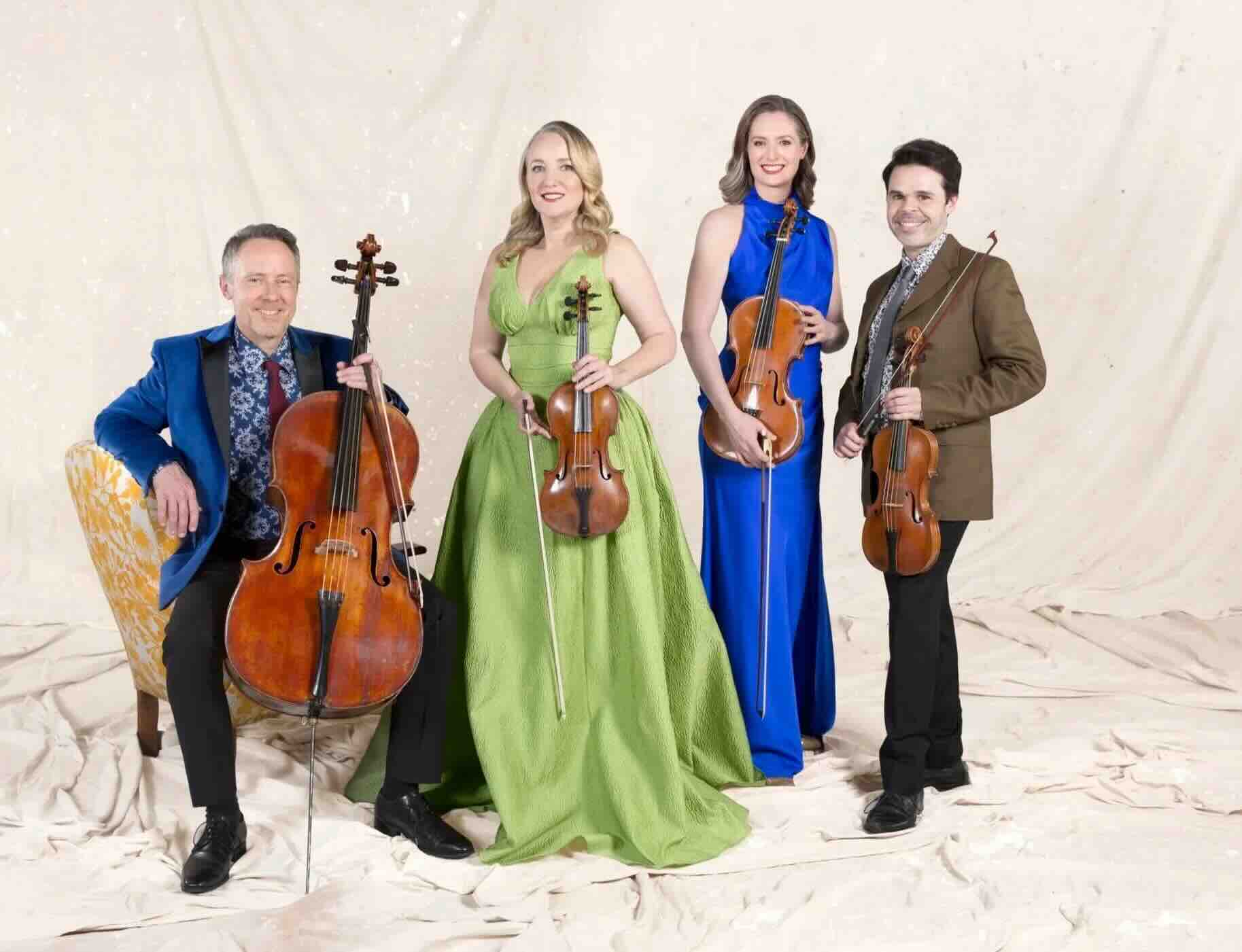
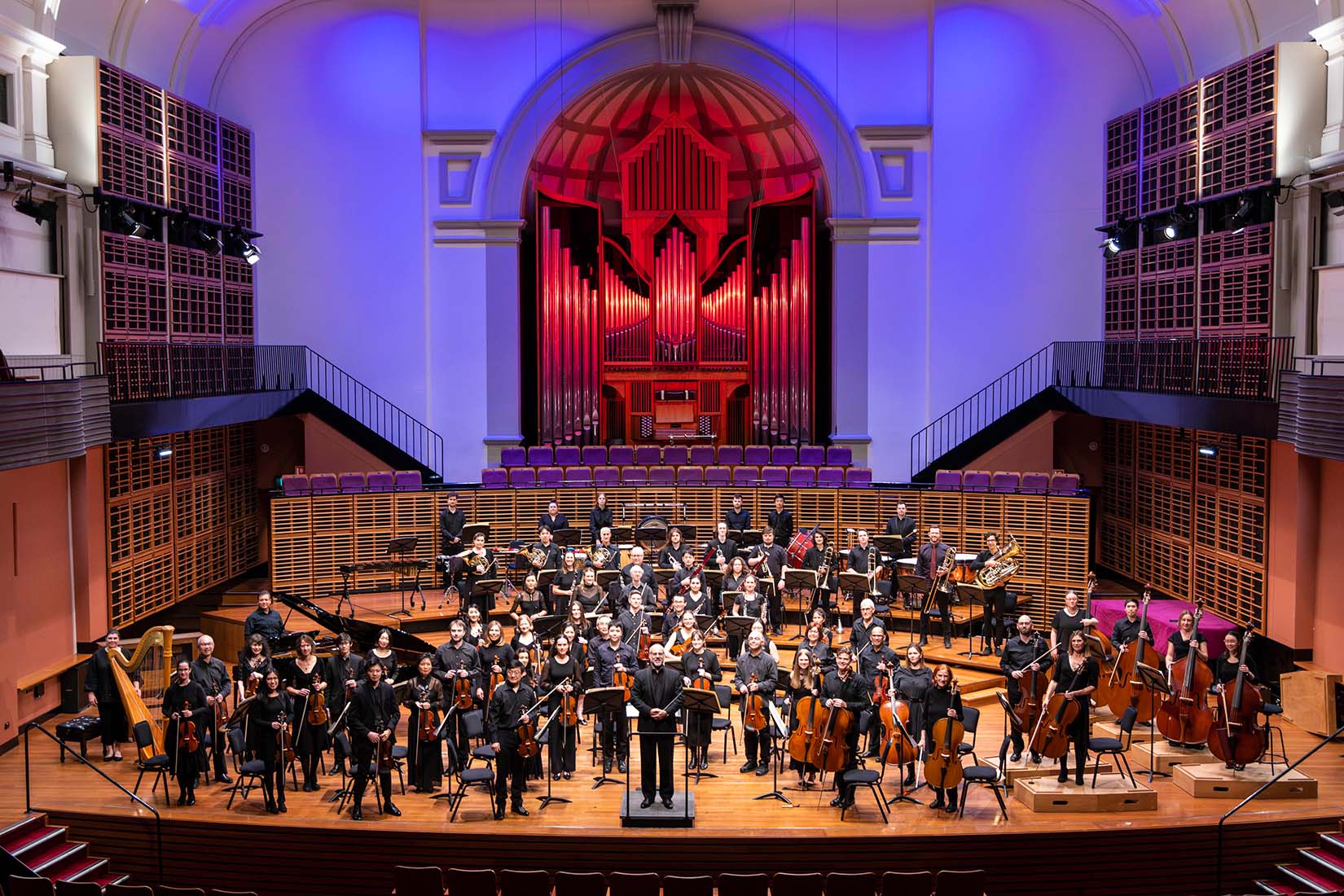
Australian Haydn Ensemble
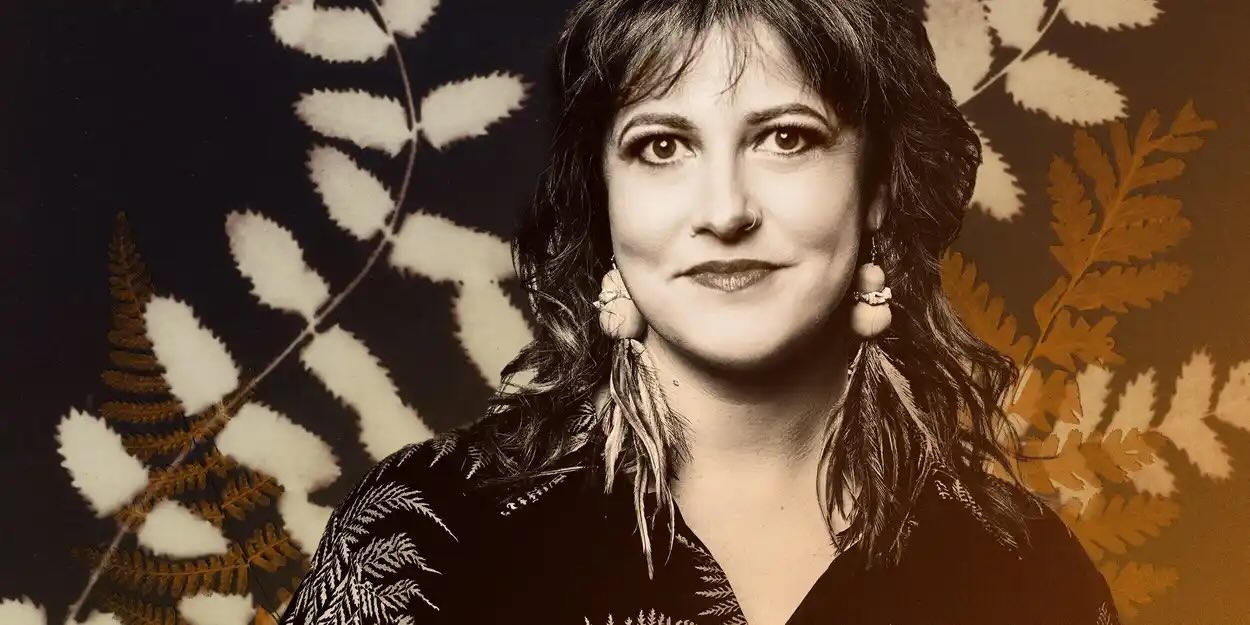
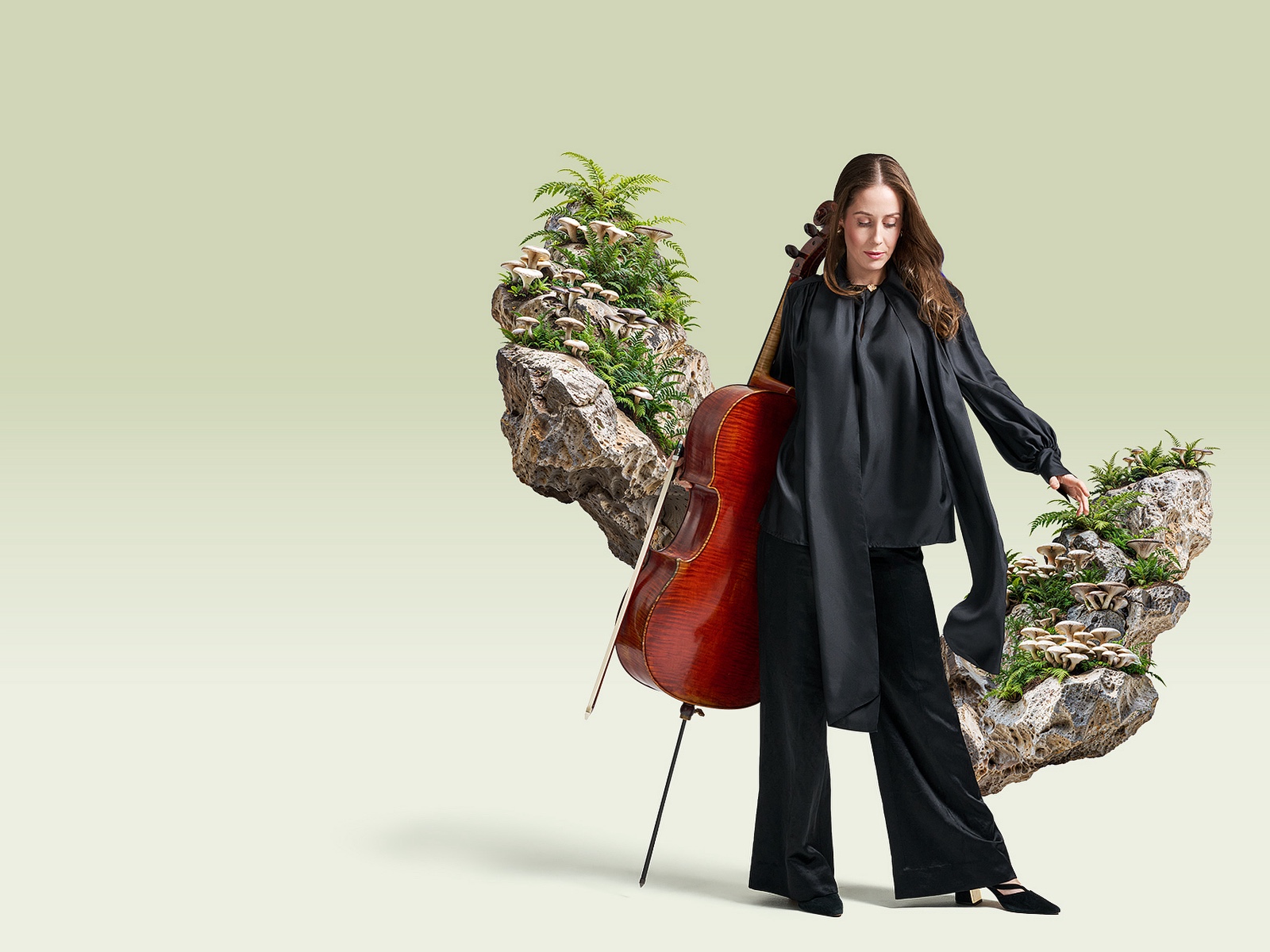
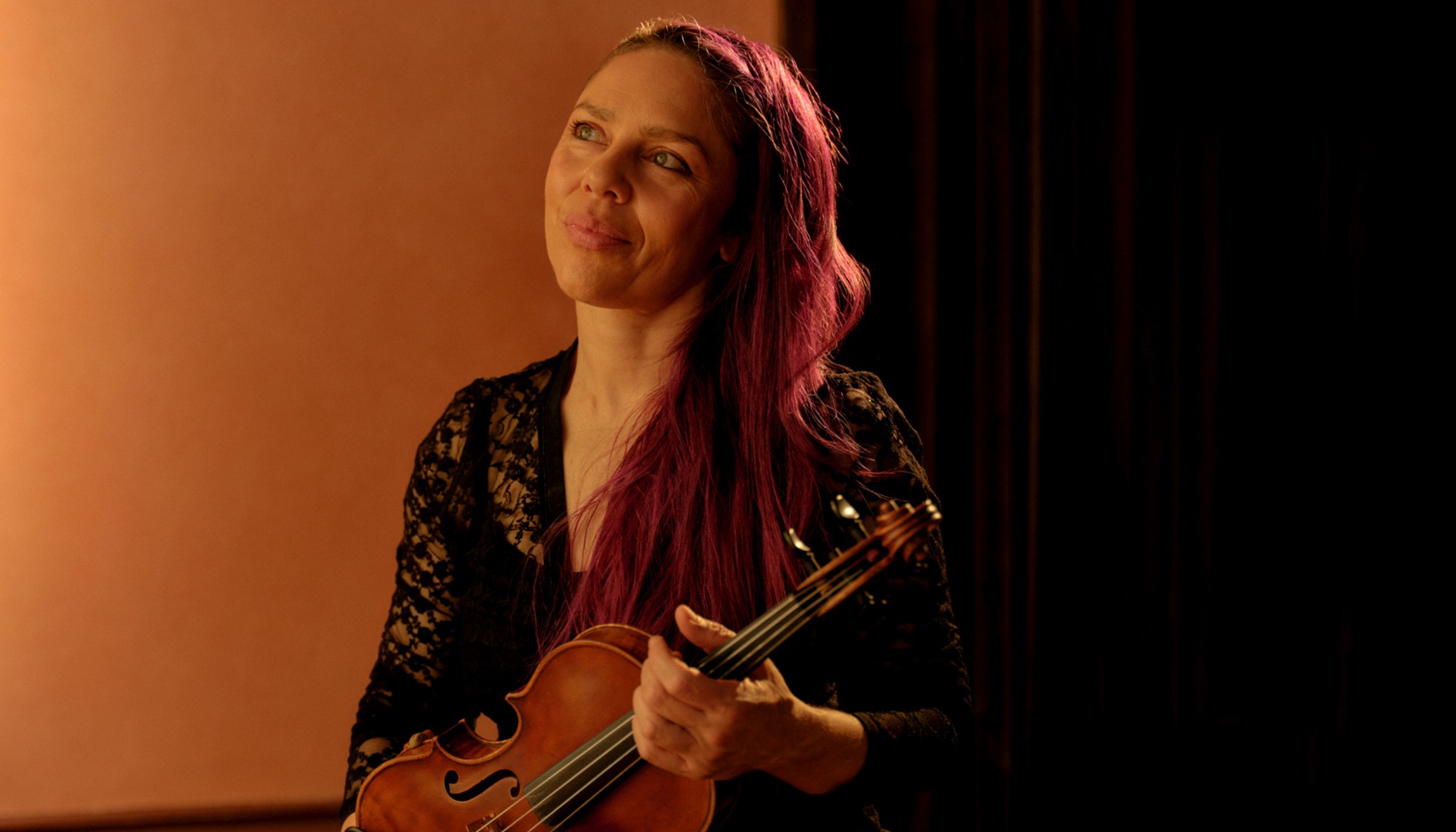
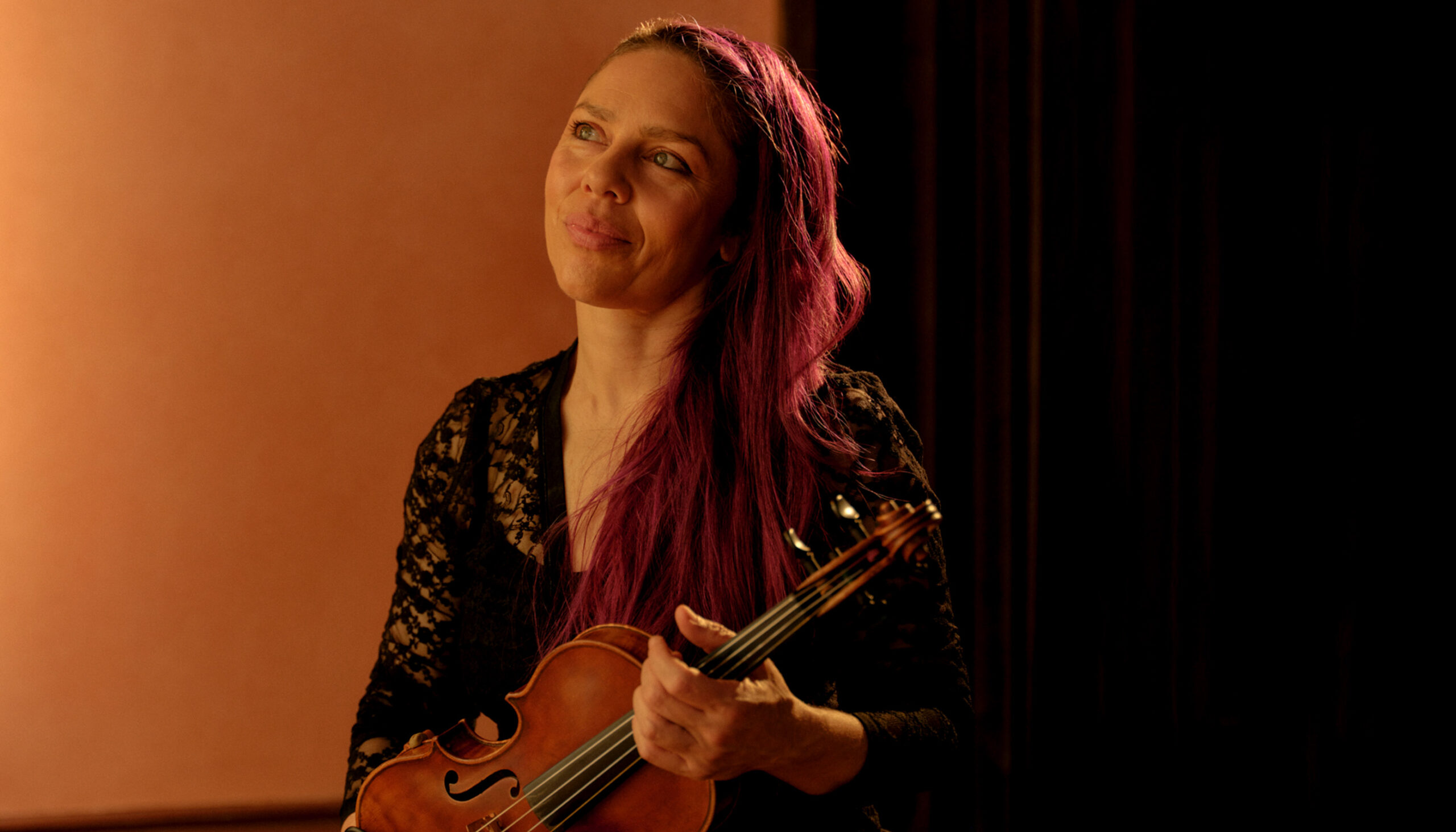
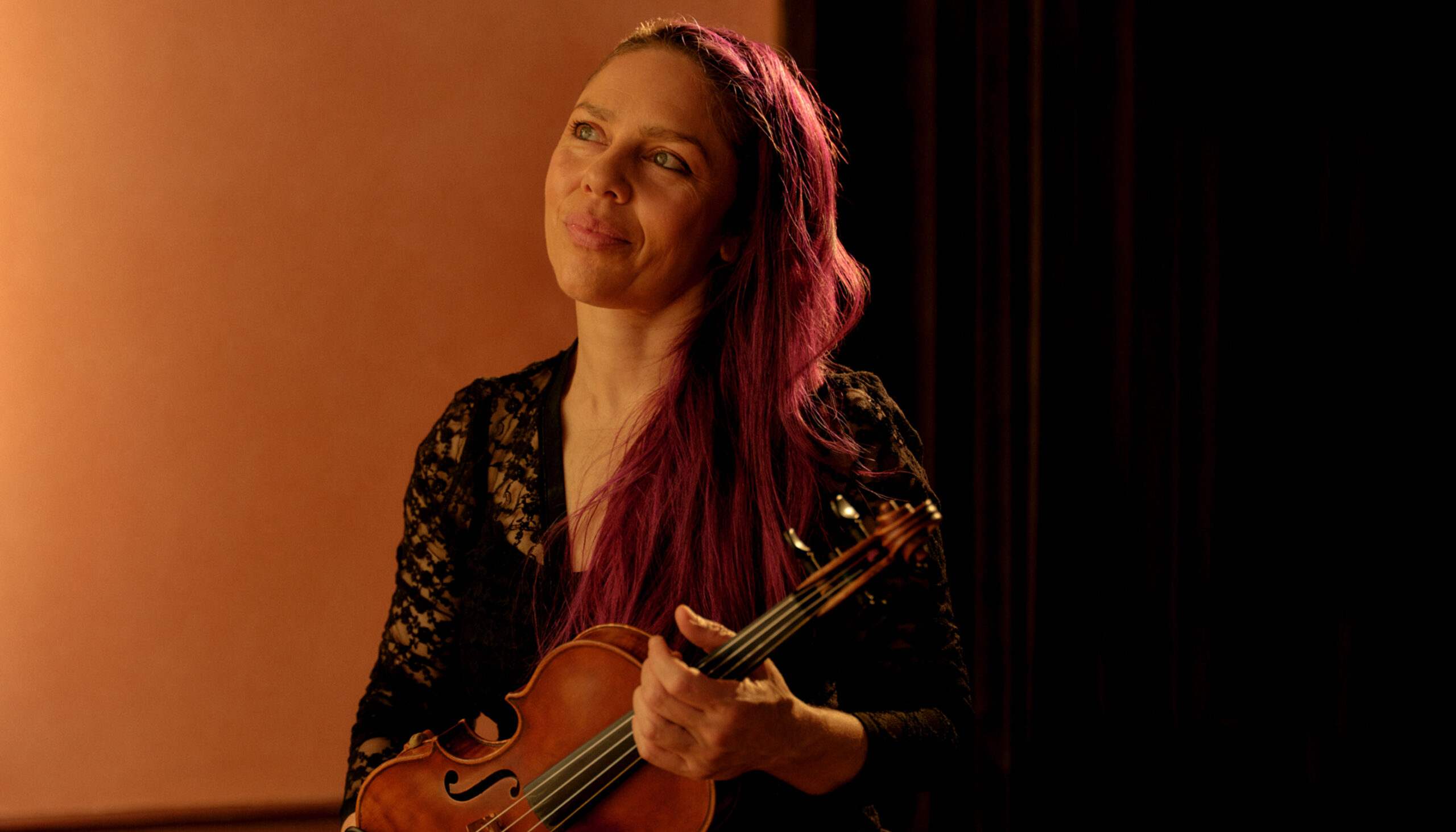
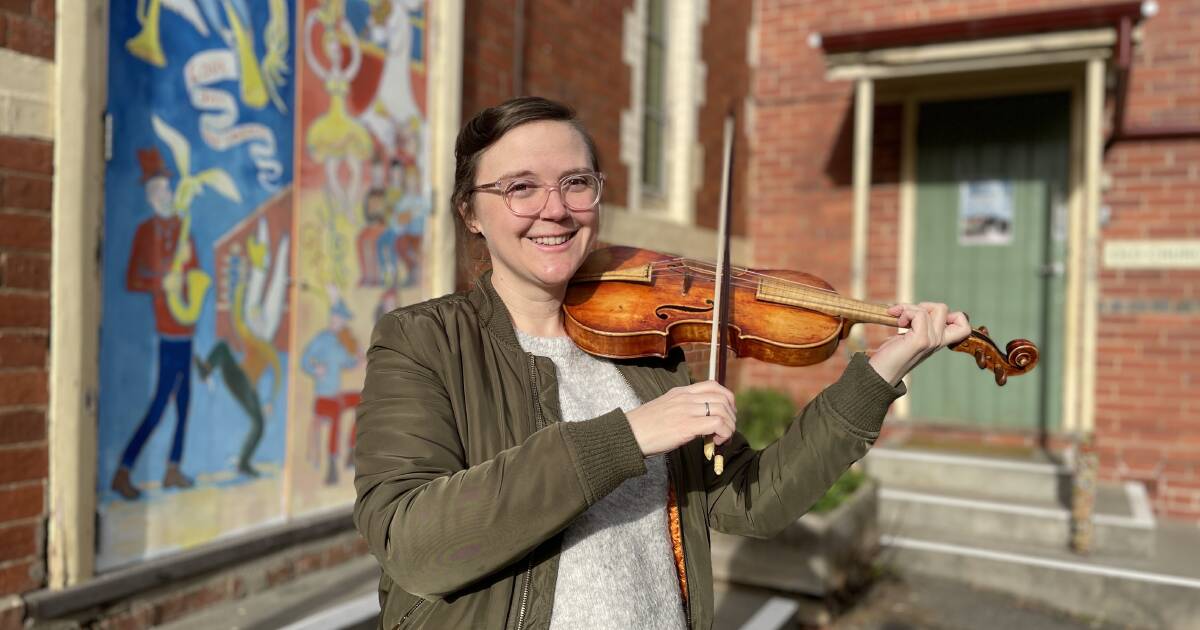
Skye McIntosh – Director & Violin Soloist
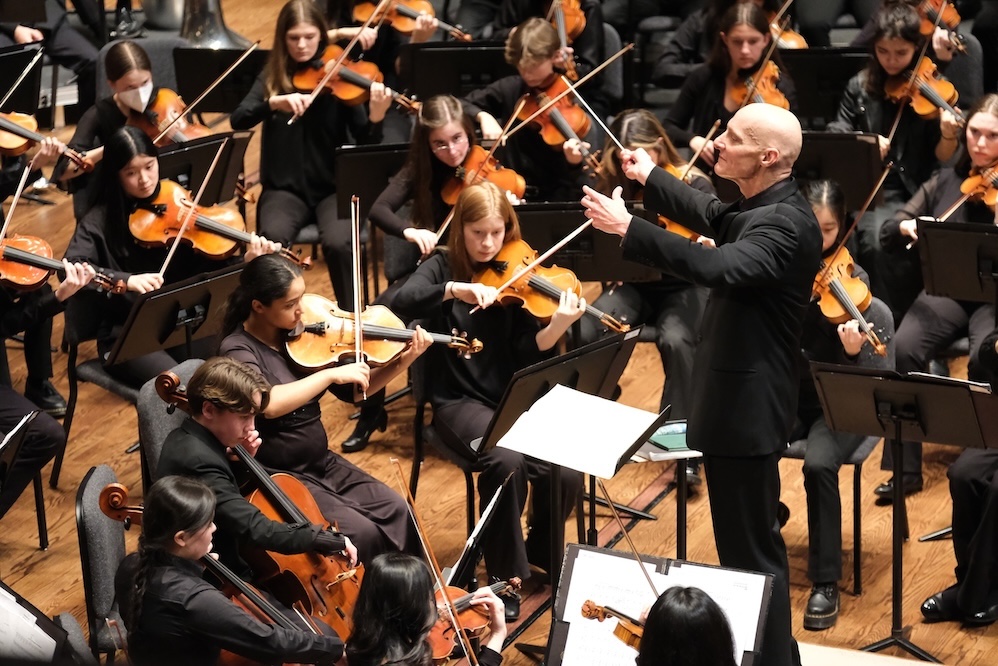
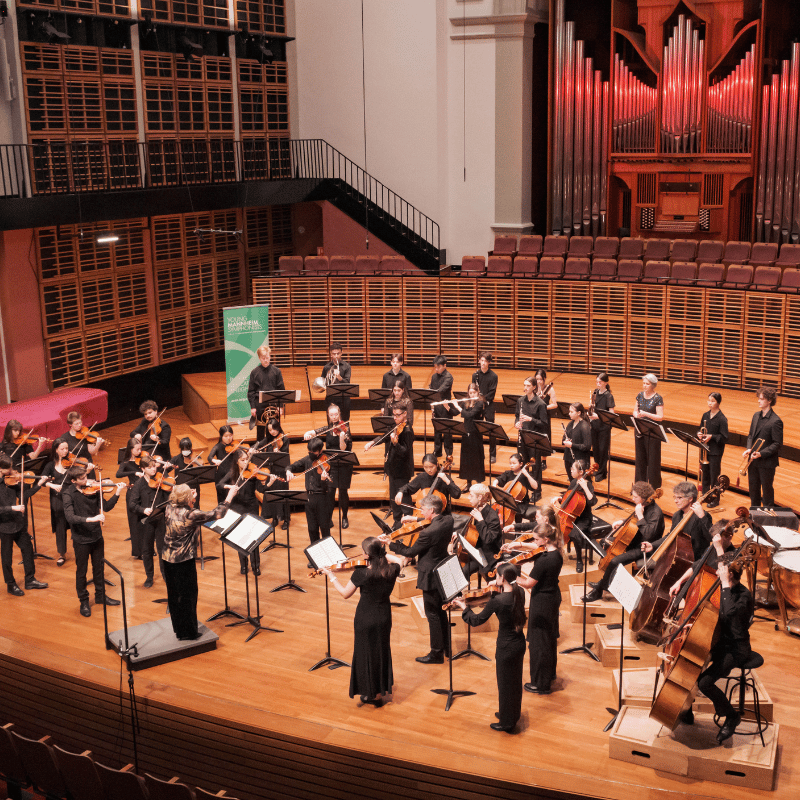
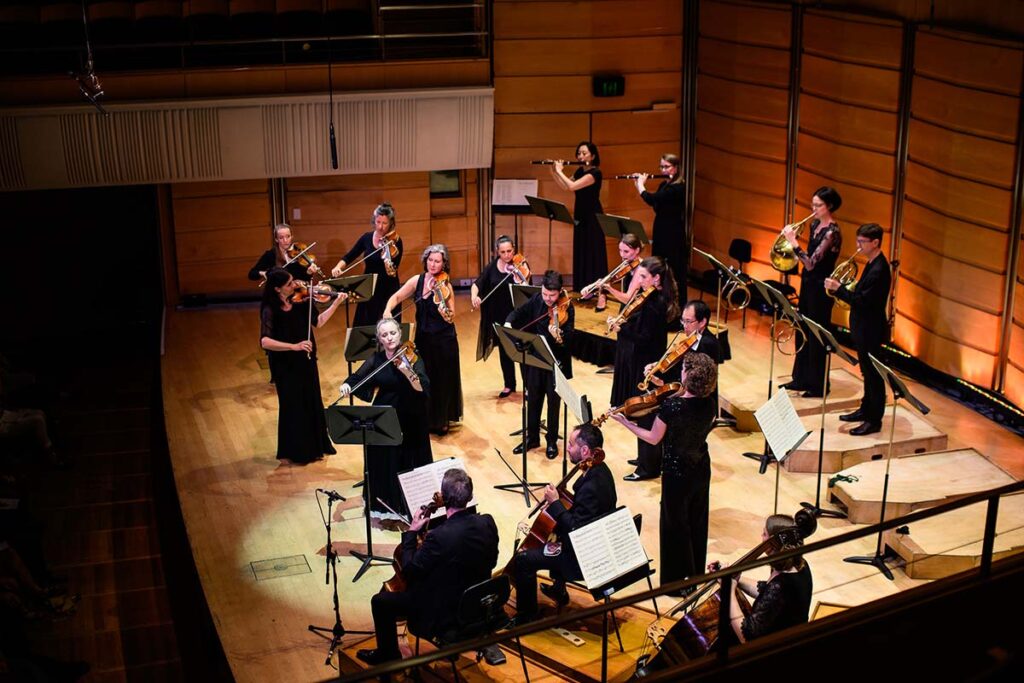
A concert in December with not a single reference to Christmas is refreshing. The Australian Haydn Ensemble presented a program of early Classical orchestral music on period instruments; a repertoire which is their strength.
Interestingly Haydn’s Symphony No. 49 in F minor (The Passion) starts with a slow movement. The mournful string section opening had a clear, yet dark texture as the key suggests. The remainder of the orchestra, just 2 oboes, bassoon and 2 French horns, entered with dramatic effect. In fact Sturm und Drang (Storm and Stress), a term often used to describe music of this period, is apposite for this work. It is a credit to Skye McIntosh’s musical leadership and the empathy she has with the orchestra, that the expression in this turbulent composition was so well coordinated.
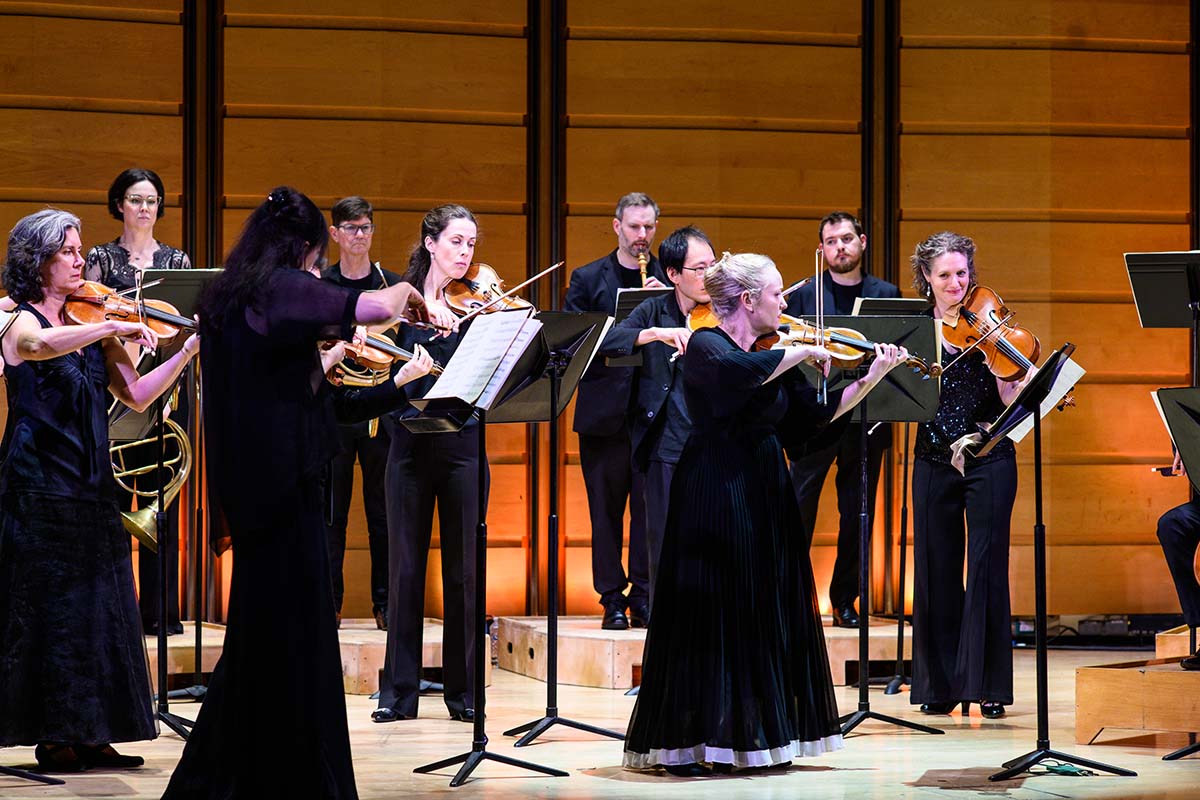
Natural horns, such as those used in this performance, are especially suited to blending with the orchestral texture. Dorée Dixon and Michael Dixon did this to perfection. In the second movement however, the Allegro, the horns were given their head in places, to rise out of the texture with a round brassy tone, but like trumpets. A great effect.
The last movement, like the first had an unrelenting momentum.
Mozart wrote his Violin Concerto No. 3 in G when he was only 19 and, being a violinist himself, he had a clear idea of how it could function as a solo instrument. Although this work is not of the same calibre as the preceding Haydn symphony in terms of depth and sophistication, it is none-the-less a work of elegance and self assurance.
As a soloist, McIntosh produced a beautiful singing tone over the muted string in the second movement. Interesting from an orchestration point of view, the reeds and horns were replaced with flutes in this movement.
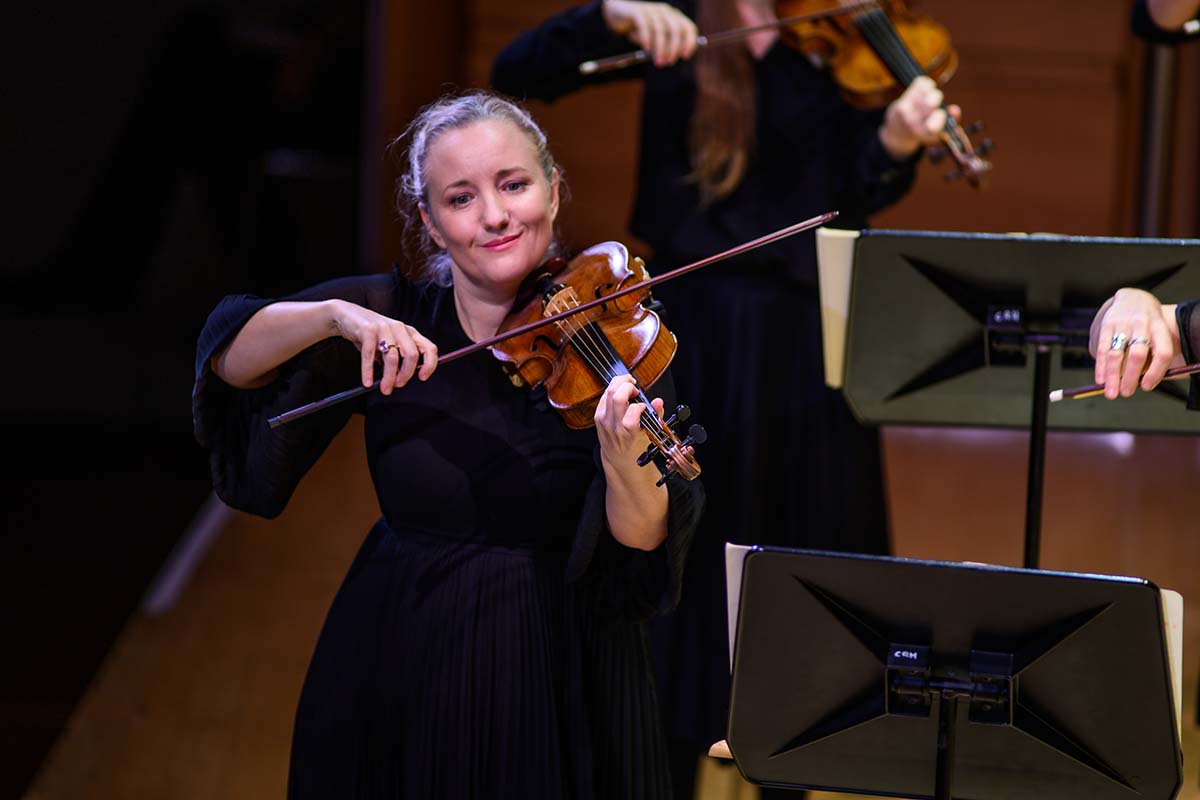
An energetic Hungarian folk song formed the basis of the last movement, with the reeds back in. The winds finished the work with a light hearted afterthought.
Unfortunately during McIntosh’s improvised cadenza at the end of the first movement, someone’s phone went off (twice!). Such a distraction and unbelievably inconsiderate. An audience member rose at the beginning of the interval and announced to much applause, offering lessons in how to turn phones off.
C.P.E. Bach’s Symphony in E minor is a rather smaller scale work of only 11 minutes, more like Sinfonia, yet full of dramatic rhythms, performed with energy. Having come fresh from a performance of C.P.E.’s Magnificat which showed strongly the influence of his father J.S., this work by contrast felt wholly his own. Because music is after all an historical continuum, of course there are some remnants of the Baroque like cycles of 5ths and other harmonic sequences, but this work is clearly part of the reactionary Empfindsamer Stil (Sensitive Style) of early the Classical period.
An interesting performance choice was to slightly increase the tempo near the end of the final movement, giving a satisfying intensification.
Mozart’s Symphony No. 29 in A Major is again a youthful work. Modestly orchestrated with only strings, oboes, horns and bassoon, this piece however punches above its weight. As before we have a gentle opening section by the strings followed by a dramatic tutti with the winds. Strangely this composition seems more mature than the concerto, with sophisticated use of dynamics and deeply thought out orchestration. The Minuet was stylised, but with plenty of contrasts both in tone and volume. The performance of the last movement, Allegro con spirito, was indeed spirited and cheerful; a confident and assured composition. Even the contrasting minor sections were bursting with energy. The brilliance of the horns, this time playing high in their range, shone through for a bright finish.
The music in this program may be relatively simple, but actually there is no such thing as easy music. To bring music to life requires full concentration on the smallest nuances, phrasing, texture and the overarching architecture. The AHE clearly demonstrated this commitment. They were well rehearsed and professional in delivering this energetic performance.
Photo credit: Oliver Miller