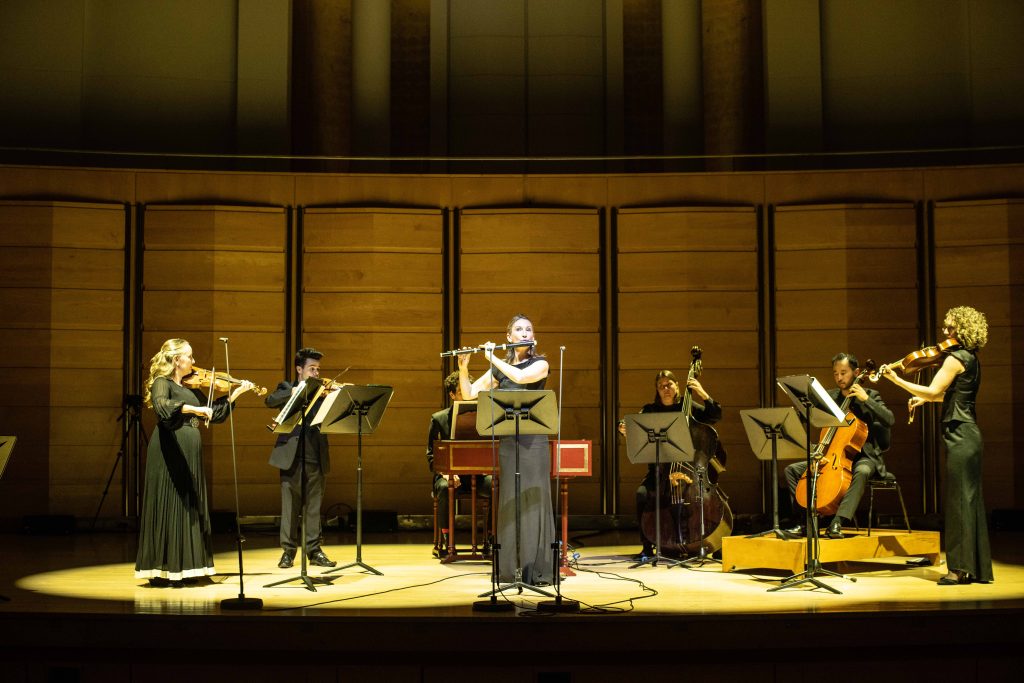
Australian Haydn Ensemble | Die Stille Nacht
June 19, 2023, City Recital Hall, Sydney
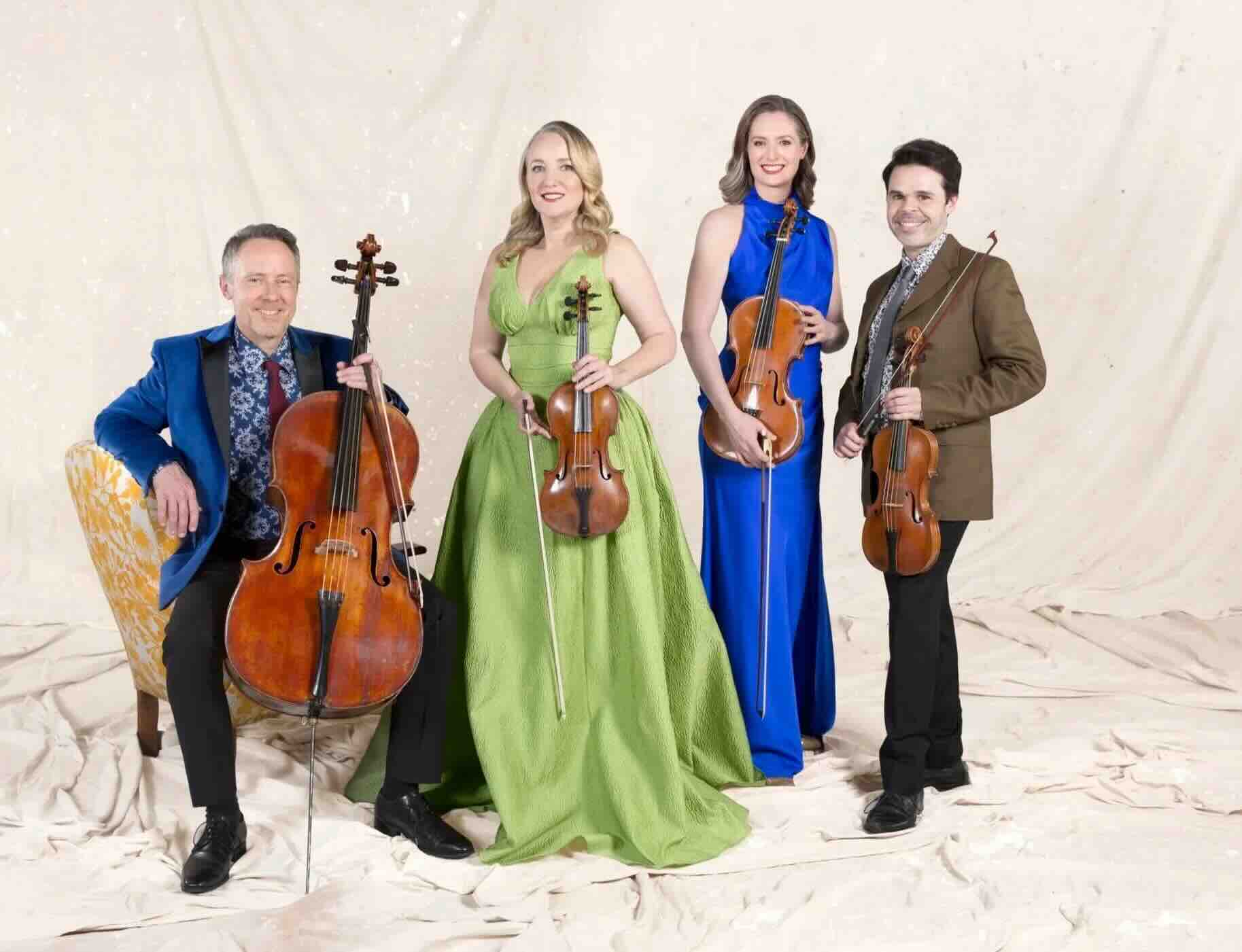
“Die Stille Nacht” may sound like a German Christmas carol, but in fact describes Christ’s agony on the Mount of Olives. This cantata, by Telemann, formed the centre piece of the Australian Haydn Ensemble’s eponymous concert performed at the City Recital Hall on a still winter’s night in June.
AHE’s artistic director, Skye McIntosh explained that this concert of Baroque music by Vivaldi, Telemann, Hasse and Biber was loosely themed around the Night. Two featured artists, baritone David Greco and flautist Melissa Farrow added their skills to make this a magical night.
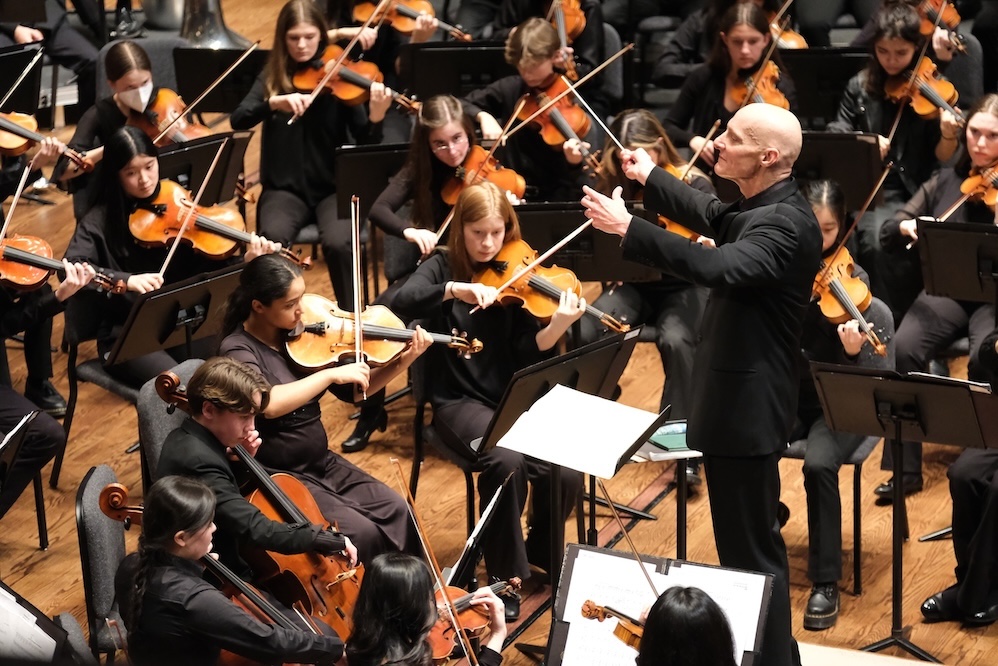
The concert began with Vivaldi’s Concerto for Strings in F major. This light and elegant piece was eloquently played by the ensemble with vibrant energy in the outer movements.
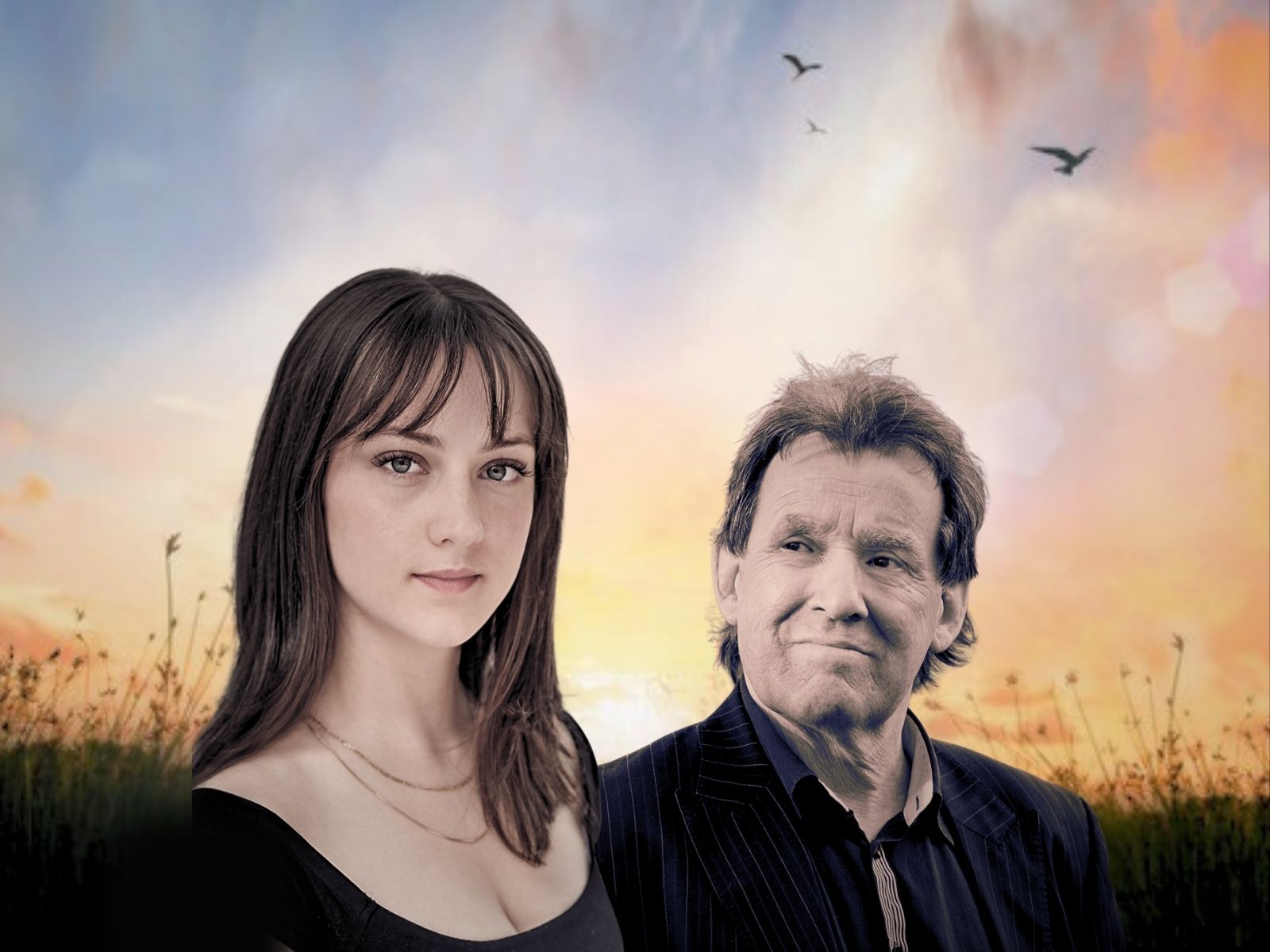
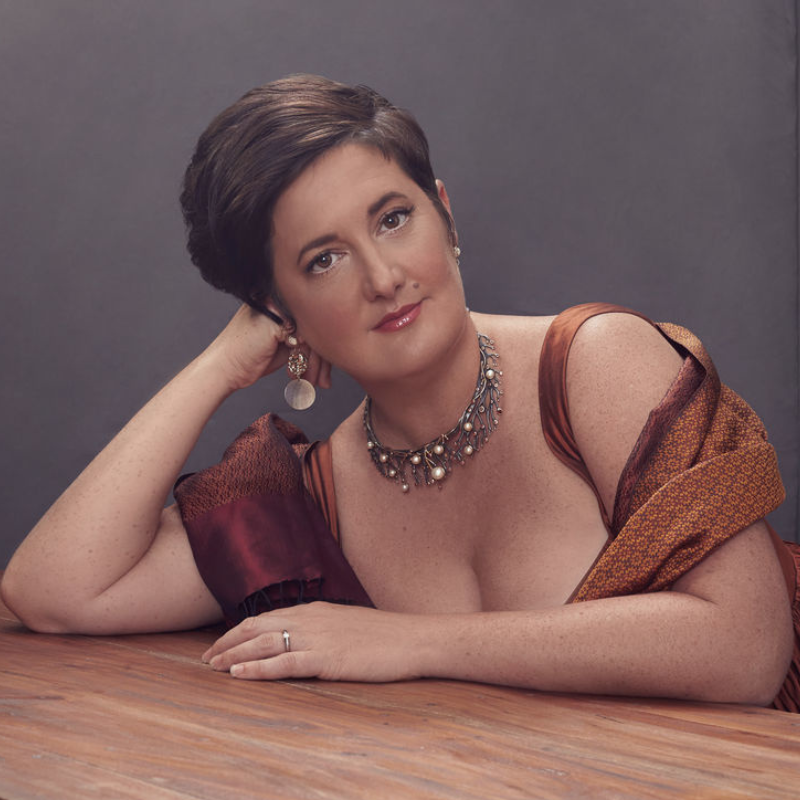
Skye McIntosh introduced the concert and David Greco. Specialising in historically informed interpretations of Schubert Lieder, he is also lauded for his performances of oratorios, concert work and opera.
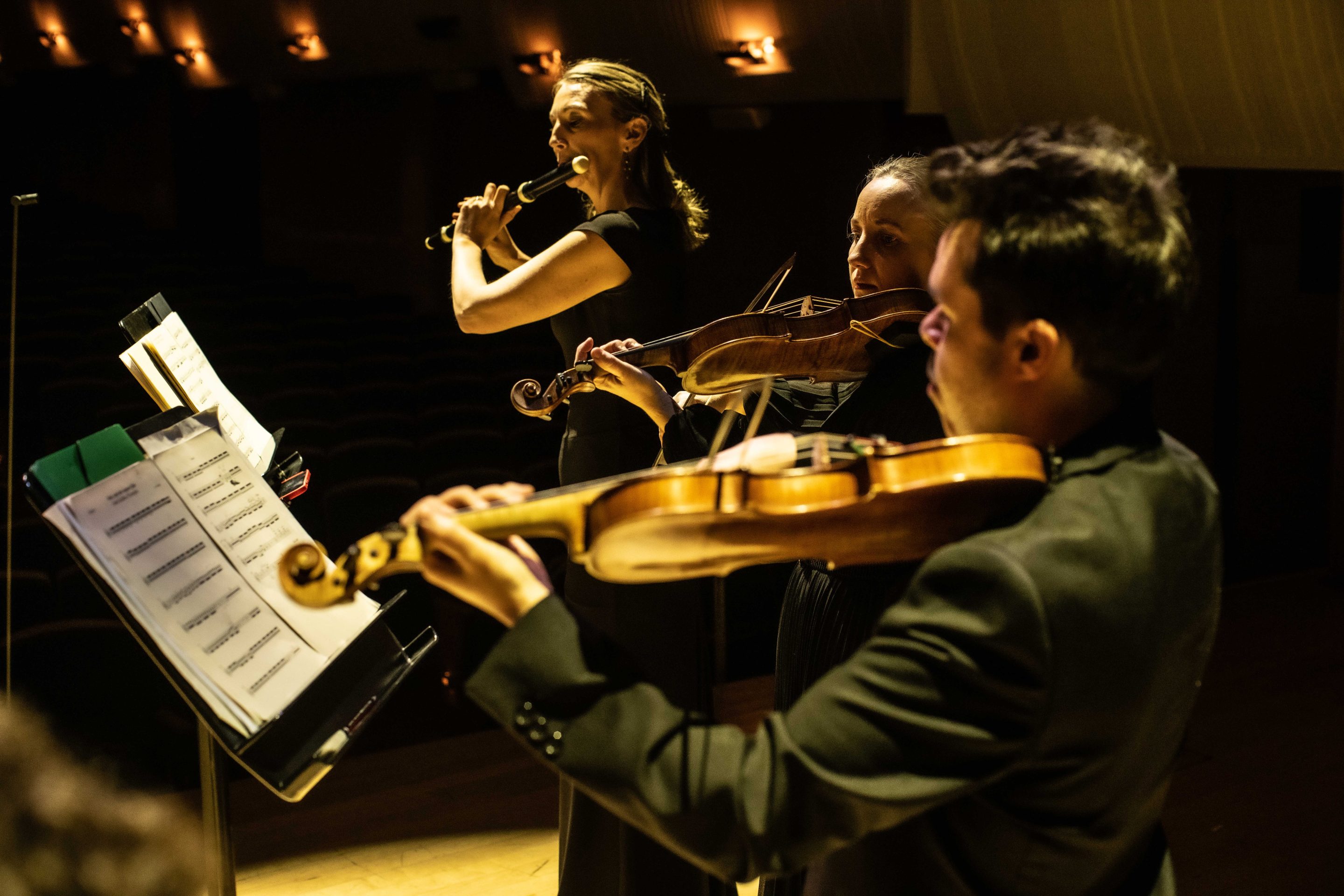
He sang arias by Vivaldi, who had composed at least 90 operas in the atmosphere of passion and spectacle that was Venice in the Baroque era. With appropriate emotional fervour and gusto, David sang ’Chi alla colpa’ from Armida al campo d’Egitto. Vivaldi liked this aria so much, that he used it again on at least two more occasions. David then sang ‘Veni, veni me sequere fida’ from Juditha Triumphans with flute accompaniment, where both David Greco and Melissa Farrow shone in their interpretation of Baroque style.
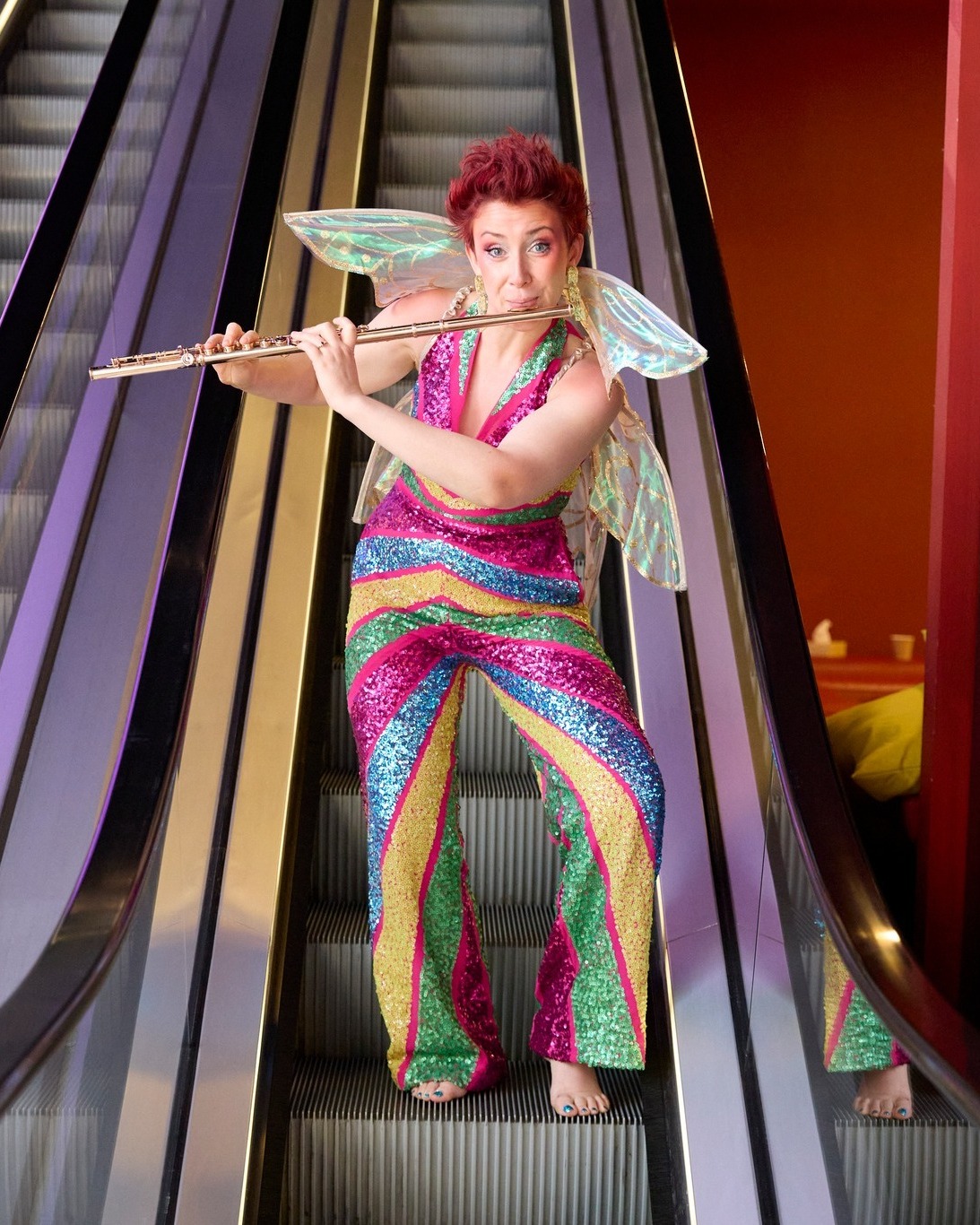
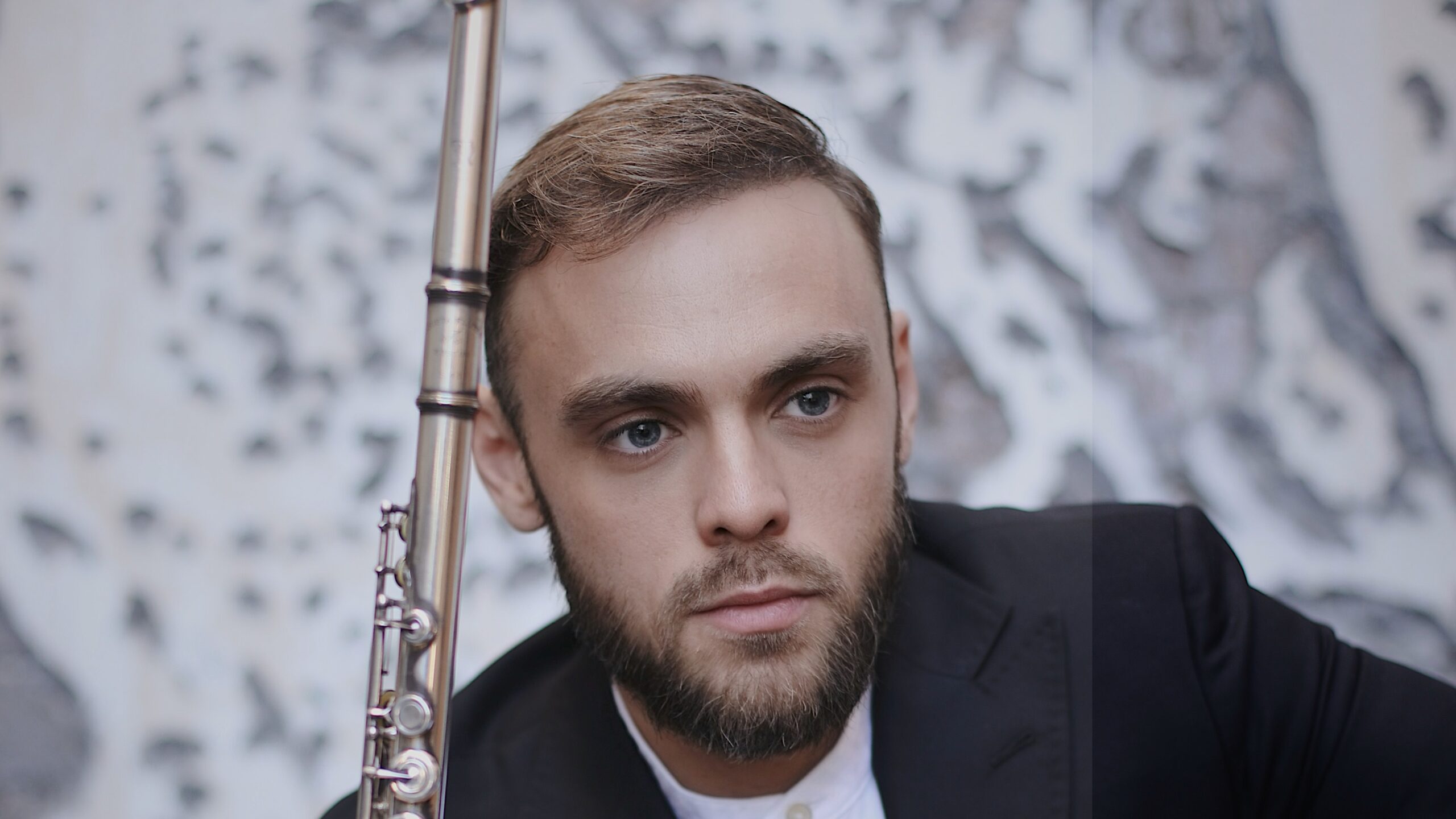
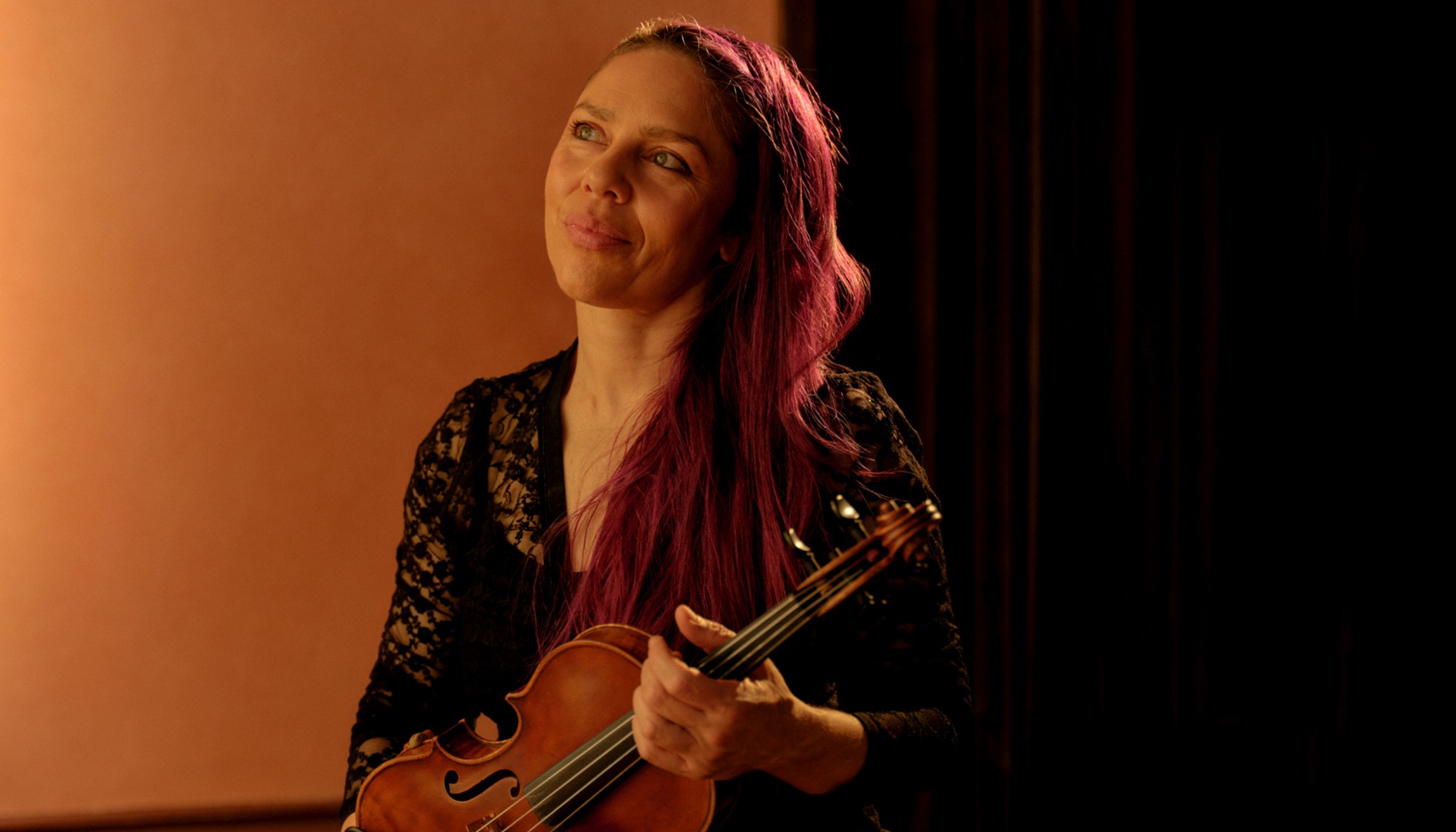
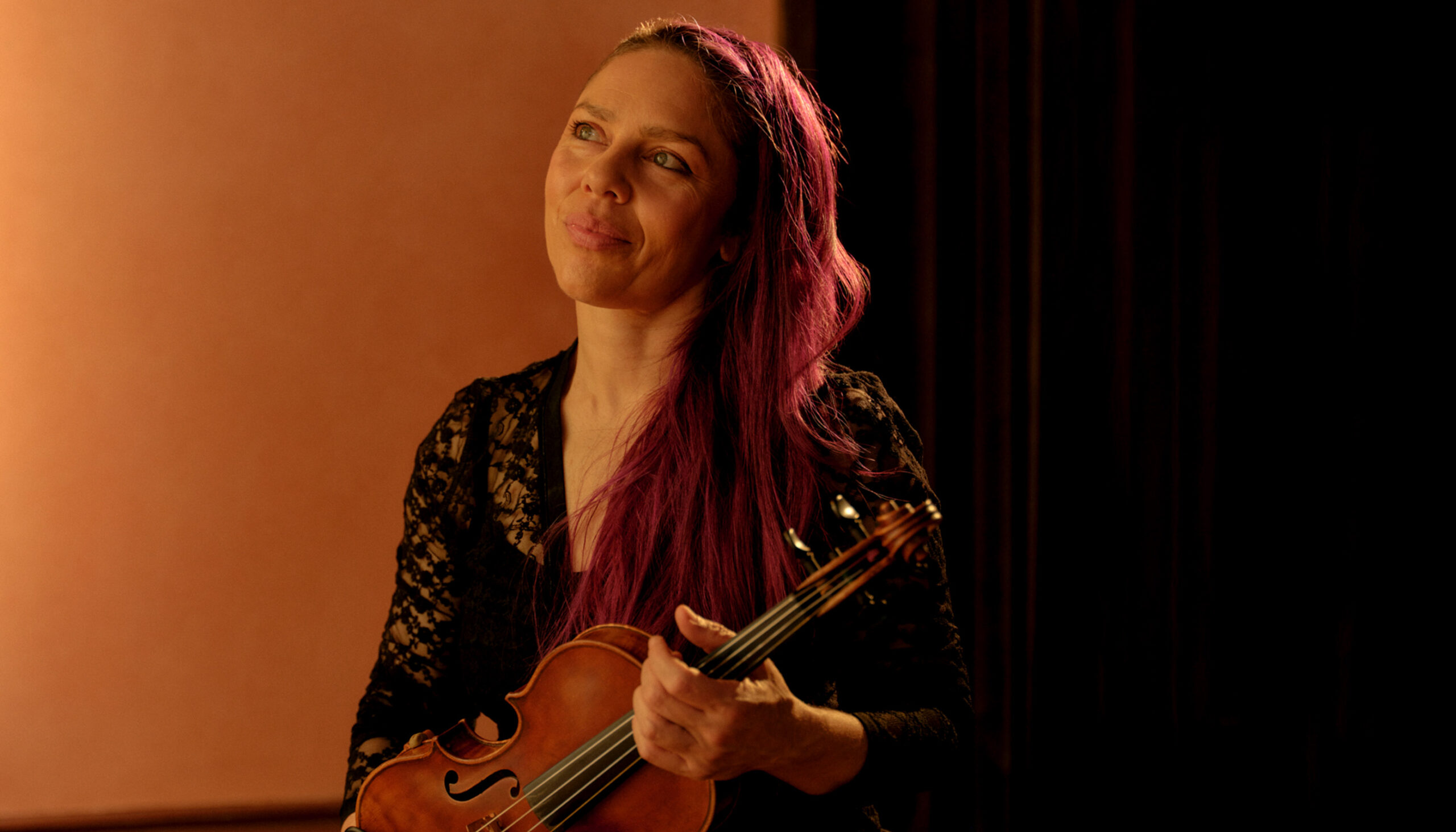
After the first two arias Melissa Farrow rejoined the ensemble for Vivaldi’s Concerto for Flute in G minor, subtitled La Notte (the Night). An esteemed performer on the historical flute, Melissa is principal flute with this ensemble (AHE) and also the Australian Brandenburg Orchestra plus the Orchestra of the Antipodes. She has performed with many historically informed orchestras and ensembles, including the Australian Chamber Orchestra, the Australian Romantic and Classical Orchestra and NZ Barok. Thus it is no wonder she played her Baroque flute with such expertise and enthusiasm, expressing the different moods of the night, from solemn to restless fantasy, warm slumber and swirling nocturnal surprises – it was sheer delight!
David Greco returned to sing ‘Orrible lo scempio’ from La Silvia, which was composed for an imperial birthday party in Milan.
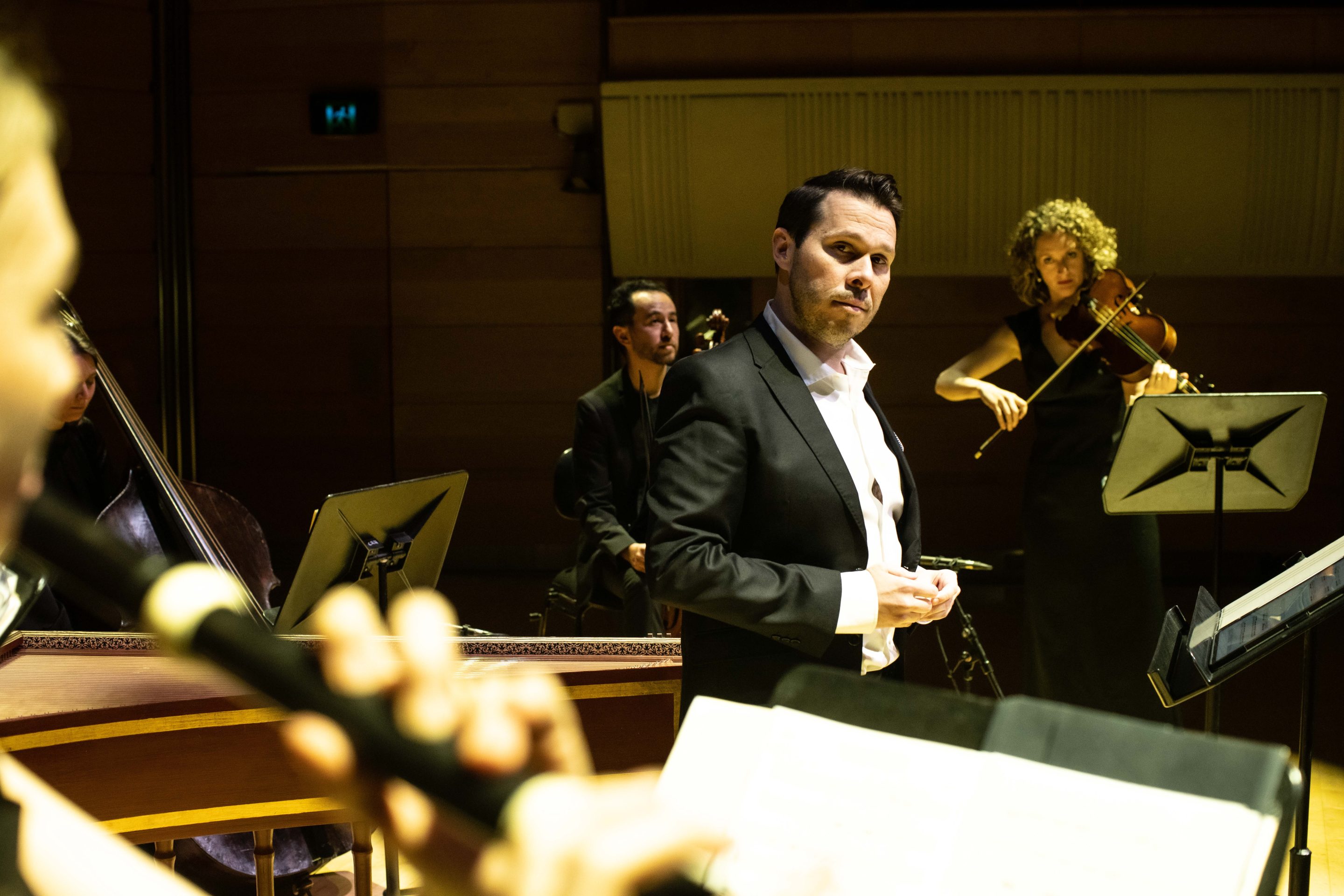
Particularly chilling was Greco’s performance of ‘Gelido in ogni vena’ (like ice in every vein) from Farnace , where King Pharnaces of Pontus orders his wife, Tamiri, to kill their son and then herself. This aria expresses Tamiri’s reaction and was actually written for a mezzo-soprano. However, David Greco’s succeeds in portraying this anger and anguish from the father’s point of view in a sonorous bass baritone. Vivaldi’s orchestration, heavily influenced by his ‘winter’ concerto from The Four Seasons and hackle-raisingly played by AHE, gave this aria extra bite.
After the Interval, we heard the works of other Baroque composers. Telemann was particularly revered in his day – more so than Bach. He taught himself how to play a large variety of instruments from the violin, harpsichord, recorder, flute, oboe, contrabass and even bass trombone! His chamber works were very popular and it was a delight to hear members of the AHE play Sonata à 4 in A minor. With its grave opening, it quickly developed into liveliness as the musicians interacted with each other with joyful rapport.
David Greco then introduced Die Stille Nacht from Telemann’s Cantata Der am Ölberg zagende Jesus. As mentioned before, this aria describes Christ’s agony on the Mount of Olives. Telemann kept this Cantata very sparse, with only one soloist accompanied by few instruments to emphasise the loneliness of the experience. David Greco sang soulfully about the still night, which was relief for the weary, but for Jesus on that night it was full of trepidation and agony. His velvety voice was very moving and a credit to his art.
We were then uplifted by Hasse’s Concerto for Flute in B minor. Melissa played this with excitement as tutti and solo sections alternated. She played the dazzling virtuoso passages accompanied by only two violins, emphasising the expertise of her playing. She let her flute sing its way through the Adagio, followed by a bouncy Allegro in the last movement.
David then introduced the last work of this evening – Biber’s Serenada, Der Nachtwächterlied. This playful, mainly instrumental serenade was greatly enjoyed by the performers and the audience. David got to sing two lines, the nightwatchman’s report – TWICE! He then walked off into the “night” and was followed by sustained applause from the large audience. Their enthusiasm was so great and the applause so extended, that he gave a wonderful encore of another aria by Vivaldi.
Thus ended a wonderful Baroque night – at times still and at others anguished, passionate or vivacious. It was full of surprises as befits a Viennese night.
After the second round of applause died down, we walked off into the still Sydney night, inspired and delighted.
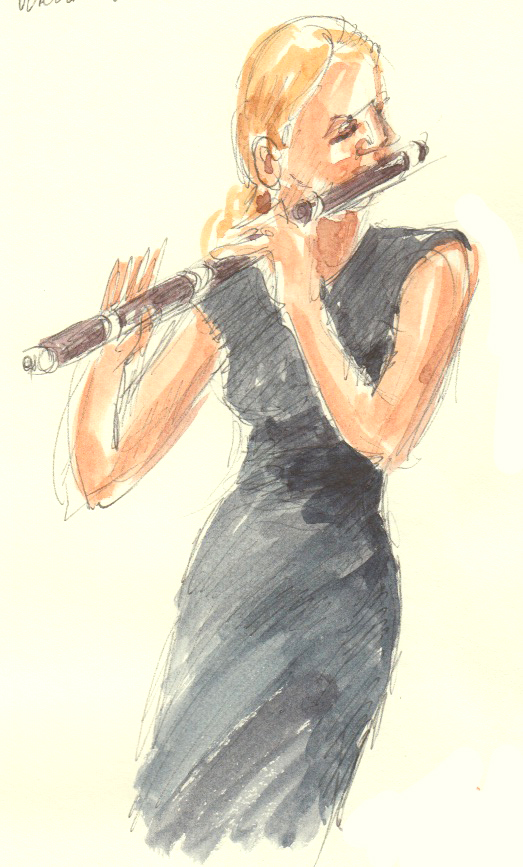
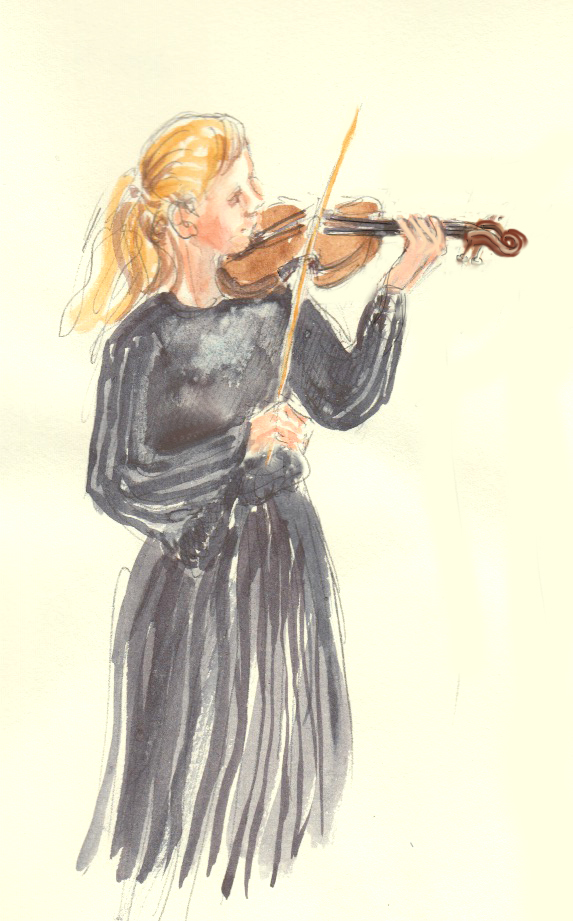
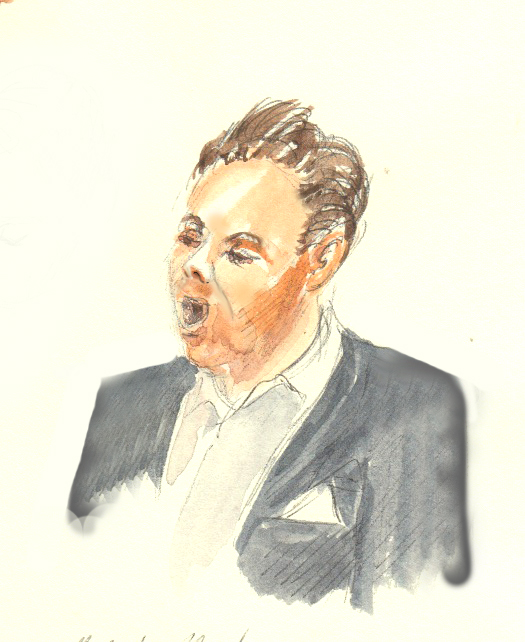
Photo credit: Oliver Miller
Sketches: Heidi Hereth