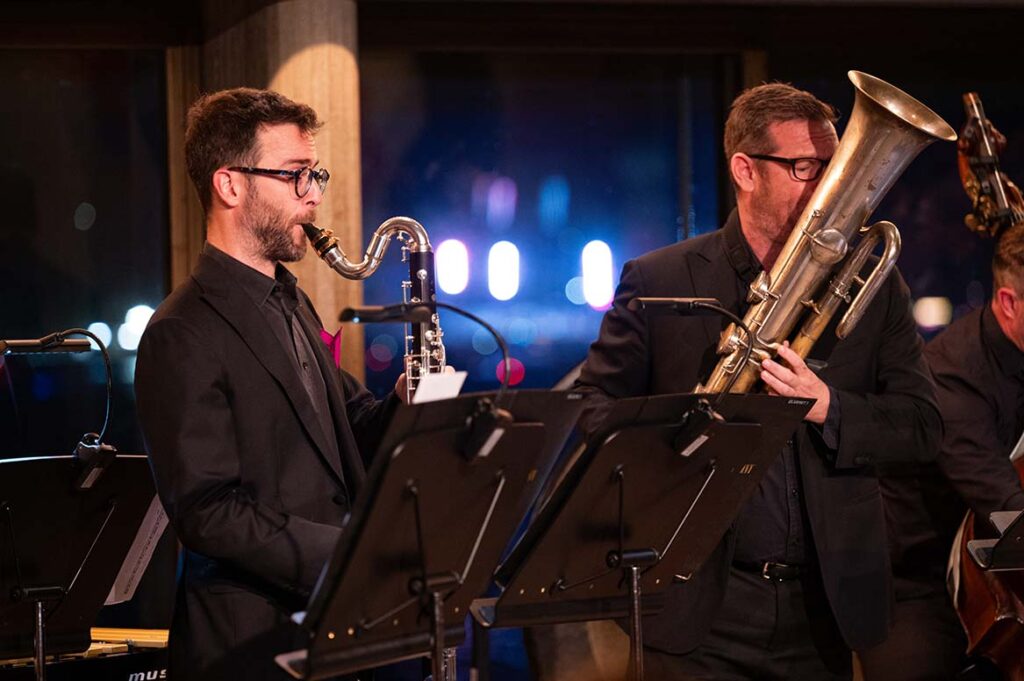
Sydney Symphony Orchestra | SSO: Cocktail Hour with Alexander Morris – Herrmann & Weber
17 July, 2026, Utzon Room, Sydney Opera House
Program
HERRMANN: Souvenirs de Voyage
WEBER: Quintet for Clarinet & Strings
Musicians
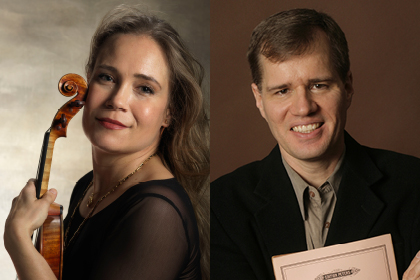
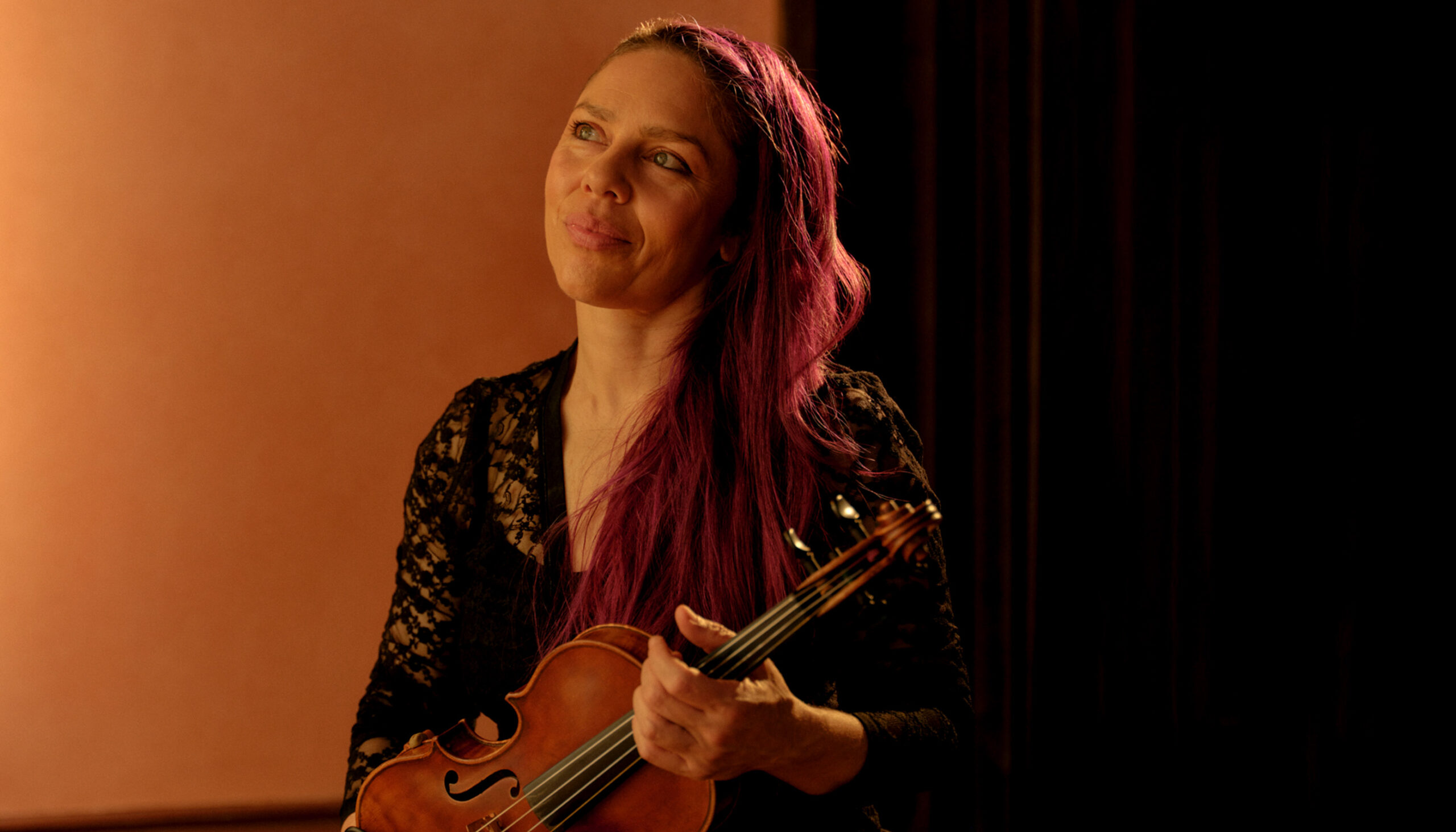
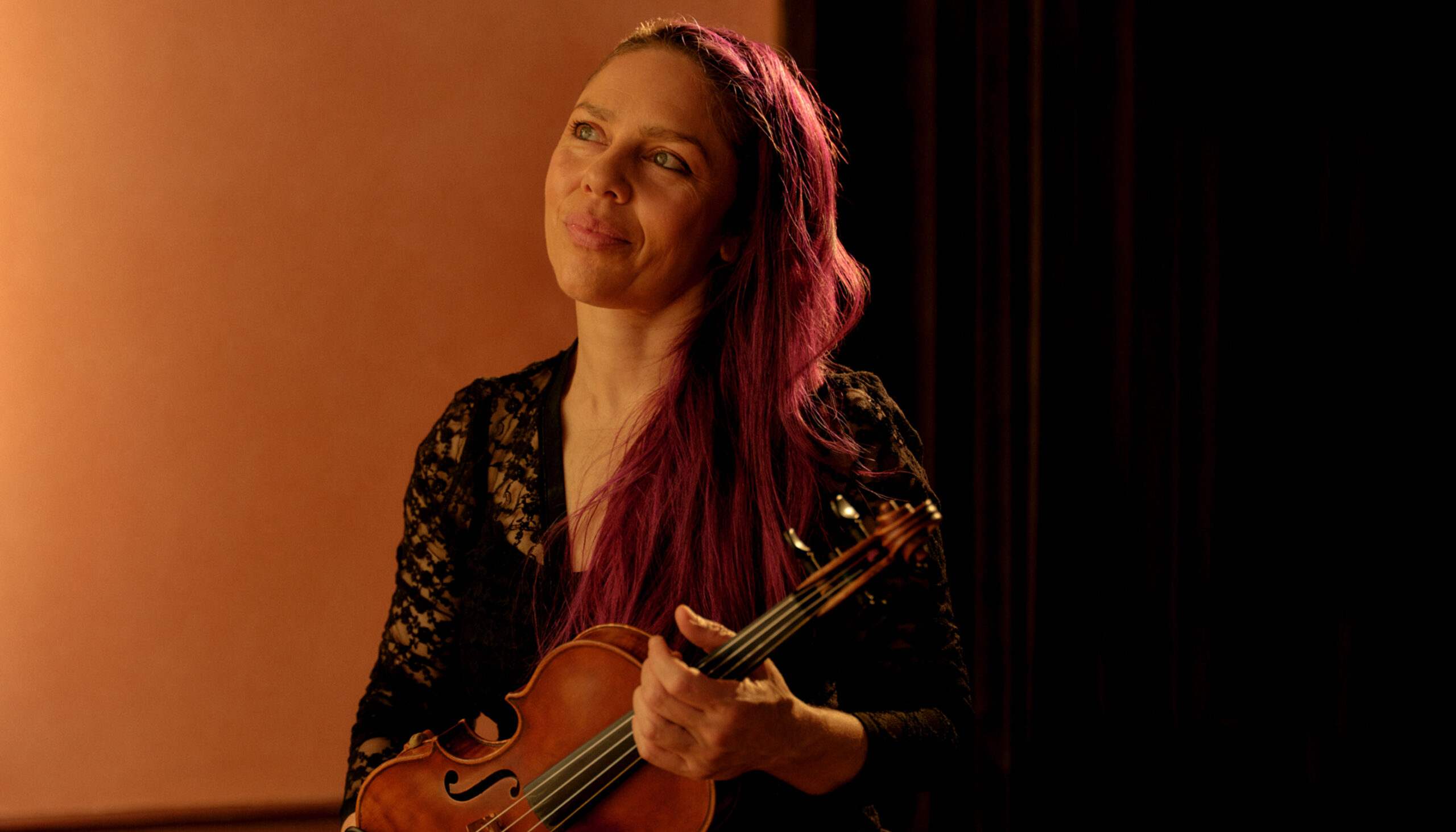
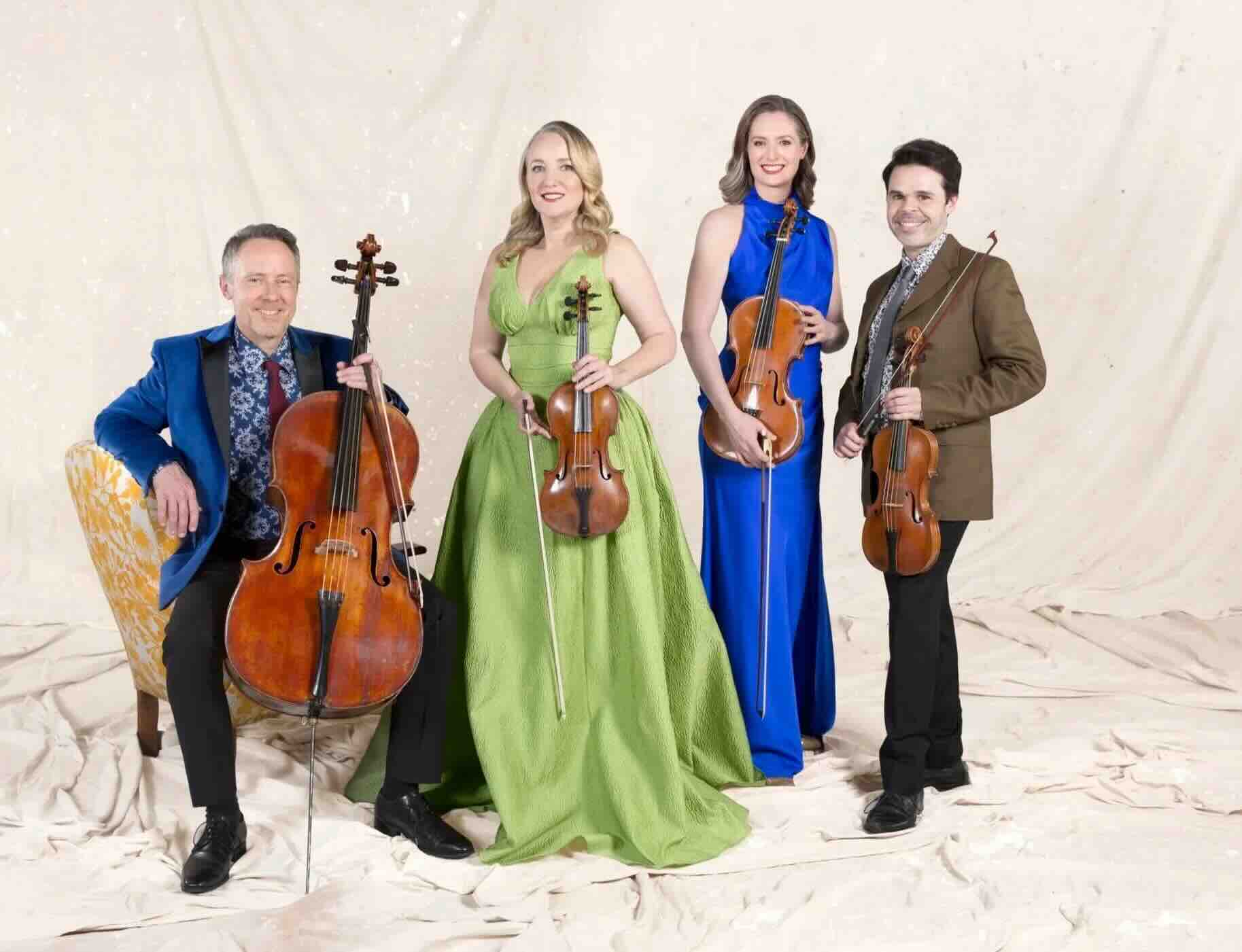
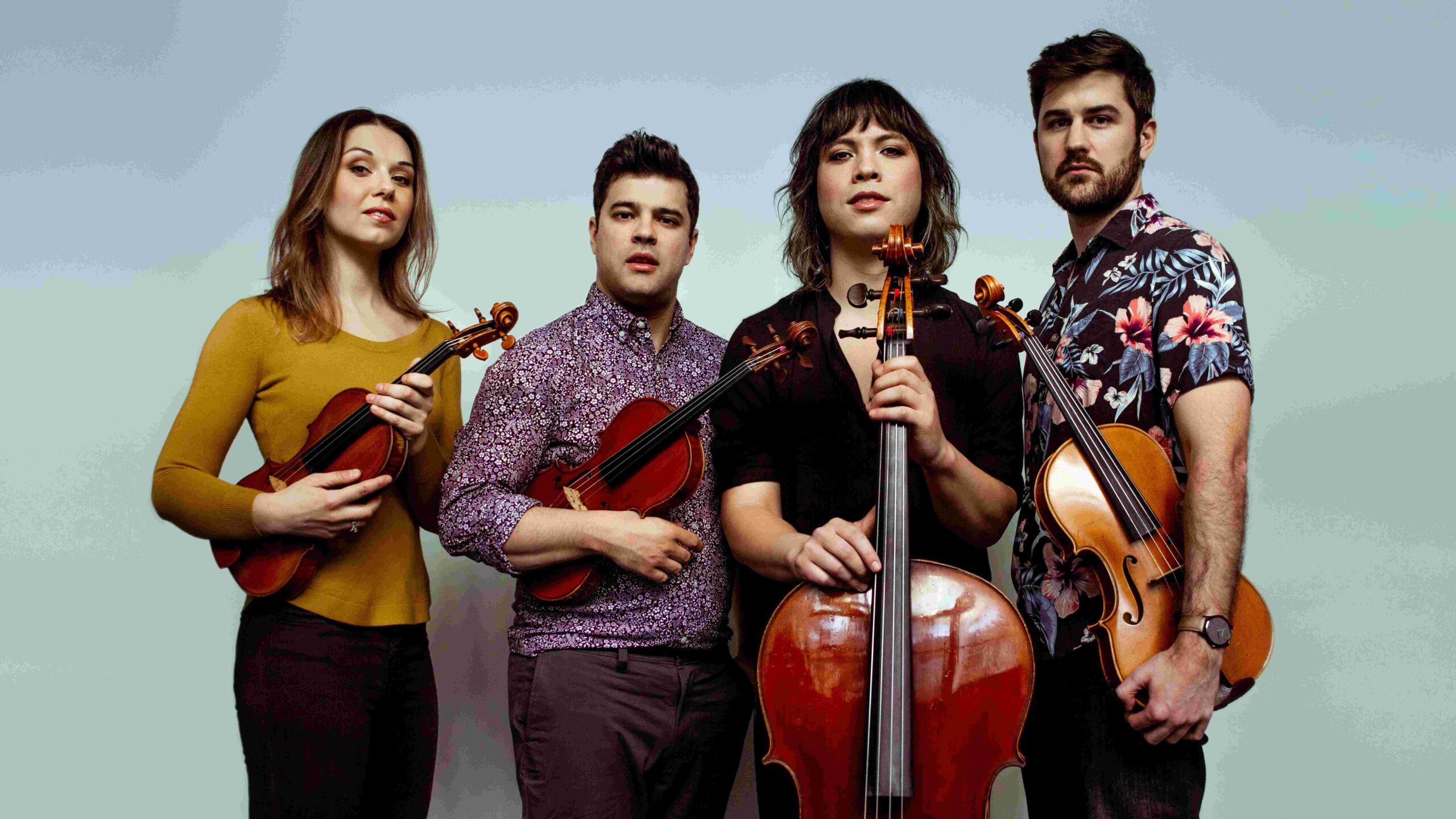
Sercan Danis – violin
Emma Jezek – violin
Stuart Johnson – viola
Timothy Nankervis – cello
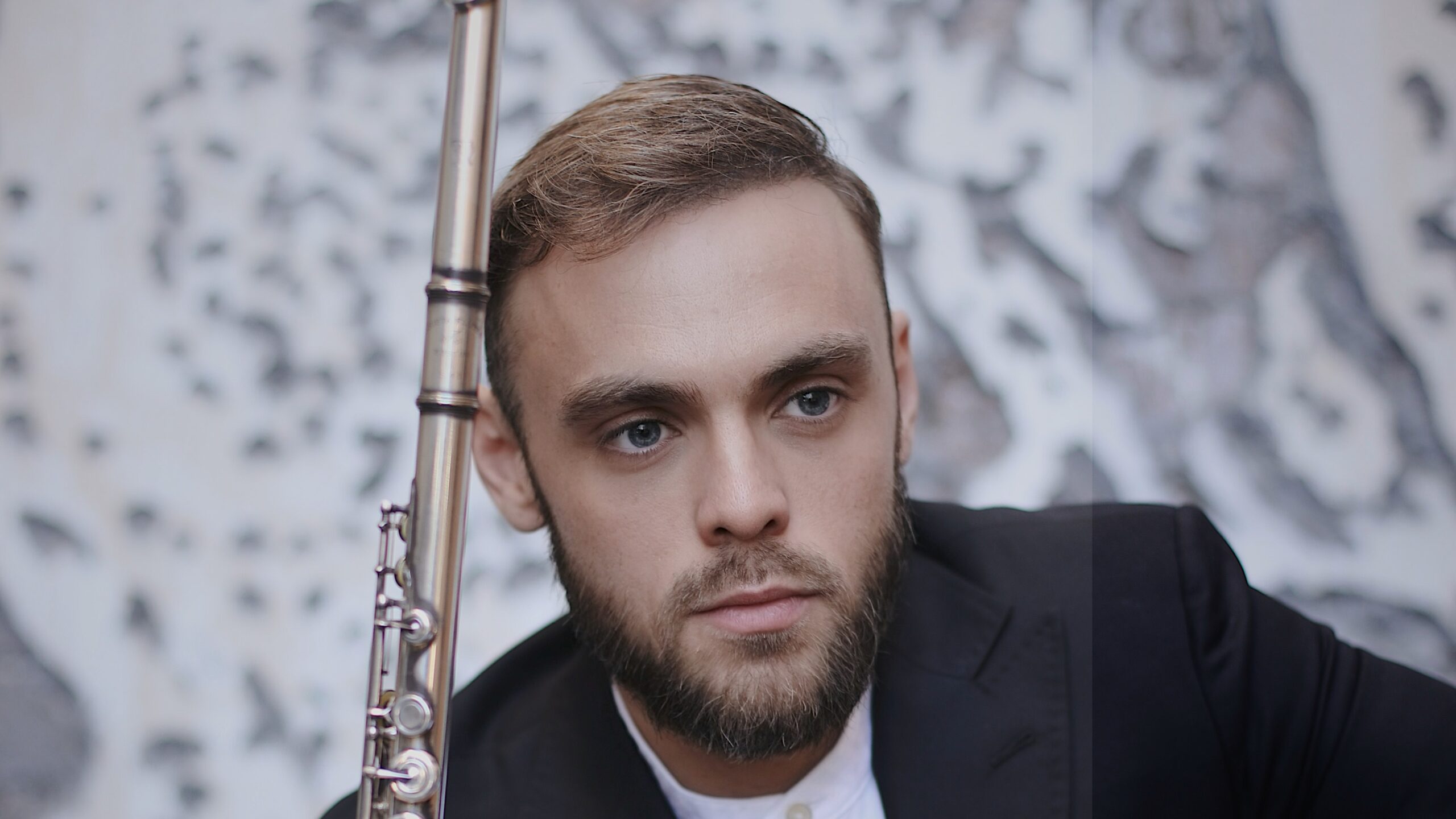
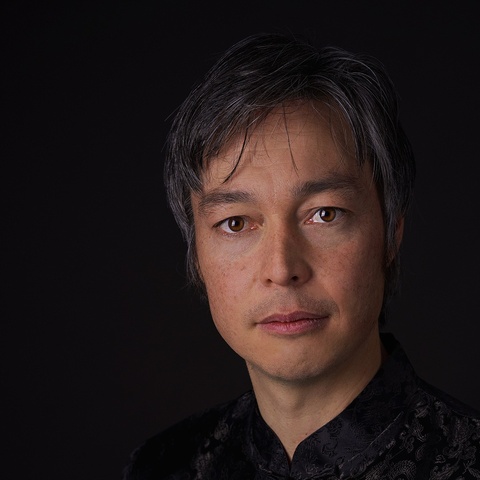
Alexander Morris – clarinet
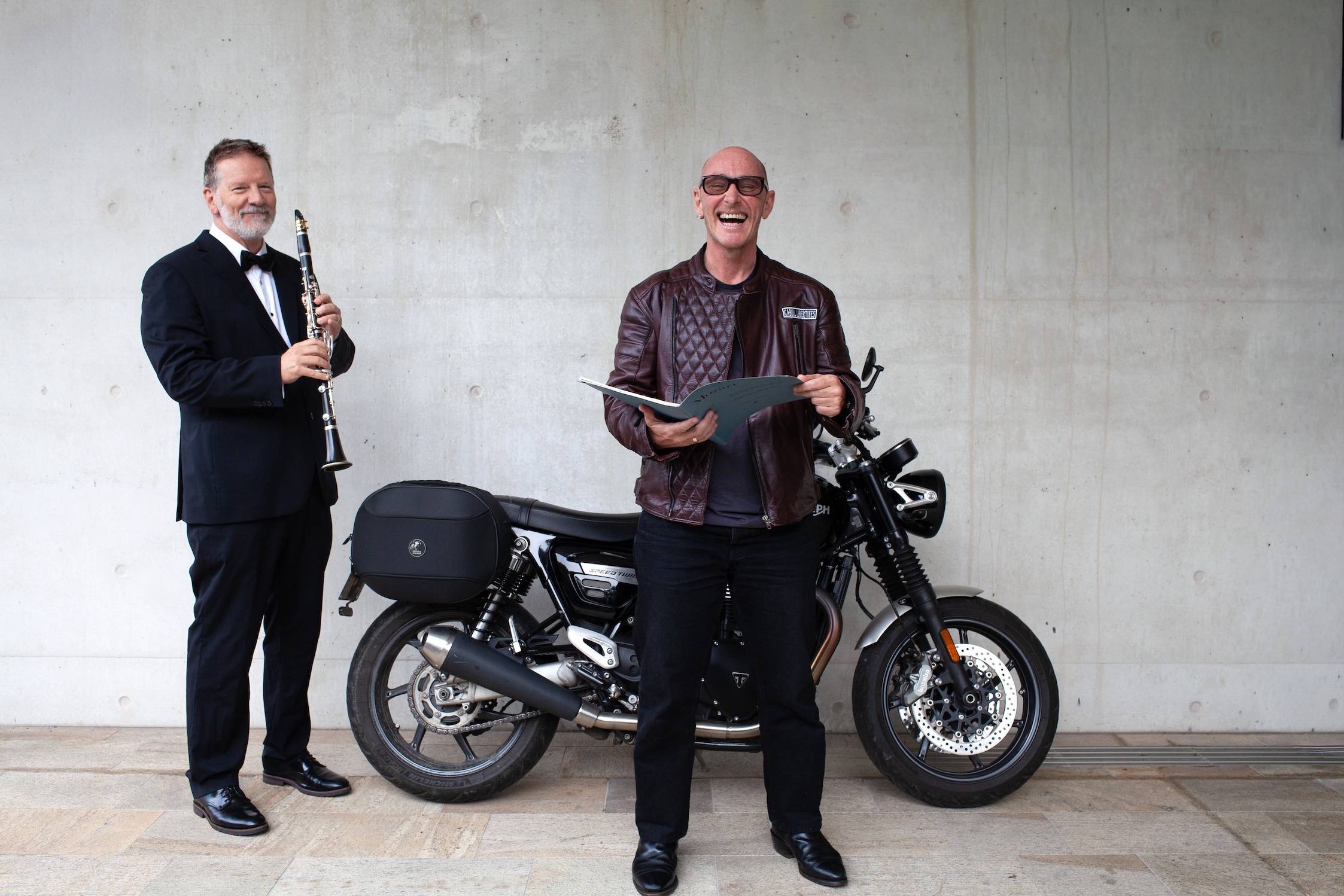
For these Cocktail Concerts, one of the orchestral musicians from the Sydney Symphony Orchestra is asked which chamber music pieces they would like to perform to showcase their instrument. Then other members of the Orchestra are brought out of the ranks into the limelight to perform these works in the glorious but intimate Utzon Room. This format works remarkably well. The protagonist, in this case Alexander Morris, the Principal Bass Clarinet from the SSO, gets to play the chamber music they have always dreamed of playing. Also the handpicked compatriots, in this case four string players, also gets their day in the sun.
When these musicians are at their day job, playing in a huge orchestra, you would barely notice the individuals. What is striking, and what makes these concerts so successful is the astounding quality of musicianship that emerges. Here is chamber music performed to a high standard, with humility, commitment and a sense of ensemble that only true professionalism and dedicated rehearsal can bring. This concert shone with all of these qualities. This makes one wonder, in the behemoth that is the SSO, how many other astounding talents are hidden there.
Also interesting is the repertoire chosen. So for a clarinet quintet, you might think the obvious choices are Mozart and Brahms. But Morris, here on a standard clarinet rather than his usual bass, chooses a rather more obscure quintet by Bernard Herrmann, mostly famous for his film scores for Hitchcock’s and many other Hollywood movies. Also a work for the same instruments by Carl Maria von Weber (incidentally Mozarts father-in-law) who with his opera Der Freischütz was one of the primary inspirations for both Mendelssohn and Wagner.
The clarinet itself is a curious beast in relation to its cousins, the oboe and bassoon. It is a much later invention (1700) and was not really used in mainstream classical music until the 1780s; Mozart’s time. His Quintet (1789) and Concerto (1791) placed the clarinet decisively on the map. It has a single broad reed rather than a narrow double one. This makes it considerably easier to blow, attested by how comparatively cool and calm clarinetist look, Morris included, and able to easily produce a huge dynamic range. The conical rather than cylindrical bore gives the instrument big tonal variety rather than its more consistently toned cousins. This may initially have been seen as a disadvantage, but Mozart totally embraced this quality. One might imagine that Weber’s Quintet would be heavily influenced by Beethoven’s densely written middle period quartets, but with Weber one immediately hears Mozart’s language and textures.
Weber wrote his Quintet in 1815, some decades after the Mozart. Where it differs is that this work has way more drama and surprises and virtuosic technical demands; such as diminuendos on rapidly rising scales. But it also has moments where the other instruments emerge with melodic material while the clarinet blends to add colour to background textures. While the work has many attributes of a concerto, there are moments of ensemble. It is a tribute to the musicians that they listen so carefully to their combined texture; an attribute happily gleaned from their day job in the orchestra.
The Bernard Herrmann work has a programmatic title, but it comes across as a serious chamber composition that stands in its own right. It shows a restraint and depth with frequent use of muted strings, and yet is full of intensity. The work is more in the European Romantic tradition than American music; there is no hint of folk, klezmer or jazz, despite the clarinet’s strong association with these genres. It shows Herrmann is not just showy as one might expect from a talented film composer; the piece finishes as gently as it starts. Morris and the quartet render this performance with the depth and thoughtfulness it deserves.
I was delighted to attend this concert. It brought to life for me two important works that I had never heard before, so my thanks to Morris for his thoughtful programming and the whole ensemble for their wonderful performance.