Australian Haydn Ensemble | Mozart’s Spring
March 8, 2026, Paintings Room, State Library, Sydney, NSW
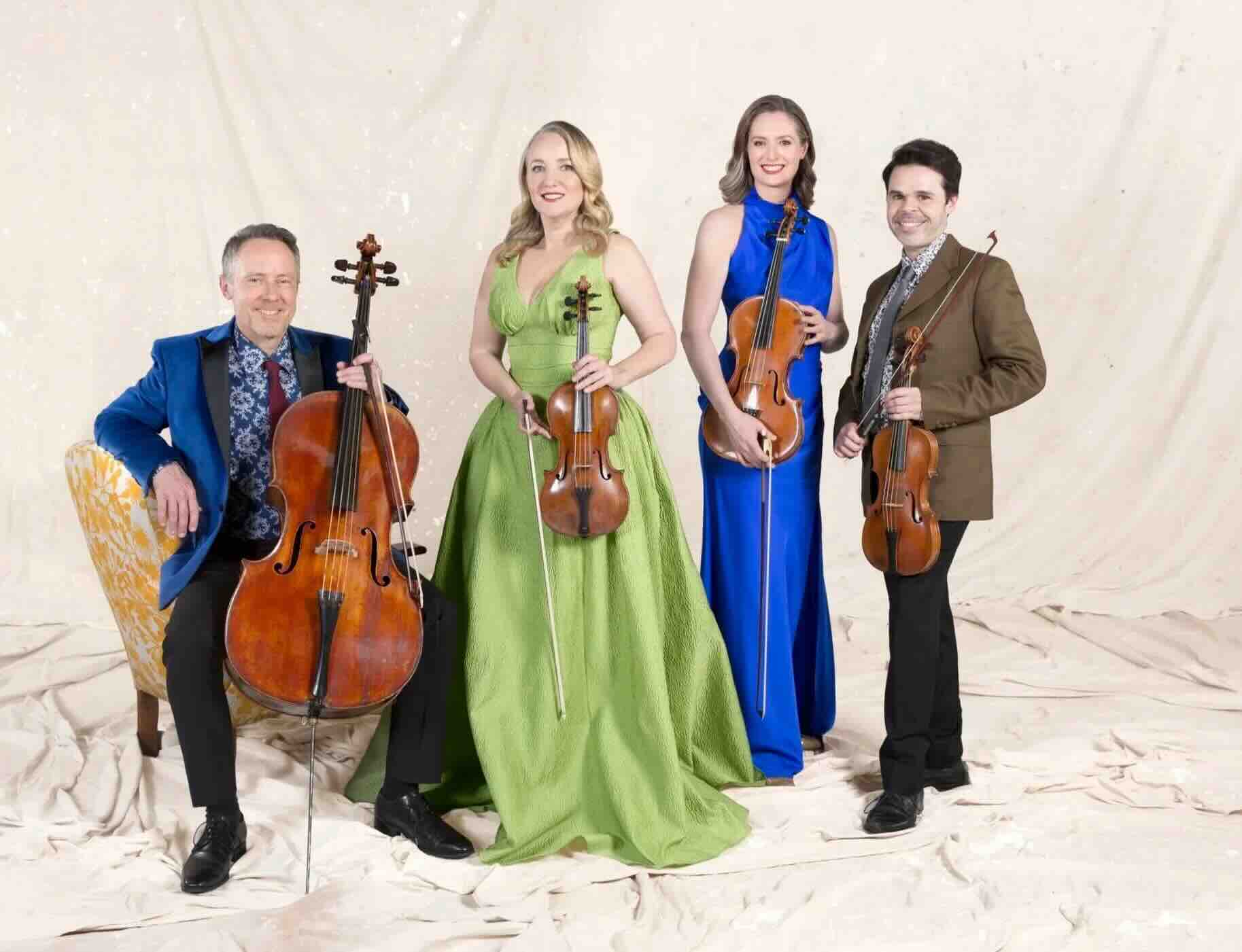
AHE 2026, the first program for their year, consisted of Haydn, Mendelssohn and Mozart string quartets. Here, the AHE performs as a string quartet, whereas in last year’s incarnation, they were a symphony orchestra! Never mind, they are playing Beethoven’s fourth symphony as part of their second program in their 2026 series, look out for that!
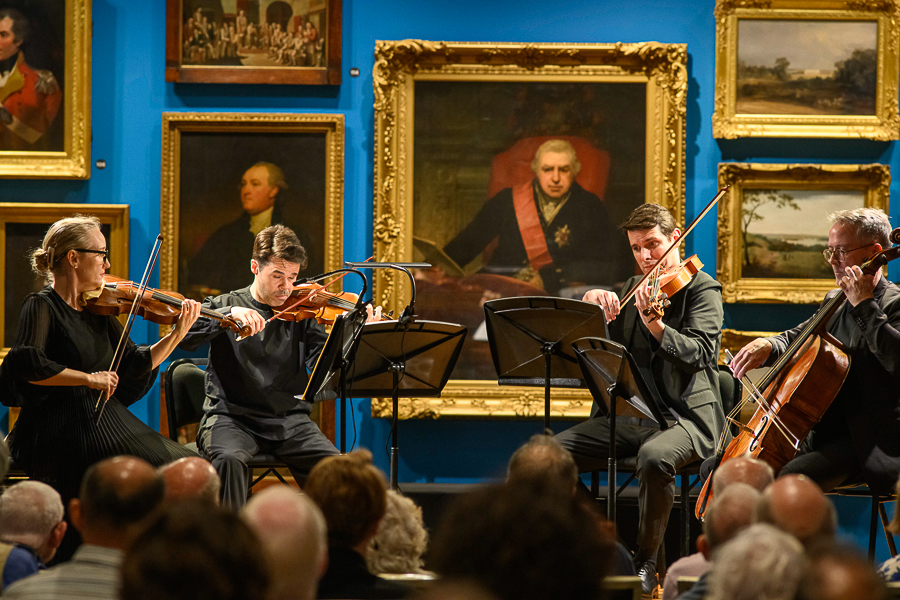
The venue was the State Library of NSW, in the Paintings Room. It was a truly inspiring and exquisite performing space, with acoustics that can resonate the softest phrases that waft out of the four performers’ instruments. Imagine the quartet in the centre of the room, with the chairs placed in front and to either side. Then add row upon row of paintings on the walls as visual candy, and music from the compatriots of the artists as aural candy. Truly magnificent. So were the performances!
Before I launch into the ‘analysis’ of the three quartets, I would like to comment on some performance practices that I believe enhanced the quality of the event, and then urge the AHE to consider my recommendation at the end of this article. I would like to qualify my usage of the verb ‘analysis’ because I believe that understanding musical jargon such as ‘the final movement is in the form of a fugue and the contrapuntal exposition of masculine and feminine motifs was brilliantly executed and shows Mr X’s amazing skill as a true champion of baroque compositional techniques,’ means nothing to the reader. I am interested in being moved to the depths of my soul and remembering the performance for the rest of my life, no matter when the music was composed. Great music is music that succeeds in communicating and transporting the listener to a place of ecstasy.
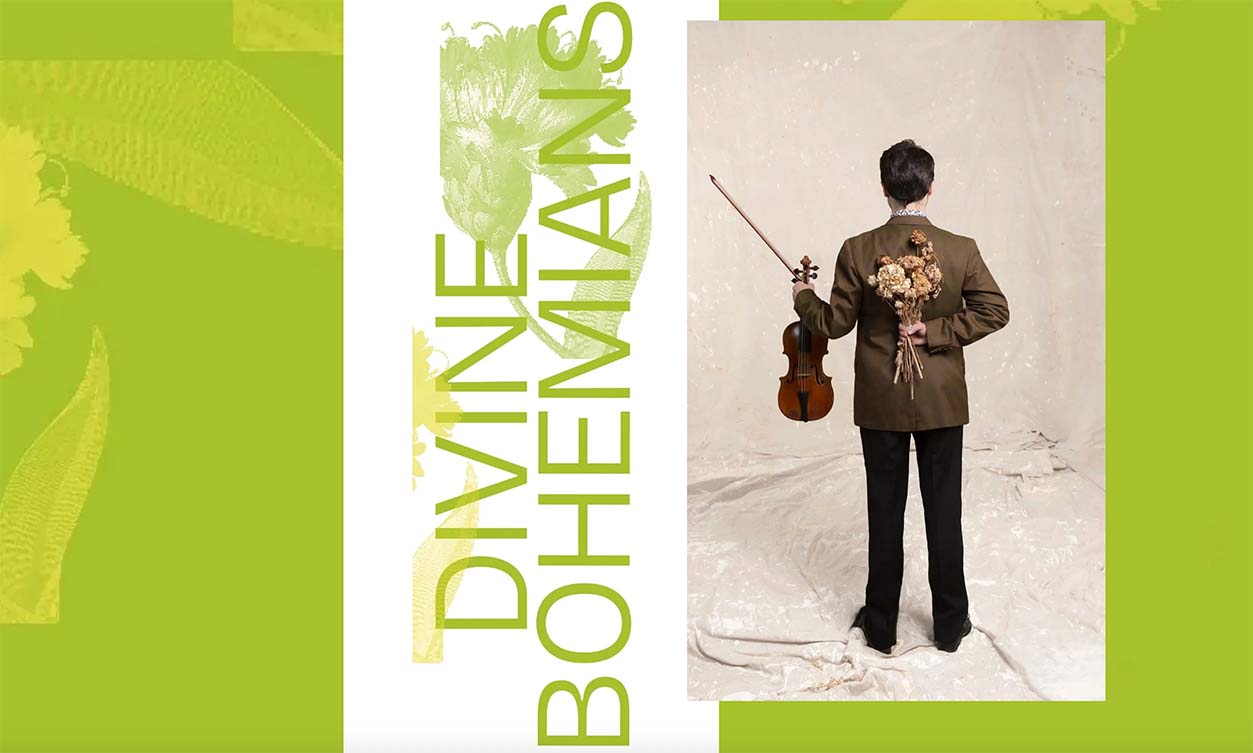
For those tens and tens readers of mine who actually like proper ‘analysis’ and believe that an ability to identify the masculine (or feminine) theme, (etc.) enhances their listening experience, to those people I urge that you go to the concerts themselves and or get the marvellous program notes from AHE that come with the performance. Not only is the cover of the program notes a photo of a glamourous centrefold holding an unbelievably large flower, but there are program notes galore that outline the history and worthiness of the performance pieces in traditional analysis. The program notes are more than good, they are truly excellent. You don’t need to read me copying their notes, though it is sorely tempting. I am here to tell you that the performances are superb.
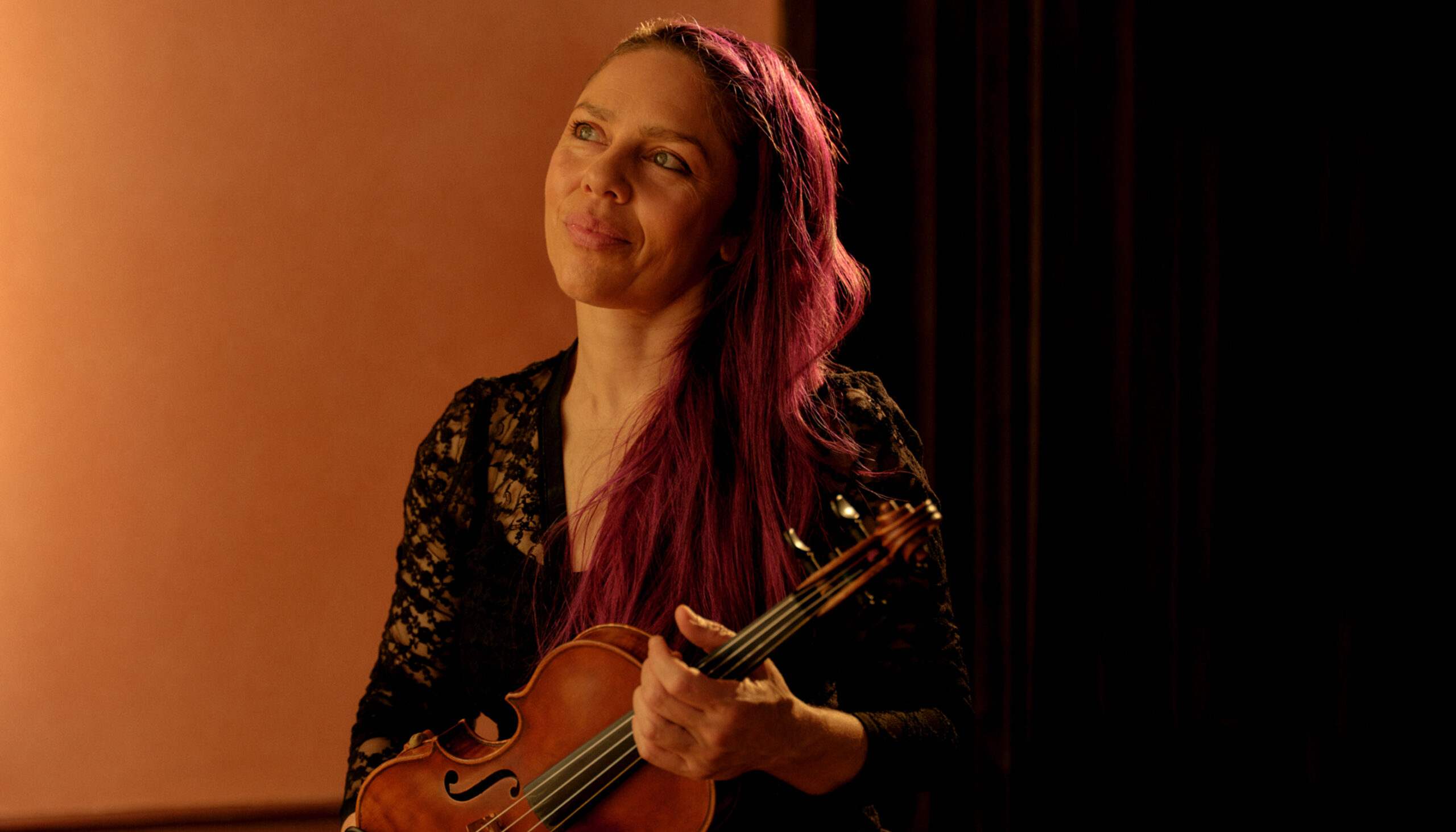
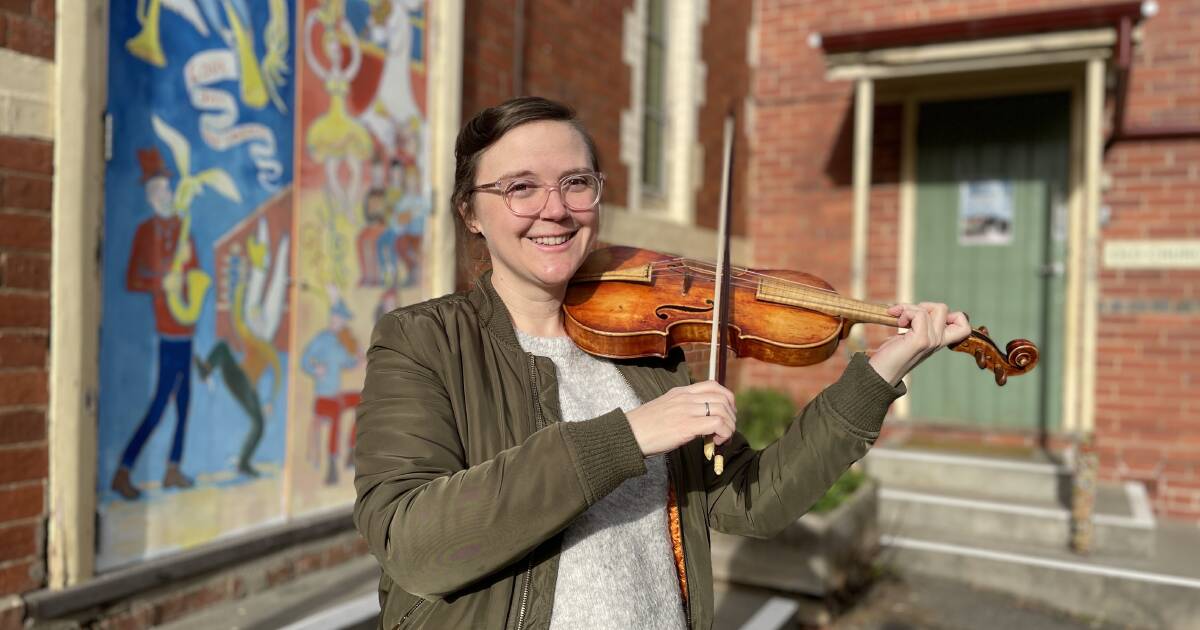
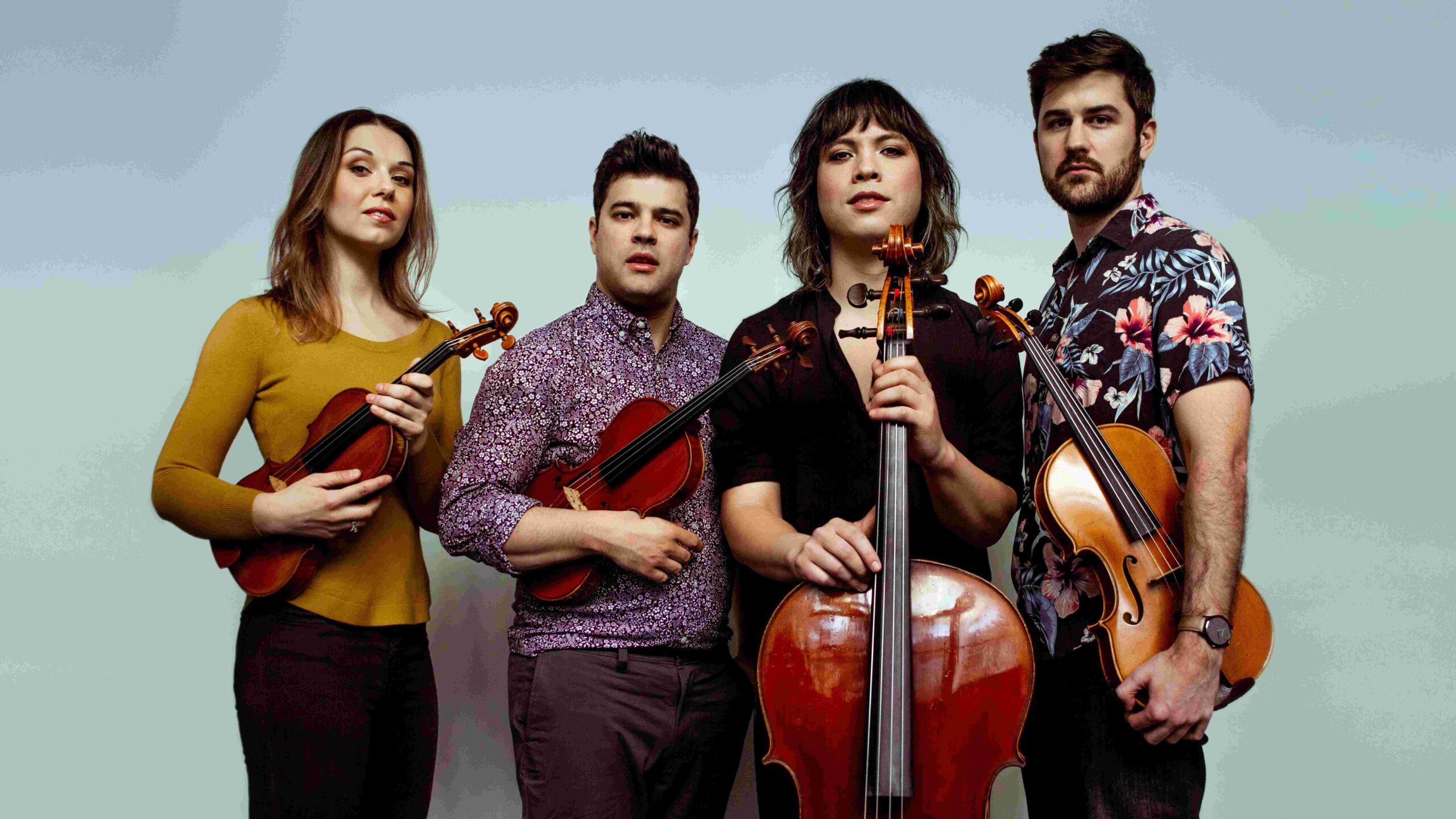
The quartet played with no (or very little) vibrato and I thought that it was the right thing to do. The pieces certainly worked well without this string affectation. The second violinist (Matthew Greco) and viola (Rafael Font) both had instruments without chin rests! I couldn’t see if they had shoulder rests, but the manner of their performance showed me why they didn’t need these accessories. They both play in a similar way, with their chins barely touching their instrument, their heads constantly swivelling and surveying the scene, making sure that they are synchronised when they lock eyes together. For example, I heard background chords from the viola and cello, and as soon as that accompaniment was done, the viola pivoted and conjoined with the second violin to illuminate the inner voices. The cellist (Daniel Yeadon) was in his own world, but that’s what you want in a bass line; dependable and reliable, not swayed by tempo changes, and able to set a strong tempo and vigorous bass accompaniment. Skye McIntosh was doing first violin things, and there is no getting around the fact that it is always the most technically demanding (or showy) part. Some of the difficult passagework of the first violin was not spot on, but that level of perfection is unimportant to me.
Haydn’s String Quartet in C major, Op. 33 No. 3 (The Bird) is no. 3 of Haydn’s six quartets that have been ‘written in an entirely new and special way.’ It is called ‘the bird’ because of its bird-like chirpy sounds and also because nicknames were all the rage at the time. The coda for this quartet is pure slapstick, and the music seems to disappear into thin air.
AHE, informed by historically accurate performance practices, blends witty, bold and strong contrasts with deep emotional depth rather than just a superficial bird sound.
Mendelssohn’s early String Quartet in E-flat major (MWV R18) was composed at the precocious age of 14. It is a precursor to his more famous, numbered quartets, and demonstrates a deep understanding of Bach and Beethoven. It has charm, energy and impressive contrapuntal skills exhibited in the fugue finale. AHE plays this piece with a light gentle touch, unwavering ensemble playing and finely tuned balance. They have these qualities for pretty much every performance.
Mozart’s String Quartet No. 14 in G Major, K. 387, “Spring” from the set of six “Haydn” Quartets, is the heavyweight of this trio of quartets. This is the famous showstopper, the favourite for all connoisseurs of Mozart string quartets. The virtuosity in writing for all the instruments is at a higher level than the previous two quartets due to its conversational style between instruments, high chromaticism, and dramatic dynamic contrasts, but the AHE instrumentalists had no problems reaching those technical heights. It has intellectual depth, polyphonic sophistication, and vibrant, optimistic energy, with a famously energetic fugal finale that hints at the ‘Jupiter’ symphony. The fake ending caught a few members of the audience out.
May I recommend that AHE runs a masterclass of quartet performance. They understand what great music is and they are able to make the soul of music manifest. As outlined by TwoSet Violin (in a totally different context), making great music is not about just playing the notes, but painting a canvas (how apt given the venue!) of aural images that the audience can empathise and resonate with. All four musicians have amazing rubato – so subtle yet effective, that you can miss it because it seems so natural.
A small thing, but… the bowing after the musical performances was very poorly synchronised, so that it somehow didn’t fit the performance! That is the only thing that I will criticise.