Bach Akademie Australia | Bach’s Motets
February 8, 2026, Mosman Art Gallery, NSW
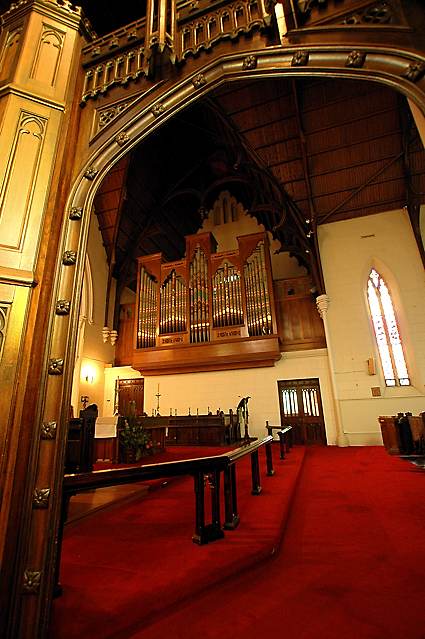
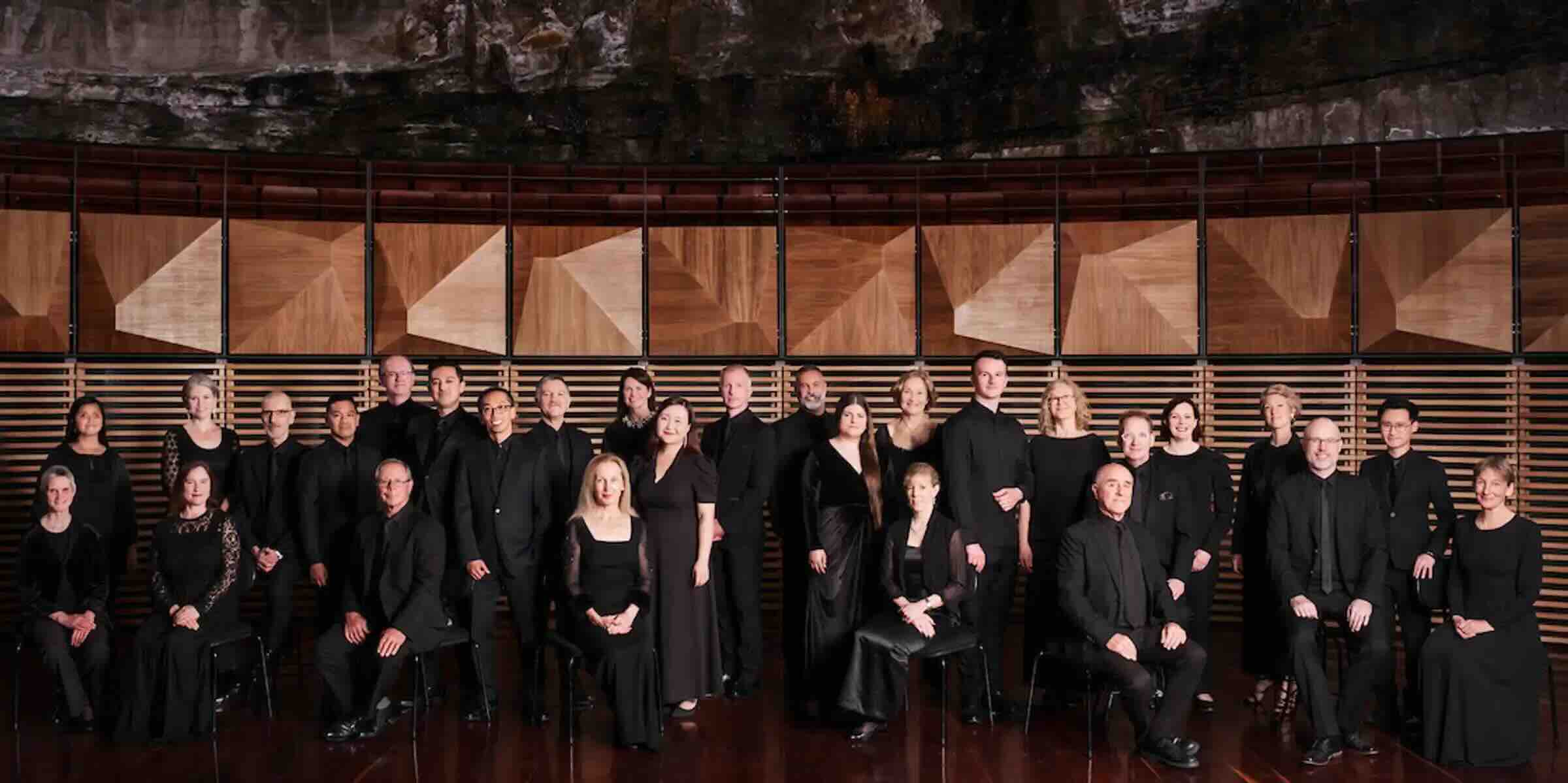
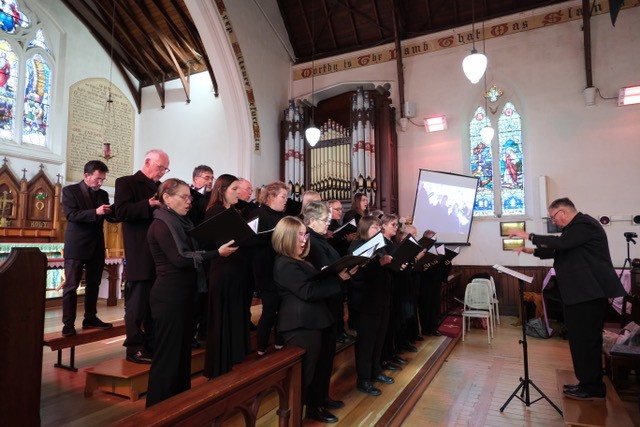
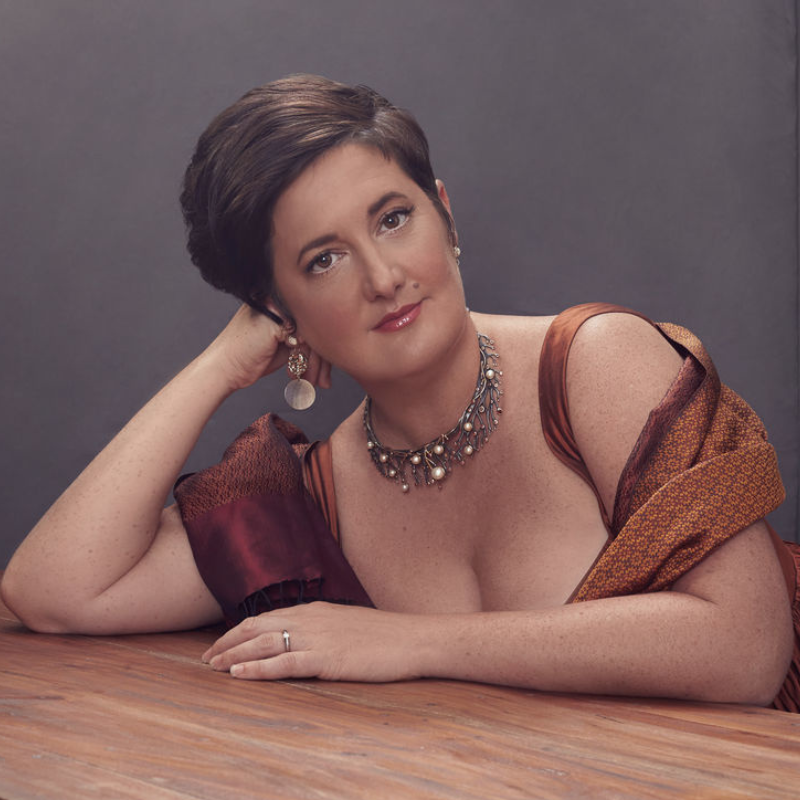
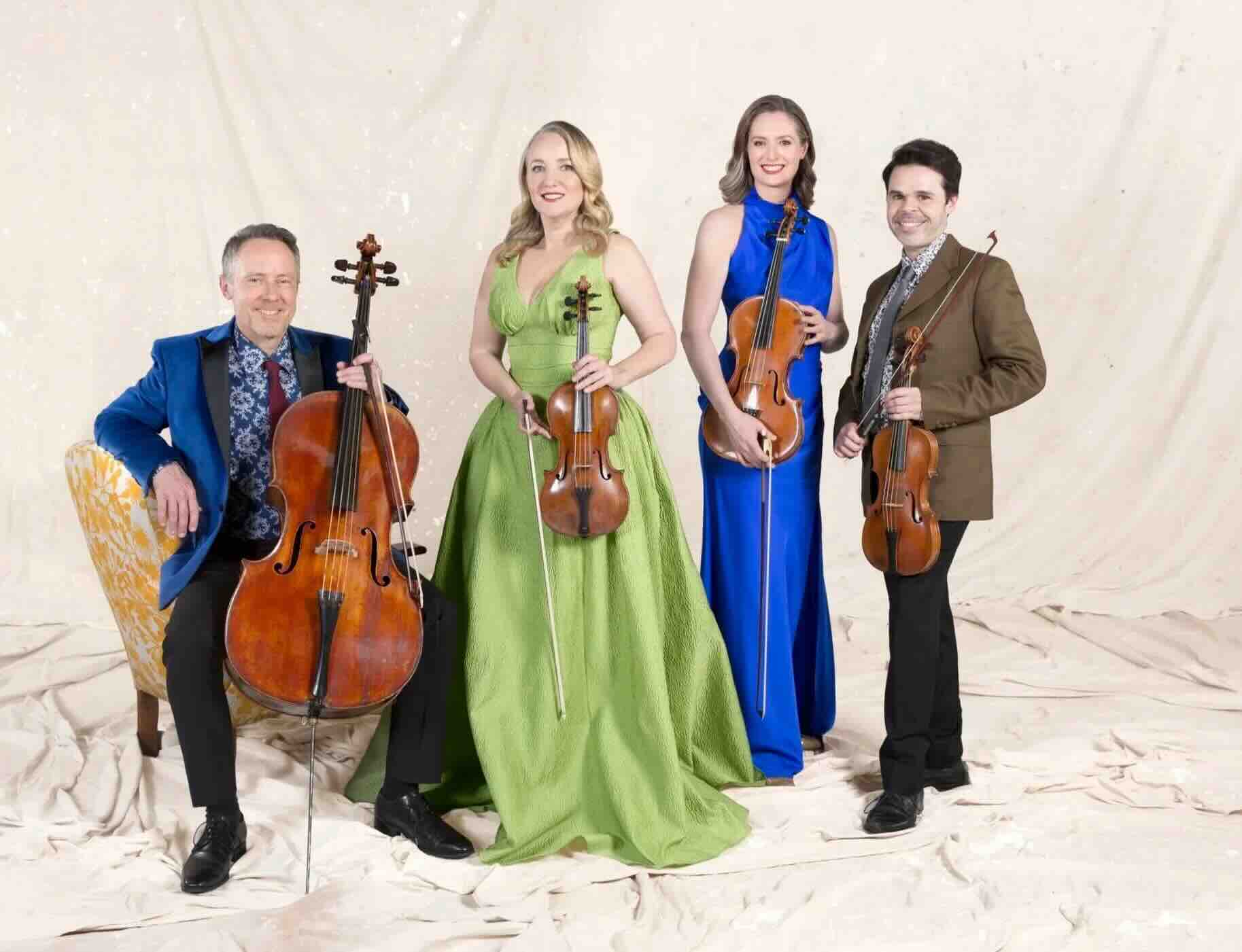
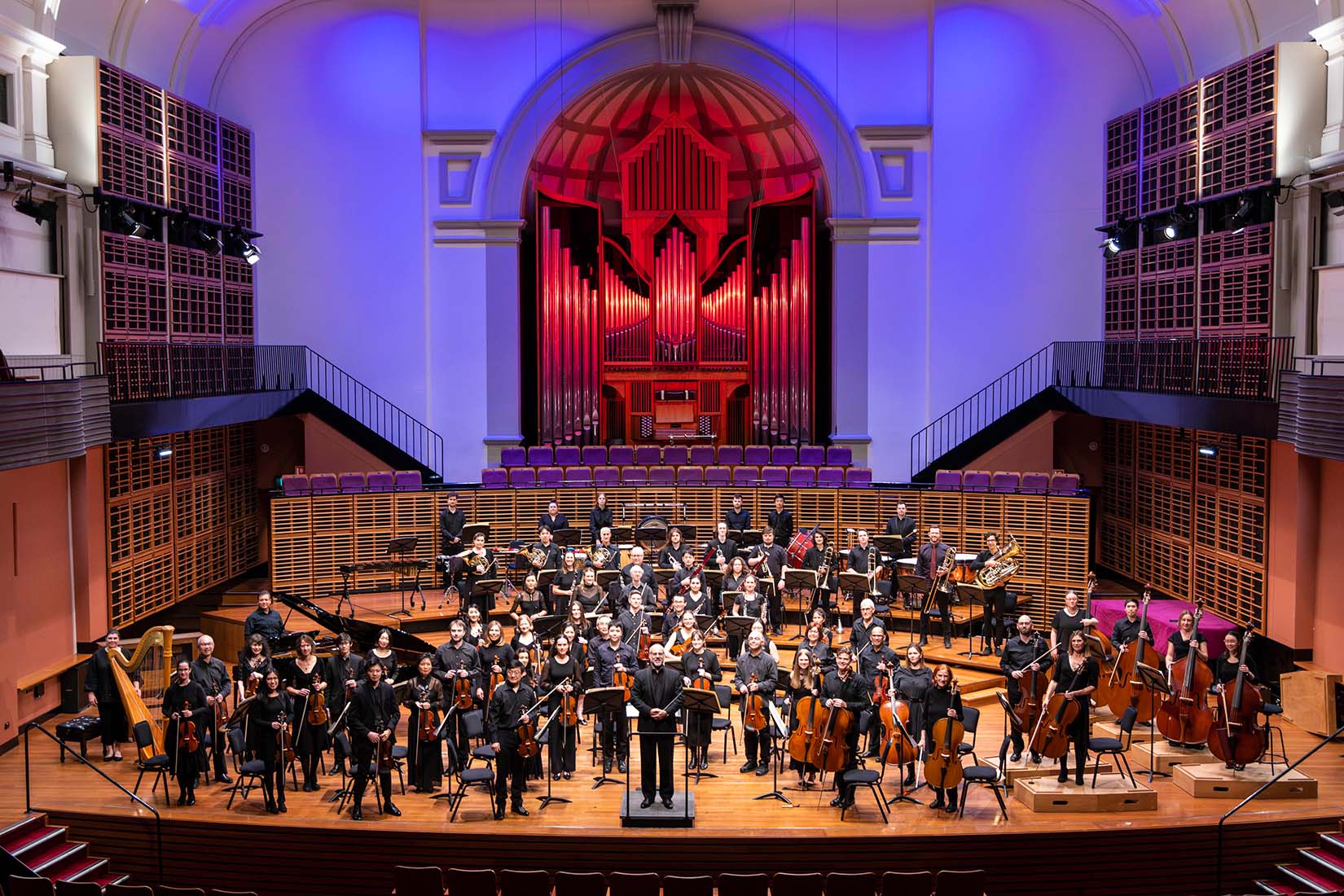
The combination of The Song Company and the Bach Akademie in the beautiful hall of the Mosman Art Gallery was a match made in Heaven. Together, they performed all 7 of the known Bach Motets, plus two works by contemporary composers.
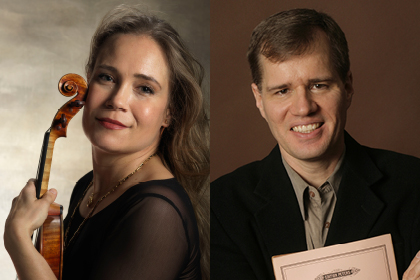
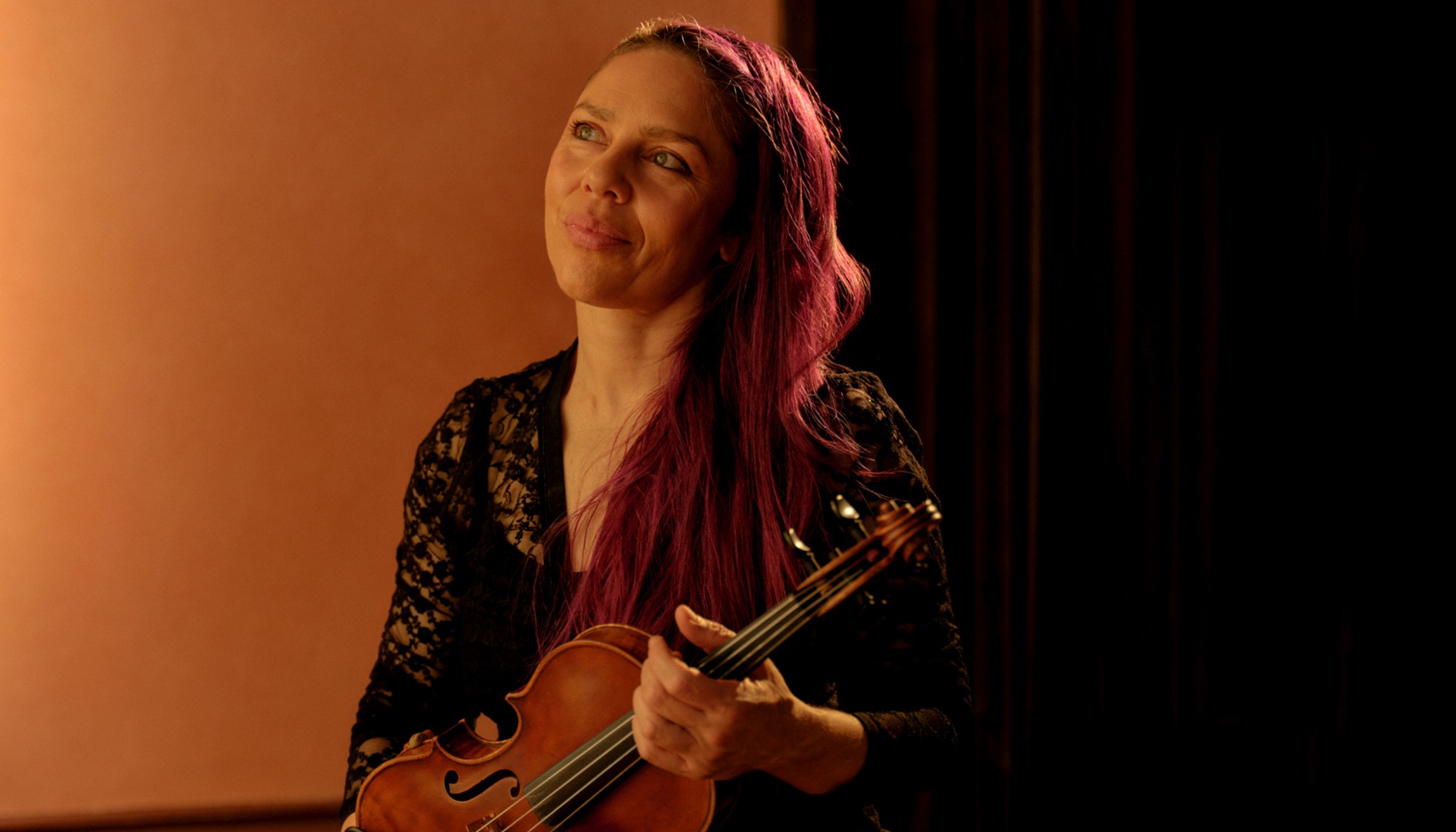
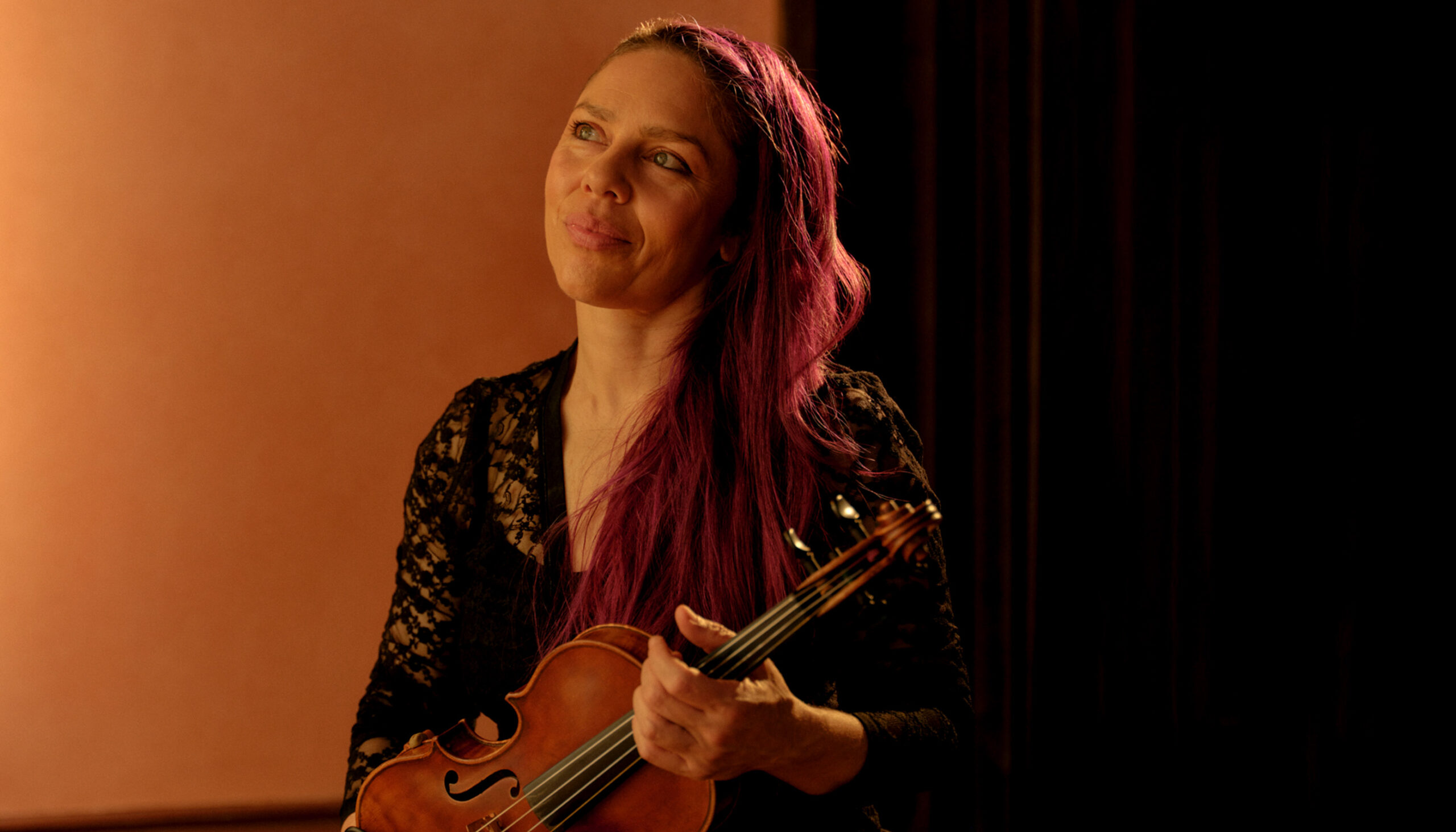
The Mayor of Mosman, Marie Kimber, welcomed us and acknowledged the Governor of NSW, Her Excellency the Honourable Margaret Beazley AC KC to a full house. The Artistic Director of the Bach Akademie and today’s conductor, Madeleine Easton, then enthusiastically introduced the program. She described how music heals the soul and that Bach’s motets were composed mainly for funeral and commemorative memorial services. Nevertheless, the music was often joyful, reflecting Lutheran faith and belief in the joys of the afterlife in Heaven. Bach perfected his motets as pieces of complex contrapuntal writing, whilst retaining the emotional expressiveness of the words.
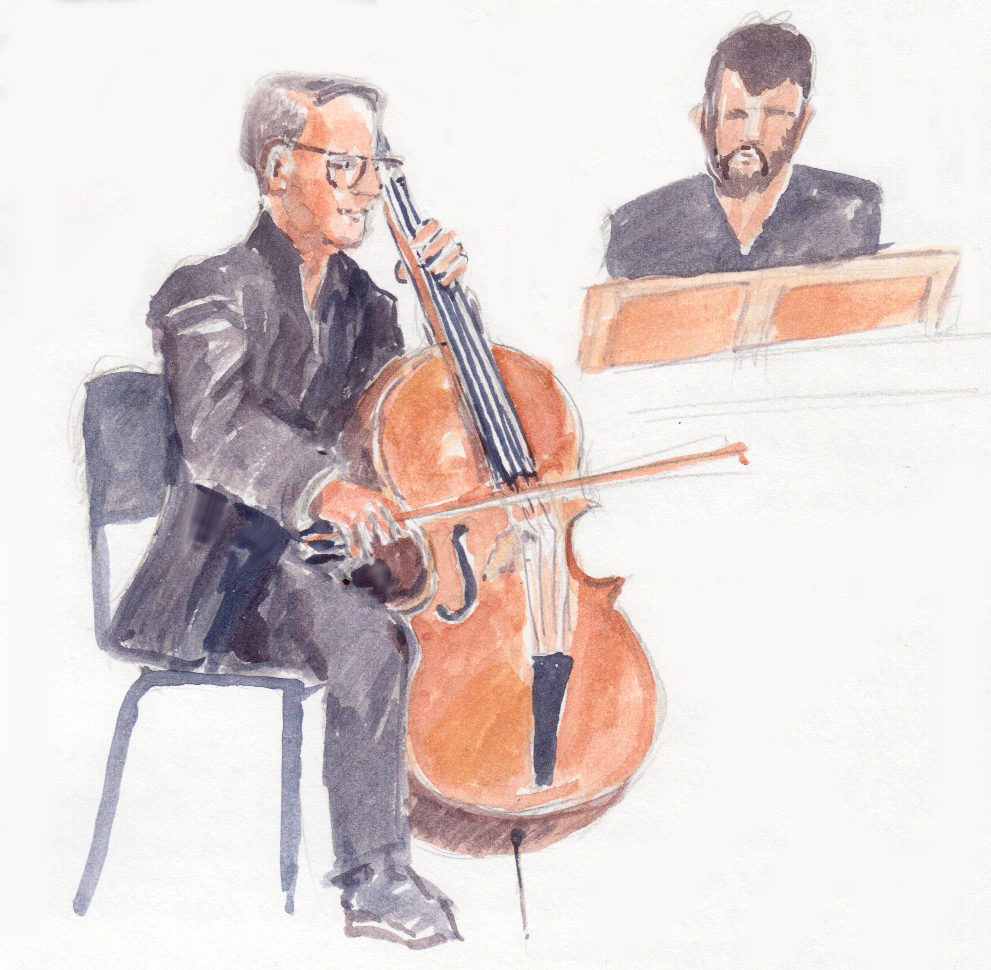
The augmented Song Company, including Iris Korfer, a guest alto from the Netherlands, began with Lobet den Herrn, alle Heiden BWV 230. They sang a complex double fugue with great skill and joy – a real celebration! Then the word “Ewigkeit” (eternity) was sung slowly, with singers coming in separately, followed by a joyful “Alleluia”. The continuo comprised Daniel Yeadon on cello, Pippa MacMillan on double bass and Nathan Cox on organ.
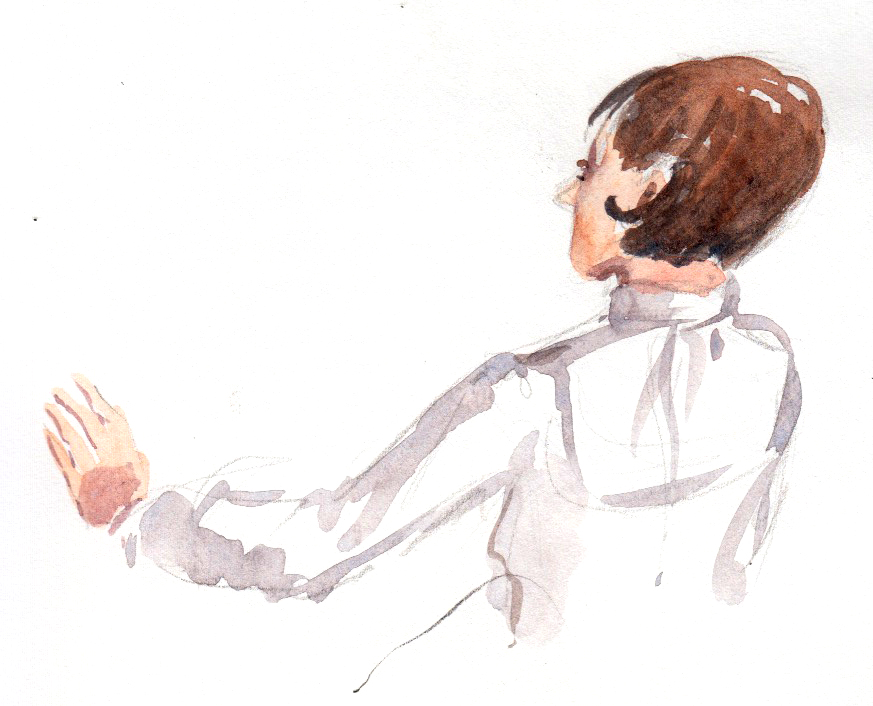
Komm, Jesu, komm, BWV 229 is scored for double choir, with the word “komm” (come) sung alternately by the two choirs, almost like an echo around the hall. when the the two choirs sang together, their falling arpeggios almost suggesting people falling on their knees. Each choir “yearned” for peace as each singer sang a long note that built up to a rich, but wistful harmony. They then sang about “Life’s bitter path,” giving the sense of life becoming unbearable. The word “komm” returned in a joyful fugal section, till all eight voices came together in prayer expressing comfort and hope at the end of life.
Madeleine Easton then introduced the work by Australian composer, Sandra Milliken – Herr Jesus Christus. She had first heard it at its World Premiere last year (as did I) as part of the Bonhoeffer Project, sung a cappella by the Sydney Chamber Choir and award-winning German vocal quintet, Ensemble Nobiles. This project was a tribute to Dietrich Bonhoeffer, an influential theologian, executed by the Nazis in 1945. Ensemble Nobiles commissioned composers from across the globe to set to music texts written by Bonhoeffer while he was imprisoned. These were performed between movements in a new Mass setting, composed by one of the members of Ensemble Nobiles. Sandra Milliken’s composition was set to come just before the Agnus Dei. She rearranged the work for SATB, which the Song Company sang a cappella. The men and women sang on opposite sides of the stage, representing the divided concentration camp in which this motet was set. There were some beautiful solo parts for soprano and alto, answered with a reverent male chorus and reiterated by the female chorus before they all united with “Help me! Lord, Jesus Christ” – an anguished plea, full of emotion.
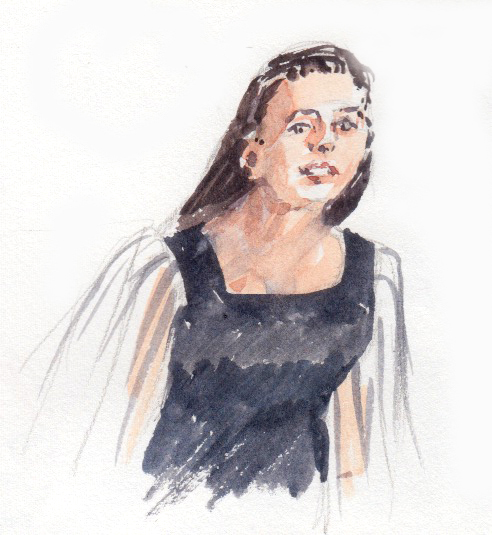
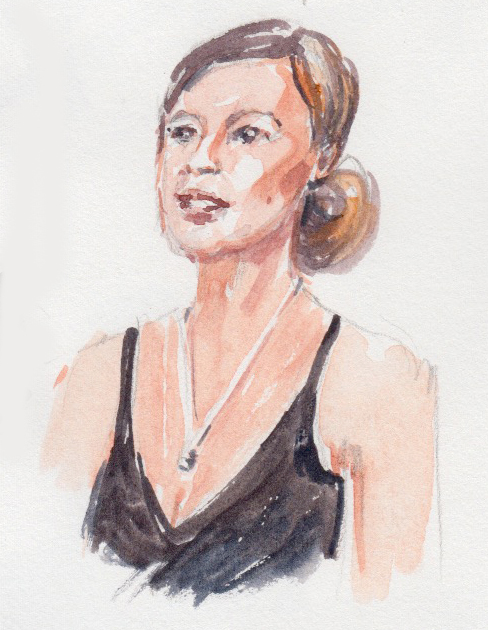
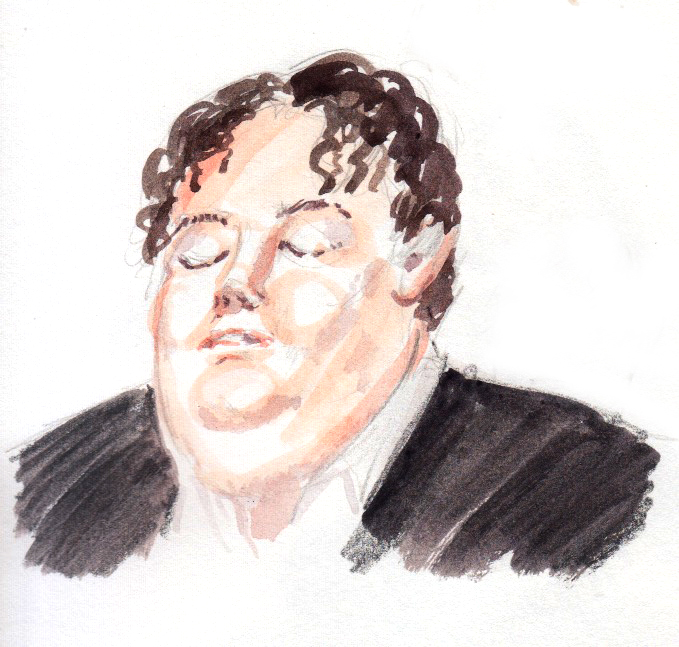
The Bach Akademie returned and we were treated to the reassuring Bach motet Ich lasse dich nicht, BWV 1164. The two choirs sang across to one another before uniting, with the sopranos singing the melody over the lower voices, who sang in short syllabic bursts. The Song Company sang this complex polyphonic work with expertise.
Der Geist hilft unser Schwachheit, BWV 226 was commissioned as a commemoration service for the deceased rector and schoolmaster of the Thomasschule in Leipzig. The words (projected in English translation on a screen at the front – as was the case during the whole program) were about the Holy Spirit lifting us above earthly suffering and were were expressed in Bach’s music in uplifting melismas. I was sure could hear the joy in Susannah Lawergren’s voice! We were treated to more intricate and complex double fugues that the Song Company performed so well!
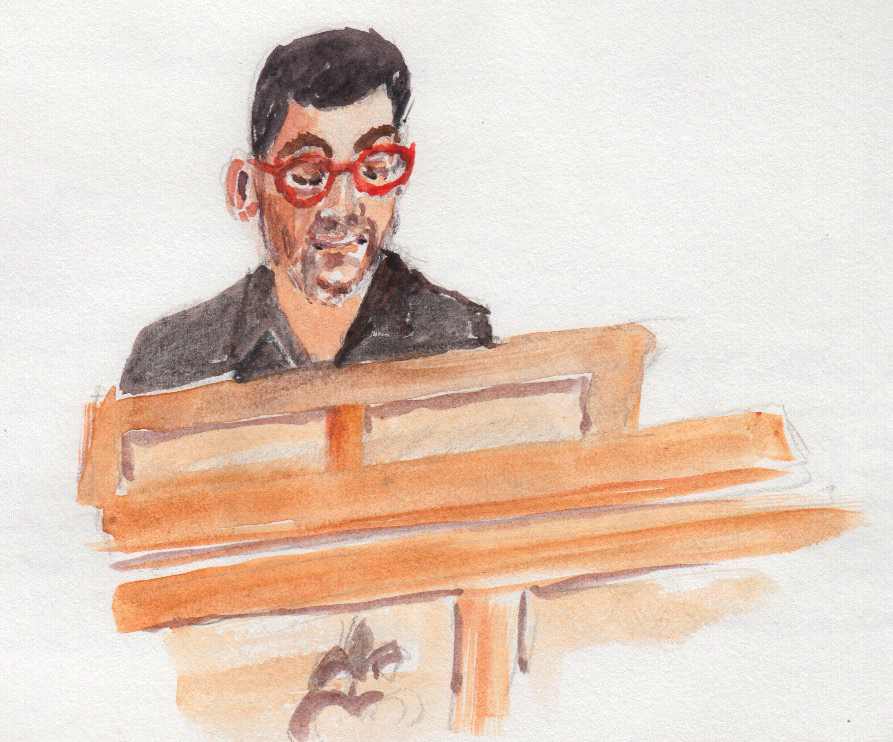
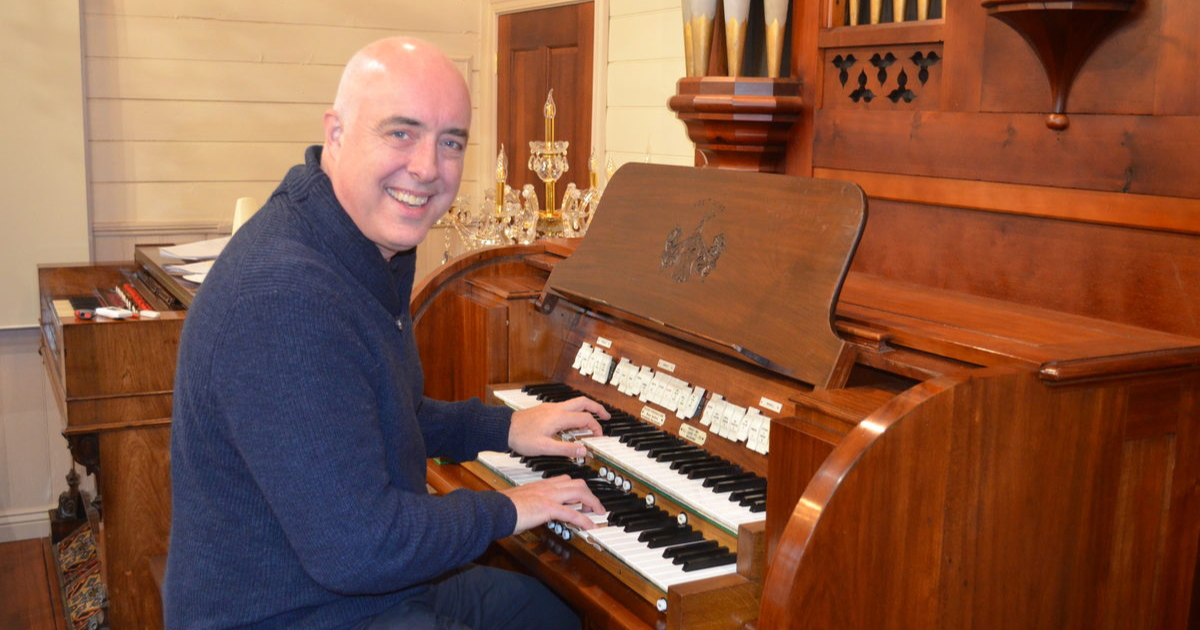
After the interval we were treated to more contrapuntal magic with Fürchte dich nicht BWV 228. The Bach Akademie again accompanied the singers with the organ being played by Neale Peres da Costa.
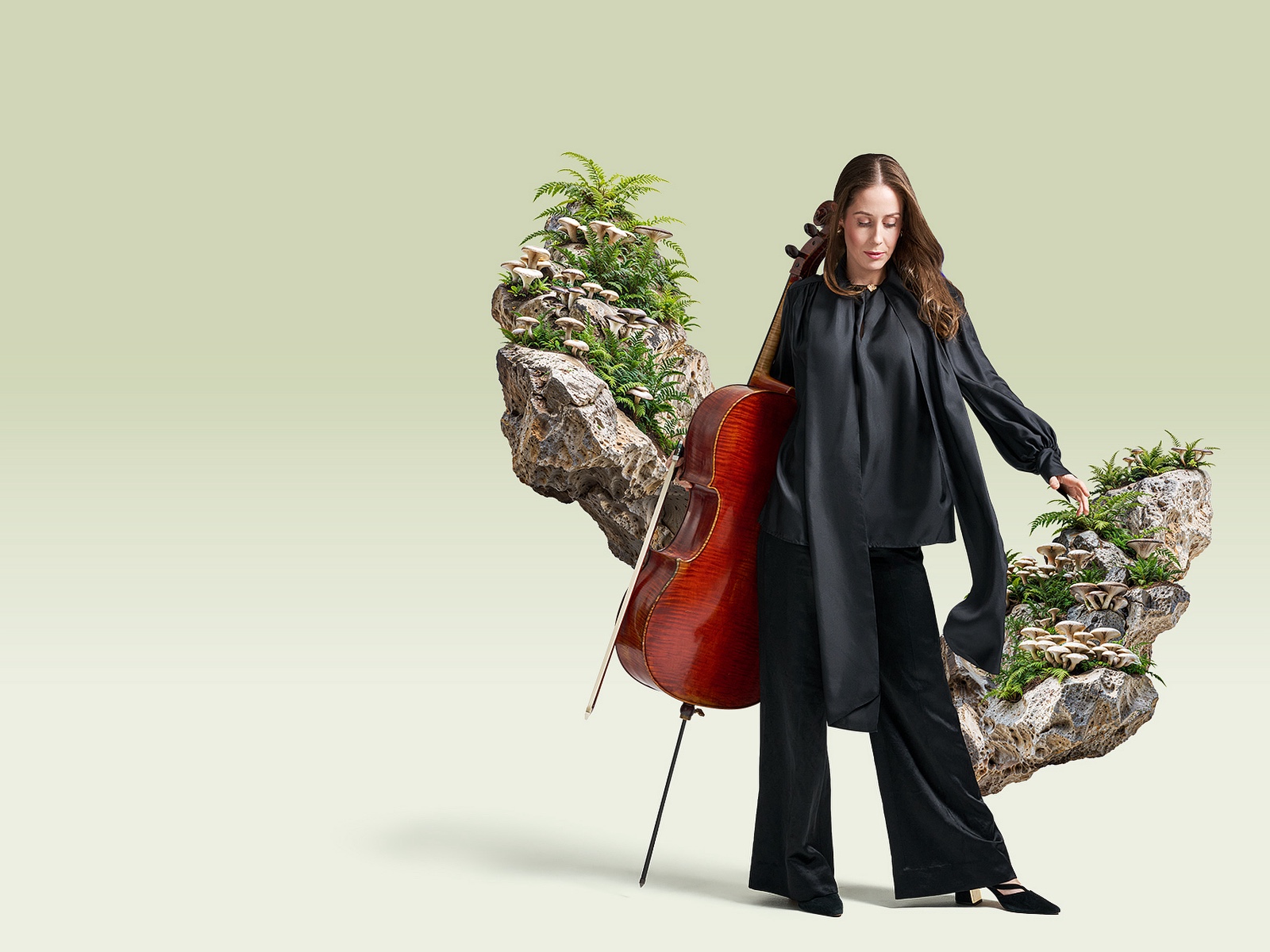
Madeleine Easton then introduced a “palate cleanser” with Daniel Yeadon beautifully playing Bach’s Prelude from Cello Suite No.2 in D minor, BWV 1008.
Jesu meine Freude, BWV 227 featured an inventive symmetrical structural plan that only Bach could have composed. Chorales and motets built up to a central fugue, which joyfully spiralled upwards to God, followed with more chorales until the final movement with its positive outlook. The Song Company portrayed allthe different emotions splendidly!
The positive mood continued with O Radiant Dawn, by contemporary composer, James MacMillan. Usually sung before Christmas and Inspired by Thomas Tallis, the harmonies shimmered with their voices, evocative of light.
The final motet, Singet dem Herrn ein neues Lied, BWV 225 was, for me, the highlight of the concert. Full of joy and ebullience, the word “singet” was repeated rhythmically by different sections of the Song Company. The work became increasingly complex until the final “Alleluia”, where the sopranos sang their final high note in a concluding climax.
The performers received a standing ovation with thunderous applause, whistles and cheers. It took me a while to come down to earth.