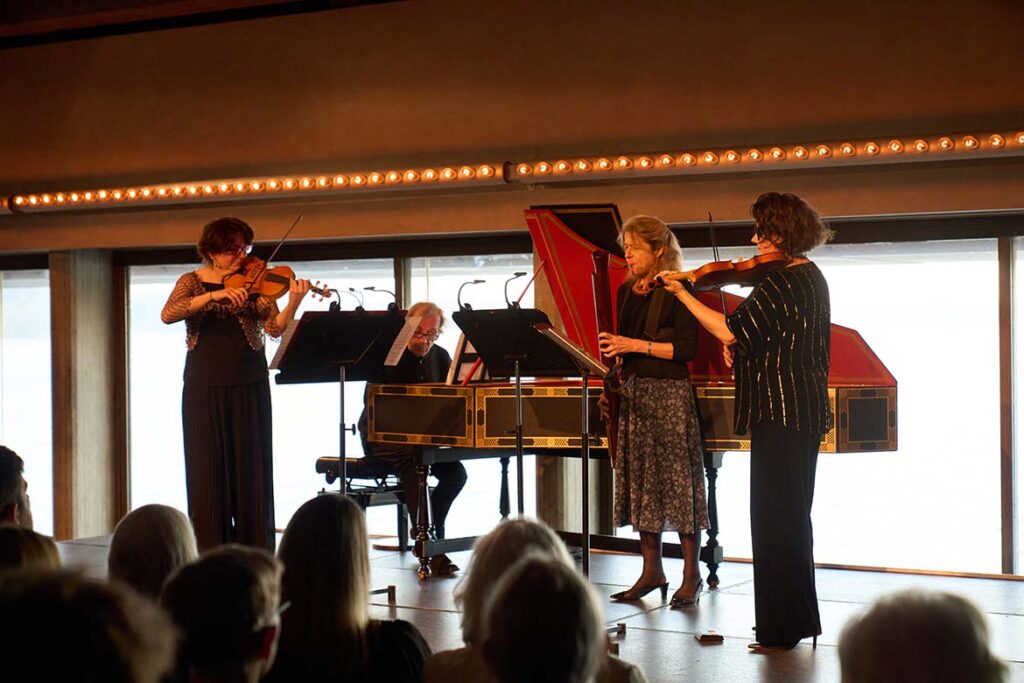
Utzon Music | From Prague to Tasmania: Baroque Without Borders
10 May, 2026, Utzon Room, Sydney Opera House, NSW
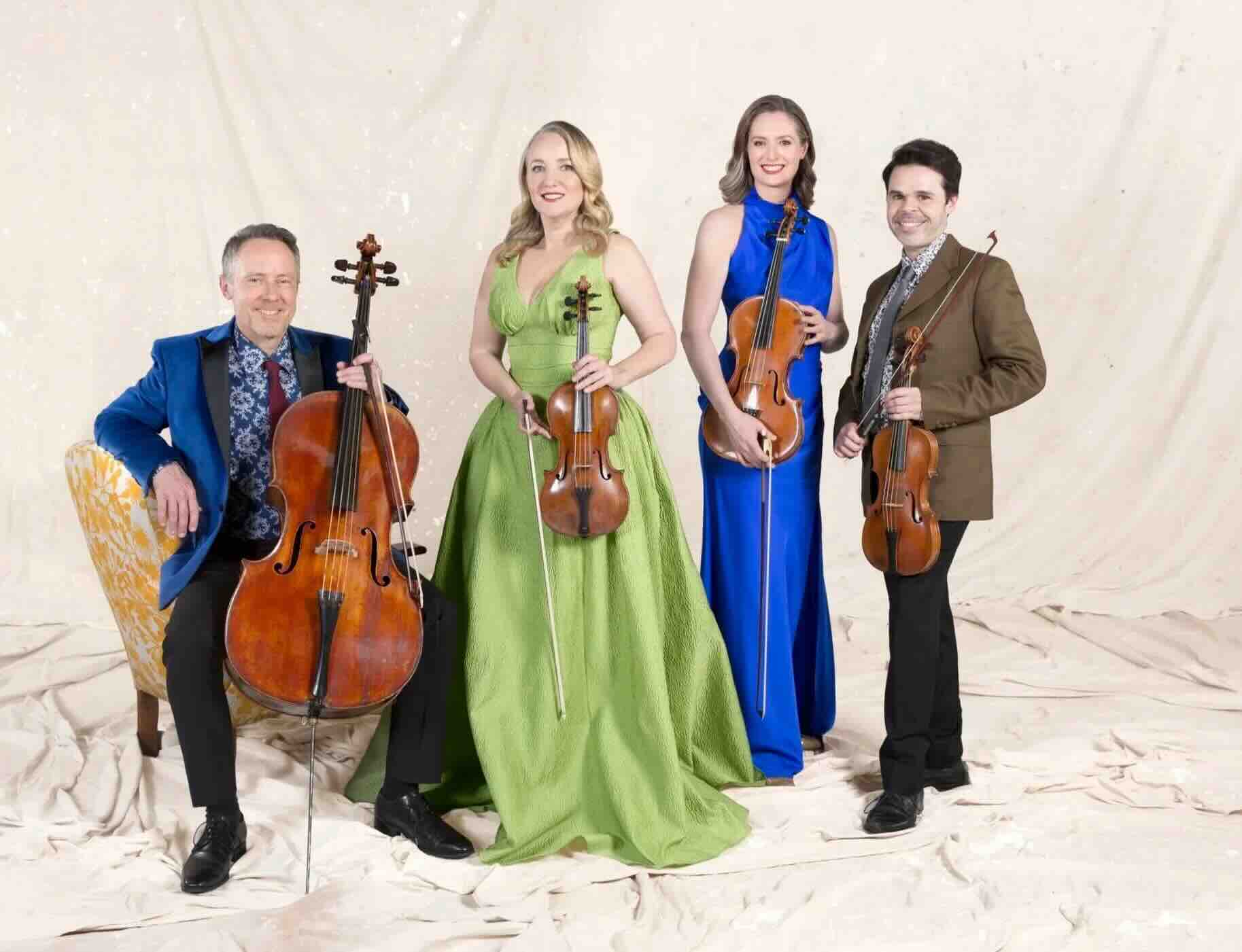
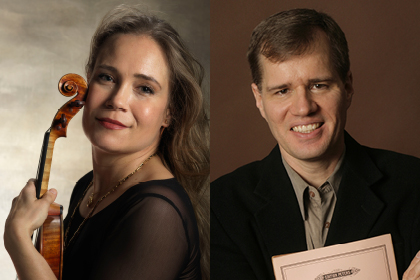
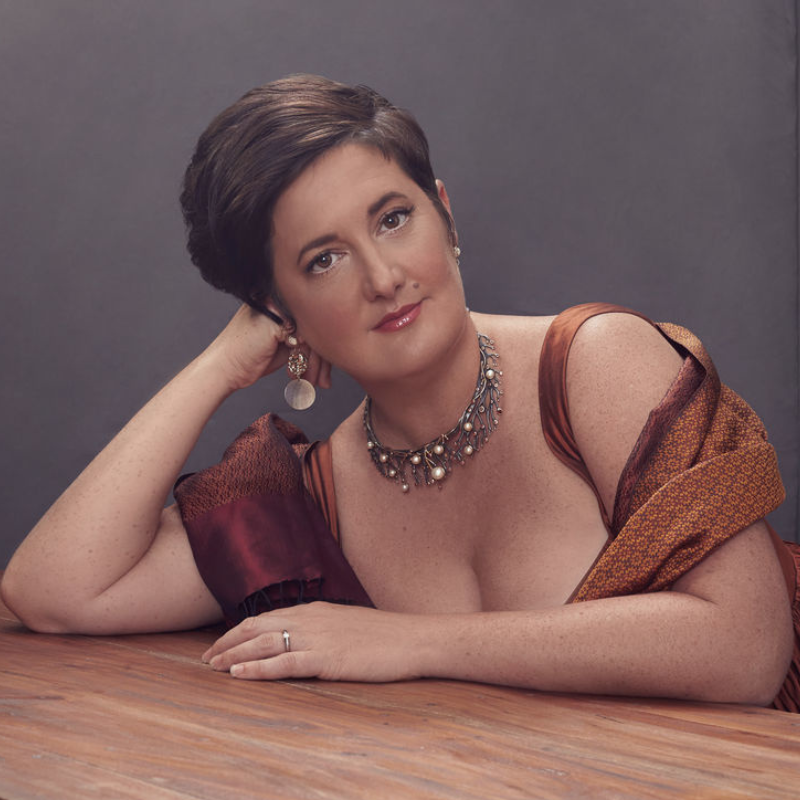
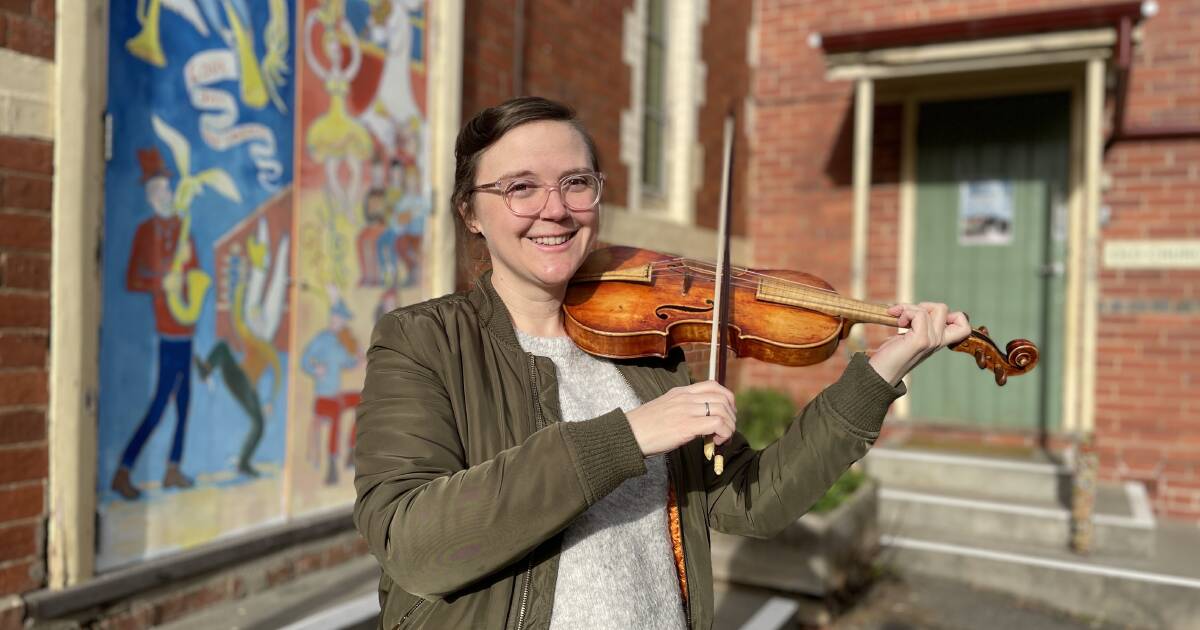
Helena Zemanová – Violin
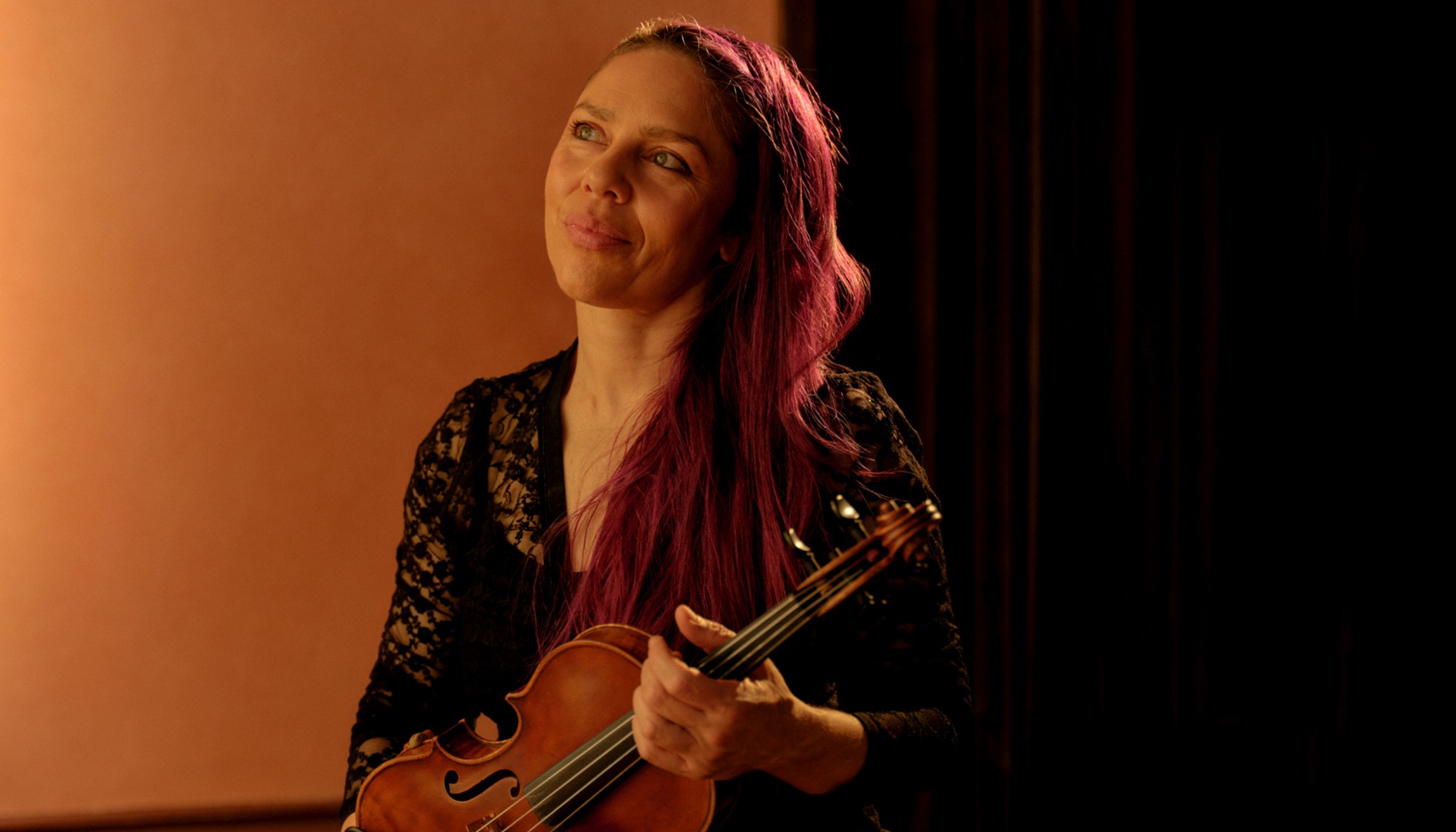
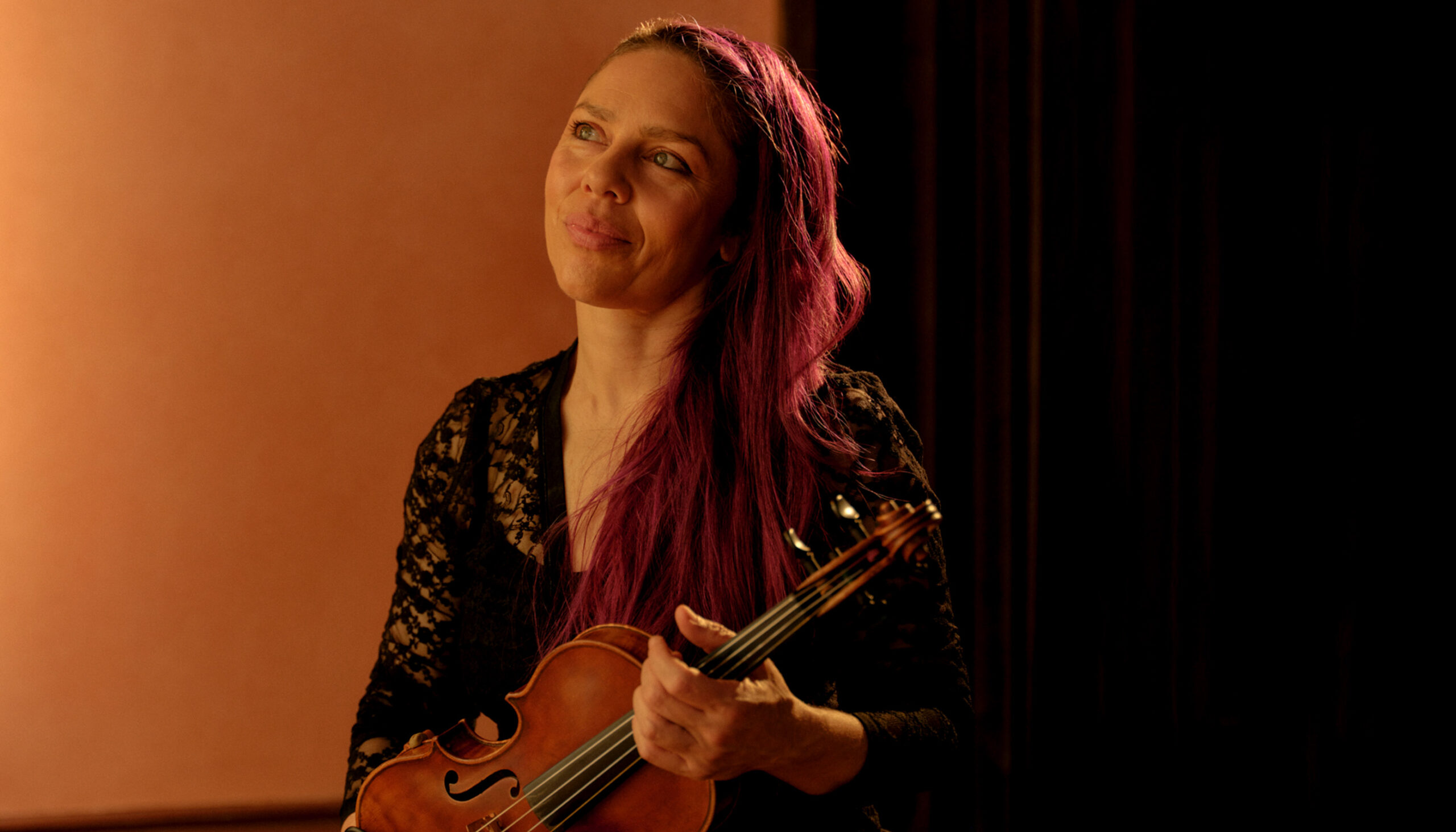
Julia Fredersdorff – Violin
Jane Gower – Dulcian
Lars Ulrik Mortensen – Harpsichord
At one point during this remarkable Utzon Music recital, harpsichordist Lars Ulrik Mortensen described the repertoire as “a kind of written-out improvisation.” It proved the perfect description for an afternoon of early seventeenth-century music that felt exploratory, unstable, virtuosic and really quite thrilling.
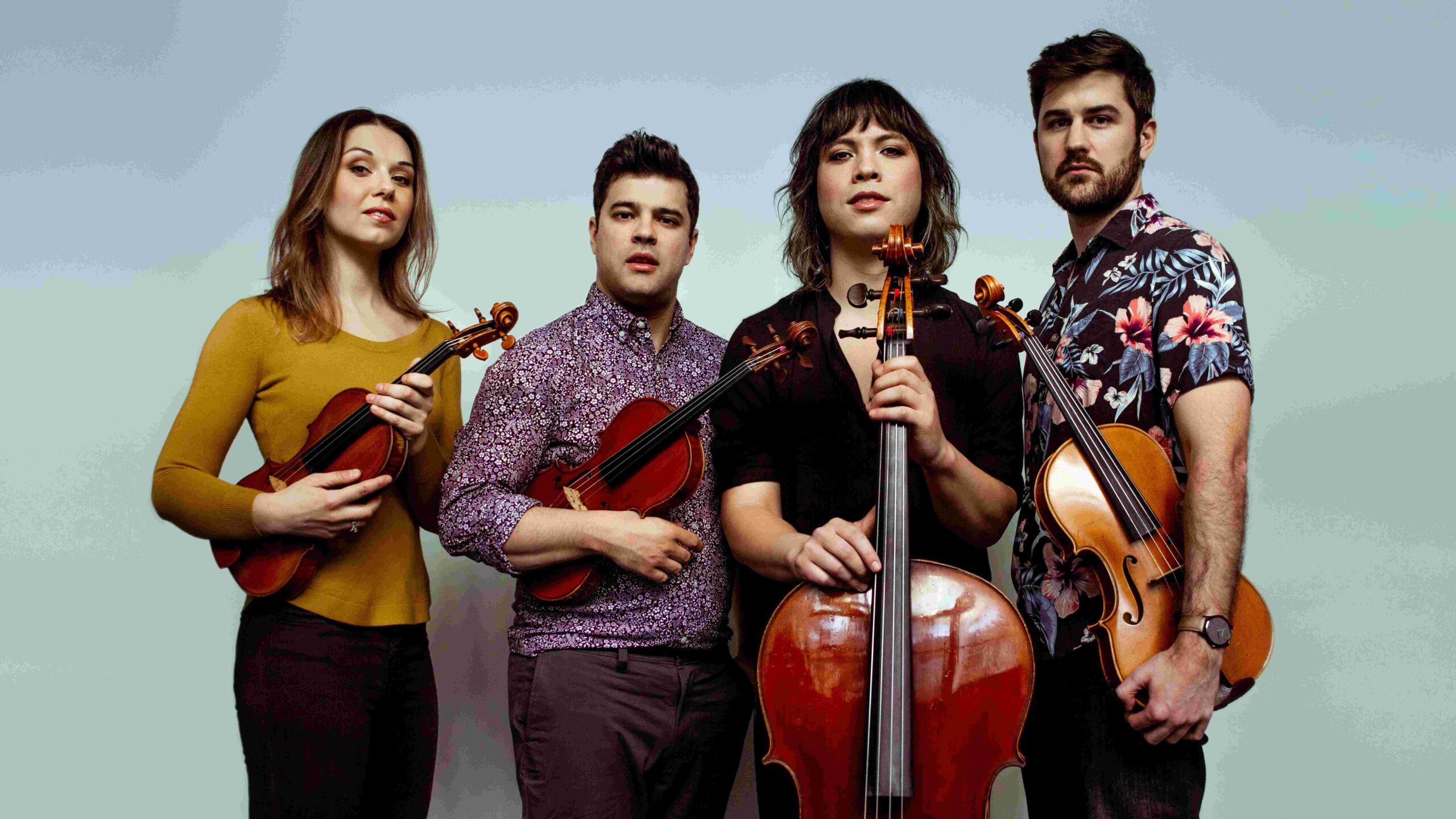
Curated by Genevieve Lacey, this program brought together four exceptional specialists from Copenhagen, Hobart and Prague: baroque violinists Helena Zemanová and Julia Fredersdorff, dulcian player Jane Gower and Mortensen on harpsichord. The works themselves were entirely new to me — rare music from Italy, Germany and Austria from the first half of the seventeenth century, before the Baroque, as we commonly understand it, had been fully bedded down.
And that was exactly what made this concert so fascinating.
This was not the ordered world of later Bach fugues or Vivaldian ritornellos. Tempos constantly shifted. Rhythms stretched and flexed. Passages erupted into virtuosic runs before dissolving into languishing harmonic suspensions. There were rests where one least expected them, recitative-like moments, abrupt changes between metres and sudden swings from major to minor. The players themselves spoke of the “wild sonic chaos of the Italians.”
The opening Castello sonata immediately established this world with flouncy string writing before the dulcian entered with an almost comic air of authority. The dulcian — essentially the ancestor of the modern bassoon — produced a wonderfully reedy, buzzing yet soft sound, less polished than its modern descendant but full of earthy character. Jane Gower explained that the instrument is carved from a single piece of wood, hers from cherry wood, with the reed vibrating through the entire body of the instrument. Historically, composers used these instruments (from the fagotto family) both to accompany choirs and to execute astonishingly agile diminutions and ornamentation.
And it certainly showed its agility here.
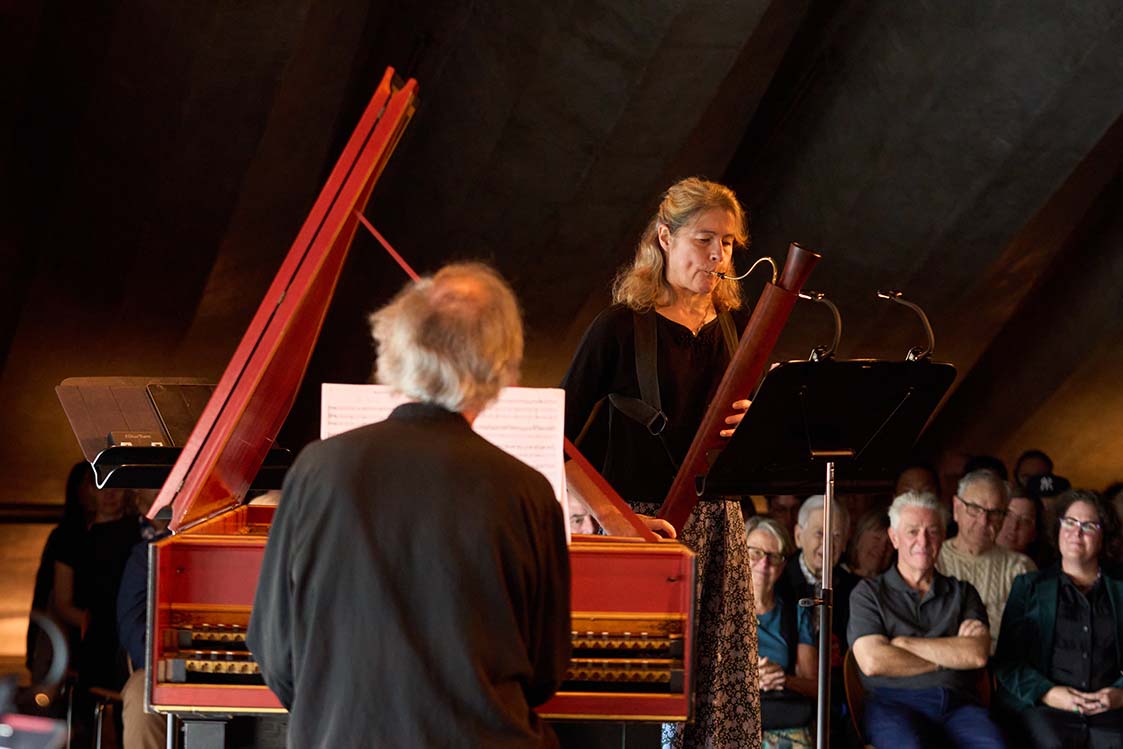
Throughout the afternoon the dulcian moved effortlessly between deep continuo support and melodic prominence. In Castello’s later sonata it descended to a rich low C, velvet-like rather than harsh, before launching into rapid passagework with the violins. The audience visibly delighted in these exchanges, with smiles and even laughter spreading through the room.
Mortensen’s harpsichord playing was equally captivating. In Rossi’s extraordinary solo toccata, fast passages and sudden stops collided with strange chromatic harmonies that occasionally sounded startlingly modern. At times the chords almost resembled strummed rock guitar sonorities. Mortensen plays physically, almost dancing with the instrument, shaping the rhetoric of the music with his whole body.
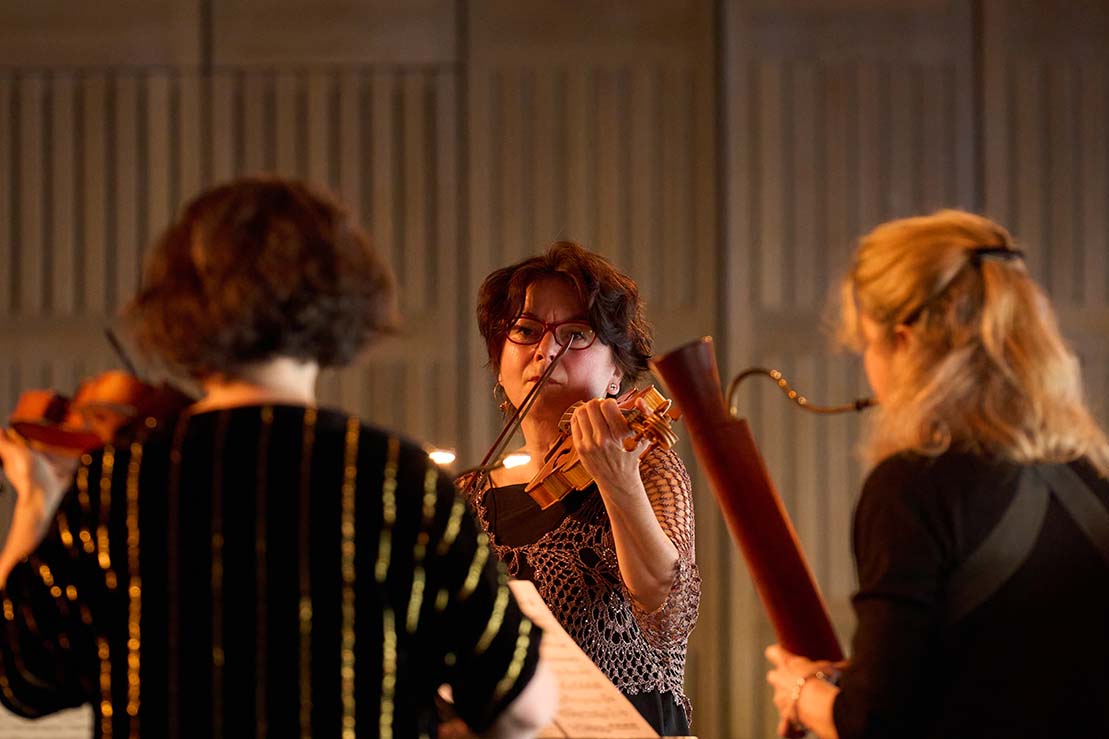
The Turini sonata beautifully demonstrated how these early composers were beginning to experiment with forms that would later evolve into more structured Baroque styles. At moments the violins sounded almost fugal, tossing motifs between each other above the continuo, before the music transformed into thunderous virtuosity reminiscent of Vivaldi’s Summer. Yet nothing remained fixed for long. Dance rhythms appeared, dissolved and returned in altered form.
I was initially puzzled that so many works on the program were labelled ‘sonatas’, yet rarely resembled the tightly structured Classical sonata form familiar from Mozart or Beethoven. In this earlier seventeenth-century context, however, the distinction was linguistic rather than structural: from the Italian sonare (‘to sound’) came sonata — music to be played — while from cantare (‘to sing’) came cantata, music to be sung.
The German works in the second half revealed how Venetian influence travelled northwards. Before Erben’s Sonata ut-re-mi, Julia Fredersdorff explained how musicians absorbed Italian styles and carried them back into Germany and Austria. The title refers to the old hexachord system that predates modern “do re mi,” with each phrase beginning successively higher than the last. One could hear rising motifs and scale fragments constantly transformed throughout the piece.
The concert concluded with Schmelzer’s Polnische Sackpfeifen (Polish Bagpipes), an earthy stylisation of rustic folk music. Here, as the players amusingly noted, we heard “everything from courtly society to the village idiots.” Drone-like dulcian sonorities evoked bagpipes while dance rhythms bounced gleefully through constantly changing metres. It was foot-tapping, folky and gloriously strange, ending abruptly and unexpectedly.
What made this concert so memorable was not simply the virtuosity of the playing, though that was extraordinary, but the sense of discovery. This was music still inventing itself, instrumental music becoming independent, experimental and theatrical before the rules had fully formed. What a pleasure to experience it! Bravo tutti.
Program
Dario Castello (1602-1631) – Sonata 9 (Libro 2, 1629)
Giovanni Battista Fontana (1589-1630) – Sonata Seconda
Michelangelo Rossi (1602-1656) – Toccata 7
Diego Ortiz (1510-1575) – 3 Ricercares
Francesco Turini (1589-1656) – Sonata 19
Dario Castello (1602-1631) – Sonata 10 (Libro 2, 1629)
Johann Balthasar Erben (1626-1684) – Sonata ut-re-mi
Philipp Friedrich Buchner (1614-1669) – Sonata 8
Johann Heinrich Schmelzer (1623-1680) – Polnische Sackpfeifen
Photo credit: Jay Patel