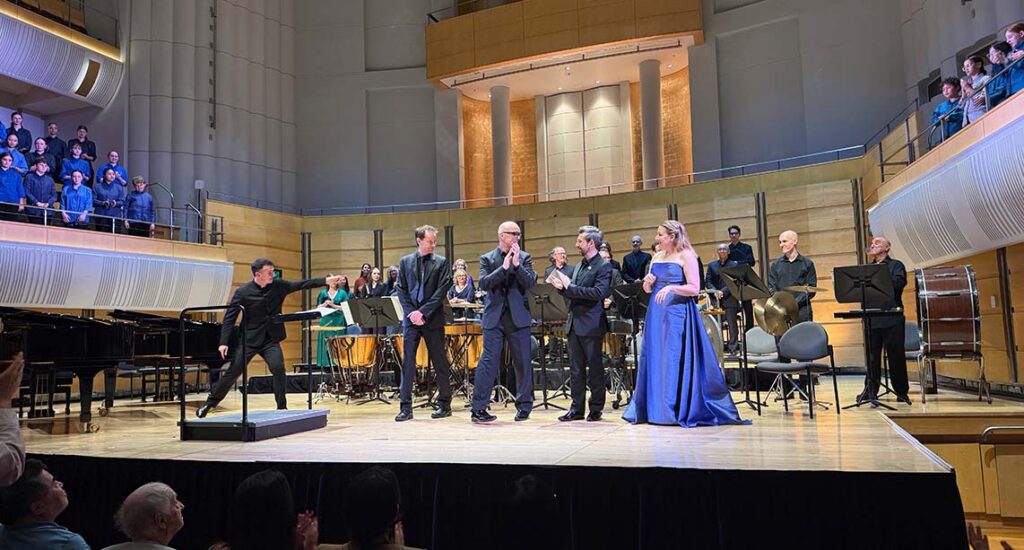
Sydney Chamber Choir | Carmina Burana
22 March 2026, City Recital Hall, Sydney, NSW
Sydney Chamber Choir’s Carmina Burana program was cleverly constructed, using the same instrumental forces in the first half, two pianos and percussion, before unleashing them fully in Orff’s great rhythmic blockbuster after the interval. It made musical and practical sense, and it allowed the audience to become accustomed to the bright, percussive sound world that would dominate the second half. From the floodplains of the Narran Lakes to the medieval Wheel of Fortune, this was a concert about cycles – of water, of seasons and of fate.
The concert opened with US composer David Conte’s Invocation and Dance, which moved from a serene choral invocation, with particularly beautiful high soprano lines, into a rhythmically driven dance featuring rolling piano and mallet percussion. Conductor Sam Allchurch demonstrated his authority early, holding the audience in complete silence between the two movements with just a single raised hand. No one clapped. The silence became part of the performance, and it was a masterful moment of control. One of the things I love about choral music is that the text is not secondary, it becomes one of the musical elements. Conte uses the natural rhythm of the English language to drive the music forward and because Conte’s work is in English (a Walt Whitman poem in fact) the audience can follow every word. The choir becomes the narrator, and when they sang out the final line “For life, joy, love, sing praise!’ the sentiment really rang true.
First Nations composer Nardi Simpson’s Dharriwaa – Narran Lakes Dreaming changed the atmosphere. With recorded voices speaking about Country and belonging, this work is deeply personal and connected to landscape and community with the music evoking sunsets and soaring birds. The choir gestured to each other throughout the piece, with looks and body language indicating connection, and they finished unconducted, watching one another and deciding together when the final sound would end. It was a powerful gesture signifying, for me at least, music as community, not just performance.
Paul Stanhope’s I Am Martuwarra was the standout work of the first half. Scored for children’s choir, adult choir, piano and percussion, the work traces the life of the Fitzroy River as it carves its way through the west Australian Kimberley landscape through text and sound. Stones struck together randomly by the children sounded like rapids over rocks, and (when struck more intentionally rhythmically) they evoked cicadas, woodblocks became the sound of plucking feathers from a bush turkey, and vocal ‘plops’, frogs. The full ensemble represented the river in flood before receding again into smaller forces. It felt like tracing the path of the river in song, and watching the children perform this music with such joy and concentration was one of the great pleasures of the evening. Stanhope writes the Australian landscape so well, I am glad he was there to witness this performance, only the second of this work. Here’s to more!
After the interval came Orff’s Carmina Burana, and from the opening O Fortuna it was clear this was going to be an exceptionally fine performance. The choir was precise, unified and rhythmically tight, with the percussion section and pianos outstanding throughout. But what stood out most was Allchurch’s conducting. He allowed the soft passages space and carefully built the climaxes so that the whole work felt shaped and purposeful, always in service of the story.
One of the most impressive aspects of this performance was the unison singing. Choir directors will tell you that singing perfectly in unison — in tune, with matched vowels and a completely unified sound — is, counter-intuitively, one of the hardest things a choir can do. Sydney Chamber Choir made it sound effortless, particularly in the Spring section, where the sopranos and tenors were perfectly accurate. I genuinely wish this performance had been recorded, because this was ensemble singing of a very high order. Looking back on my notes the word ‘perfection’ is writ large.
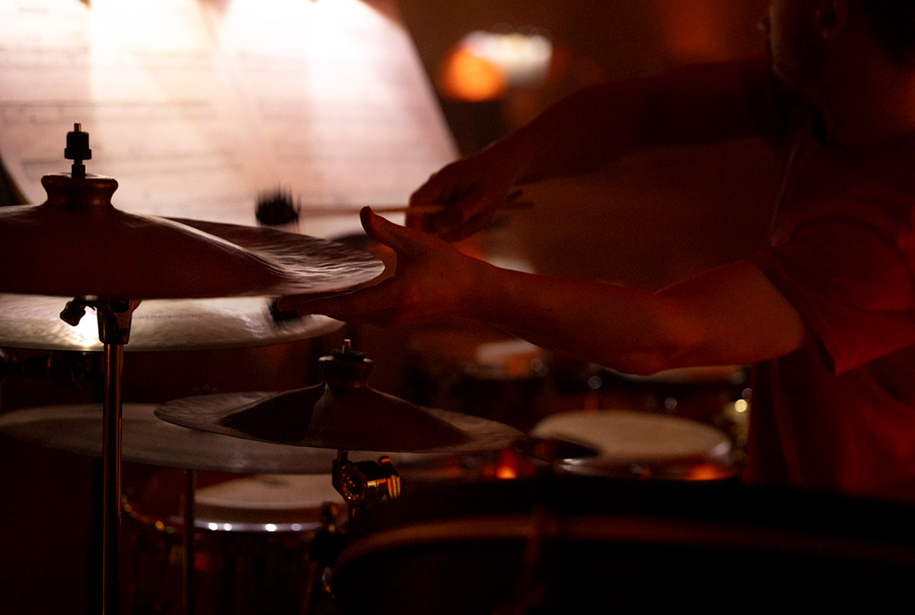
The two pianos and percussion created a leaner, more rhythmically driven version of the work than the full orchestral score, and the players were superb. The driving piano lines combined with timpani gave the music such tremendous energy, and the percussion section, from booming bass drum and timpani to snare drum and virtuosic tambourine (yes, that is an actual thing) was consistently excellent.
The soloists were all musically outstanding. Baritone Simon Meadows and soprano Celeste Lazarenko showed incredible vocal range and control, and countertenor Russel Harcourt’s famous ‘roasted swan aria’ was beautifully sung, fragile and eerie. Lazarenko’s innocent voice seemed to emerge magically out of the piano sound, her stratospheric notes producing a thrilling frisson, while Meadows’ Dies, nox et omnia was sung with a deeply felt dolcissimo that made the grief in the text palpable.
If there was one small criticism, it is that Carmina Burana is theatre as much as it is music, and a little more staging might have lifted the performance even further. While the excellent voices carried enormous drama, visually the performance remained quite restrained. But musically, this was a superbly accomplished performance of a work that is very easy to get wrong. Everything was in time, balanced, controlled and musically convincing, no small achievement in a piece of this complexity.
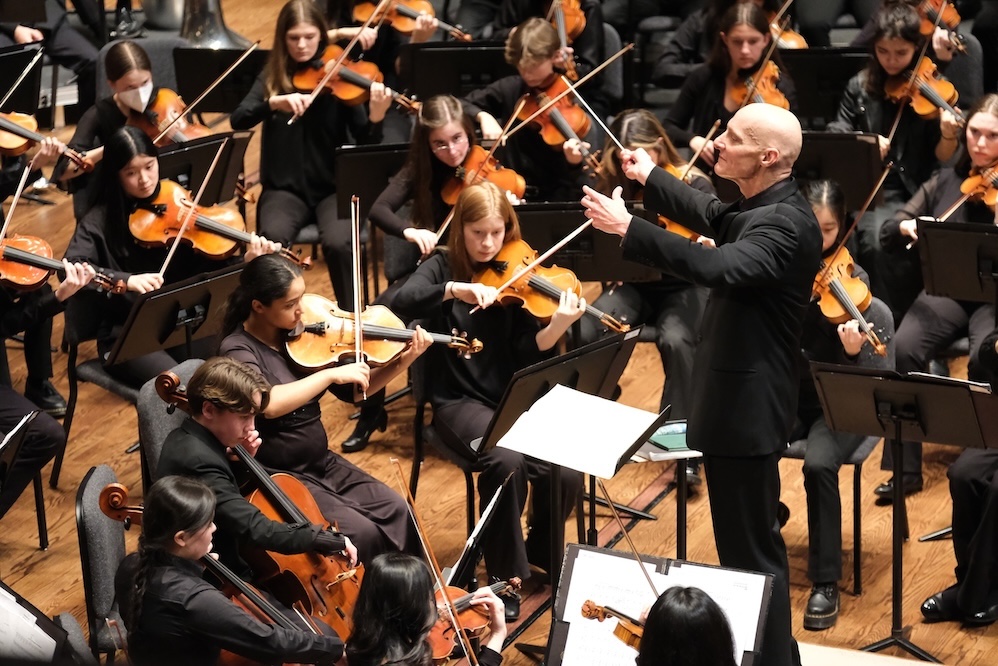
When O Fortuna returned at the end, with the combined forces of children’s choir, adult choir, pianos and percussion the effect was electrifying. The standing ovation that followed was entirely deserved, and special recognition should also go to children’s choir director Lachlan Massey for the super preparation of the young singers
The texts in Carmina Burana may be medieval, and some might say a little out of date, but they are still funny, raw and ultimately ‘human’. 800 years on people are still falling in love, complaining about their luck, celebrating spring and making bad decisions. The wheel of fortune hasn’t stopped turning, and this evening it spun very much in Sydney Chamber Choir’s favour. Bravi tutti.
Performers
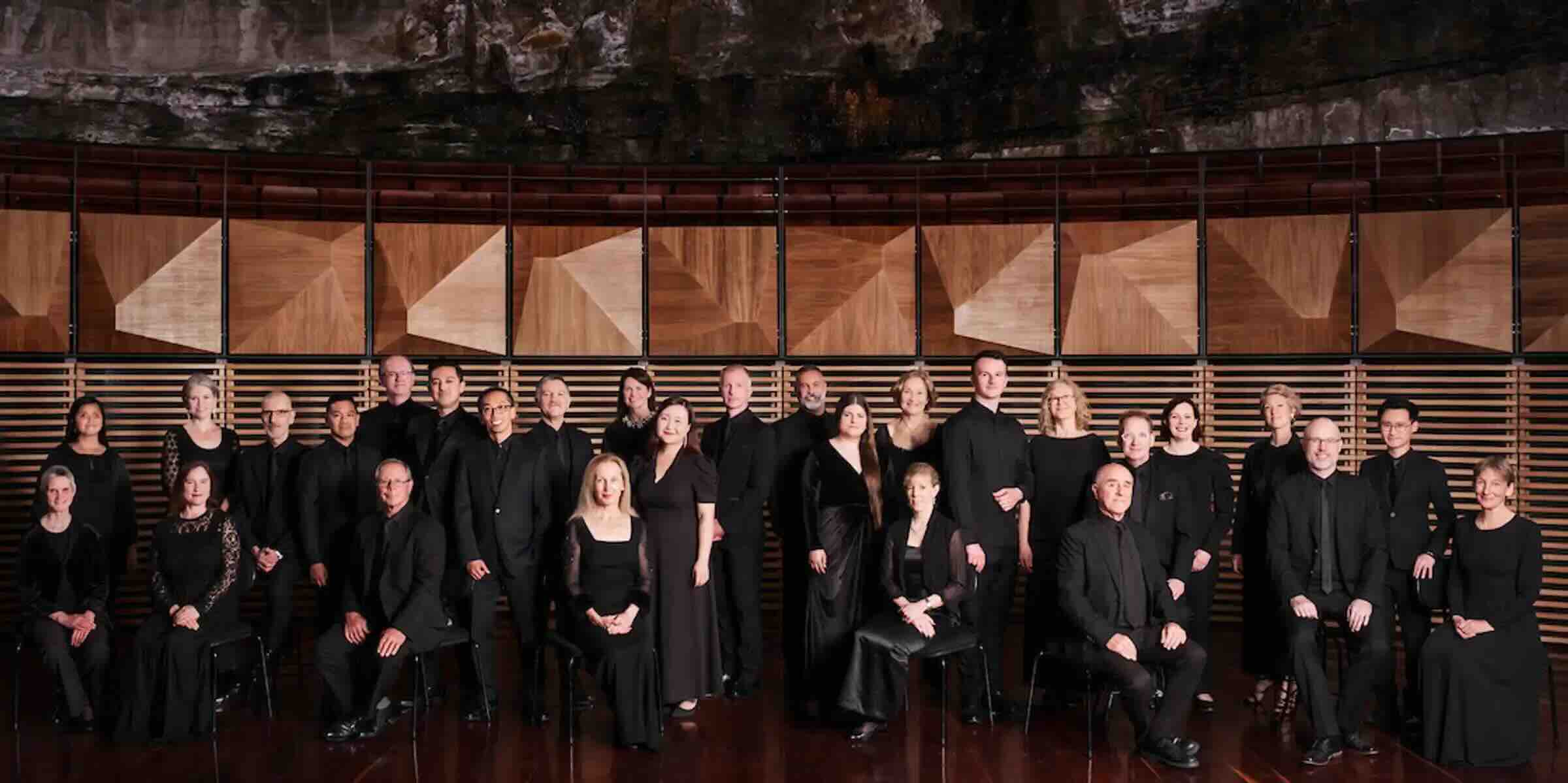
Sydney Chamber Choir 
Sydney Children’s Choir 
Sam Allchurch, conductor 
Celeste Lazarenko, soprano 
Russell Harcourt, countertenor
Simon Meadows, baritone 
Luke Byrne, piano 
Jem Harding, piano 
Jess Ciampa, percussion 
Grace Lee, percussion 
Chiron Meller, percussion 
Brian Nixon, percussion 
Bryn Wood, percussion 
Photo credits: Pepe Newton, Chalice Piave