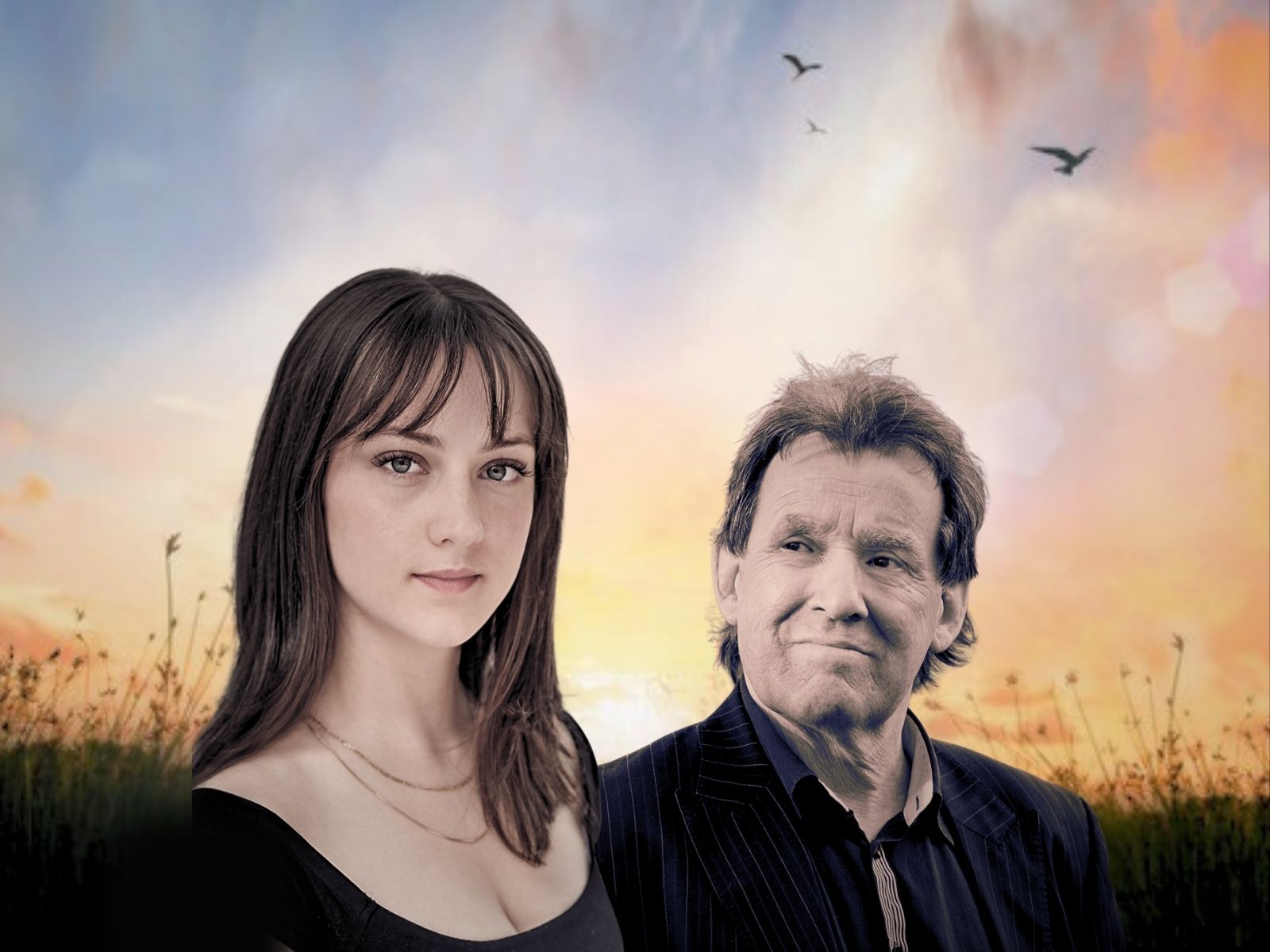
The song cycle “Daughters” (composer: David Chisholm, librettist and narrator: Tammy Brennan) is an Australian/ Indian opera project and will premiere in New Delhi in January.
The basis of the text is the violence in its multitudinous forms that has always been, and continues to be, perpetrated on women and girls.
Musically this poses some difficult problems. What sort of structure can deal with such an important and emotive issue, showing respect to the victims, but without berating the audience by graphically representing the violence? Opera does deal with such subjects, but it is generally done by spending a whole opera setting up just one victim’s tragedy; for example, Lucia di Lammermoor’s madness and death. How can one represent the pervasiveness of violence against women? The solutions settled upon by the librettist and composer are both simple and interesting.
Firstly, the musical style chosen was that of Fado. Fado is a simple song form from Portugal; its mournful and longing melodies deal with the fate of the poor and oppressed. This is an obvious fit for the subject matter. If you are unfamiliar with Fado, a great introduction would be to listen to some recordings of Amália Rodrigues. Her gutsy open-throated singing is both engaging and thrilling but pervasive in its sadness.
Secondly, instead of dealing with the issues in a general way, each song focuses on one particular woman/girl. The brief spoken introduction to each song gives only the facts describing her circumstances and fate. The song itself – and this is inspired – is heard through the voice of the victim. Not her actual historical words, but rather a deep emotional questioning of her fate. Words like “O sweet father, look at me”, “I will never dance again” and “sick of the alcohol, from here I cannot fight back” make this personal.
The circumstances and fate of each of the 12 women/girls is very different. It deals variously with abuse, sexual slavery, bullying, a mother driven to murder her children, abduction/rape, acid attacks, witch burning, “Sati” – the ceremonial death of a widow on her husband’s funeral pyre; the list goes on. Having the sung text in the voice of the victim allows the music to be gentle and lyrical. The music then does not have to have to represent any violence directly. For the audience it is privileged invitation to empathise.
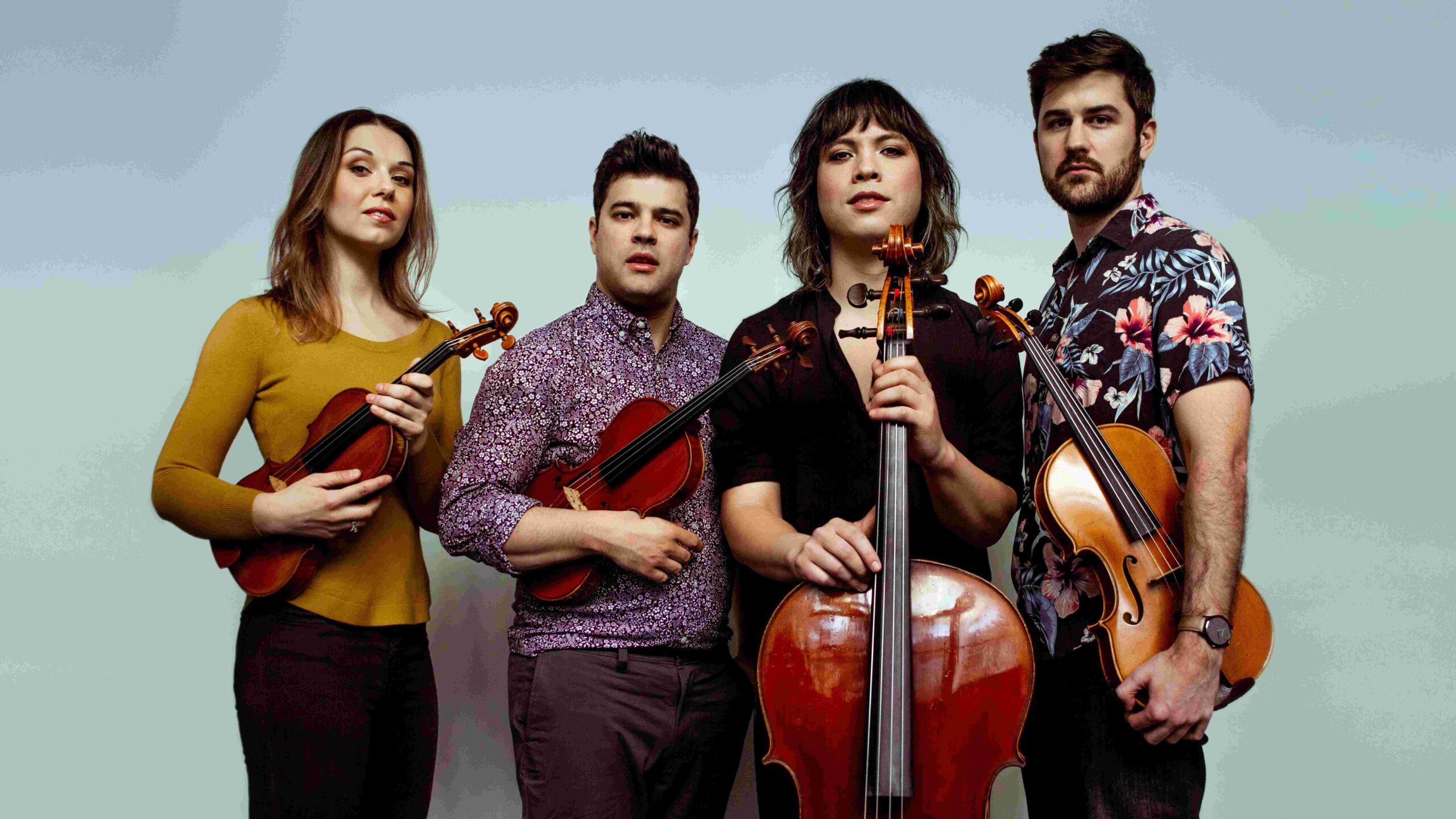
The traditional Fado instruments are gentle by nature and often surprisingly cheerful, the mandolin-like Portuguese guitar, classical guitar and double bass create a supporting texture, often like flowers on the proverbial funeral bed. The accompaniment was variously melodic, scalic, contrapuntal, mediaeval, sometimes entering into dialogues with each other and at others with the voice. But always sympathetic to the pervasive misery.
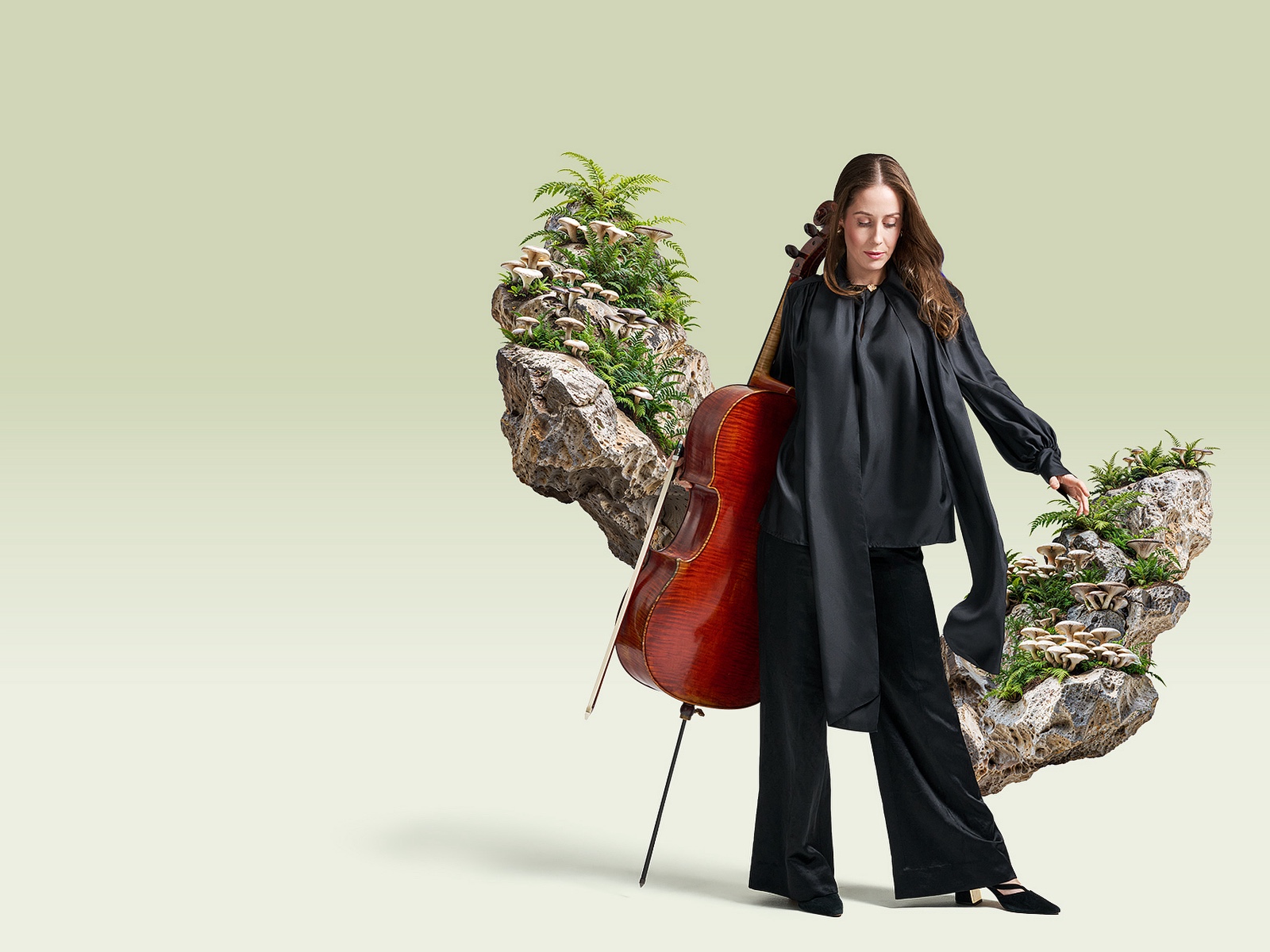
The sadness and longing is left largely to the voice. The marvellous New Zealand soprano Aivale Cole has a classically trained operatic voice but uses it here to great effect in the Fado style. Her delivery is both vibrant and direct. The voice is always focused; a sound presented on a firm cushion of breath support. Cole was lightly amplified with some reverb added, but I felt this was not really necessary; there was plenty of natural strength for the venue.
The Fado style was pretty authentic in most respects, except perhaps that the vocal writing and interpretation tended towards the lyrical narrative rather than rhythmic intensity of strophic forms. This is a choice, not a criticism.
The subject of the concert was confronting; not what you could call in any way “entertaining”. Clapping after songs, despite expert and touching musical renditions, seemed disrespectful to the victims. Yet I could think of no more appropriate way than this concert of doing justice to the personal fate of these 12 women and girls, emblematic of the millions, who suffered for no reason other than their gender. Thanks to all involved in this project for making it so personal, this concert will live with me for a long time.
Thoughts about: