Sydney Chamber Choir | In Paradisum
May 30, 2026, St James’ Church, Sydney, NSW
I was intrigued and excited by the prospect of Sydney Chamber Choir’s In Paradisum, on paper we were promised a journey from Baltic and Nordic stillness to Australian warmth, through faith, light and love. All true. But the program only fully revealed itself in performance as, rather than offering paradise as a single heavenly destination, it unfolded as a whole series of paradises glimpsed along the way: in a landscape, in autumn light, in love, in desire, in unbearable grief, in the choir of angels and finally in the sheer joy of benediction.
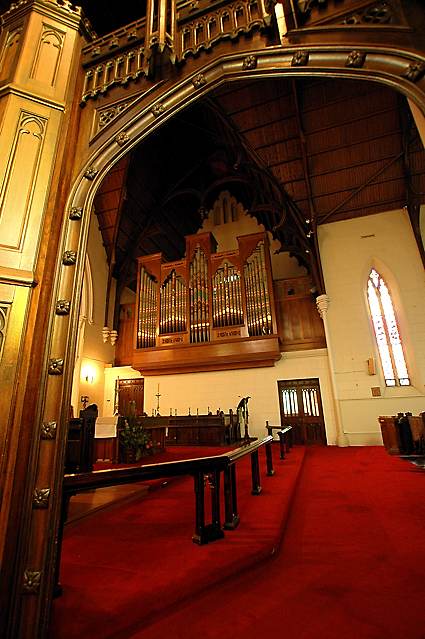
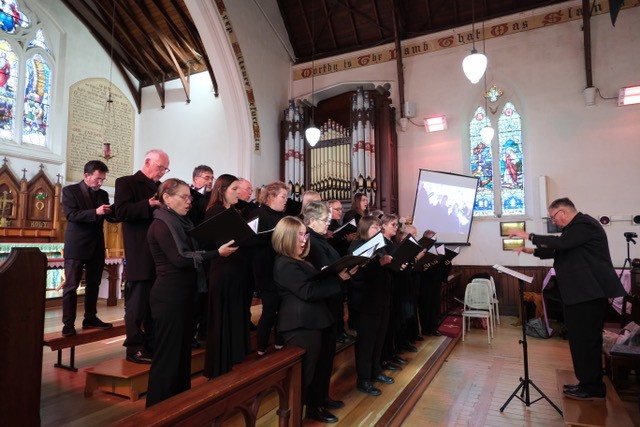
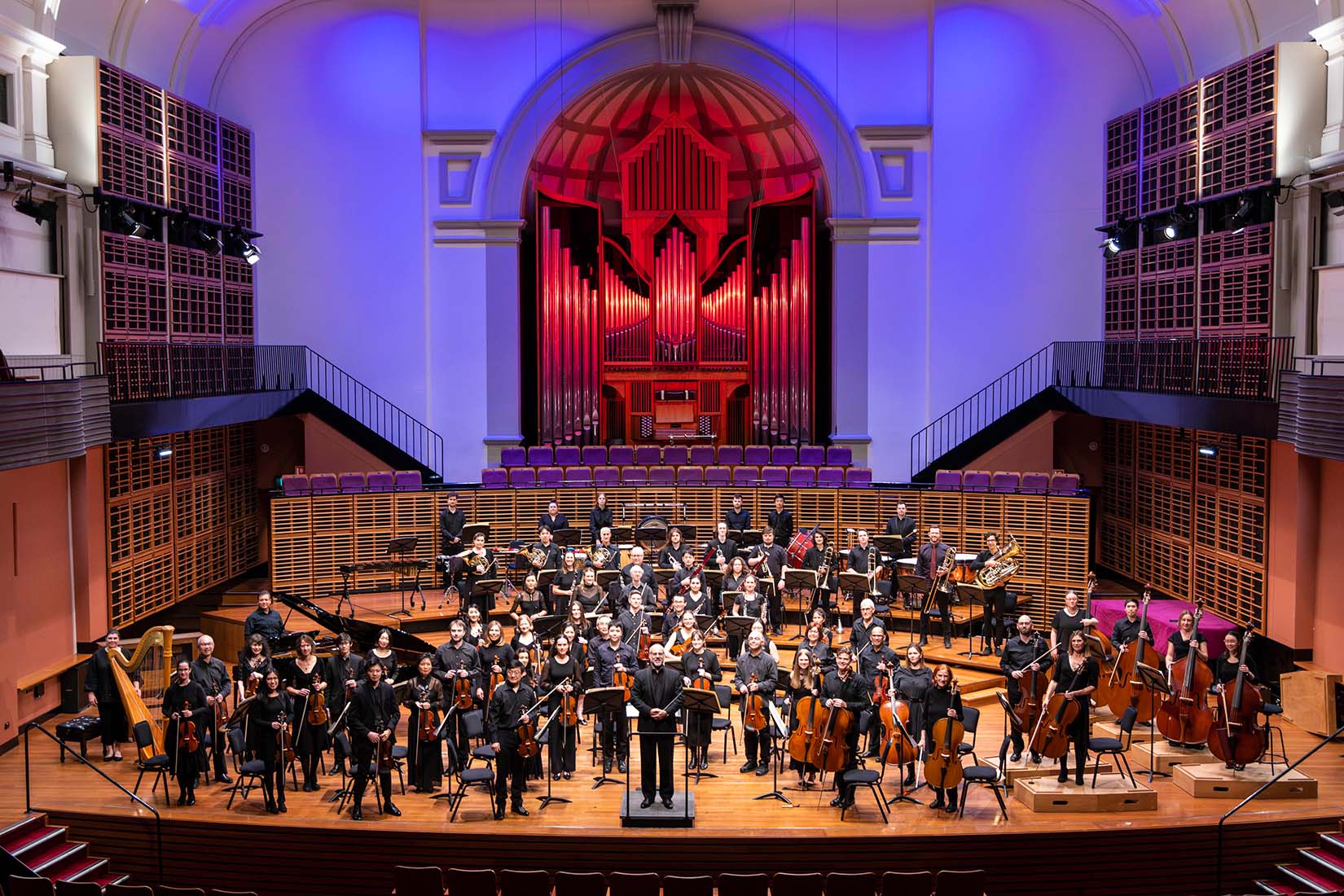
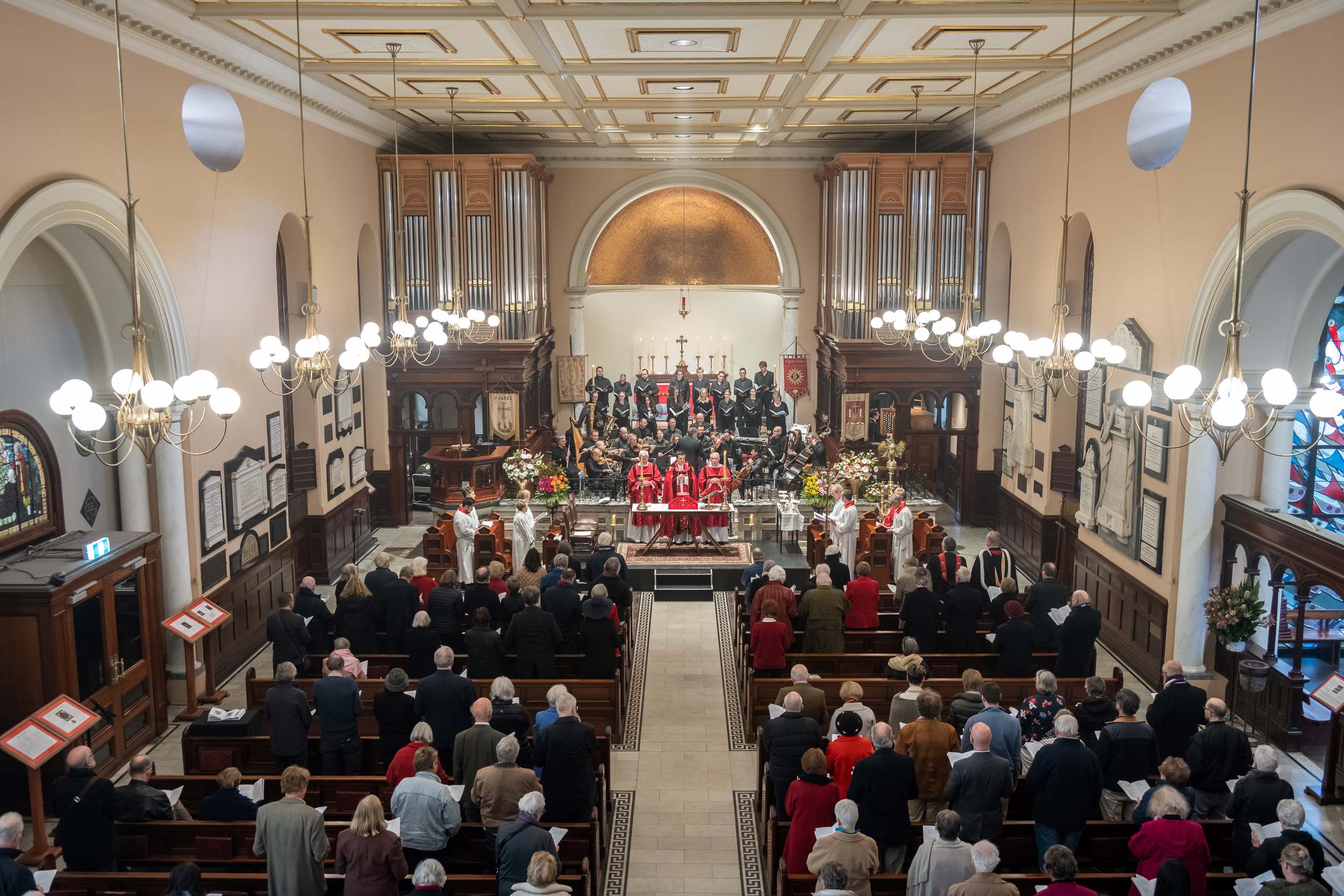
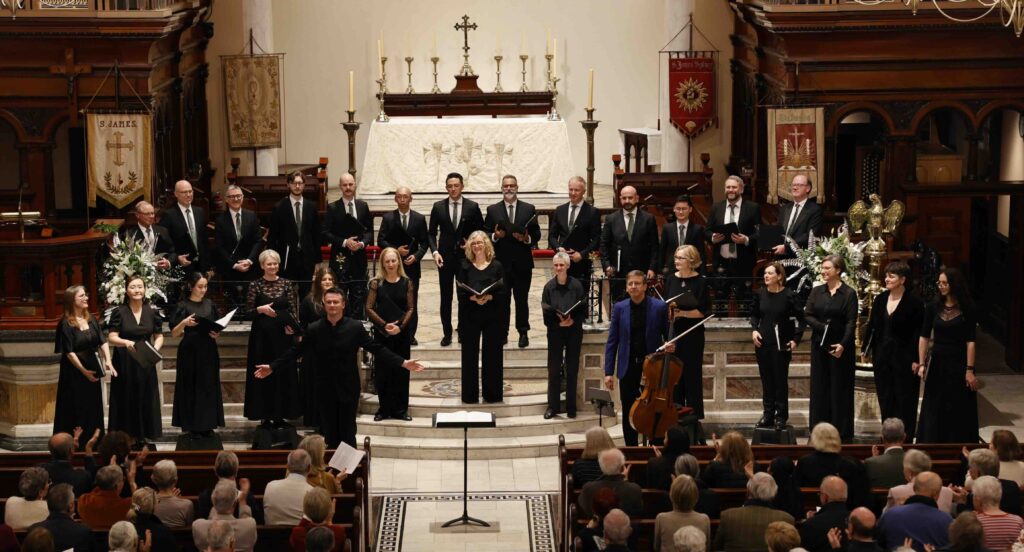
Sam Allchurch directed a performance that used St James’ Church with real intelligence. At times the singers were placed close to the audience in two rows, men behind women, creating a direct and immediate connection. At other times they moved into the choir stalls beneath the glowing mosaic chancel dome, where the sound gathered inward before spilling out into the church. It created a different sound entirely: more intimate, almost as if the choir were singing to each other and we were being allowed to listen in. All the physical movements were intentional and well considered, completely changing the way the music landed in the audience and allowing a few seconds of, sometimes necessary, contemplation between works.
Grieg’s Ave Maris Stella opened the program like an aperitif: simple, lovely and beautifully effective in giving us an immediate taste of this choir’s vocal quality, strong bass foundations and calm sense of invocation. Then Veljo Tormis’ selections from Autumn Landscapes brought the first great sense of landscape into the room. There were some surprising jazz-coloured chords and beautiful word painting evoking Tormis’ Estonian homeland, particularly as clouds raced across the sky in the text and seemed to do exactly that in the music. In the final movement, Kanarbik, the dynamic range opened out gloriously. As the choir sang of “the last flicker of the sun” and “a flame the size of the world”, my eyes were drawn incidentally up to the golden dome above them. For a moment the text, the music and the architecture caught the same fire. Full of awe.
Anne Cawrse’s The Greatest of These, commissioned for Sydney Chamber Choir’s 50th anniversary, gave the concert its first great meditation on love. The choir had moved higher into the church, and the close blend suited the text from 1 Corinthians beautifully. The sound seemed to nestle together, then bloom outwards. Toby Wong’s tenor solo was beautifully poised, Kristen Butchatsky’s soprano solo rose cleanly above the texture, and the solo quartet of Wei Jiang, Liane Papantoniou, Alison Lockhart and Naomi Crellin moved seamlessly from within the choir. I have noticed in Cawrse’s choral writing before that there is often this use of individual voices emerging from, rather than interrupting, the ensemble texture. It’s very effective, especially with chamber singers of this quality, and it worked beautifully.
Sven-David Sandström’s Four Songs of Love brought a very different kind of love into the church. Drawn from the Song of Songs, these texts may sit in the Bible, but let’s be honest: this is quite erotic writing. Sandström responds to the sensuality of the poetry by shaping the music as a dialogue between female and male voices. “Let him kiss me” was yearning and ecstatic. The second movement buzzed with harmonic frisson. The third gave us glorious double-entendre word painting, slow, oozing sensuality and full of delicious anticipation. By the final “His left hand shall be under my head, and his right hand shall embrace me”, the choir seemed to be inside the sound they had created, some with eyes closed, drawing the final chord into a perfectly tuned super-charged yet almost inaudible hum.
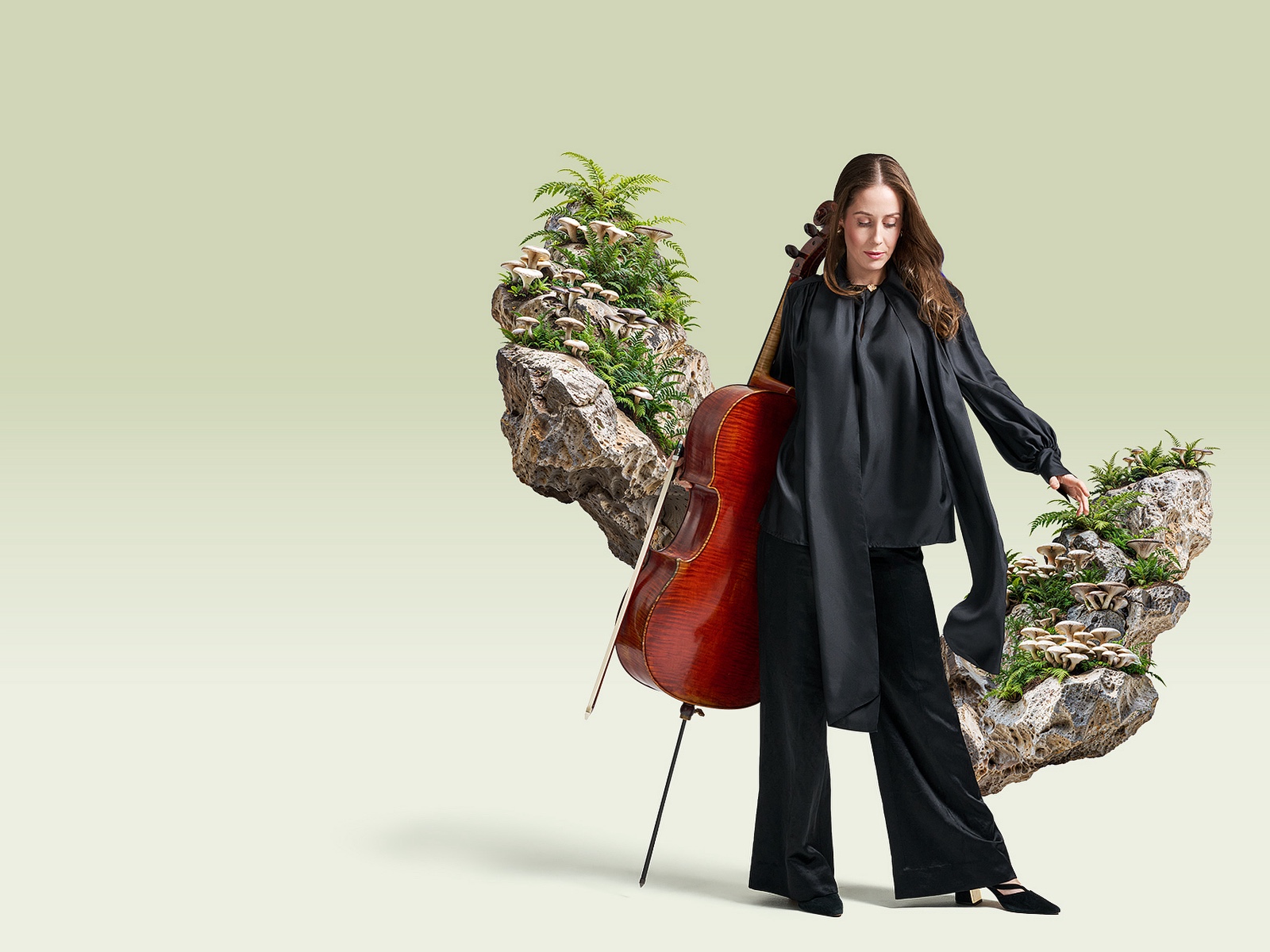
Joseph Twist’s Lament for Cello and Choir stopped me in my tracks. After a few lines of solo cello, the choir’s entry was so unexpected and heartbreaking it seemed to evolve out of the instrument itself, voices emerging seamlessly from Julian Smiles’ sound. This was a slow lament with a rolling midsection, ending in what felt like the sound of angels crying, the sopranos floating above the grief. Smiles’ bow was like watching silk move over the strings, while his plucking and strumming had a harp-like delicacy. Oh my word, this brought a tear. Beautiful writing in every sense.
After the interval, Arvo Pärt’s Bogoroditse Djevo was a bright, energetic palate cleanser: quick, rhythmic and cleanly sung, with the fast Russian text handled with real aplomb. Jan Sandström’s Det är en ros utsprungen, based on the Praetorius carol, then slowed time again. Wrapped in its eight-part halo of humming, the familiar tune became something suspended across space. With the choir placed further away and spread out, the sound literally stretched and shimmered.
Then came Knut Nystedt’s Stabat Mater, and for me this was the heart of the concert.
Allchurch introduced it as a work about empathy: feeling what Mary felt as she watched her son crucified and die. Julian Smiles’ opening cello chords set the drama immediately. The first section seemed to groan with pain before becoming more tender, pleading and loving. “Who would not weep?” asks the text, and here we heard every dramatic turn: the cruelty of the crucifixion, the mother’s agony, the sweet son dying in desolation, the soul straining towards paradise. Gut-wrenching stuff.
The choir was splendid, Smiles was extraordinary. His cello was not an accompaniment; it was part of the choir, carrying the grief, tension and ascent of the work. It wept. It caressed. The plucked notes were like drops of blood onto dirt. As the work drove upwards, the bowing became faster, more urgent, almost furious, until the final bell-like “Amens” gave us a glimpse of heaven. But it came at a cost. Even in the glory, sorrow remained.
How do you follow that?
Cleverly, with Galina Grigorjeva. After the anguish of the Stabat Mater, In Paradisum felt like the soul’s arrival: lighter, clearer and beautifully placed in the arc of the program. At “Chorus angelorum”, the choir of angels, the sound opened into something radiant and Russian Orthodox in colour, setting the hairs on my arms on end.
The final work, Urmas Sisask’s Benedictio, brought the release. As Natalie Shea’s great program notes suggest, it is hard not to hear the joy of freedom in a work written in 1991, the year Estonia regained independence. Based around Gregorian chant, this is sacred music, yes, but not the floating, reverent kind. It rocks along with ecstatic outbursts and rhythmic drive – plus a slightly funky oddness that made it a wonderfully fun finish. There were smiles across the choir, and you could feel them loving it.
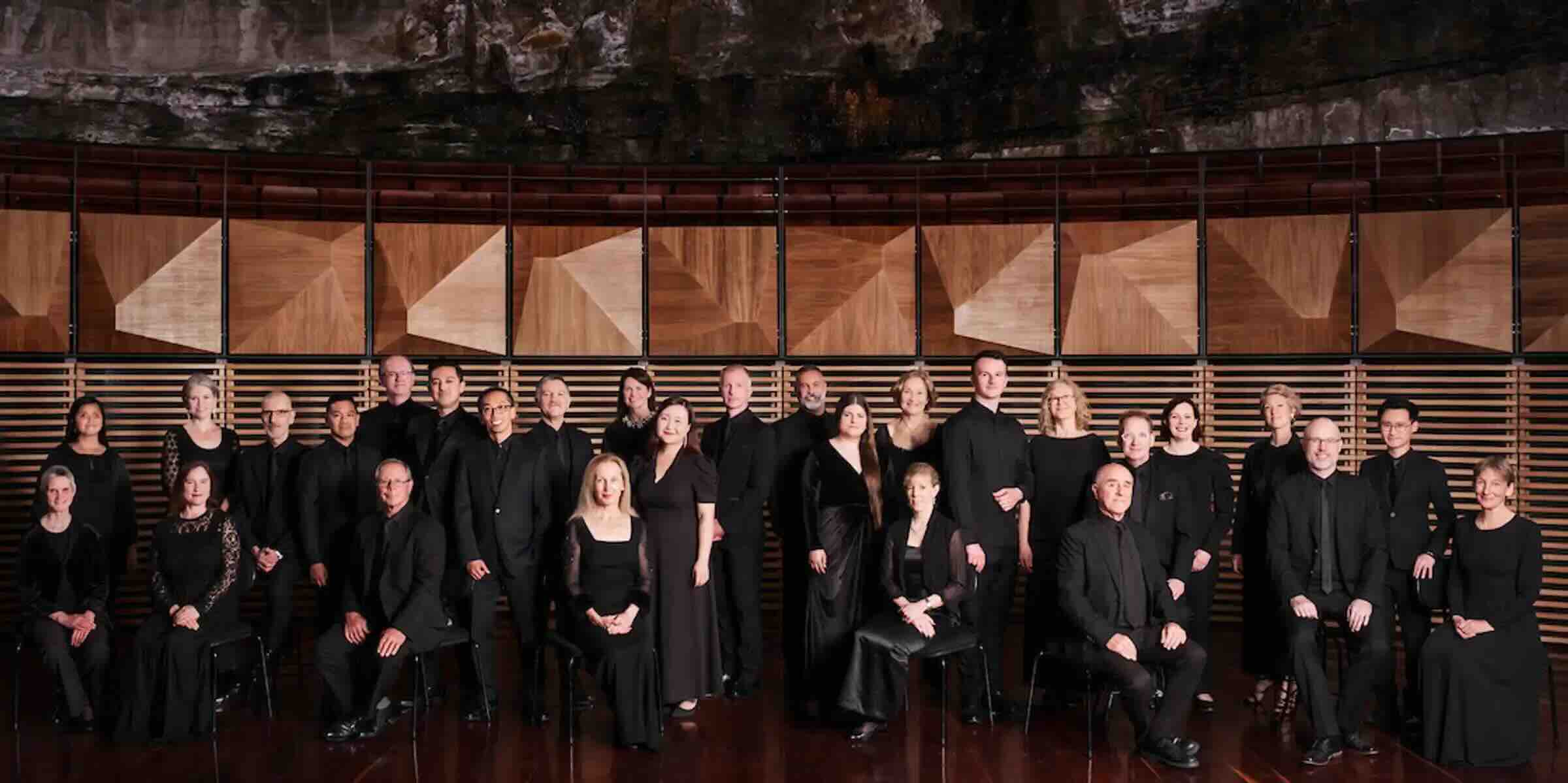
Sydney Chamber Choir are sounding wonderful as ever, with familiar voices and newer additions coming together in a sound that rings out as confident and cohesive. St James’ gave them a beautiful acoustic, but they also knew how to use it. Bravo to Sam Allchurch, Julian Smiles and every singer for a deeply moving concert. Above and beyond excellent.
Photo Credit: Chalice Paiva