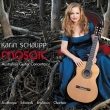
Karin Schaupp’s beautifully presented CD Mosaic provides us with a compelling argument for the survival of this medium. You could download this re-release of recordings Karin has made from 1993 to 2006 through iTunes. You could listen to it on a streaming service such as Spotify (which, for ease of access, I’m doing as I write this), but you would miss so much.
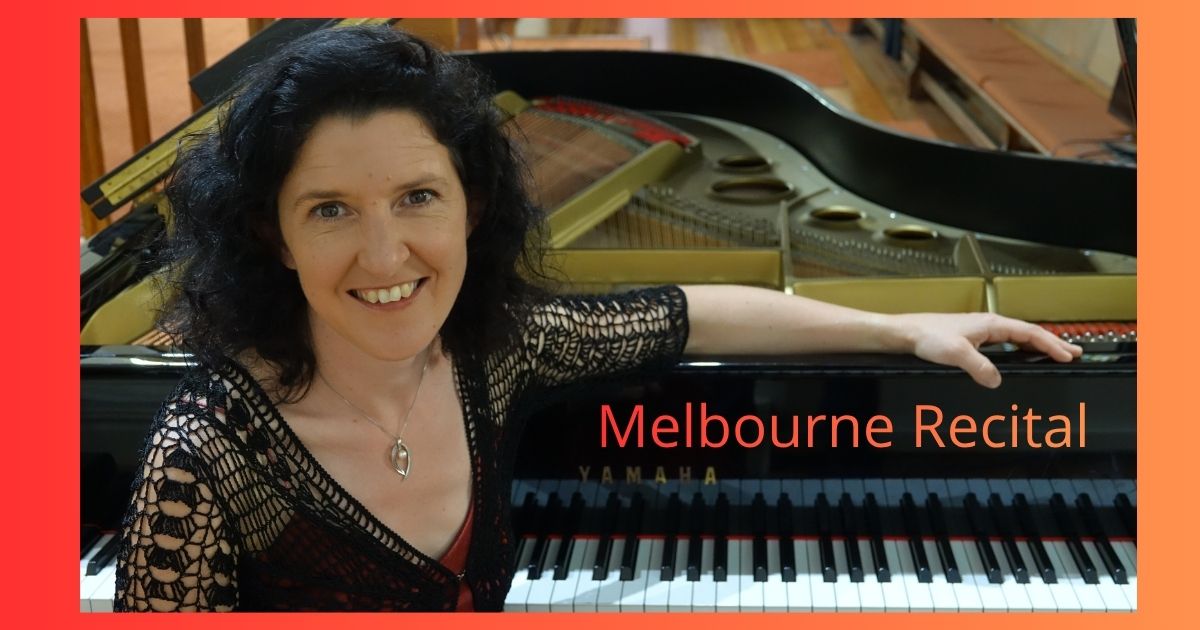
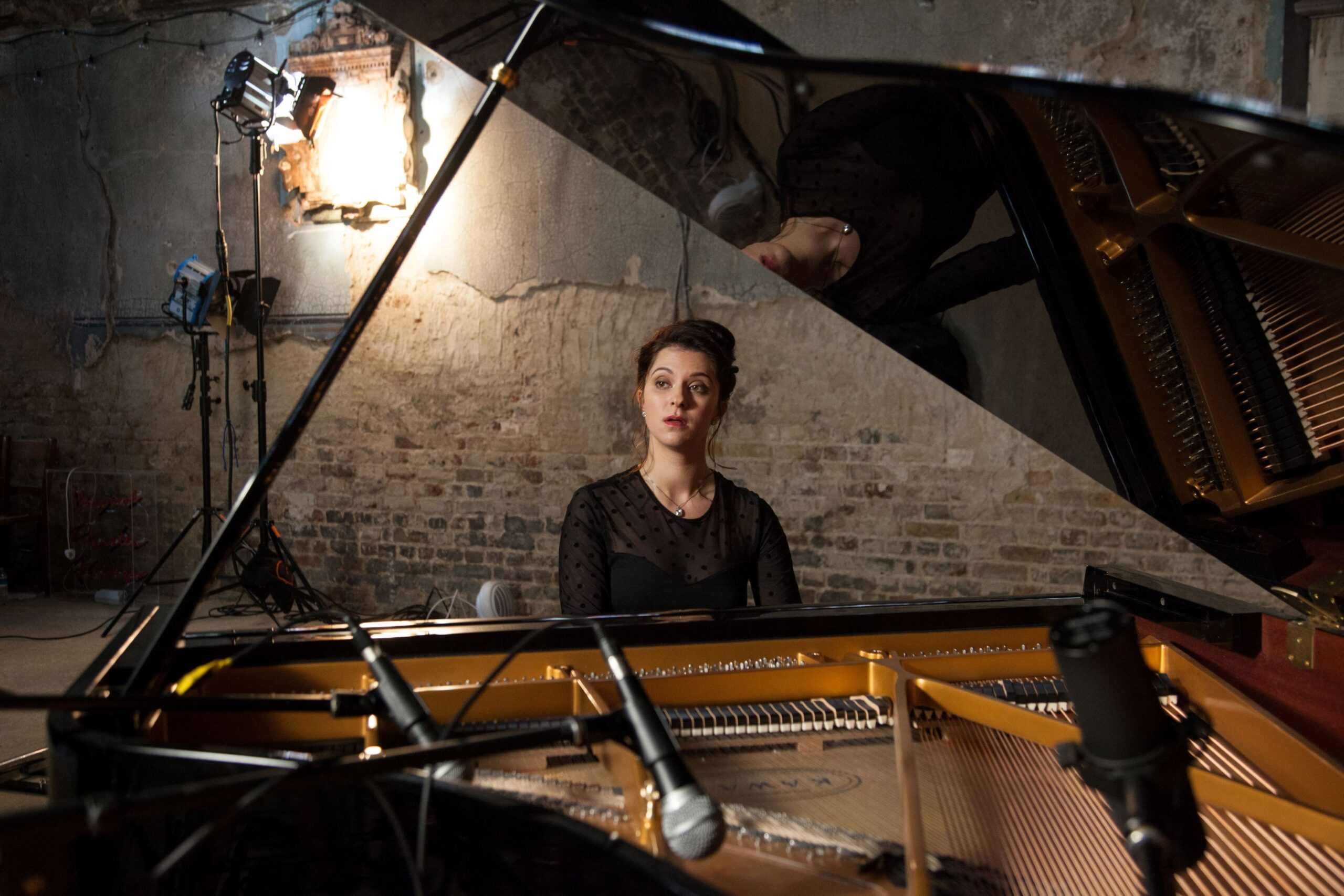
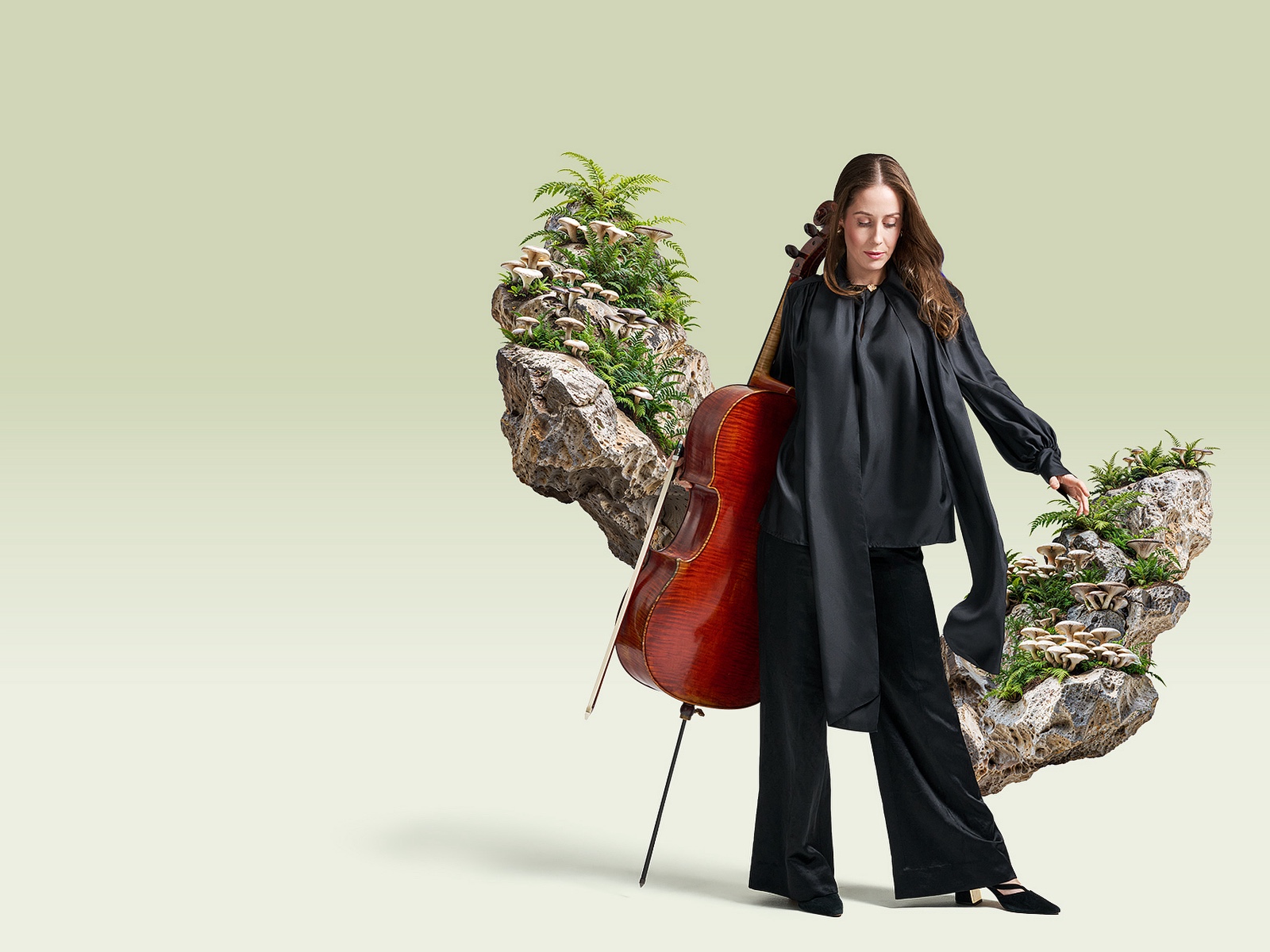
If I had my druthers, I would prefer it on a gramophone record – if only to get a decent-sized copy of the beautiful photos of Karin that grace the cover and booklet. But the CD does give us so much interesting information about the composers, the performers and the music itself that is unavailable to the downloader or streamer. The music is interesting and sensitively performed, but our enjoyment of music is enhanced when we can enter the world of the composer and performers through reading about the music’s creation as we listen. Malcolm Gillies and Natalie Shea have provided us with pertinent information about the composers, the works and performers (especially Karin herself), and included some of the composers’ own comments on the pieces included on the CD.
Three of the four works on this album were influenced by the composers’ emotions experienced as they encountered the beautiful and rugged Northern Territory landscape.
The title track, Mosaic, is the newest recording featured, and is the only one of the works on the album composed by a guitarist. Richard Charlton tells us that he wrote the work after listening to John Williams playing Sculthorpe’s Nourlangie “in the shadow of that rock, as it changed colour at sunset.”
It is quite a gentle work, though containing a dance-like middle section, which returns quickly to a more reflective mood. The conclusion of the piece features an extended, lyrical guitar solo, leading to a short, exciting tutti climax.
Arafura Dances is imbued with Ross Edwards’ unmistakable sound world, and will remind listeners of his works for strings and the guitar version of his Marimba Dances. There is a wonderful interplay between the guitar and string orchestra accompaniment.
Philip Bračanin’s Guitar Concerto, which was Schaupp’s first professional recording, includes an interesting cadenza in its first movement and beautiful use of woodwinds throughout the work. The last movement incorporates an arresting opening and a gigue-like dance, but with contemporary rhythmic interruptions. This work is the only one on the album which is not said to have been influenced by the composer’s feelings about our country. Its launching pad is musical – and recalls “the ritornello mood of Baroque and early Classical concertos,” says Malcolm Gillies.
Listeners who are unfamiliar with contemporary classical music may find Sculthorpe’s Nourlangie more challenging to engage with. It is a one movement, twenty minute work, which includes some discordant sounds which might be offputting, and its sometimes bleak nature may be somewhat bewildering. But listening to some more of the composer’s output may help you to make sense of this initially less-accessible conclusion to the CD.
More about Karin in your classikON profile
Buy the CD on iTunes