All PostsMelbourne Chamber Orchestra | Under the Canopy
9 July 2026, Melbourne Recital Centre, VIC
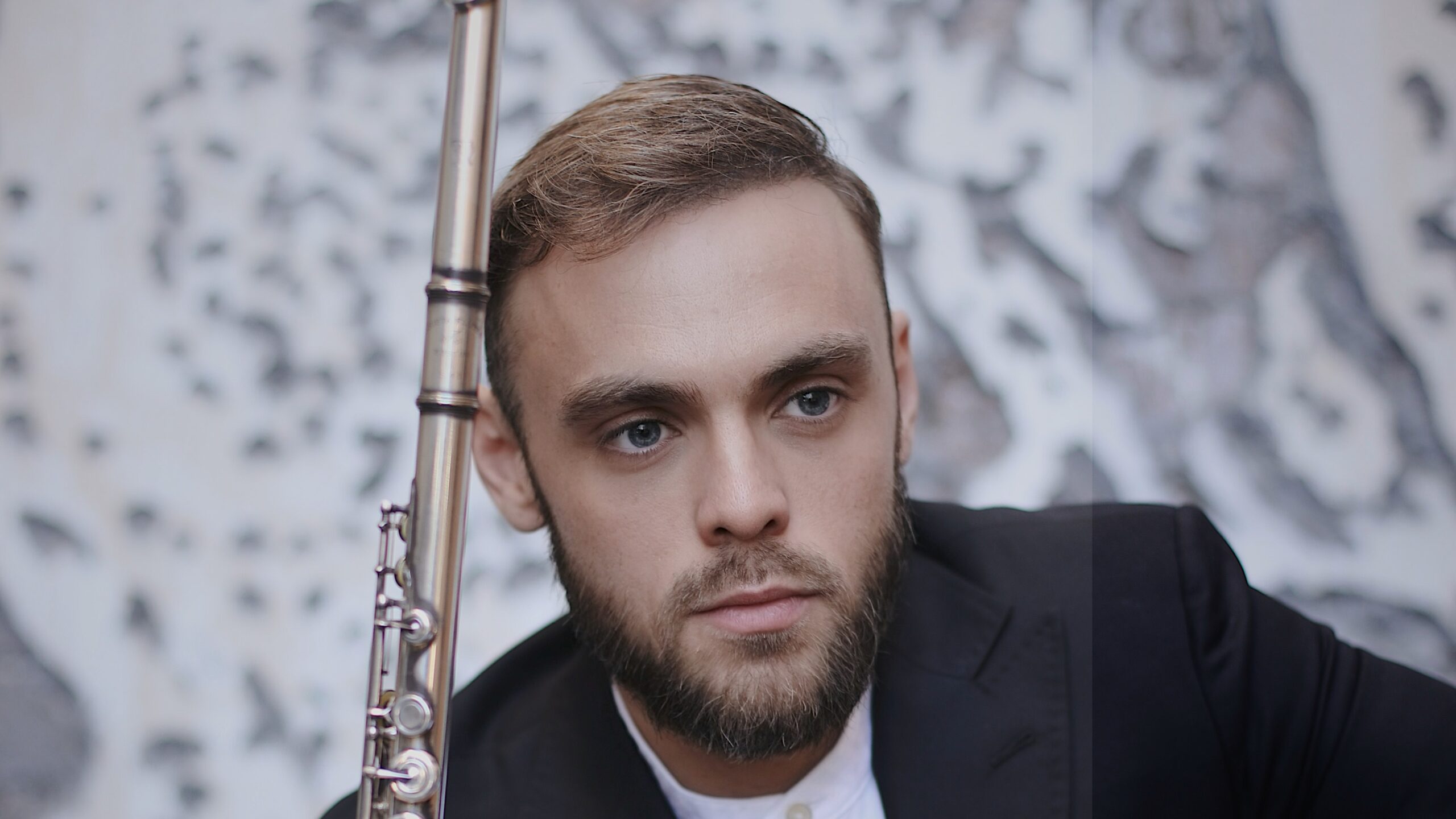
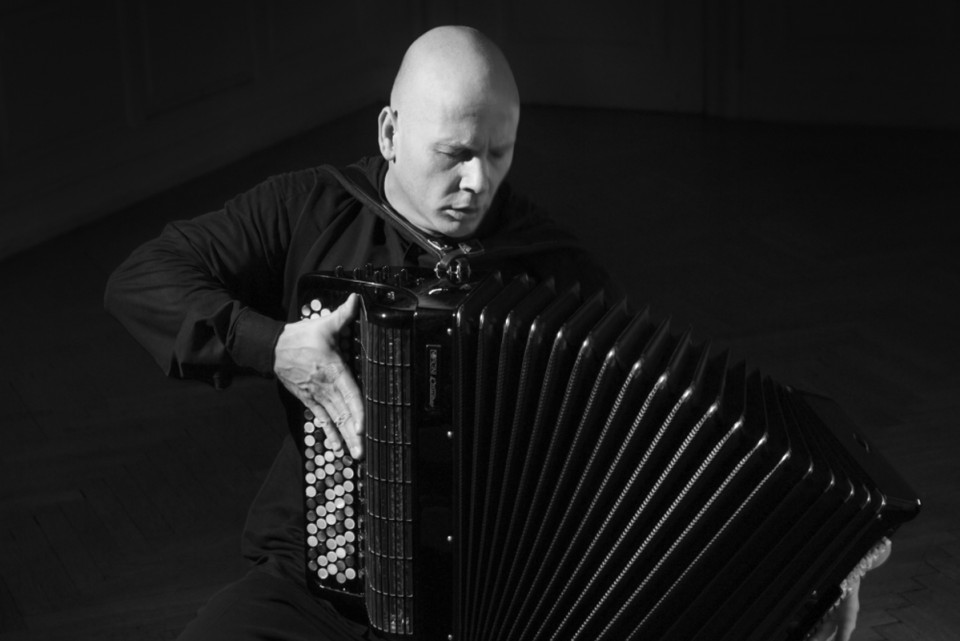
Featuring James Crabb on Classical Accordion
While Jean-Philippe Rameau may not have been considered ‘nice’ by polite society when he was composing in the 1700’s, his music was so dramatic and compelling that it inspired a cult of followers and fierce musical debate.
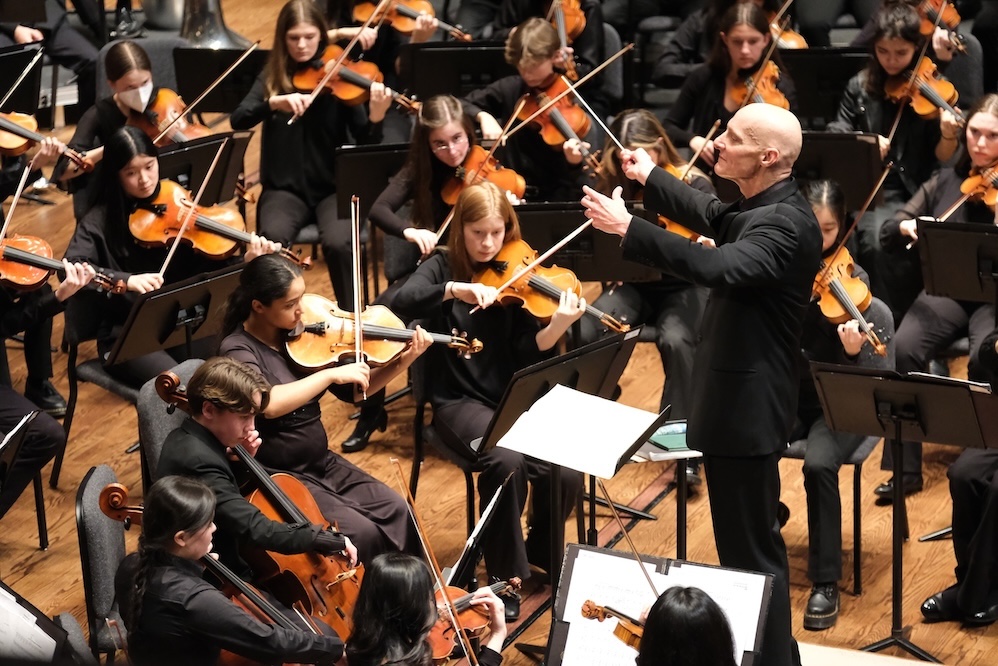
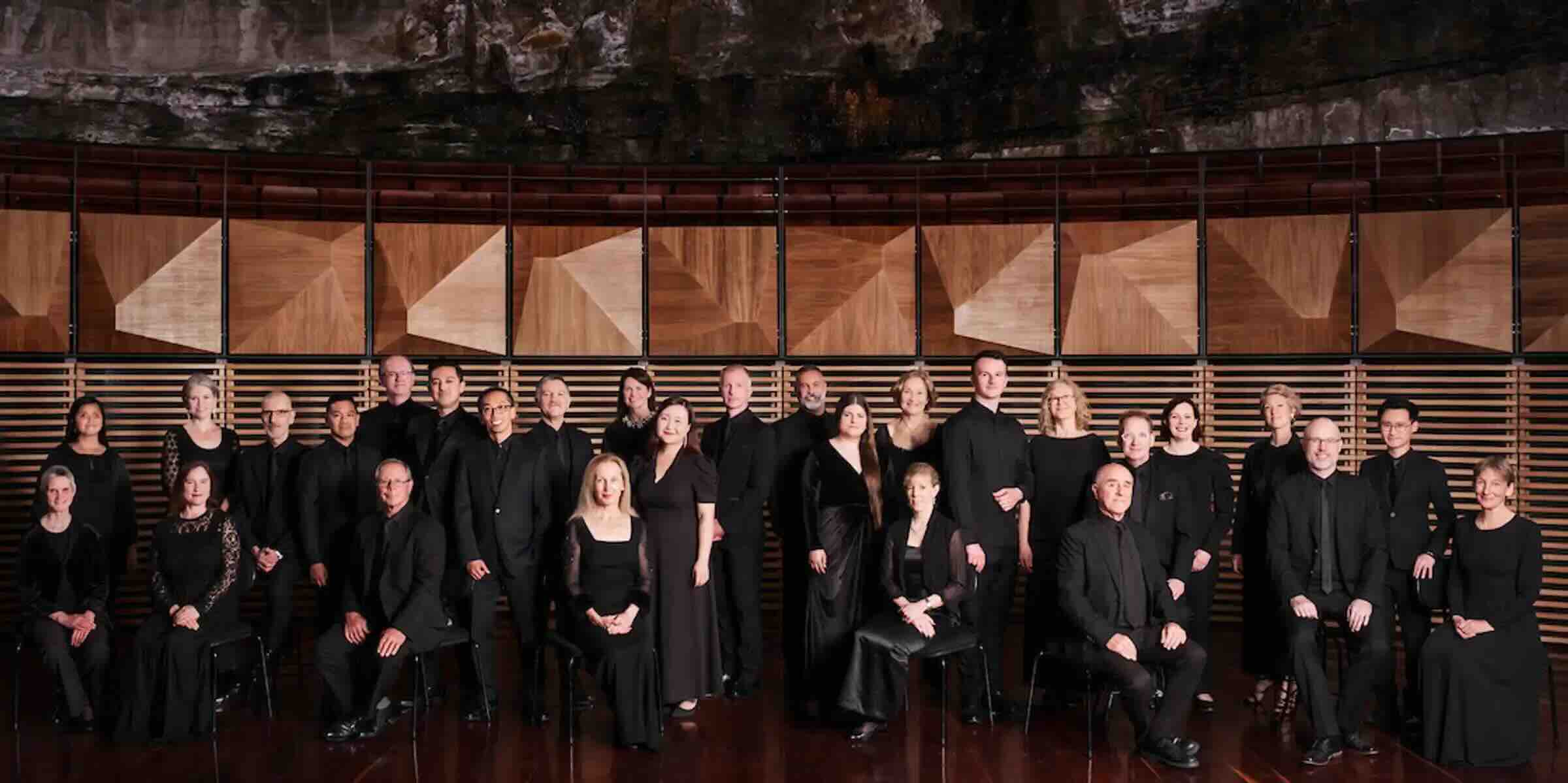
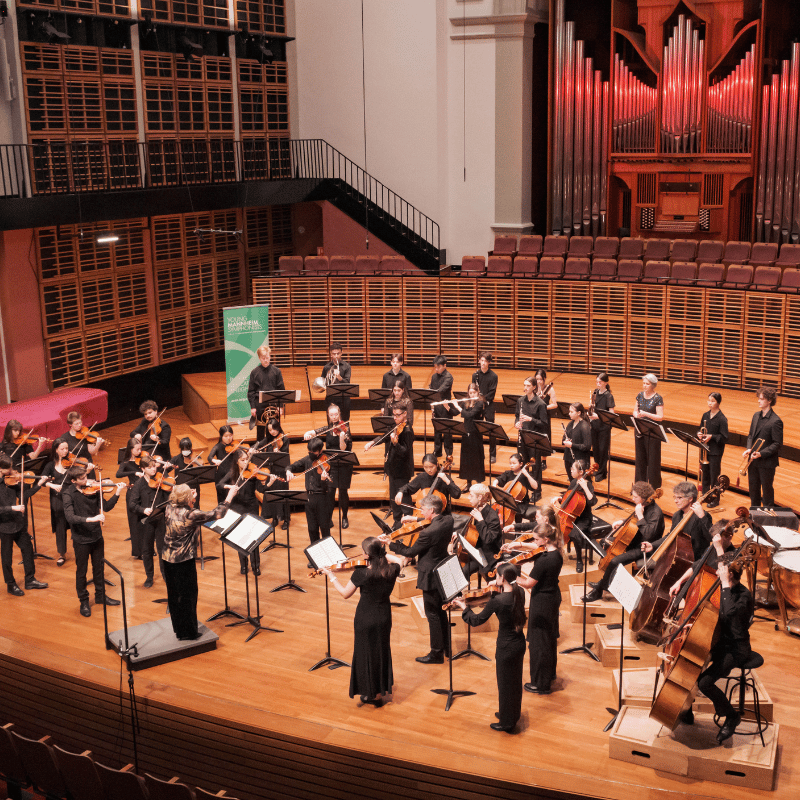
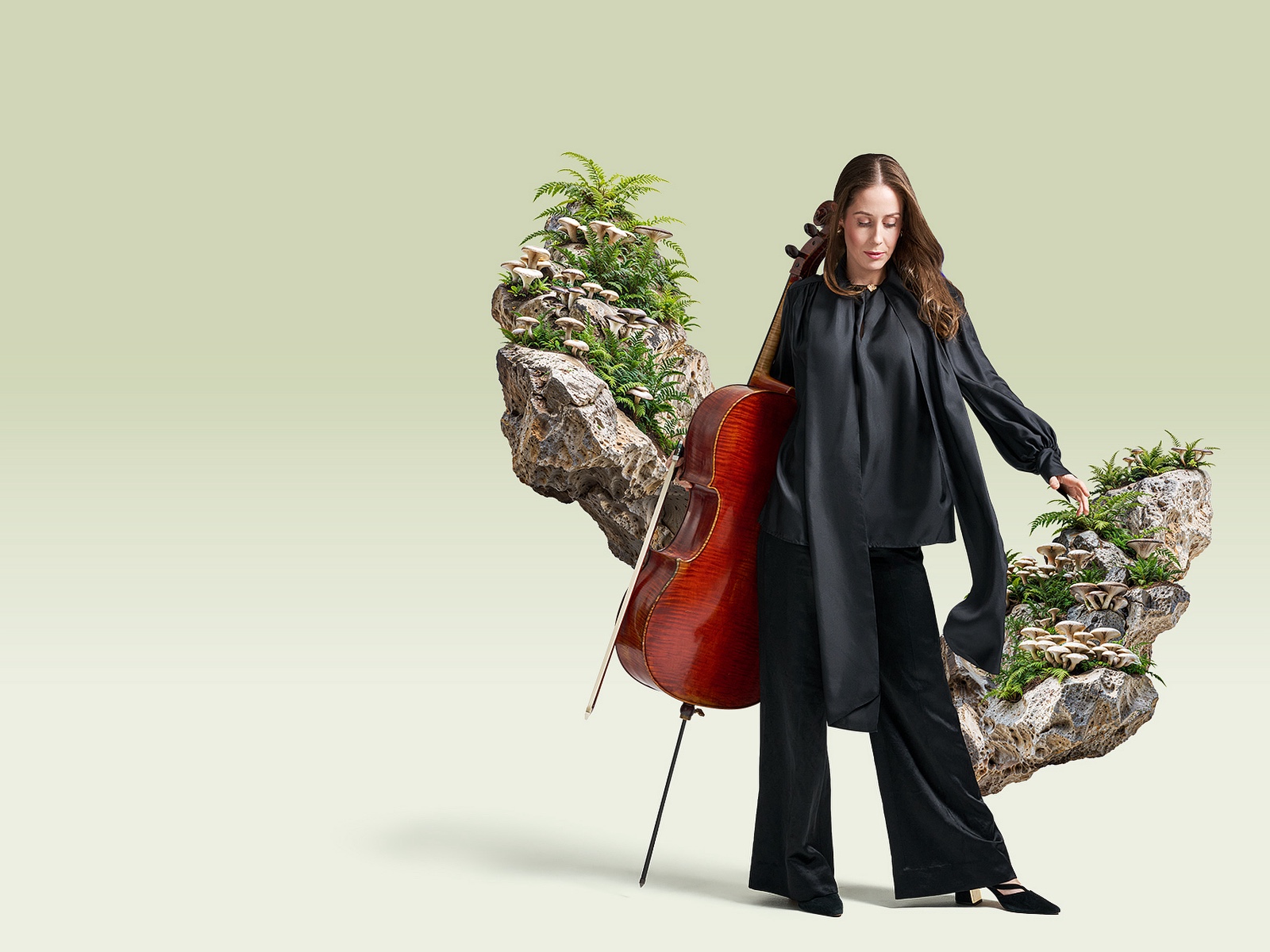
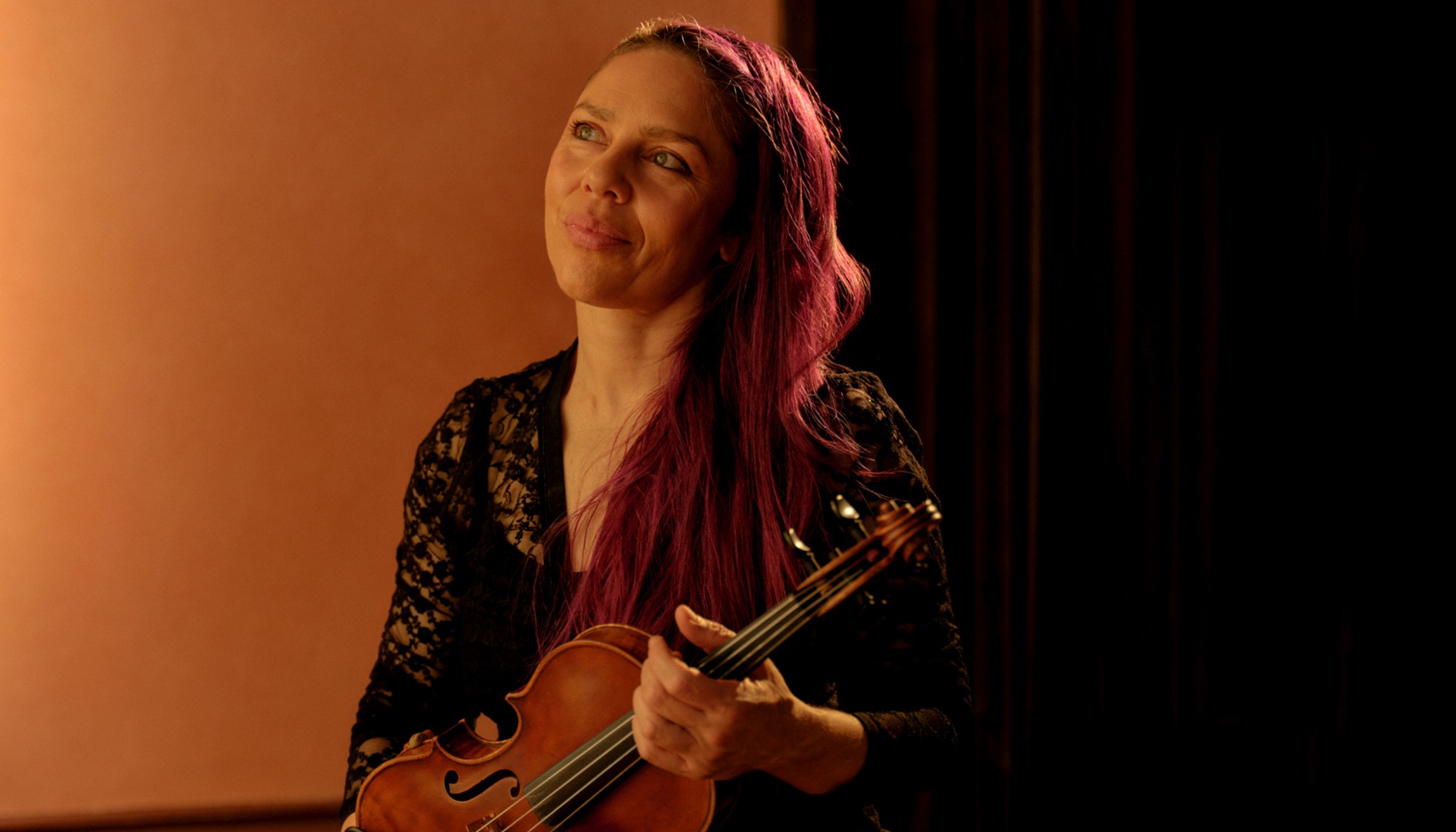
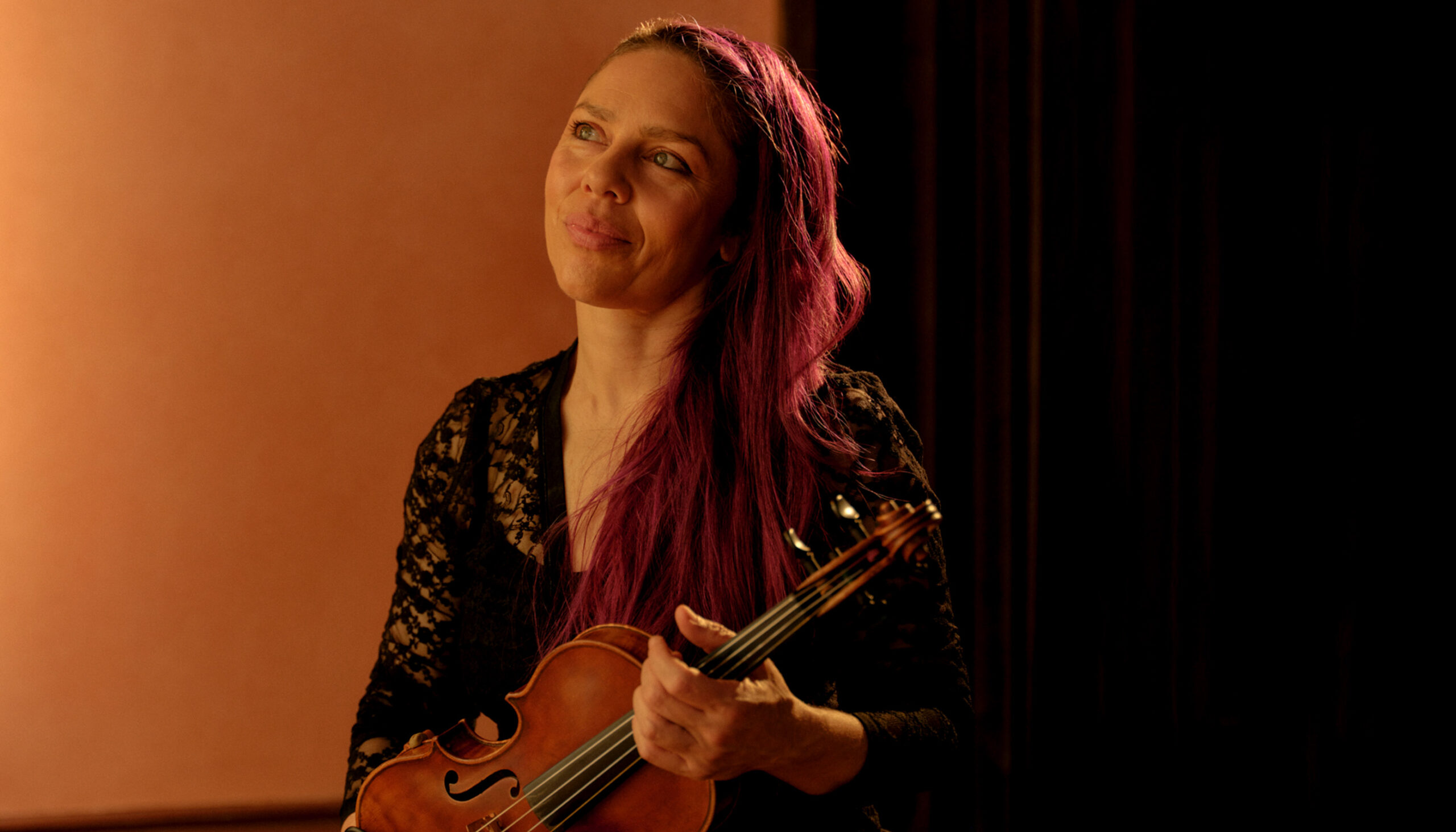
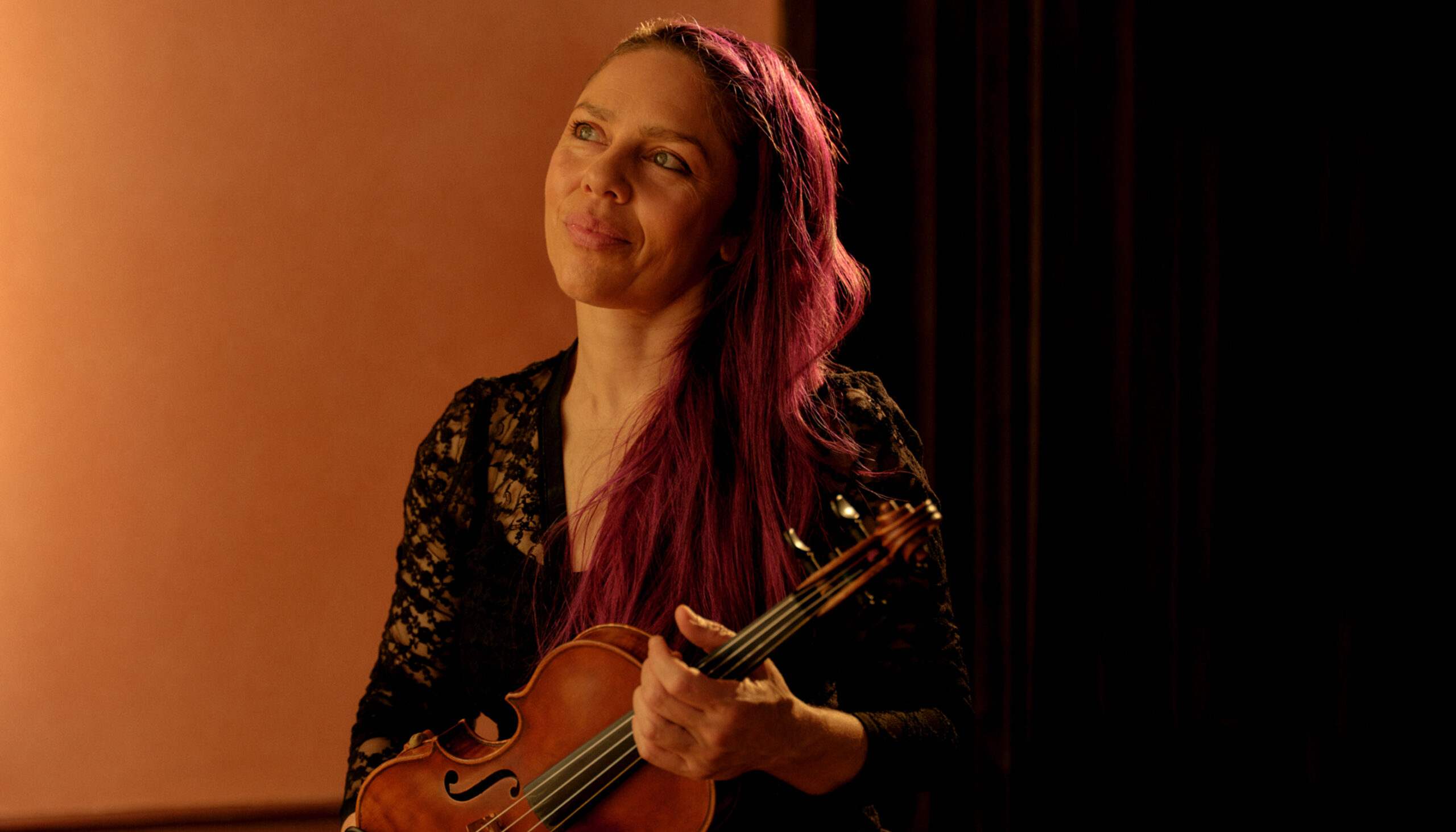
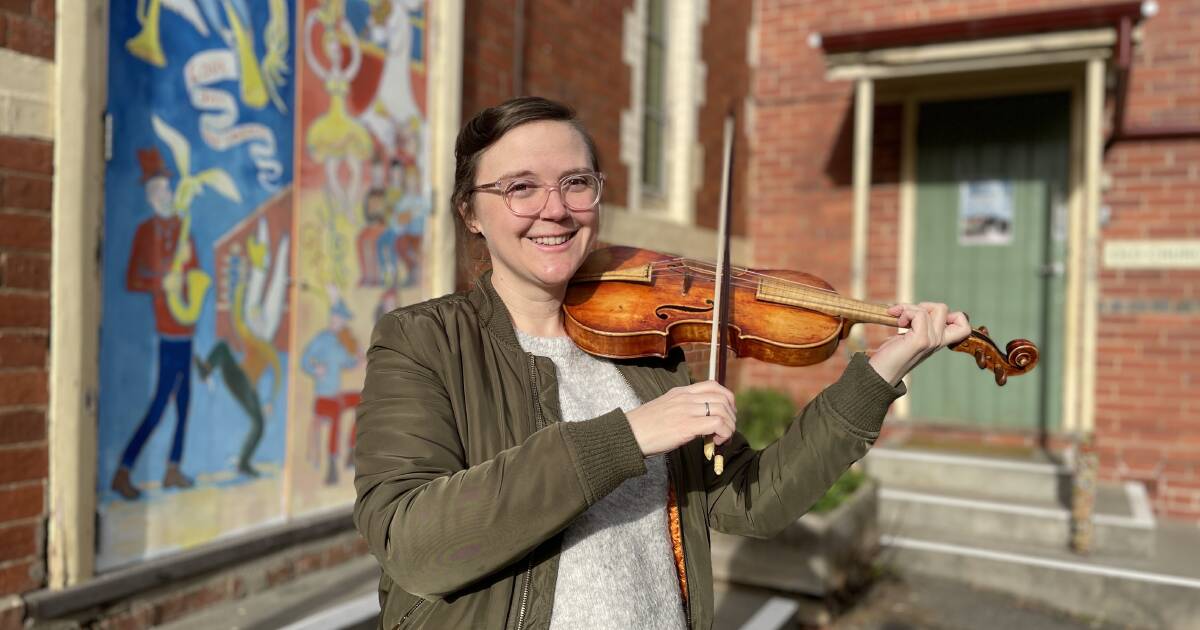
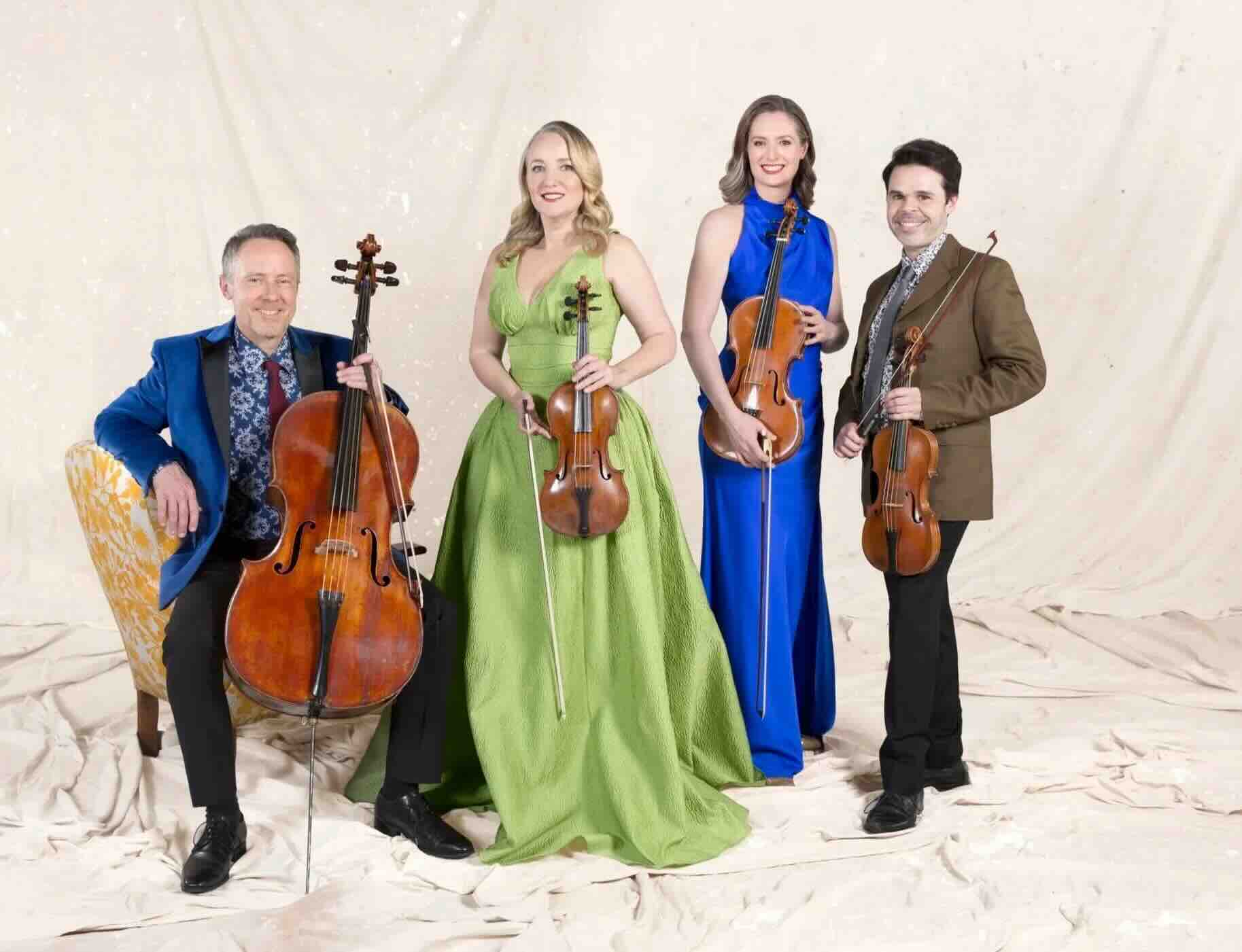
The Melbourne Chamber Orchestra under Artistic Director and Concertmaster Sophie Rowell, presented an impeccably balanced program of works featuring the internationally acclaimed Classical Accordionist James Crabb at the Melbourne Recital Centre. And if it wasn’t so cold outside, I’d say they knocked my socks off. Thankfully my socks are still on!
The arrangements of Rameau’s Six Concerts En Sextuor by Polish-born Stanislaw Skrowaczewski from 1969 delivers luscious baroque harmonies in spades, and it was lovely to hear Rameau’s nod to fellow dramatic musician, le diable de la viole, Le Forqueray, with other movements in the suite dedicated to fellow musician Jean-Baptiste Cupis and (randomly) Le Poule, yes, chickens. Even Rameau’s chickens were dramatic, hilariously so.
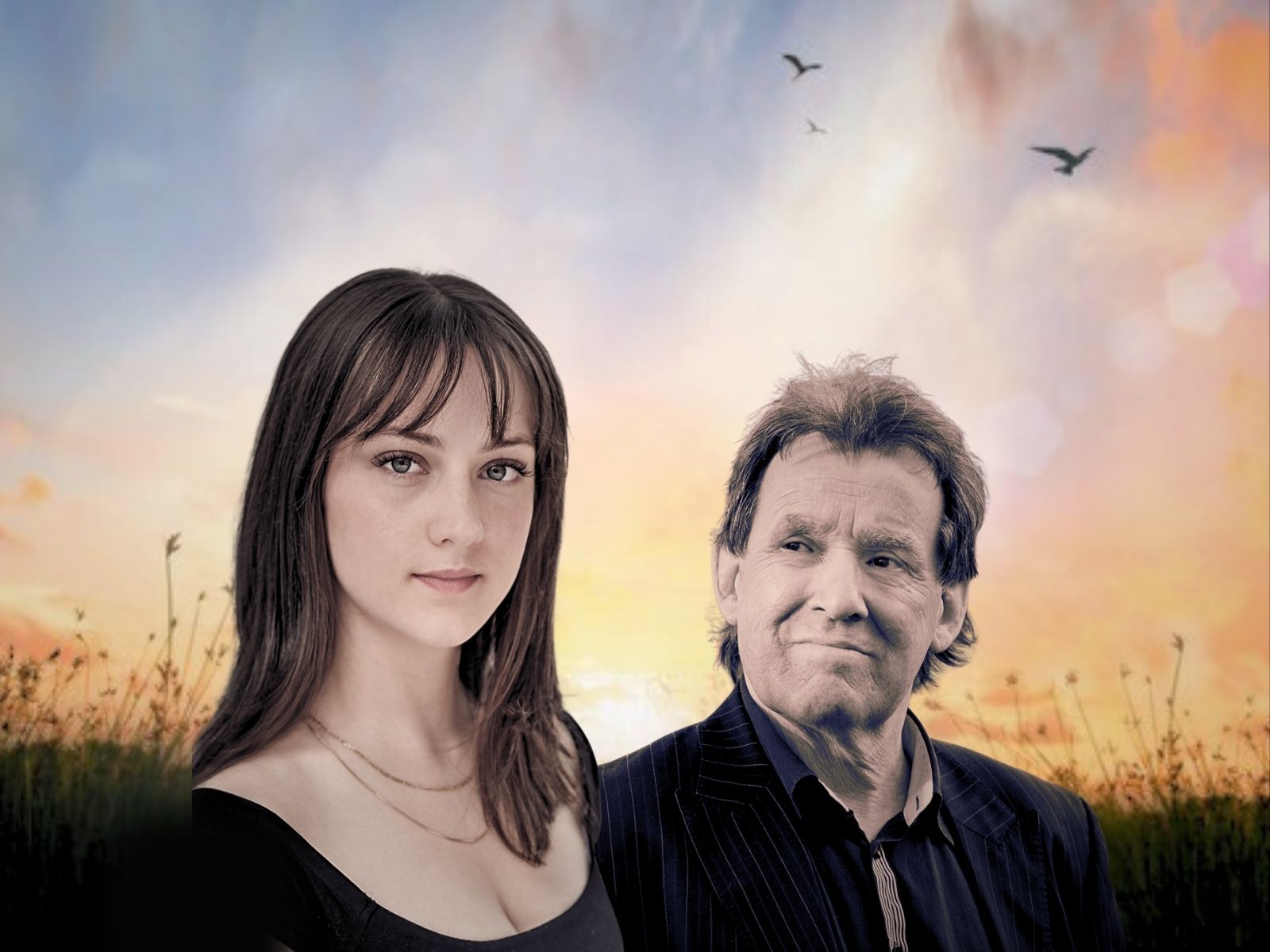
Enter stage right, Scottish-born James Crabb, performing CPE Bach’s Harpsichord Concerto in A major Wq29 (H437) arranged by James for Classical Accordion. It’s a lovely work, subtle and refined in the Galante style, a reaction to the forward, in-your-face style of the Baroque. I was blown away by Crabb’s articulation, compelling ornamentation which was completely in keeping with the style, and you could easily imagine the work was composed for the instrument.
Under the Canopy is a new work commissioned by the MCO from composer and Indigenous Australian, Aaron Wyatt, who has just today been named recipient of the Australian Academy of the Humanities’ 2026 John Mulvaney Fellowship. It’s a dreamy and moody work inspired by the rainforests of Western Australia and Victoria, and dramatic in its own way.
In a tango state of mind composed by rock legend Tomás Gubitsch was full of rhythms and soaring melodies that James made look effortless, even as he demonstrated great technical prowess over the music and his instrument. The work was, incidentally, written for him.
Blair Harris did a wonderful job leading the cellos in these works and while I’m not going to compare the music to that by Piazzolla, it reminded me there is a great wealth of music from South America that we really need to hear more of in Australia.
The final set comprised five Scottish traditional songs arranged for strings and accordion: Da Trowie Burn, Ossian, Niel Gow’s Lament for the Death of his Second Wife, Stuart Robertson’s Rant/Cockold come out of the Amery, and, as an encore, Lullabye.
Was it me, or did the atmosphere suddenly soften? This was music from the heart, from a deep place that reminded me of why music is so important to me. James and the rest of the musicians seemed to relax into the music. I imagined the melodies must have come from places and people who are loved and cherished, even the rant! In one work, a stunning duet between violin and accordion, and in another, the very gentle passing of harmonies across the strings. The far off look in the eyes of the performers was so, so, special. It may have been a cold night outside, but inside there was a warmth that was truly memorable.