Opera Australia | Hänsel & Gretel
27 January 2026, Sydney Opera House, NSW
After a long absence, Opera Australia revived the 1992 Elijah Moshinsky production of Hänsel & Gretel. It is sung in English with surtitles.
I was particularly interested in seeing this revival because my daughter, who was 10 at the time, was in the children’s chorus in the original production, so I remember it well and there are interesting points of comparison. Much has changed of course. Moshinsky is no longer with us (he died in 2021) and the revival was joyously directed by Claudia Osborne. Also there is no longer a permanent children’s chorus in the company as there was in 1992. Back then they rehearsed every week at the Opera Centre under Simon Kenway, who, incidentally, was spotted in the audience for this opening night. These days child choristers are sourced on a production by production basis. Turandot is the other production this year that has a kids chorus.
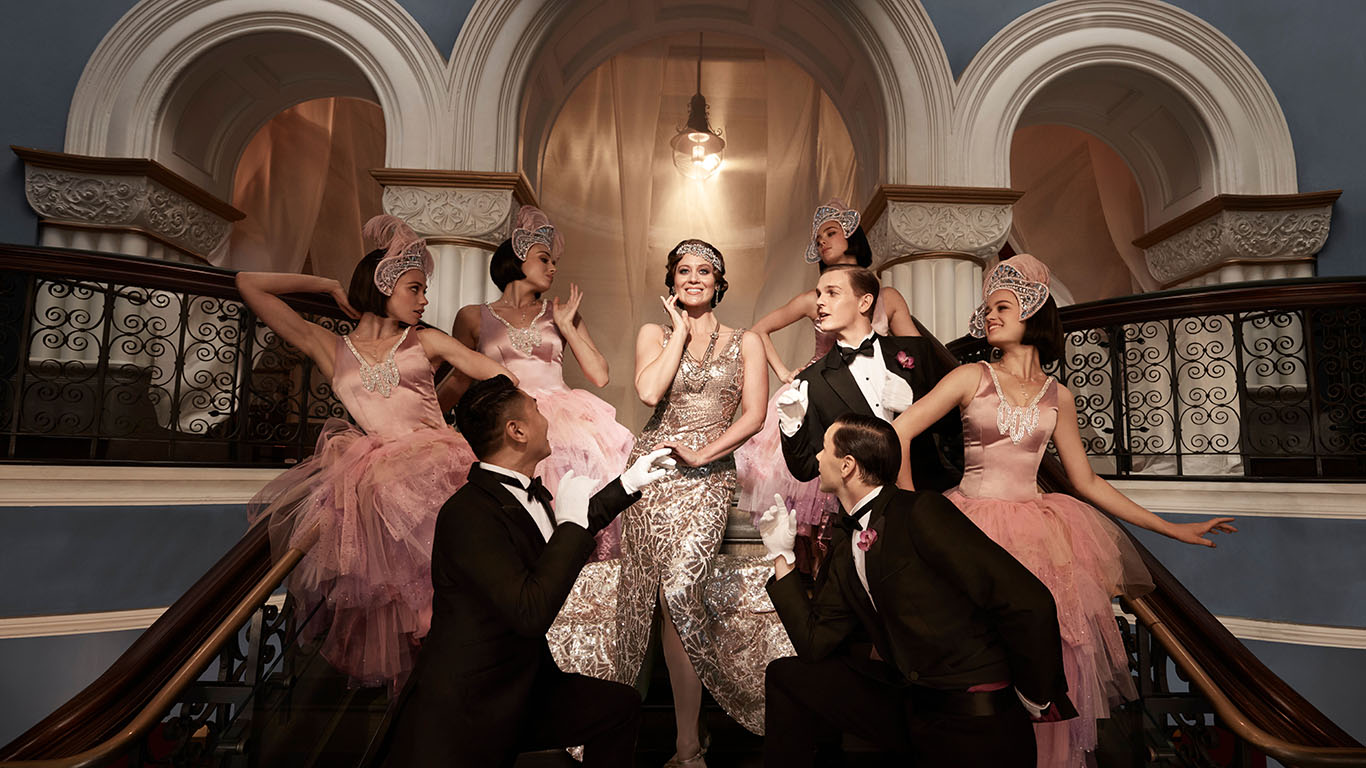
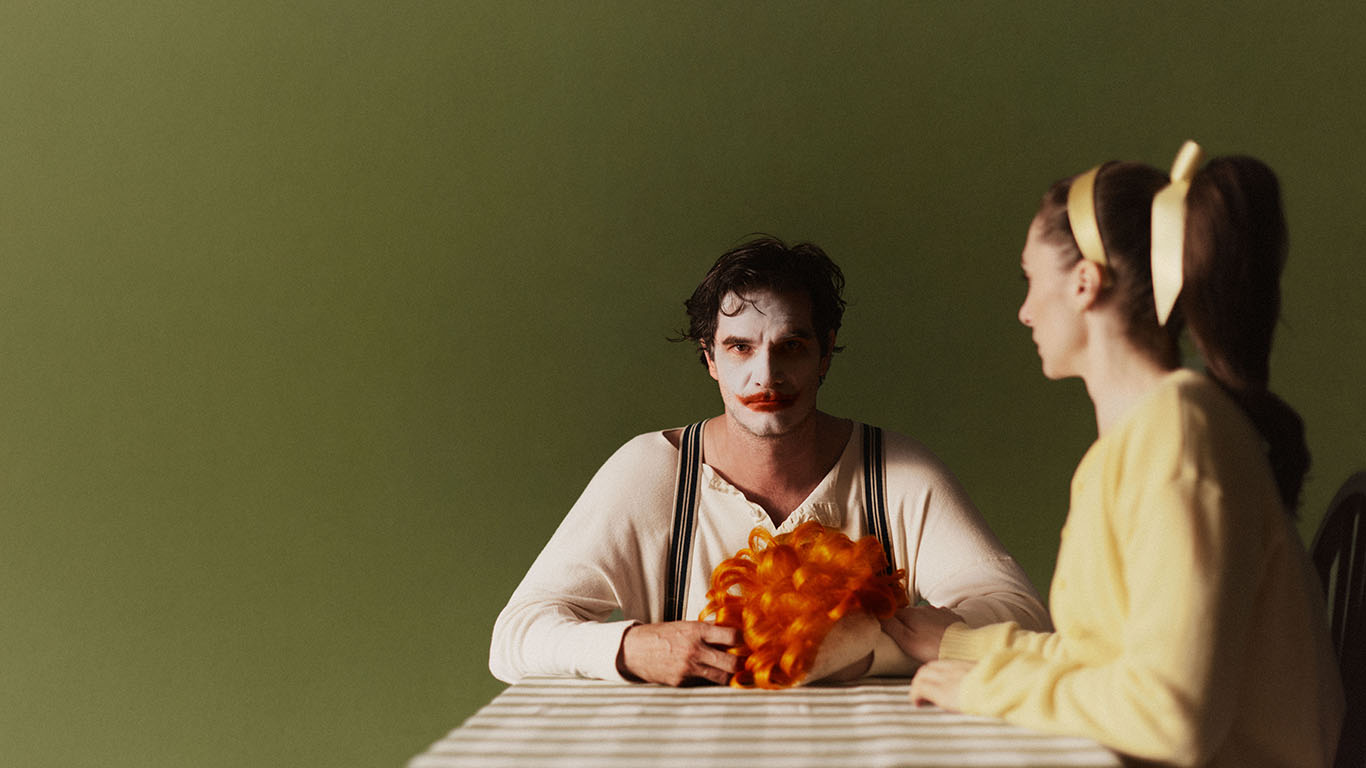
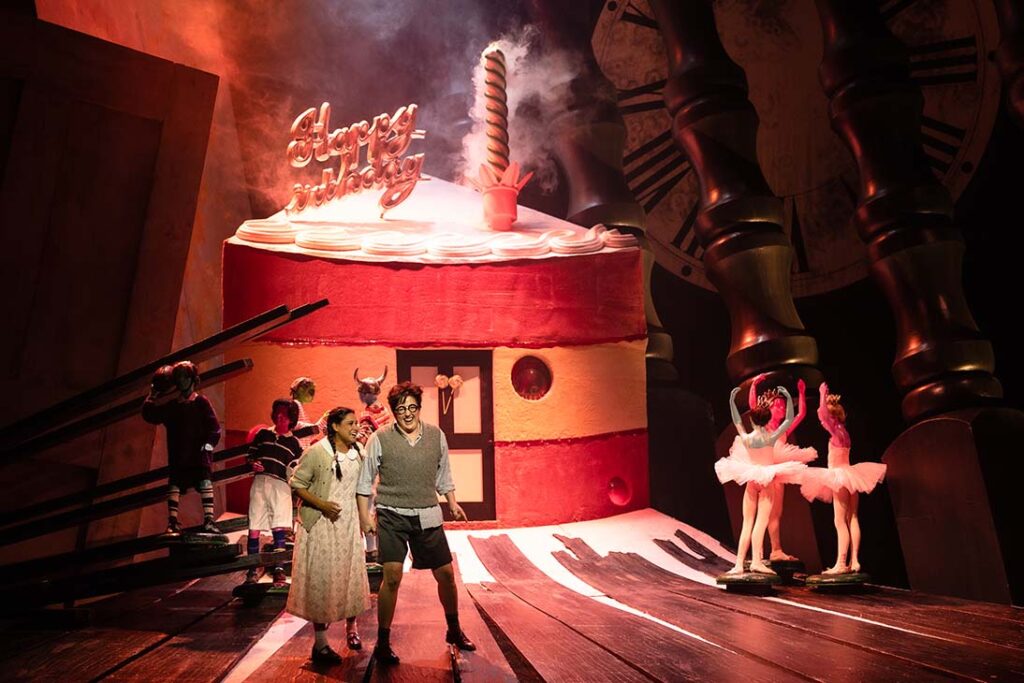
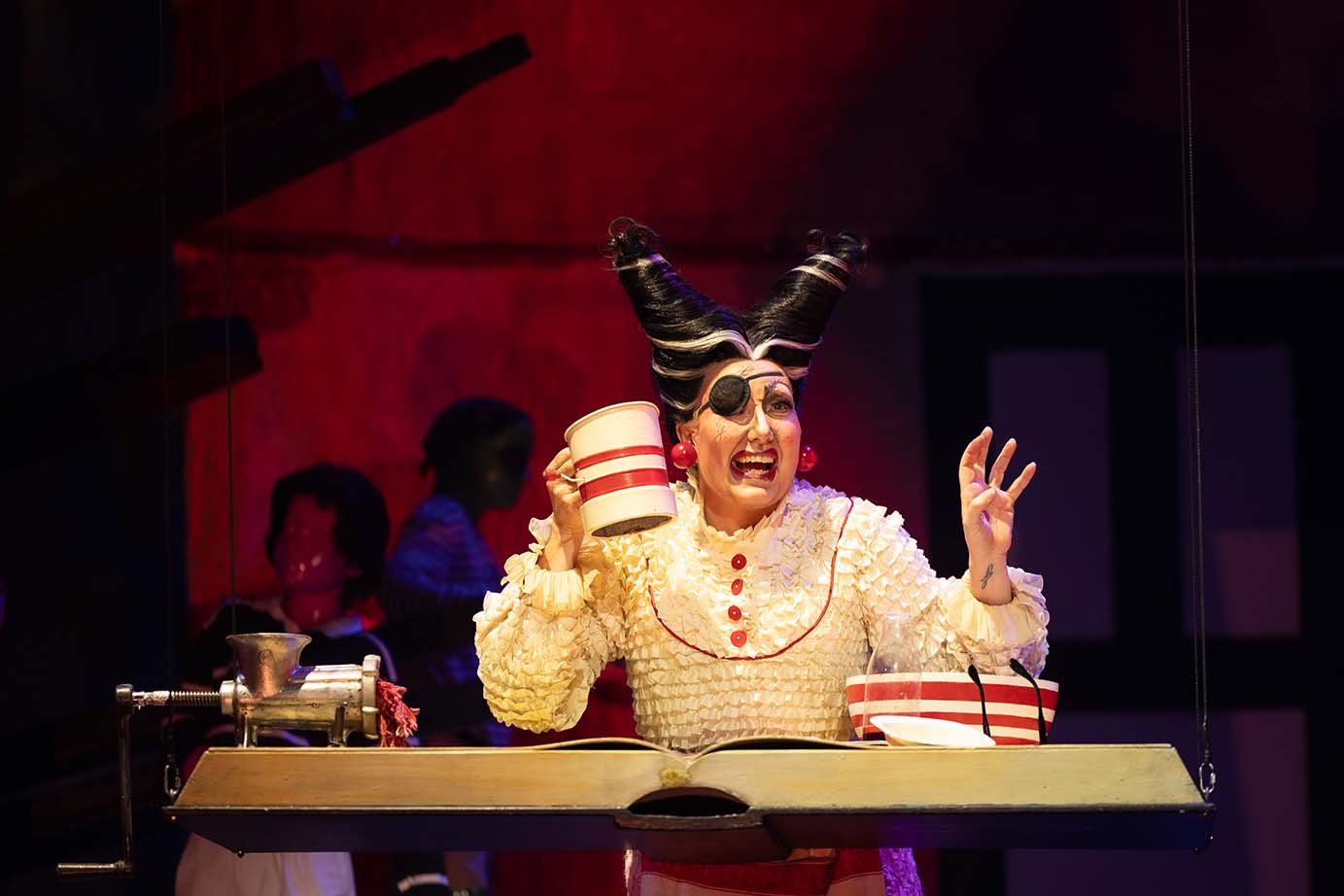
The brothers Grimm fairy tale that Humperdinck’s opera is based on, is like most of the stories, a dark and macabre affair. However, the libretto lightens the atmosphere considerably and Moshinsky/Osborne’s direction injects more humour than even the script implies. Mark Thompson’s sets for the forest and witch’s house scenes decidedly surreal, a little like a sugar-coated version of The Cabinet of Dr Caligari. Huge banister spindles represent trees and a large clockface without hands in the background signifies the children oblivious sense of time. The witch house is a giant cake and a huge whisk is her magic wand.
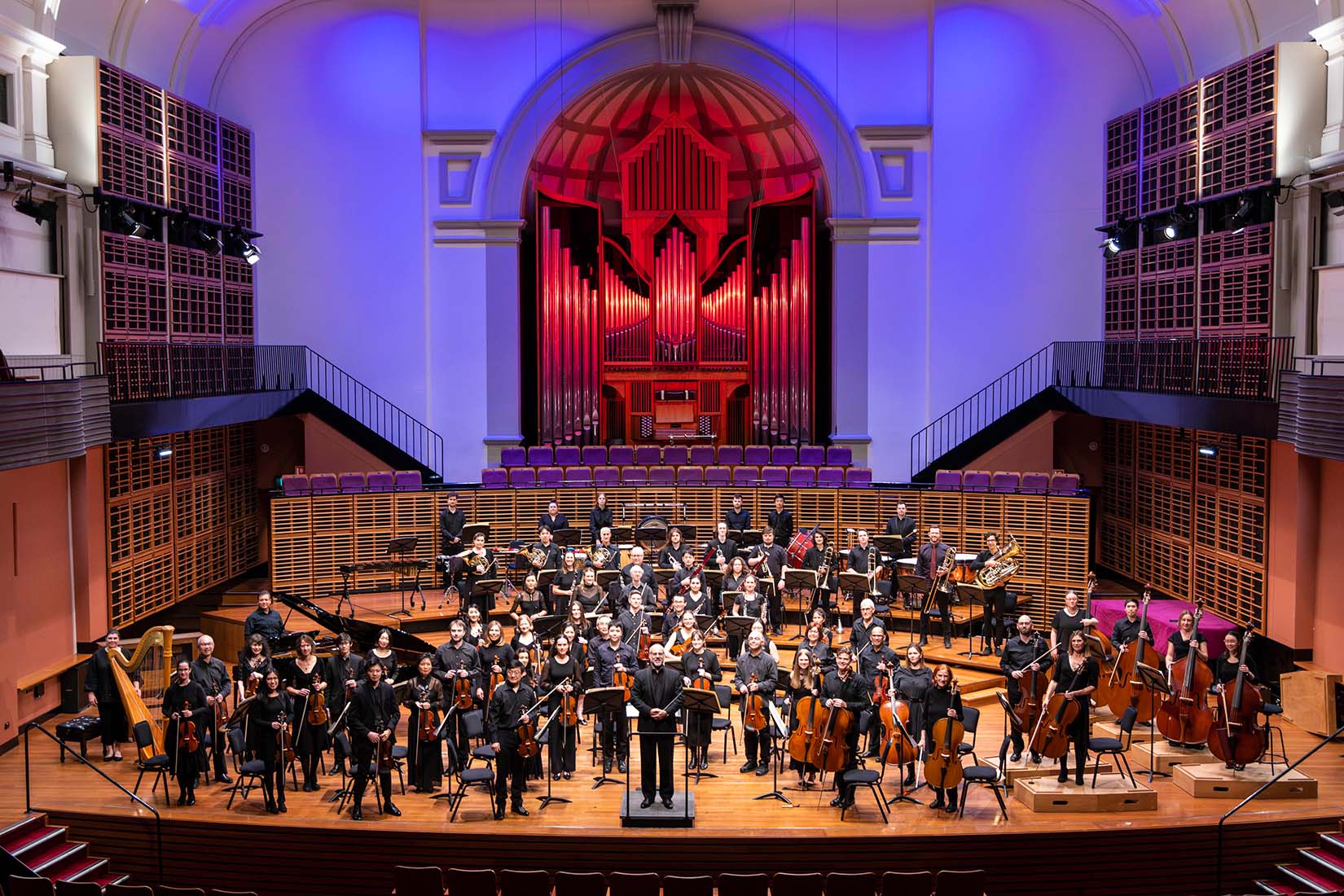
The music is heavily influenced by Wagner. The overture starts with the bedtime prayer from Act II, but it is immediately reminiscent in both harmony and melody of the hymn in Meistersinger. But there is much fun to be found in the music too, like bouncy dotted rhythms, echo effects, mocking repetitions, patter songs and dances. There are many childlike mood changes; sudden shifts to happy major keys and scoldings where the music is bright; playfulness is found everywhere enhanced by the singers’ acting. Wagnerian too is the use of “leitmotifs”: the folksong like music for the children’s innocence; the chromaticism of the dark forest; sighing motifs in minor keys for hunger; the prayer/faith hymn. The technique differs from Wagner though, in that the themes are on the whole short and sprinkled like sugar rather than pervading the whole texture. The orchestra, under Tahu Matheson, handled the score with committed energy and enthusiasm.
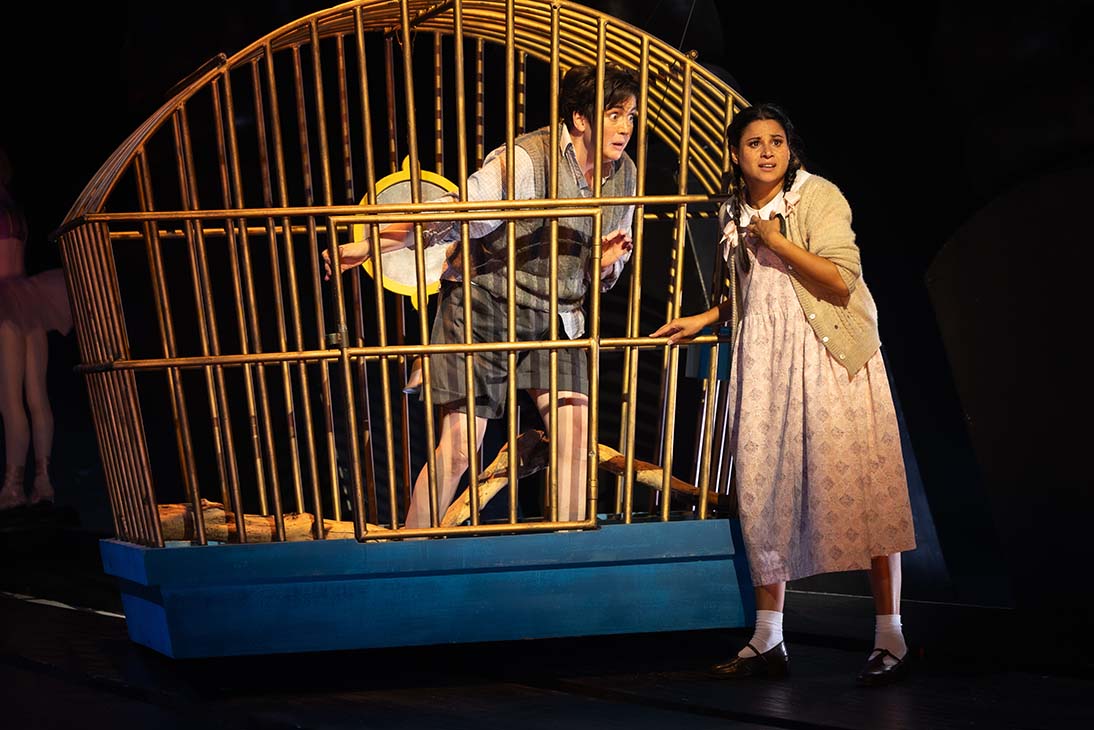
For those not familiar with the opera, the parts of Hänsel and Gretel are cast for adult voices, a mezzo and soprano respectively. Stacey Alleaume as Gretel was delightful, coy and flitting from pouting to limb-flailing enthusiasm in a thoroughly childlike manner. Margaret Plummer as Hänsel was a convincing teasing elder brother, reluctantly drawn into Gretel’s imaginative games. Suzanne Johnston’s 1992 performance was played with considerably more “I’m tough!” comic swagger, but Plummer’s performance gave the character an endearing self-consciousness. Both Plummer and Alleaume’s voices were vibrant and alive; a pleasure to listen to.
There were a few technical issues with getting the kids chorus on stage where they replace the statues during a blackout scene, but I am sure that will be sorted out by the next performance.
Although the sets appear somewhat dated, in a sense that does not matter. Fairy tales are inherently old-world and the liveliness of the direction, acting and voices made this performance enjoyable and worthwhile. The variety and quality of the score and orchestral realisation made it musically satisfying.
If you haven’t seen this opera for 34 years, it might be worth another viewing. Bring the grandkids.