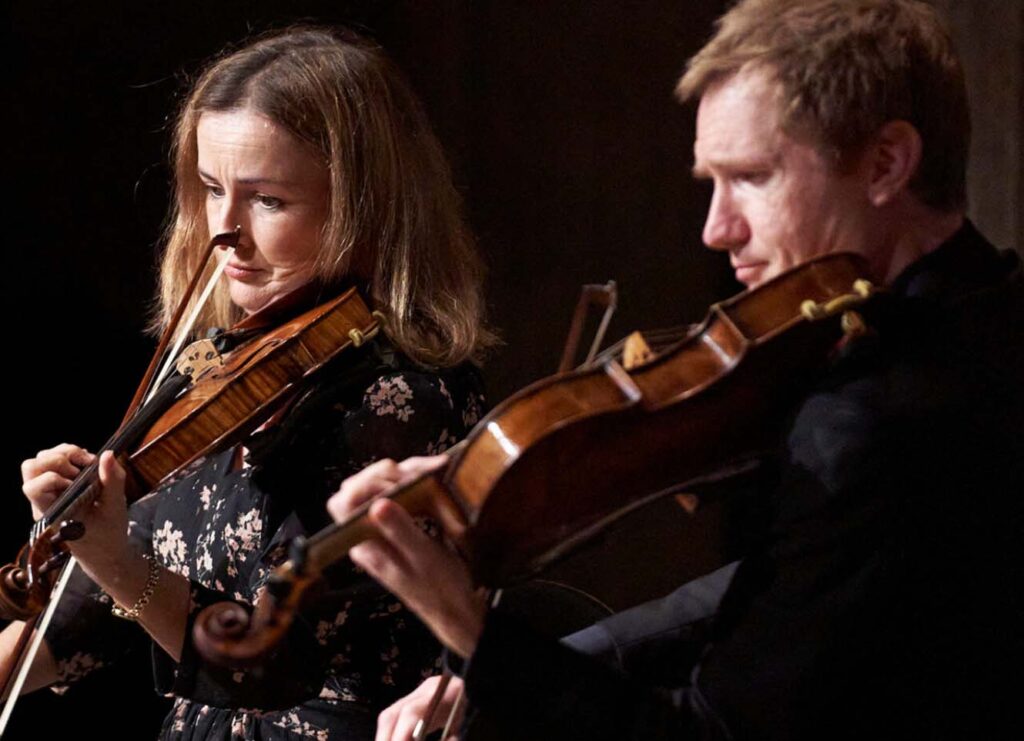
Sydney Symphony Orchestra | Schoenberg & Williams, Radiance and Invention
29 August 2025, Utzon Room, Sydney Opera House, NSW
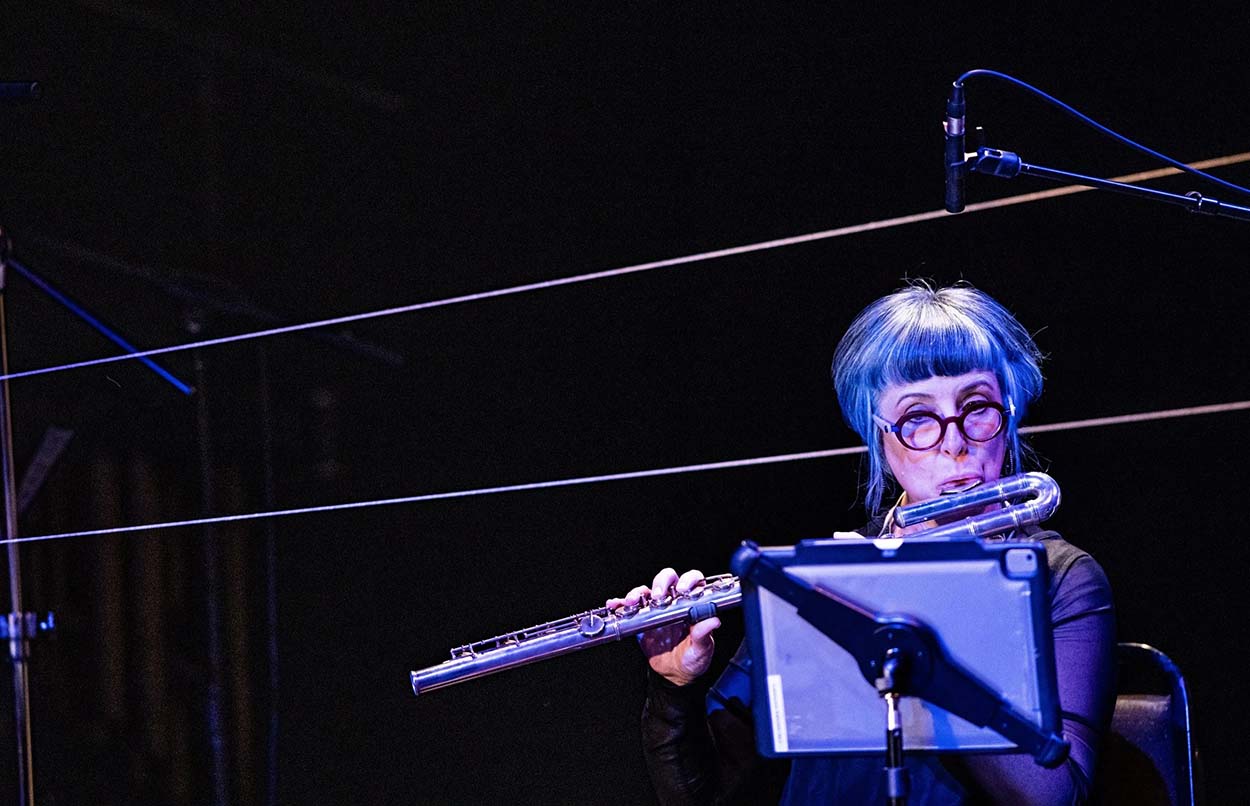
JUSTIN WILLIAMS: Movement for Woodwind Quintet (2025)
CAROLYN HARRIS: flute
SHEFALI PRYOR: oboe
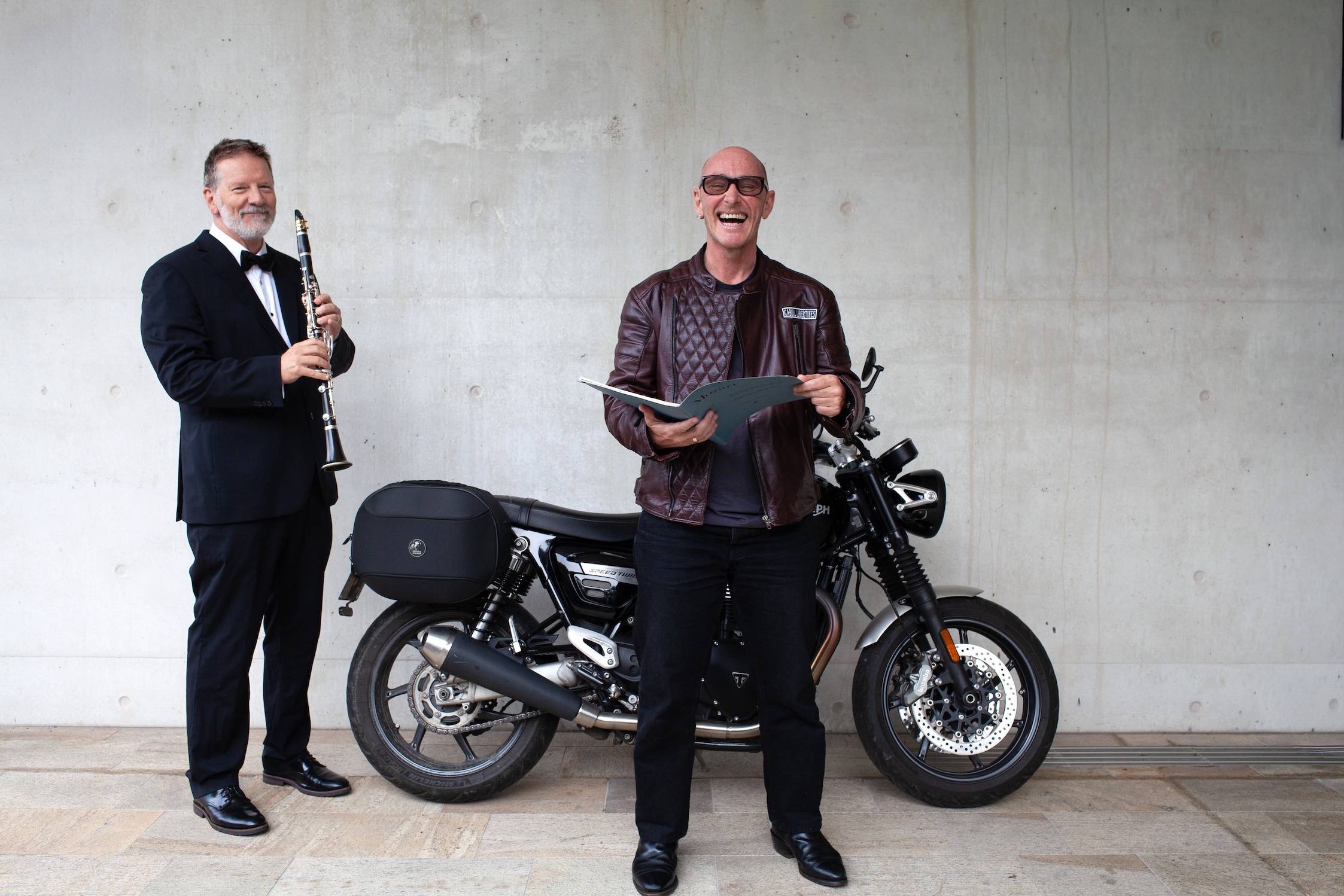
OLLI LEPPÄNIEMI: clarinet
MATTHEW WILKIE: bassoon
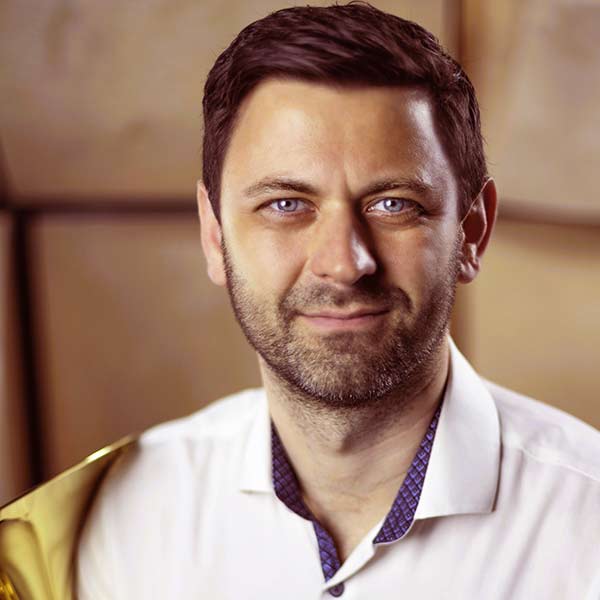
EUAN HARVEY: horn
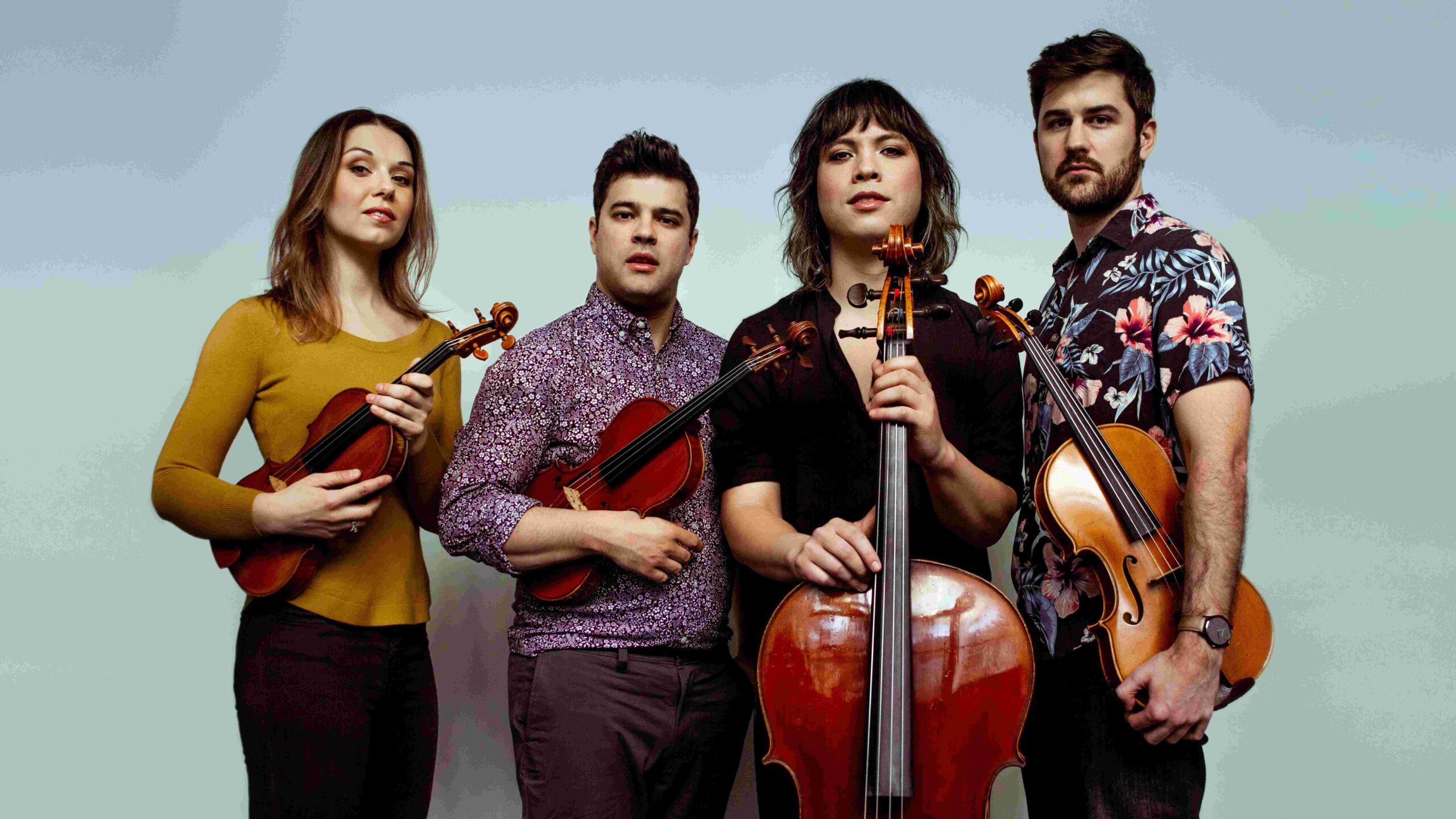
ARNOLD SCHOENBERG: Transfigured Night, Op.4 (1899)
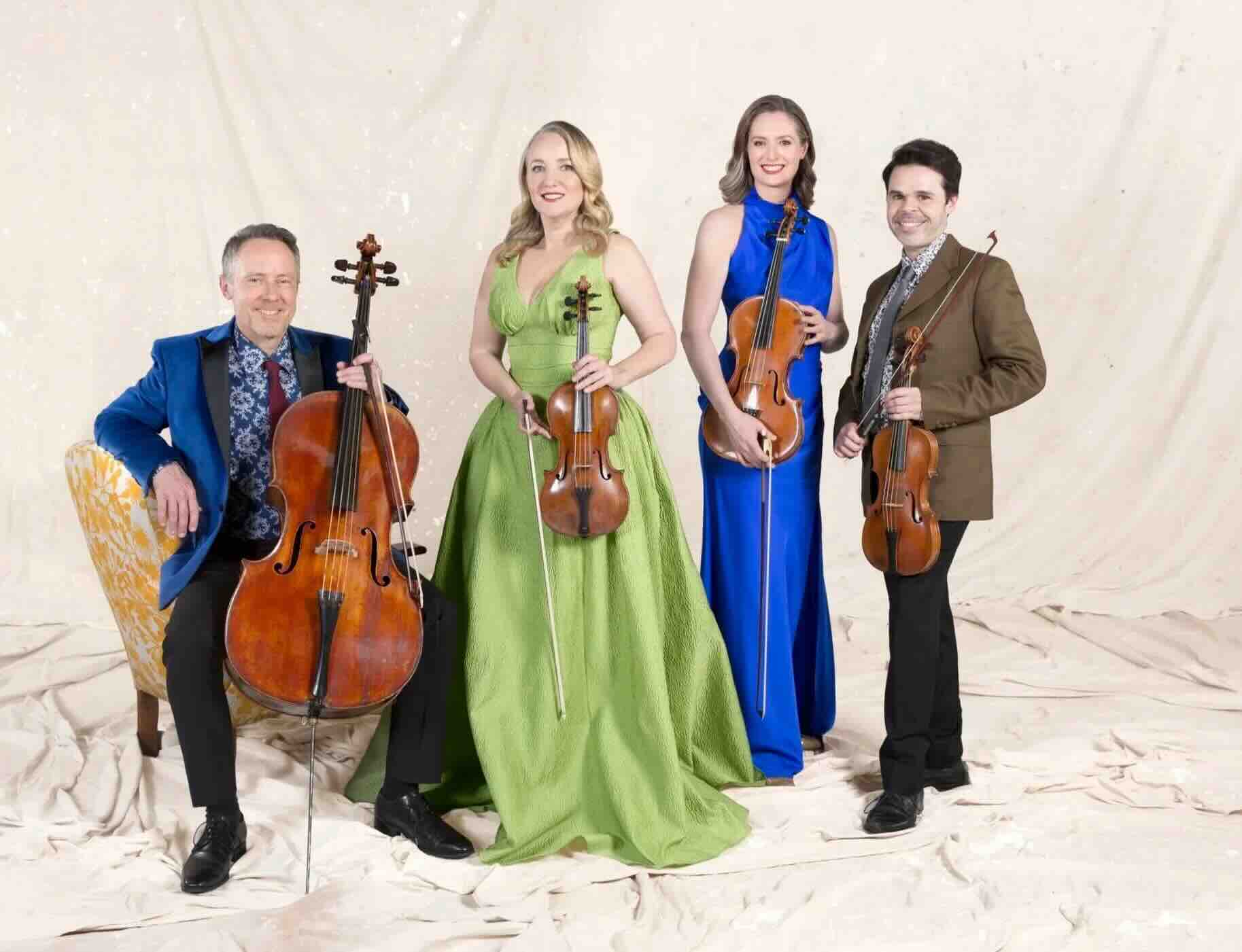
HARRY BENNETTS: violin
VICTORIA BIHUN: violin
ROSEMARY CURTIN: viola
JUSTIN WILLIAMS: viola
TIMOTHY NANKERVIS: cello
ELIZABETH NEVILLE: cello
Justin Williams, who is the SSO’s Assistant Principal Viola, wrote the Movement for Woodwind Quintet to further his own knowledge and experience of writing for woodwind. Nevertheless, musically this work goes well beyond the scope of a mere study. The piece’s humour, melodic unity, dramatic silences and a false tierce de picardy just before the end, are all examples of a playfulness and musical maturity. However, nearly all of the instruments were scored to play nearly all of the time. In a study piece for woodwinds, where each instrument has such a distinctive colour, it is perhaps a missed opportunity to explore the possibilities of passages in which just two or three instruments are combined. That said, the players held the audience’s full attention and as a world premier performance it was a resounding success.
The most performed and well known work of Schoenberg is Transfigured Night. It is based on a poem by Richard Dehmel in which a woman confesses to bearing another man’s child and her companion responds that through their love, her child will “transfigure” to become theirs. The work is programmatic in the broad sense: the dark brooding forest, the chromatic and unsettled rhythms of the confession, the warm sonority of the acceptance and the long phrases in major keys for the transfiguration, resolving in serenity and peace.
Although initially written as a string sextet in 1899 for 2 violins, 2 violas and 2 cellos, there was a taste in Vienna at the time for lush Wagnerian sonorities. The work had become so popular that it was performed by full string orchestras of the day. Schoenberg went with the flow and rescored the work himself in 1917, considerably thickening the textures and increasing the amplitude of the climaxes. He revised the work again in 1943. At that stage he was living in America which had more modern orchestras with a much brighter sound and huge instrumental resources; up to 14 double basses! Interestingly however, he increased the clarity of the inner voices by removing doubling of parts and improved the dynamic gradation to make for a more nuanced work. It is this 1943 version with which audiences and orchestras are generally familiar.
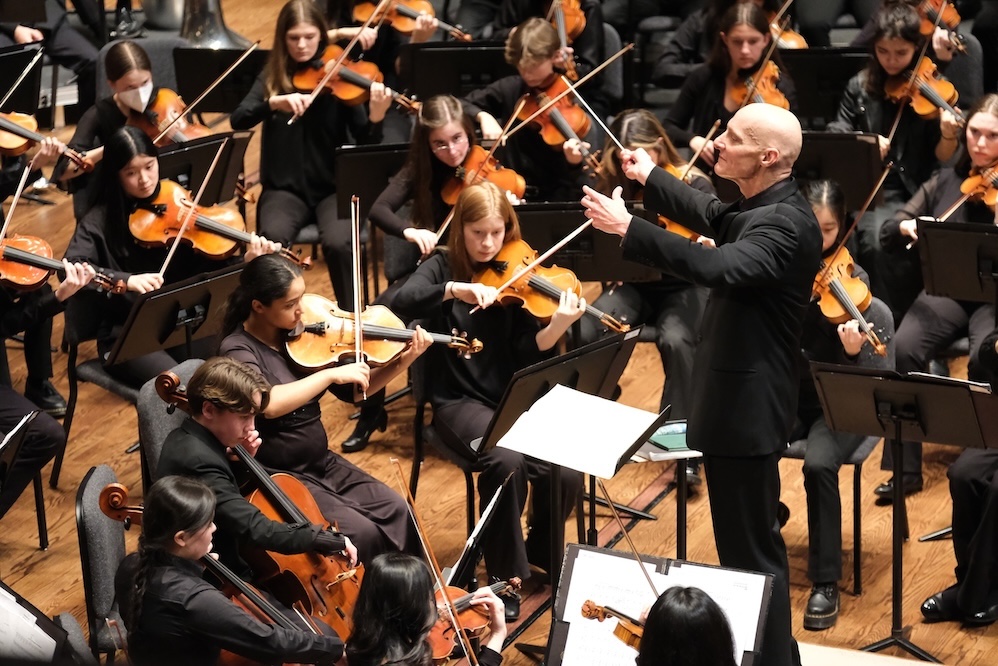
This performance was of course the original 1899 version, played by six members of the Sydney Symphony Orchestra. The question is, how does thorough familiarity with the later orchestral version inform both the performance by these orchestral musicians and the audience’s expectations? There must be a temptation to emulate the full sonorities using wider vibrato and longer bow strokes. Furthermore, they might prefer to produce a mass sound rather than clarity of individual lines. Symphonic grandeur can also be achieved by expansive phrasing and breathing.
While there was some sense of the subsequent history of the 1899 work in this performance, the players did not fall into any of the orchestral emulation traps. Their rendition was fresh, sensitive and the dynamic range kept in proportion. Individual voices were clear, although they did allow some grand orchestral sonorities when the score demanded it, as in for example the unison sections.
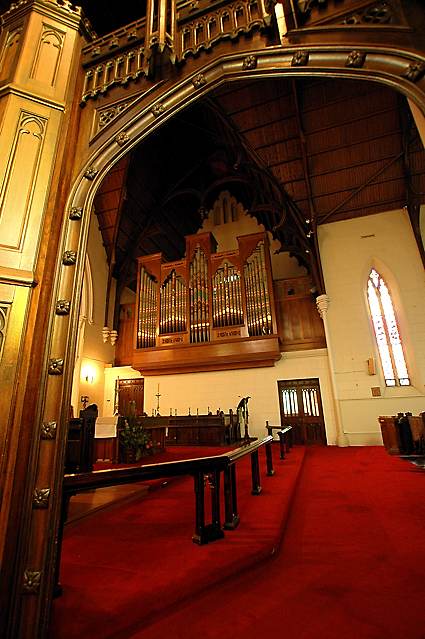
The smaller acoustic of the Utzon Room also encourages a chamber music approach that a performance in the Concert Hall would naturally compromise. From the audience perspective, sitting in the back row of the Utzon room, you are still only a few meters away; to make this music work for listeners in the back row of the Concert Hall would be a different matter all together. To the credit of the members of the sextet, the audience was treated to what was very much a chamber performance that was both authentic and musically convincing in its own right.
On a final non-musical note, I feel compelled to mention the wine. At this “Cocktail Concert” the sponsors, Handpicked Wines, gave everyone a glass of wine upon entering. Their 2019 Collection Barossa Shiraz is wonderful. And for once, amazingly, no-one kicked their wine glass over during the performance!
Great music and wine, who could ask for more?