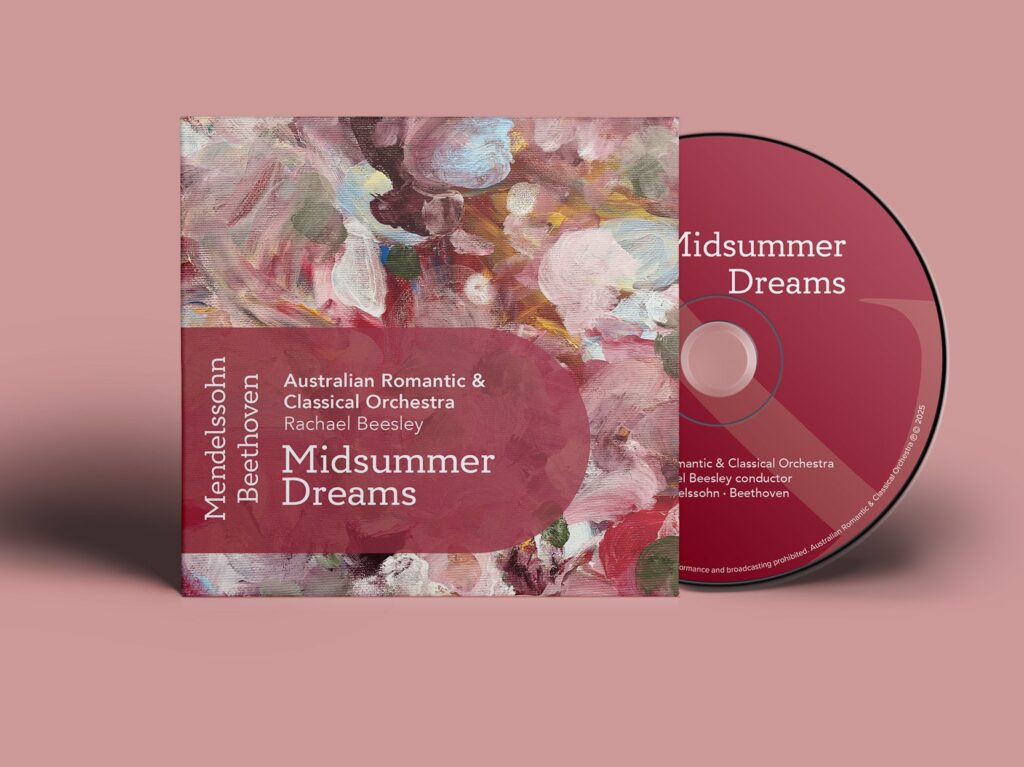
Australian Romantic & Classical Orchestra | Midsummer Dreams
CD Review
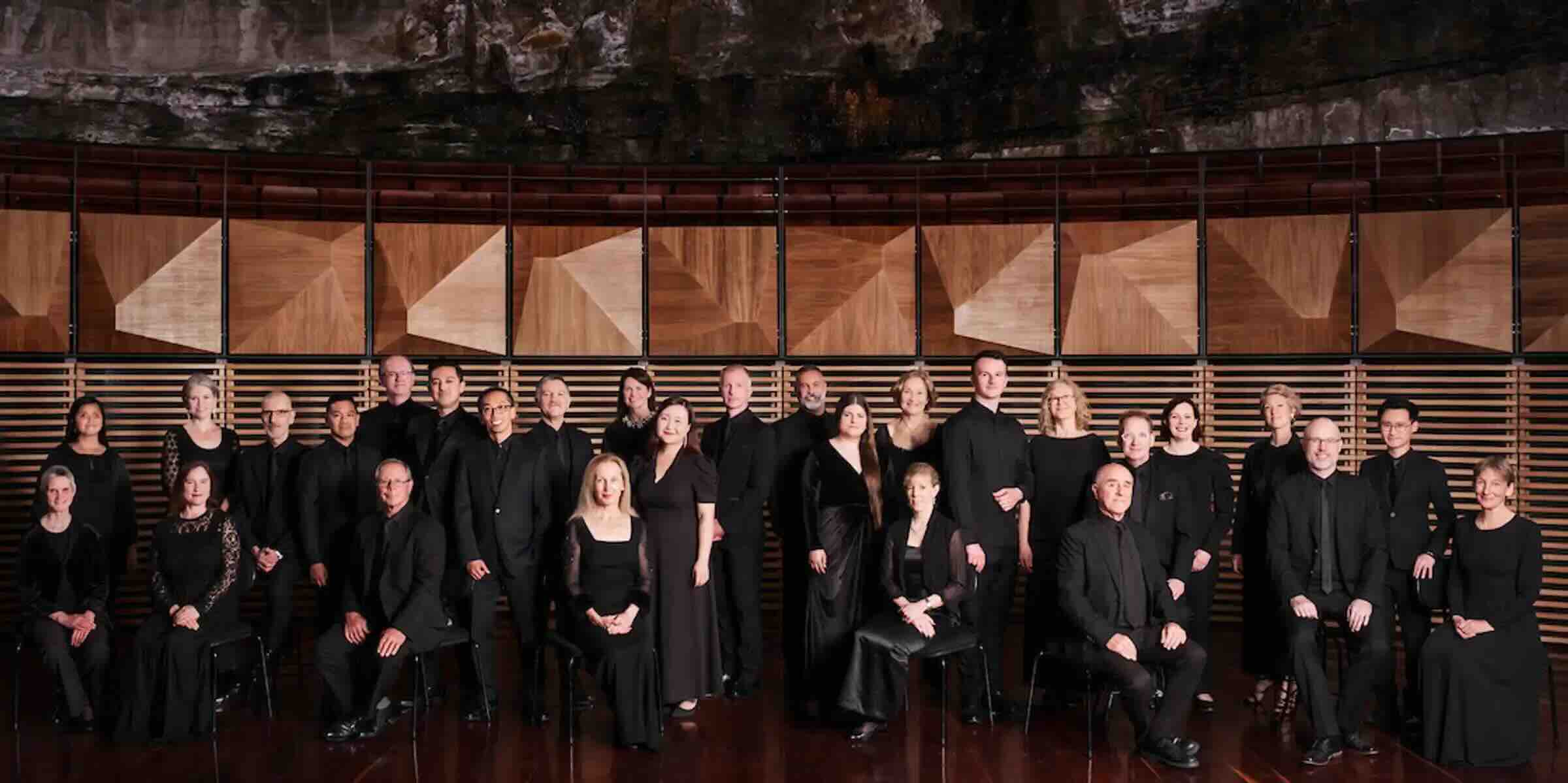
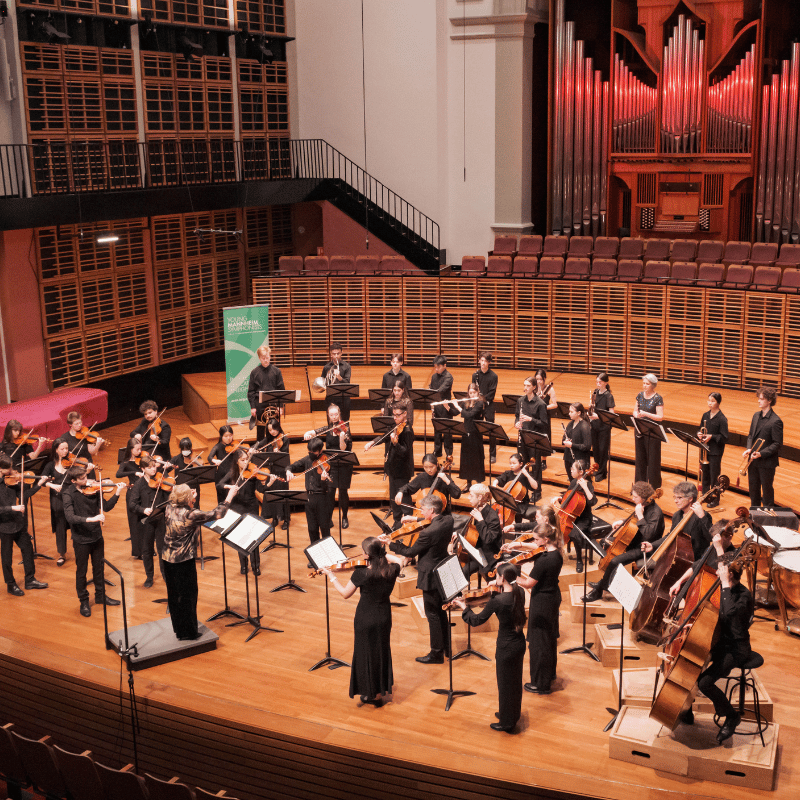
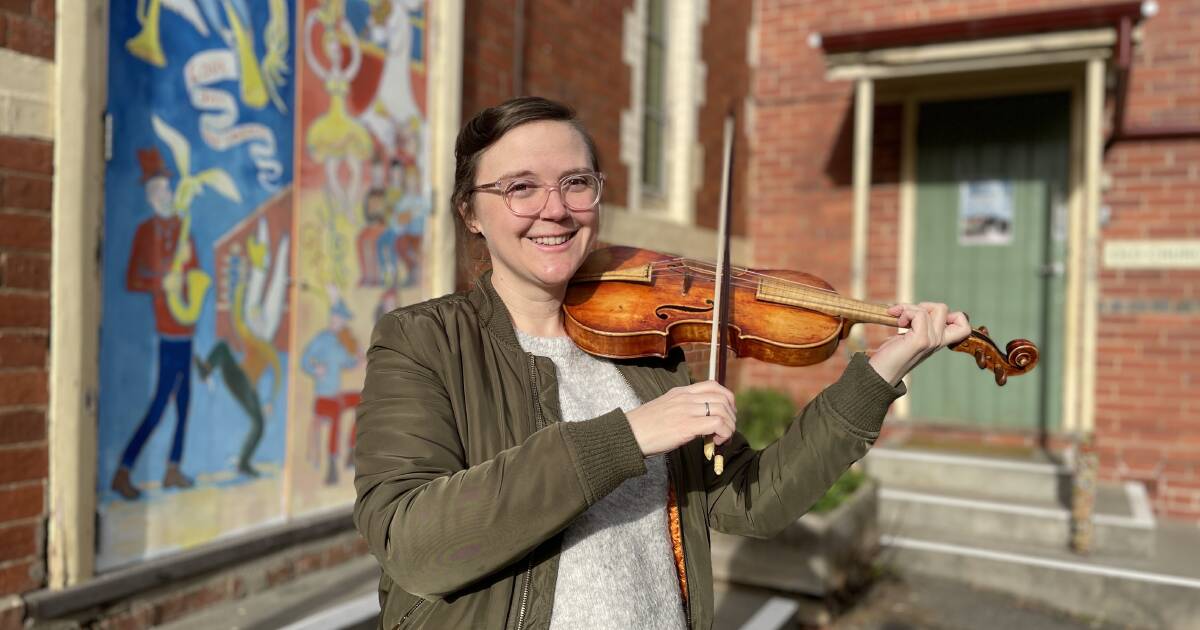
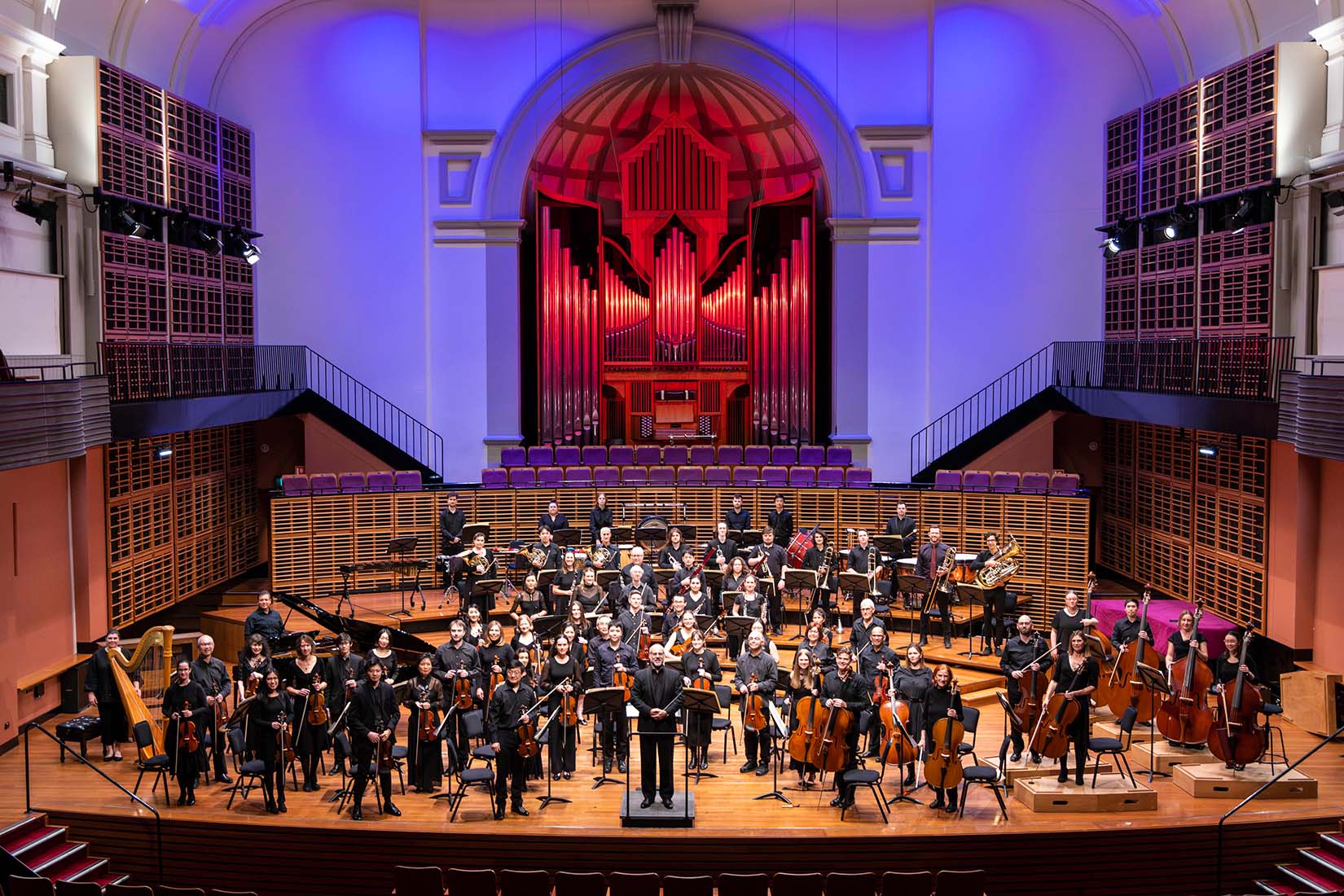
On Thursday the 27th of March, 2025 The Australian Romantic & Classical Orchestra will release their newest album Midsummer Dreams. It consists of works by Felix Mendelssohn and Ludwig Van Beethoven, who share a musical language that is influenced by both the Classical and Romantic periods, making ARCO the ideal ensemble to contribute a unique listening experience to the many existing recordings of this music. Conducted from the violin of Rachael Beesley, Midsummer Dreams captures “41 musicians playing on gut strings, historic winds, natural brass (including the rare ophicleide) and timpani” live in concert at The Concourse, Chatswood.
If you delve into the detailed and engaging booklet accompanying the CD (including reflections from the Co-Artistic Director Rachael Beesley, program notes by Yvonne Frindle and an essay “Finding Time in 19th-Century Orchestral Music” by Geoffrey Burgess) your experience of the music will be truly enriched. It is obvious that ARCO are dedicated to constantly absorbing the newest information available on this era of music. The result is a carefully curated, historically informed performance that balances precision and passion, transporting the listener as closely to the sound world of Mendelssohn and Beethoven’s 19th century audiences as humanly possible.
If you are looking to simply listen and enjoy, the amount of thought and love that has been poured into every note allows for an equally enriching experience. Beginning with the Overture to Mendelssohn’s A Midsummer Night’s Dream, you will be greeted by four sparkling chords, elegantly played by the woodwind section. These chords appear twice more throughout, bookmarking the beginning, middle and end of the Overture. Inspired by the writing of William Shakespeare, the ease and fluidity of execution in the following string motive captures the playful and fantastical quality of the original fairy-tale. This tastefully understated introduction creates space for the brass to lead several surprisingly powerful moments throughout this almost 13-minute piece.
The next four tracks are an invigorating interpretation of Beethoven’s shortest symphony, Symphony No. 8 in F Major. Overall, each movement is played with a sense of purpose and forward motion, however the musicians are not afraid to borrow time when necessary. The first movement (Allegro Vivace e con brio) highlights the unique colours of the historical winds. This is especially prominent when a rapid motive is passed seamlessly between each instrument group. The second movement (Allegretto Scherzando) is characterised by a steady pulsating rhythm, interwoven with a dramatic glissandi gesture, and sweeping melodies. Stately and sweet, the third movement (Tempo di menuetto) evokes a lilting dance with occasional bursts of energy. Finally, the fourth movement (Allegro Vivace) moves between moments of bird-like warbling, dramatic string gestures, shimmering winds, and potent brass sforzandos.
The orchestra return to the works of Mendelssohn (this time, the composer’s longest symphony) with his ‘Scottish’ Symphony No. 3 in A minor. Movement one (Andante con moto – Allegro un poco agitato) sets the scene: evoking a stormy landscape through lush textures and climactic chromatic passages. The second movement (Vivace non troppo) is all about the melody. The clarinet, flute and oboe emerge from the light rise and fall of the strings with a bouncy folk-inspired tune, enhanced by the strikes of the timpani and natural brass. Played with both gentle yearning and immense depth, the third movement (Adagio) satisfies with a slower tempo before racing into what might be the most recognisable moment of the album: the fourth and final movement (Allegro vivacissimo – Allegro maestoso assai). The combination of rapid lilting melodies and colourful textures creates a whirlwind of emotion as the symphony (and the album) spiral to a dazzling close.