Victorian Opera | The Coronation of Poppea
30 June 2026, Palais Theatre, St Kilda, VIC
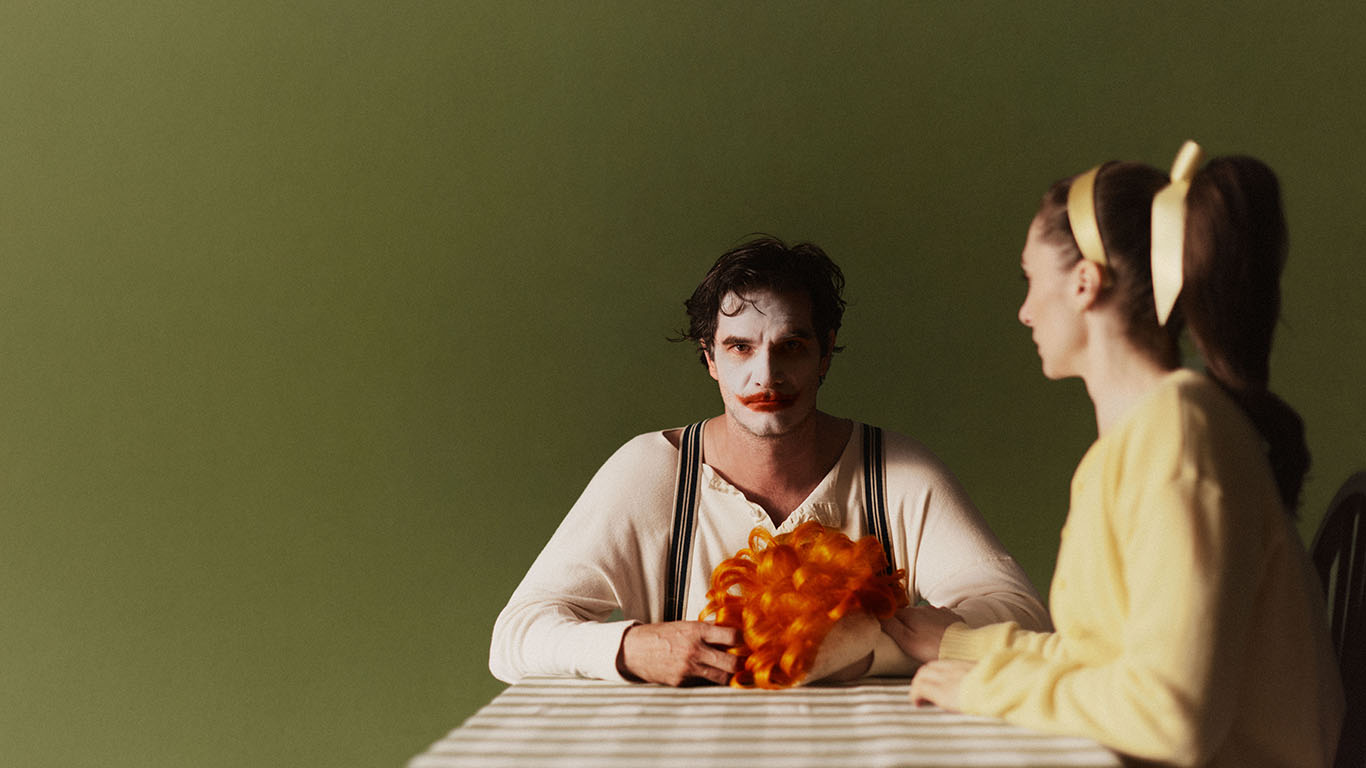
The Victorian Opera’s production of The Coronation of Poppea breathes new life into one of the earliest operas ever written. The casting is superb, the acting impeccable and the score comes to life, sounding baroque, jazzy, even ballad inspired, all at once. From 1643 to 2026, its themes of love, ambition, betrayal and violence are timeless and tied, for better or worse, to the human spirit.
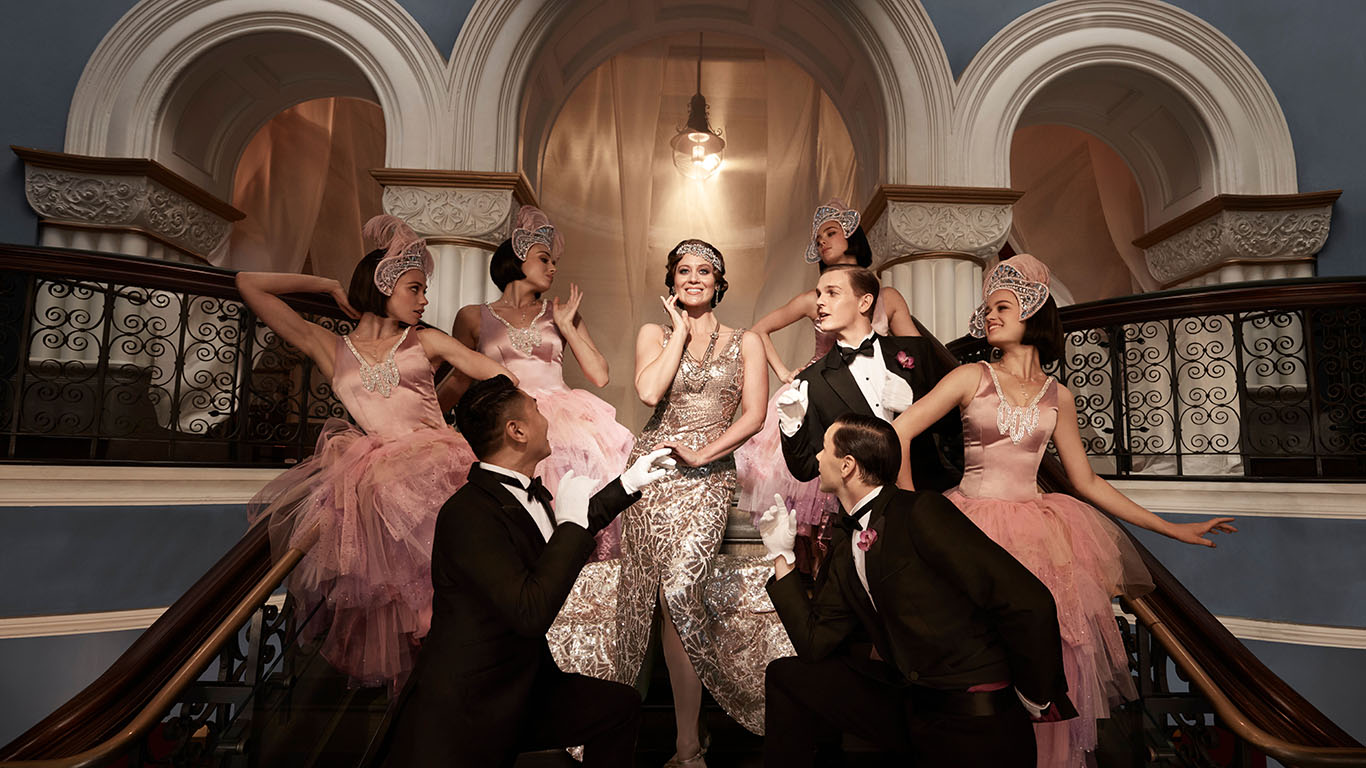
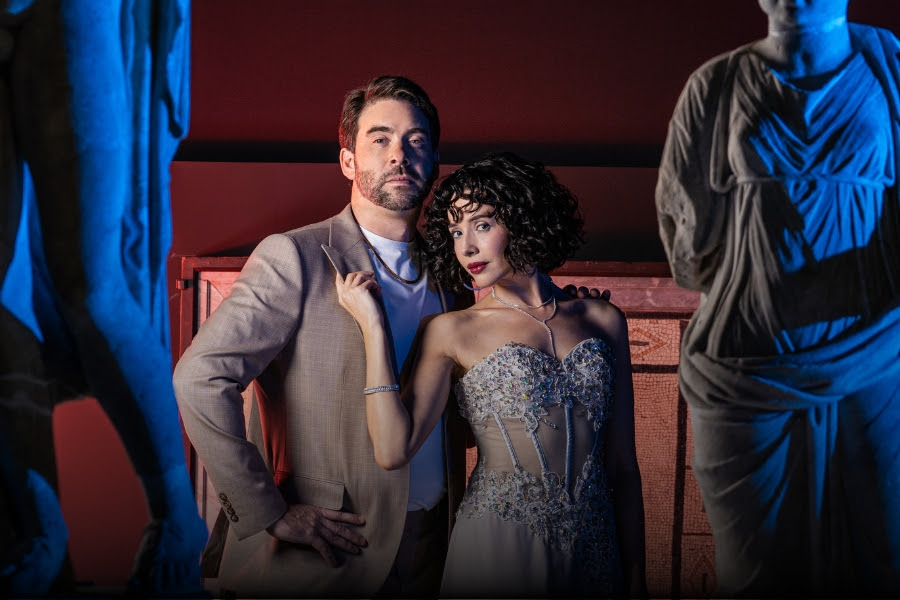
Set in the 1980’s world of nightclubs and gangsters, Anna Cordingley has built a nightclub dotted with classical statues and private booths that are put to a variety of uses. There is a wonderful effect, which I loved, where the curtain rises and extends your view horizontally indicating the arrival and presence of the gods.
Kudos to Lighting Designer Matt Scott too for his playful use of colours and tones that certainly reminded me of the 80’s.
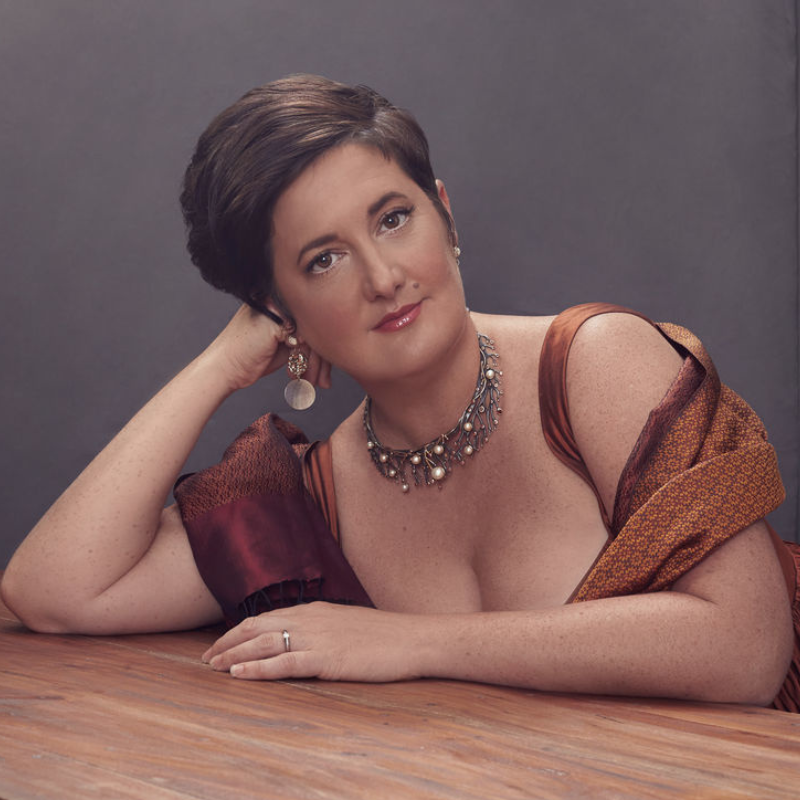
The costumes, also by Anna Cordingley, reflect the times and individual character of each role. Think a smart business suit twin set with shoulder blades and pearls for the Empress, sung with power and strength befitting a noble of royal birth by Margaret Trubiano, and a suit, singlet, gun holster (with gun) and gold chain for Nero, sung by Samuel Dundas, who carries off the slightly sleazy, trigger happy Emperor with aplomb.
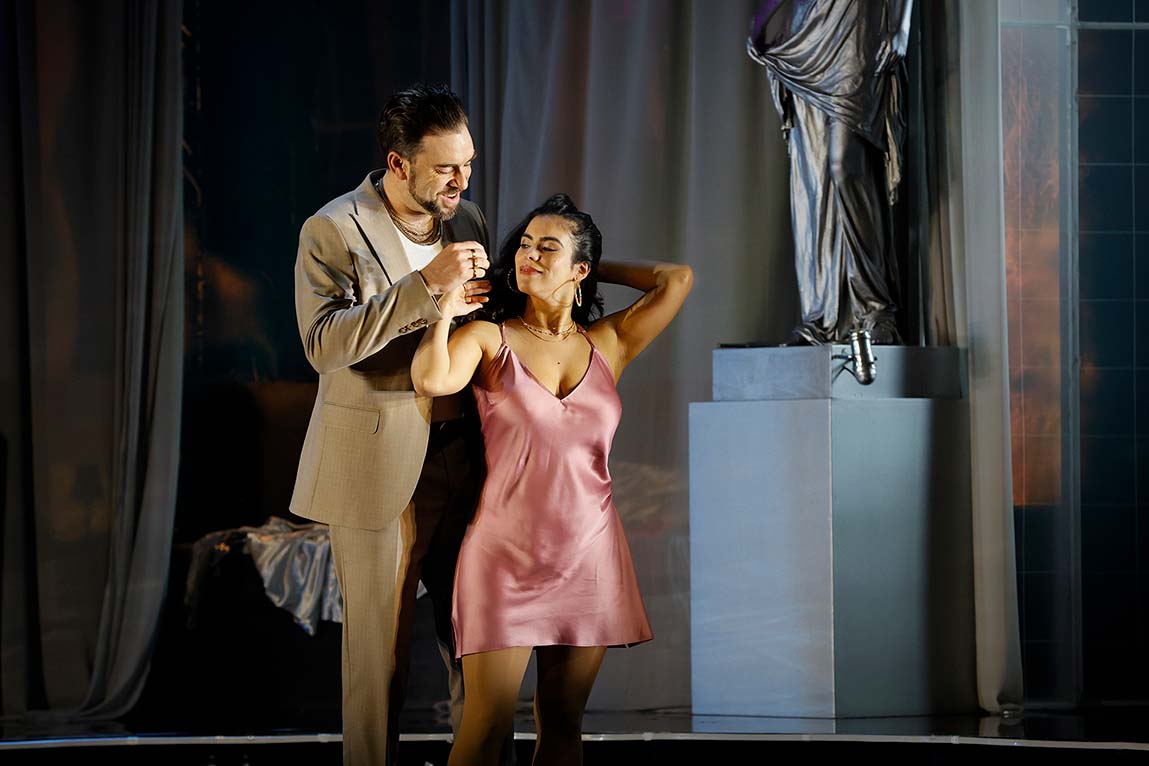
And there was violence a-plenty throughout, from Seneca’s suicide scene, sung with deep gravitas by David Greco with Liberto, his side-kick and suitably forlorn love-interest sung by Douglas Kelly. These pairings include the innocent and wide-eyed Druislla sung by Rachael Joyce and hopelessly in-love, and just plain hopeless, Ottone sung by up and coming star Jeremy Kleman, whose clear and resonate bass is a joy to listen; Ottavia and Aarnalt, sung by Bailey Montgomerie; and, of course, Poppea and Arnalta (more about them later).
The music is based on the original manuscripts by Monteverdi, which are quite sparse and mostly just contain the basso continuo and vocal lines, which has been enriched and through-composed by Elena Kats-Cherin.
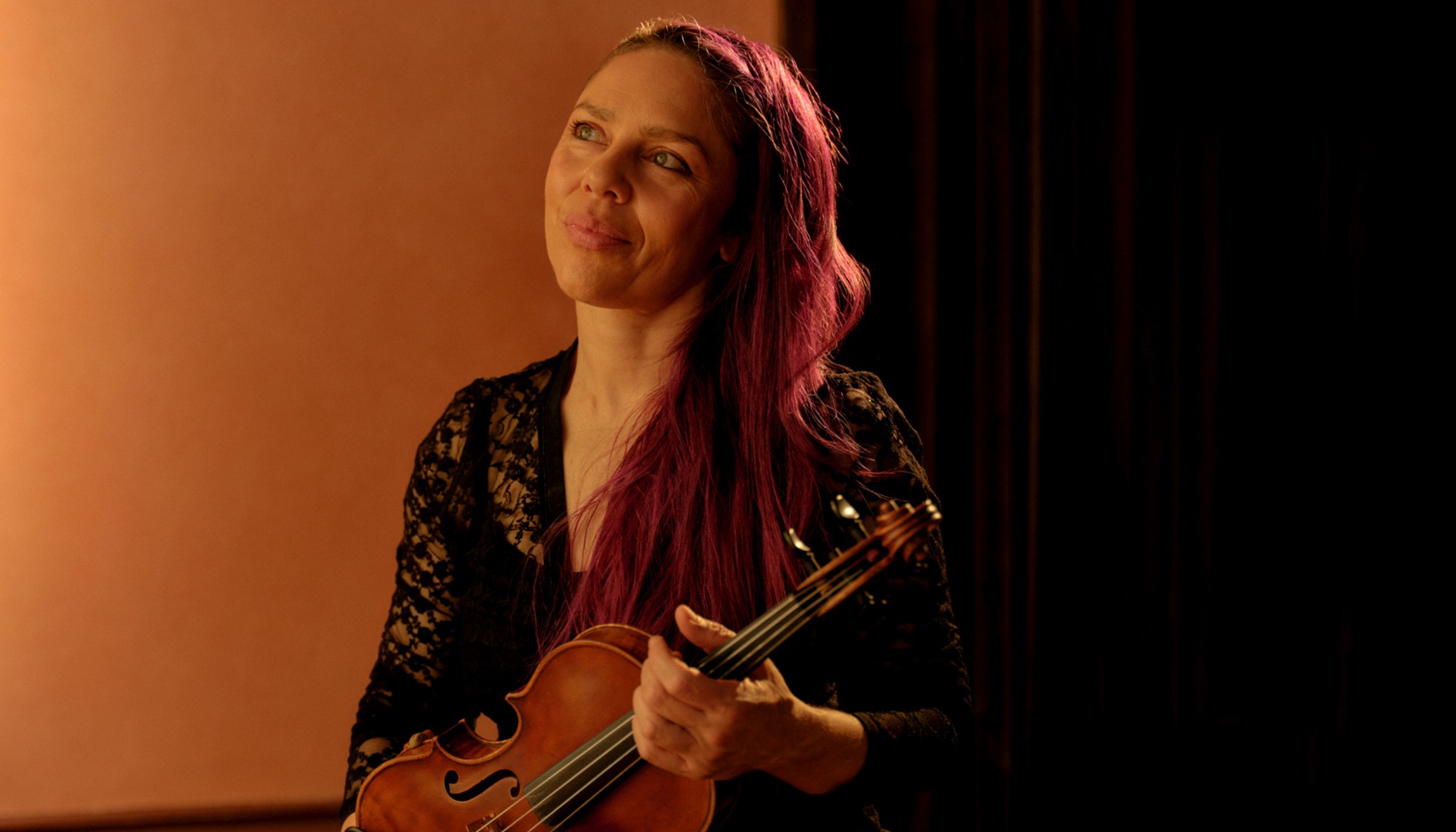
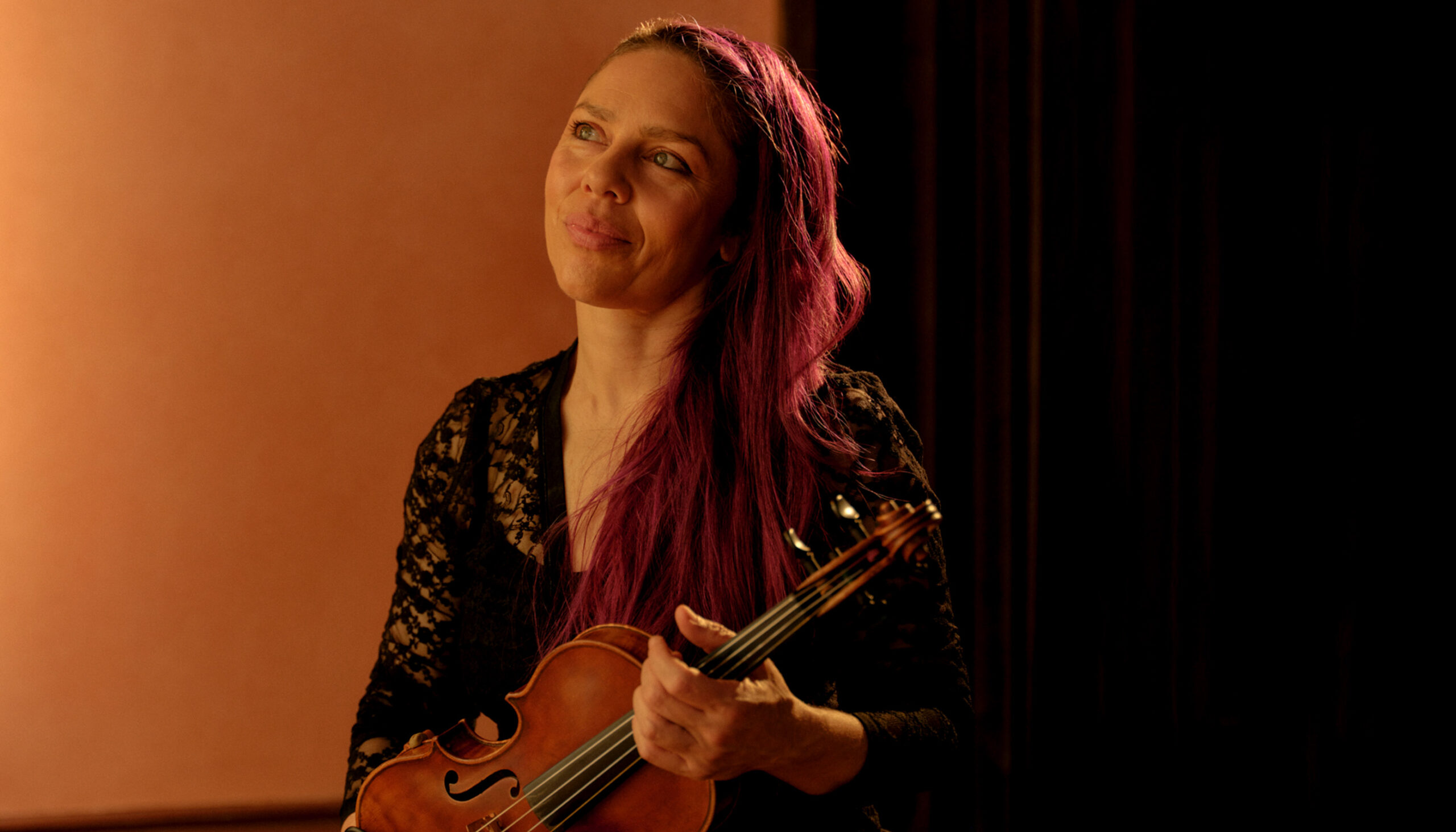
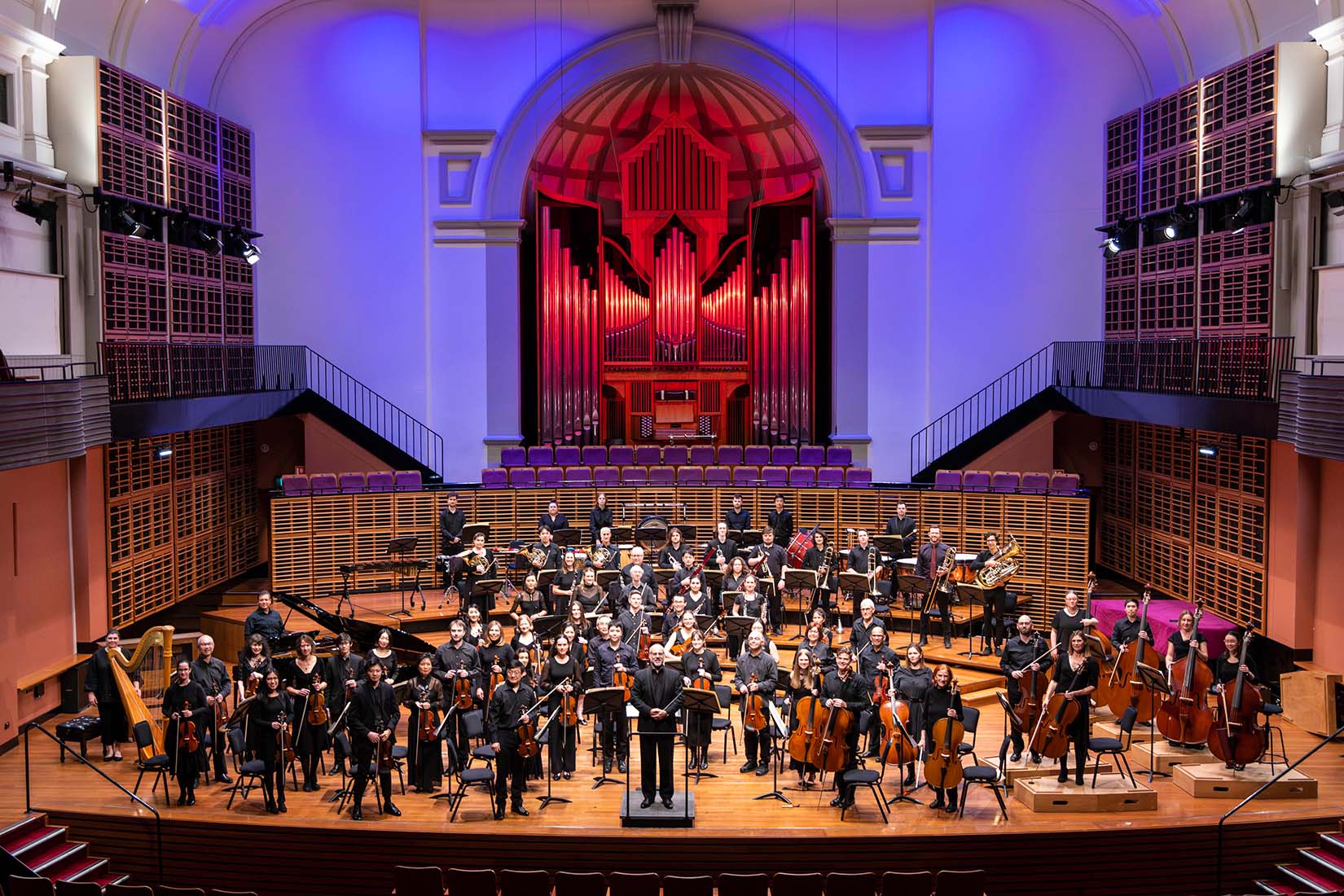
Conductor Chad Kelly, who also plays the piano for the production, along with the Victoria Opera Chamber Orchestra under Concertmaster and early music legend Rachael Beesley – shout out to Luke Severn on cello also – provide a tight and varied accompaniment. The music never gets tired and you can hear diverse influences from many styles and genres. Then music is wide and worldly, a bit like you’d imagine Venice was in the 1600’s.
The opera starts with the playful jostling of Amore, La Fortuna and La Virtu, gods who have decided to pit their powers against each other in a play for dominance, sung with enough of a sly eye on each other that we know they are serious by Mia Chenea Robinson, Alessia Pintabona and Amelia Wawrzon.
As the action unfolds, the characters reveal themselves, their desires, backstabbing and plotting, as well as their dependencies and weaknesses.
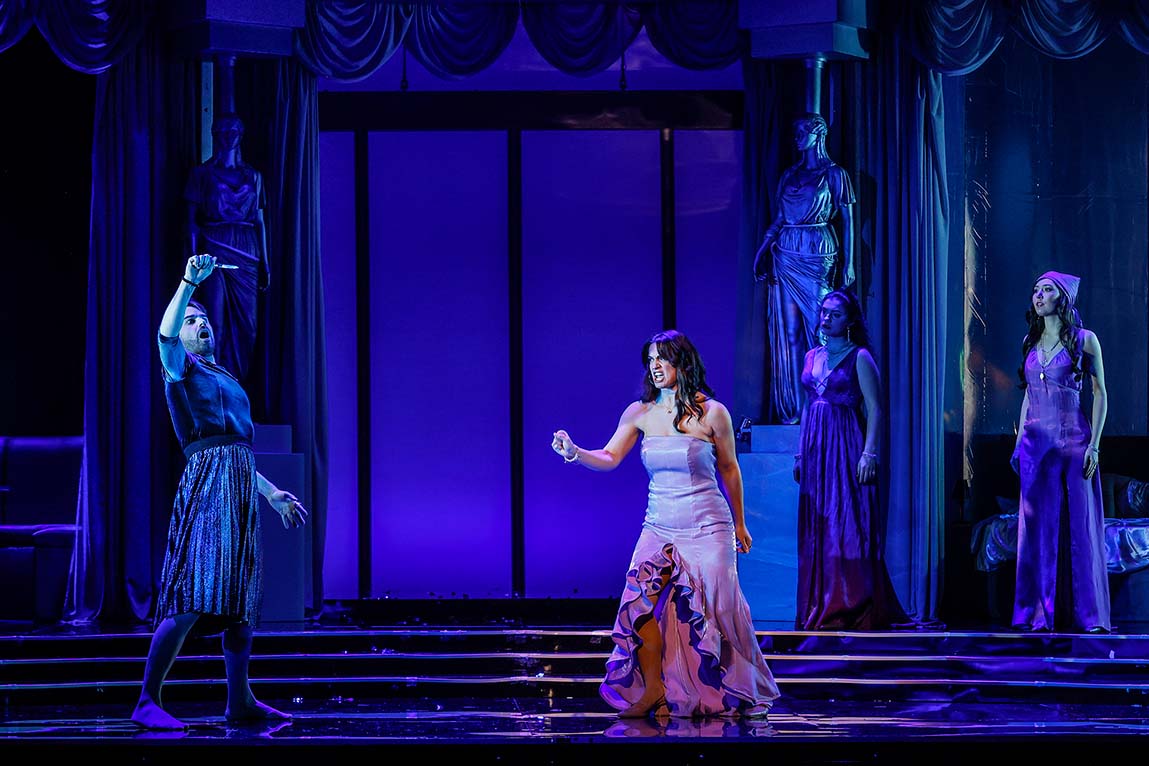
This version illustrates beautifully the interdependencies of servants and their masters or mistresses, and seems very contemporary in terms of the politics and ‘get ahead at all costs’ required to survive. The comedic elements reveal themselves, especially in the secondary characters such as Drusilla, Ottone and Arnalta where Louis Hurley excels in the which is in turns nurturing and sycophantic.
Poppea is undoubtedly the star of the show and Meechot Marrero brings sass and a great energy to the role. This is a woman who is not afraid to further her ambition and woe betide anyone who stands in her way. Marrero has a beautiful voice and stage presence that keep the action revolving around her character. I think it’s also really important to also credit Intimacy Coordinator Amy Cater for her work keeping everyone safe.
Monteverdi was no stranger to violence and had accompanied his patron, the Duke of Mantua, on two military campaigns, and I think in particular the twist at the end (no spoilers) would have shocked and delighted him as much as it did those of us who know the plot well. Alan Hicks does a wonderful job of adapting the text for a modern audience and the opera is cut down to an acceptable two hours.
Purists who may want to hear the full three and a half hours may prefer the gut strings and cornettos, but I adored the latin rhythms in the percussion and the clarinets and modern brass. This production feels excessive, with no expense spared. The only thing not excessive are the accessible ticket prices that the Victorian Opera work hard to provide to give as many of us as possible the opportunity to hear wonderful music sung and performed by the best in the business.
Photo Credit – Jeff Busby