Australian Haydn Ensemble | Beethoven’s Eroica
Mon 8 August, 2022 | ADCH (live at City Recital Hall)
The pandemic was great for one thing – being able to watch a beautiful concert in the comfort and warmth of one’s home when the sniffles return. Thanks Australian Digital Concert Hall for this last minute option B for those under the weather. Ironically this matched tonight’s theme of big revolutionary symphonies presented in chamber form. The music was written to be performed in big concert halls but many were arranged for performance by smaller ensembles in homes (albeit a little bigger than my own home) – most not heard in this arrangement for many many years. To quote the program “Without taking anything away from the glorious full colour of the orchestral originals, they offer an authentic and delightfully vivid opportunity to hear this music the way that many – probably most – of its contemporaries would first have encountered it.”
The concert opened with the first movement (“The Revolution”) of Wranitzky’s Symphony in C Minor after a very informative introduction by Artistic Director Skye McIntosh. Wranitzky, a friend of Haydn and one of few allowed to arrange Haydn’s music, wrote this wonderful piece to reflect the time of the French Revolution, with rousing revolutionary English and Prussian marches. The full composition was for wind band but this arrangement of La Paix for six strings was possibly more pleasant and appropriate for my sitting room view. It was as good as any operatic overture of its time. Beautiful ensemble playing, dynamic range and drama.
Perfect music for a parlour or concert hall concert.
Mozart’s Symphony No. 40 in G Minor in four movements is standard repertoire for most chamber orchestras. This arranged version by famous double bassist Giambattista Cimador for six strings and flute were written to appease the musicians of London who found them too difficult and to make them more marketable for amateur players, without taking too much away from the orchestral colours and sound world. It was a breath of fresh air to hear a more delicate version of this formidable symphony. Again the interactions between the players were intimate and intelligent and drew the audience into the theatre of the piece. I do admit to turning up the volume in the dramatic parts!
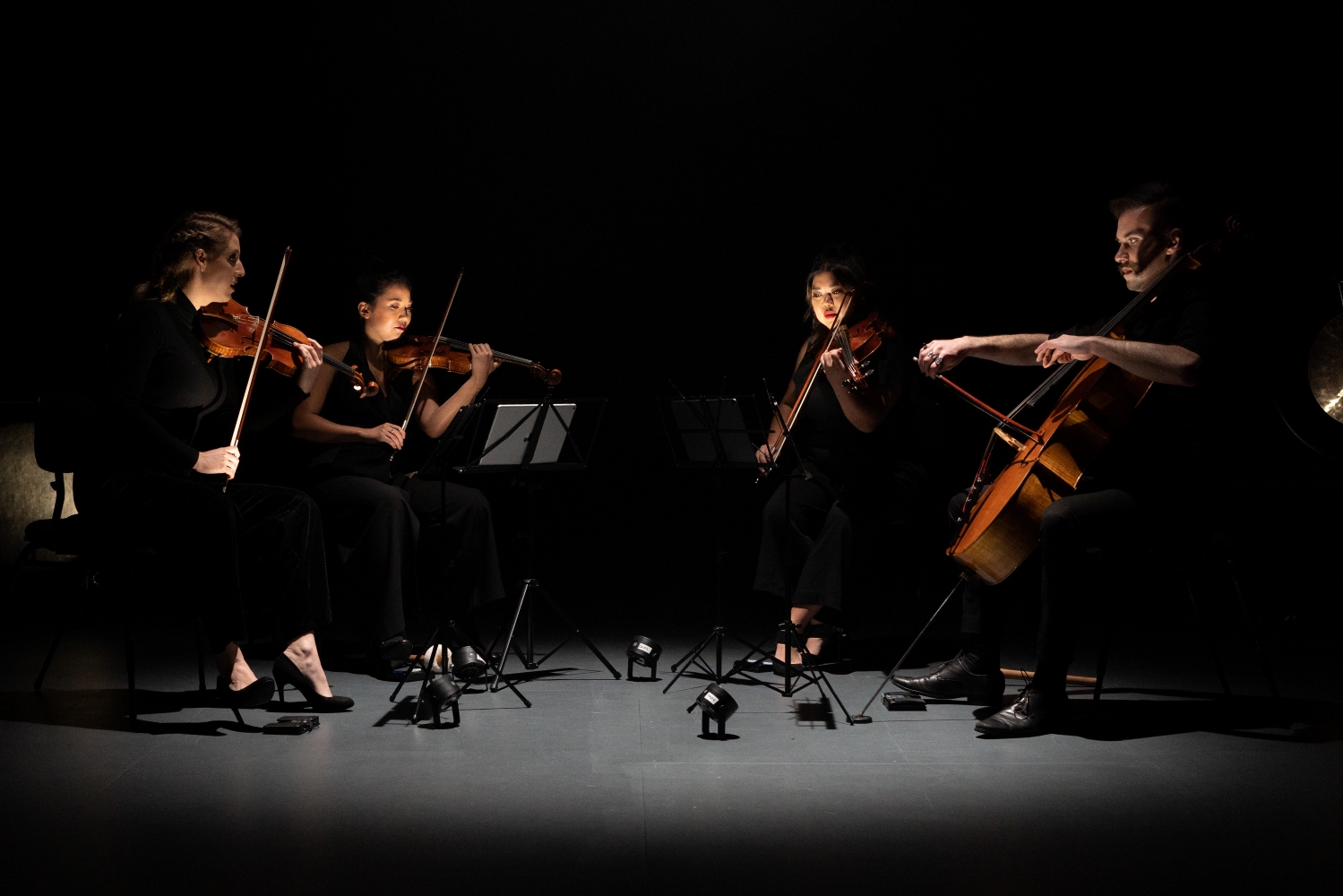
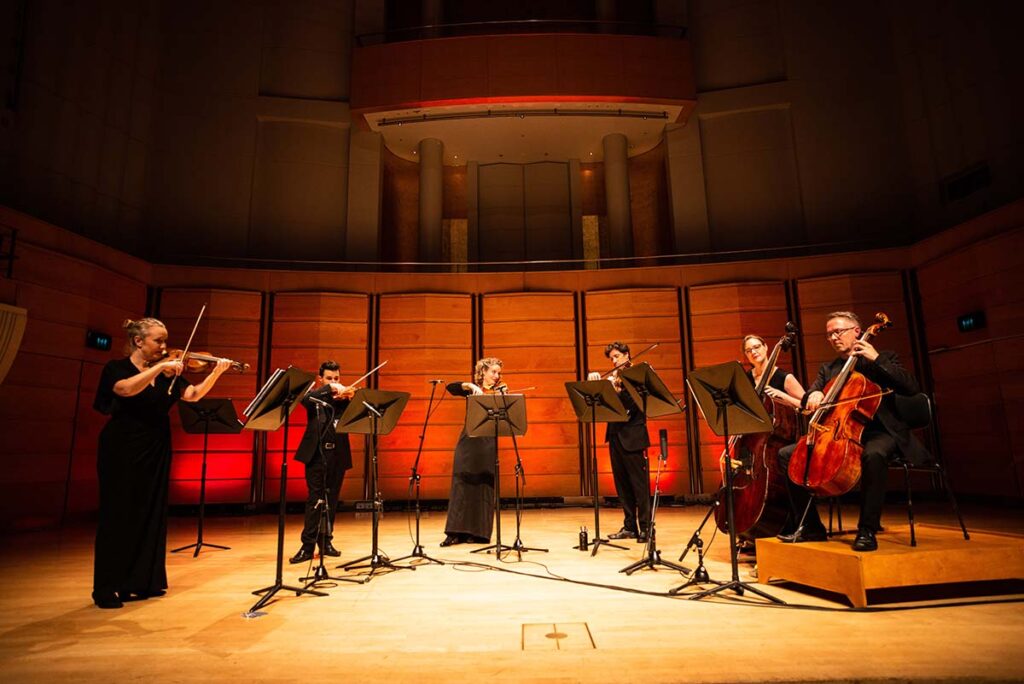
After interval, we were treated to the pièce de resistance (pun intended). Beethoven’s Symphony No. 3 “Eroica” is a triumphant and large symphony, and it works remarkably well for chamber ensemble of seven, arranged by Girolamo Masi with the tricky parts reinstated by Australian Vi King Lim. I have heard many works of this era for string quartet arranged for chamber orchestra, and it often is too big. The reverse works much better. This version has apparently not been performed since the early 1800s – what a treat for us. It is amazing how you can hear so many new things out of a piece I have heard dozens of times in full mode. How Melissa Farrow can carry an entire wind and brass section is remarkable, and the double bass so percussive.
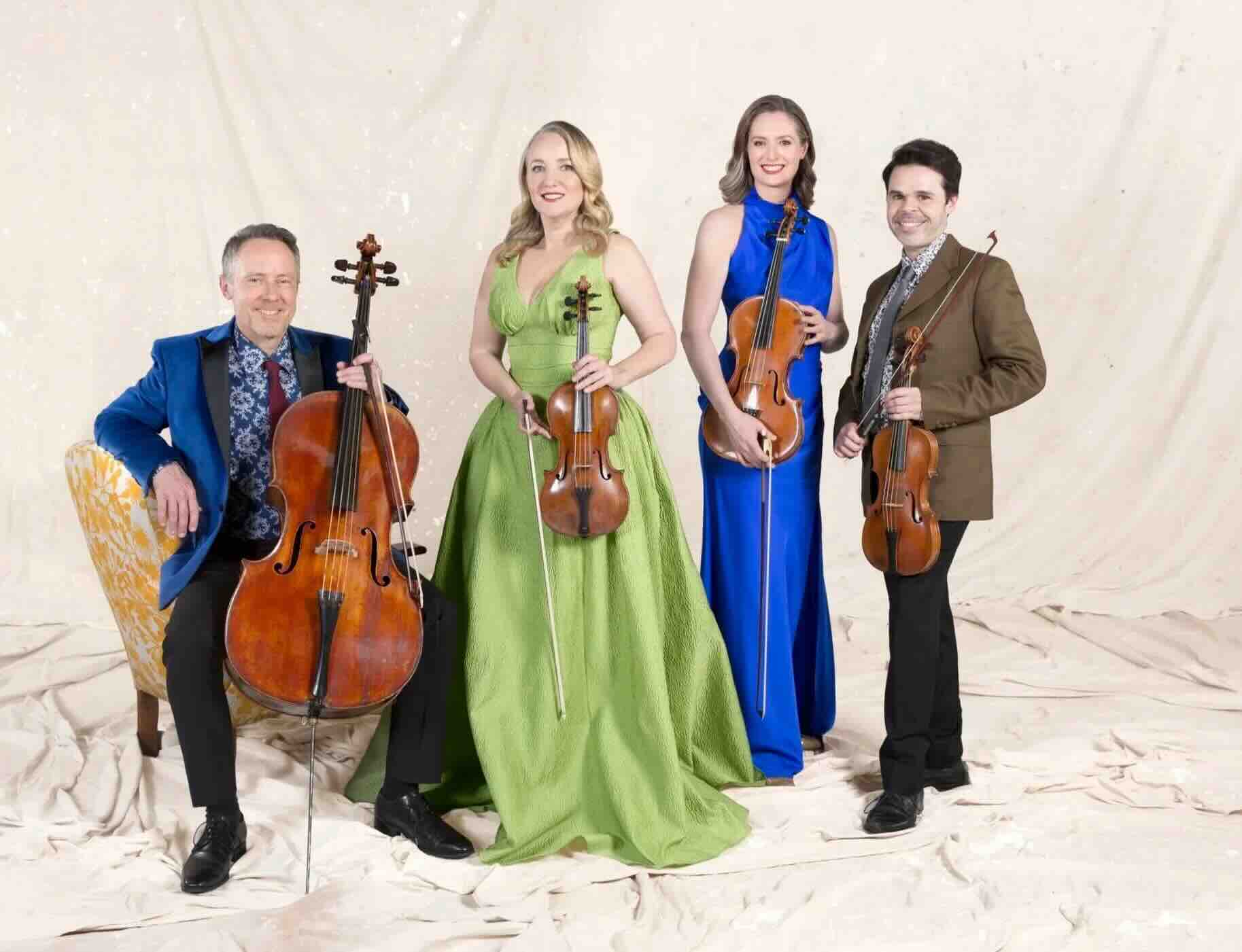
The Australian Haydn Ensemble were virtuosic, delicate, dramatic and revolutionary in equal measure.
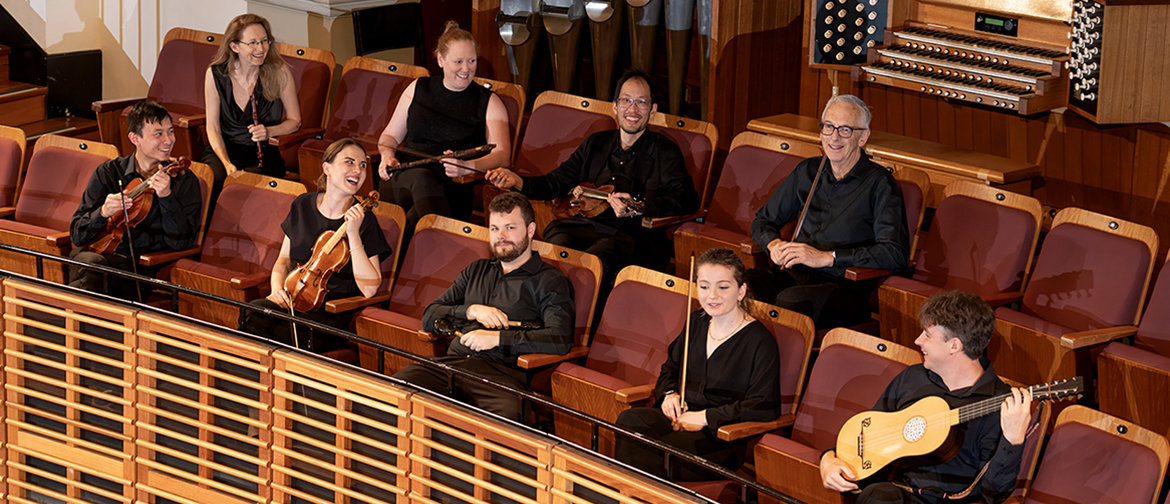
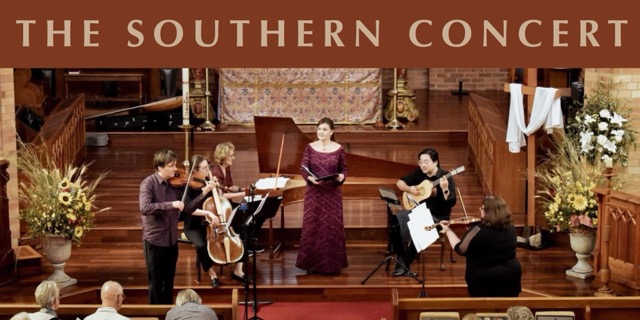
Beethoven may have written “a miraculous piece which smashes symphonic conventions with joyful abandon”, but the AHE’s performance certainly did not abandon any joy in their musicianship. With only seven musicians, there is indeed nowhere to hide in a 50-minute symphony, but none needed to. Skye’s direction of the ensemble was remarkable throughout the concert. My only criticism was that it would be great if the performers were not so crowded on the stage – the one wind player being relegated to the back looked a little strange. (Skye told classikON later that this is a choice that AHE have found over time works the best for the overall sound.)
I loved Skye’s thoughtful and stimulating engagement with the audience. It’s something I hope will be commonplace in more chamber music programs as it is such a lovely way to hear directly from the musicians about why those chose the music to perform. Very much looking forward to the next program with John Bell, who will be playing the ghost of Haydn.
And the best part of watching it via the ADCH? Watching it again the next day in the comfort of my own parlour. And maybe just one more time on Wednesday.