Danaë Killian | My Heart
January 22, 2026, Primrose Potter Salon, Melbourne Recital Centre, VIC
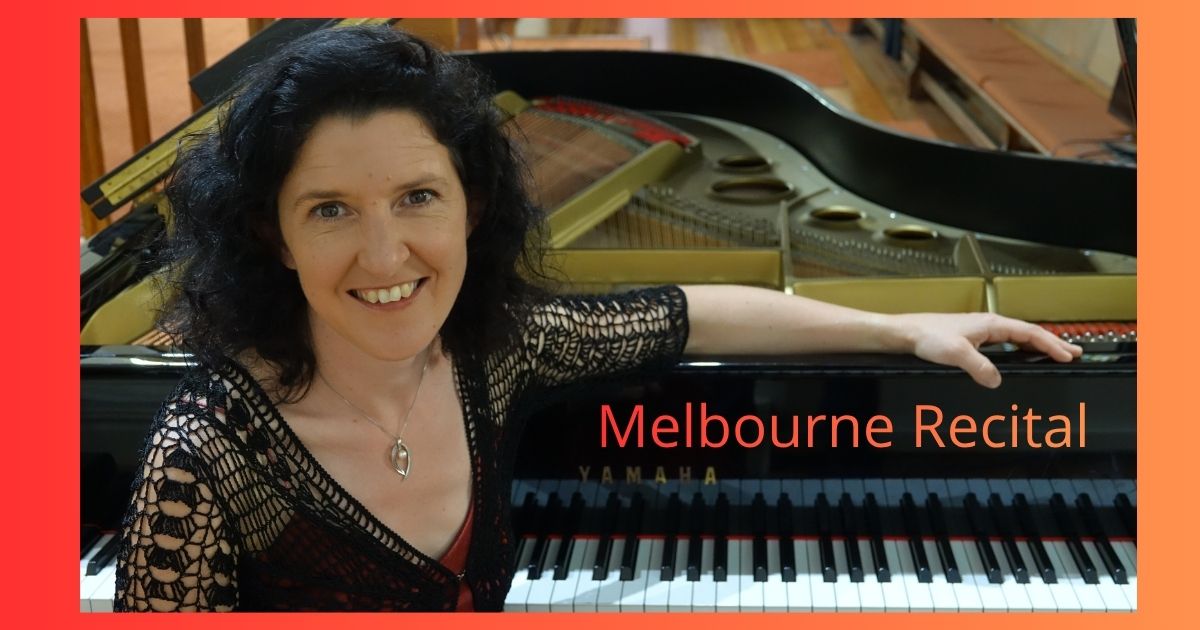
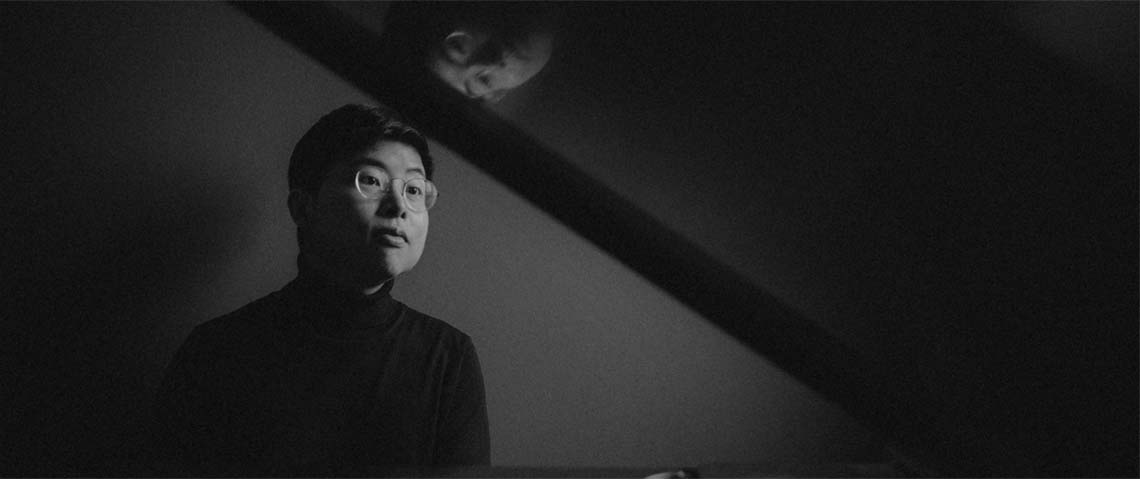
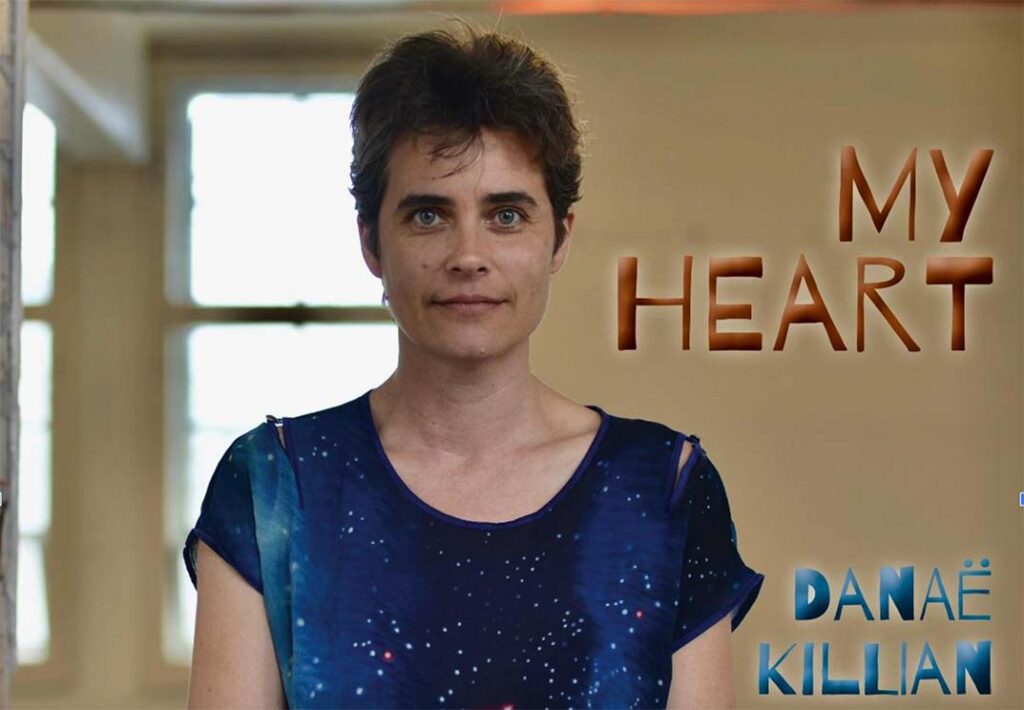
There are times, not very often, when a concert or recital turns out to be much more than its title suggests. Pianist Danaë Killian’s concert My Heart was such an event. Presented to celebrate the launch of her latest album My Heart (Move Records, 2026), the promotional material declared the concert “An expressionist solo piano adventure”, but it was considerably more profound. This performance was a carefully crafted curation of music, poetry, prose, gesture, costume, theatrical sets, and lighting, all combining to transport the audience to a transcendental and sensory journey.
Presented in the intimate atmosphere of the Primrose Potter Salon at the Melbourne Recital Centre, with warm lighting creating an illusion of movement in the walls, the concert featured compositions from Danaë Killian, Arnold Schoenberg, Howard Dillon, Christine McCombe, Amelia Barden, Colin McKellar, Gregers Brinch, and Evan J Lawson. Most composers are Australians based in Melbourne, with the exceptions being Danish composer Gregers Brinch and Arnold Schoenberg. As an afterthought to most of the composers being Australian, in 1934, Schoenberg applied for the position of teacher of harmony and theory at the New South Wales State Conservatorium in Sydney. He was not appointed. One of the remarks written on his application by the Conservatorium’s academics was “Modernist ideas and dangerous tendencies”. The mind boggles at what Australia’s musical landscape might have looked like had he lived here.
A distinguishing feature of this concert was the seamless transition from one piece to another, without applause, creating a cohesive and integrated entity. The concert opened with My Prussian Blue Heart, a three-movement work by Killian, inspired by German-Jewish Expressionist poet Else Lasker-Schüler’s 1911 novel Mein Herz. This substantial work for voice, tarot cards and piano provided the framework for the whole event, with its first and third movements book-ending the evening and the second movement punctuating the middle of the program. In a darkened auditorium, Killian’s seemingly disembodied voice emanated from a corner, setting a dramatic, somewhat otherworldly tone. Reciting both original poetry and prose, and moving to a set of tarot cards to continue her vocalisations, this work set the template for the concert’s progression. Throughout its three movements, My Prussian Blue Heart used a full range of piano sounds including extended techniques with plucked strings, objects including stones and books sounding the strings, and other devices placed inside the instrument. Various vocal techniques including singing, speaking at varying intensities and sprechstimme were employed throughout My Prussian Blue Heart.
It is always a pleasure to listen to Schoenberg. His Drei Klavierstücke were performed beautifully and without sheet music, demonstrating Killian’s expert familiarity, affinity, and deep understanding of Schoenberg’s works. Among the many high points in this concert was Howard Dillon’s Möbius. This fast-flowing piece used gestures that relentlessly repeated and returned, always with slight deviations, until finally disintegrating. The work evoked a sense of mystery that concurred with the character and mood of the event, as did all the individual compositions in this program. Christine McCombe’s Asphyxed contrasted with the previous work, starting with slow, haunting, and softly-played gestures, gradually moving towards sections with more intensity. Similarly, Amelia Barden’s The Seventh Centre commenced with calm, slowly unfolding arpeggios before surprising the audience with a forceful and unexpectedly louder section in its middle.
Colin McKellar’s compositions often combine meticulous planning and structure with joyfulness and dance-like gestures. Killian’s stylish and elegant interpretation of McKellar’s Birth Music escorted the audience through the work’s thoughtful, complex motifs with ease and playfulness.
Danish composer Gregers Brinch’s four-movement work Two Minds, was performed by Killian in a manner that revealed each section’s full gamut of emotions, tone colours, and dynamics, demonstrating further Killian’s enormous powers as a leading exponent of the atonal piano repertoire. Equally, her interpretation of Evan J Lawson’s Sikinnis 111 was masterful, conveying to the audience the work’s resonant textures, rhythmic complexities, and its underlying sense of melancholy.
It is not easy to express in words the impact an event can have on an audience, however, by describing the intensity of applause, and by depicting the look of admiration, satisfaction, and wonder on the faces of the audience, it may help to convey to readers the artistic success of this rare concert. Danaë Killian’s impressive performance and her ability to curate the works into a cohesive whole resulted in an exceptional artistic experience, an event in which it truly seemed like time had been halted. Congratulations to Martin Wright at Move Records for documenting this achievement, congratulations to the composers whose works were featured, and congratulations especially to Danaë Killian for her performance, her vision, and her artistry.