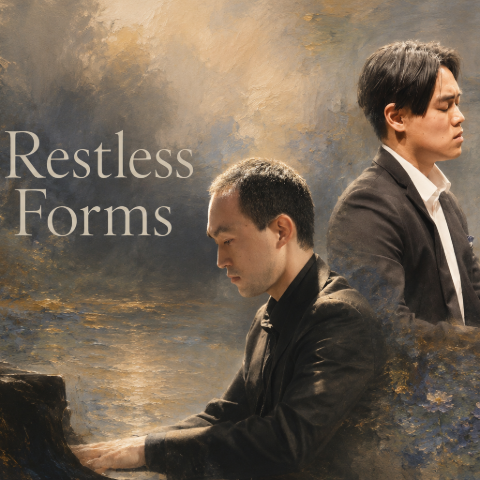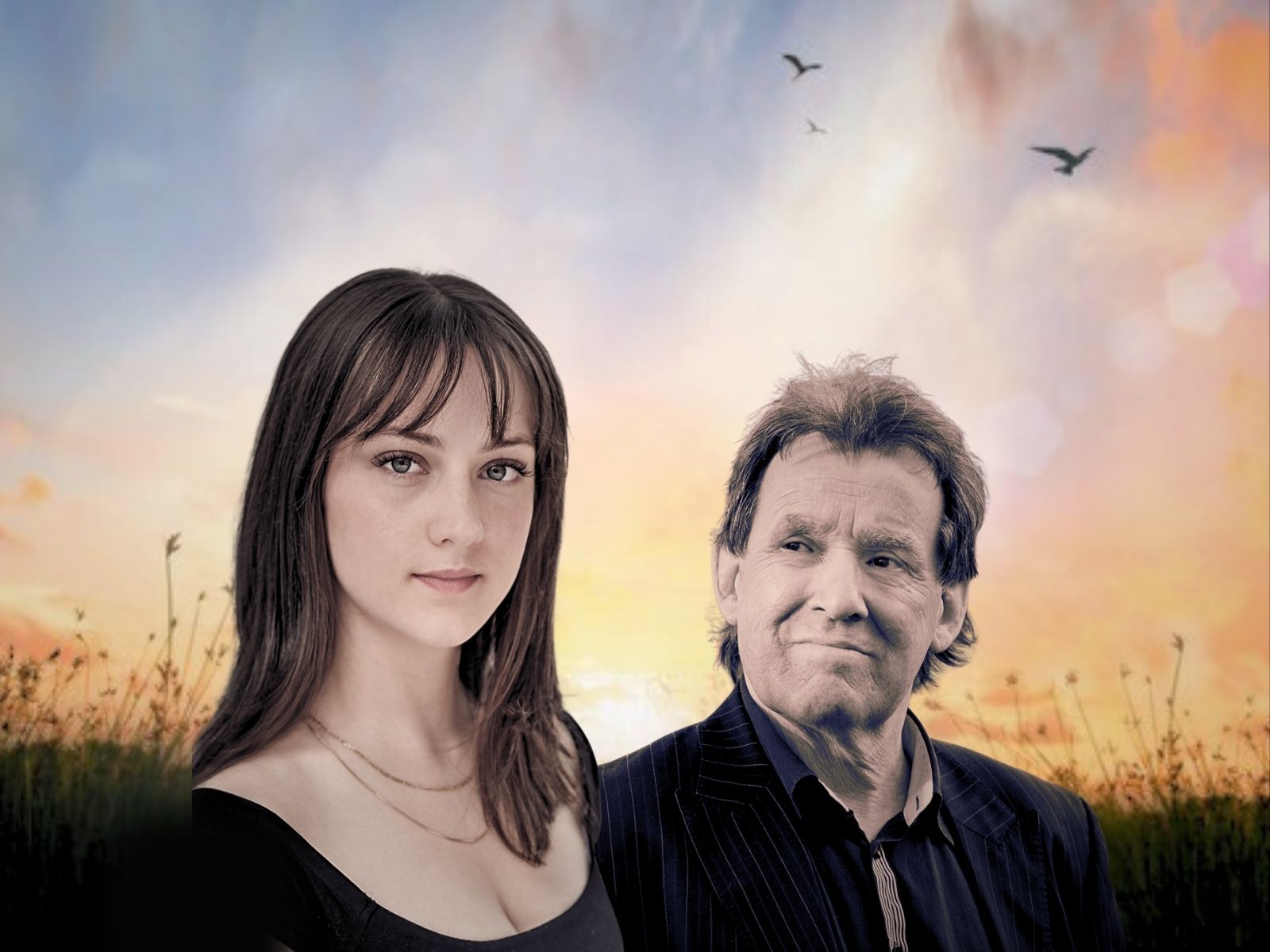
Stephanie Trick and Paolo Alderighi | Classic Jazz in Four Hands
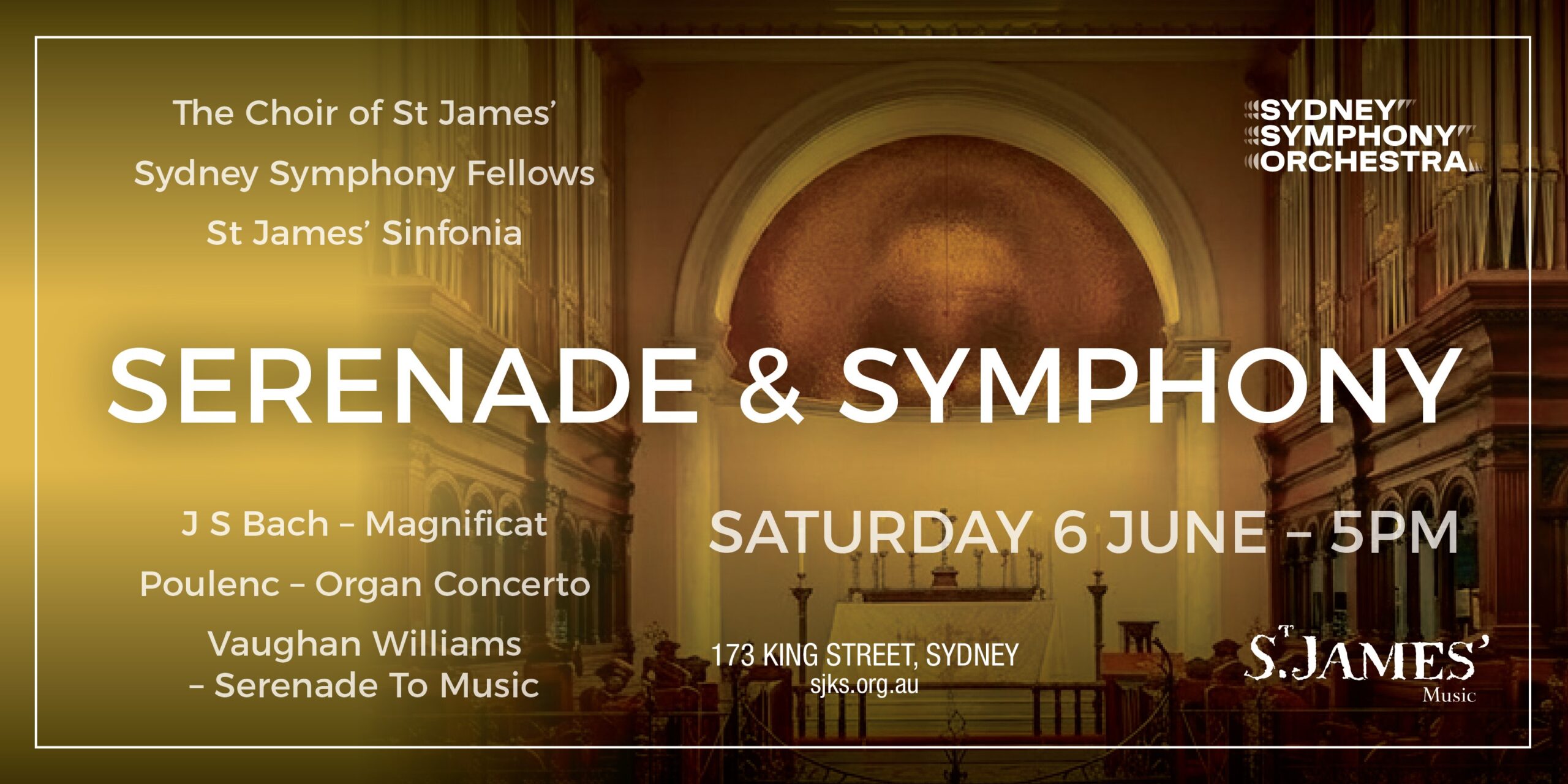
February 11 2026, St James’ Church, Phillip St, Sydney, NSW
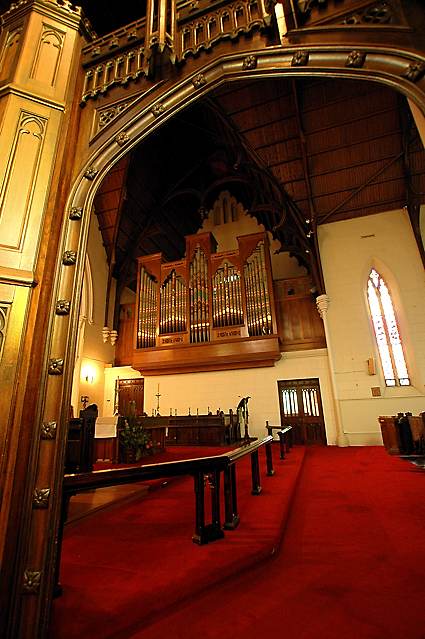
It’s not every day you walk into one of Sydney’s oldest churches and feel as though you’ve wandered into an underground jazz club – that was the delicious contradiction of St James’ musical offering this week.
St James’ has long championed an eclectic and thoughtful music program. Yes, there is the excellent choir. Yes, there are terrific organ recitals and orchestral masses. But there are also lunchtime recitals, evening series and programs that stretch well beyond the expected sacred canon. This concert by Stephanie Trick and Paolo Alderighi was a perfect example. Not the sort of music you’d assume belongs in a large sandstone church!
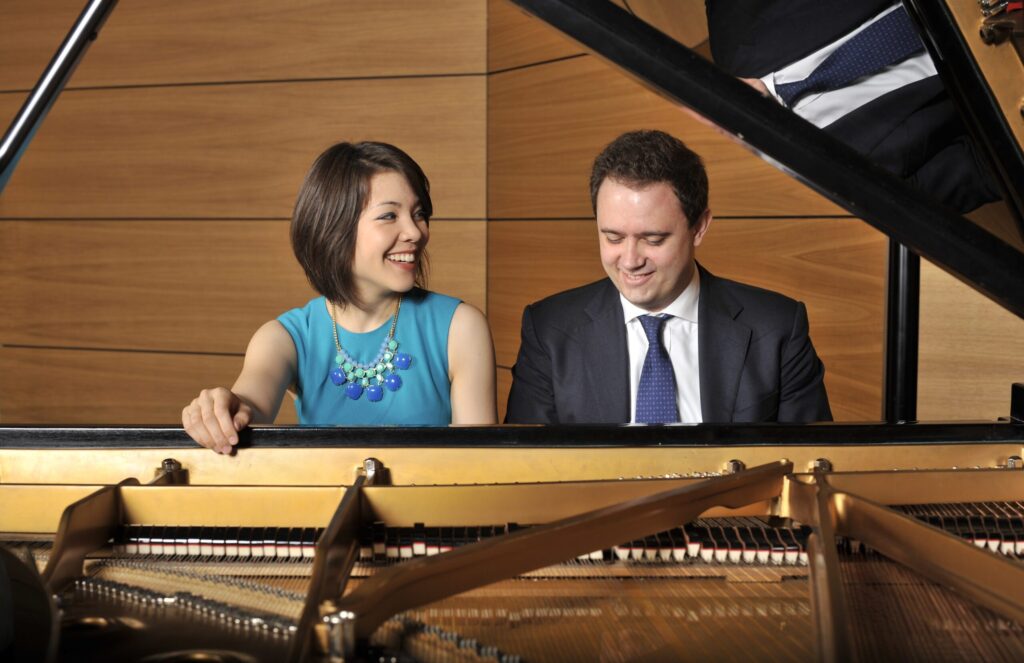
The acoustic is generous, the piano excellent. Two pianists at one instrument in that space created a beautiful continuity of sound, something you simply don’t get with two separate pianos. Visually, even lines of church pews make it slightly tricky to see every moment of pianistic brilliance, but aurally it was great.
After a brief introduction from Paolo — and some wonderfully nerdy historical context throughout the evening — wham, bam, we were on. This was not polite page-turning performance. They played entirely from memory. These were pieces they knew deeply.
We heard about first recordings of jazz in 1917, about the early recording industry. We learned that Dardanella was the first instrumental recording to sell one million copies. These fun facts peppered the program all night, adding context to the music we were hearing.
Tiger Rag (1917), originally featuring trombones creating the famous “tiger roar”, became in this four-hand arrangement four hands plus two forearms. Stephanie recreated the roar using her forearms on the keyboard – and because they told us beforehand, you could actually hear it happening.
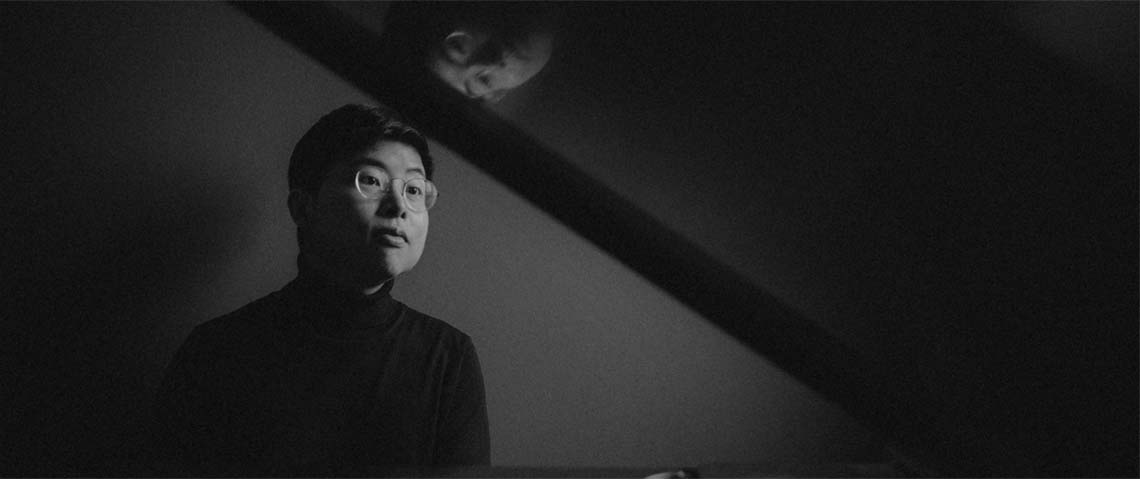
Stride piano featured heavily — the lineage from James P. Johnson through to Fats Waller and beyond. Stephanie’s solo moments were jaw-dropping. So fast. So rhythmically grounded. I wrote simply in my notes: “Woo!” She is known as a leading exponent of stride piano, and you could see why. The left hand steady and powerful, the right hand flying.
Then there was Sweet Georgia Brown, most often remembered through Nat King Cole’s trio arrangement. Here it was reinterpreted for four hands, the performers literally jumping out of their seats, especially on the final note.
Throughout the evening, they were crossing hands, standing up, swapping positions, adding ornamentation while half-standing over each other. Sometimes they appeared to be almost pretzelled as they reached in and around one another to grab the notes they needed, and yet the sound was seamless. The musical synergy between these players was lovely to watch. You recognised the tune even in the most complex arrangements, such as the medley from My Fair Lady. That’s a real skill, to embellish and reharmonise so extensively yet never lose the thread of the melody.
Tea for Two, one of the great jazz standards, became a solo showcase for Paolo – fluid and utterly charming. And in Mood Indigo and Ring Dem Bells, we were reminded of Duke Ellington’s genius, the man who elevated jazz from popular entertainment into the concert hall. Ring Dem Bells was chosen, we were told, because we were in a church. A cute idea, but then the rector actually took hold of the bell ropes and sent the St James bells pealing. Real bells. In a real tower. It was a genuinely lovely moment of connection between program and place. One wonders how many Sydney churches still have working bell ringers – but here, St James certainly does.
There was physical comedy, high energy and immense trust between the players. Watching them felt a little like pairs figure skating – especially timely with the Winter Olympics just beginning. That same level of virtuosity, risk and trust. They always knew where the other was going, even in improvisation.
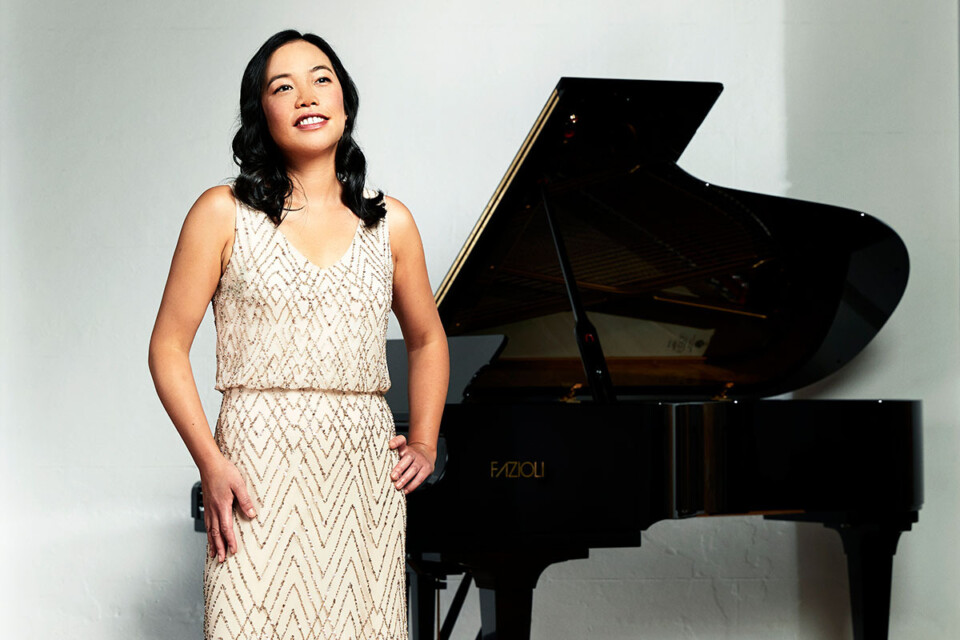
At times I felt I could have been in a piano bar with a martini rather than on a church pew. And yet the venue elevated it rather than diminishing it. It showed, quite beautifully, that you can turn almost anything into classical jazz if you know how. And wow, did these people know how. Their credentials are formidable. Both classically trained — Stephanie Trick graduating cum laude from the University of Chicago, Paolo Alderighi from the Giuseppe Verdi Conservatory in Milan and Bocconi University — they have built an international career pioneering four-hands jazz performance. Festivals across the United States, Europe, Japan and Australia. Multiple albums. Awards. Collaborations. It showed.
An encore followed — a playful mash-up of ragtime and Waltzing Matilda. It could have tipped into the overly cute, but it didn’t. Instead, it felt like a generous nod to being in Australia.
It was a charming performance in a charming space (thanks St James’ for the refreshments in the courtyard at interval). The audience tapped feet, nodded heads and smiled widely. So glad I went.
And Sydneysiders, do look out for future St James’ programs as they continue to surprise, and delight.