Austral Harmony | Paul’s Steeple
April 29, 2026, St James’ Church, Sydney, NSW
Austral Harmony’s Paul’s Steeple: a wonderful and sensitive relief from the busy city outside
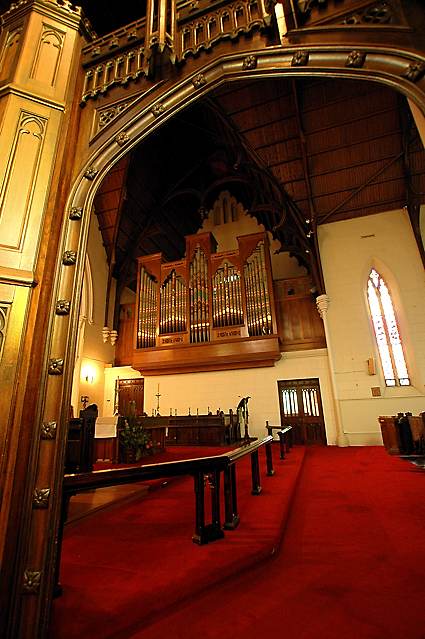
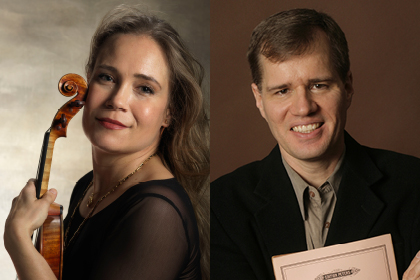
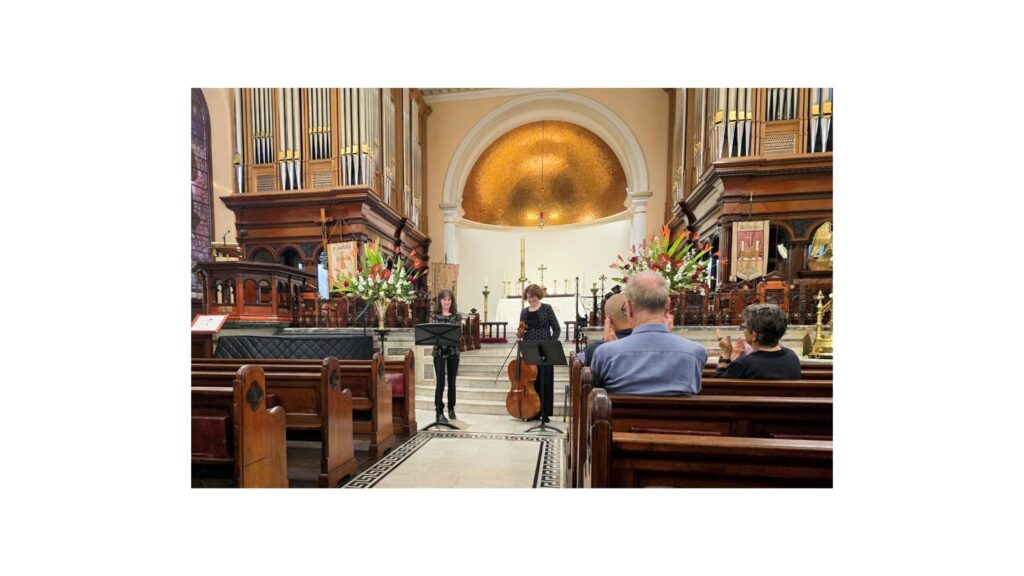
In the heart of Sydney’s CBD, I found myself once again at the beautiful St James’ Church for my second lunchtime concert experience there. This time the program was presented by Austral harmony and performed by Jane Downer (baroque oboe and recorder) and Rosemary Quinn (baroque cello). The forty-five minute program, titled Paul’s Steeple, featured a collection of works all providing a glimpse into the musical life of 18th century London.
The concert began with the titular work: Paul’s Steeple, a set of variations presented over a ground bass, performed here on a treble recorder and gut stringed cello. This work took its melody from an anonymous ballad originally composed in response to the burnt down steeple of Old Saint Paul’s in London.
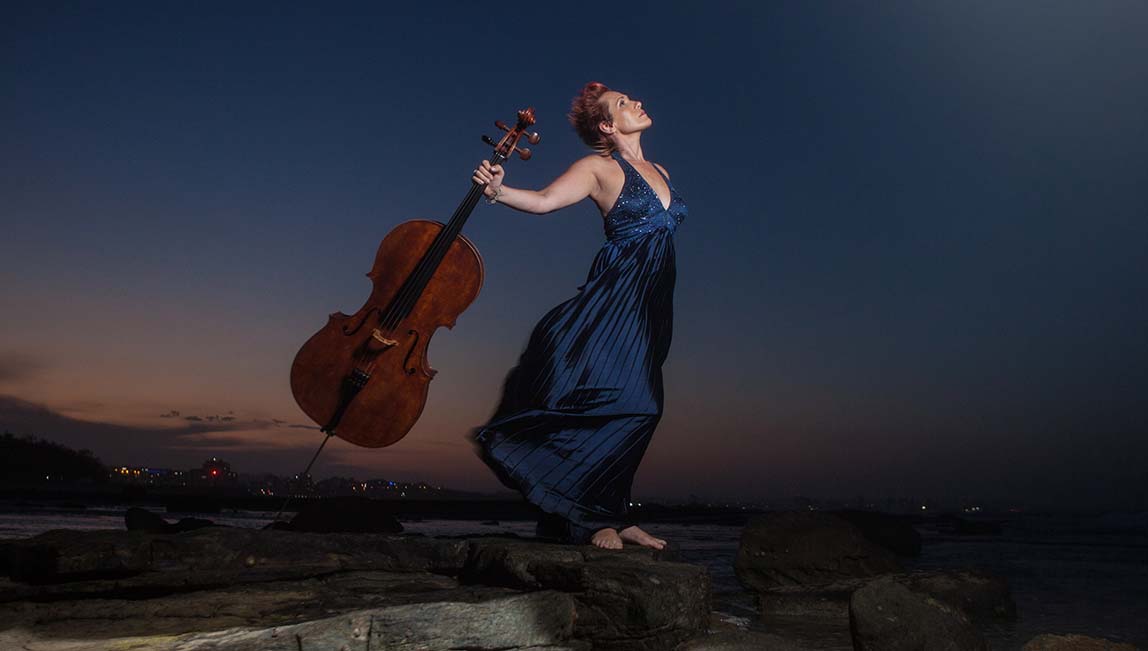
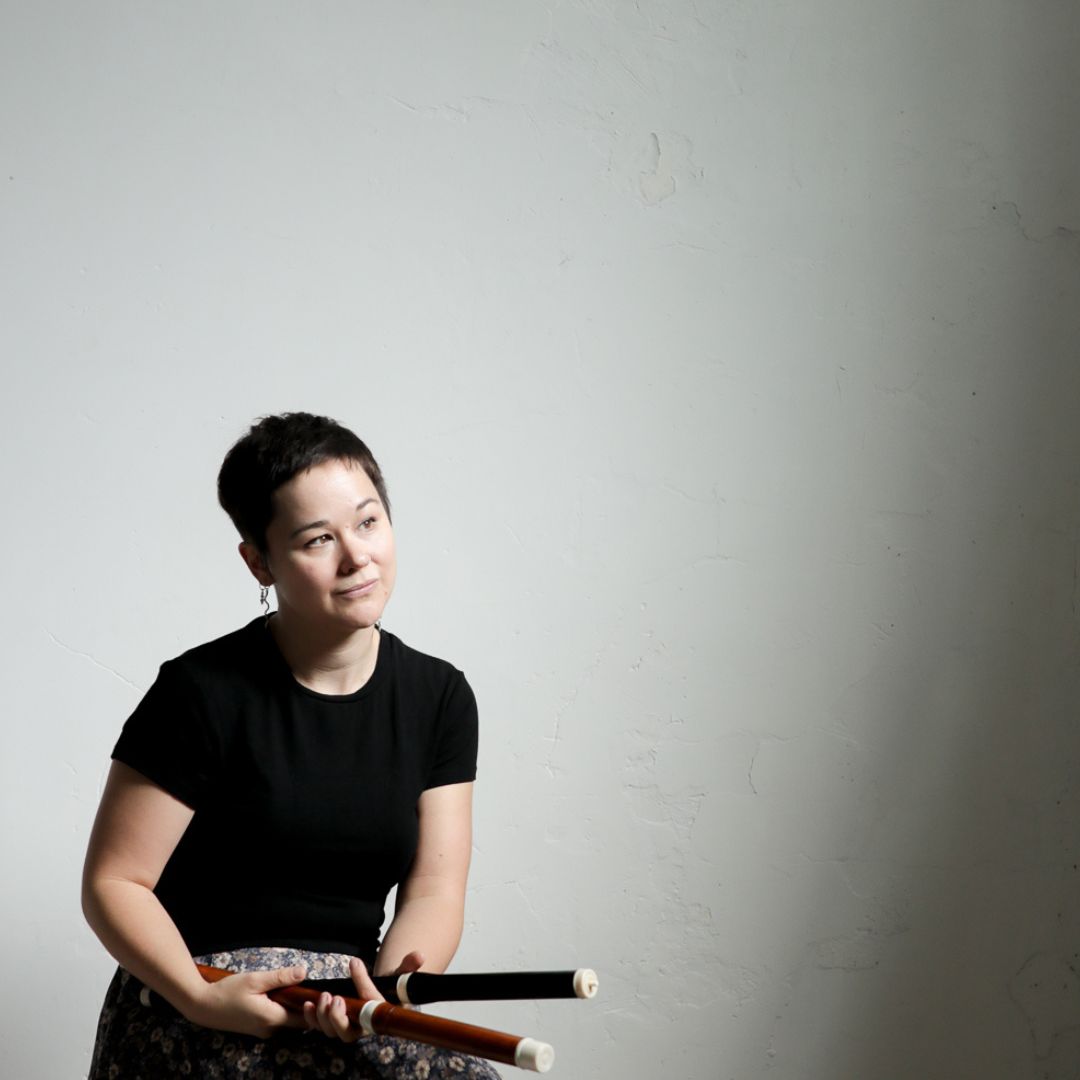
Downer navigated each of the increasingly ornate variations masterfully, while Quinn sensitively matched the different characteristics of each variation with subtle differences in her articulation of the ground bass. It is always wonderful to hear early music performed on period instruments, and here they provided a warmer, more colourful, and intimate sound, which naturally resonated and filled up the acoustic of St James’ Church.
It is worth noting here the choice of presenting this program with just a cello on the basso continuo part, rather than with an instrument such as a harpsichord. This allowed the audience a fresh perspective into these works, bringing out their highly contrapuntal nature, with their melodies weaving together into intricate dialogues.
Before the next work Downer explained that this version of Paul’s Steeple came from a collection of works published by John Walsh, who also published the Sonata in G minor by Handel, which followed in the program. It was Walsh who nicknamed the sonata Hoboy Solo.
As the program mentioned, the Hoboy Solo was more frequently performed on the violin, and Downer’s choice of the period oboe resulted in a timbre that was probably more like a violin than a recorder would have been. The two slow movements of this work were beautifully played, and the cello was more reserved, bringing the oboe to the foreground and allowing it to really resonate in the space. The fugal second movement, and the gigue that ended the work, were full of energy and it was easy to forget that only two instruments were playing.
Following this was a suite of movements adapted by Handel from his first London opera Rinaldo, played once again on the recorder and cello. Downer’s commentary explained that such arrangements were highly popular during the time, and was extremely helpful in outlining the plot traversed by the six movements of the suite. Here the utterly beautiful fourth movement, and final movement, provided solo moments for the recorder. The final movement was particularly full of lively rhythms, and as Downer explained, changes in meter. The 5th movement – I burn, I blaze – saw a switch from the treble recorder to the much higher descant recorder, with its more piercing sound very suitable within the context of the loss of a loved one present in this movement.
The program ended with two folk song arrangements – Sleepy Body, and Auld Bob Morrice – from Geminiani’s Treatise of Good Taste in the Art of Musick. The first was played on the oboe, with both Downer and Quinn blending marvellously. The second saw a return to the descant recorder, full of vitality, exquisite ornamentation, and some lovely subtle portamento. Both Downer and Quinn truly became one in this impressive finish to a wonderful program.
When one thinks of a recorder, they are probably reminded of the harsh shrills sounds that they may have encountered in primary school. In this program however the recorder, cello, and oboe provided a wonderful divertissement and respite from the stresses of city life. The juxtaposition of the beautiful music and venue, against the faint city noises that occasionally slipped in, reminded me of how lucky I was to be able to have such a wonderful moment of relief from the loud world that was outside.