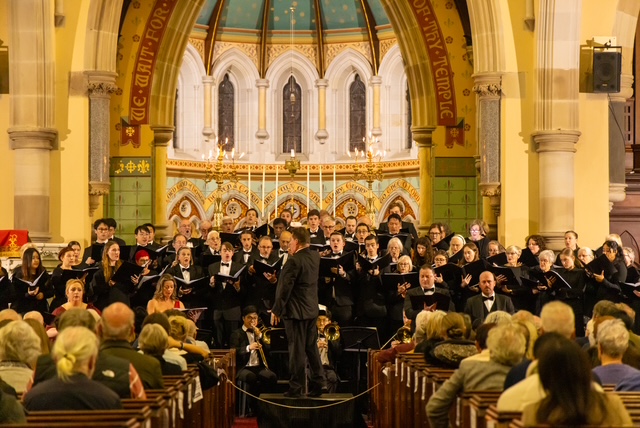
Melbourne University Choral Society + Box Hill Chorale | Te Deum (Bruckner) and Mass in D Major (Dvořák)
23 May 2026, All Saints East St Kilda, VIC
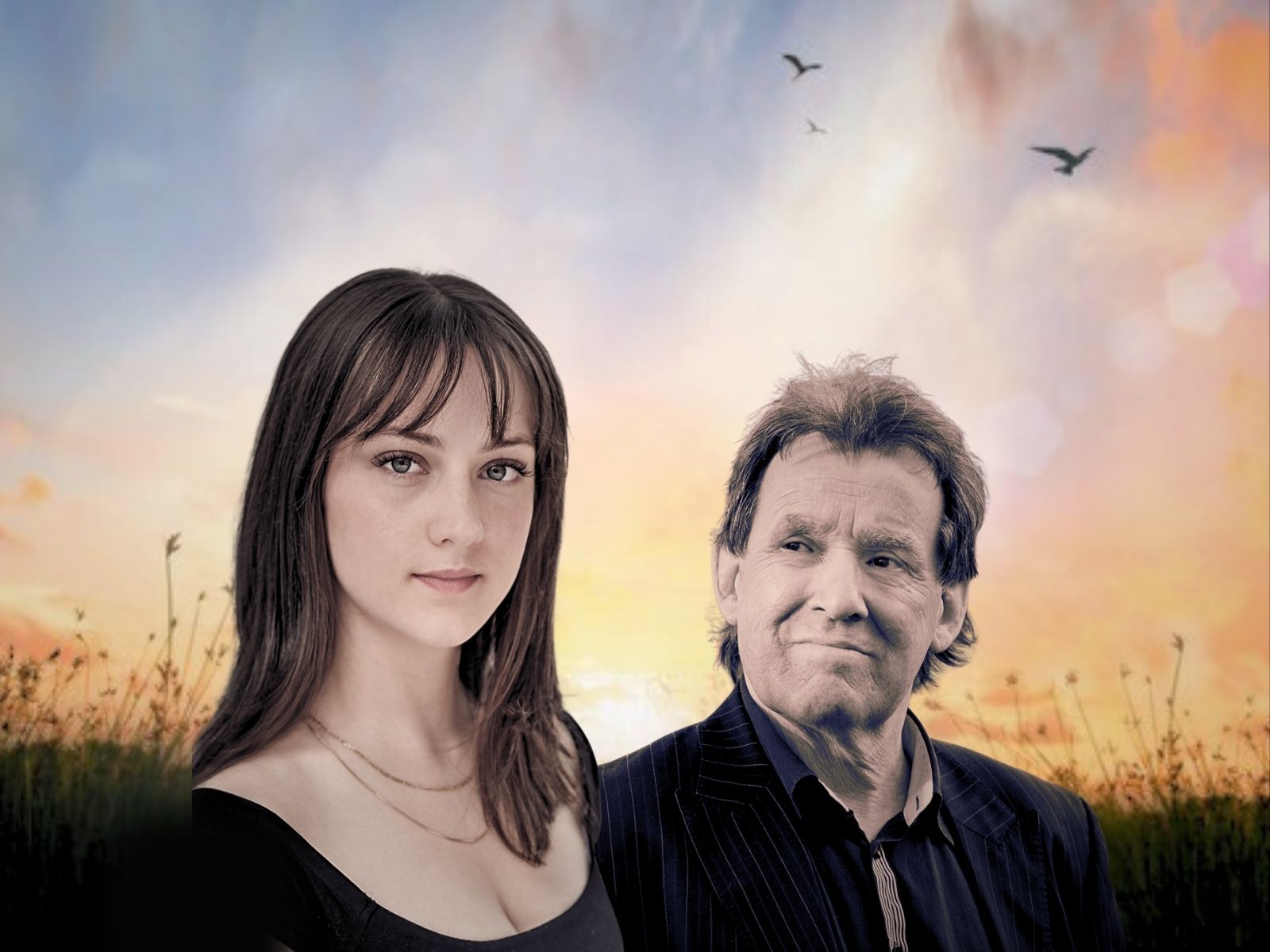
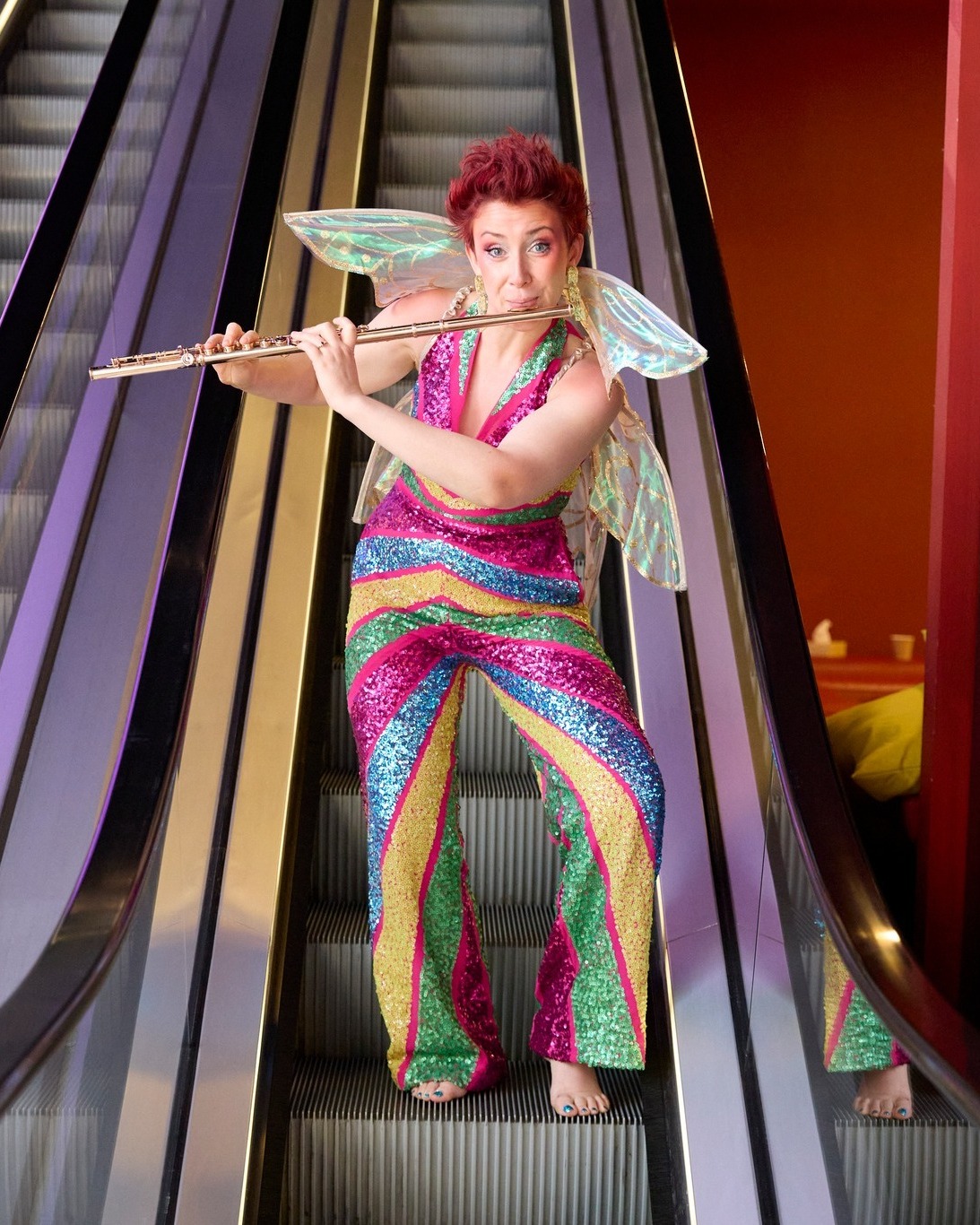
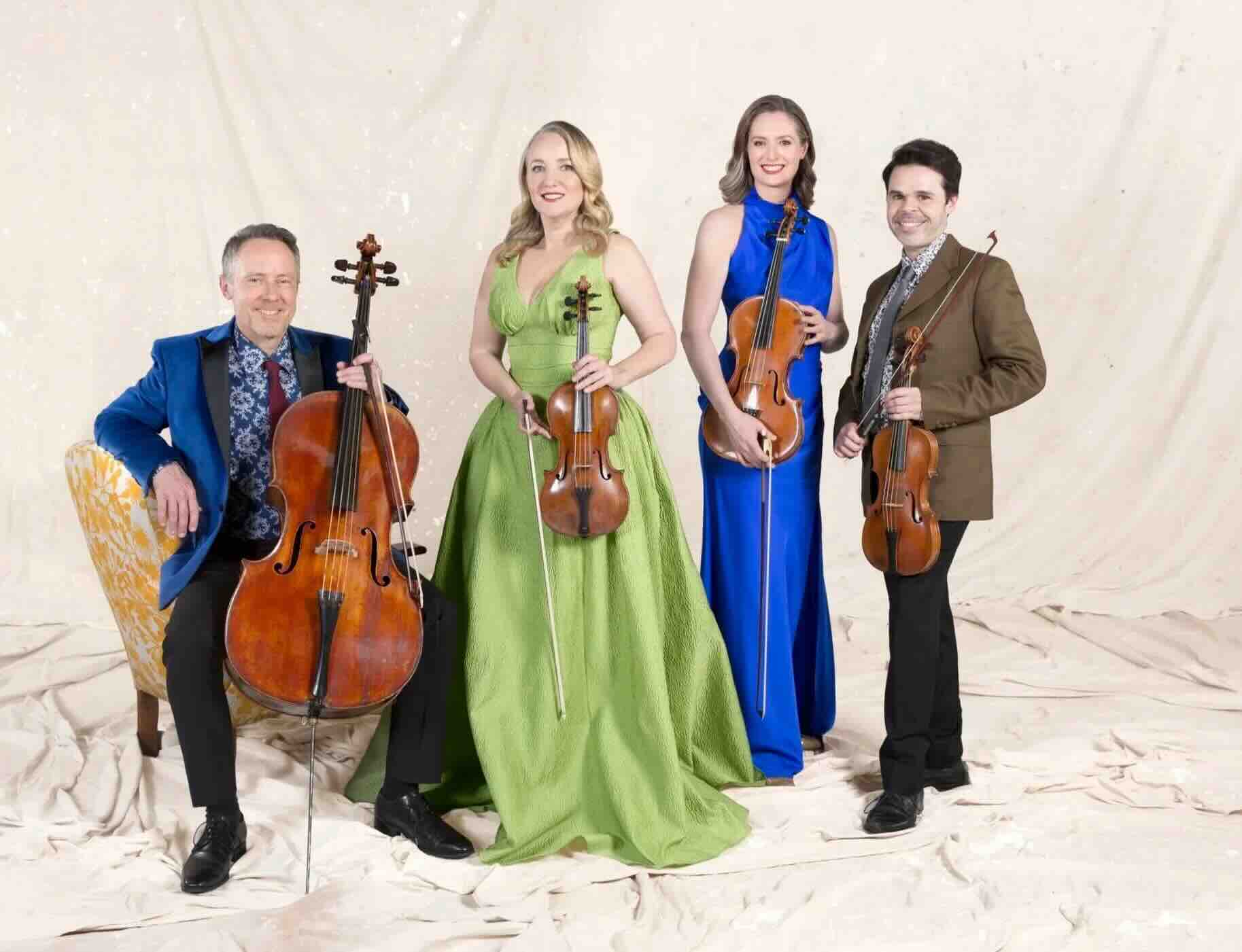
Helena Dix, Soprano; Dimity Shepherd, Mezzo; Michael Petruccelli, Tenor; Christopher Hillier, Baritone; Bruckner Chamber Orchestra; Conductor Andrew Wailes
Bruckner took a long time to get established and recognised in Imperial Vienna for his musical gifts; the great pianist/conductor, Hans von Bulow alluded to this, saying; “He is half-simpleton, half-genius.” The blunt Bulow, like many, thought Bruckner was simple and his demeanour didn’t help him. Coming from very humble beginnings, he was in awe of those above him in the very stratified Austrian society, plain looking, and dressed in clothes much too big for him. He also did not find it easy to mix and match in society, no doubt feeling out of his depth (see note I). But he was quite plainly a genius, who looked somewhat like a country bumpkin.
His Te Deum, completed in his sixtieth year (he died in his 72nd year) is a superb piece for Choir, soloists, organ and a small group of brass instruments, conducted by the inimitable Andrew Wailes. Two violin parts were in the original score, but not used in this performance. In the five movements of the Catholic Te Deum (“We praise you, God”) the pious Bruckner put his heart on his sleeve; saying that he hoped the work would ease his entrance into Paradise, when the time came.
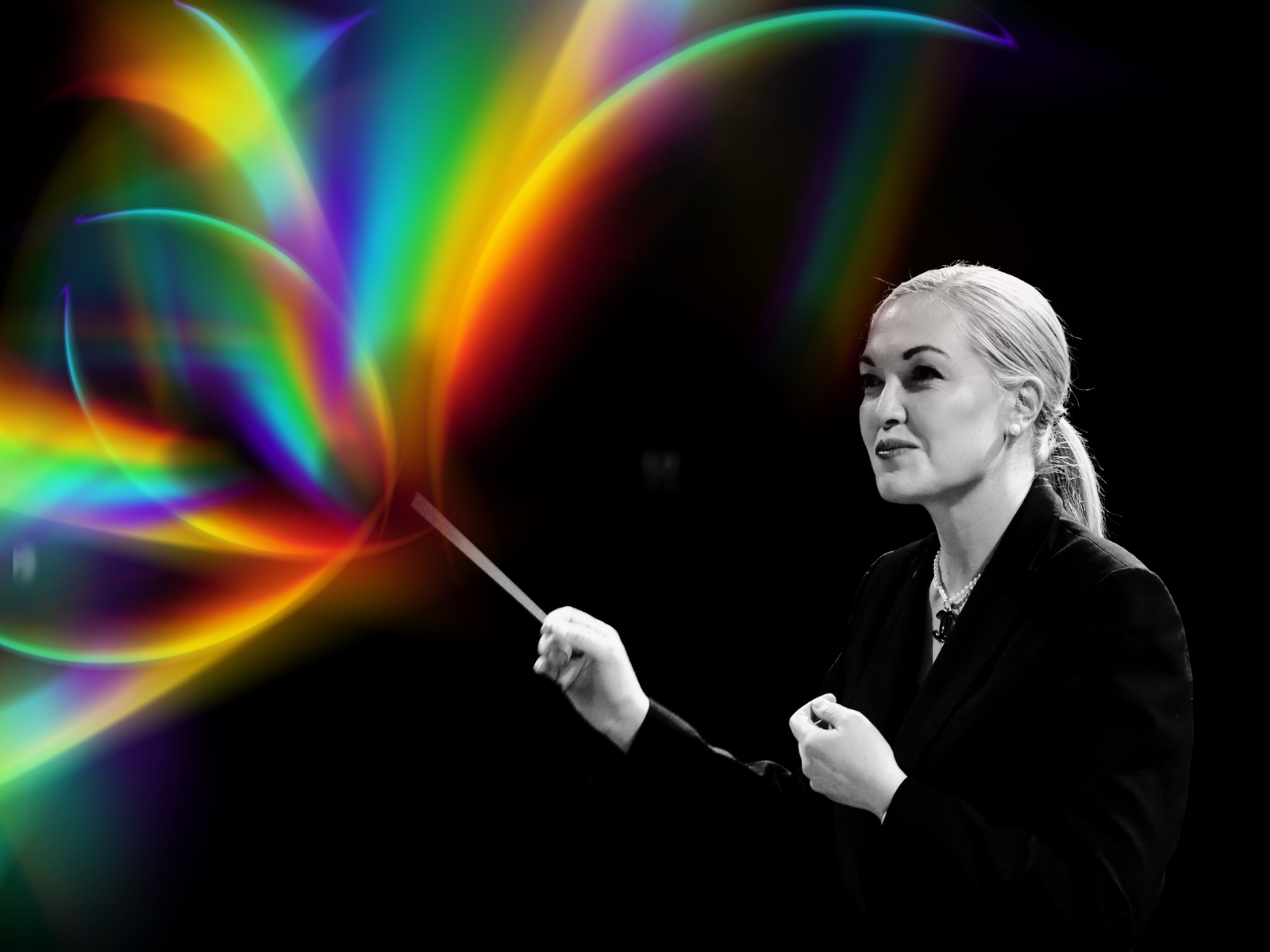
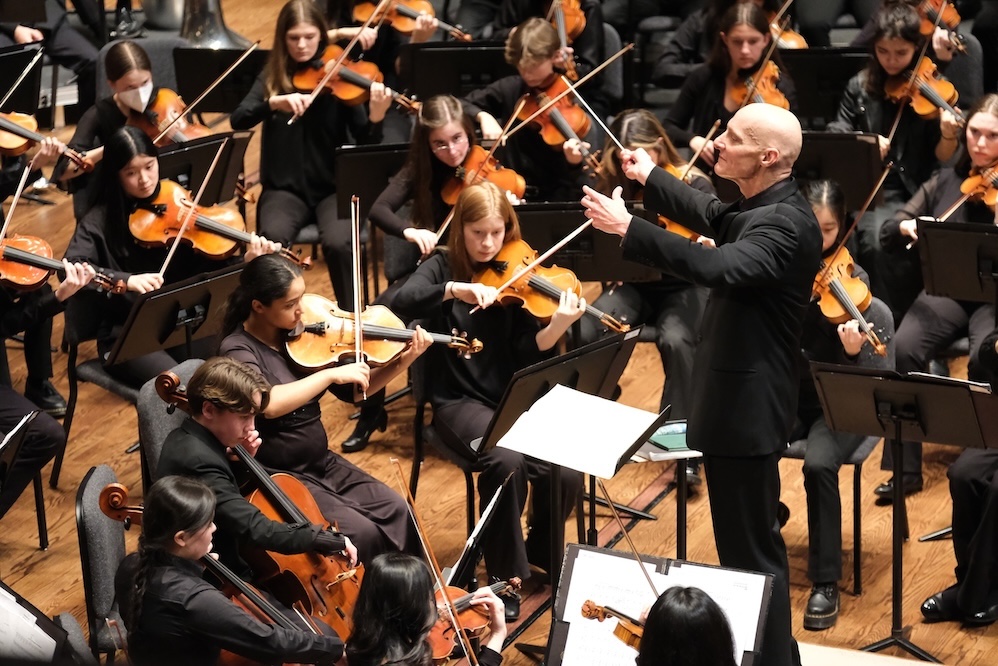
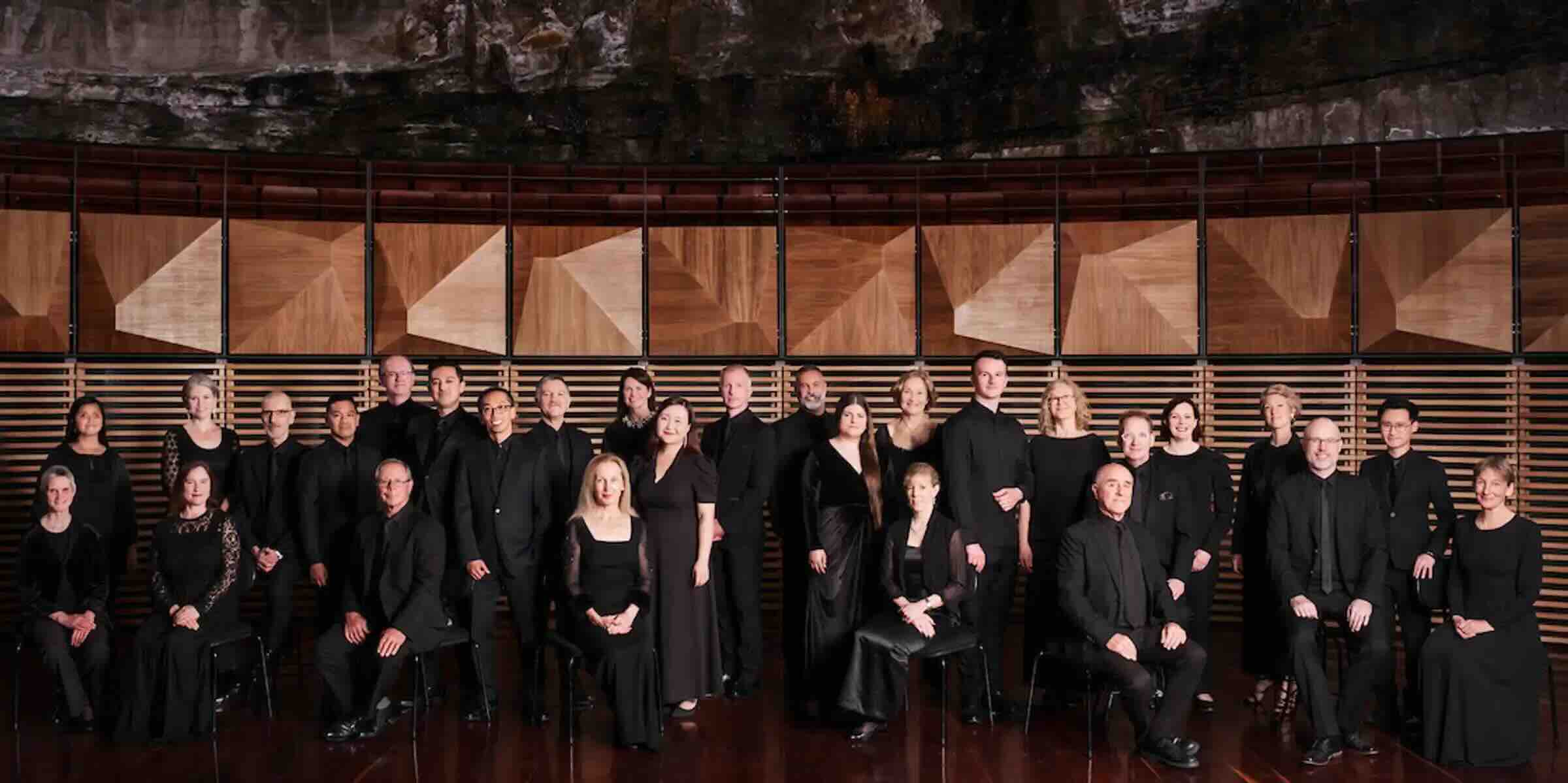
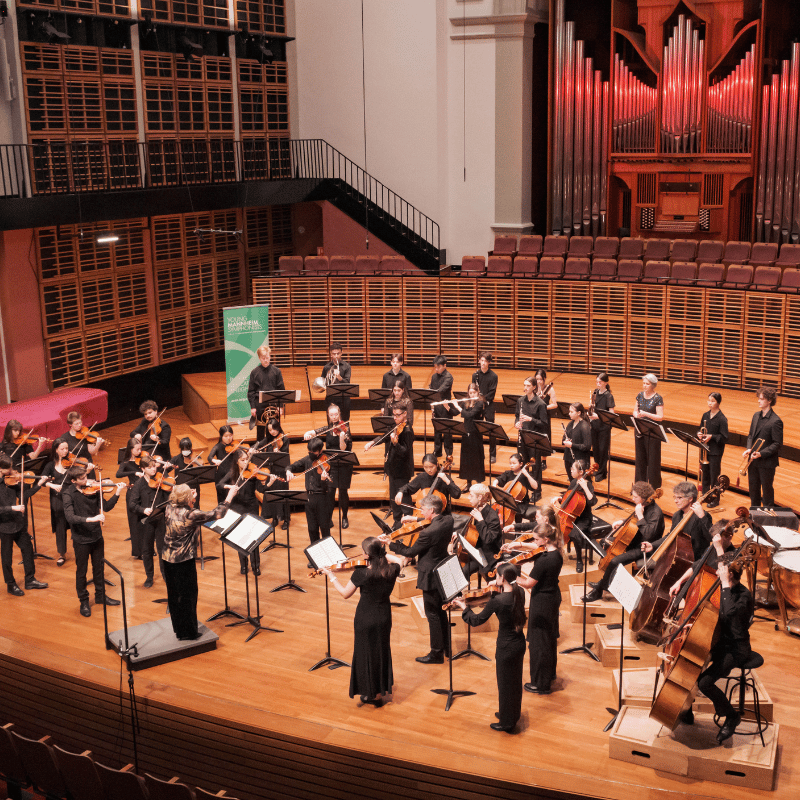
Andrew Wailes directed his 100 or so choristers with a steady hand and the splendid preparation of all concerned shone through. Whether it was full volume of the entire group, or individual sections, the commitment and accuracy couldn’t have been bettered. It takes a committed choral conductor to bring all the strands together and the very experienced Wailes did just this; he started his musical training as a chorister, so choral music is in his blood, so to speak.
Andrew Bainbridge‘s organ work, tucked up the back behind the organ wall and focusing on a camera to see the conductor, was impeccable. Bruckner was a noted organist, famous for his improvisation skills (see note II), though he often improvised the organ parts of his works and sometimes the written parts of his organ scores were left incomplete. The All Saints’ organ has a fine sound and I am guessing it has had good work done on it, over the years. This was demonstrated when Bainbridge played a short solo, before the Te Deum, the Perger Präludium.
Vocal soloists are very important to choral works and soprano Helena Dix and mezzo soprano Dimity Shepherd‘s voices, either solo or combined, came across beautifully in this large space. Tenor, Michael Petruccelli’s fine, pure tone also contrasted with the deeper, strong parts sung by baritone, Christopher Hillier.
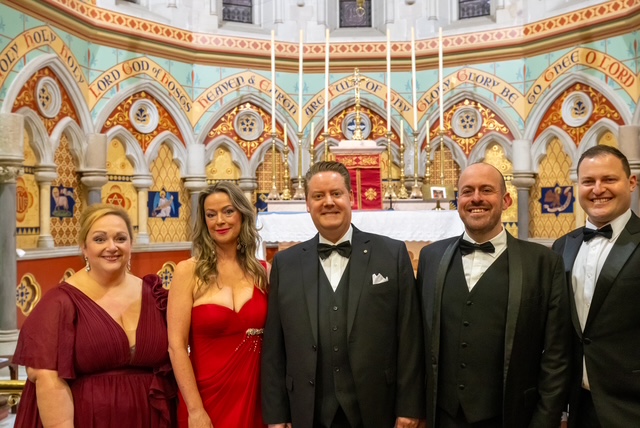
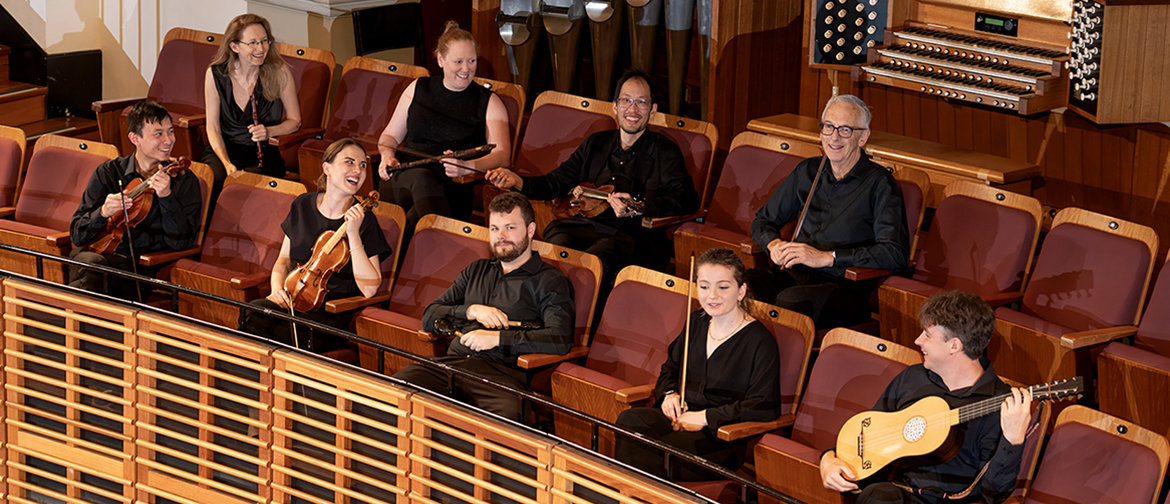
Supporting the bass line were the aptly-named Bruckner Chamber Orchestra, trumpeters Isabella Thomas and Stephen Mosa’atit; french horn Josiah Kop; Pius Choi & Michael Lo, tenor trombones and Simon Baldwin, bass trombone. Seated just below the massed choir, they shone through the substantial sound coming from behind them, when required, leaving me thinking that a brass and choral combo is a marvellous thing.
Starting the evening was Dvořák‘s Luzany Mass, a simpler work in many ways, compared with the Bruckner piece. There were technical reasons for this. The architect, Josef Hlavka wanted to dedicate the new chapel at his estate and asked his friend Dvořák to compose for this occasion. As the space was limited Dvořák chose a small choral group, no orchestra, and wrote simply for the choir, soloists and organ. Charmingly, Hlavka’s wfie, Zdenka sang the soprano part and the composer’s wife, Anna, performed the mezzo role: a very in-house production!
The work ended up with several versions partly because publisher Novello pushed Dvořák to add an orchestra to the work and printed the score. Dvořák added lower strings to the original version in 1888 and this, a Melbourne premiere, was what we heard on the night. Cellists Janet Butler and Maddison Furlan, together with double-bassist Charlotte Scanlan, worked consistently well, with full tone, as they supported the huge choral volume all around them.
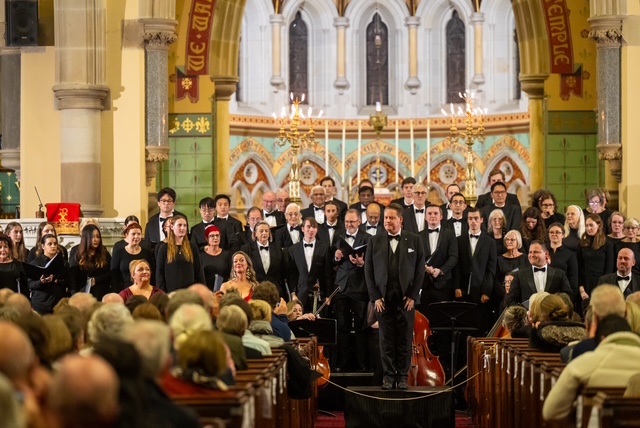
Again, the soloists provided a shining focus in the six sections of Dvořák’s Mass. I loved the way that the composer, who wrote simply for the semi-professional first performance, used canons with both the choir sections and the soloists’ voices; one singer would start a theme and another came in several bars later, with the same theme: overlapping beautifully. Dvořák was a simple, genial man, it seems, but also with a calm, unfussy faith. Unlike Bruckner, he found it easy to befriend Brahms and Tchaikovsky at various times, who were delighted to help his career along.
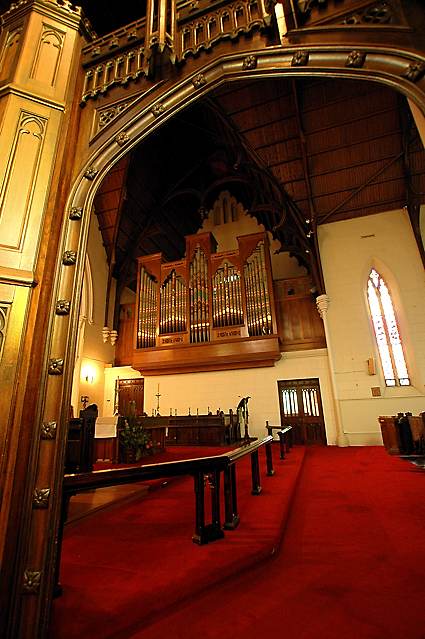
The Victorian Gothic venue of All Saints’ deserves a word, too. Able to hold 1400 people, this spacious building was a very fashionable church for the local worthies, back in the day. Not only does it accomodate large forces, but the area behind the choir makes a beautiful backdrop. We have, in a sense, Queen Victoria to thank for the two functional gas candelabra, three metres tall, which stood behind the choral forces, blazing away, all through the spectacle. Father Gregory, a long standing vicar through to the 1890’s, nabbed them when he was in Britain, as Queen Victoria had decided they were redundant, as electricity was now being used in George II’s Chapel at Windsor. Quite a coup!
The evening ended in ‘Bravos!’ for choir, soloists, strings, organist and brass, and Maestro Wailes was busy bringing all forward to accept the kudos: an enthusiastic audience were thrilled with the performance. I noted that the very experienced pianist, William Schmidt, had been accompanist for rehearsals; a vital role I know from experience. It was hard work and talent that brought this big programme together and a special thank you to the volunteer choristers who showed such devotion to their craft. Maestro Wailes and Company can be very satisfied with their work, this evening, and I can imagine Bruckner and Dvořák, looking down from wherever they are and smiling broadly.
NOTE I: Bruckner was decorated by Emperor Franz Joseph and, in conversation, the Emperor asked the composer whether there was anything he could do for him. Bruckner asked if the Kaiser could stop the rabidly conservative critic, Hanslick, from writing such awful reviews about his compositions. I imagine the Emperor chuckling over this, later, and maybe, saying: “I can’t do that! Nice man, but why did he not ask for a State grant, that We sometimes give to composers?”
NOTE II: Bruckner was drafted in to play the organ at Franz Liszt’s funeral in Bayreuth in 1886. He, a Wagner fan, improvised on themes from Wagner’s Opera, “Parsifal”. A nice tribute to the Hungarian composer, whom he admired.
Photo credit: Paul Dodd