Balmain Sinfonia | Homegrown
27 June, 2026, Leichhardt Town Hall, NSW
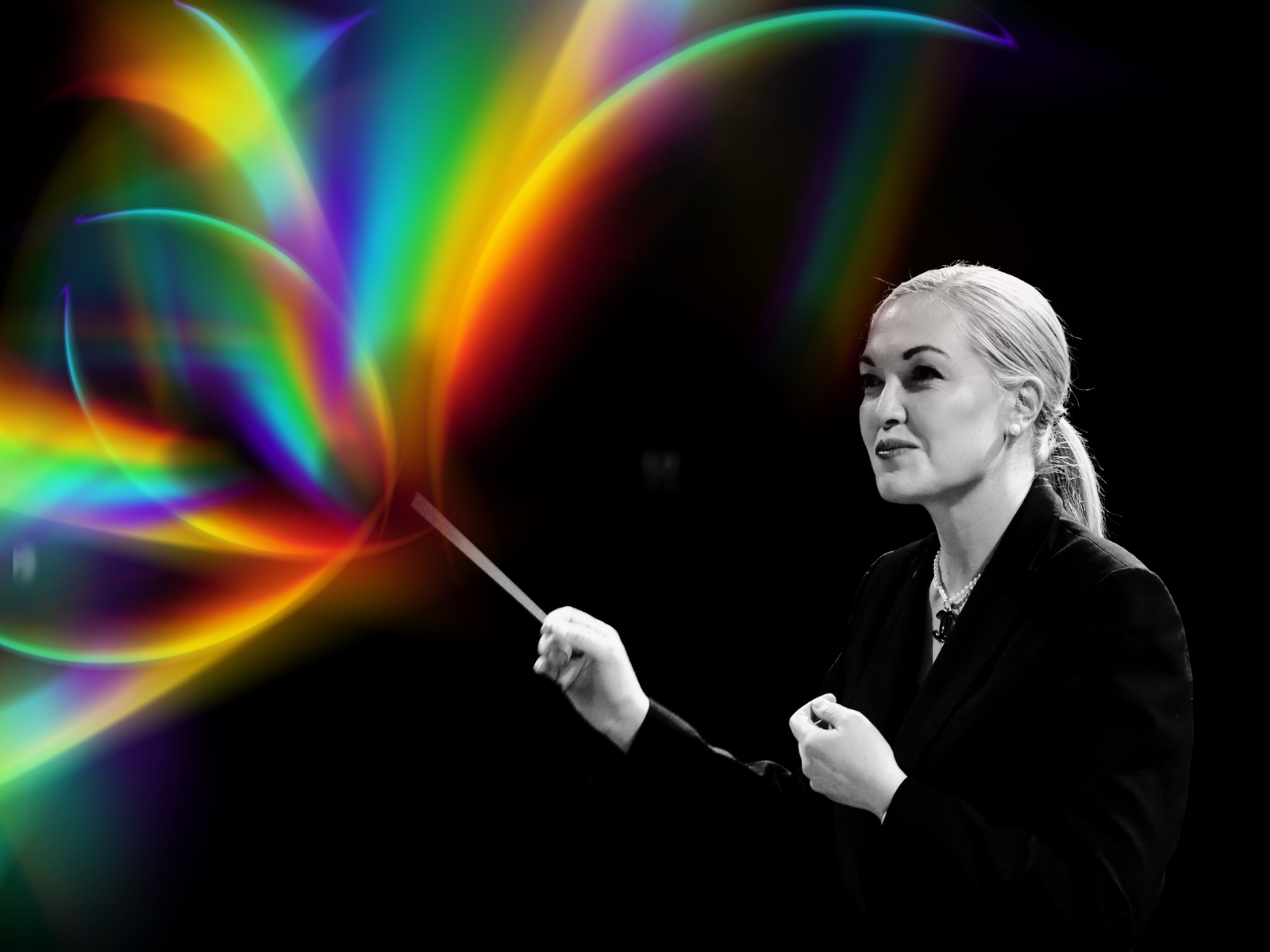
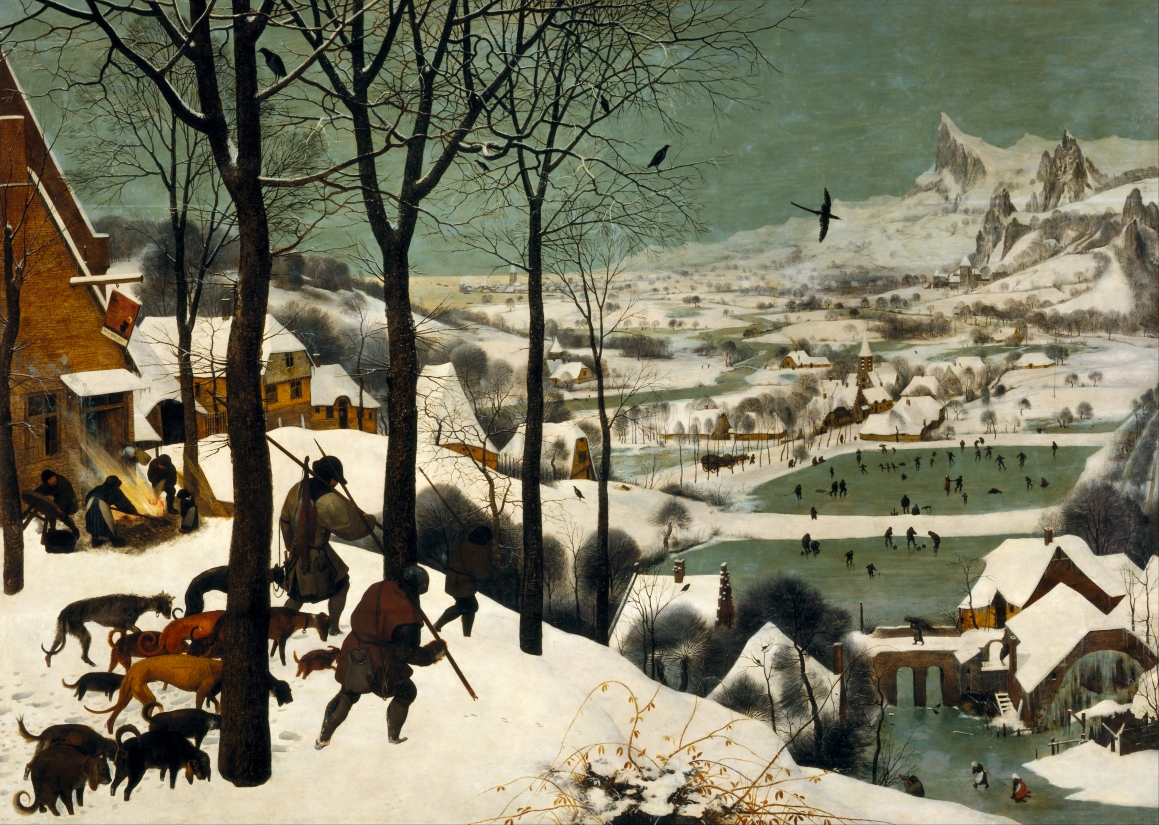
Some conductors build concerts around composers but Balmain Sinfonia‘s conductor, Monica Buckland, builds them around an idea. Homegrown was an exploration of how folk music found its way into the concert hall, tracing a path from Russian and English village songs to the symphony orchestra. It was a thoughtfully curated program that revealed unexpected connections between Balakirev, Vaughan Williams, Miriam Hyde and Tchaikovsky, each composer drawing on traditional melodies to create something entirely their own.
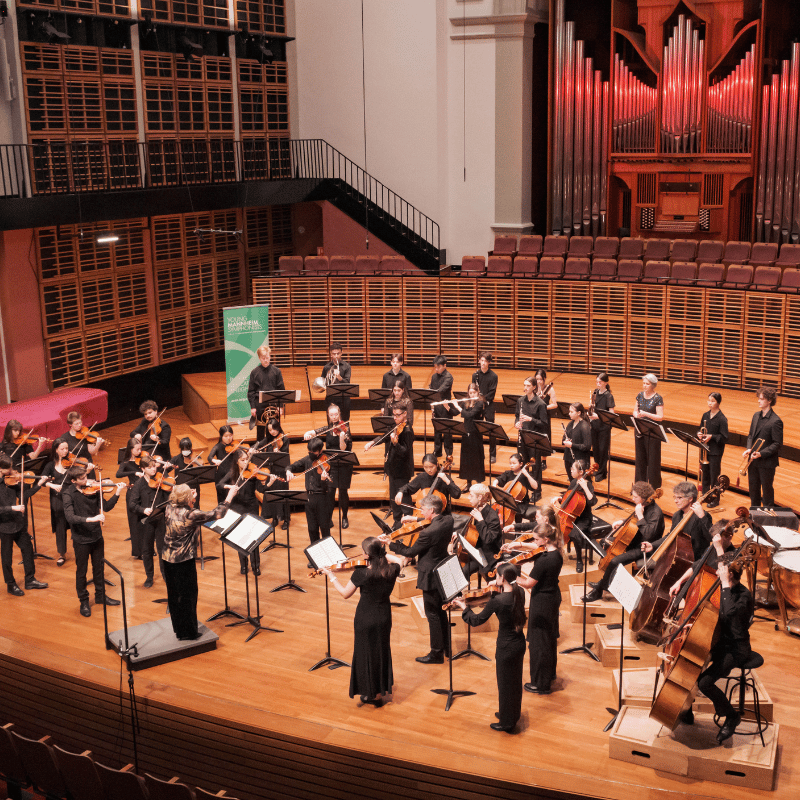
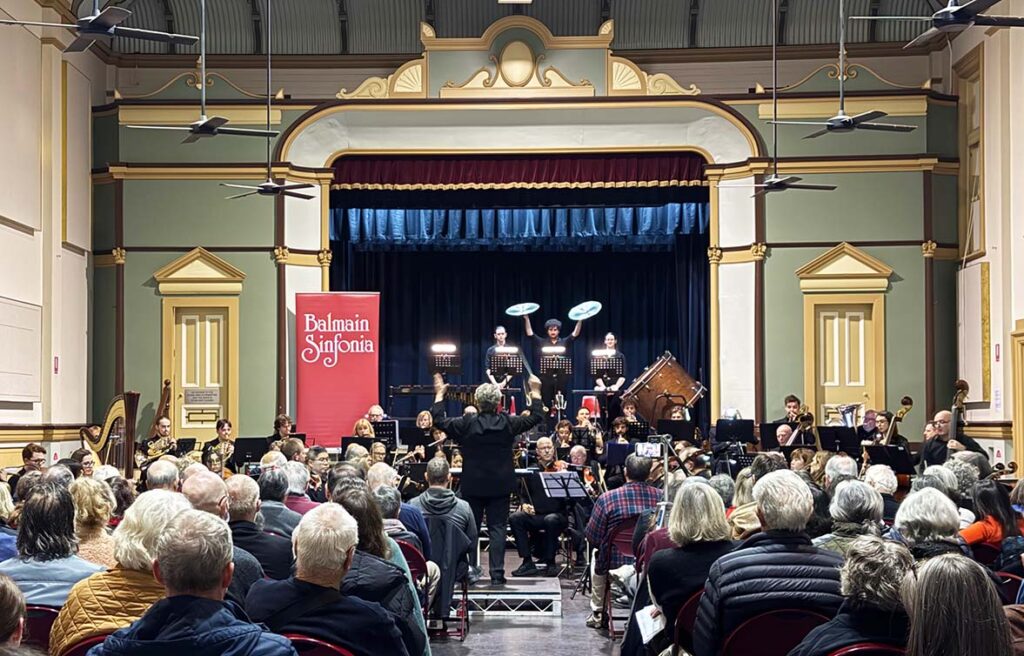
Leichhardt Town Hall proved an excellent venue for the occasion. With a packed audience and a warm, well-balanced acoustic, it provided an inviting setting for music-making, although the flat seating makes it difficult to appreciate the visual choreography of an orchestra in full flight – we did however get to see all the drama and theatrics of the percussionists who were mounted on the stage.
Balakirev’s Overture on Three Russian Folksongs opened the afternoon with glorious melodies and rich orchestral colour. The Russian folk tunes emerged naturally through lush string writing, while bright percussion added sparkle, the crashing cymbals drawing an audible response from the audience. The young percussionists, in particular, played with confidence and impressive professionalism throughout the whole concert.
Vaughan Williams’ Norfolk Rhapsody No. 1 could hardly have sounded more English. Written during the composer’s search for a distinctly national musical voice, it unfolded with gentle strings, a beautifully plaintive viola introduction and expressive wind playing. The flute and clarinet sang warmly, while the piccolo added something of the character of a village tin whistle in the march-like passages. As always, Buckland’s programming revealed the thread linking one work to the next.
One of the highlights of the afternoon was Miriam Hyde’s Village Fair. Buckland has consistently championed music by women composers, and Hyde’s delightful score fully justified its place on the program. Originally conceived as a ballet but never choreographed, it remains impossible to hear without imagining dancers bringing its colourful characters to life. Triangle, brass and tambourines painted the bustle of the fairground, while the cries of “Hot pies!”, written into the orchestral parts, raised a smile. Nearly a century after it was written, Village Fair still feels like a ballet waiting to be choreographed, and after hearing it, I wish someone would!
The second half was devoted to Tchaikovsky’s Fourth Symphony, an ambitious undertaking for any community-based orchestra, even one as strong as the Balmain Sinfonia. One of the pleasures of the excellent program notes was reading Tchaikovsky’s own reflections on the work, allowing the audience to hear the music through the composer’s eyes. The opening “Fate” fanfare rang out confidently from horns and bassoons before recurring throughout the symphony. The melancholy oboe solo of the second movement was beautifully shaped, while fluttering woodwinds vividly suggested the flitting memories Tchaikovsky described in his own notes. The exhilarating pizzicato Scherzo brought drama and excitement before the triumphant crashing finale swept the orchestra to an exuberant conclusion, earning well-deserved applause.
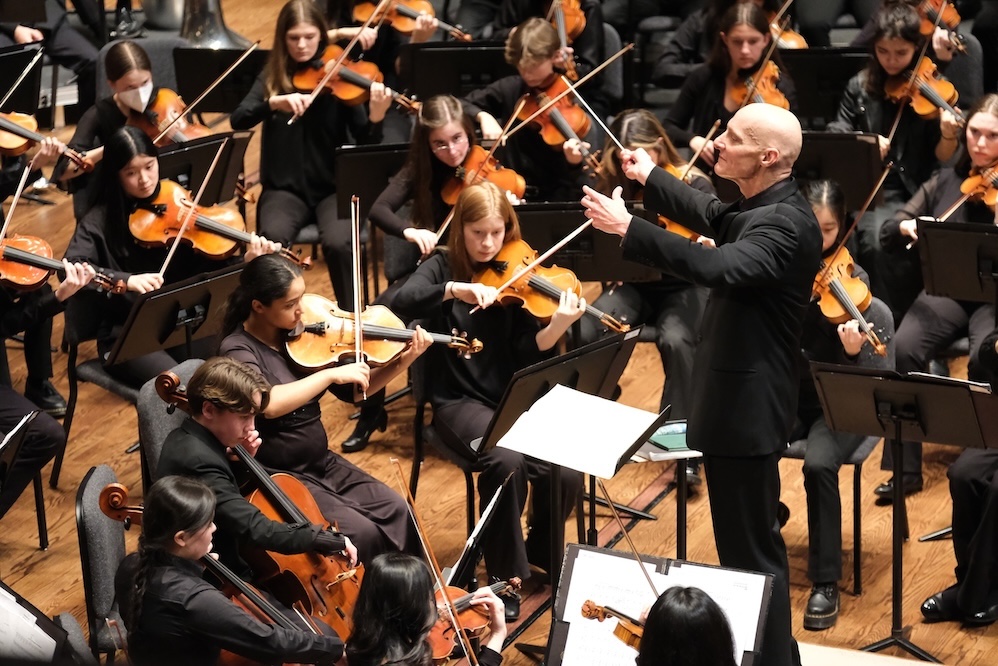
Under Monica Buckland’s energetic direction, this orchestra continues to raise its already high musical standards while retaining its welcoming community spirit. This concert marked the official appointment of a new concertmaster, Joseph Phillips, who has added further experience and vitality, with the orchestra’s president acknowledging his recent mentoring and musical leadership. With around sixty musicians spanning emerging and experienced players alike, Balmain Sinfonia continues to demonstrate just how rewarding community music-making can be, for players and audiences alike!