The Orchestra Project
April 17, Verbrugghen Hall, Sydney
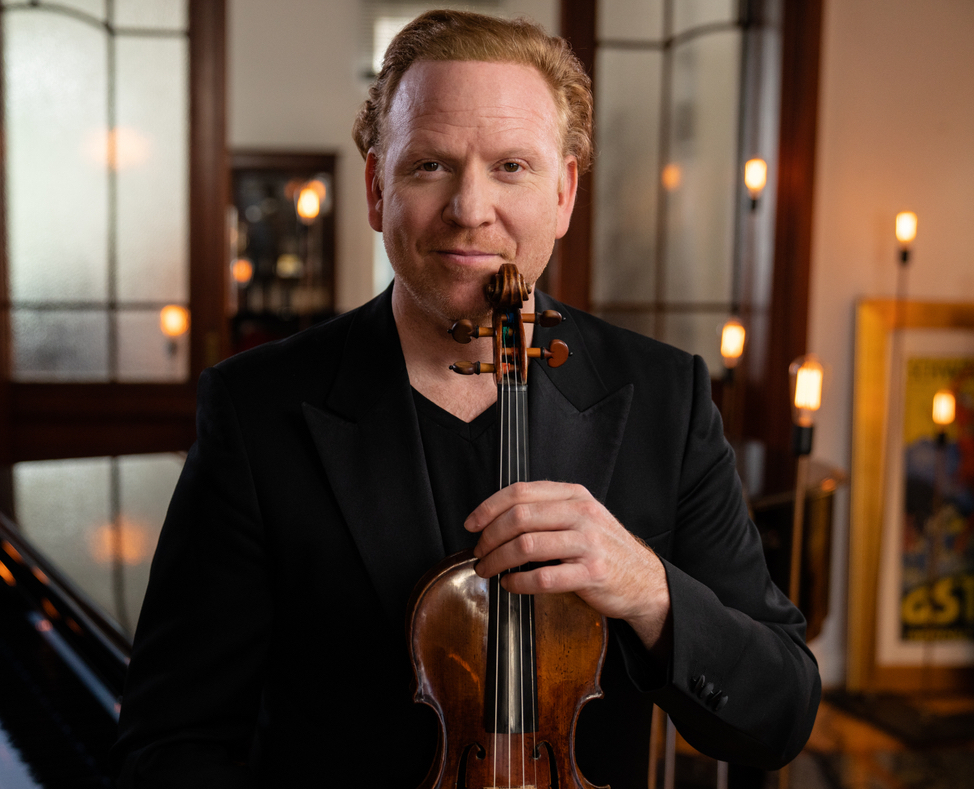
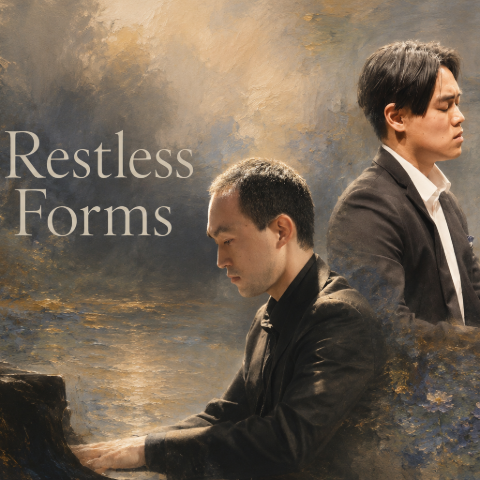
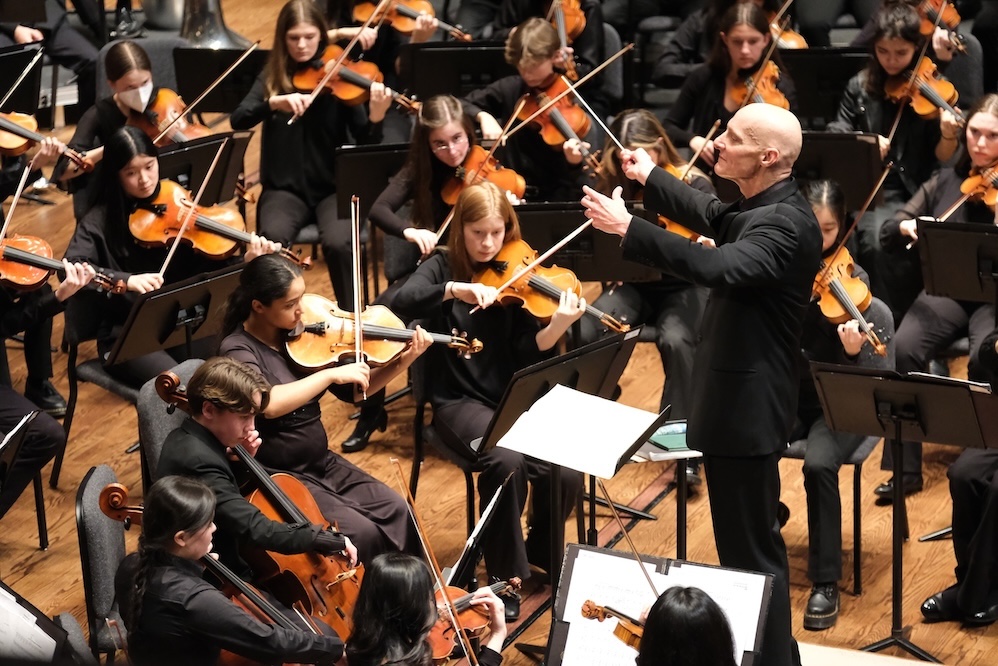
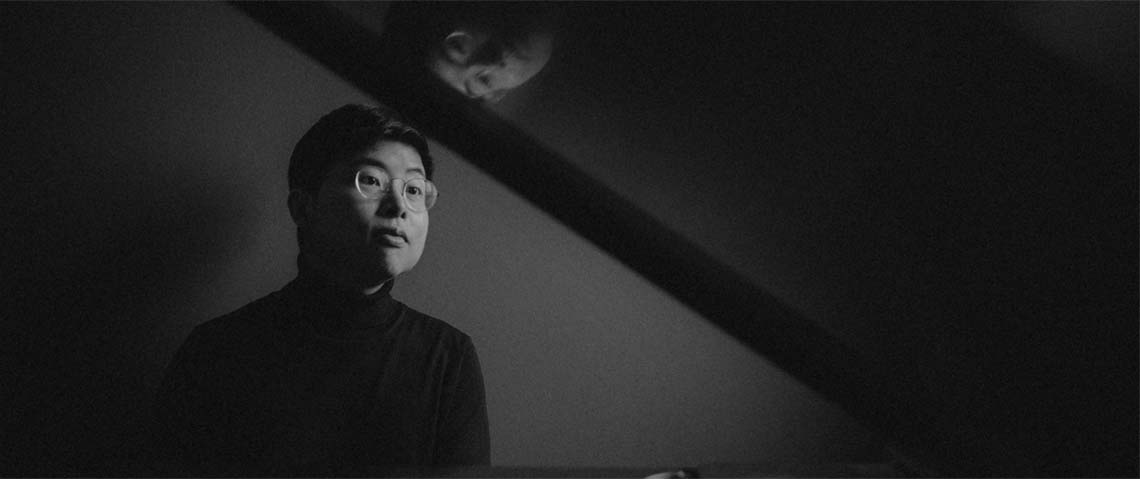
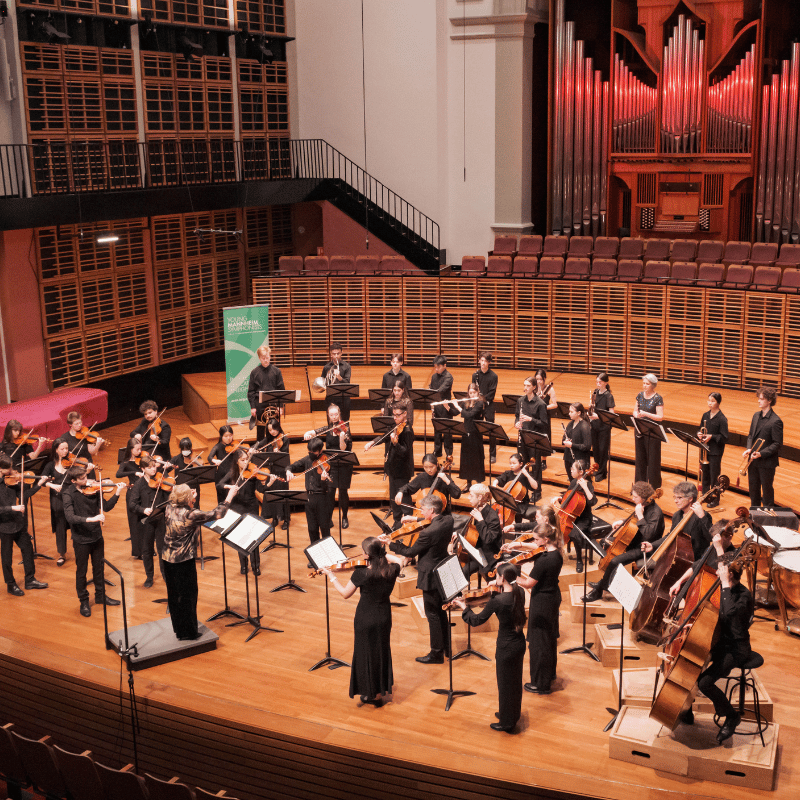
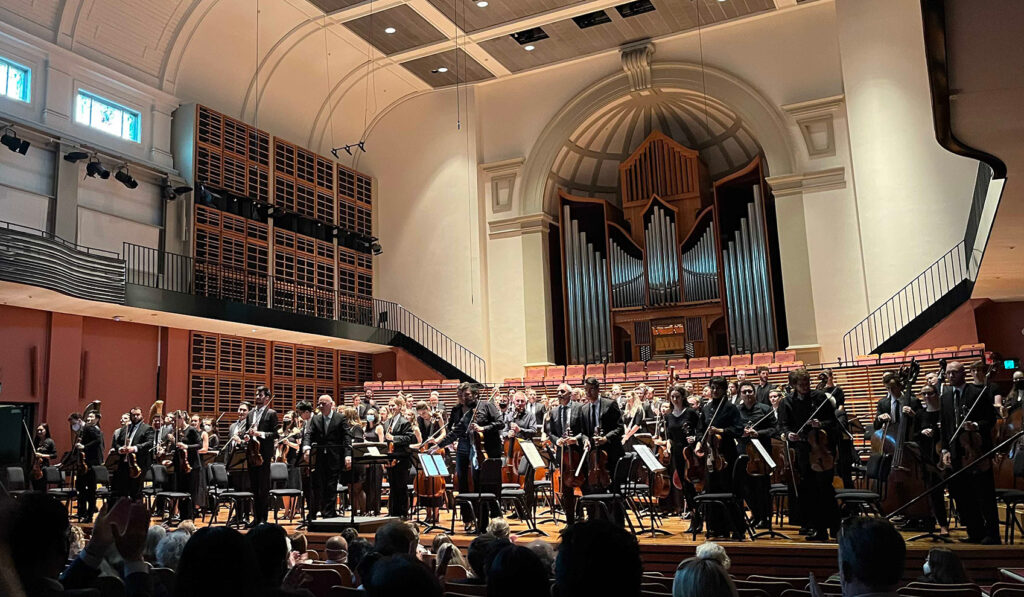
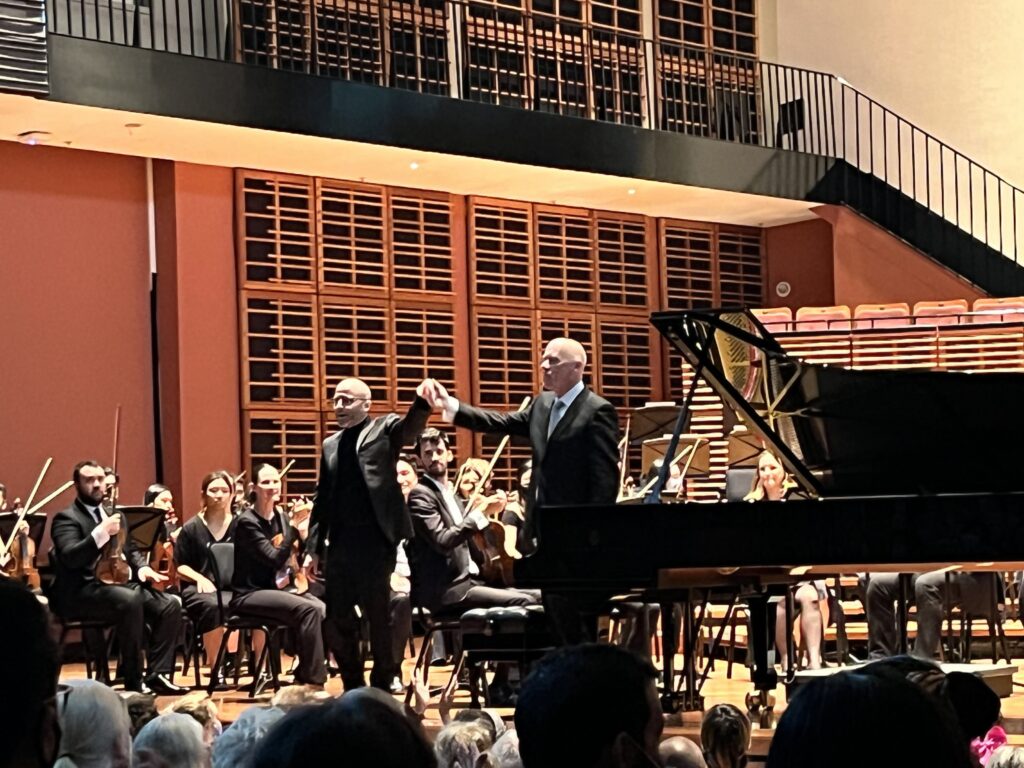
When I walked into the Verbrugghen Hall at the Sydney Conservatorium of Music on Easter Sunday the place was positively buzzing. Don’t you just love that pre-concert cacophony? The tuning of instruments, musicians warming up, getting in a last few seconds of practice, audiences finding their seats, the sheer anticipation of it all! This glorious cacophony was coming from the over 110 musicians of The Orchestra Project who came together from all corners of Australia to perform Johannes Brahms’ Piano Concerto no 2 in Bb major, with acclaimed pianist Daniel de Borah, alongside Richard Strauss’ epic tone poem Ein Heldenleben – A Hero’s Life.
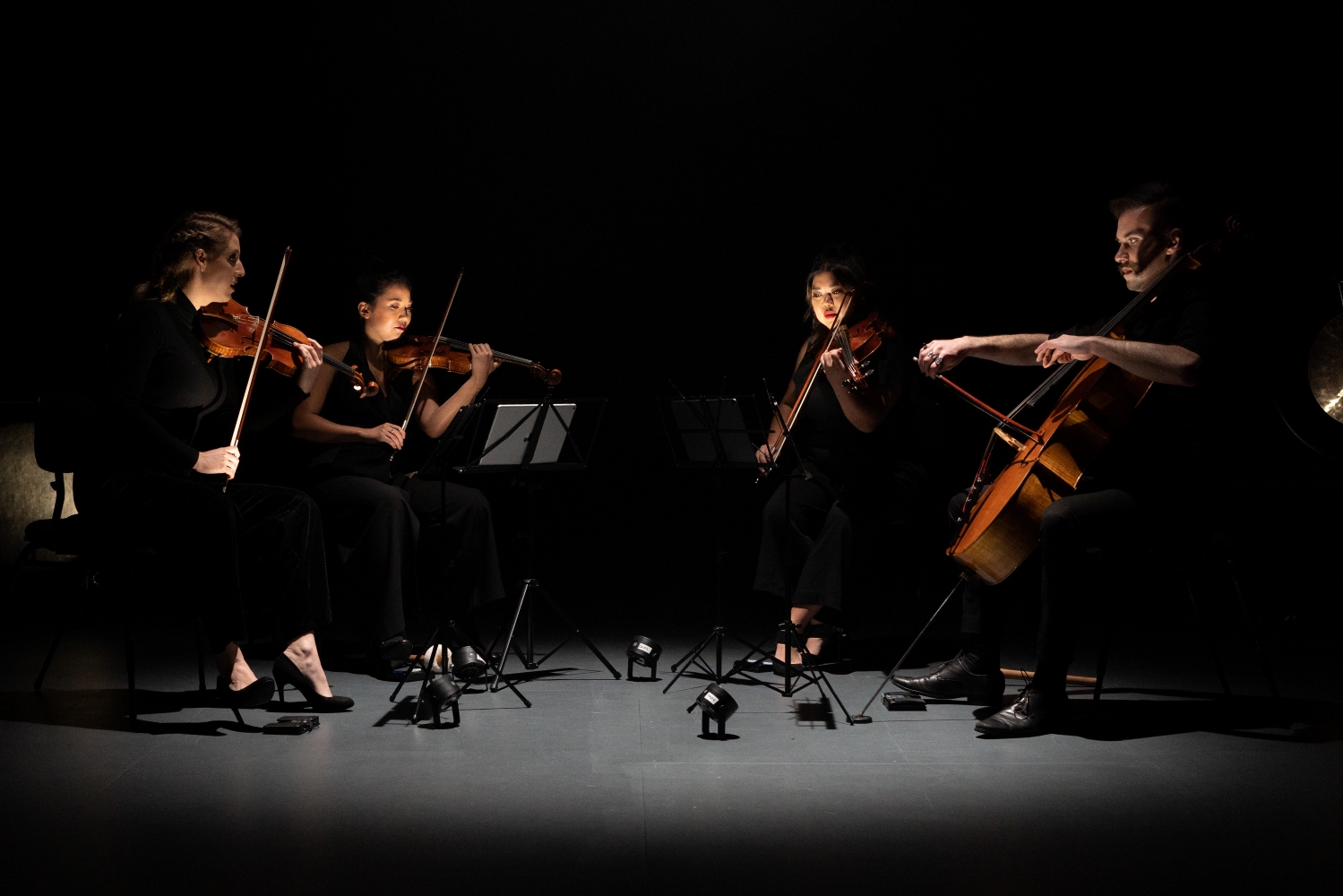
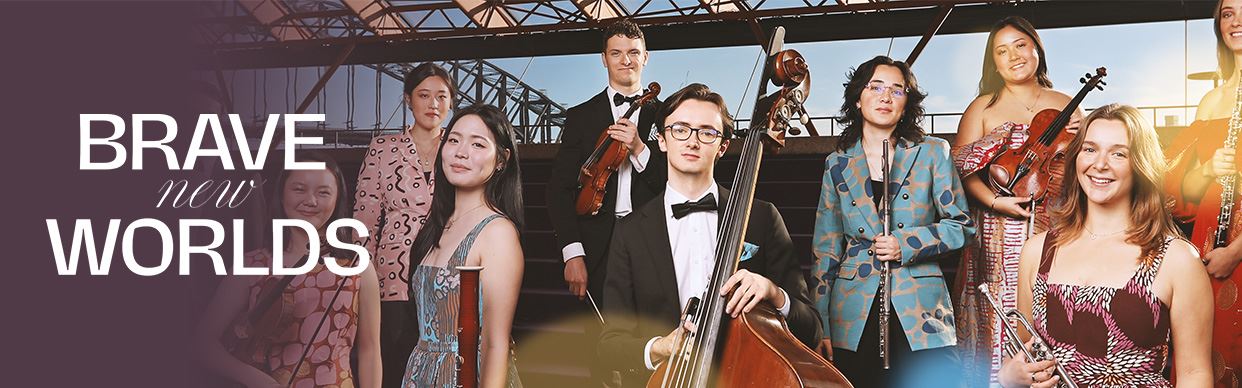
This concert marked the 20th anniversary of The Orchestra Project and its 32nd event. Established by conductor Fabian Russell in Melbourne in April 2002, it created an advanced national, and mentor-driven, orchestral training program that replicated a professional rehearsal structure at a time when professional and student side-by-side activities were still rare in this country. The extraordinary musicians who packed the stage on Sunday represented the wider orchestral community, hailing from the Sydney Symphony, Melbourne Symphony, Queensland Symphony, Adelaide Symphony, Australian Chamber Orchestra, Orchestra Victoria and Opera Australia Orchestra. They rehearsed and performed alongside pre-eminent students from the Australian National Academy of Music (ANAM), various conservatoriums and the wider Australian music fraternity.
With this sort of talent brought together in one concert hall one could expect great things and the audience who came out in droves to support the project were certainly not disappointed. I should add that The Orchestra Project also prides itself on offering audiences opportunities to hear famous or neglected masterworks of the symphonic canon at minimal cost, this ensured a large and very appreciative audience.
Opening the program Daniel de Borah performed the Brahms’ piano concerto with absolute virtuosity, from the opening grandiloquence to the final more intimate and integrated movements, his playing was masterful. It was wonderful to see the musicians around him obviously enjoying watching him as much as the audience did. There were many superb small solos from within the orchestra and Catherine Hewgill’s languishing cello solo in the Andante was absolutely sublime, as were the strings in general who, at nearly 60 strong, created the most magnificent pianissimo entry as her sound drifted away. Stunning.
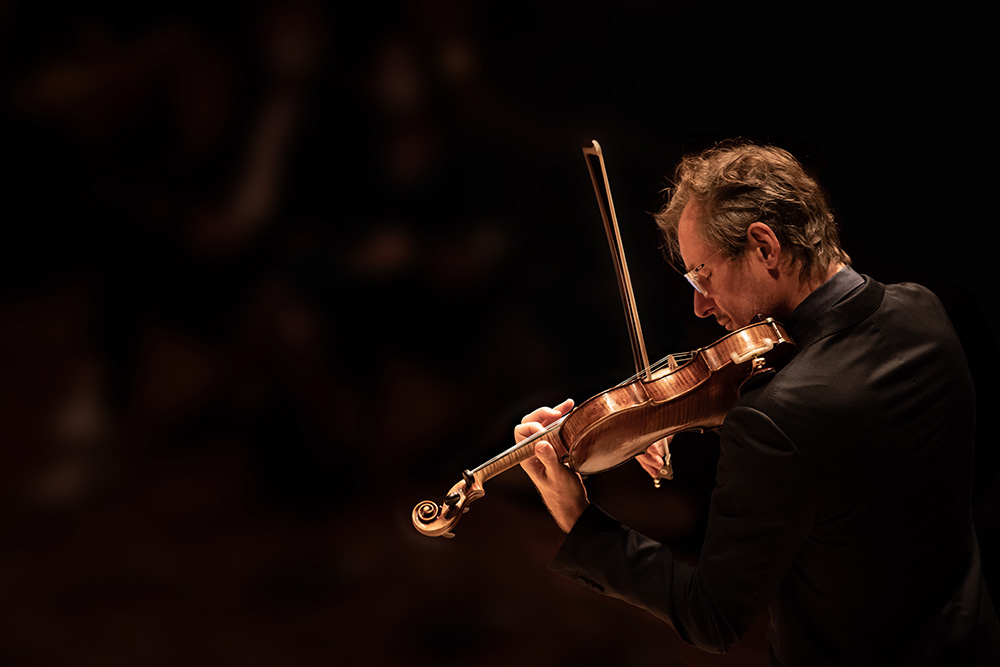
Strauss’ Ein Heldenleben is a single movement tone poem divided into six sections depicting a hero’s journey towards self realisation – he enters, is introduced to his enemies, finds a loving wife, struggles with his enemies and after a triumphant battle returns to work peacefully, after which he finally withdraws from the world – it’s apparently autobiographical. This is a musically complex work with many themes and allusions throughout. Sporadic outbursts from the woodwinds depicted his enemies – the music critics, and an extended emotive violin solo depicted ‘The Hero’s Wife’. It was a dazzling performance by the whole orchestra but particular kudos must go to Concert Master Harry Bennetts who led with vigour and passion, at times literally jumping out of his seat with emotion. His ‘Hero’s Wife’ solo never faltered.
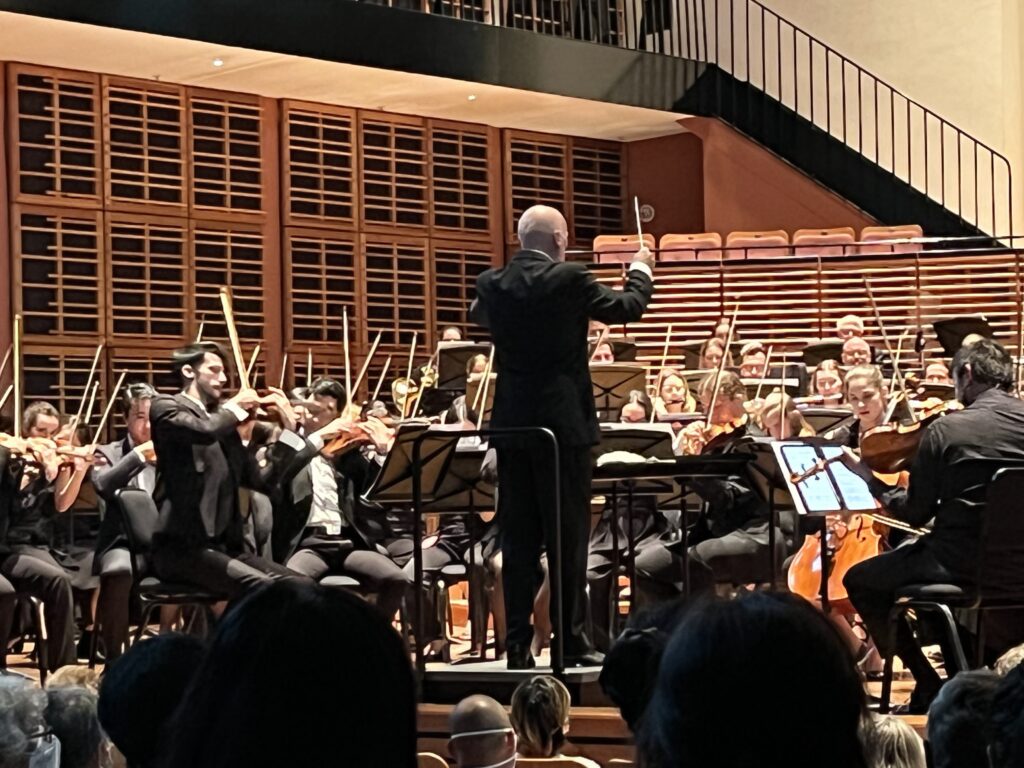
This was a very large orchestra for a relatively small venue and what sheer joy it was to be immersed in such a massive sound. Thunderous percussion gave way to angelic harp glissandi as the hero ascended to distant alpine horn calls. This was a thrilling performance which brought an already strong community closer together to celebrate excellence in performance. Three cheers to the Orchestra Project, here’s to another 20 years!