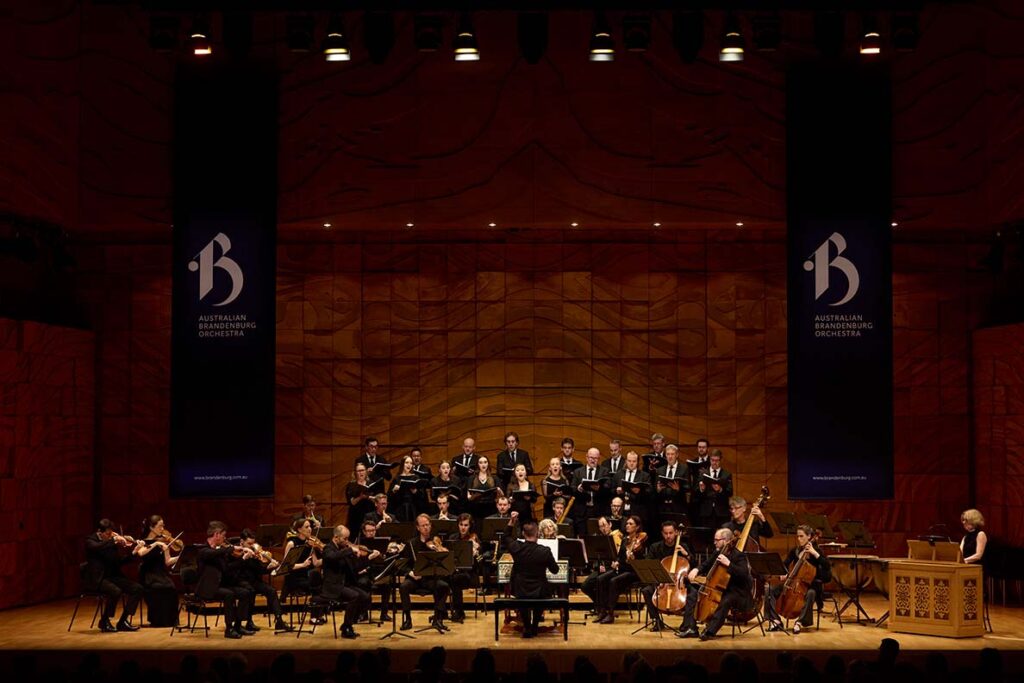
Australian Brandenburg Orchestra and Brandenburg Choir | Choral Splendour
April 16, 2026, Melbourne Recital Hall, VIC
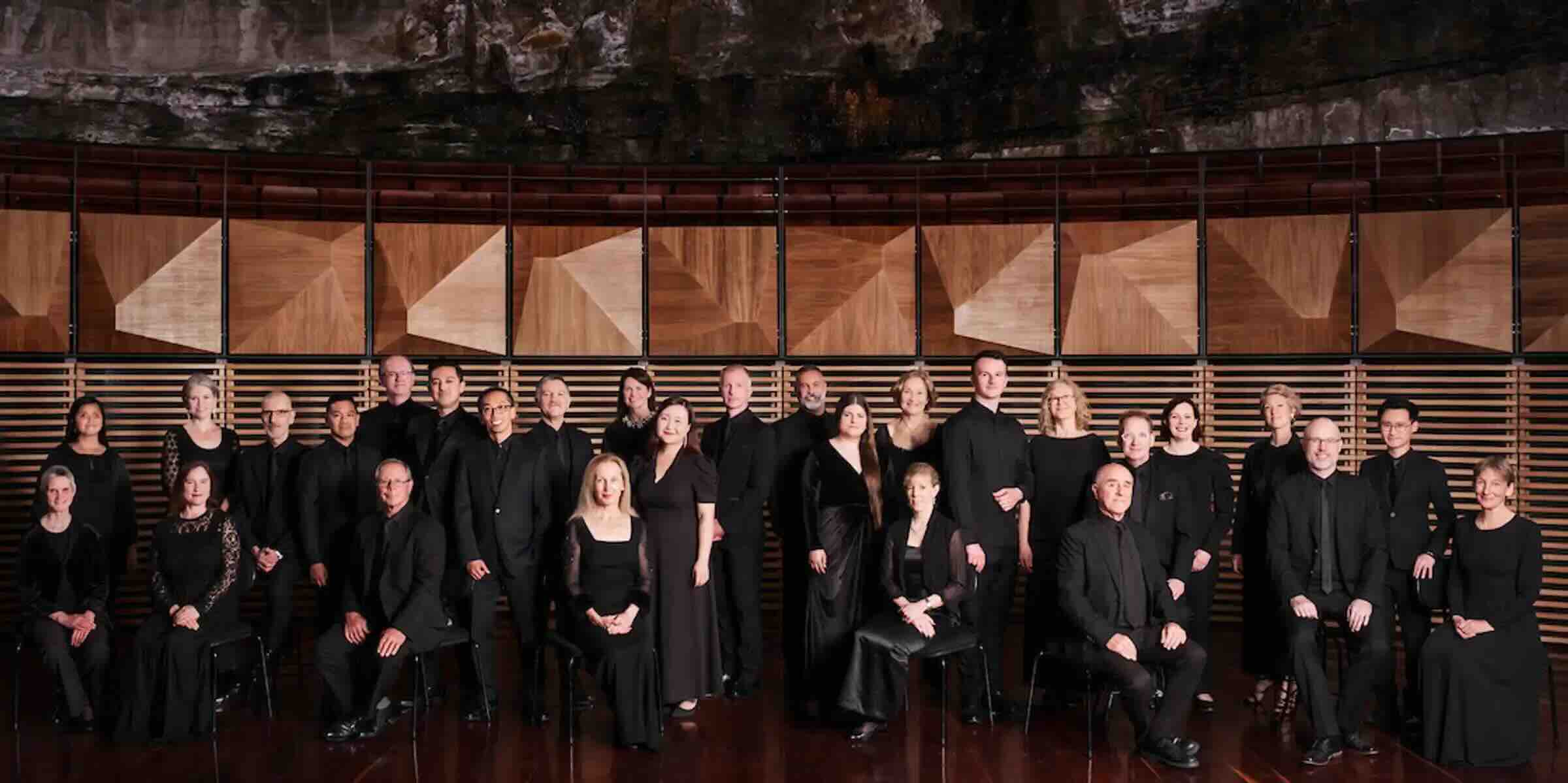
Given that music and the arts often represent the best of humanity, it is perhaps unfair to invoke a geo-political analogy with a concert, particularly in the present world circumstances. However, the Australian Brandenburg Orchestra is undoubtedly a musical superpower, ably flexing its formidable influence through the use of its extensive artistic arsenal. In a concert titled Choral Splendour, the orchestra’s many strengths were on full display, presenting a program that included iconic works from J S Bach, Telemann, Heinichen and Handel. In a final geo-political analogy, a potent weapon presented at this event was the Brandenburg Choir, described as “a passionate and versatile ensemble renowned for their astonishing vocal blend, technical virtuosity, and deep love for the music they perform.” These words were obviously true from the outset, with the performance of two chorales from Bach’s cantata Wachet auf, ruft uns die stimme, BWV 140.
The first chorale offered a joyous, uplifting melody from the sopranos with succinct vocal responses from other choristers, all set against a restrained orchestral background and elevated oboe lines. The second chorale also radiated joy, employing a more blended sound from the choir and orchestra.
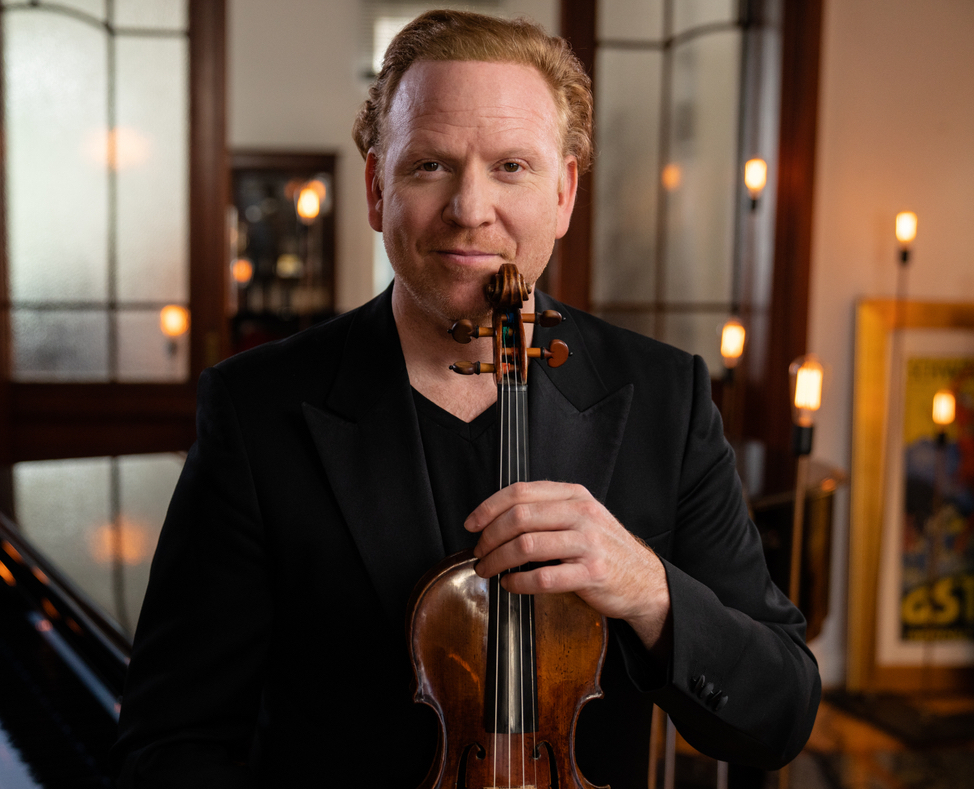
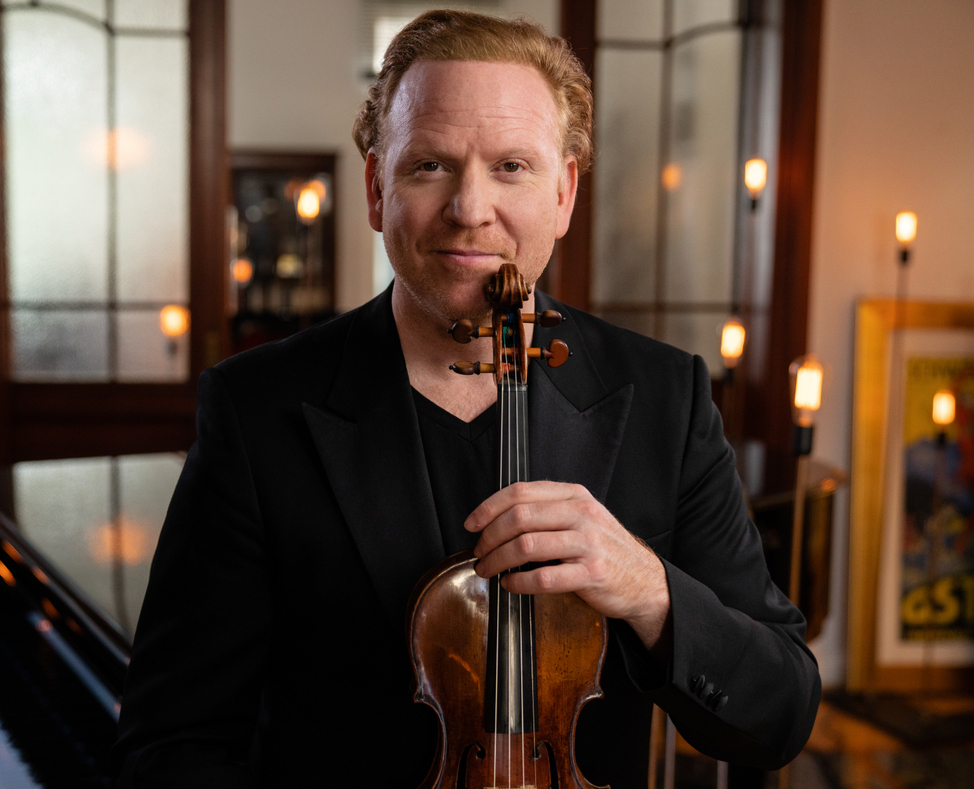
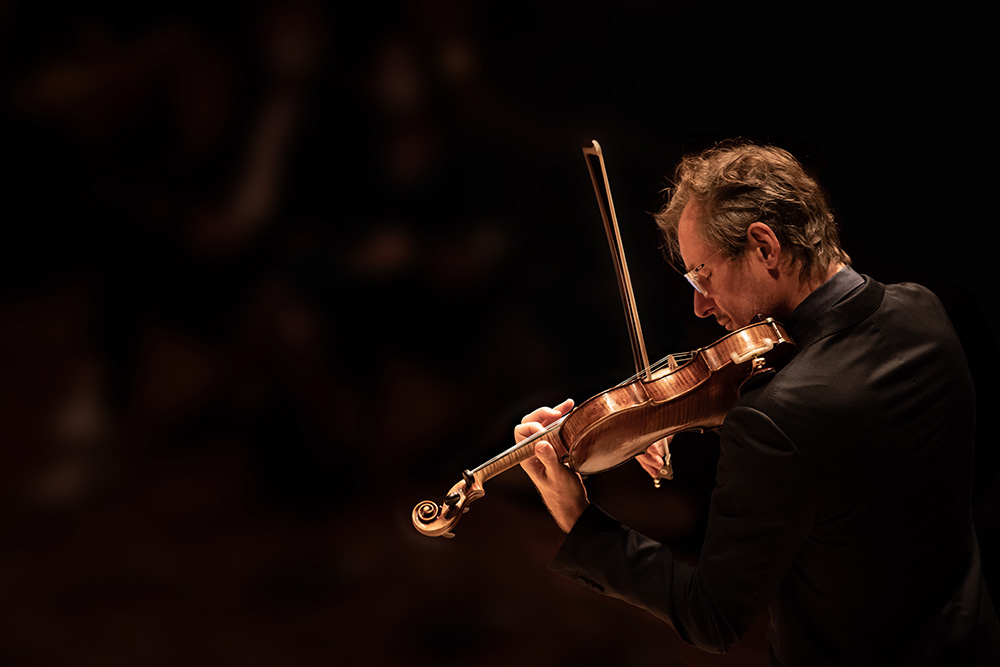
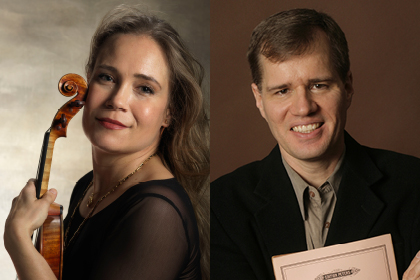
Bach’s Concerto for two violins in D minor is a much-loved and much-performed work in three movements. This iconic work featured Shaun Lee Chen and Ben Dollman (baroque violins) as soloists, displaying their virtuosic skills alongside a small ensemble. This three-movement work takes listeners on a journey into brilliant and sublime composition, facilitated by the outstanding abilities of the performers. The first movement (Vivace) has the violins engaged in a melodic call and response, at times intertwined, at times concurring, at times diverging but always compelling. The second movement (Largo) is a tour-de-force of composition. Bach not only demonstrates masterful counterpoint with the violin parts; he also weaves together a beautiful and uplifting melody with a deep melancholic sentiment implied in the music, signifying a highly skilful artistic achievement. The third movement (Allegro) brings the concerto to a joyous and exuberant end.
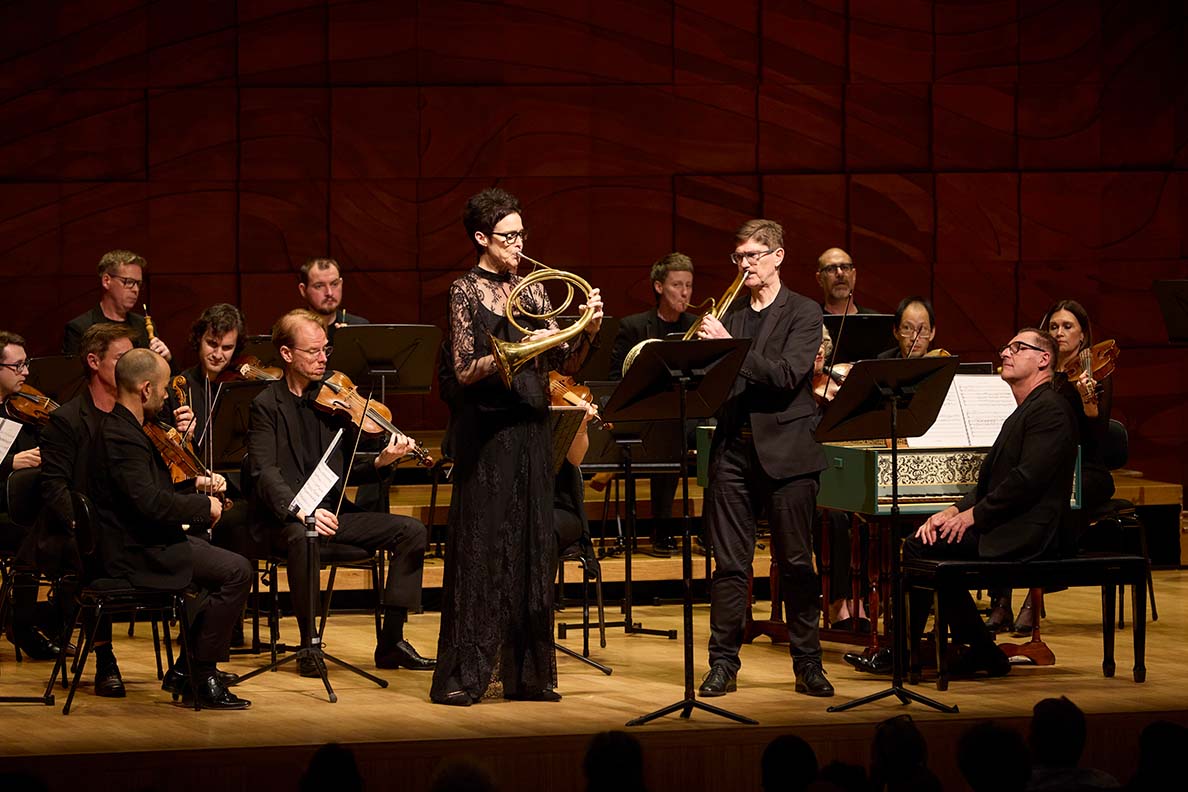
Bach’s music was a feature of this concert with two additional cantatas, Herz und Mund und Tat und Leben, BWV 147, and Wir danken dir, Gott, wir danken dir, BWV 29, performed to an appreciative and enthralled audience. Both cantatas demonstrated not only the special sound world of the baroque orchestra, but also the amazing ability of the choir to present an expertly blended sound where no single voice dominates within a section, and no one section dominates another section. BWV 147 featured two baroque trumpets as soloists in its first chorus, at all times played so as to balance perfectly with the choir. The second chorus, famous for its English translation as ‘Jesu, joy of man’s desiring’ brought to the audience both a sense of joy and familiarity, performed with the choir dominating its lively and cheerful melody.
BWV 29 commenced with a sinfonia, a short instrumental overture that included a virtuosic chamber organ accompaniment, reinforced with trumpets and drums, followed by a chorus in which the choir and orchestra came together to deliver an impressive and powerful end to the first half of the concert.
Paul Dyer, AO, is the Artistic Director of the Australian Brandenburg Orchestra, and one of Australia’s foremost specialists in historically informed performance. He presented a short talk to the audience at the interval and introduced three new, young recruits. They all spoke briefly about their joy at being part of the Brandenburg Mentorship Program, which supports and develops the next generation of early music performers – a wonderful and beneficial aspect of this flagship orchestra.
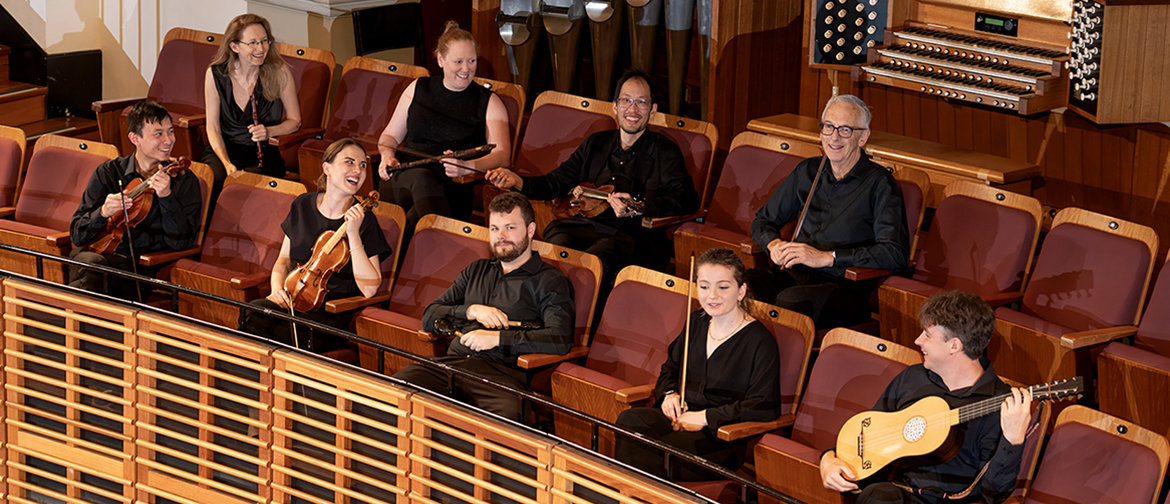
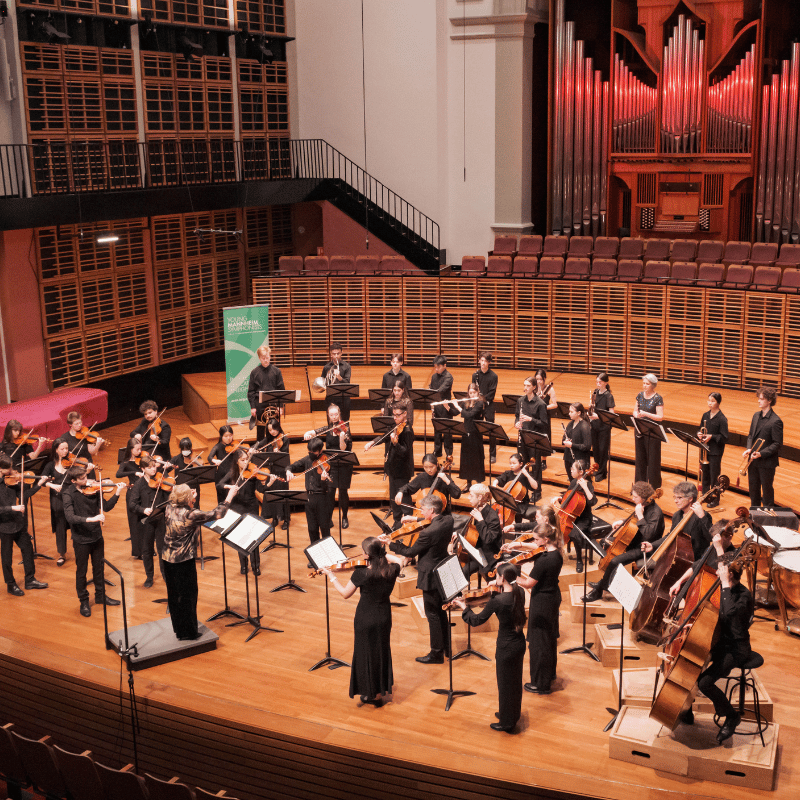
Georg Phillip Telemann’s Ouverture from Overture-Suite in D Major opened the second half of the concert, providing the audience with a masterful presentation of this regal overture. The sound emanating from just over twenty baroque instruments was powerful, full of depth, colour and projection, once again disproving the claim that historically informed instruments have a “thin” or “shallow” sound.
The un-valved natural horn has a unique sound, relying on a performer’s expertise to attain the correct pitch. The most accomplished performers rarely realise perfect pitch, giving the horn an alluring edginess, and an ability to evoke an ambience of past eras. Two superb musicians played the horns in Johann David Heinichen’s Concerto in F Major, a three-movement work that featured various instruments alongside the horns.
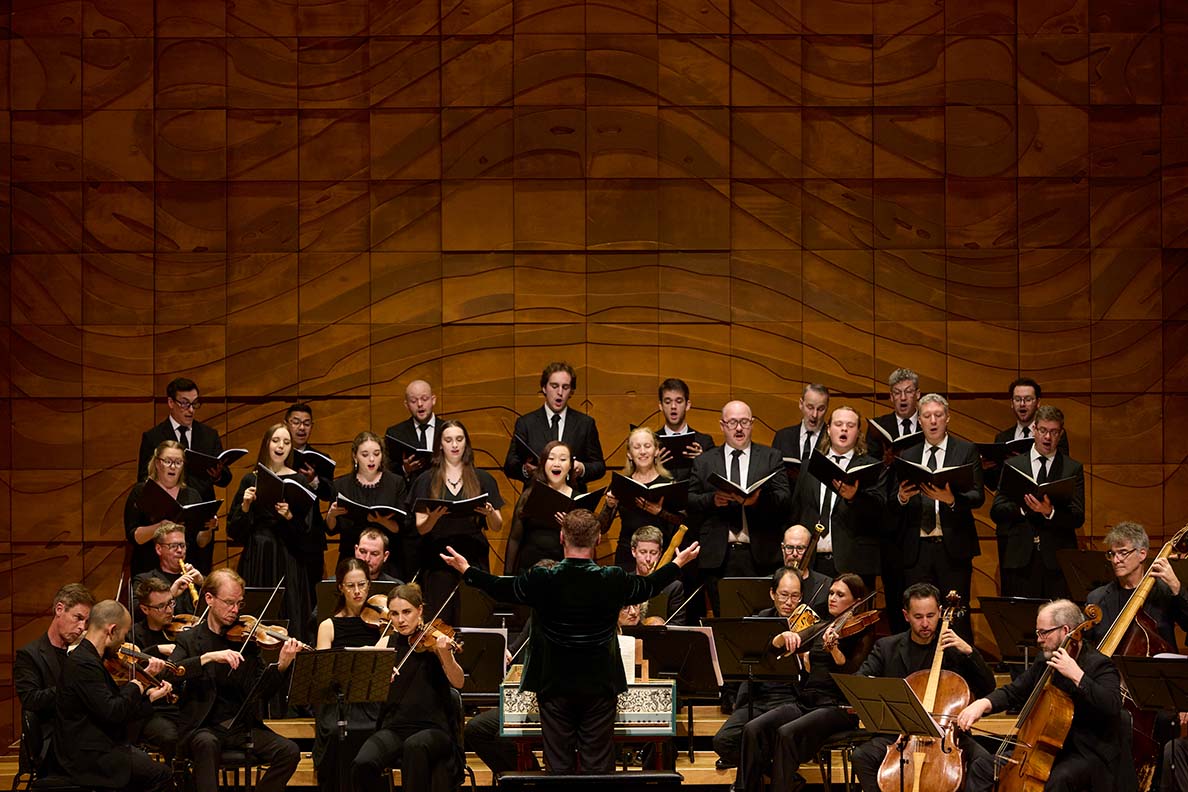
Handel’s music is often associated with both church and state, and two coronation anthems, No. 1, Zadok the Priest, and No.3, The King shall rejoice, are examples of Handel’s masterful use of music to impress and to create spectacle. The orchestra and choir used their combined talents to present a sonic showcase of majesty, power, and beauty, uplifting and delighting the audience through a musical display of extraordinary accomplishment. Zadok the Priest, with its gradual progression from a quiet instrumental introduction to a thunderous choral entry, is truly fit for a king or queen, being the only piece of music to be performed at every subsequent coronation of a British monarch.
As a finale, the anthem The King shall rejoice truly demonstrated the exceptional artistry of all the performers. Its four contrasting movements took the audience through various emotions and moods, starting with a joyous and forceful “rejoice”, then progressing into a second movement full of pastoral imagery. The third movement demonstrated the amazing dexterity and vocal control of the choir, with wide-ranging dynamics often used within one syllable or word. The fourth movement, Alleluia, was conveyed with all instruments and voices leaning in to a thunderous and forceful but never overbearing delivery.
Returning to an earlier thought, music is indeed a power for good, and the Australian Brandenburg Orchestra and the Brandenburg Choir are a musical superpower. This concert, presented by deeply committed and talented artists, transported the audience to levels of delight and fulfilment through sheer brilliance, skill and highly-developed artistic abilities. Bravo! Paul Dyer and all the performers.
Photo credit: Laura Manariti