Australian Haydn Ensemble | Beethoven’s Fourth
3 May, 2026, ACO on the Pier, Walsh Bay, NSW
This work is the goose among the swans of Beethoven’s masterful Third, Fifth and Ninth symphonies. No.4 in B flat is not as reverential as the much trumpeted and eponymous concertos but offers a rarely glimpsed burst of delight upon hearing this septet. The Watts arrangement for flute and string is a must for its warmth, clarity and wittiness.
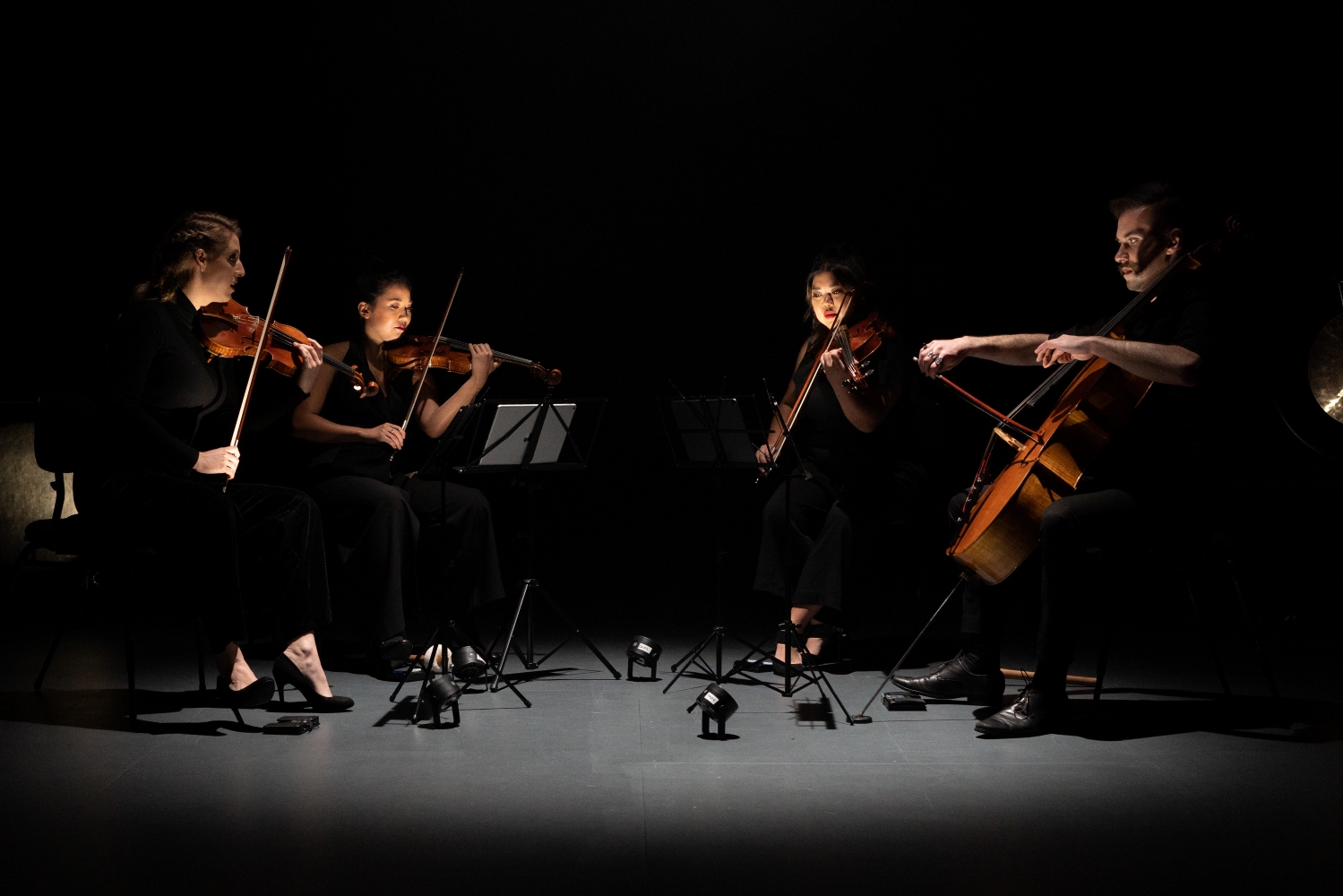
Ensconced in the warm-panelled confines of The Neilsen Theatre, the illustrious titans of chamber music, the Australian Haydn Ensemble started with Boccherini whose String Quartet in A minor Op.25 No.6 has a strong lure for the ambition of our chamber quartet. The one in A minor from the 1778’s Op.25 has the lustre and nobility of a substantial work. But as our ears pick up on Luigi Boccherini’s unmistakable character, from galloping caballos to a closing rondo in-Turkish-style that passes Mozart to the winner’s gate. His String Quartet was part of his prolific composing output during the transitional period between Baroque and Classical styles, particularly known for refining the string quartet by adding a second cello and writing extensive music for cello and guitar. A composer and cellist, his music retained a courtly and galant style even while he matured apart from the major classical music centres. Known for his Spanish affectation, he is well known for his Musica Notturna Delle Strada di Madrid and the minuet from his String Quintet in E, Op.11, No.5 (G275) and the Cello Concerto in B flat major (G482).
Much of his chamber music followed models established by Joseph Haydn, however Boccherini is credited with improving Haydn’s model of the string quartet by bringing the cello to prominence. He had a supreme command of the cello often playing violin repertoire on his instrument. His work output is meritorious including over 100 string quintets for string trios. His style is characterised by Rococo charm, lightness and optimism, exhibiting melodic and rhythmic invention. His work was carried to a stunning conclusion exhibiting the classy dexterity and musicality of the Australian Haydn Ensemble’s Quartet whose stage presence and instrumental athleticism puts them at the heights that they deserve.
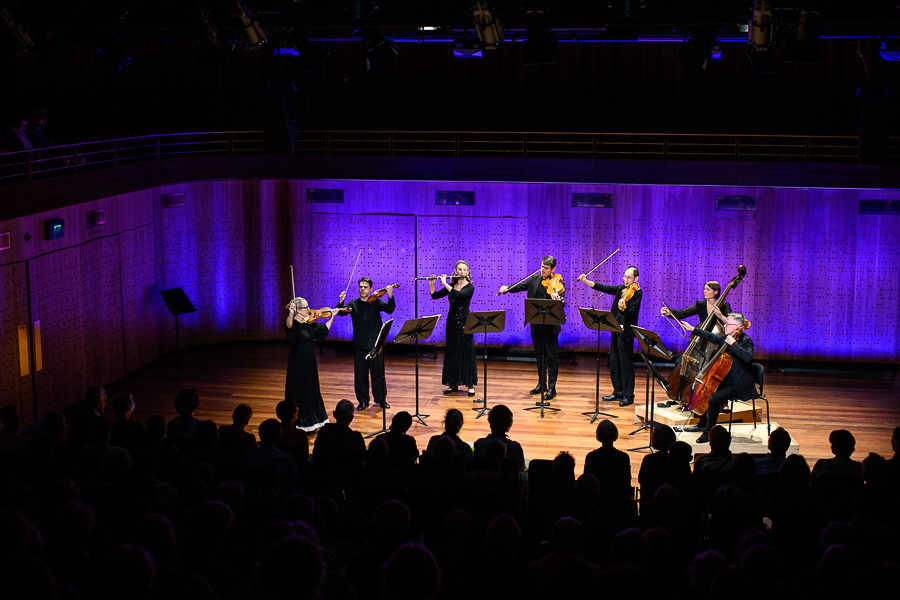
The next display of virtuosity was Mozart Symphony No.35 in D major Haffner arr. Septet (Cimador) or as it called in short, the “Haffner Symphony”. It started life as a serenade used as background music for the enoblement of Sigmund Haffner. Mozart won the commission while being snowballed with work. He gave the symphony a fuller sound by adding two flutes and two clarinets to the woodwind section of the first and last movements. The key of D was an interesting choice as it was so felicitous for the winds. In the allegro conspirato Mozart stated that first movement is to be played with fire with a slow-intro using all the instruments in unison with the rhythm of the fourth bar revealing the quick tempo of the movement andante providing a welcome relief with its slow, graceful melodies, like a chorale passage syncopated accompaniment by the violins and violas. The Menuetto Trio offers a constant tug between two main chords – the tonic and dominant keys. Mozart cleverly inserted a piano for chord iv and vi which provide a pleasant contrast both melodically and dynamically. The Menuetto is lighter and brighter whereas the “trio” creates a more flowing effect. Presto is the last movement in which fire is called upon bearing a similarity in the atmosphere of the overture to Le Nozze di Figaro. Although the Presto begins at a quiet brisk pace, the listener is arrested by three beats of silence followed by the whole ensemble performing at a clear forte level in bar 9. The Haydn Quartet drove with excellence the rapid dynamic shifts in this amazing closing movement.
The much anticipated Symphony No.4 of Beethoven Op.60 in B major was his fourth published, premiering in 1807 at a private concert in Vienna for Prince Lobkowitz. It is genial in tone but remained a lesser known gem, with a sunny and cheerful countenance, reminiscent of Joseph Haydn symphonies. Leonard Bernstein described the first movement as a “mysterious intro which hovers around minor modes, tip-toeing its tenuous weight through ambiguous unrelated keys and so reluctant to down into his final B major”. Adagio is a slow sonata-rondo with the rhythmic figure of the opening theme persisting throughout, underpinning the whole movement. Beethoven took up the cudgel forsaking the spirit of his predecessors, increasing the pace, breaking through the formal, antiquated mould, and out of a mere dance tune produced a ‘scherzo’. The last movement Allegro ma non troppo is Beethoven’s afterthought making the movement playful by concluding the symphony with the Haydnesque device of playing the main theme at half speed, interrupted by pauses, before a final fortissimo flourish.
Carl Maria von Weber, never an admirer of Beethoven, wrote, “above all things, throw rules to the winds, for they only hamper a genius”. Musicologist Robert Greenberg from the San Francisco Conservatory of Music wrote, “if any of Beethoven’s contemporaries had written this symphony, it would be forever be considered that composer’s masterwork and that composer would be forever remembered for this symphony – played often”. As it is, for Beethoven, it is a work in search of an audience, least known and least appreciated of the nine.
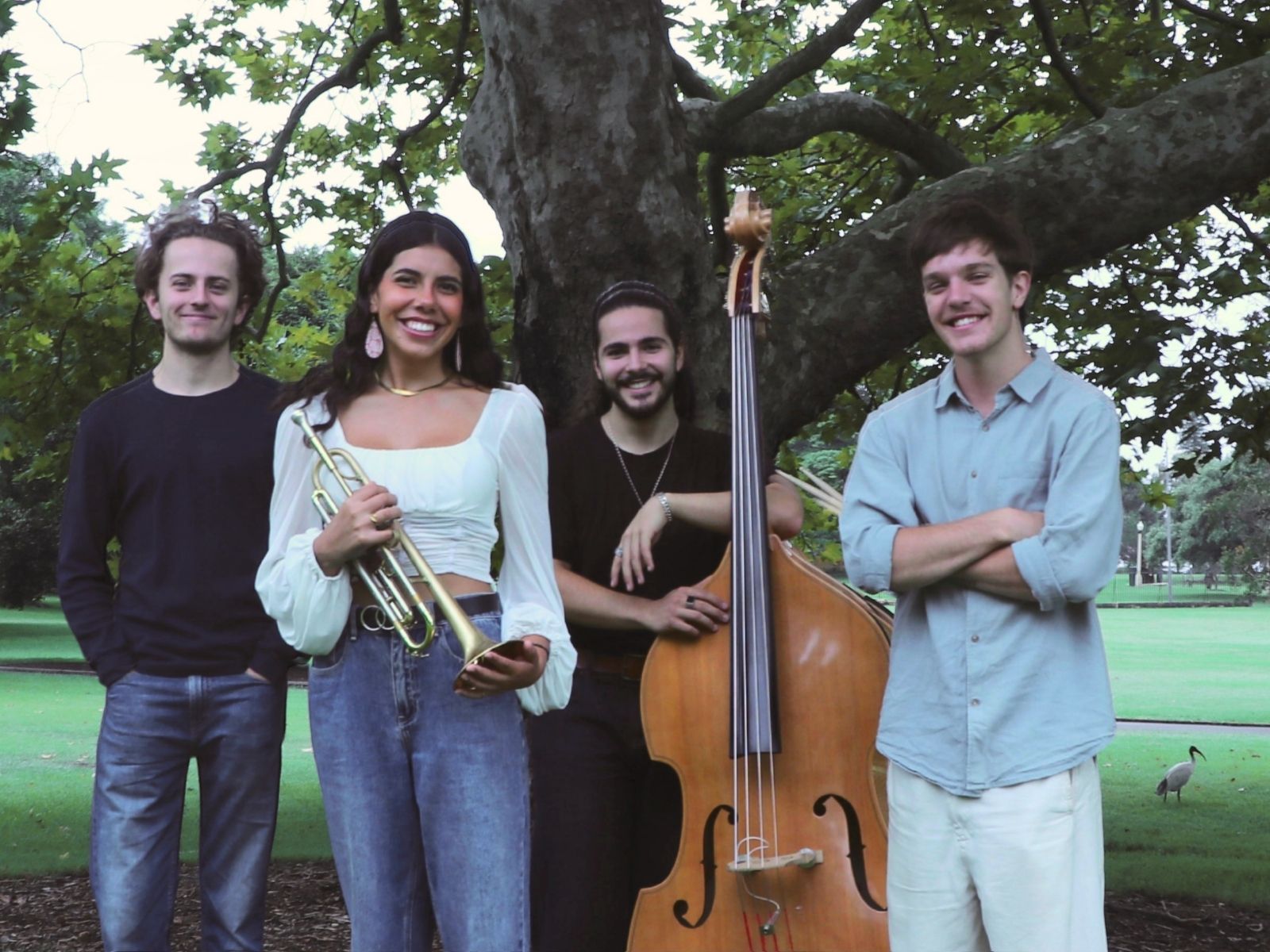
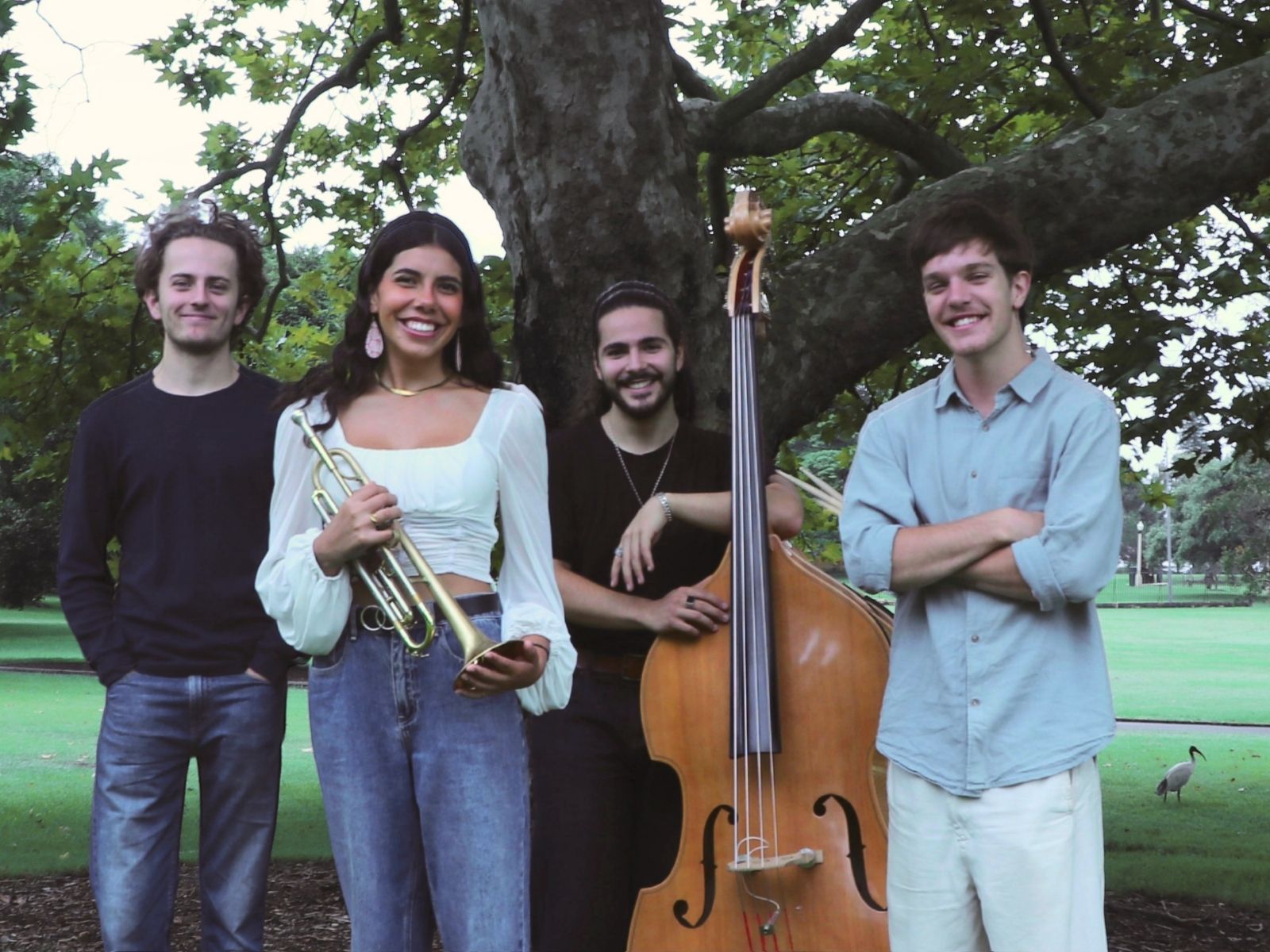
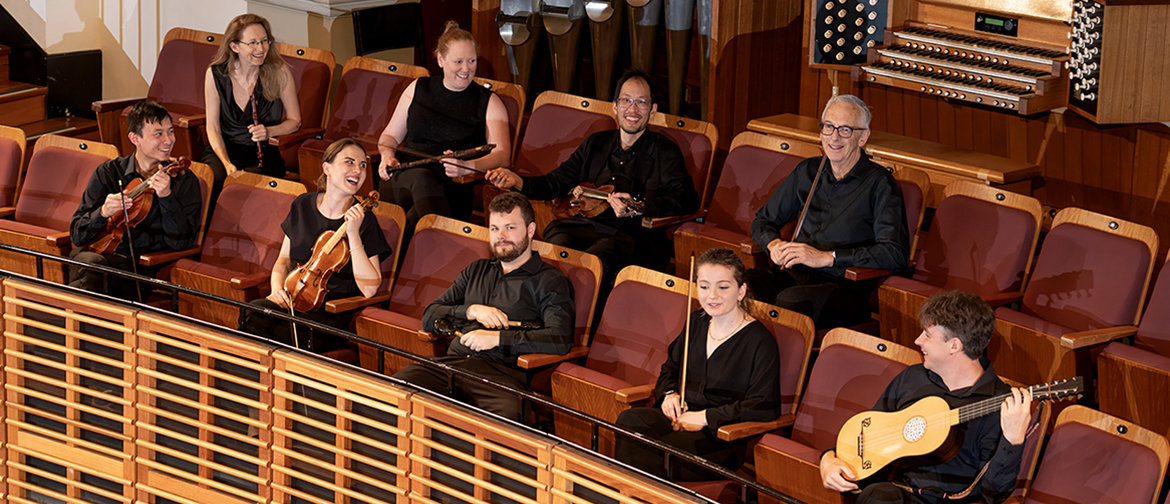
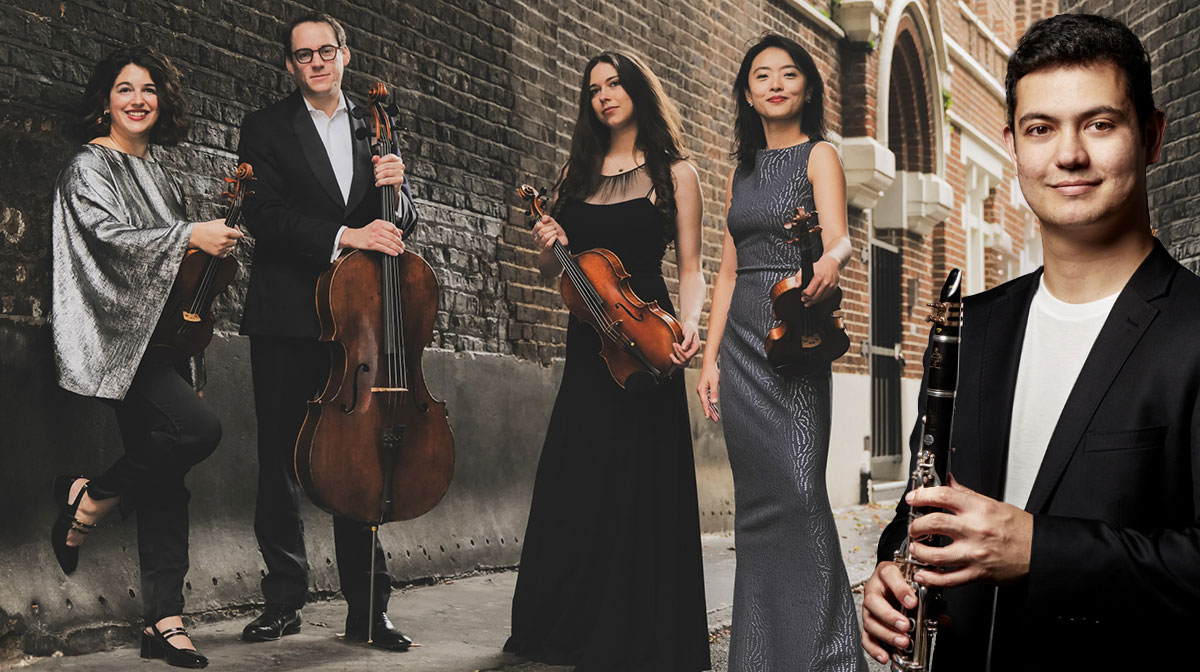
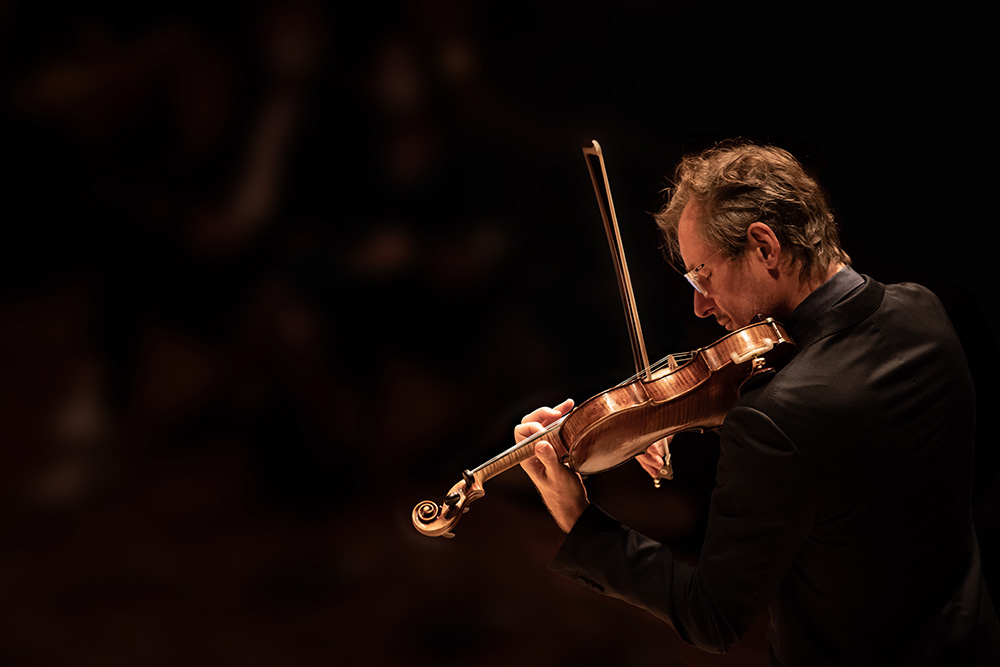
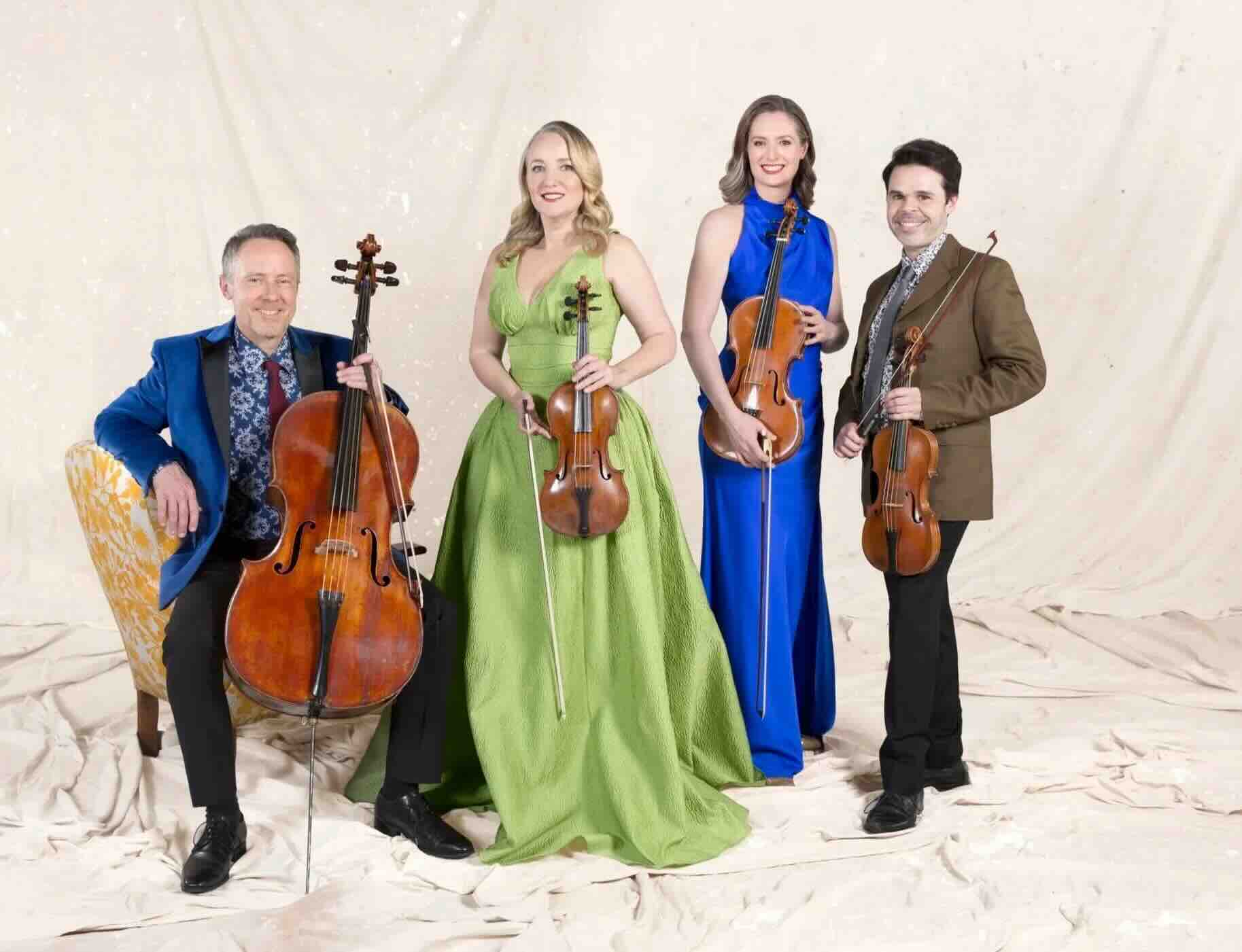
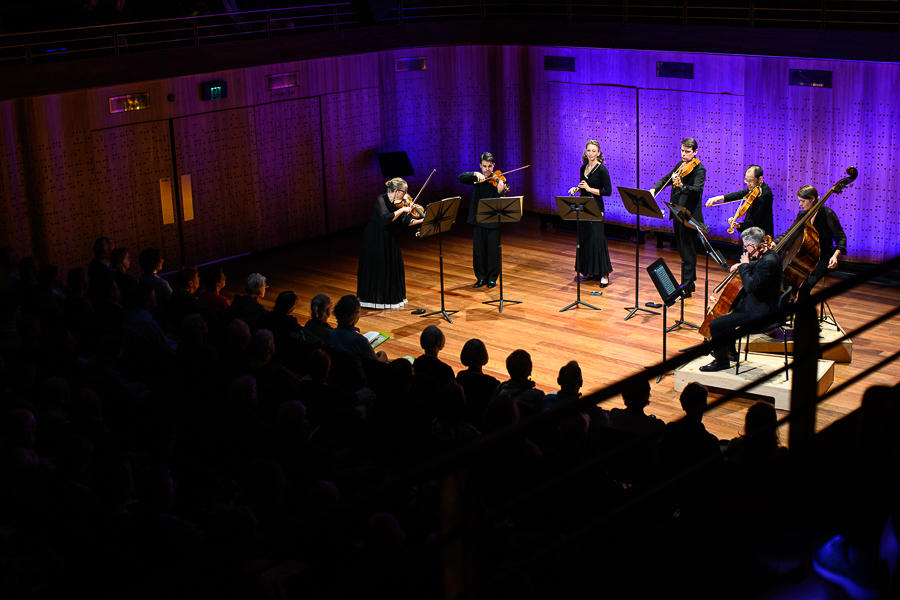
A strong audience was present to laud the Australian Haydn Ensemble, featuring the illustrious titans of the group:
Skye McIntosh – violin playing a Tomaso Eberle instrument 1770, Naples;
Mathew Greco – violin 2 playing a David Christian Hopf, 1760 instrument, Qittenbach;
Rafael Font – viola playing a instrument by Simon Brown, 2010, Sydney;
John Ma – viola playing an instrument by Simon Brown, 2000, Sydney;
Daniel Yeadon – cello playing an instrument by William Forster II, 1781, London;
Pippa Macmillan – double bass playing a instrument by Unknown mid-18th-century, Italy;
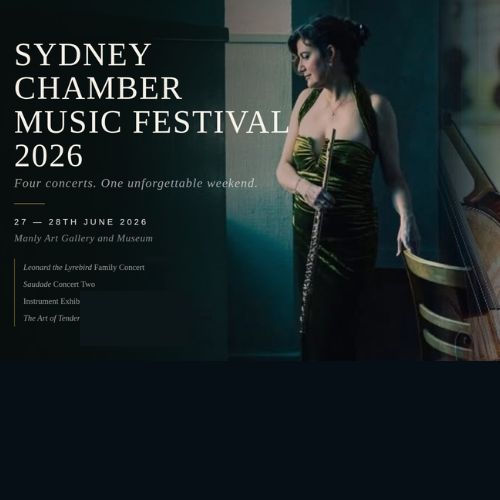
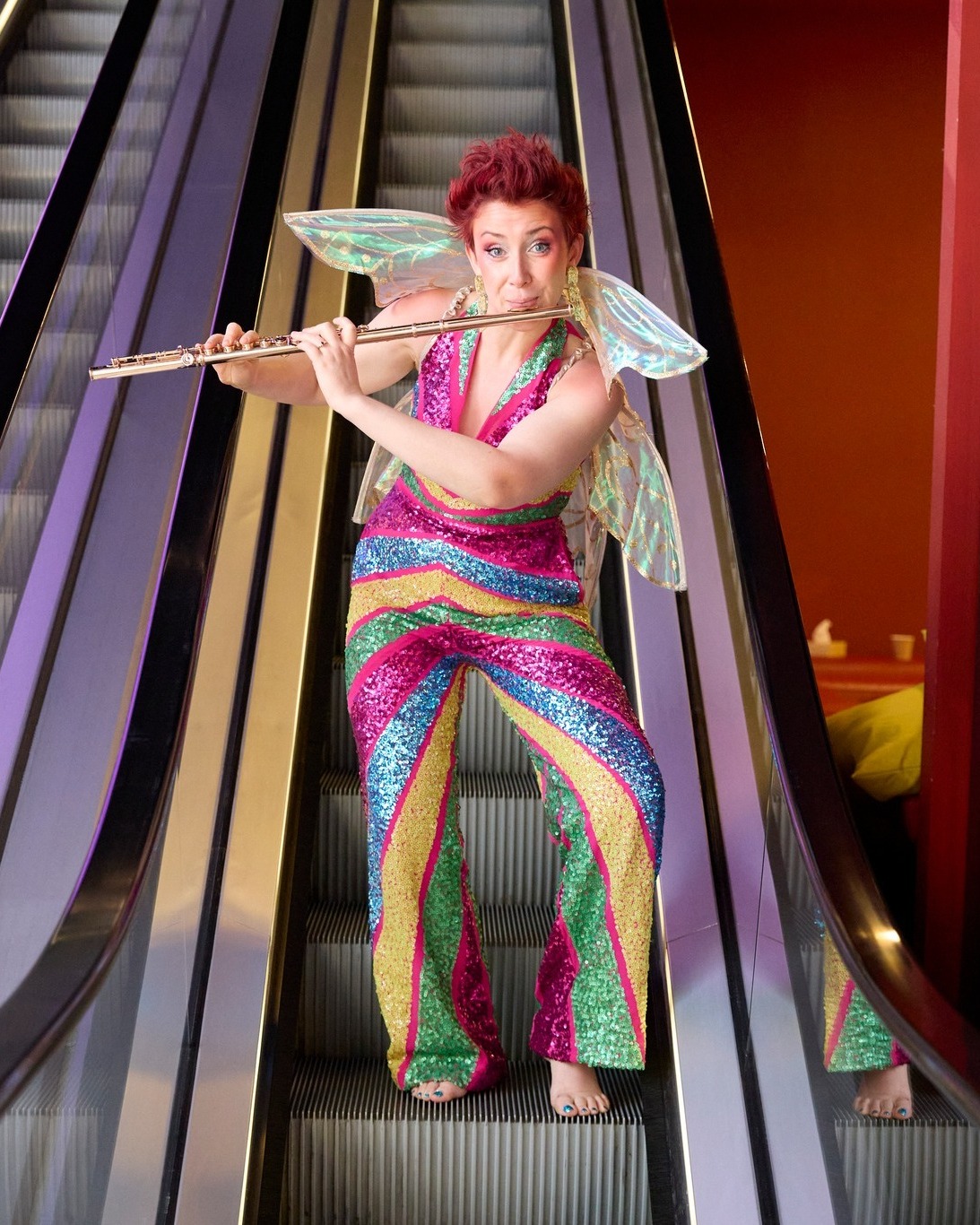
Melisa Farrow – flute playing an instrument M.Wenger, 2008, Singen, after A.Grenser, c.1790, Dresden.
Thunderous applause, foot stomping and exuberant howling rewarded these spectacular artists, arguably Sydney’s finest, delivering sublime music, beautifully performed.