Sydney Symphony Orchestra | Alexander Gavrylyuk Performs Rachmaninoff
13 May, 2026, Sydney Opera House, Sydney, NSW
An Ocean of Sound!
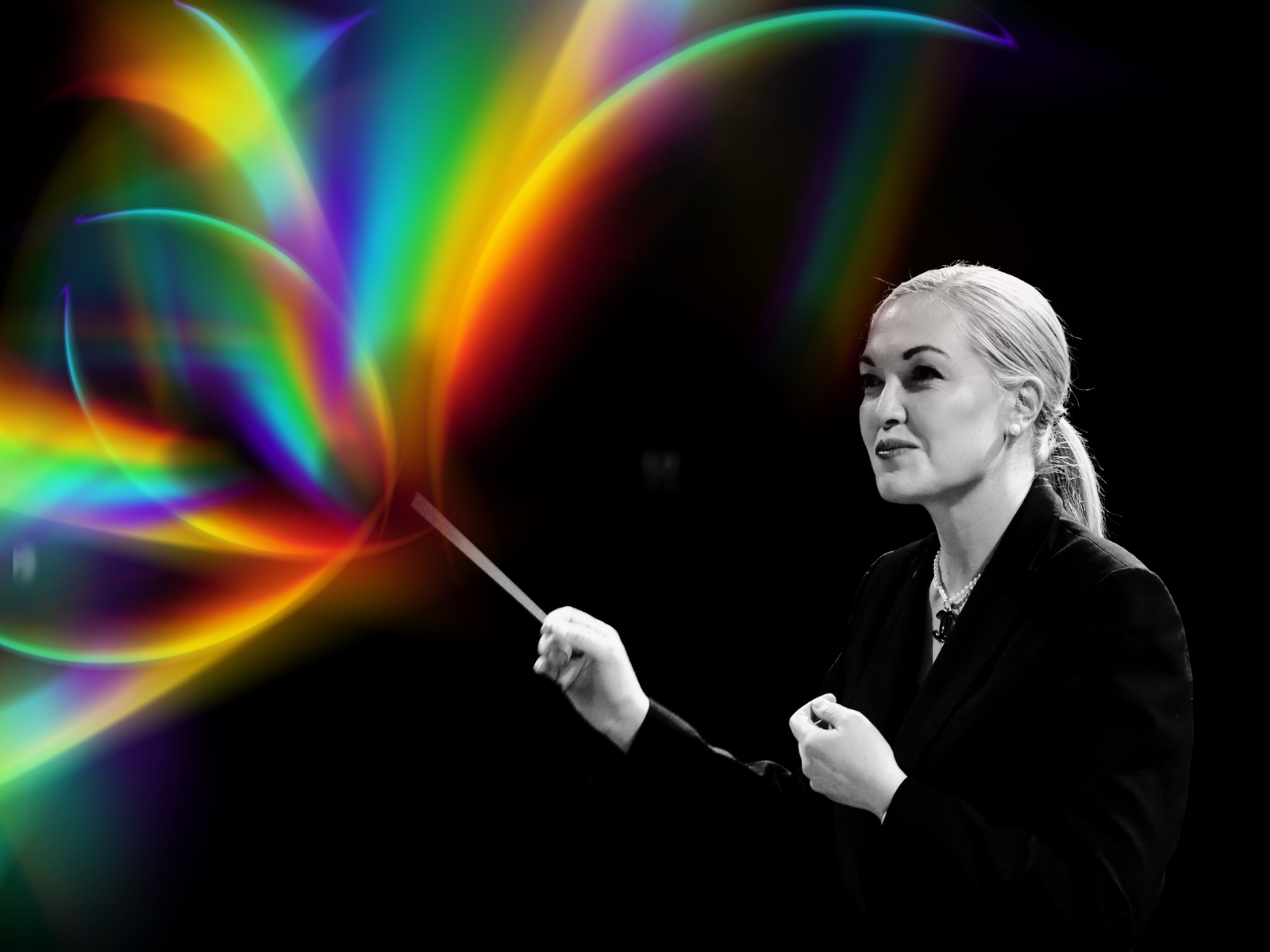
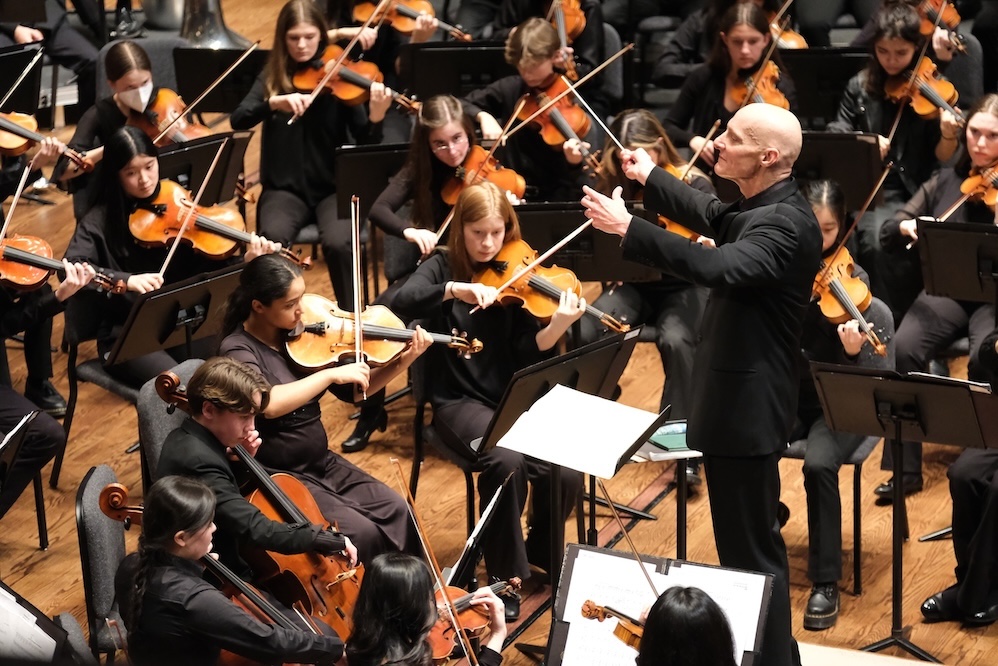
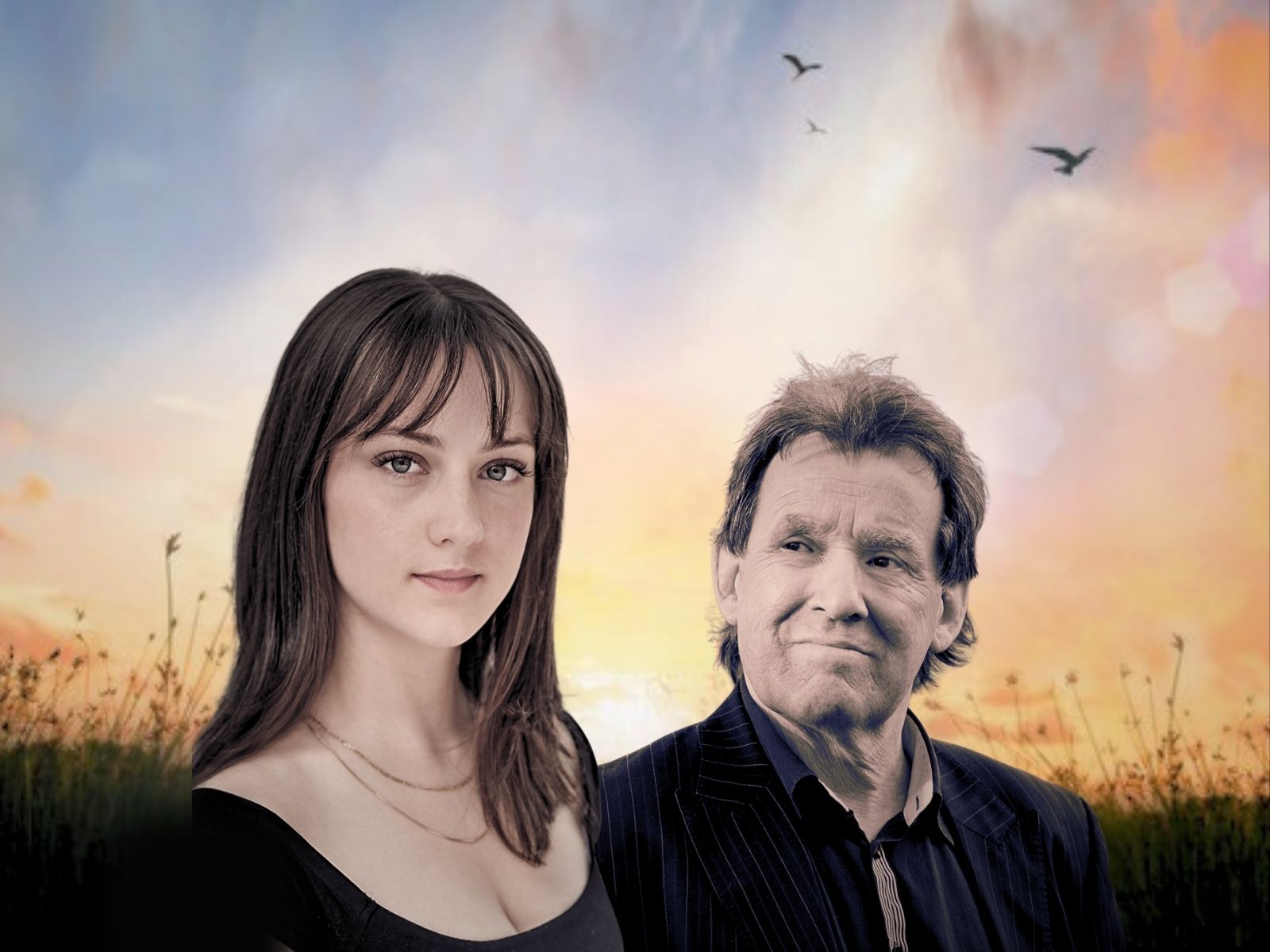
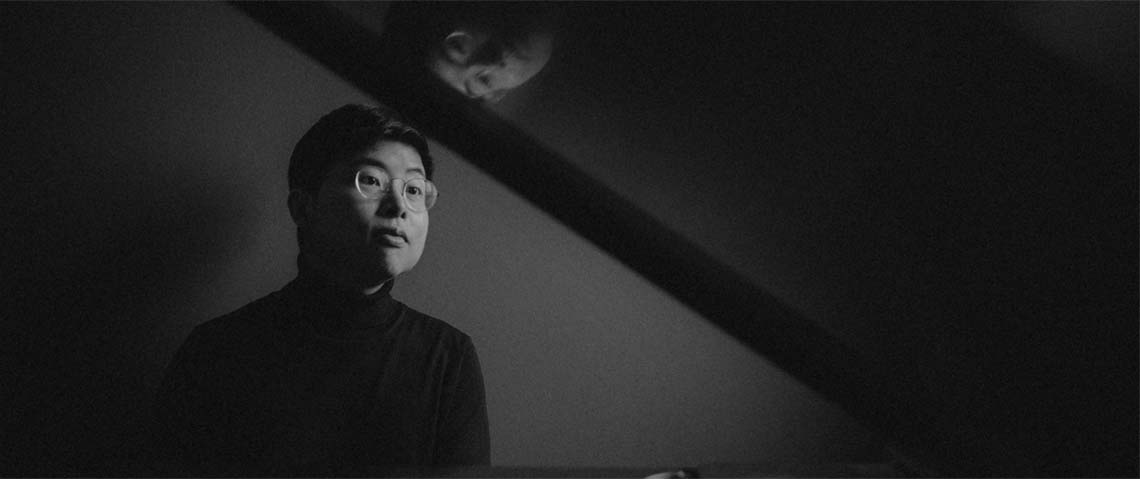
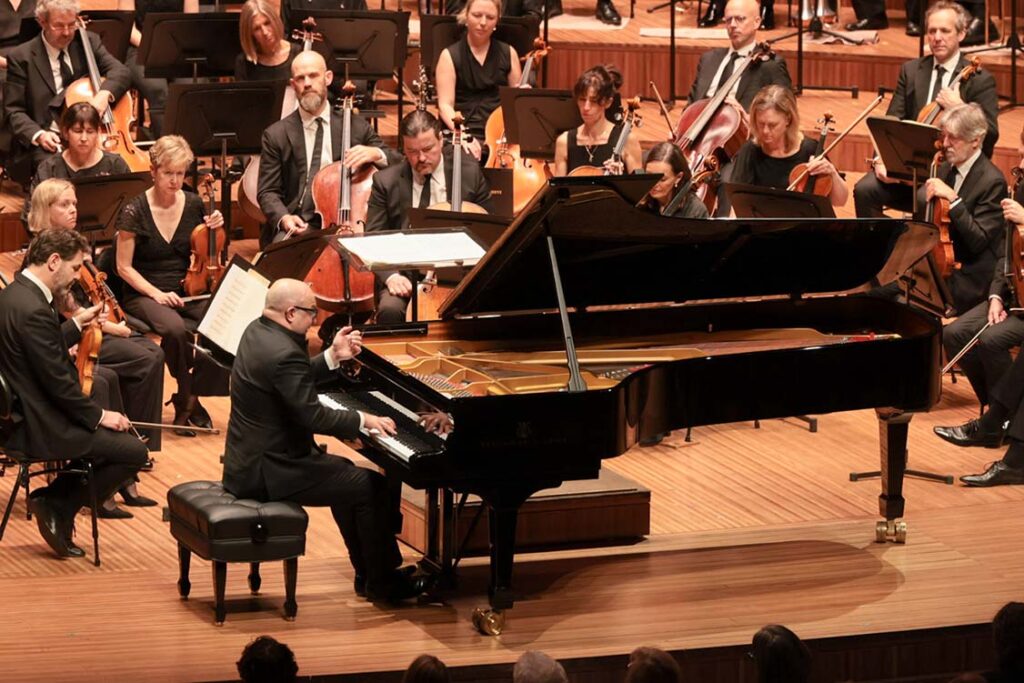
Part of the art of experiencing the SSO’s 2026 concert season is tonight’s program which is anchored in things aquatic. Its offering at the wonderful auditorium that is the Sydney Opera House Concert Hall features two of Australia’s finest musicians, conductor Nicholas Carter and pianist Alexander Gavrylyuk. Carter has served as principal conductor for the Adelaide Symphony Orchestra and has built longstanding relationships with a vast network of international musical establishments of classical. Ukrainian-born pianist Alexander Gavrylyuk is a favourite with Sydney audiences adapt at performing especially Rachmaninoff’s intricate but deceptively difficult Paganini Variations, the level of which was an incredible delivery. For anyone acquainted with the Russian composer chances are that it is his concerto-like work for piano and orchestra, Rhapsody, inspired by Niccolo Paganini’s Caprices for violin, Caprice No.24. Of all the Paganini caprices, it captured the imagination and interest of Romantic composers the most. Franz Liszt transcribed the work for piano, and Brahms created his own variations for solo piano as well. Rachmaninoff took it a step further, bringing a full orchestra into the mix and spinning out 24 variations making his work immensely popular, considering he was the closest thing the 18th century had to a rock star. He was lauded for his technical prowess, as well as, the works he composed to show off his unmatched skills on the violin.
The technically impressive style that Rachmaninoff was famous for is evoked by the extraordinary piano command of Gavrylyuk who tackles the notoriously difficult Rhapsody on a theme of Paganini, taking us on an exciting, wild ride from mischievous to tender, and beyond. But why are the works so challenging and notoriously difficult? They were composed by Rachmaninoff who had abnormally large hands, demanding a massive, 12-key chordal reach – extreme physical stamina and complex dense textures. Alexander Gavrylyuk mastered the rapid leaps required, that force average size hands to stretch painfully. Playing Rachmaninoff can feel like “playing twister on a keyboard“ which our star pianist demonstrated with his emotional endurance and high-level technique. The problem is that most pianists approach it showing off their technical mastery, yielding a mass of impenetrable notes for the listener with no path to follow. Garvrylyuk’s mastery of the ivories blew the audience away with his peerless technique and blisteringly explosive playing style.
That said, I have heard a recording of this Rachmaninoff piece and now, sitting in this auditorium listening to the exquisite peals of notes from Alexander Gavrylyuk live, its a cathartic revelation. In his masterful hands this work is one of the most beautiful pieces of music that has ever been crafted. He never rushes, allowing the audience to appreciate all his, and the orchestra’s, notes. It easily moves one to tears. I’m indebted to my mother for playing it and classical hits in my crib. The 18th variation is an unforgettable ecstatic movement brought to fulfilment by this elegant pianist, an incredibly wonderful musician delivering the very meaning of this Rachmaninoff masterpiece.
Claude Debussy( 1862-1918) – La Mer (1903-1905)
Tonight’s delivery concentrates on the sea and how it influenced this composer.
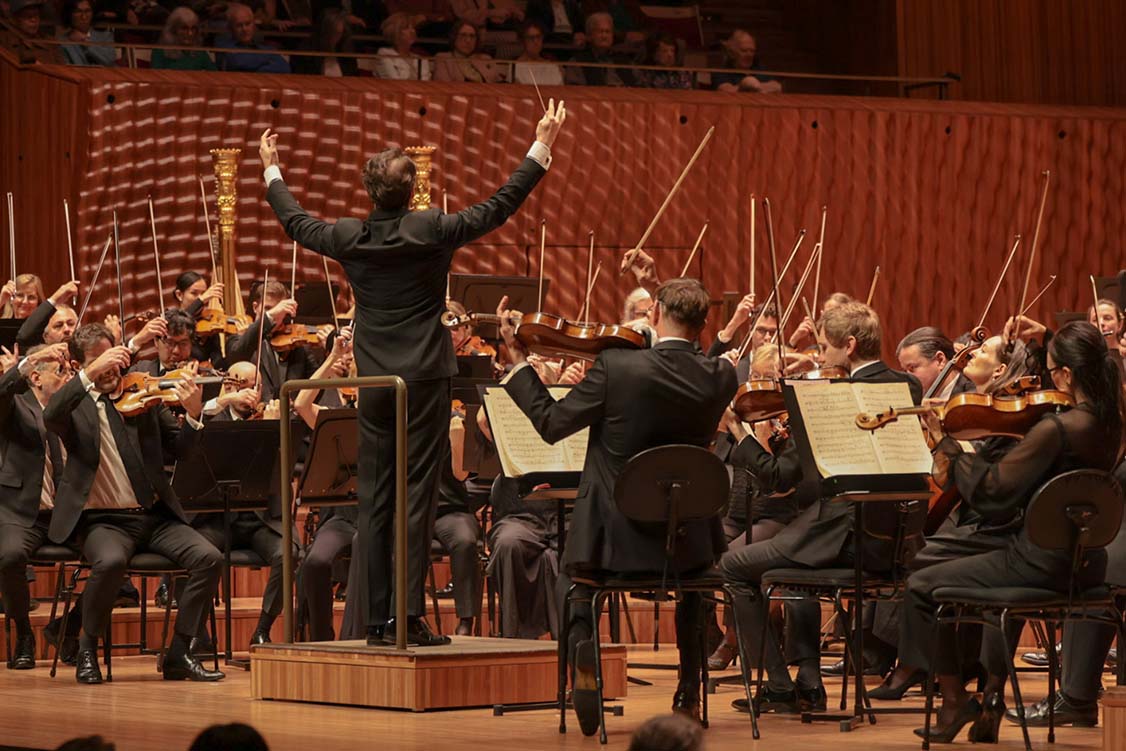
Claude Debussy’s La Mer, a sonic portrait of the sea, is not a literal portrait of the sea. There’s no story, instead it takes us deep into a world of atmosphere, metaphor and a blurring of the senses via shimmering colours, the play of light on water, and a vivid sense of motion that blend together to form a magical ever changing soundscape. La Mer runs the gamut from serene tranquility to terrifying, awe-inspiring power. Debussy found a whole spectrum of emotion and psychology reflected in the sea’s current, considering he wrote it away from a body of water. He wrote to his publisher, Jacques Durand, “…the sea has shown me all her moods”. The sense of natural growth, ebb and flow in La Mer result from an intuitive, composing logic, rather than one imposed by a prescribed form. In Jeux de Vagues or “Play of the Waves” Debussy represented the mischievous surf with a continuous development of fragmenting melodic cells, rhythmically transforming and shuffled through sections of the orchestra. The SSO beautifully executed the many exciting build ups, with momentary swells and some longer crescendos with the overall effect of wave play, an enchanting divertissement with the winds and percussion building the edge of the sound with short, gleaming solos, the movement ending with a floating tune on trumpet and piccolo.
In the last movement, Dialogue of the Wind and Sea, Debussy turns his attention to the sea’s imposing grandeur and the orchestra moves into top and magnificent gear with a hovering high trio between oboe, English horn and bassoon that imparts the spectacular gathering force in the movement. It contains some of Debussy’s most intricate rhythmic writing for orchestra and the dexterity of SSO’s move with billowing speed deploying stunning high violin harmonies and magnificent brass choral that announces the final rush, of syncopated fortissimo timpani, added to the bite from tutti pizzicato strings.
Benjamin Britten (1913-1976) – Four sea Interludes from Peter Grimes, Op.33a (1945)
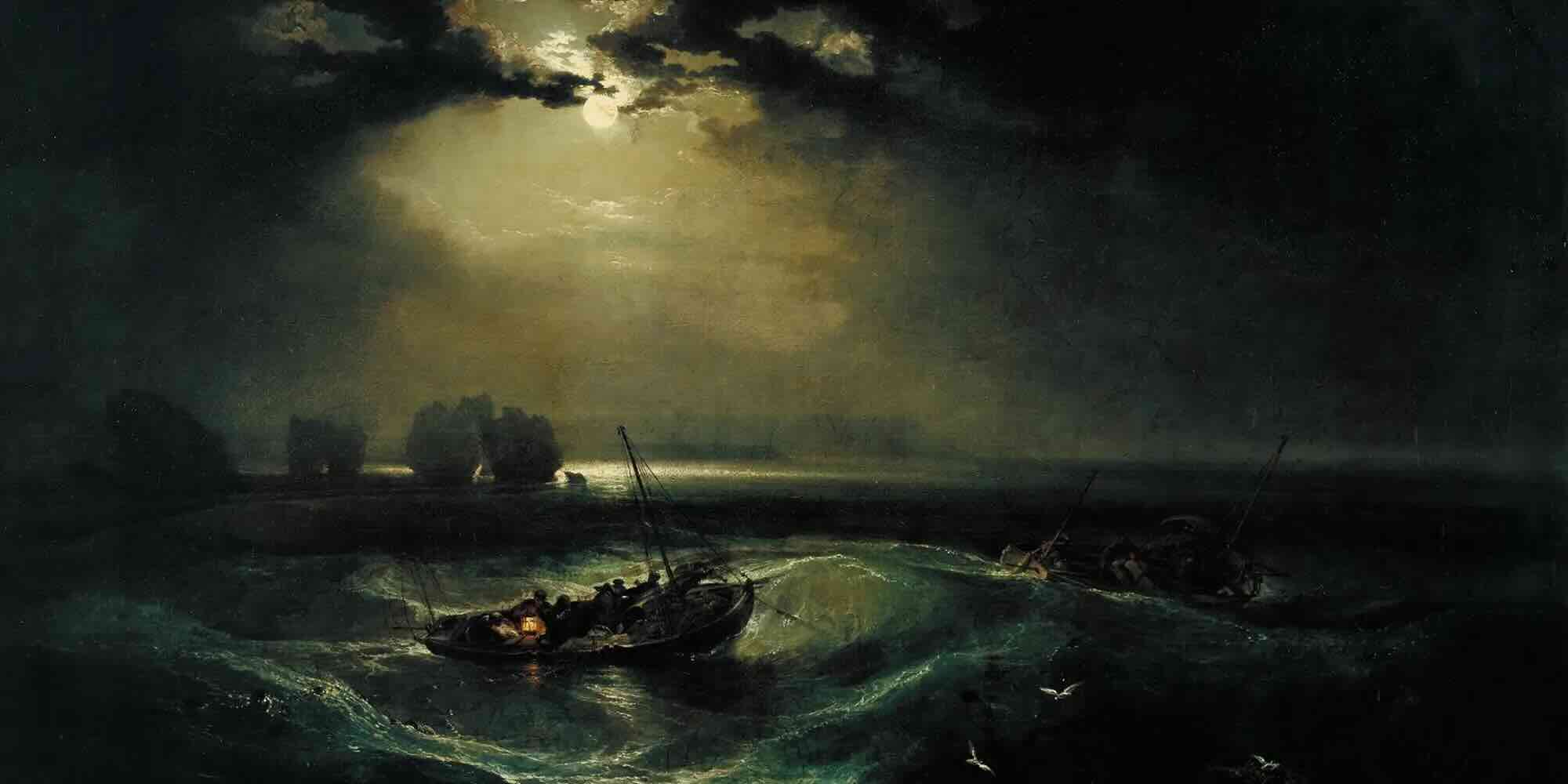
Benjamin Britten’s Sea Interludes from Peter Grimes is crafted by his pure magic – perhaps his most original and bewitching, transporting us to a deserted beach on a cold, calm October morning. The first interlude communicates the experience perfectly — its dawn, Sunday morning, moonlight, storm. It’s all there, the mystery, the quietly rolling waves, brought to life by the wonderful musicality of the SSO in beautiful orchestration. As we live through a time where we are subjected to political drivel, music such as this comes as a blessing from the gods. Britten was a genius in capturing the moody atmosphere of the Suffolk coast and turn it into a musical presence with all the drama, sadness, frustration, lamentation and compassion. It’s quite haunting especially feeling the waves, the lapping of wavelets on the sand with its subtle hiss and drag-back whispers. It has to be one of the most evocative pieces of music written telling of tales hidden in the sands, secrets of the past and warnings of things to come.
Jeanne Demessieux (1921-1968) – Poeme, Op.9 (1949)
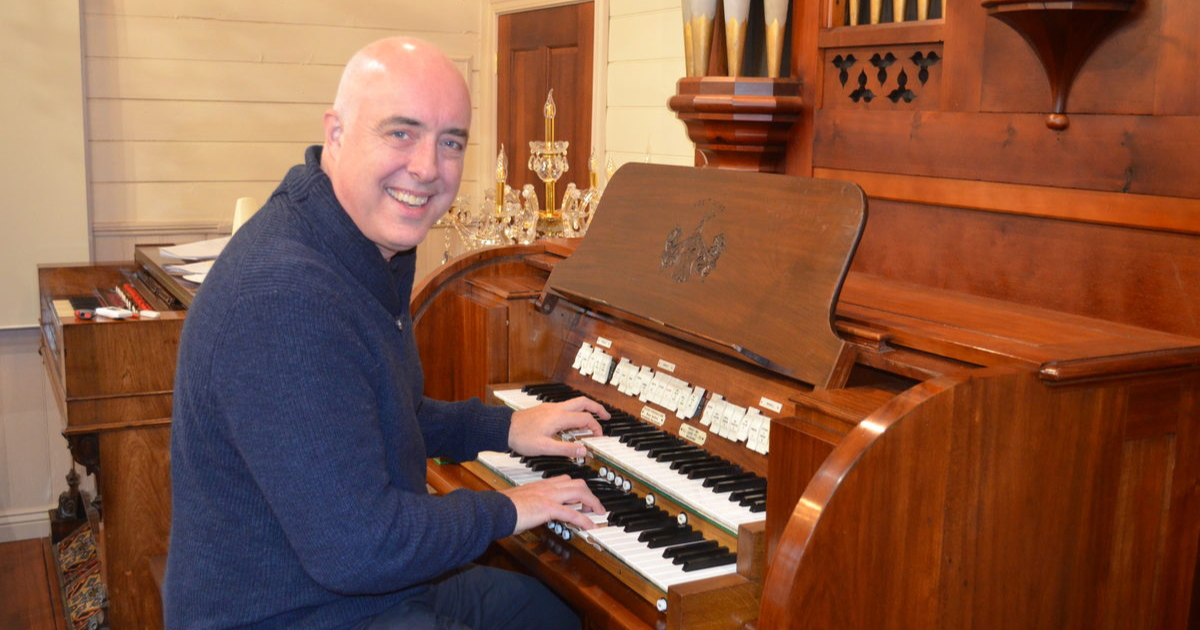
Australian Premiere – David Drury organ
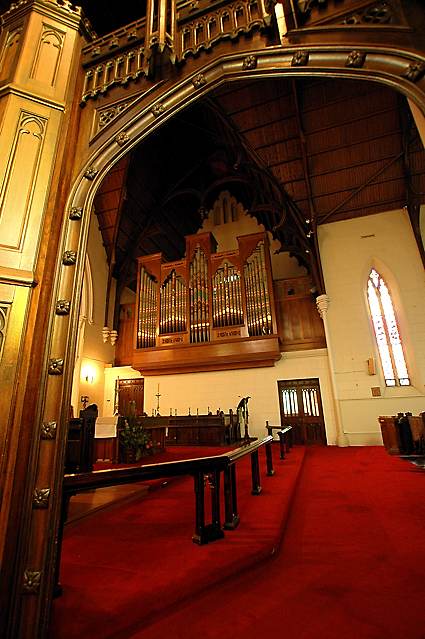
The surprise performance of the night is the Australian premiere of Jeanne Demessieux’s Poeme. She is best known for her big organ works inspired mostly by Roman Catholic psalms and chants. This brilliant but short lived French composer achieved international fame as the first woman virtuoso organist in an almost exclusively male domain. Mentored by the great Dupre, she was elevated to such a meteoric level that she had no realistic competition, and he proclaimed that posterity would rank her alongside Clara Schumann. Yet only a year after her triumphant debut concerts, he abruptly severed all contact with her. At 25, her recitals were a triumph the likes of which had never been seen before and has not since. She was the first woman to play organ in Westminster Abbey the premier woman to play in those cathedrals, churches and concert halls in virtually every major European and American city, giving 200 recitals in only four years. She wrote her own concerto Poeme Op.9 for organ and orchestra in 1950 and incredibly had an active repertoire of 2,500 compositions which she performed from memory. At its core Poeme explores the extreme emotional and technical extremes of the instrument through shifting moods, profound introspection and sensitivity capturing a poetic symphony. The work builds through gradual intense crescendos, culminating in a radiant climax that highlights the sonic range of the organ pitted against the symphonic palette of the orchestra.
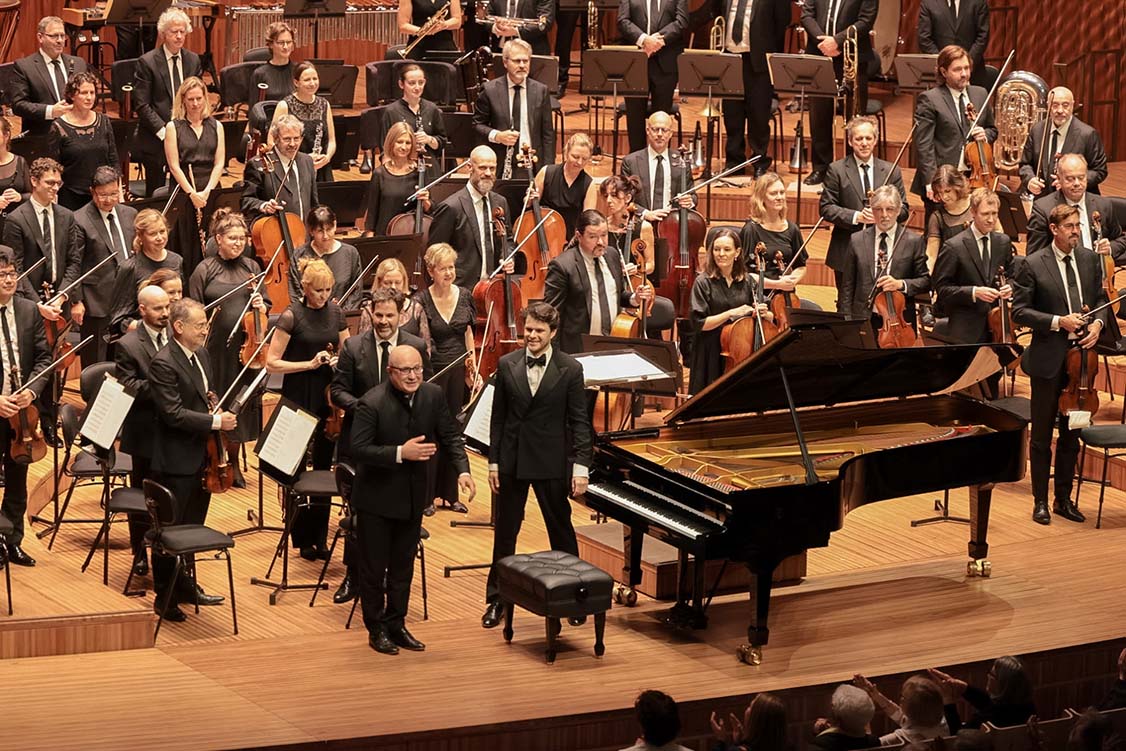
Tonight was a shining success for the SSO, directed by the mercurial Nicholas Carter and the pianist extraordinaire Alexander Gavrylyuk in their peerless musical offering. The applause was heartfelt and tumultuous, the audience not eager to decrease their appreciation of a night to remember.
Photo credit: Sydney Symphony Orchestra