Melbourne Symphony Orchestra | A Celebration of Sibelius
October 30, 2025, Melbourne Town Hall, VIC
Benjamin Northey – Conductor
Edward Walton – Violin
A night of Sibelius works, large and small, with a brilliant young soloist and the commanding presence at the podium of Benjamin Northey, for the last of the Melbourne Town Hall MSO series; not to be repeated in 2026. (Relax: all is not lost, see the Organ Postlude below this article.)
1899 was a tipping-point for the young Sibelius; he had returned from study in Germany, and was finding his musical way after several early tone-poems influenced by Tchaikovsky and Brahms. The Russian overlord of Finland, Tsar Nichola II, and his underlings, were repressing Finnish language and culture and the locals were under severe pressure, so they decided to act. Historic tableaux (scenes from Finnish history and legend, with human actors, usually stationary, representing historical figures); were presented in order to raise money for a Press Pension fund. It was actually a way to raise money to fight back against Russia. Sibelius provided a musical accompaniment for all six scenes, and out of this venture came Finlandia which made Sibelius a national hero and man of the hour.
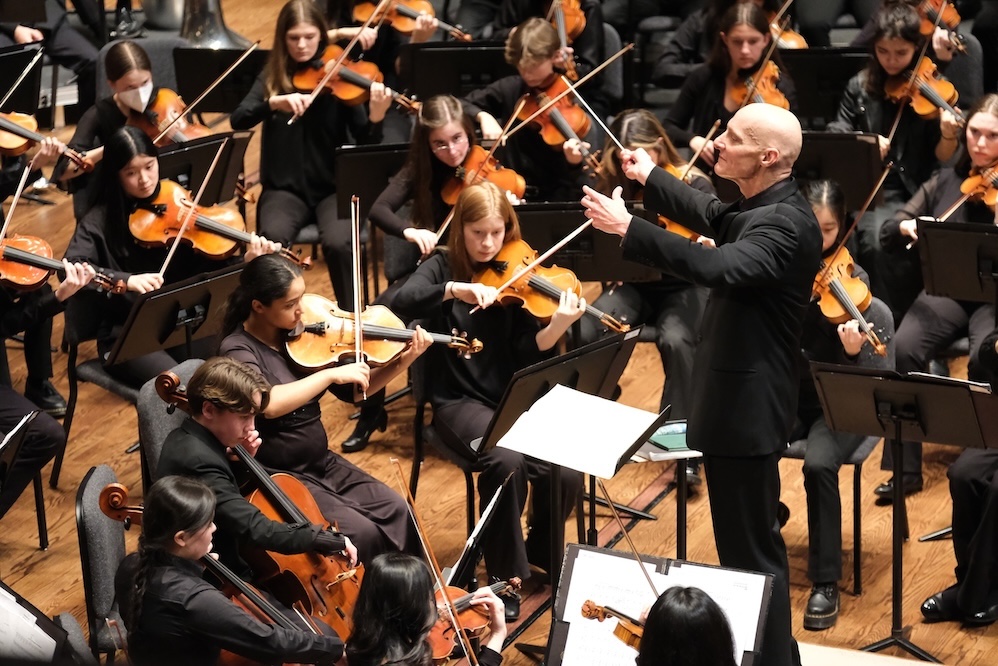
Northey, who studied conducting at Finland’s Sibelius Academy and later at the Royal Stockholm College of Music, has a very lucid style of managing the baton, minimal when required and more flamboyant and energetic when necessary; we are lucky to have him as Principal Conductor and Artistic Advisor —Learning & Engagement— of the Melbourne Symphony. The opening brass snarls of Finlandia were exactly focussed, the string lament poignant and the final triumphant chorale beautifully judged.
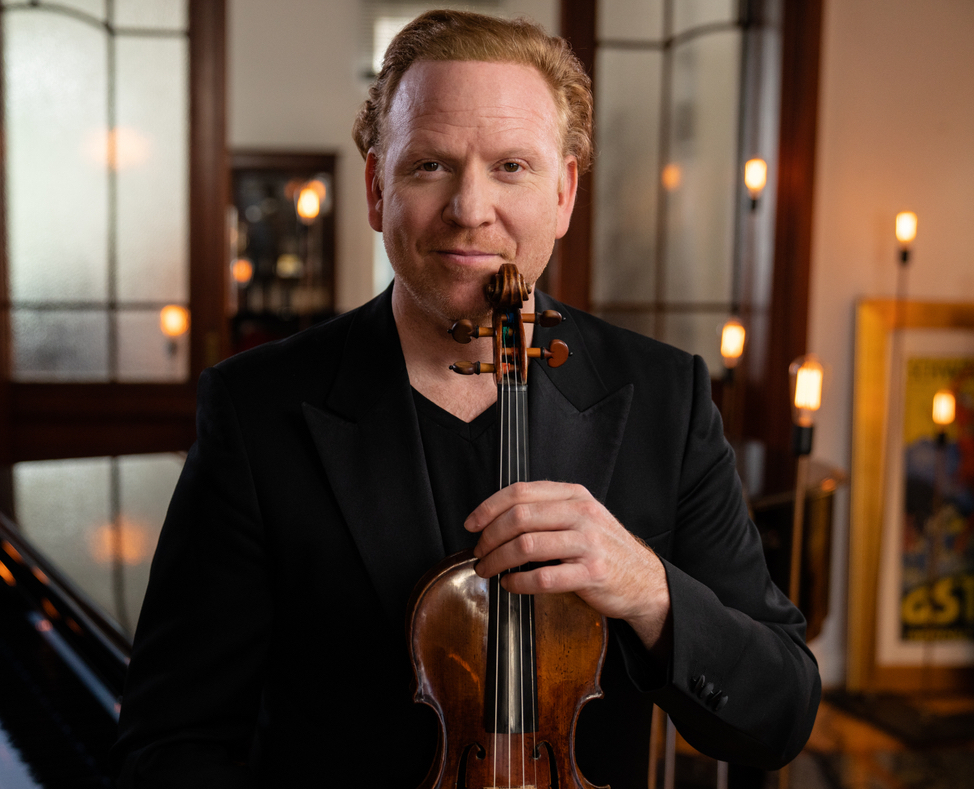
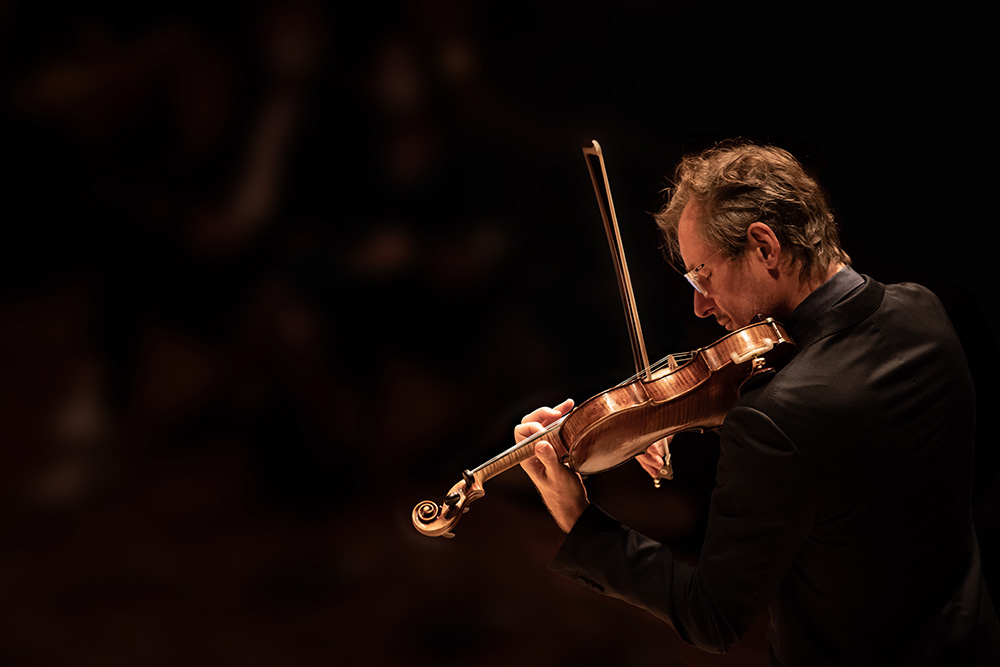
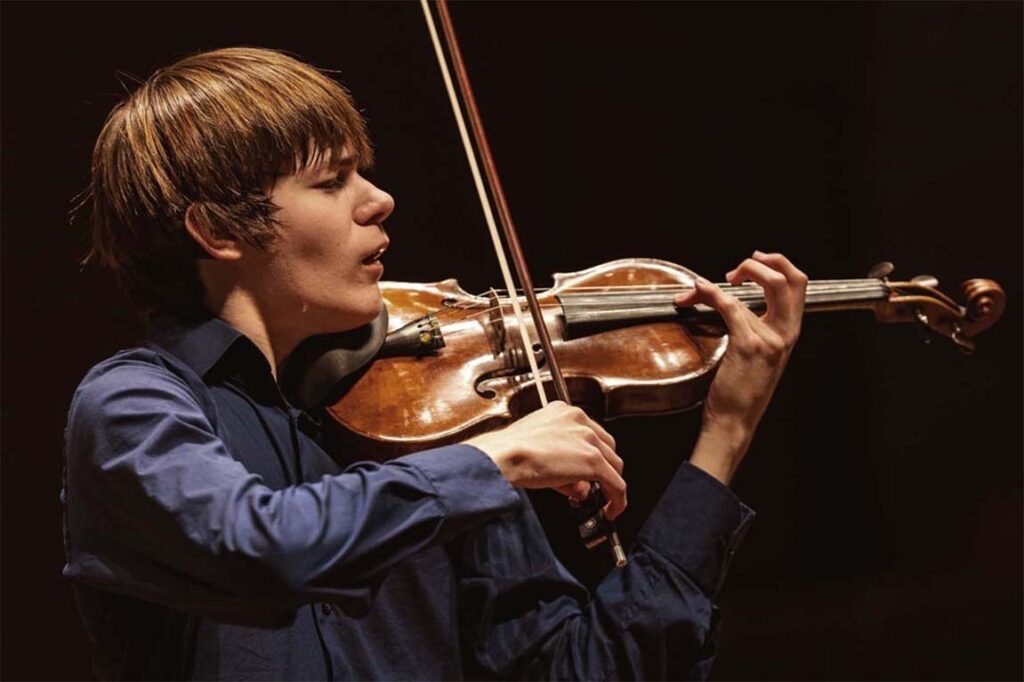
Sibelius took up violin study at age 14 and wanted to be a professional violinist until physical injury and stage-fright put an end to these hopes. His only concerto is for that instrument and, although a player of it, he asked advice re figuration for the soloist and revised the work after early showings, removing a lot of the original pyrotechnics. Edward Walton, our soloist, in his 19th year, still had plenty of agile playing to encompass and shone in this work: tall and slender, he seemed to be at one with his violin (a Gennaro Gagliano with a magnificent tone) at all times, and technical demands were easily overcome. I look forward to hearing him again; he has studied and performed so much already as an established artist that in years to come I expect his name will be world-famous.
From the opening bars, where the orchestra has a quiet role and the soloist comes in with a heart-breaking melody, the monumental cadenzas; the question and answer of the Adagio second movement and the “Polonaise for Polar-Bears” (Donald Tovey) of the final Allegro, orchestra, soloist and conductor presented a deeply-felt, and perfectly expressed, dedicated performance. I felt an occasional tear in my eyes and my seated neighbour said, at the finish: “Amazing, absolutely amazing!”
After interval the familiar and charming Valse Triste featured; music adapted from incidental music to a play by Sibelius’ brother-in-law. The composer, as Rachmaninov did with “THE Rachmaninov Prelude, Opus 3/2”, sold the work outright and received no royalties from the many performances by Palm Court Orchestras etc., world-wide; I wonder if he came to loathe requests for it, as Rachmaninov did, at every one of his recitals?
The main, sad theme, was beautifully phrased and I particularly liked the quiet pizzicato notes played by lower strings, under the main themes. Northey charmingly introduced the pieces and gave us a mini-lesson in the Finnish tongue; so we learnt that SIBelius has the accent on the first syllable, as the related Hungarian language does, not the second! He also cheered me by saying as someone’s phone rang—fortunately whilst he was talking, not conducting—, “you know the deal; if your phone goes off, you have to come up here and play the bassoon!” (Game, set & match to the conductor.)
The programme featured works from 1899-1907, with the concluding Symphony No. 3 coming from the last year. I heard the 2nd Symphony recently, a crowd pleaser, and was interested to read in Phillip Sametz’s programme note that the following one marked the beginning of the mature Sibelius’ works. Northey mentioned its classic nature and compact length, just 30 minutes’ duration, with the last two movements telescoped into one.
In that half-hour the orchestra played as one, delicate when required, forceful at other times, and, I couldn’t help but notice, listening, really listening, to one another: the mark of a topnotch ensemble. The individual groupings of the orchestra richly deserved their individual bow-takings and the audience bravos, in the very enthusiastic crowd response!
ORGAN POSTLUDE:
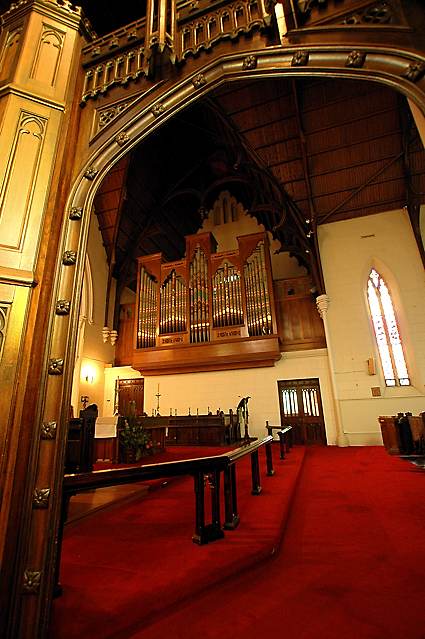
As mentioned above, this was the last MTH concert of the Melbourne Symphony, for now, BUT Benjamin Northey assured us that the Saint-Saëns Organ Symphony would be presented here in 2026, in the comfy, old-style Melbourne Town Hall. Saint-Saëns dedicated the work to his friend & colleague, Franz Liszt, and looking at the stupendous organ, which covers the entire wall behind the orchestra, with organ pipes metres tall, I was taken back to a performance here featuring this famous instrument. 1966 (yes, Virginia, I do go back that far) chief conductor Georges Tzipine directed the Liszt Faust Symphony and the Melbourne Symphony (which had been the Victorian S.O. from 1949, till the year before this concert) was joined by choir, tenor soloist and organ for the dramatic coda to Liszt’s symphonic masterpiece. I remember Tzipine saying that he was moved to be using the personal orchestral score of eminent conductor Felix Weingartner, who, as a young man, walked in the funeral procession of Liszt, just 80 years’ before.
The Melbourne Symphony, after name changes and many & varied chief conductors, has a huge body of work of which to be proud, as it reaches its 120th birthday in 2026. Could another Liszt Faust, in the MTH., so as to utilise the illustrious organ, be placed on the future agenda? Your reviewer would be very pleased to liszten (sic) to that.