Apeiron Baroque | Pluckers and Scratchers
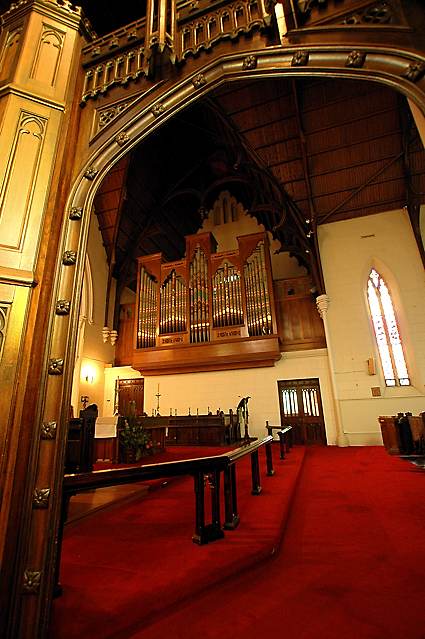
23 March 2025, Wesley Uniting Church, Forrest, ACT
PROGRAM
BECKER, Dietrich (1623–1679) – Sonata a2
JARZEBSKI, Adam (1590–1649) – Concerto Secundo
FRESCOBALDI, Girolamo (1583–1643) – Toccate Tertii Toni from Codex Chigi
JENKINS, John (1592–1678) – “Aria” a2
JONES, Richard (c1680–1744) – Sonata #4 from Chamber Airs Op. 2
LAWES, William (1602–1645) – Harp Consorts #7 and #3
ABEL, Carl Friedrich (1723–1787) – Adagio for Solo Gamba (Wk 187)
RUHE, Johan Friedrich (1699–1776) – Sonata #2 per Viola da Gamba
ARIOSTI, Attilio (1666–1729) – Sonata 1 from “Recueil de pieces”
BUXTEHUDE, Dieterich (1637–1707)- 1st movement from Sonata BuxWV 273
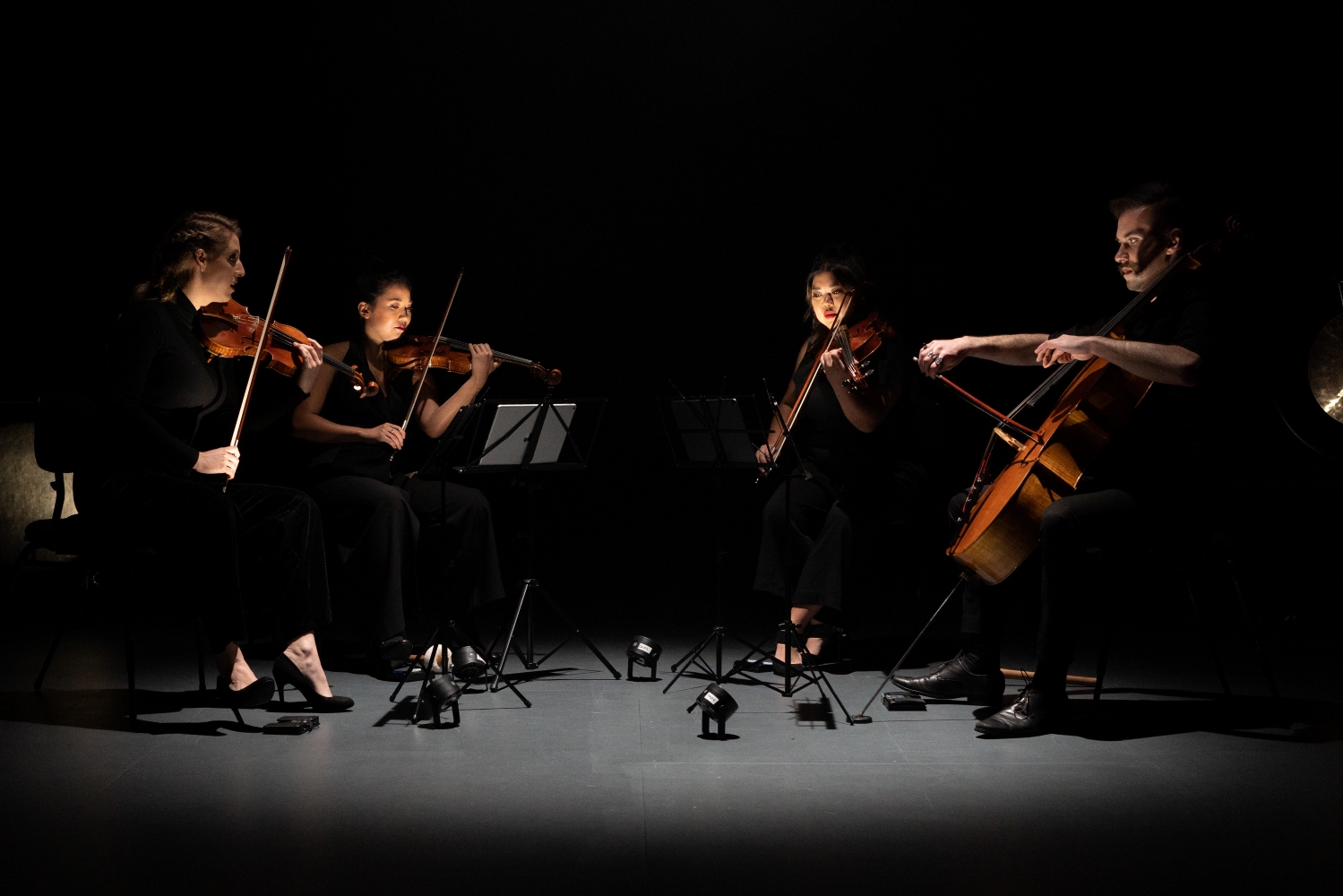
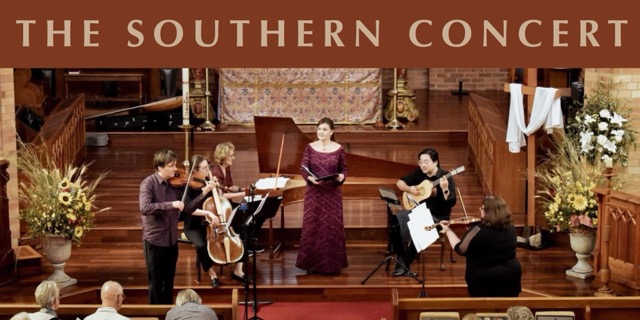
With a title like Pluckers and Scratchers Apeiron Baroque opened their 2025 season with just the right balance between the scholarly and the cheeky, and a nod to the instruments at its heart. The “pluckers” (harp and harpsichord) brought sparkle and intimacy, while the “scratchers” (violin, viola d’amore, gamba, and cello) offered warmth, bite and beautifully bowed expression.
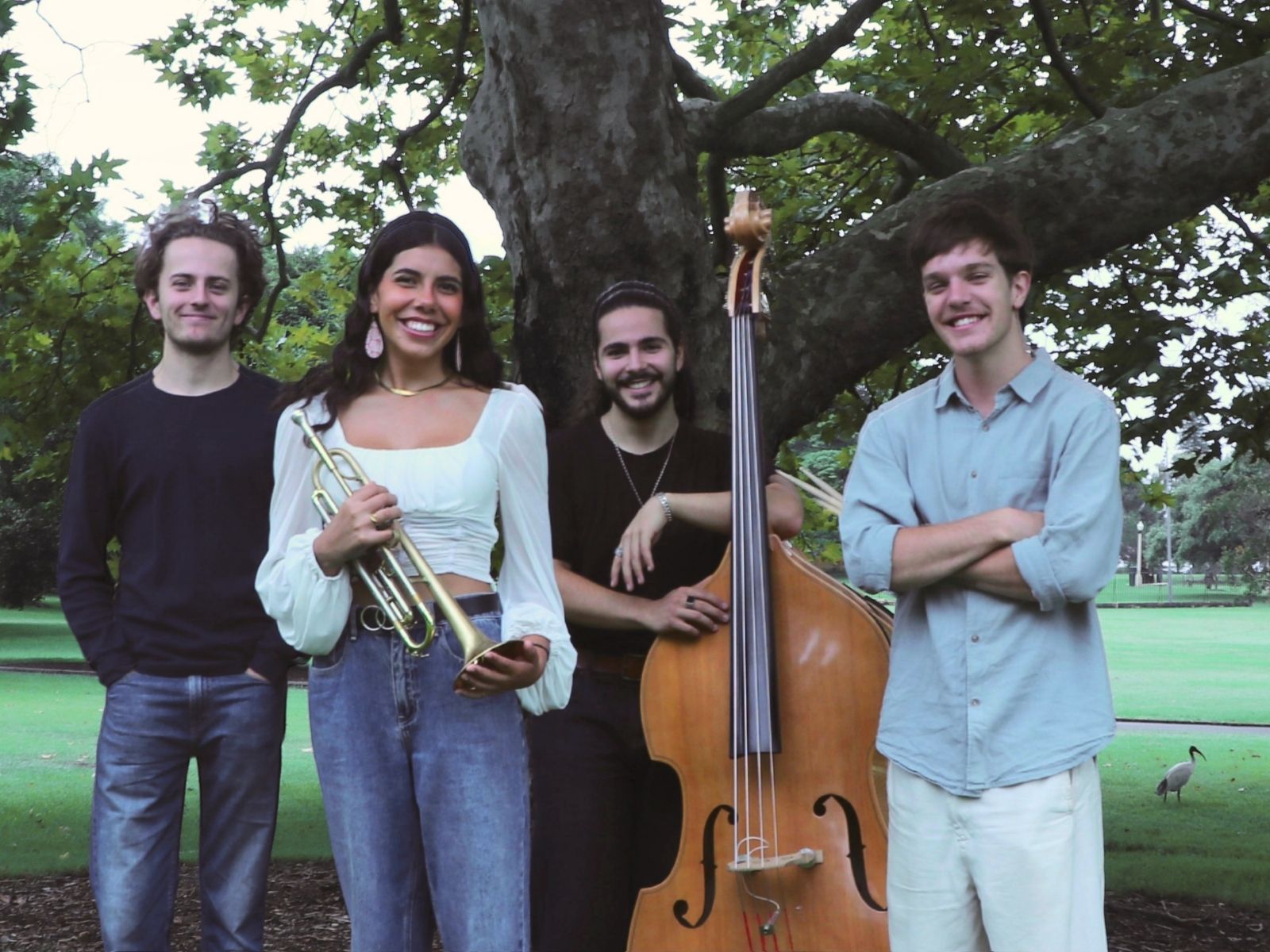
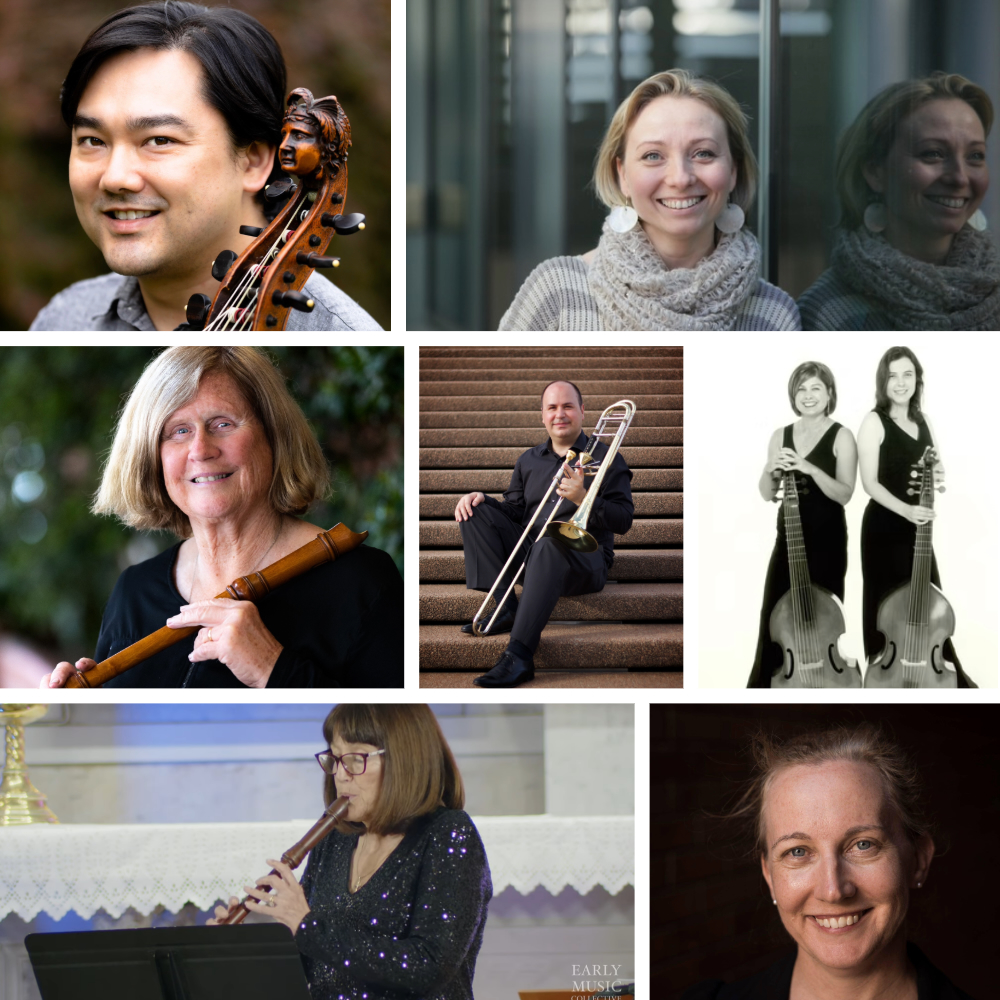
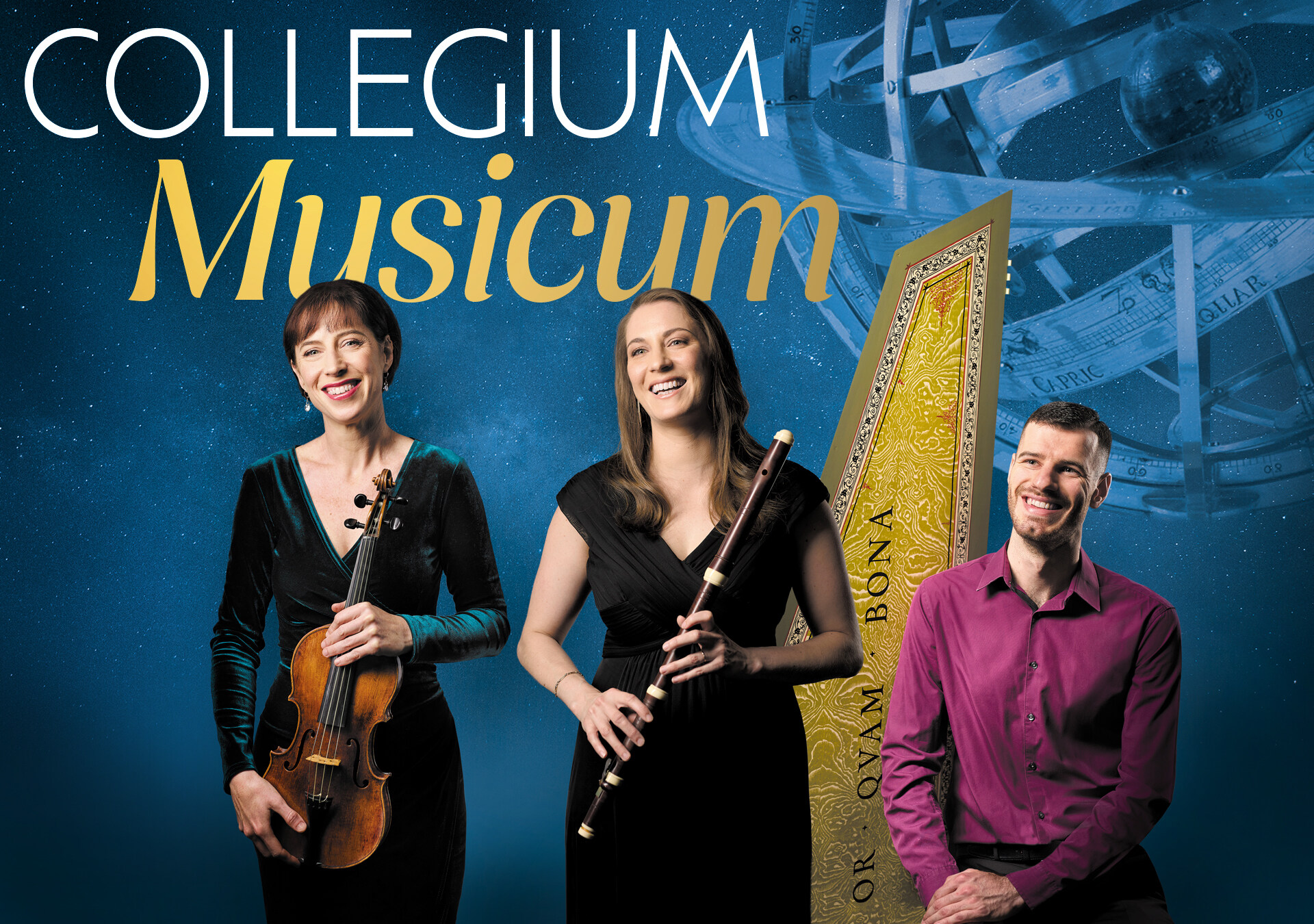
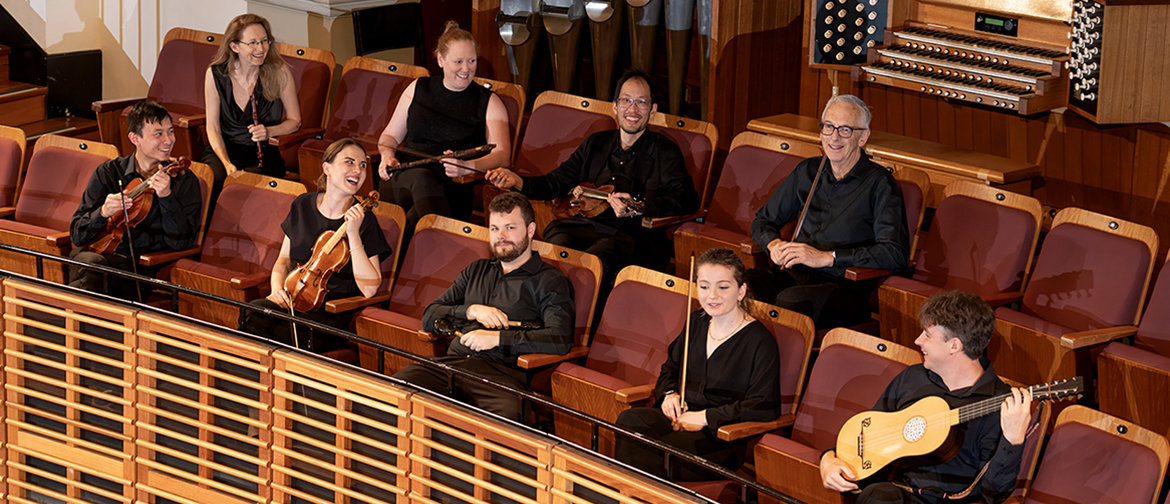
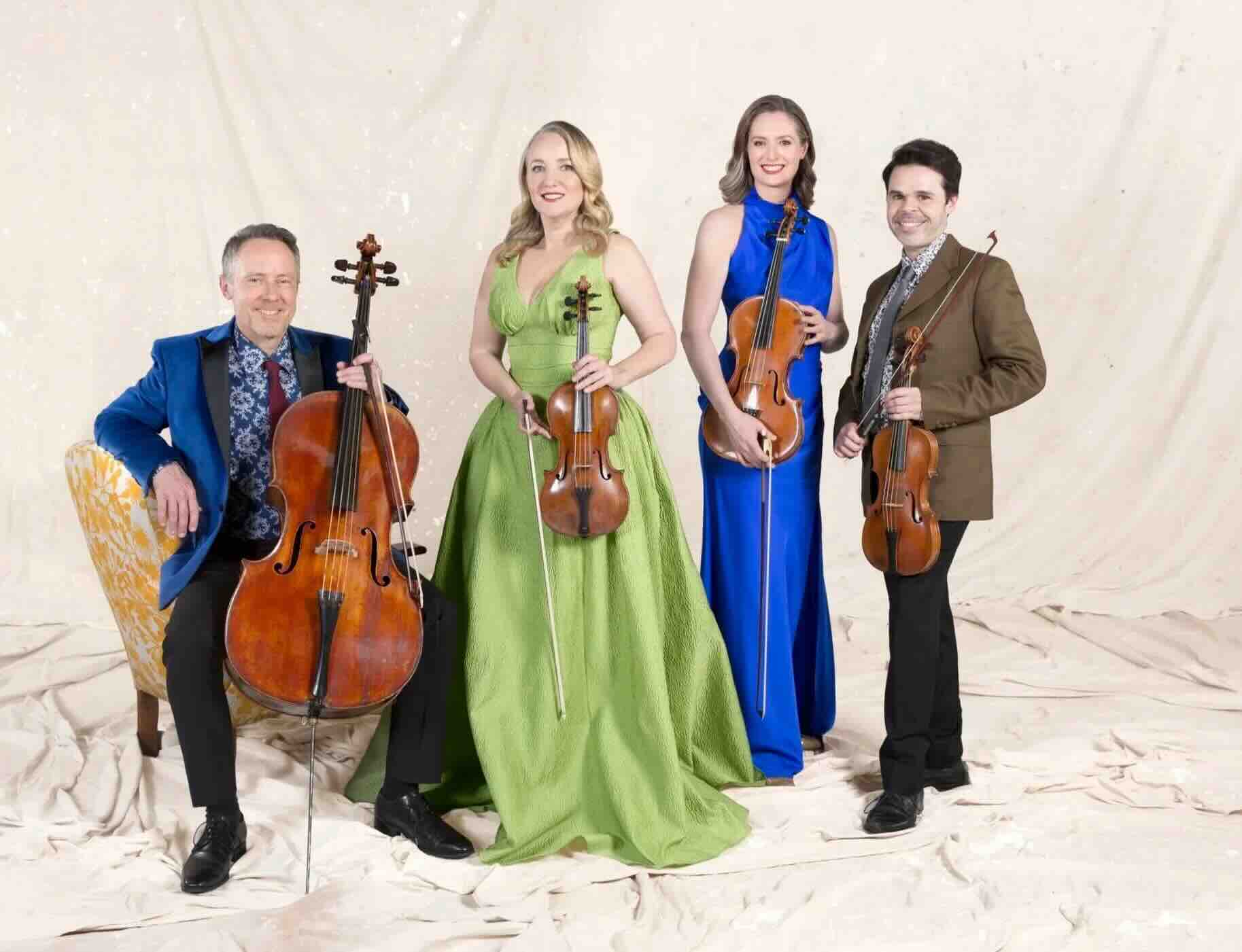
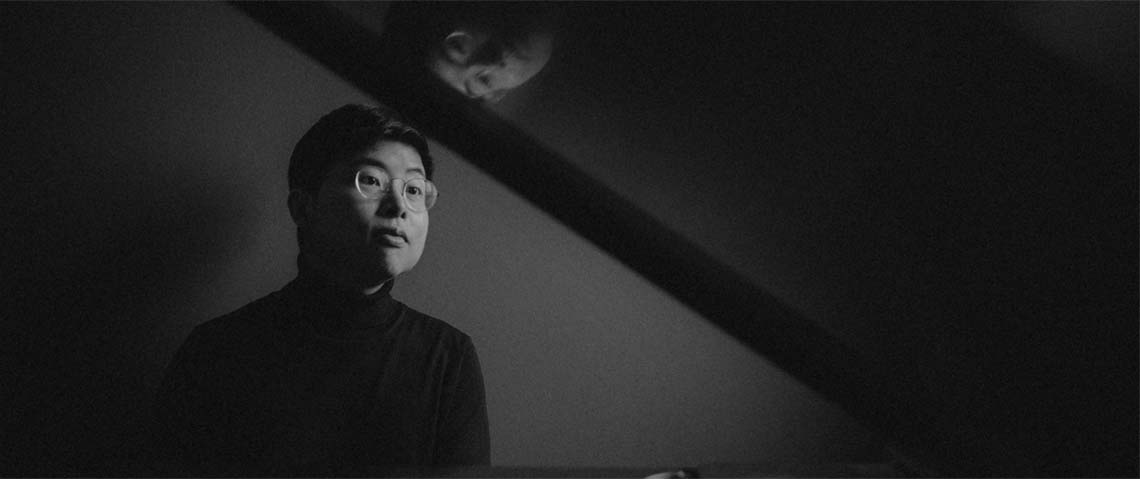
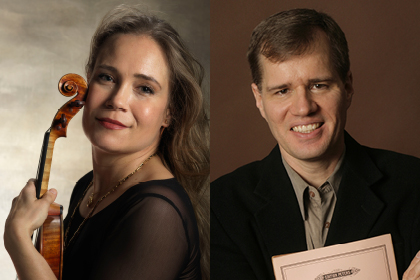
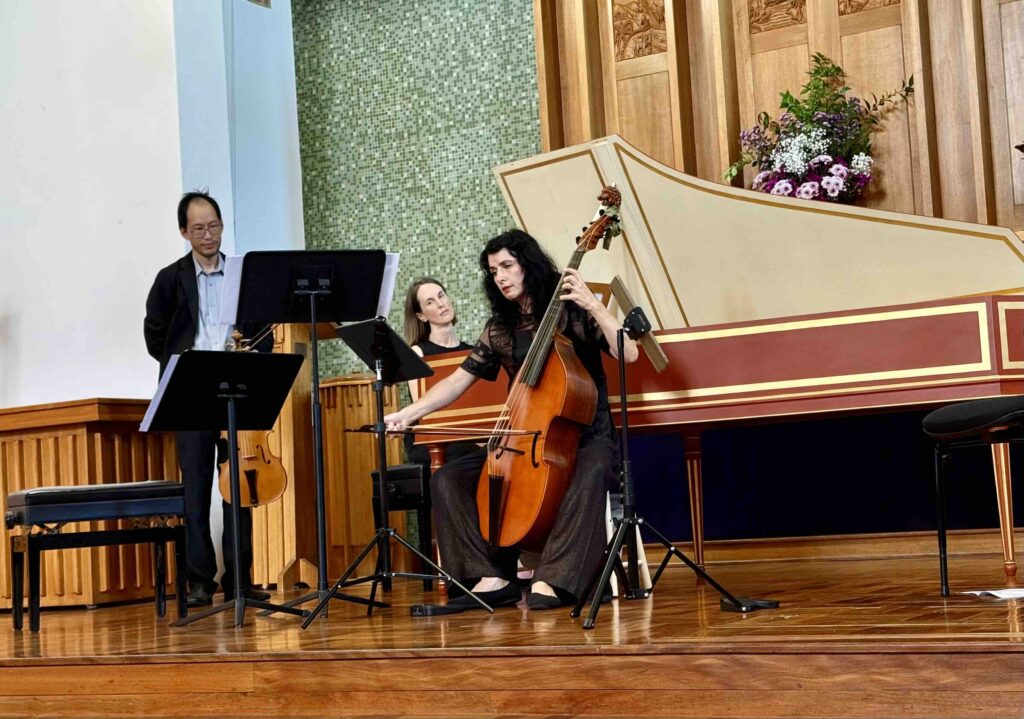
This was a thoughtfully curated and delightfully informal concert, featuring guest artists from Melbourne, Hannah Lane (Baroque harp), Laura Vaughan (viola da gamba) and James Monro (cello), alongside Apeiron founders John Ma (violin/viola d’amore) and Marie Searles (harpsichord). The performance blended musical scholarship with joy, and was a rich reminder of how vibrant, varied and downright fun historically informed performance can be.
From the outset, it was clear this was no stiff, academic affair. John Ma introduced the program with genuine enthusiasm and, as the concert progressed, each musician took turns offering insights into the music, their instruments and the context in which these works were first heard. It made for a welcoming and immersive experience, with the audience drawn closer to the players, not just physically in the modestly sized venue, but emotionally too.
The program opened with Becker’s Sonata a2, a gentle tutti piece that gradually built momentum with dance-like rhythms before easing into a lilting close. It was a perfect introduction — elegant yet accessible, showcasing the fine balance and blend of the ensemble.
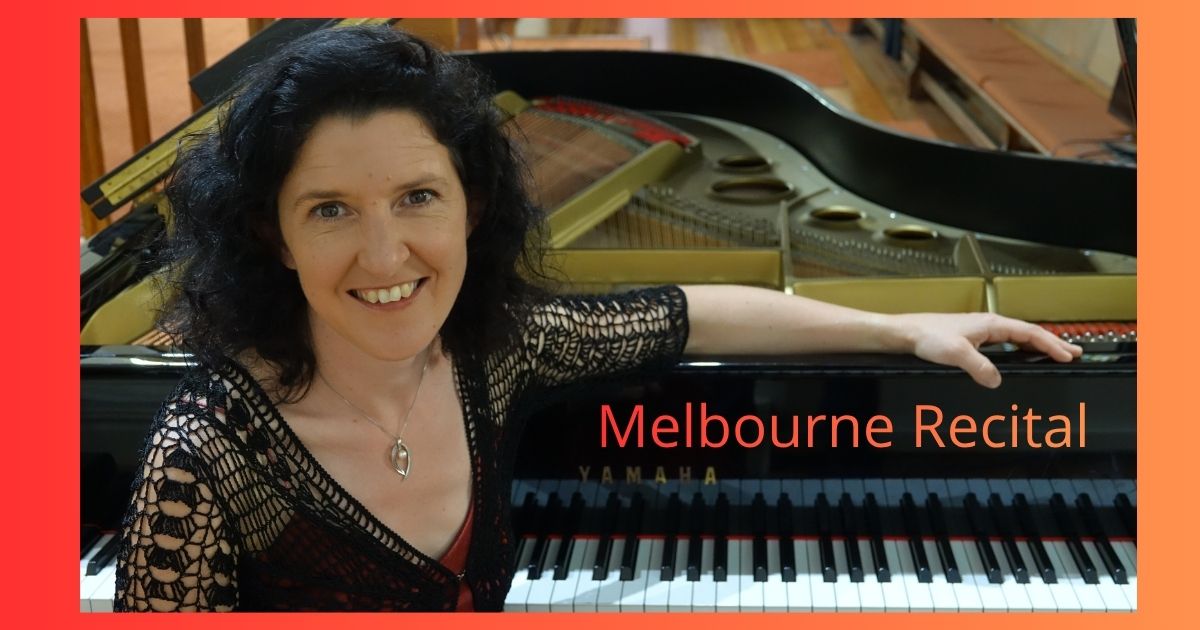
Among the highlights was the solo harp work by Frescobaldi (Toccate Tertii Toni), which allowed Hannah Lane to demonstrate the luminous delicacy of the Baroque triple harp. With three parallel rows of strings, the outer diatonic and the inner chromatic, it requires a high degree of precision and dexterity. Lane took a moment to explain its tuning quirks and offered a rare glimpse into the inner workings of this stunning instrument. Her playing shimmered, particularly in the Lawes Harp Consorts, where the harp emerged as an equal partner in a richly textured trio.

Laura Vaughan, widely recognised as one of Australia’s leading viola da gamba players, delivered an expressive performance of Abel’s Adagio for Solo Gamba. This was, for me, a personal highlight – the kind of intimate, reflective moment that reminds you why live music matters. Vaughan’s sound was warm and grounded, her phrasing deeply musical. I’d travelled from Sydney to hear her and Lane perform live, and it was absolutely worth the trip. (Canberra didn’t disappoint either – sunrise kayaking on Lake Burley Griffin with hot air balloons above? Show me another city that offers that!)
Another joy of this concert was the focus on lesser-known composers and rarely performed works. Jenkins’ “Aria” a2, sourced from a recently digitised manuscript at Durham Cathedral, and Richard Jones’ Sonata #4 were both given fresh, lively interpretations. These pieces, dusty in the archives but brought vividly to life, felt like gifts, and the musicians’ delight in unearthing and sharing them was infectious.
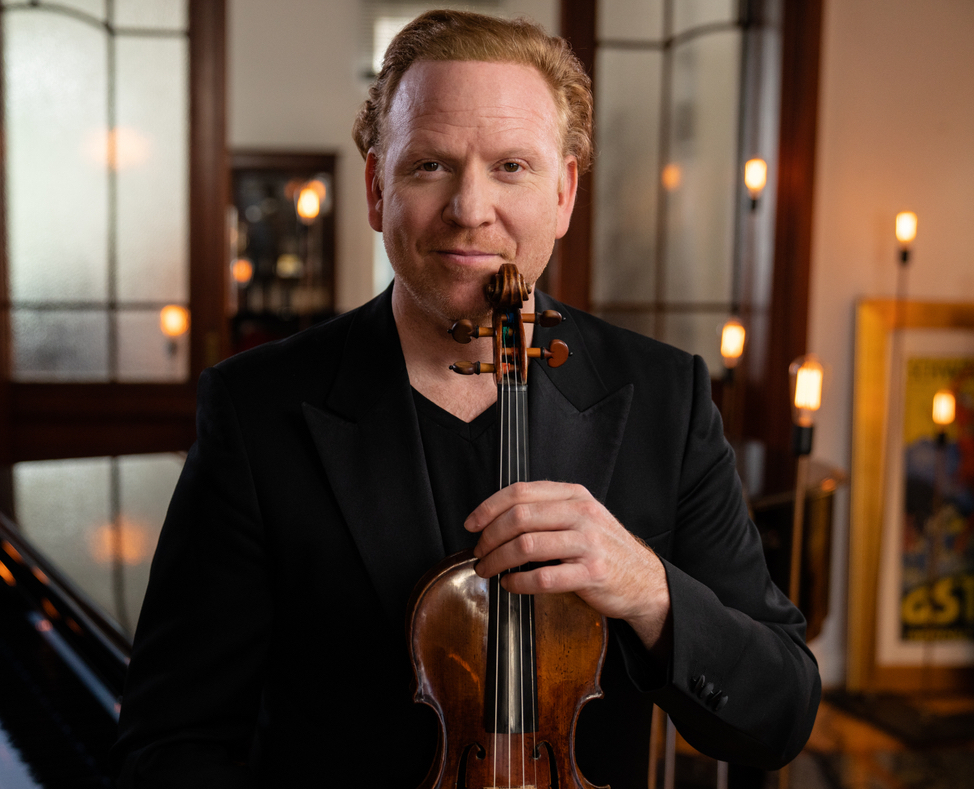
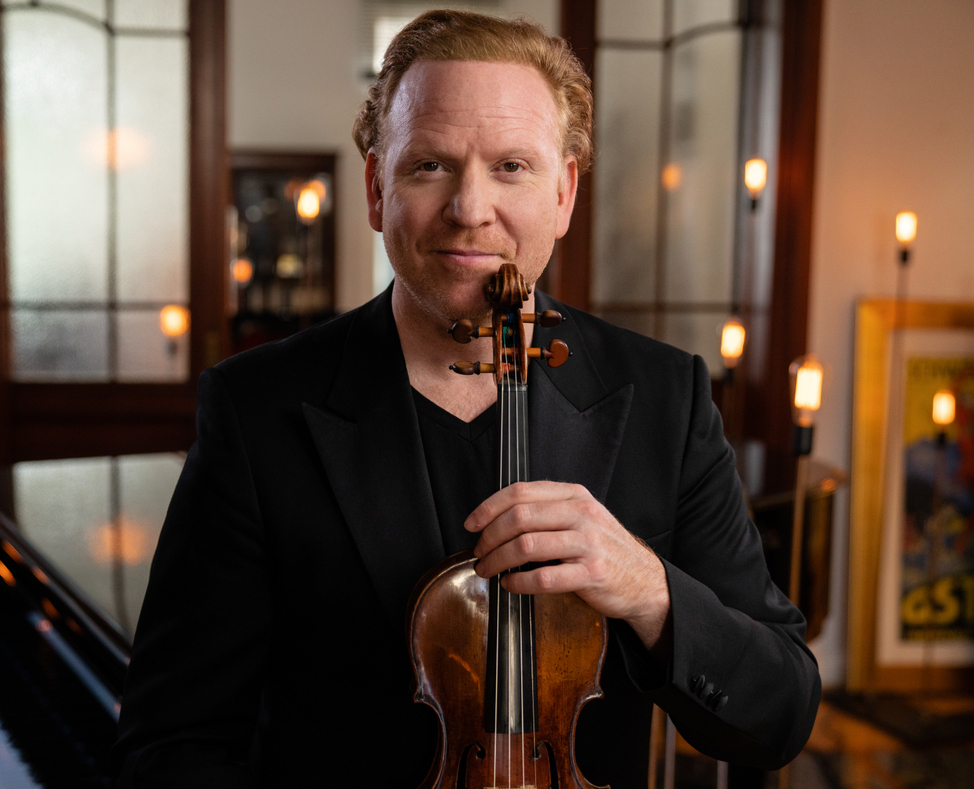
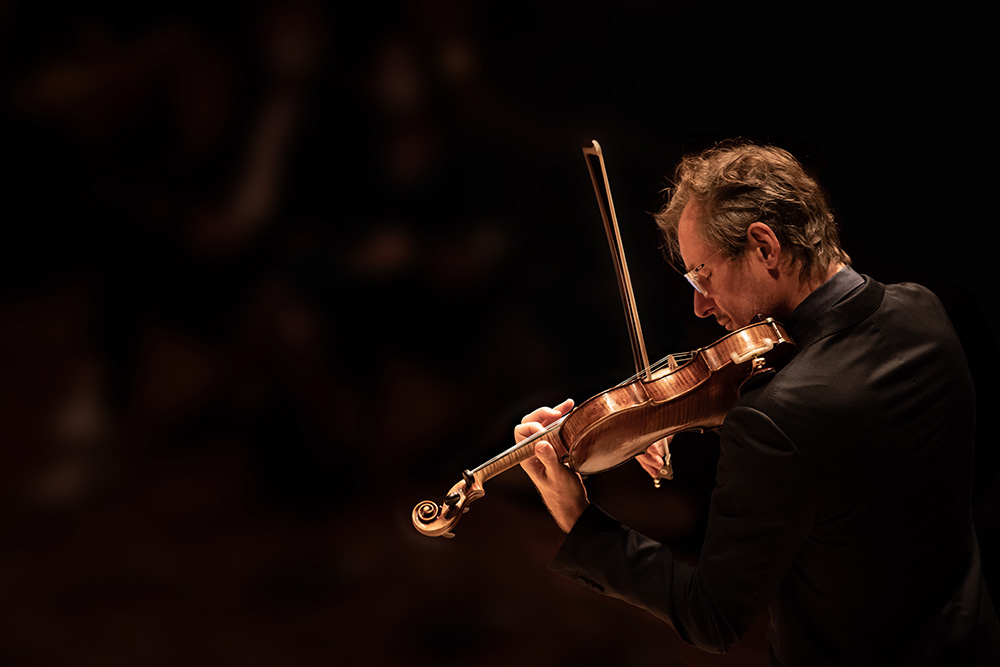
John Ma’s viola d’amore made a star turn in Ariosti’s Sonata from Recueil de pieces. A sort of cross between a violin and a viol, with sympathetic strings that shimmer beneath the surface, it has a glowing, intimate tone. “I’m a d’amore dork,” Ma confessed with a wide grin, noting that local audiences likely hear more d’amore than most, simply because he lives in Canberra and loves the instrument so much. Lucky them!
James Monro, equally adept and charming, played his cello in the historically informed manner — no spike, held between the knees like a viol. This seemingly small choice added to the authenticity of the sound and visual language of the performance. A physics honours student at ANU, Monro is a musician of high standard and maturity well beyond his years. His warm tone and fluid phrasing, especially in the works by Ruhe and Jones, complemented the ensemble beautifully and marked him as a player to watch in the years to come.
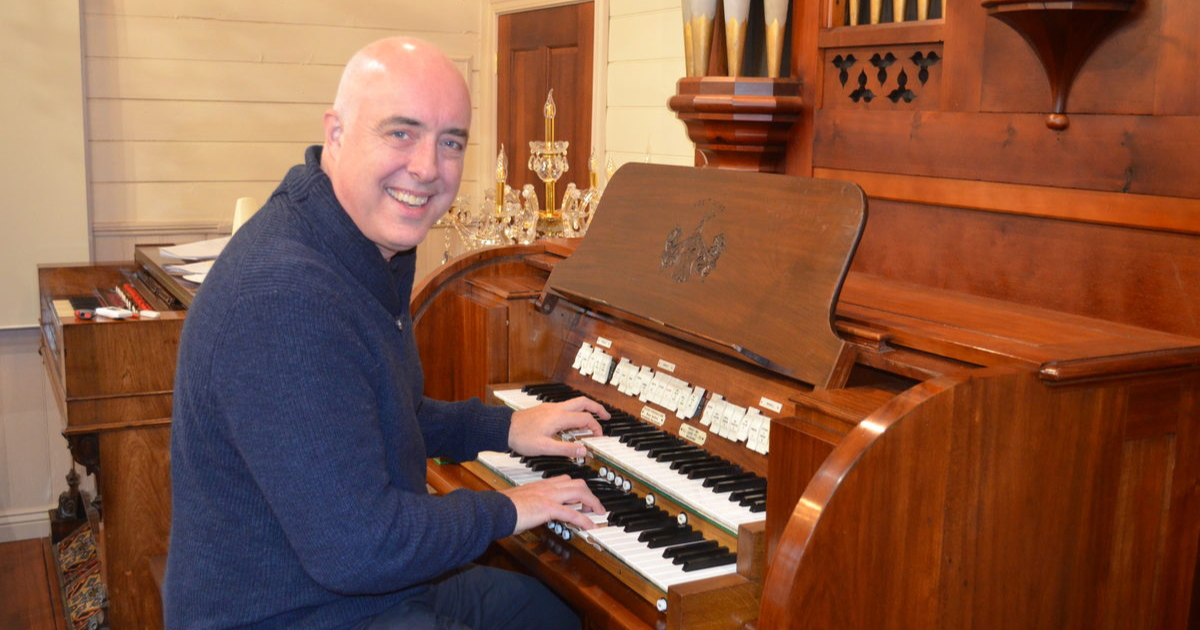
Quietly anchoring the ensemble throughout was Marie Searles at the harpsichord, whose sensitive continuo playing provided both structure and subtle colour, a steady presence beneath the more flamboyant textures and an essential part of the concert’s success.
The concert closed with Buxtehude’s Sonata BuxWV 273, a buoyant piece with delightful interplay between violin and gamba — “a happy tune,” as Ma put it, and a light-hearted conclusion to a concert full of rare treasures.
Apeiron Baroque deserves full credit not just for their programming and performance, but for creating an environment where curiosity and artistry go hand in hand. Offering free tickets to all school-aged students, they also make clear their commitment to the next generation. There is something essential, and joyful, about hearing music live, in a room designed to carry sound, from musicians willing to share not only their skill but their stories. More of this, please.