Australia Ensemble UNSW | Summer Music
12 August, 2023, Sir John Clancy Auditorium, UNSW
Program:
Samuel BARBER | Summer Music Op.31 (1956)
Jean FRANÇAIX | Trio (1992)
Leo SMIT | Sextet (1933)
Antonin DVOŘÁK | Piano Quartet no.2 Op.87 in E flat (1889)
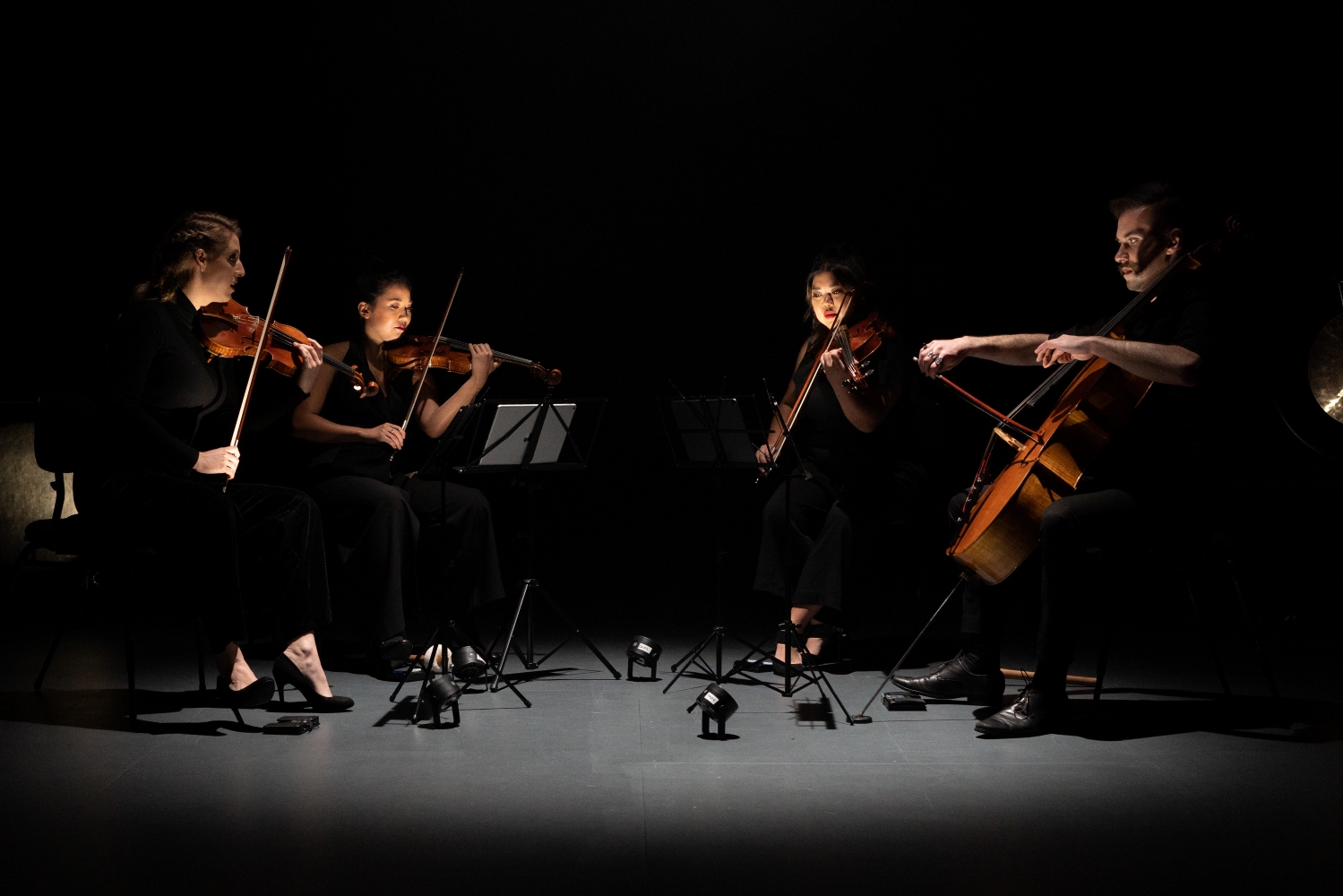
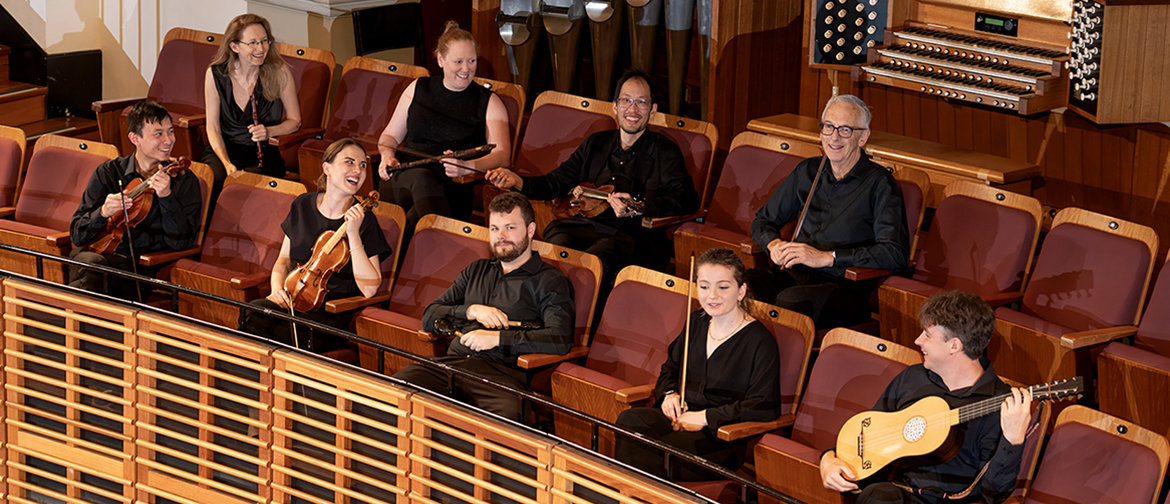
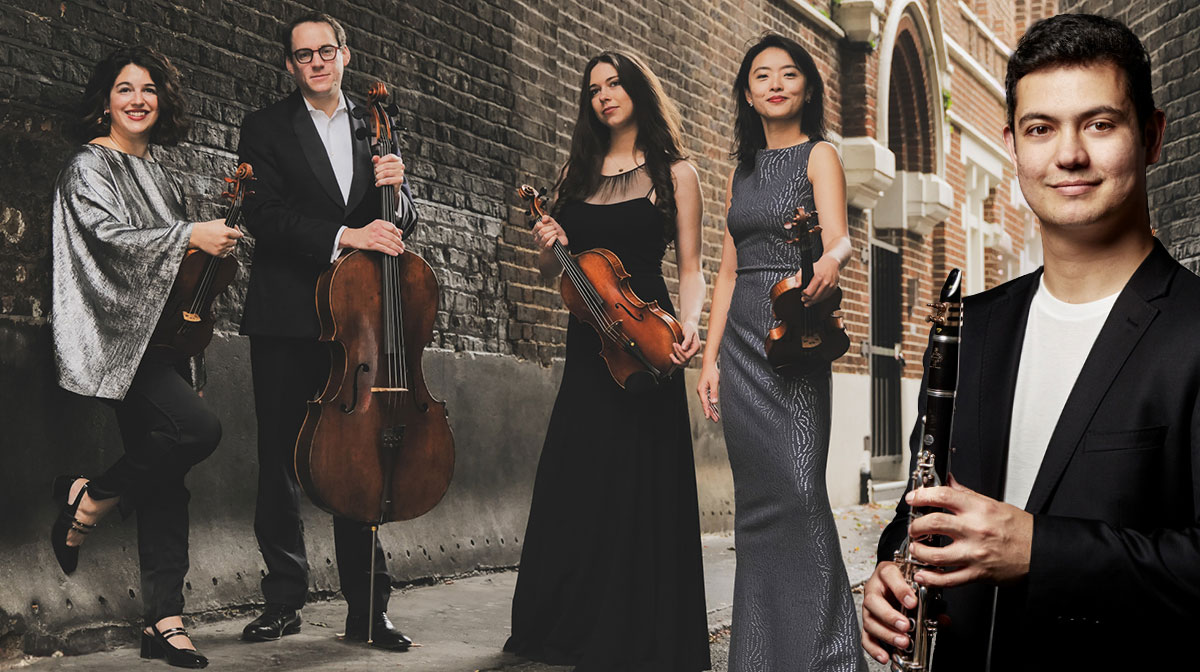
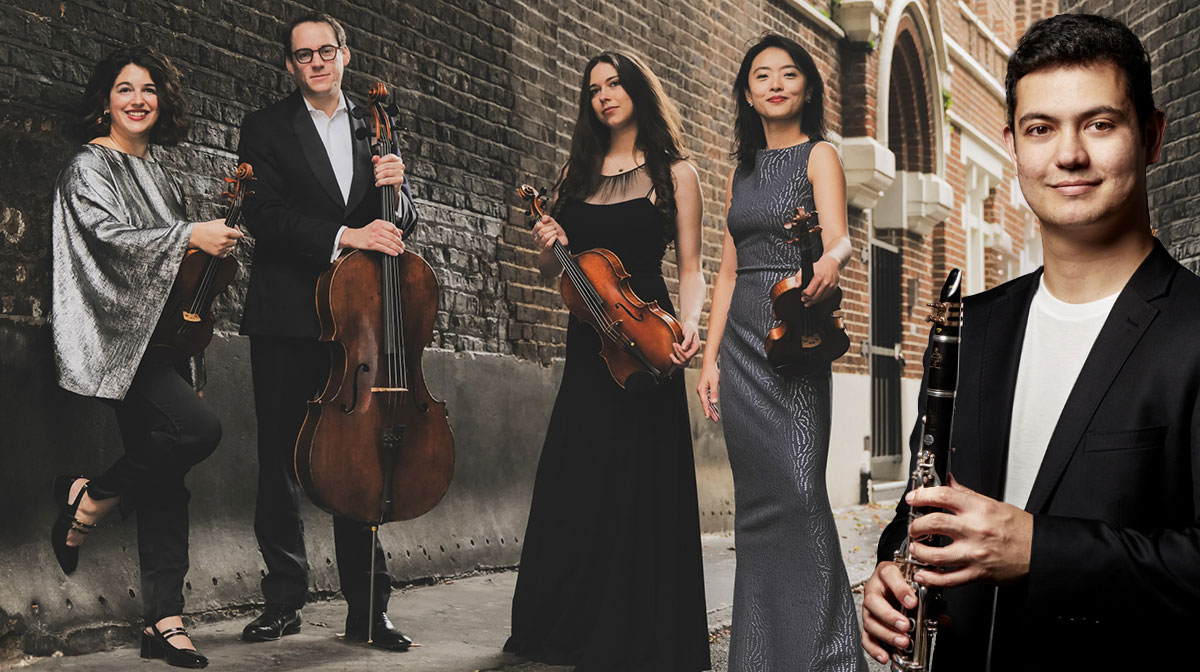
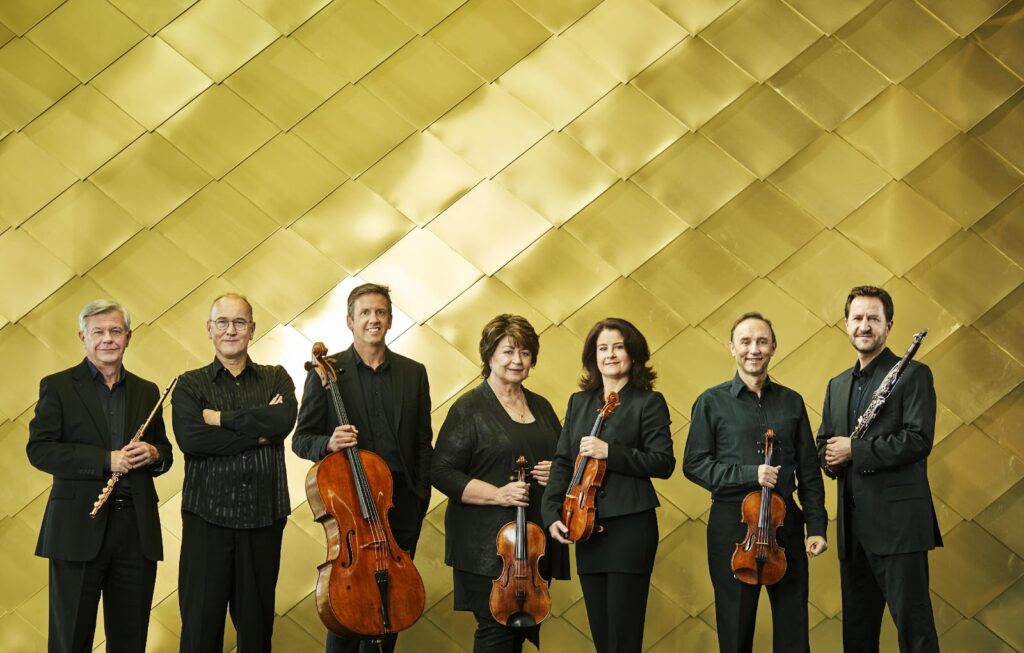
The four permanent string players of the seven-member Australia Ensemble were not performing in this concert, but there were some very capable guests to fill their shoes; Wenhong Luo (viola), Elizabeth Layton (violin) and Teije Hijlkema (cello). Andrew Barnes (bassoon), Robert Johnson (horn) and Huw Jones (oboe) also joined the core players, David Griffiths (clarinet), Geoffrey Collins (flute) and Ian Munro (piano).
The Barber piece for wind quintet is on the whole languid and tranquil, but the performance was certainly not lacking in energy. It was played standing up and I thought it might lead to an outbreak of dancing. The performance was joyful and the ensemble-playing impeccable, yet the individual voices were always clear. There is sometimes the risk that the horn’s strength dominates, but, to Johnson’s credit, he maintained the balance with his beautiful tone. The tone colours that Barnes produced on the bassoon were impressively rich and warm.
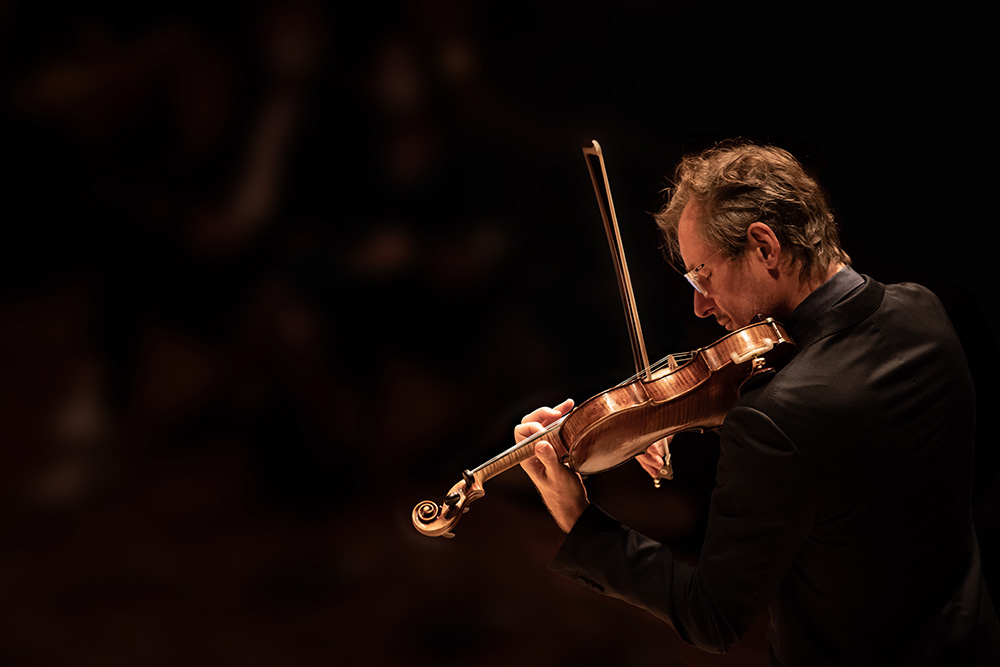
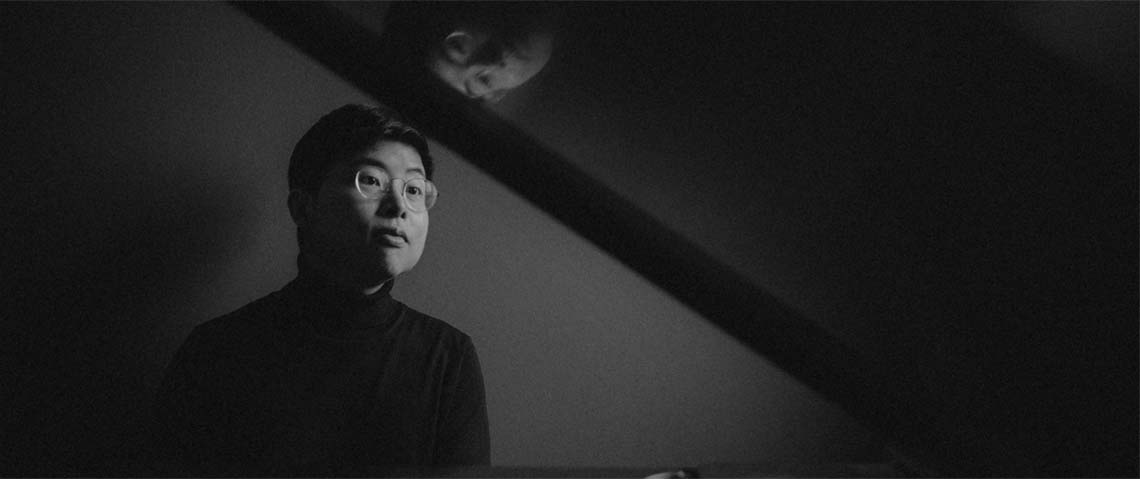
Like Barber, Françaix came from a very musical family and received his training from the womb on. The Trio is for viola, clarinet and piano, which on first glance is a little unusual, but upon reflection and hearing the piece, and inspired choice. The viola usually occupies the alto part in ensembles, but its range and warmer tone colours matched the clarinet well. The instruments interweaved, without making distinction about which was upper melody and lower harmony. Luo on the viola had the air of a soloist of penetrating musicianship, a great match for Griffith’s energy that the faithful audience of the AE know so well and love. There were jaunty and jazzy passages, and again the joyful tendency towards dance, even though the musicians were seated in this case. Munro on the piano was of course wonderful; always expressive and utterly reliable; a musical anchor for the other members of the ensemble.
Like the Barber, the Françaix work was quite tonal, which is somewhat unusual for the period; it shows both composers as well grounded in classical techniques, but confident in their musical imagination to produce music new and alive within a traditional harmonic framework.
Smit was a Dutch composer working between the wars. This Sextet, scored for the same wind quintet as the Barber plus piano, was written in 1933, well before the Nazi horrors which led to his deportation and murder.
The piece is again lively and jovial with many jazzy touches but it is harmonically more daring than the earlier works on the program. Smit worked in Paris during that time and there is much that is French about this sextet. The influence of Les Six is there, but I was also reminded of The afternoon of a Faun in some of the oboe phrases. The second movement is pastoral sounding with folk-like tunes, allowing individual instruments to show off their phrasing. The final movement finishes with what can only be described as an all-in rumble. What a lot of fun.
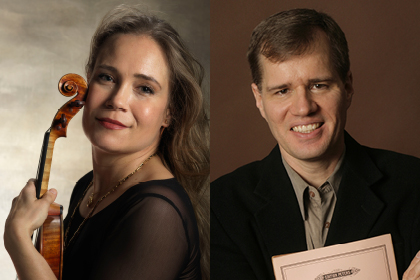
The program of the concert follows a pattern often employed by the AE: the first half presenting 20th century and contemporary works by less well known composers, and the second half more traditional Classical and Romantic works; staples of the repertoire. The Dvořák quartet is scored for violin, viola, cello and piano, and here we see Layton and Hijlkema for the first time in this program. The work is in the sonorous key of E flat and Dvořák uses that quality throughout most of the work. Much of the time, all the instruments are playing, with only occasional outbreaks of melodic snippets and imitations. Again there was plenty of energy in their performance and the temptation, with the waltz-like second movement, to dance. Albeit seated. Again Munro provided a centring presence in this performance.
It is always a pleasure hearing the Australia Ensemble and it is definitely worth the trek to Kensington. The faithfulness of the audience that come to all their concerts, and probably have been since they were formed in 1980, is a testament to the talent and longevity of this group.