Australian Romantic & Classical Orchestra | Love, Loss & Madness
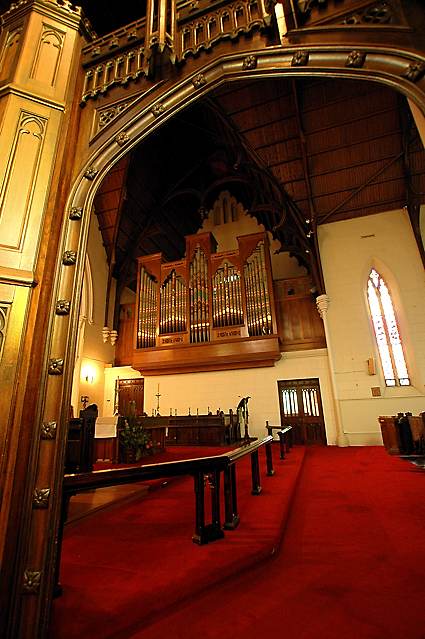
16 July, 2026, Verbrugghen Hall, Sydney, NSW
ARTISTS
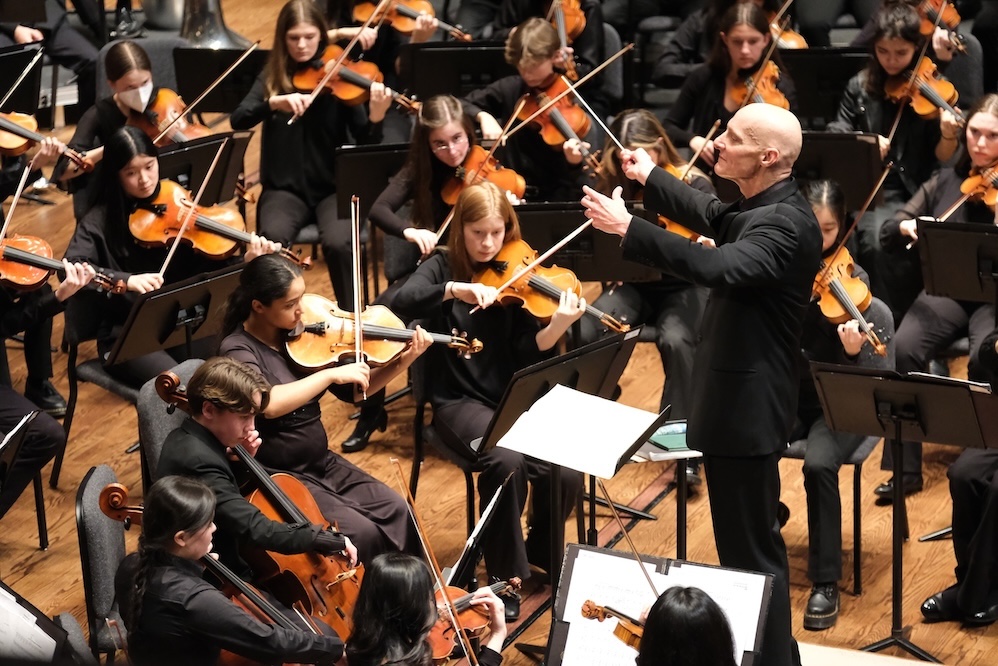
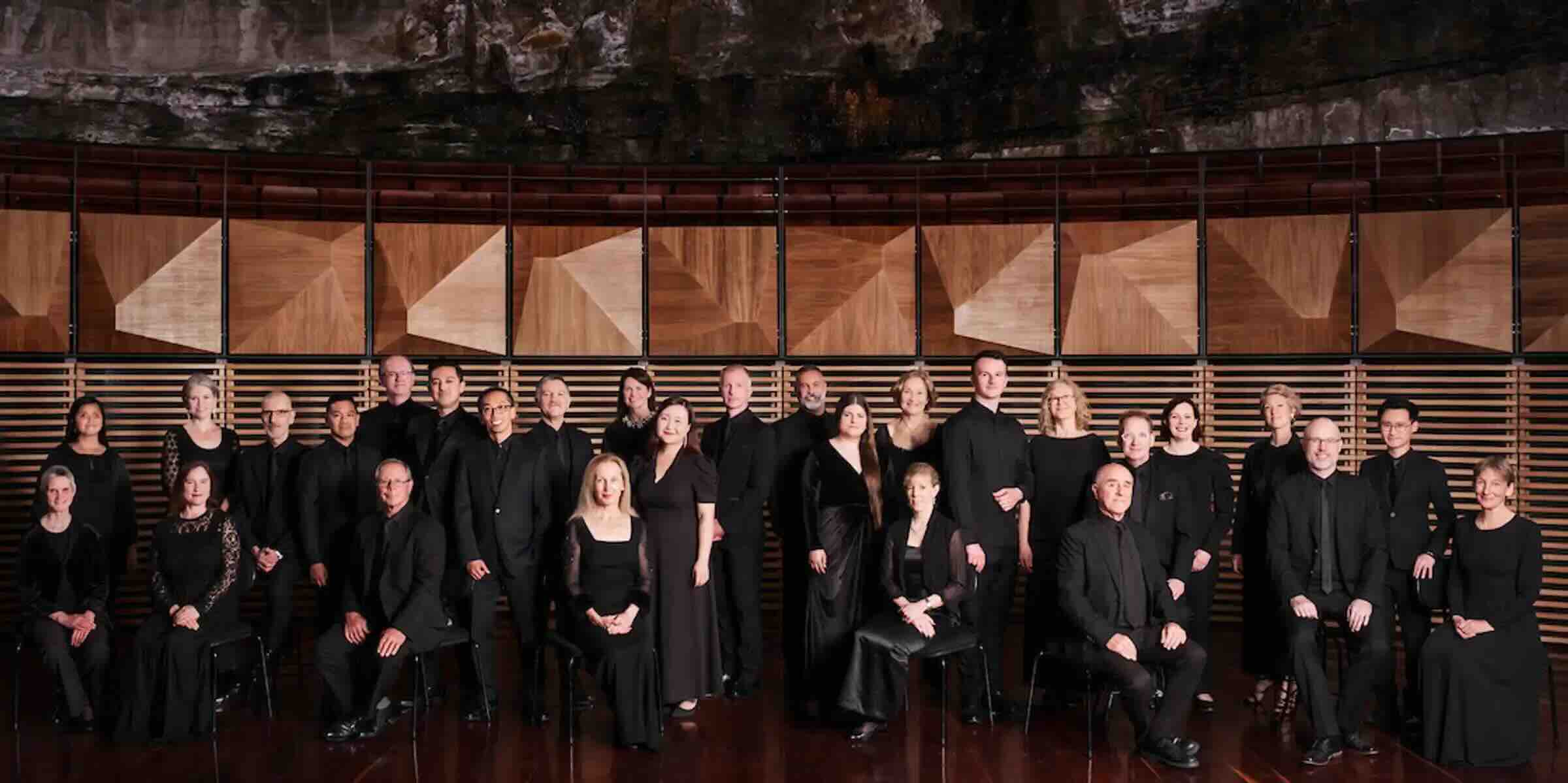
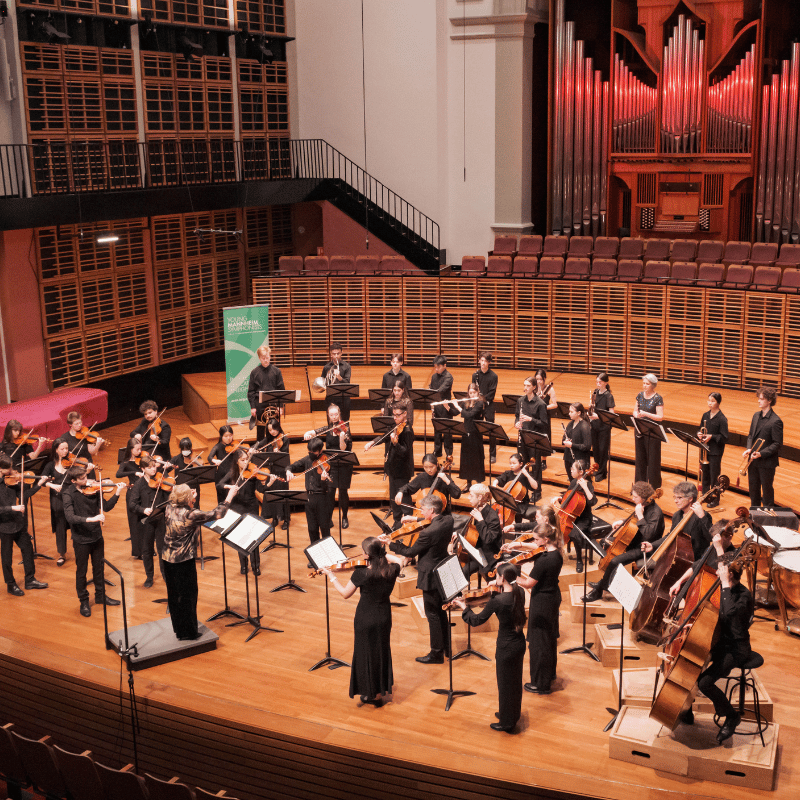
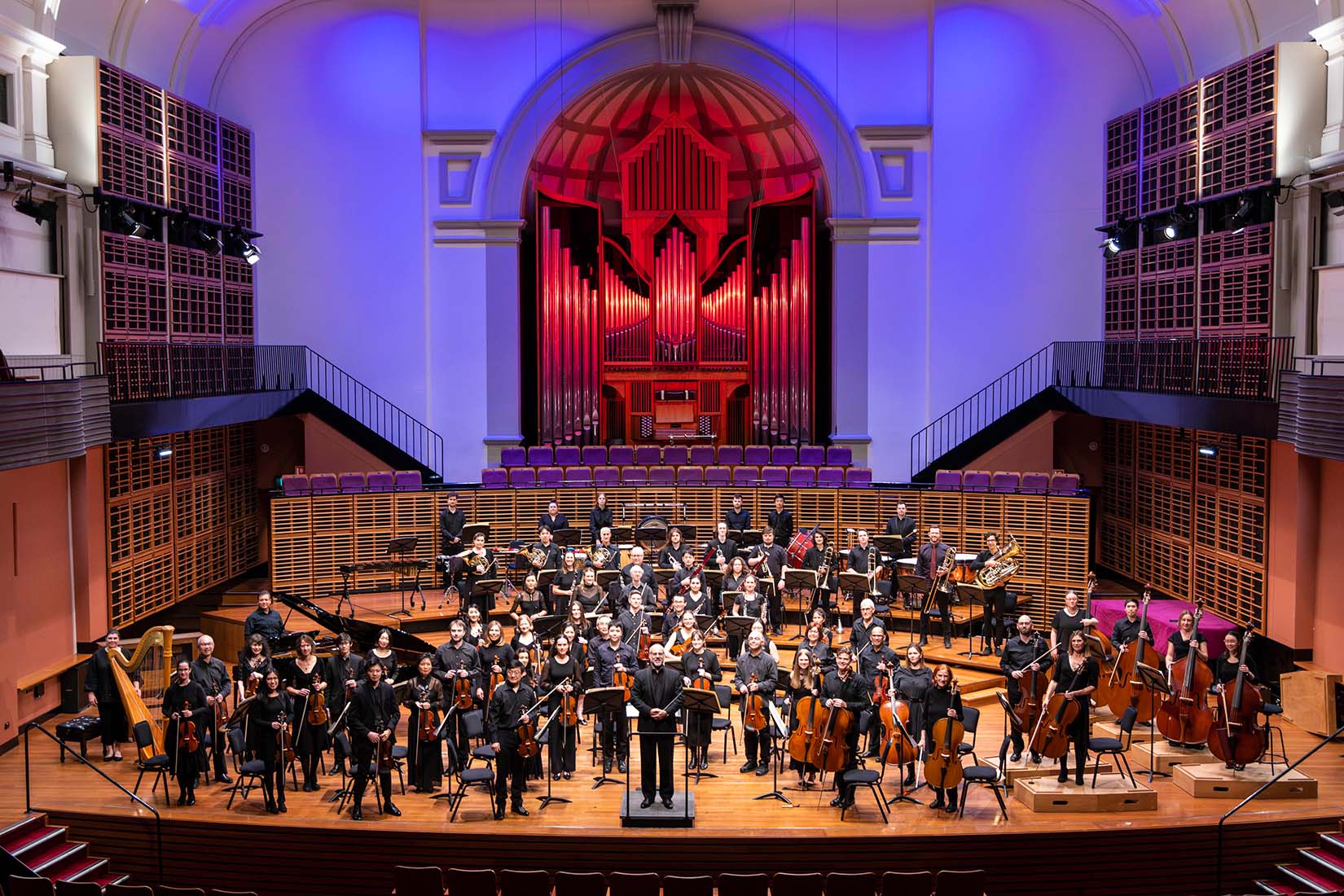
Australian Romantic & Classical Orchestra
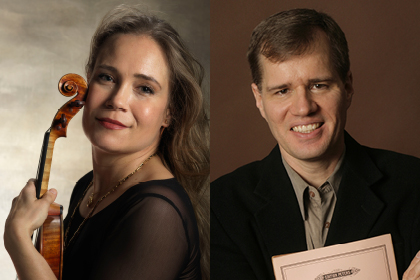
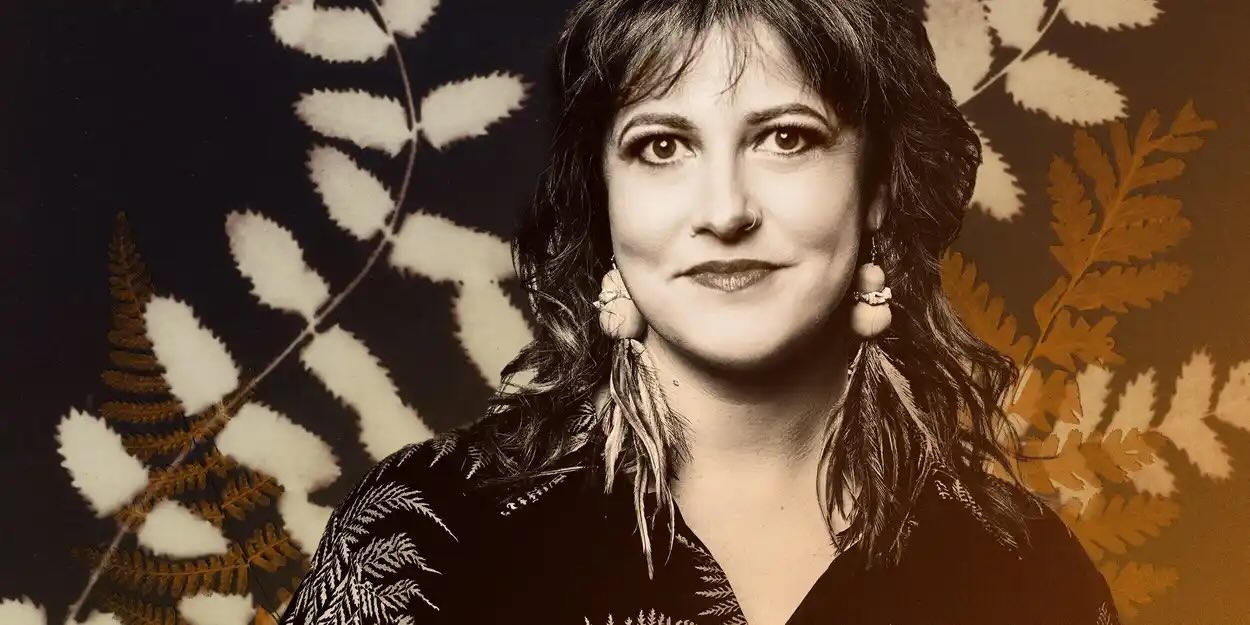
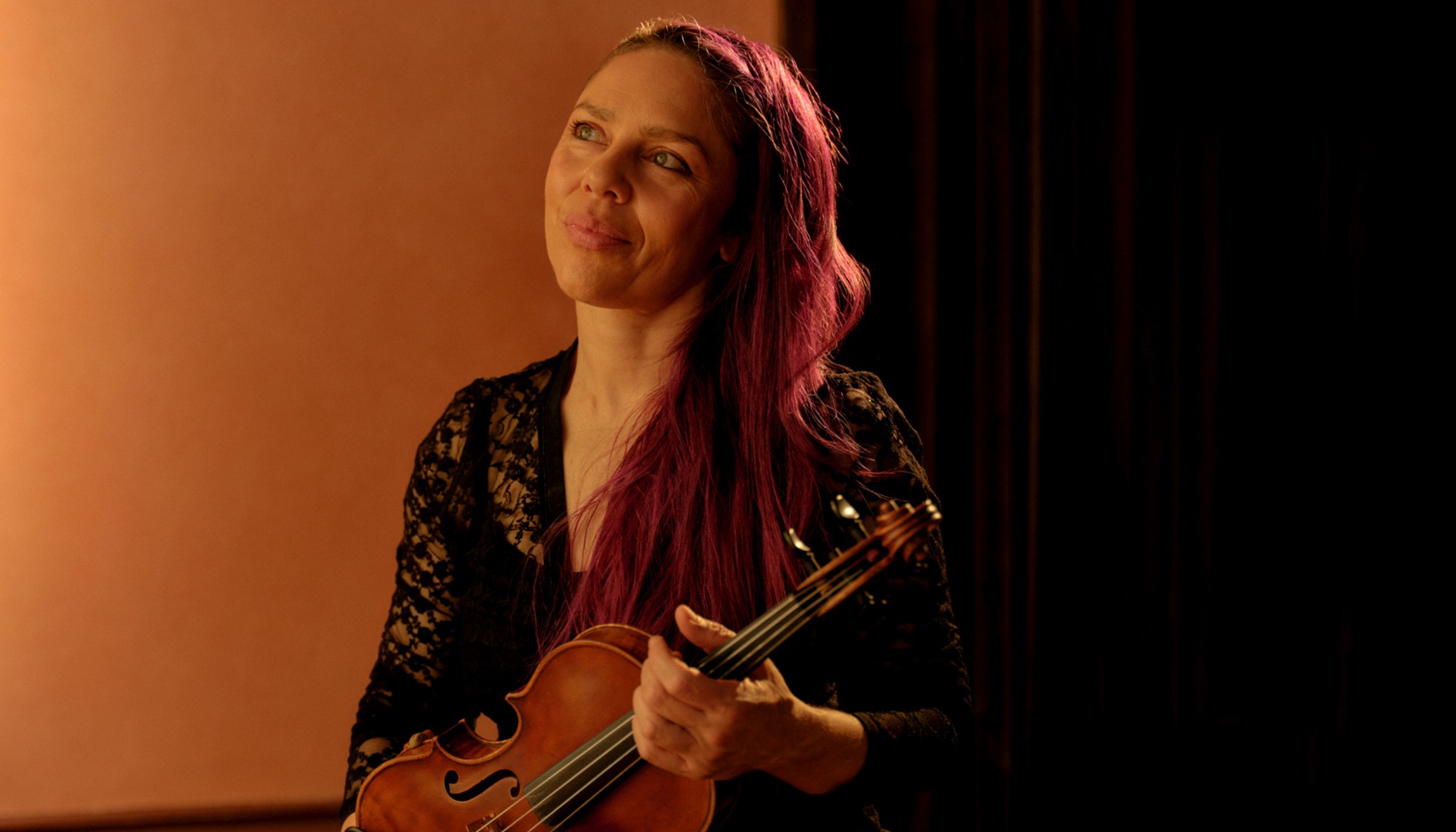
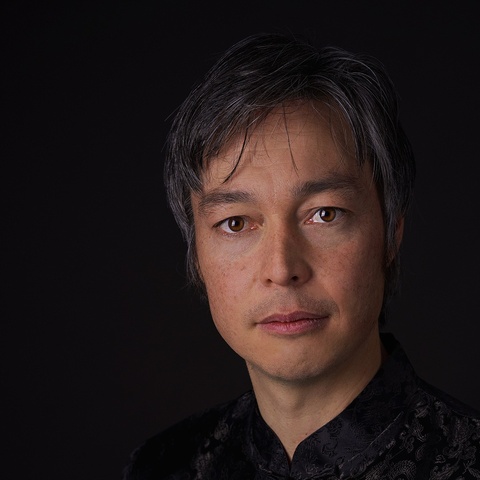
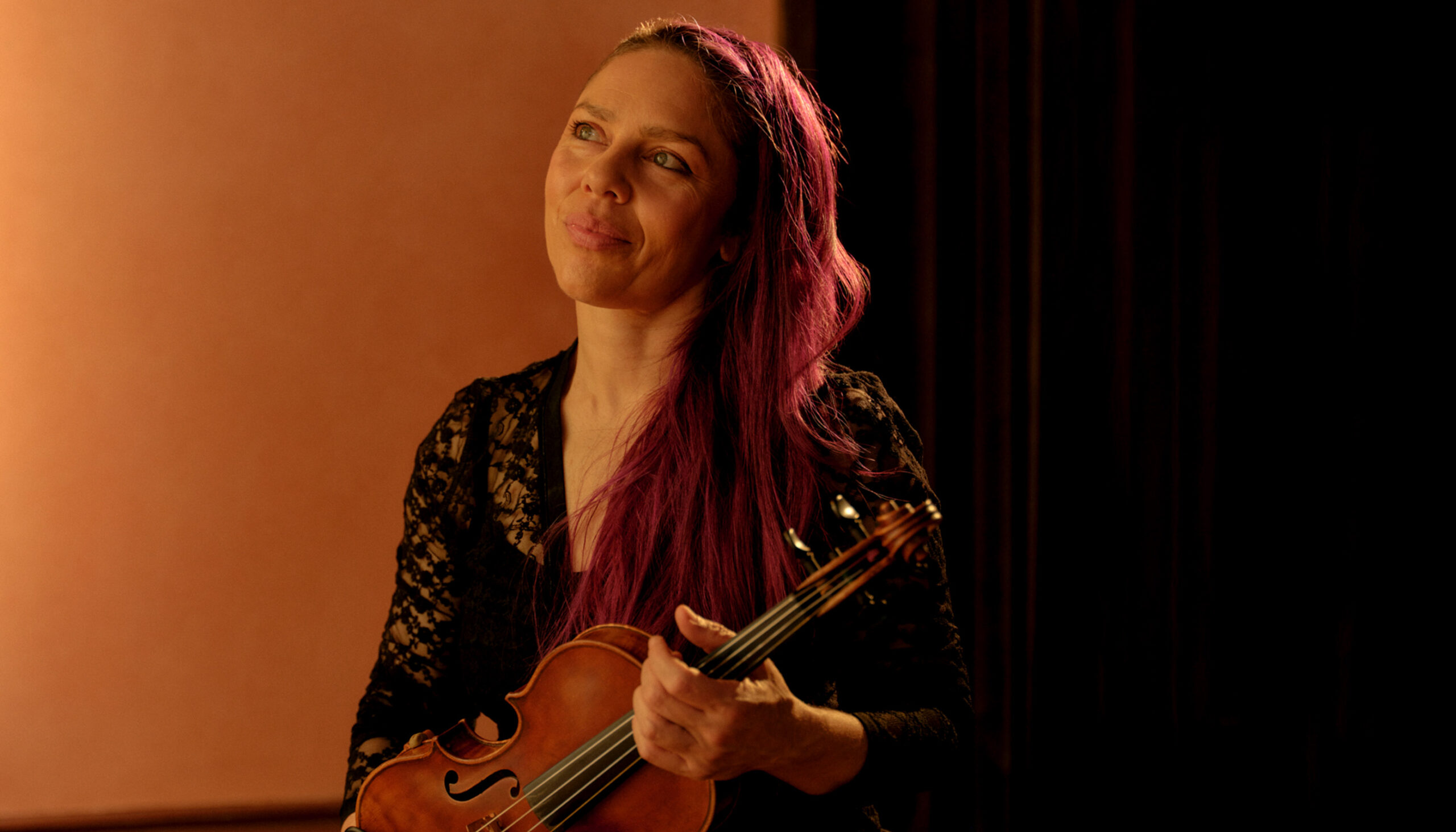
directed by Neal Peres Da Costa | Fortepiano & Rachael Beesley | Violin
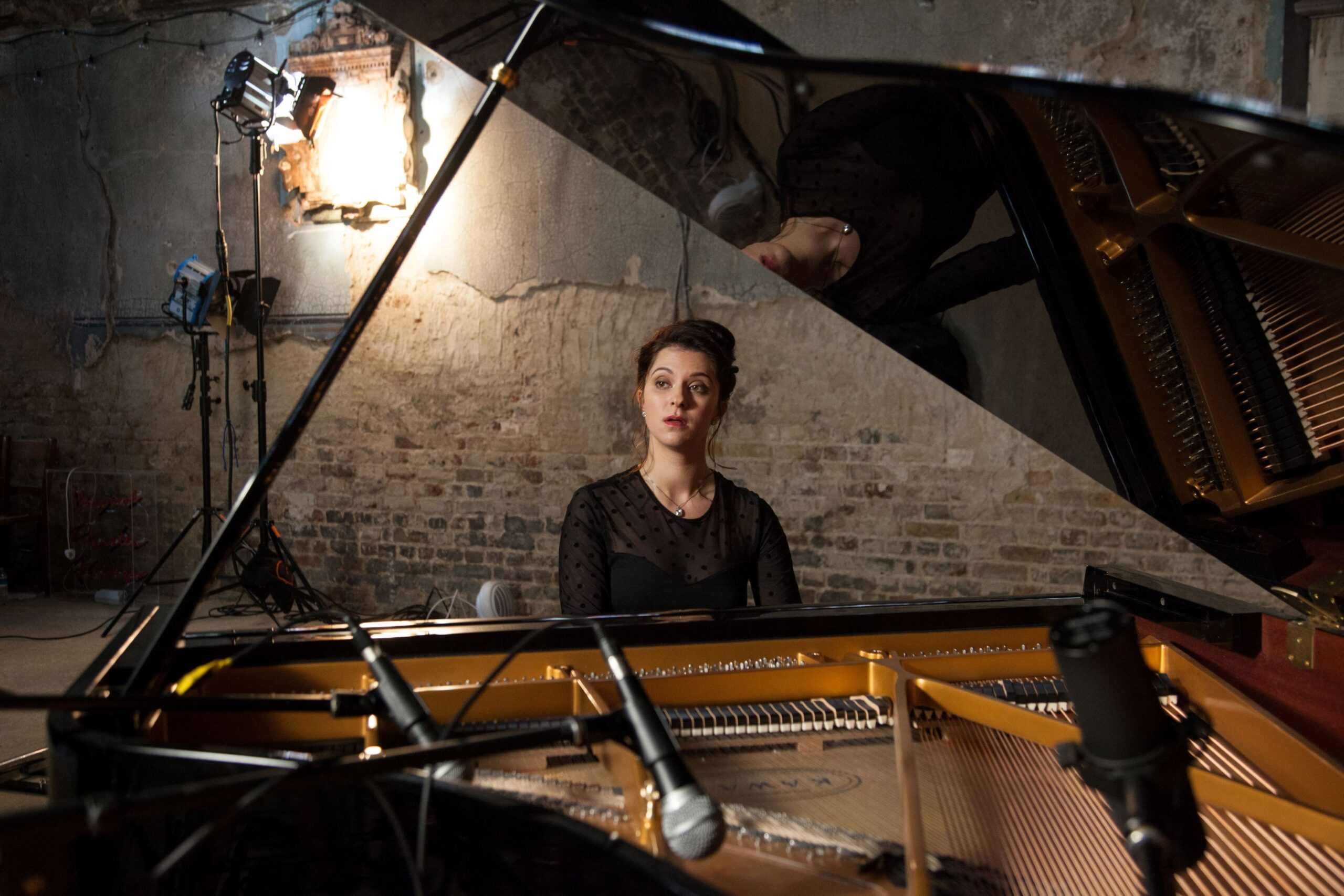
Anna Fraser | Soprano
Claire Burrell-McDonald | Soprano
Andrew Goodwin | Tenor
David Greco | Bass
Vinciane Baudhuin | Oboe
PROGRAM
CIMAROSA: Sinfonia from Il matrimonio segreto (1792)
CIMAROSA: ‘Pria che spunti in ciel’ from Il matrimonio segreto (Goodwin)
CIMAROSA: ‘Ah! Parlate’ from Il sacrificia d’Abramo (1786)
ROSSINI: Sonate a quattro No. 5 in E flat major, II.Andantino (1804)
MORLACCHI: ‘Morir ciel qual concento’ Romanza from Teobaldo ed Isolina (1822)
BELLINI: Oboe Concerto in E flat major (1823)
ROSSINI: ‘Deh ti ferma’ from Semiramide (1823)
CRESCENTINI: ‘Ombra adorata aspetta’ from Romeo e Giulietta (1796)
ZINGARELLI Sinfonia No.7 in C major, Op.22/3 (1800)
For those not familiar with the Australian Romantic & Classical Orchestra, it brings together talented players from Australia and abroad for HIP (Historically Informed Performances). They all play original instruments and strive to replicate the performance practices from when the works were originally written. This is not as easy as it sounds. Scholars have to rely not only on the composers original markings on the score, but also the score annotations of the performers, teachers and coaches of the day, the study of the historical instruments, paintings and drawings of musicians, and where available, audio recordings of singers/instrumentalist from the early 20th century, who had been performing since the 19th century.
There is a fine line to tread here. Performance practice and playing/singing techniques of particular works are built up over decades and change over time. A work may “mature” in the collective consciousness as time progresses and it may even become more musically satisfying. A classic example of this is playing Beethoven sonatas on a large Steinway grand. Strict HIP would see this as inappropriate, but Beethoven himself frequently demanded more depth, volume and tone than the pianos of the day could give him. Surely he would have been delighted to have his music played on a modern Steinway or Bösendorfer. The opposite extreme is the likes of Karajan’s 1972 recording of the Bach St Matthew Passion with the full Vienna Philharmonic and the huge Choral Society. It is hard to murder Bach as they say, and there is a certain thrill to be had in the magnitude, but my goodness, is it ever far from Bach’s intensions! HIP re-evaluations are definitely worthwhile. David Greco and Erin Helyard’s performance of Schubert’s Winterreise comes to mind. But on the other hand, life would be so much the poorer without the Schubert recordings of Fischer-Dieskau.
In 1840 Manual Garcia published his “Treatise on the Art of Singing”, probably the greatest source for historically informed performance practice in the bel canto style. This concert program centres on five arias from the early 19th century, the performance and interpretation of which were meticulously annotated by Garcia and researched by Neil Peres Da Costa and his team of staff and postgraduate students at the Sydney Conservatorium. The immediately visible HIP sign in this concert was the use of the forte-piano as continuo.
Although written some 50 years later, the dramatic Cimarosa Sinfonia with lively trumpet and timpani brought to mind La Rejouissance from Handel’s Water Music; a great fanfare to introduce the operatic dramas to come.
Goodwin performed the tenor aria Pria che spunti in ciel with unbelievably agile ornamentation. His interpretation ranged from full-voice sung sections to sometimes almost spoken singing. Adherence to Garcia’s annotations notwithstanding, Goodwin maintained an impressive aria architecture.
The soprano Burrell-McDonald astounded us with her many portamentos and alternating head and chess registers. Her diction was clear even across her rather drastic tone colour changes. One was left wondering how wild the Garcia annotations were. It would have been nice to have at least one page of facsimile in the program.
Rossini’s Andantino echoed much of the portamento in the strings that we had just heard in the Ah! Parlate!
The role of Tebaldo in Morlacchi’s Tebaldo e Isolina was originally written for castrato, as was Crescentini’s Romeo. This makes for some ethical dilemmas for the purist HIP scenario (knife in hand). However the gentleness of the love aria showed the tone of Fraser’s soprano voice in a new light and this performance was musically convincing.
Bellini’s Oboe Concerto in E flat was beautifully played by guest professor Vinciane Boudhuin from the Brussels Conservatorium; stylistically true, lyrical and expressive. She invites the audience in, rather than trying to convince.
The highlight of the concert was Greco’s Semiramide aria. It was the full monti vendetta drama. It was musically thrilling and expressive throughout the huge vocal range. What a voice this man has. One can physically feel the unbroken resonance like the vibration of a low string on the double bass.
Historically Informed Performances are interesting in seeing how the repertoire started out. There was definitely some brave risk taking in this concert and that is much to be admired. Great attention to detail sometimes led to a result that was rather academic however. I would be happy to see both HIPs and those arising from thoughtfully developed-over-decades performance practice. For me the only issue is how musically satisfying the performance is.