AVÉ: Australian Vocal Ensemble | Thought is surrounded by a halo
10 August, 2025, The Neilson, ACO, Pier 2/3, Walsh Bay, NSW
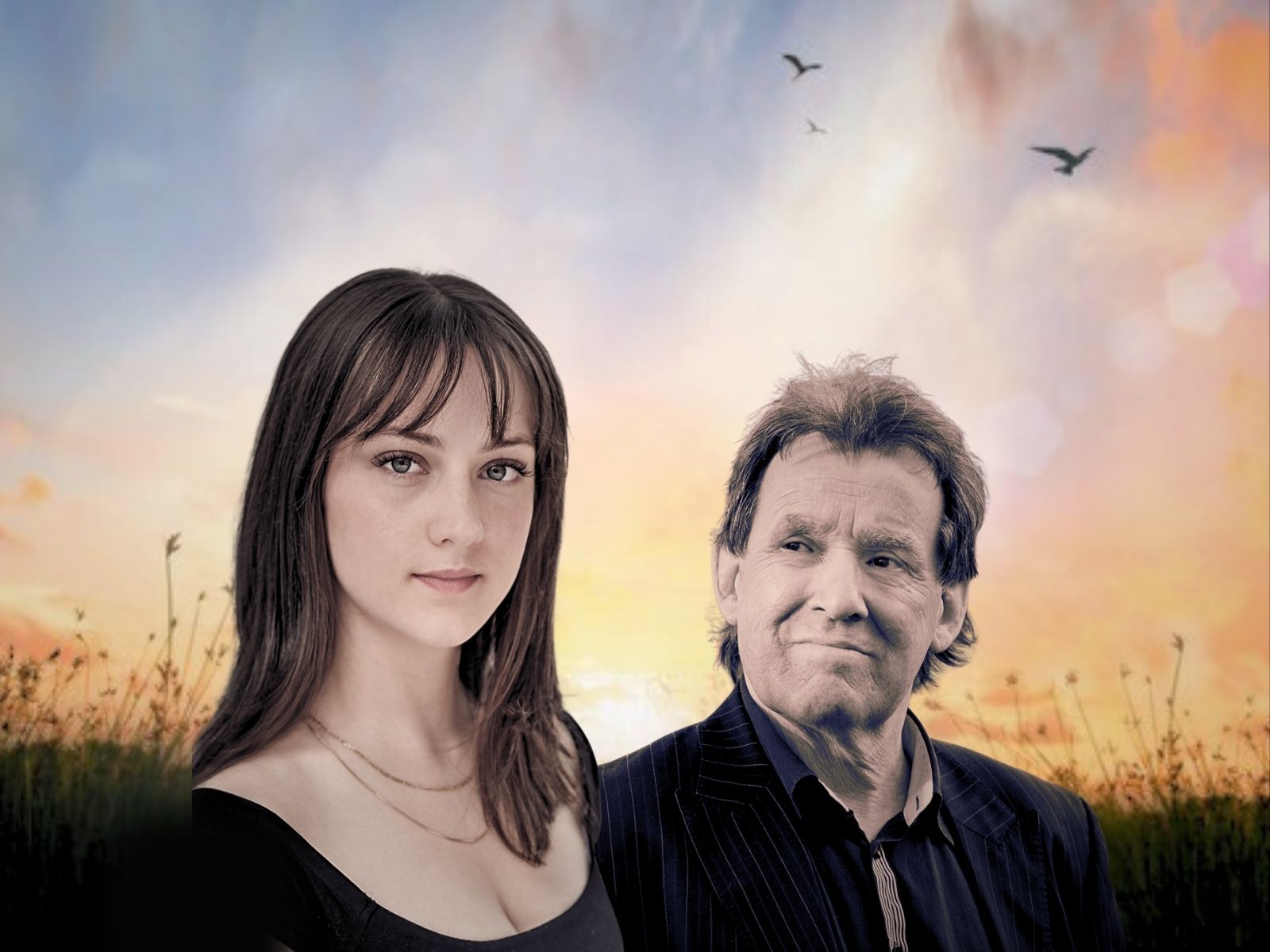
VOICES:
Katie Noonan: Soprano and Artistic Director
Fiona Campbell: Mezzo-soprano
Louis Hurley: Tenor
Andrew O’Connor: Bass-baritone
PROGRAM:
Andrew O’Connor: Thought is Surrounded by a Halo
Perry Joyce: My father’s gun
Joseph Twist: Refugee
Thomas Luis de Victoria: Heth Misericordiae
Anne Cawrse: Beyond all words
Kevin Barker: A Little Night Music
Stephen Leek: Light to Stone
Henry Purcell, arr Gavin Bryars: Dido’s Lament
Paul Stanhope: Triste
JS Bach: Mache dich, mein Geist, bereit (from Cantata BWV 115)
Sally Whitwell: Halo
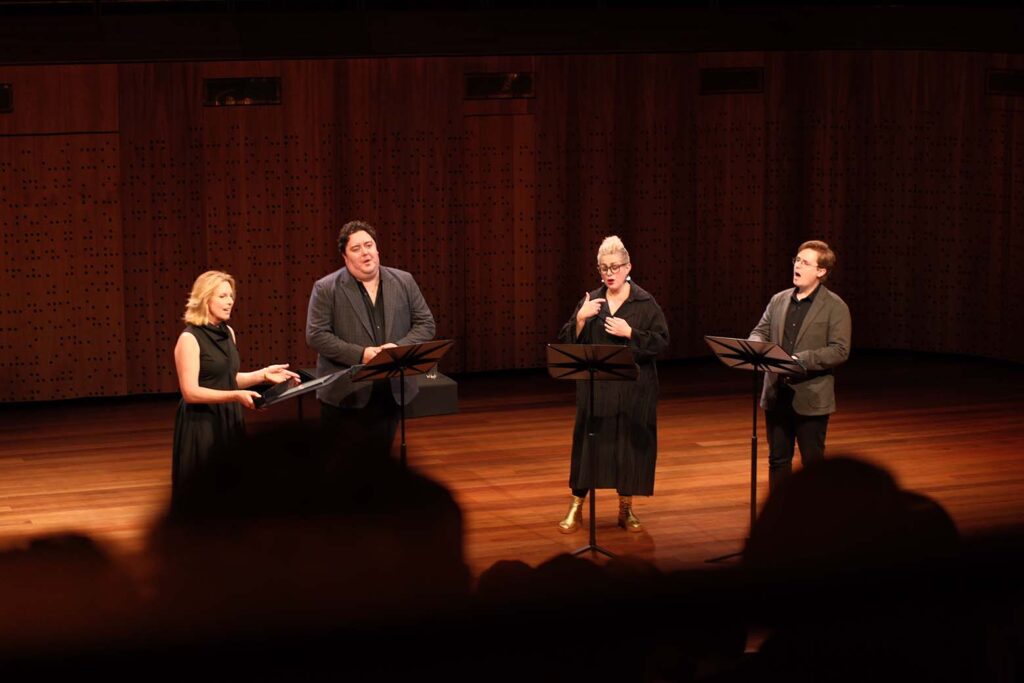
The work that AVÉ has been doing over the last few years to commission, promote, encourage and perform contemporary Australian vocal works is exemplary. Under the leadership of Katie Noonan they have already commissioned an impressive 52 works.
This concert, with the exception of a few early music “palette cleansers”, has as its theme new compositions based on the poetry of Gwen Harwood. The event served as the launch of their new album of the same name.
Although each piece is written by a different composer, in combination they work well as a song cycle. Harwood uses clear language and her poems are generally well structured in the classical sense, making them eminently suitable for vocal settings. She was a musician herself so would likely have thought of the words and sentence structures musically.
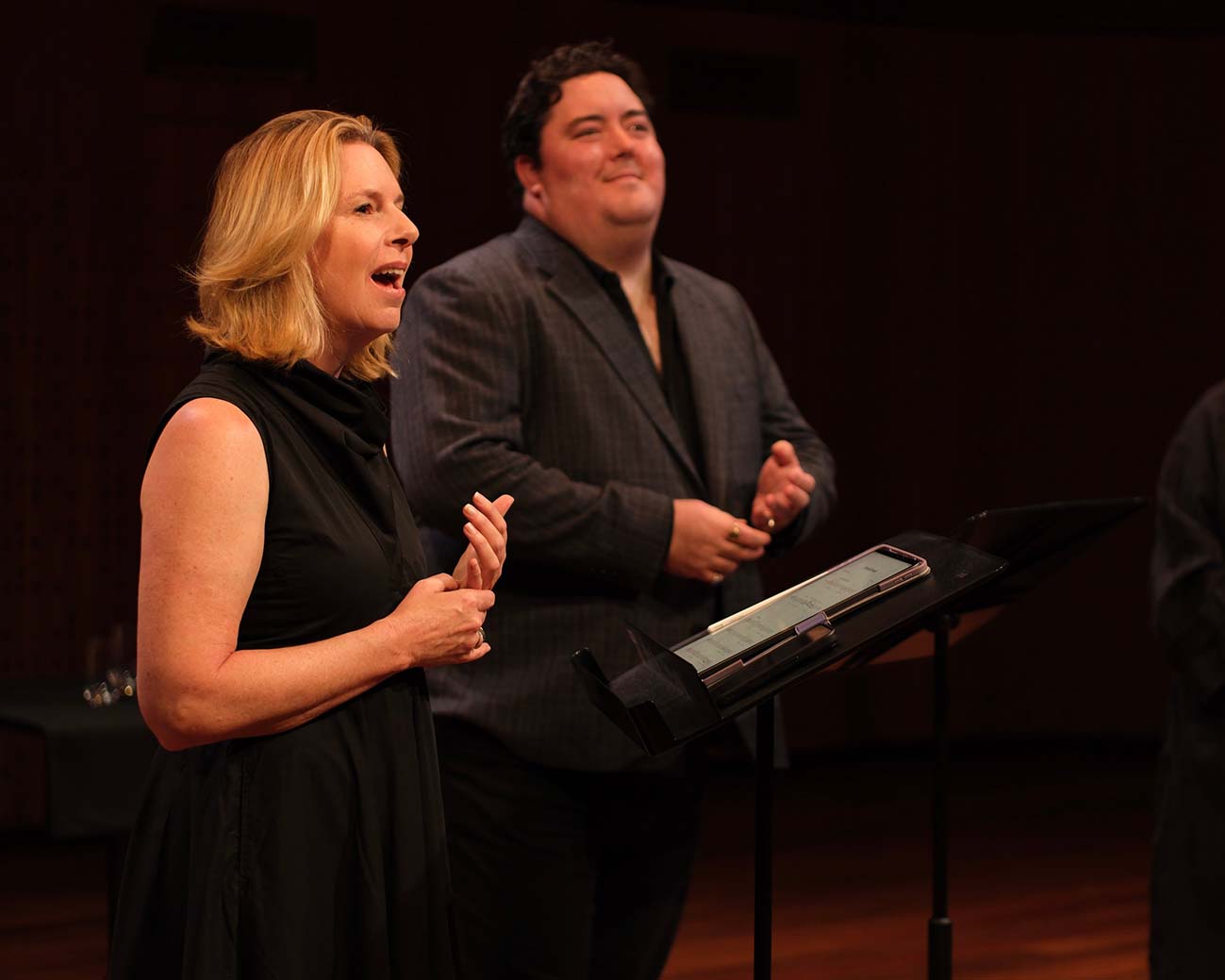
Musical considerations aside, the subject matter of her works are often deeply personal, yet touch on the universal. There is a tension between the sacred and the profane, with a tendency to use rich images of nature as metaphors. Quite a springboard for musical ideas. What more could a composer ask of a poet?
There is however a danger in setting poems that already have a crystalline perfection in their own right. Does it need music to enhance it? Probably not. What music can do however is to change our perspective. None of the composers set out to subvert the meaning, but music certainly slows the text down and allows for a deeper exploration. To highlight this we can compare the first and last works on the program, settings of the same poem, Thought is surrounded by a halo, but by different composers. O’Connor’s setting is dreamlike with dissonances to pick out particular words like “light” and “wild halo”, beautifully handled by the ensemble. Whitwell’s piece has a stronger tone, playful with ostinatos and full of fun. Nothing dreamy. Both settings are equally convincing for this intensely personal poem.
Joyce’s working of Harwood’s devastating poem of loss of innocence, My Father’s Gun, surprisingly treats the material gently; the fluttering down of the wounded owl; no big bangs for guns going off; just a kind of gentle sadness.
Cawse’s Beyond all words, started with a Gregorian-like chant sung by Campbell in a quietly ecstatic style reminiscent of Hildegard of Bingen. There was a letting go of ego as it moved from the somewhat frenetic “wellspring” to coalesce on “the immortal Other”.
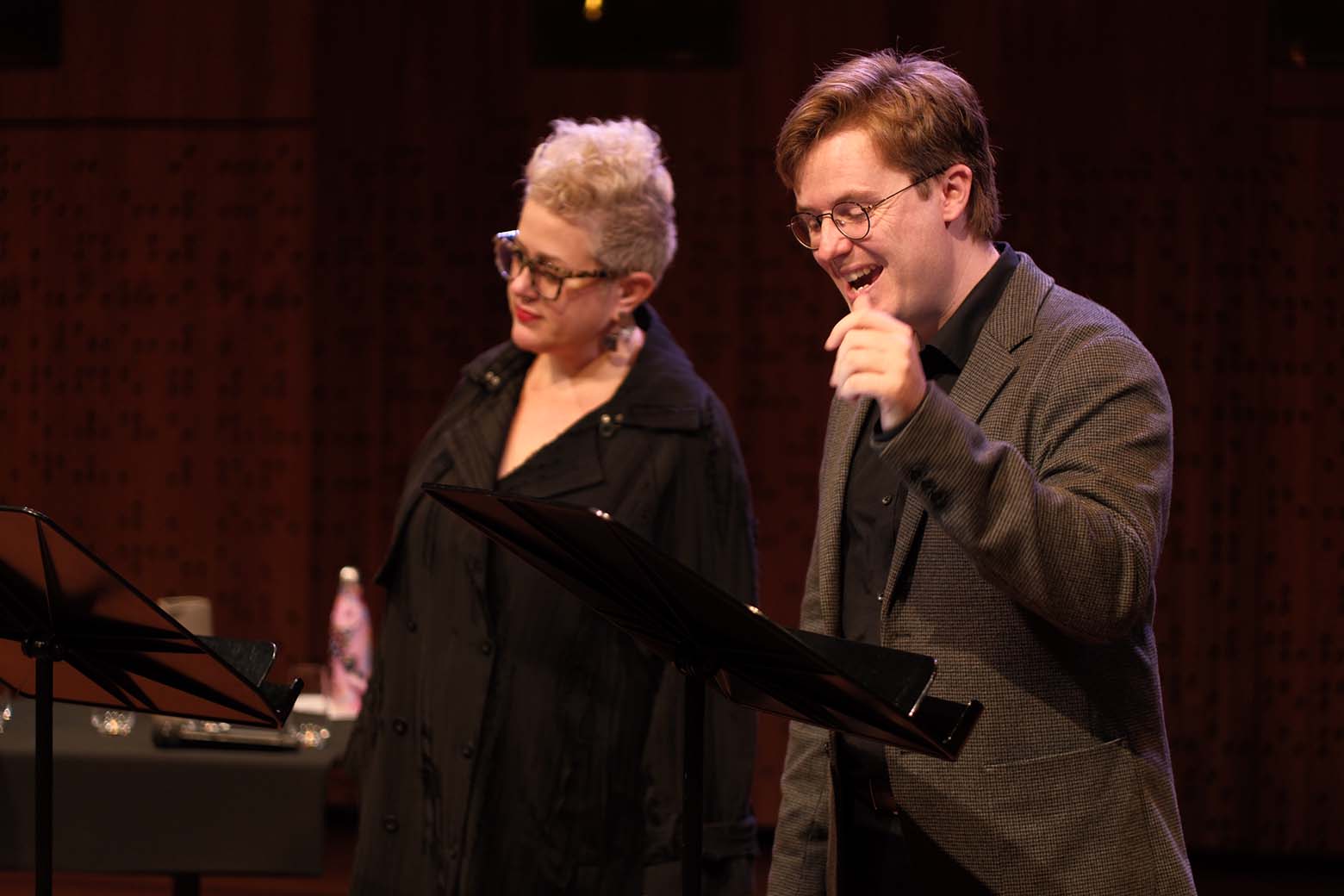
Triste was written by Harwood under the name Walter Lehmann. She tended to use pseudonyms to project a voice different to her natural, more emotionally immediate and personal voice. Here she assumes a more cool and analytical stance; a kind of stoic acceptance. Yet Stanhope’s setting and the ensemble’s performance restored a gentle and abiding sorrow more typical of Harwood’s natural voice.
Images and tropes emerge as we hear these works juxtaposed. Light, stone, sleep, love, silence, music and remembering are all recurring themes. Interestingly, Barker starts his A little night music not with music, but with soft whispers and uses O’Connor’s voice in falsetto. Nothing like the definite precision of Mozart’s work to which the title alludes. Again expectations are changed by the setting.
Dido’s Lament was surprising too, although nothing to do with Harwood; only the theme of remembering. The soprano line was not featured as a solo with ensemble accompanying as one might expect. The whole piece was reimagined more like a polyphonic madrigal, all parts equal. It was convincing.
This concert was impressive indeed, on many levels. However, many of the settings of Harwood’s poems benefited from stillness and one of the ensemble became so distracting that it was often better just to close one’s eyes. Everything that a performer does on stage must be seen through the lens of the audience’s eyes and sometimes doing nothing at all does more to allow the music to speak for itself.
The other issue is the vocal balance. The voices in the ensemble are of different weights and most of the time the vocal blend was good. However sometimes the stronger voices tended to dominate for no good reason. Having a pair of expert ears of an experienced choral conductor in group rehearsals, or even recording and playing back the later rehearsals, would go a long way to identifying and avoiding these sorts of balance issues. A musical director, particularly if they are singing themselves, might not notice such imbalance, but it is ultimately their responsibility.
These criticism’s aside, this concert was immensely enjoyable and its importance in presenting impressive new works cannot be overstated. Long may AVÉ continue the great work they do for Australian music.