Bach Akademie Australia | In the Steps of Bach – The Road to Lübeck
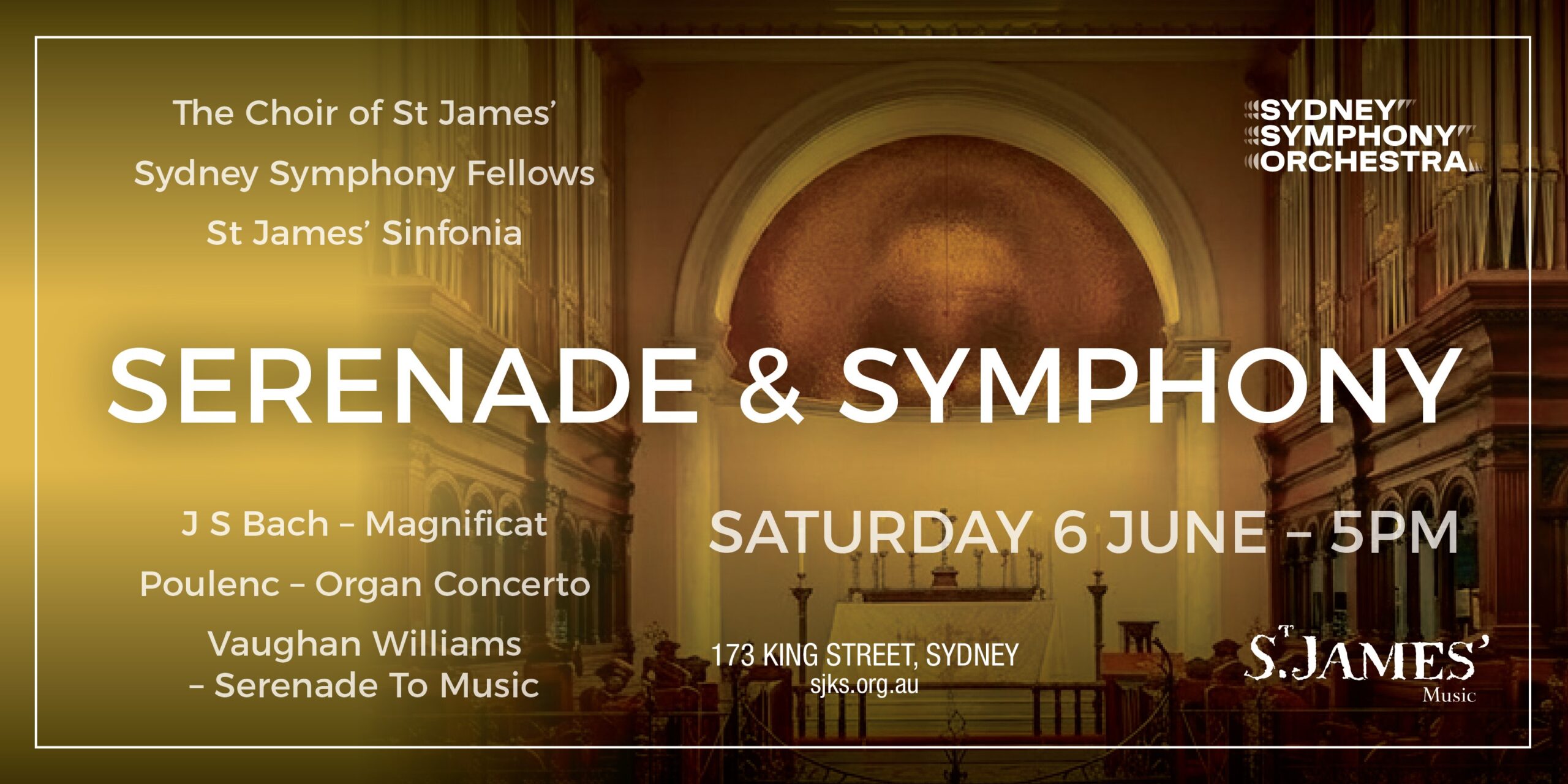
20 September 2024, St James, King St, Sydney, NSW
PROGRAM
J.C. Bach – Chorale zum praeludium ’Ein feste Burg ist unser Gott’
Pachelbel – Musicaliche Ergöztung Suite in C major
Pachelbel – Chaconne in F minor for organ P.43
Bruhns – ‘Der Herr hat seinen Stuhl im Himmel bereitet’
Böhm – Chorale Prelude ‘Christ lag in Todesbanden’
J.S. Bach – Prelude and Fugue in E flat major BWV 552
Buxtehude – Toccata in F major BuxWV 156
J.S. Bach – Cantata ‘Vergnügte Ruh, beliebte Seelenlust’ BWV 170
ARTISTS
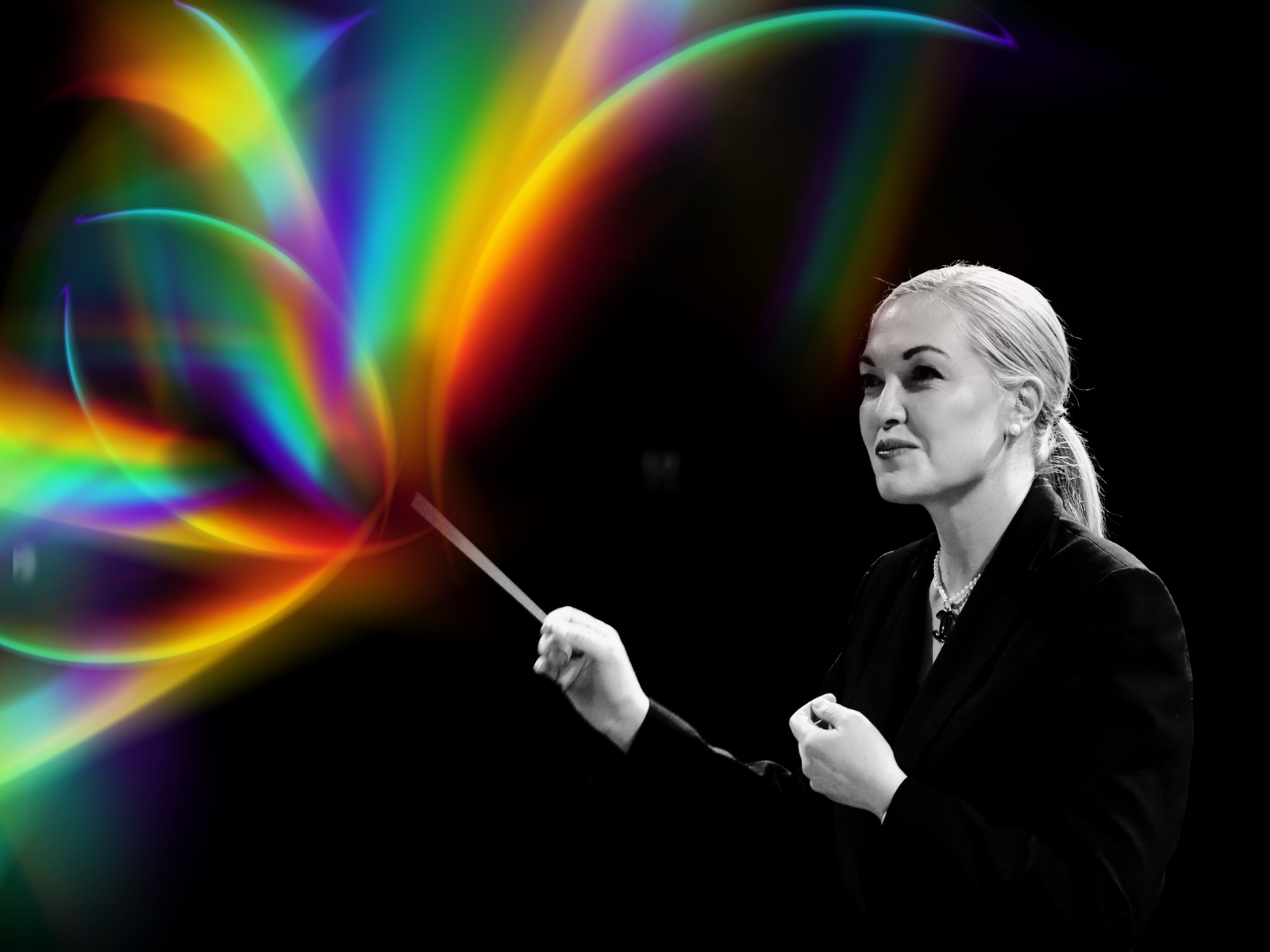
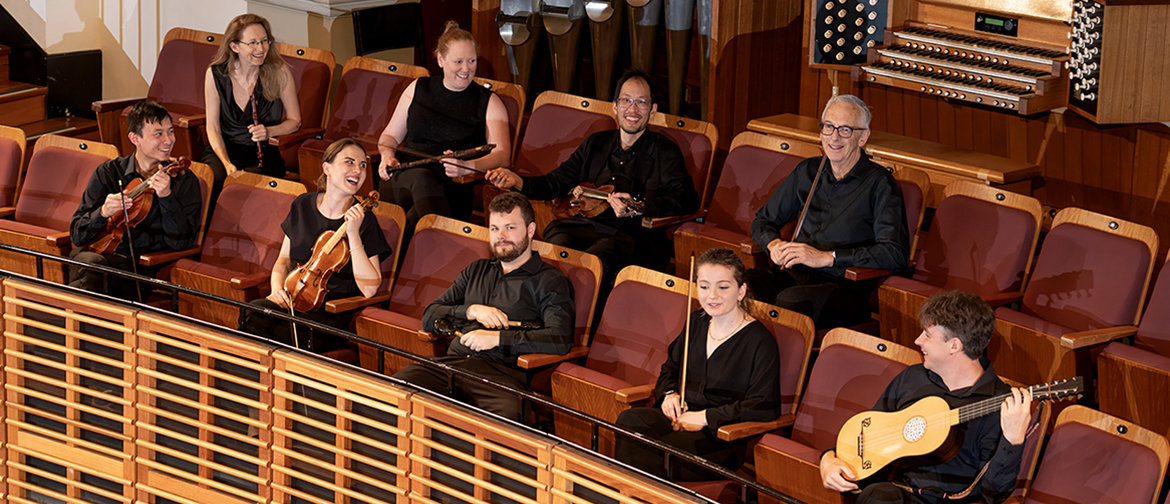
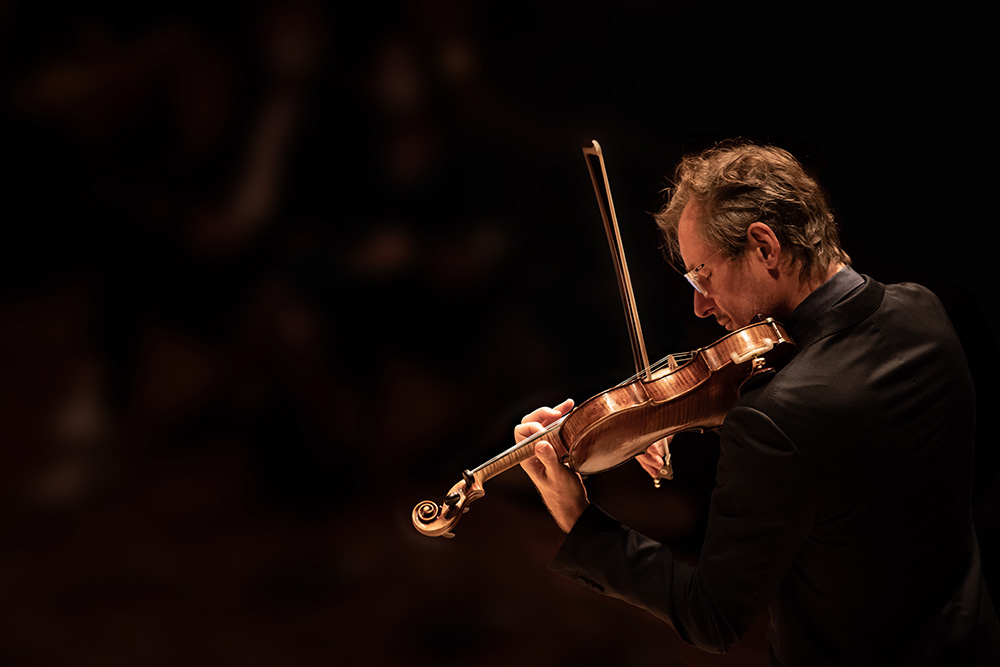
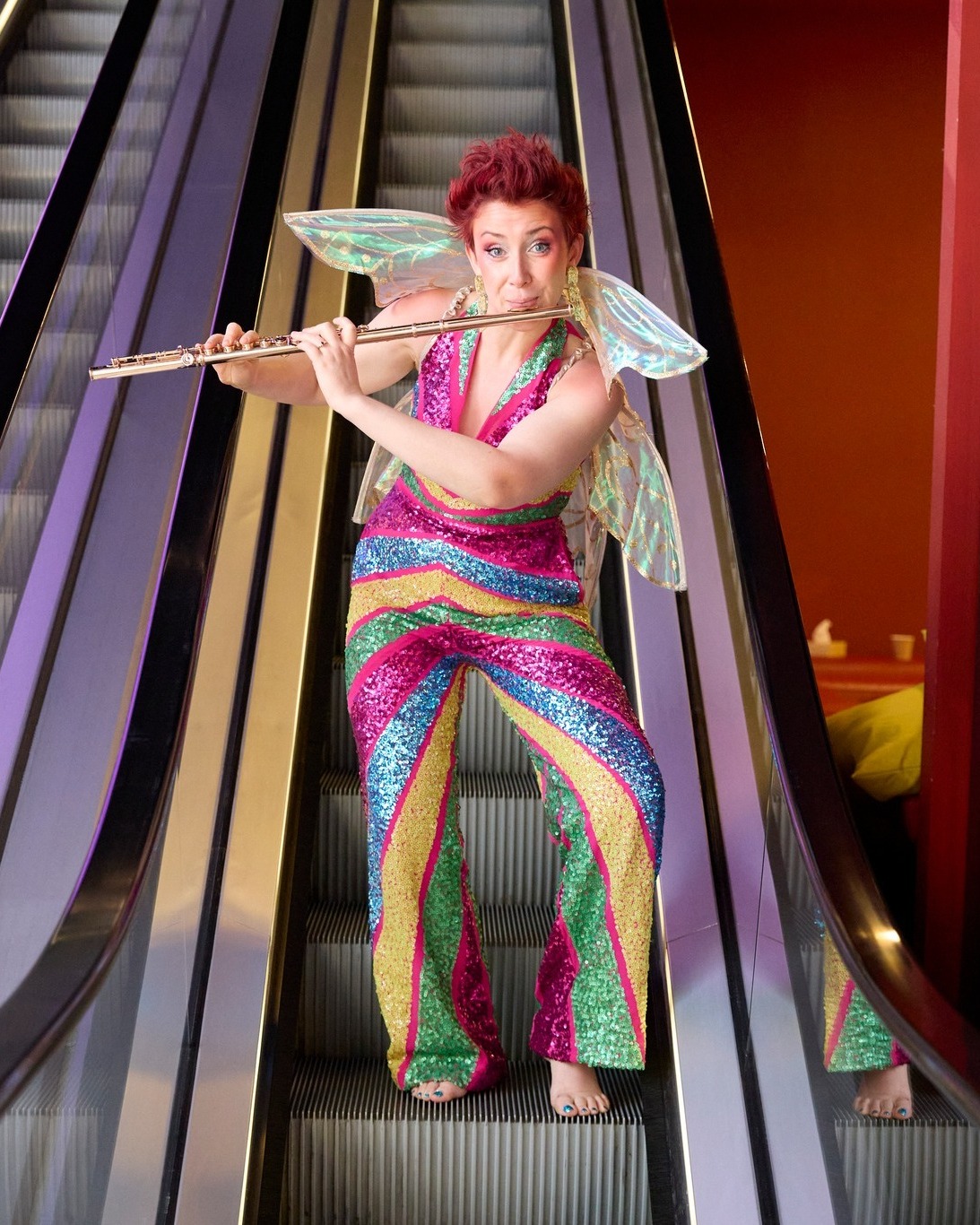
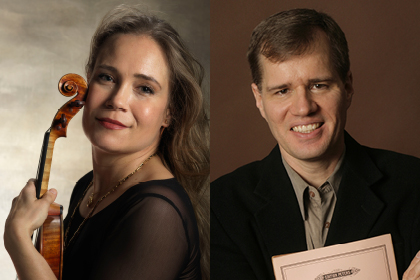
Madeleine Easton – Violin, director
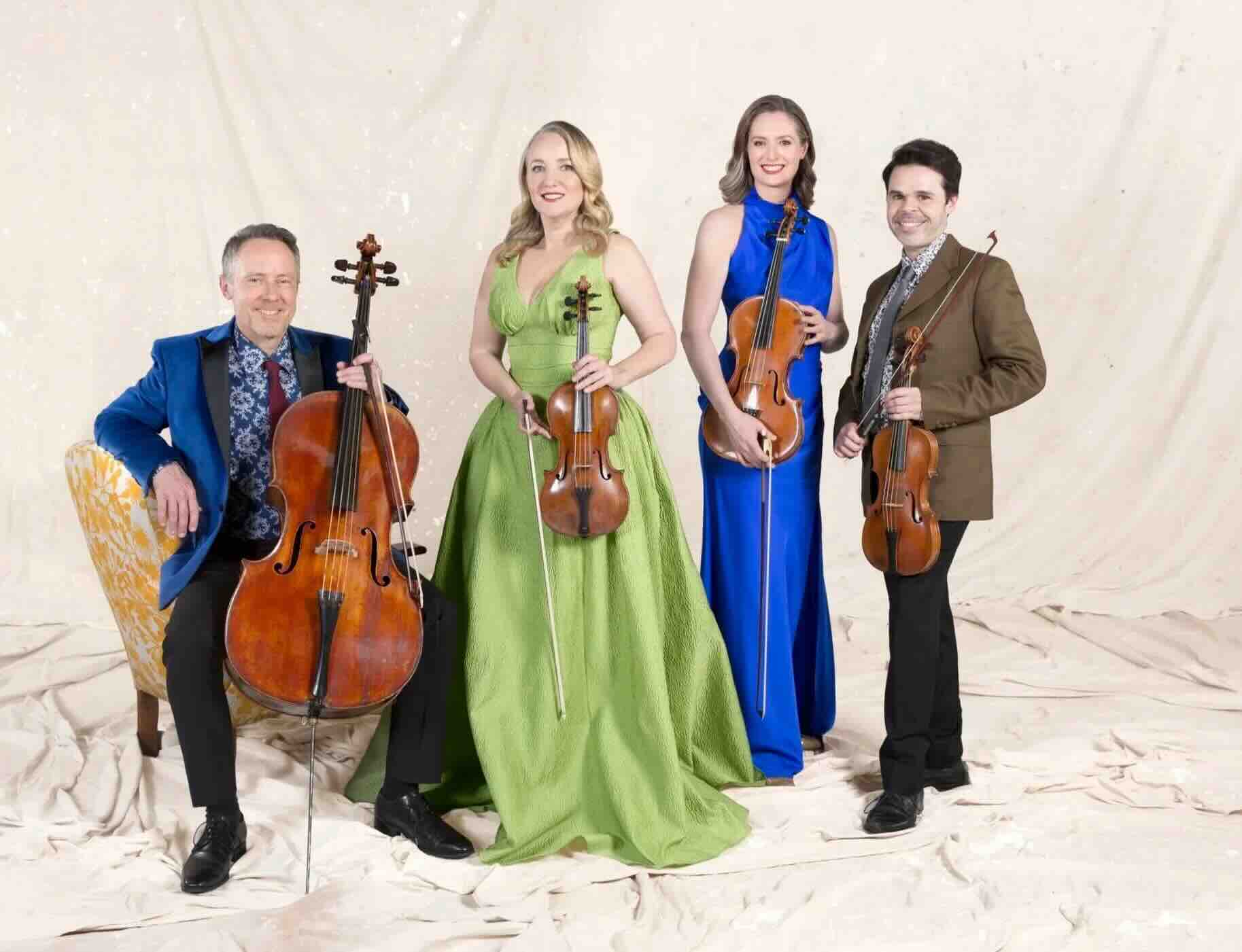
Bach Akademie Australia
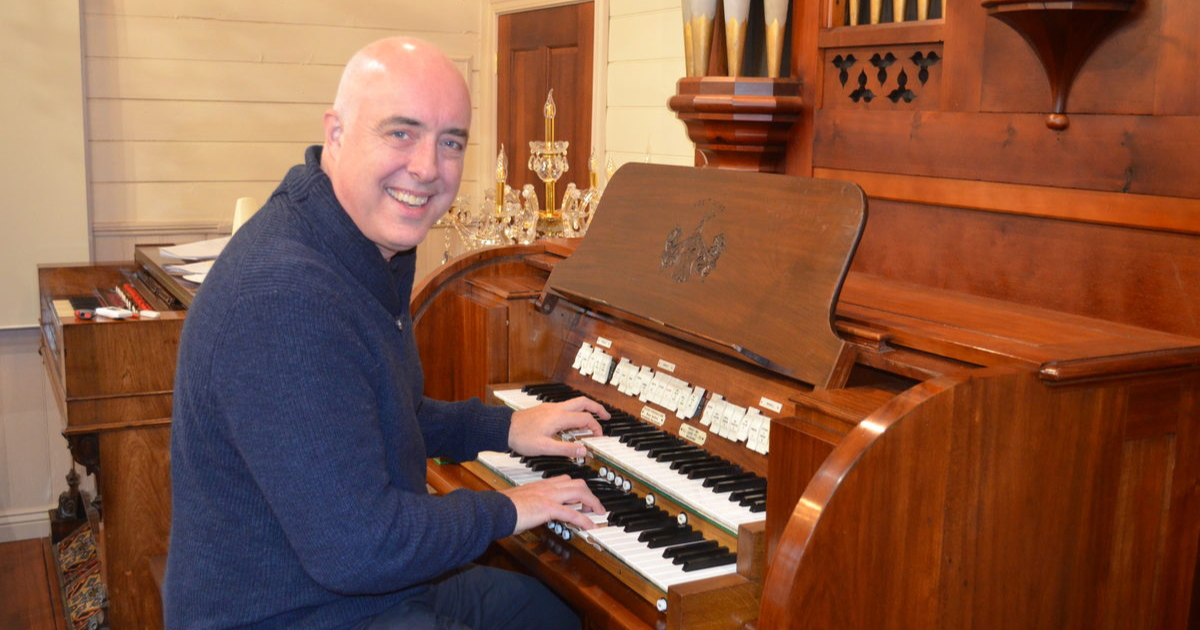
Marco Sever – Organ
Russel Harcourt – Countertenor
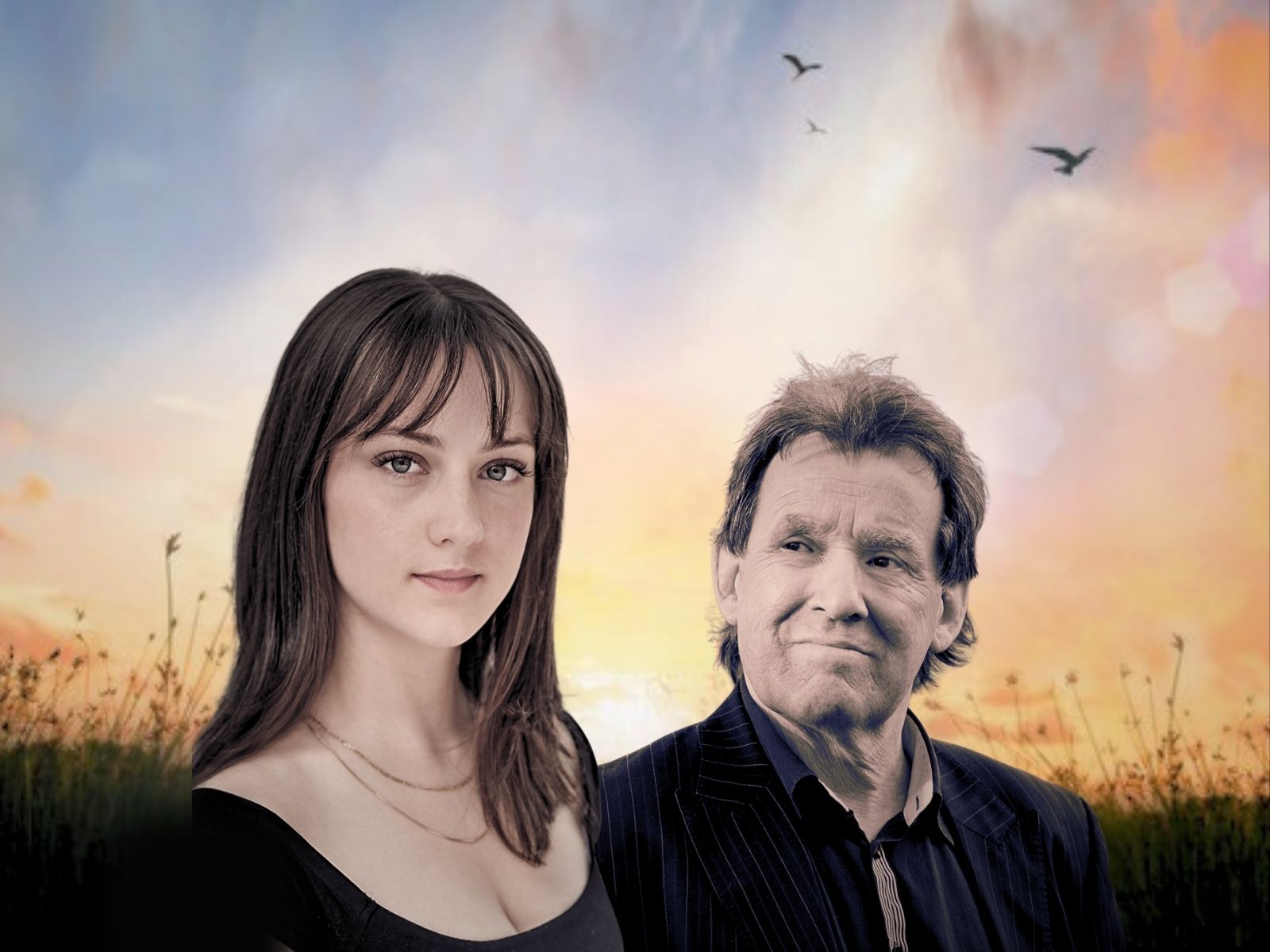
Andrew O’Connor – Bass
J.S. Bach holds such a singular position in the history of music that one could be forgiven for thinking that he sprang forth fully formed. This is of course not the case, as the concert skilfully highlights. As a young man he famously walked 400km from Central to Northern Germany (Lübeck) to hear Buxtehude play the organ and to learn from him. That is musical dedication for you, but aside from this he always studied the music of his forebears diligently and carefully analysed music he admired.
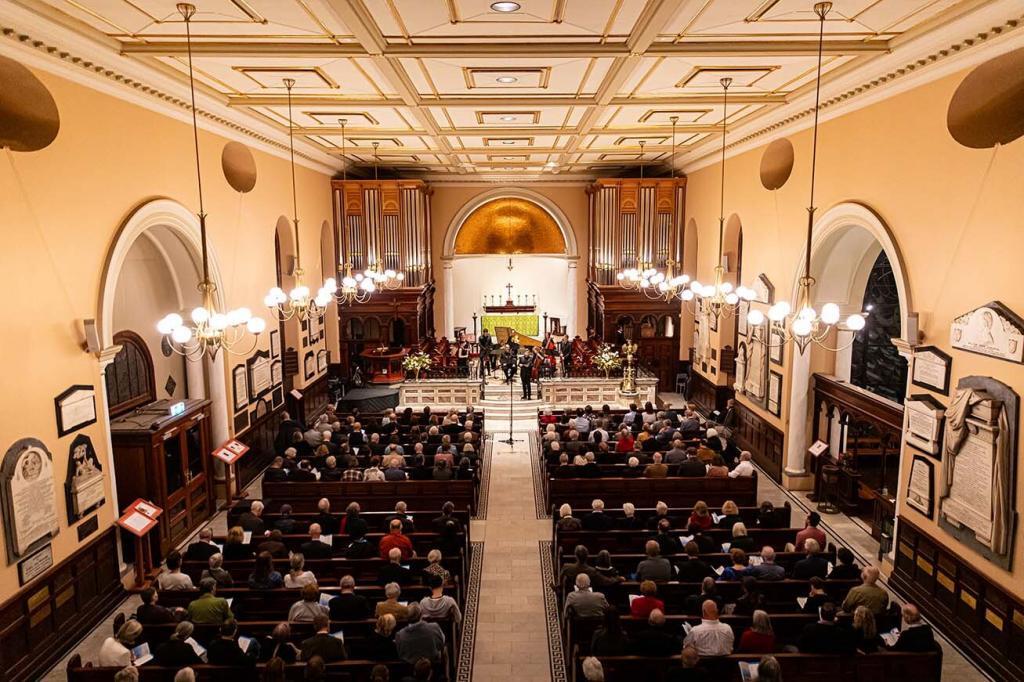
Before talking about the performance, I’d like to mention the extraordinary quality of the printed program. It was not over produced, yet all the necessary information was there, performer details, biogs of the principals and texts in German with accurate English translations side-by-side. And the lights in the body of the church were happily left on, so that you could actually follow the translations during the performance. You’d be amazed how many vocal concerts we have been to where the house lights have been turned off! Most impressive however, were the program notes by Madeleine Easton, the lead violinist and director of the BAA. They were more like an historically well-informed essay with contexts and penetrating musical insights into the works on the program. Fortunately I had sufficient time before the performance to read them, and they provided a genuine enhancement to the listening experience.
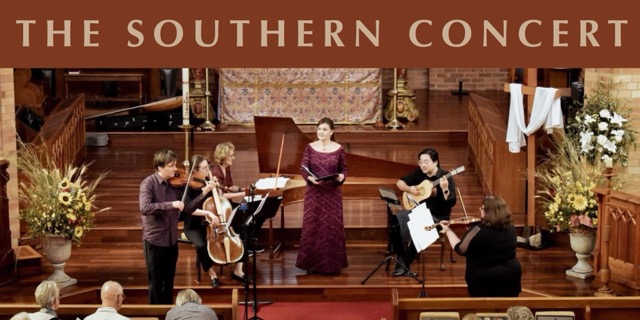
The Bach Akademie Australia has to date specialised mainly in Bach’s instrumental and vocal music. Easton has for some time wanted to highlight the organ music of JSB. While there are quite a few excellent organs in the Northern Europe Baroque tradition around Sydney, the brand-new Dobson organ at St James offered a unique possibility. There have already been several recitals on this instrument, including some music by Bach, but none have so far focused entirely on Baroque music. This organ is largely modelled on the English style cathedral organs of the late 19th, early 20th centuries, which is tonally appropriate for the liturgical tradition at St James. However, In previous recitals the Romantic character of the organ has predominated, even in the performance of some Bach pieces. I am happy to say however that in this concert Marko Sever, the world-renowned organist of St James, through appropriate registration showed the tonal possibilities of the instrument to be entirely compatible with German Baroque music. He used clear strong principal stops (diapasons), gentle wooden flutes, bright aliquots (overtones and mixtures) and featured an impressive 16′ posaune (trombone reed stop) in the pedals when appropriate. He demonstrated that with relatively sparse registration (even in the grand “St Anne” fugue) this organ is a great addition to the strong early music movement in Sydney. This holds both as a solo instrument and for ensemble performances as continuo or obligato as demonstrated in the cantata in this program.
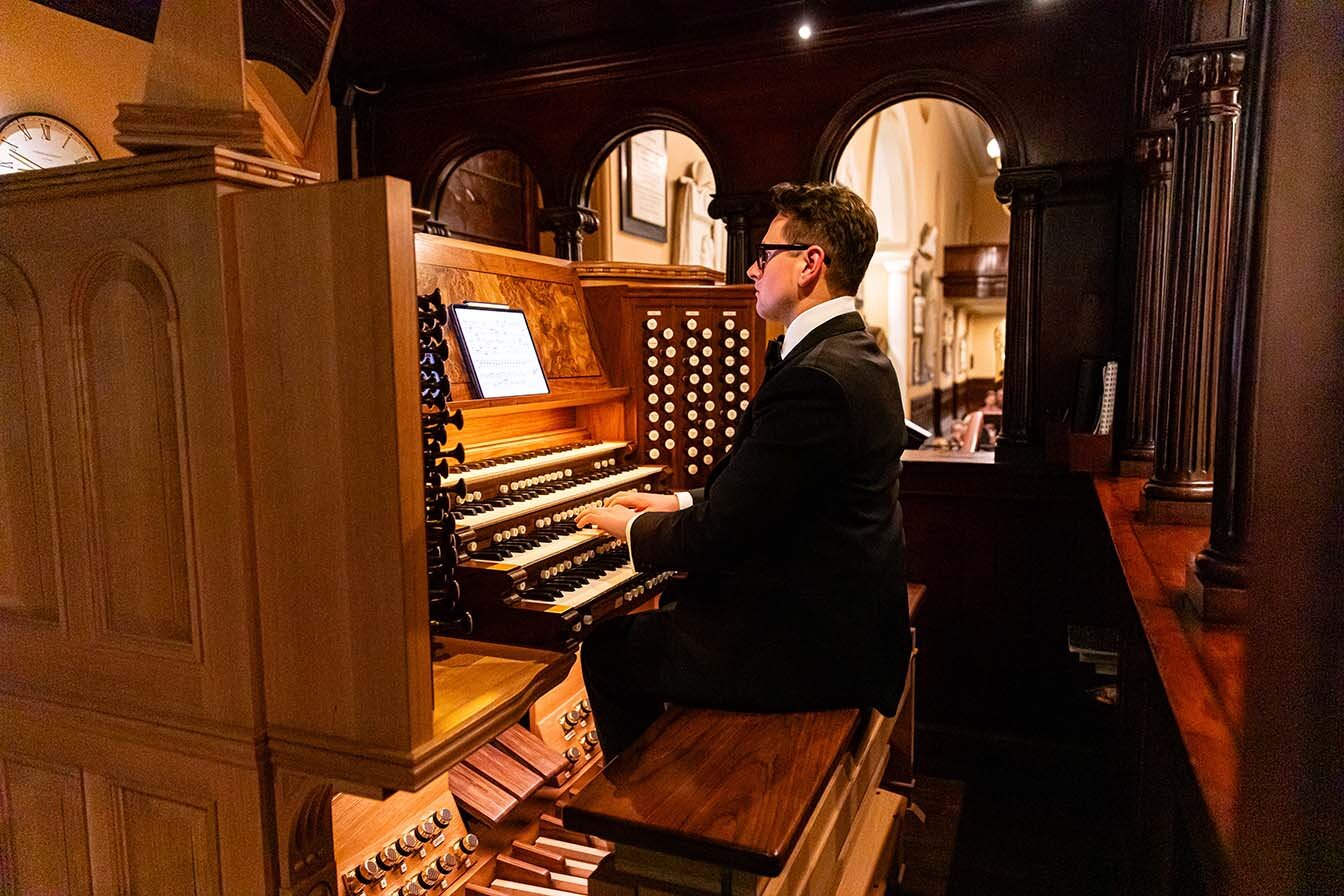
Sever’s playing of the solo items by J.C. Bach, Pachelbel, Böhm, J.S. Bach and Buxtehude were all impressive in their rhythmic accuracy and drive. With the aria and 22 variations of the Pachelbel Chaconne he showed us the huge tonal variety (still all within the baroque tonal range) of the more delicate aspects of this instrument, including the tremulant, the stop that varies the wind pressure to produce a vibrato.
Luther’s hymn “Ein feste Burg” is like a war cry for the German Reformation and thus an inspired way to start a concert designed to highlight the influences on the compositions of JS. He was heavily influenced by the many other professional musicians in his family, and his much older cousin, Johann Christoph, was probably influential in fostering JS’s love of the organ.
Buxtehude, a great composer and organist, held a pivotal role in the history of German music, spanning back via Schütz to the early Italian Baroque and Vivaldi. Amongst the pieces in this concert, perhaps the most telling of the influences on Bach was Buxtehude’s Toccata with its 4 voice fugue. Here there were long pedal-points, cycles of fifths, changes of time signatures and rhapsodic cadenzas which all find their way into Bachs works. No wonder he went to such extremes to study with Buxtehude.
There are usually no indications on early organ music scores as to what registrations to use (one is lucky to get the odd dynamic marking), so a lot of the organist’s decisions are based on performance practice built up over the years. Sever again made many intelligent and interesting registration choices, contrasting the big principal chorus with the likes of a single oboe reed stop or a sweet wooden flute rank.
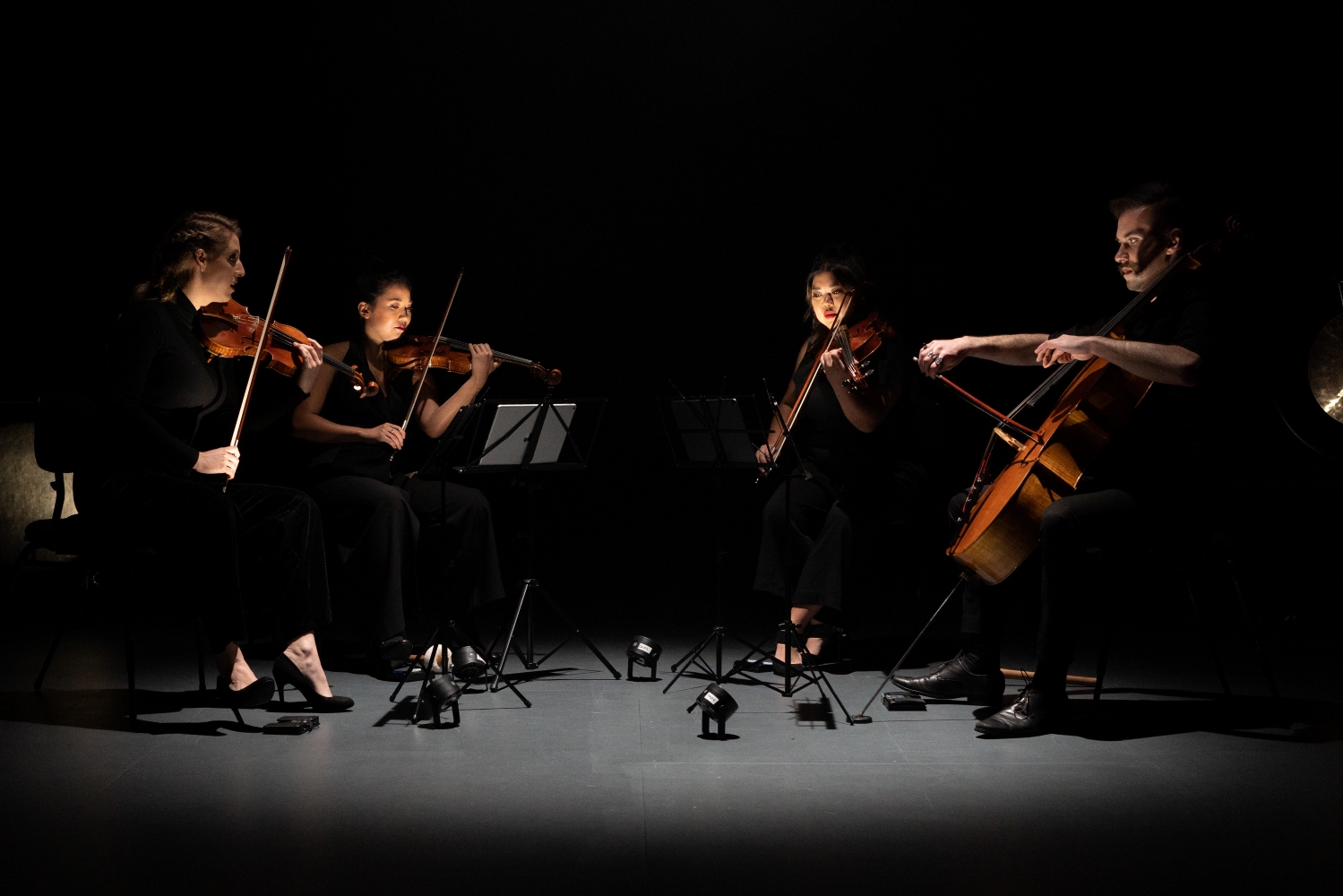
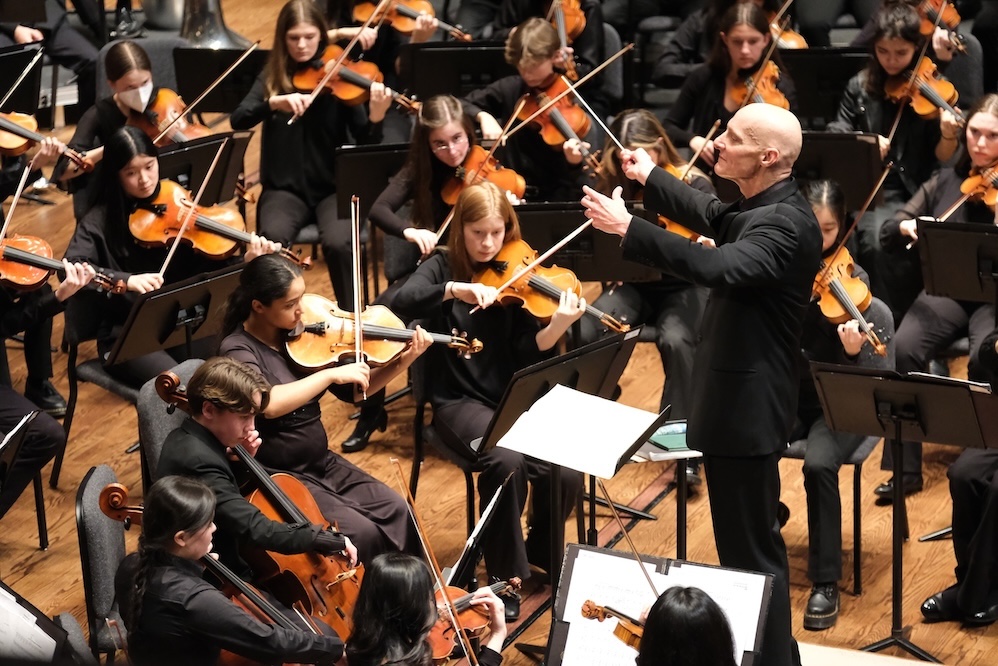
The Pachelbel suite for 2 solo violins and continuo showed some of the Italian influences coming through, of which Bach was so fond. Easton and Simone Slattery had a lot of fun with this, egging each other on with complex imitations. Clearly this was very well rehearsed, yet their performance remained fresh as a daisy.
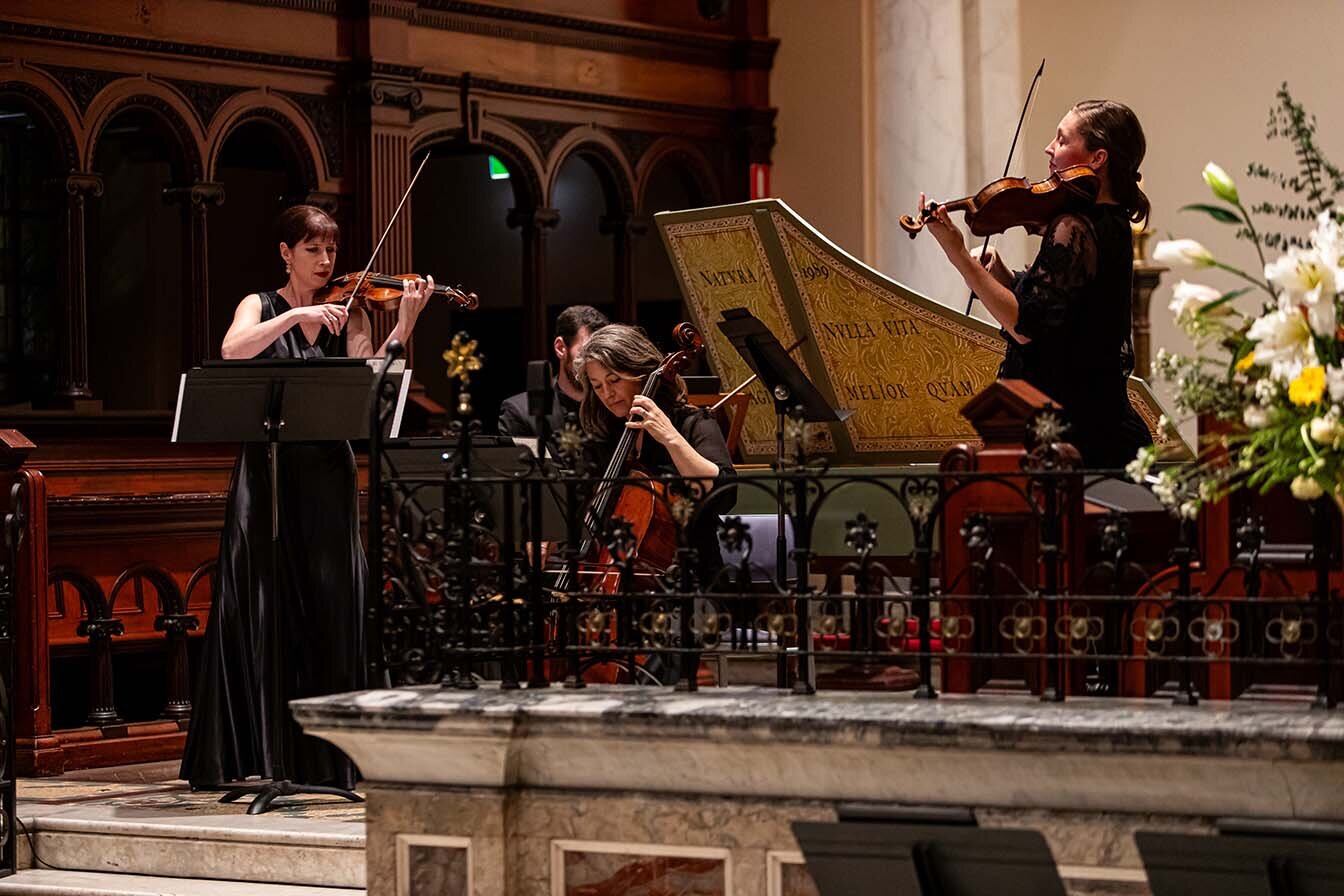
The bass Andrew O’Connor joined a larger ensemble (+ violas, double bass, bassoon and theorbo) for the joyful work by Bruhns. Again the joy is mostly in the orchestra until the rather fiendish melismas in the voice towards the end of the piece. O’Connor’s diction and articulation here were excellent.
The final cantata, which would usually have a positive organ in the continuo, struck a full-bodied chord at the outset with the double bass and a 16′ pedal stop filling out the texture. Russell Harcourt’s countertenor voice and Adam Master’s oboe formed a beautiful lyrical pairing. This cantata was no doubt chosen for the organ obligato which was also poignant and elegant.
This concert was thoughtfully conceived by Easton and musically most satisfying. Many thanks to all the highly skilled musicians for giving us such an enjoyable evening.
Photo Credit: David Hooley