Sydney Philharmonia Chamber Singers | Bach’s Christmas Oratorio
13 December 2025, Sydney Opera House Concert Hall, NSW
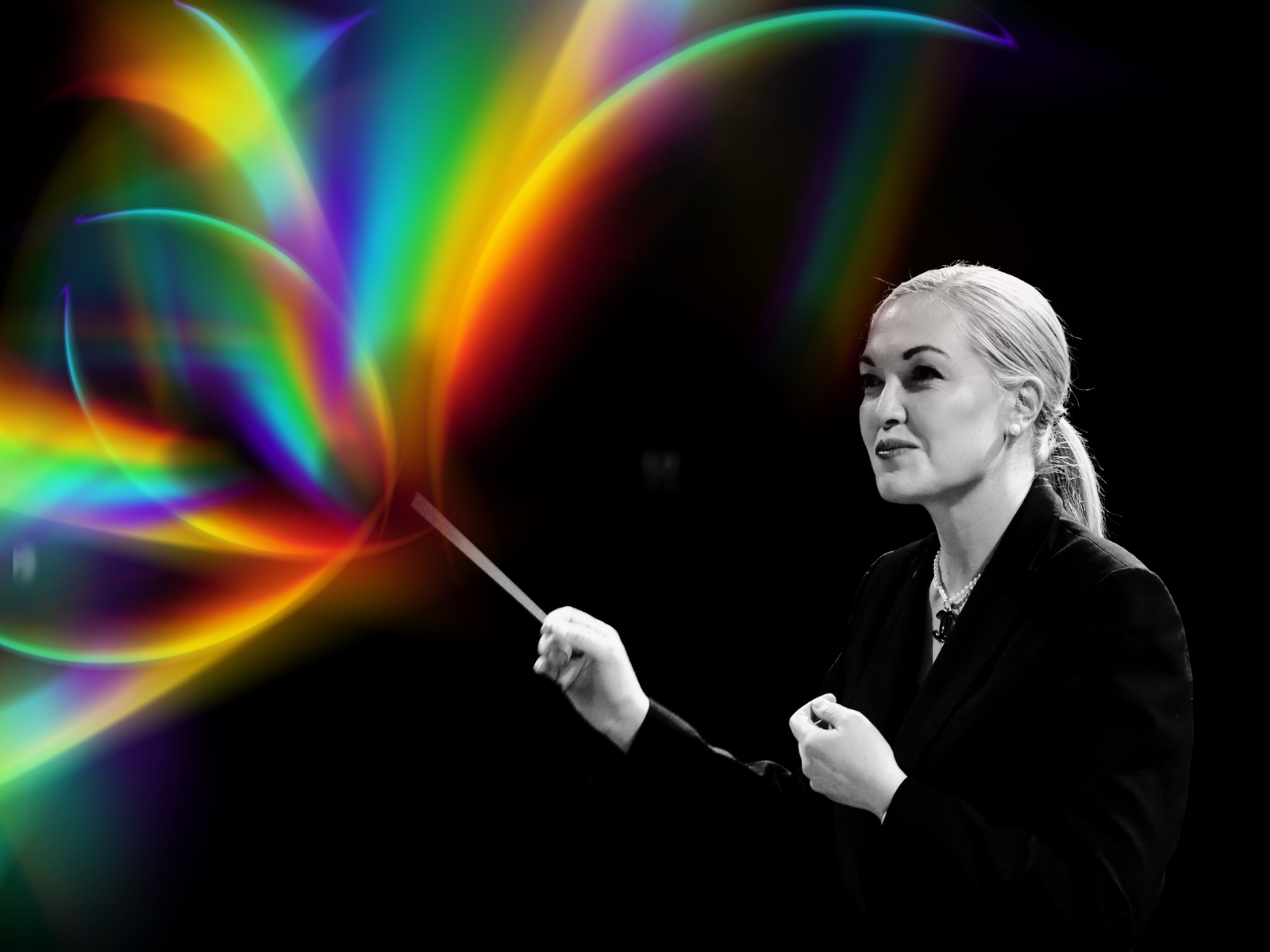
Sydney Philharmonia Choirs’ presentation of Bach’s Christmas Oratorio (Parts IV–VI) – a six-part sequence of cantatas that unfolds the Christmas story through reflection rather than drama – thoughtfully interwoven with two new Australian works commissioned through SPC’s inaugural Emerging Composer Awards, was a beautifully programmed concert, deftly conducted by Elizabeth Scott, and performed with warmth and confidence, unmistakably festive without ever tipping into excess.
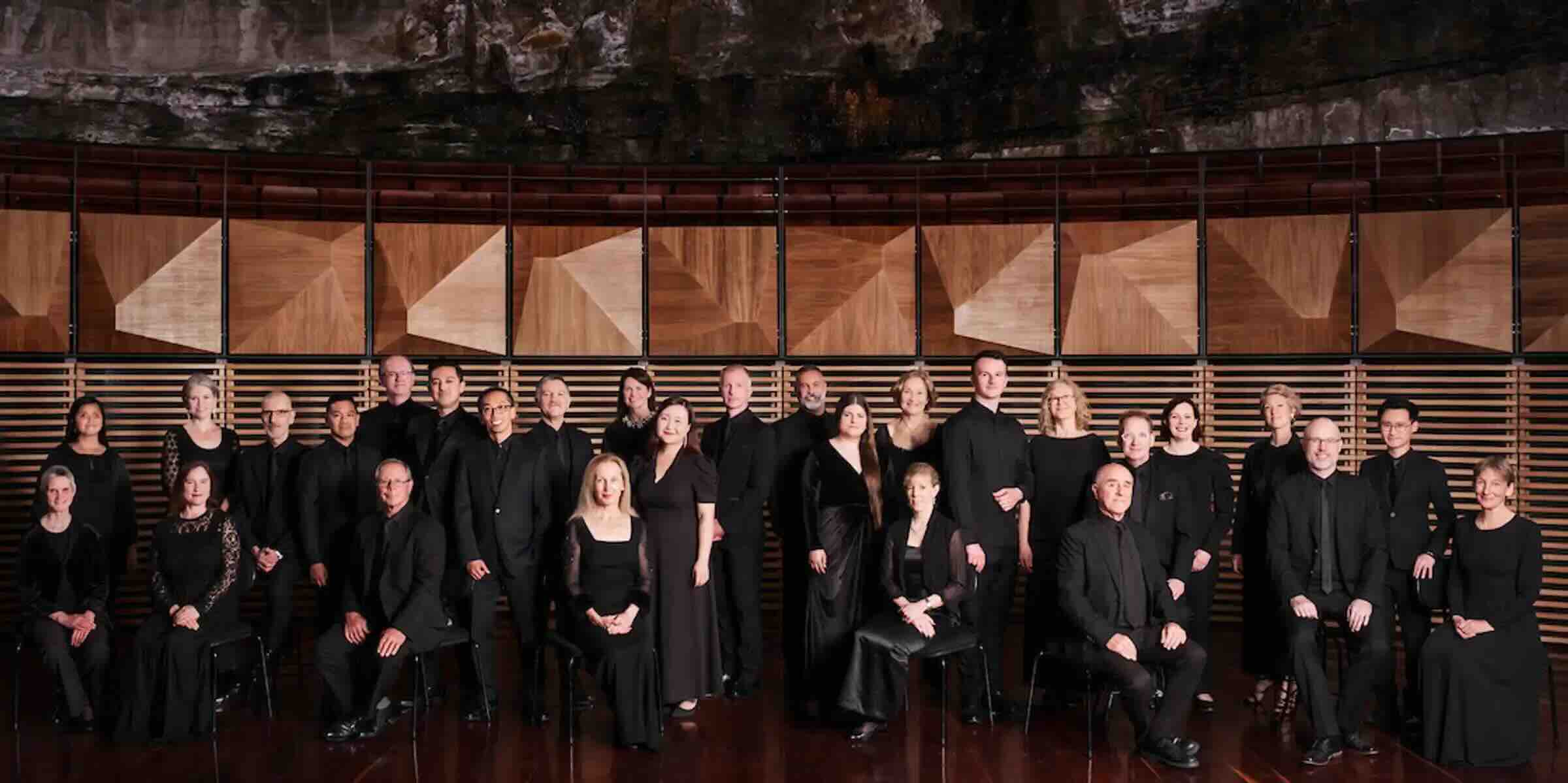
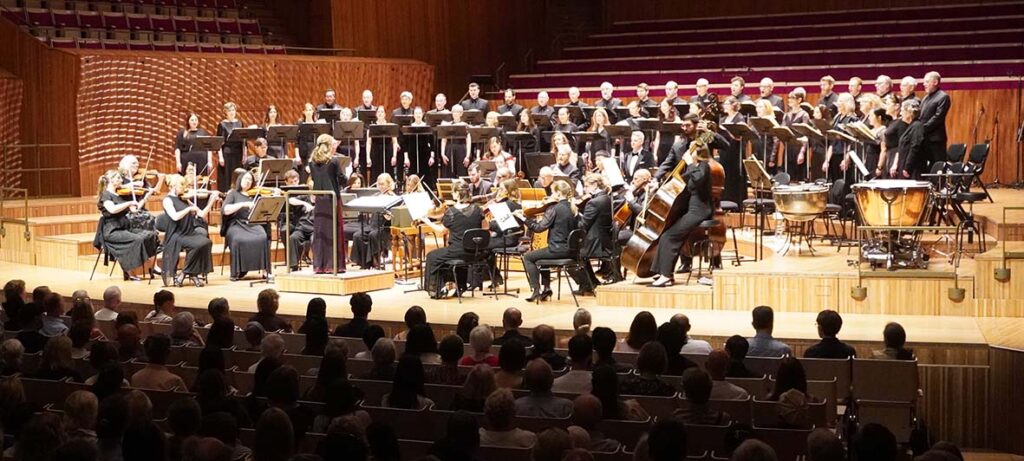
From the outset this felt like a professional ensemble entirely at ease with the music. Around 45 singers formed an elegant semicircle nestled around the orchestra, music stands aligned so the visual field was calm and unified. It’s a small detail perhaps, but it mattered: it formed a collective presence that mirrored the cohesion of the sound.
After setting a reflective tone with the choirs’ familiar Acknowledgement of Country by Deborah Cheetham Fraillon and Matthew Doyle, the Bach took hold with characteristic brilliance. Part IV opened with lightness, brightness and festive horns. The chorus immediately established their voice: focused and unforced. The recitatives were shaped with clarity and intent, John Longmuir’s tenor Evangelist declarative and clear, guiding the narrative without fuss. Christopher Richardson, a familiar and welcome presence in this repertoire, brought warmth and a longing tone to the bass writing, singing with such ease that I wondered when he ever took a breath.
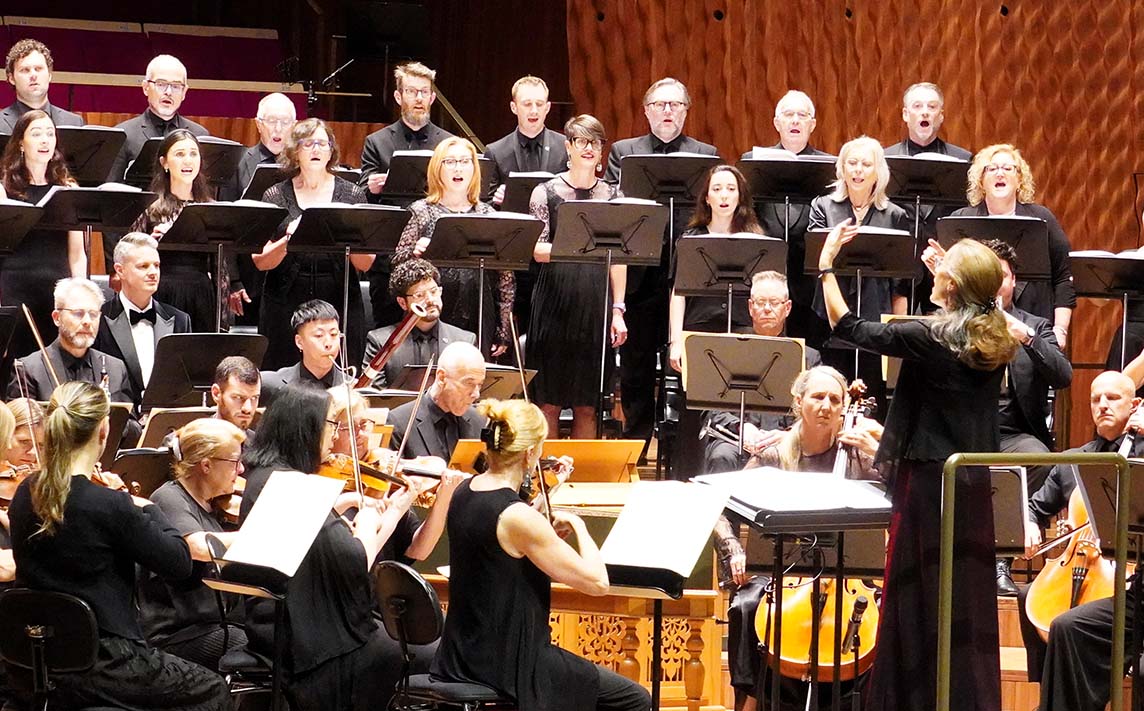
One of the early highlights was the cleverly staged ‘echo aria’ (No. 39). The answering phrases moved from oboe to echo soprano, positioned just above the choir, creating a sense of space that was theatrical without being distracting. The gentle continuo (pizzicato cello and double bass, harpsichord and organ) lent the music a hushed intimacy, the echo close enough to feel present, distant enough to feel otherworldly. Beautifully judged music making.
Between Bach’s cantatas came Emerging Composer Award winner Phillip Cullen’s A Nativity. Drawing on Rudyard Kipling’s text, the work held hope and grief in an uneasy balance. The hushed opening absolutely shimmered with anticipation – a faintly Middle Eastern hue, night sounds hovering in the hush, evoking some watchful presence, just out of reach. As the music gathered momentum, beautiful harmonies rang through with purpose before it returned gently to earth. It sat thoughtfully alongside Bach, distinct in voice yet clearly in conversation with the older work. This, and the second world premiere on the program, show clear evidence of a choral culture willing to invest seriously in its future. Bravo SPC!
Bach, Part V burst forth with irrepressible joy. The opening chorus (No. 43) all but invited the audience to sing along, and some clearly knew the score well enough to conduct from their seats, a charming sight. The fugue danced, the choir audibly enjoying itself. Here, Hannah Fraser’s alto contributions stood out: her range secure and glowing, her lines interwoven seamlessly with the choral texture. Fraser is one of Australia’s most assured Bach interpreters, and it showed not only in vocal polish but in subtle physical storytelling – a lifted, searching gaze here, a quiet stillness there.
After the break came Kayla Erin Hinton’s A Prayer of Jesus, also commissioned through the Emerging Composer Awards. Written to her own text, it was immediately singable and unashamedly Christmassy, with lush harmonies, confident fanfares and vivid word painting. Timpani and men wrestled with storm and thunder while the women carried mystery and wonder. The piece grew from gentleness to radiant affirmation and back again, fitting the choir beautifully across all voice parts and preparing the ground for Bach’s final cantata.
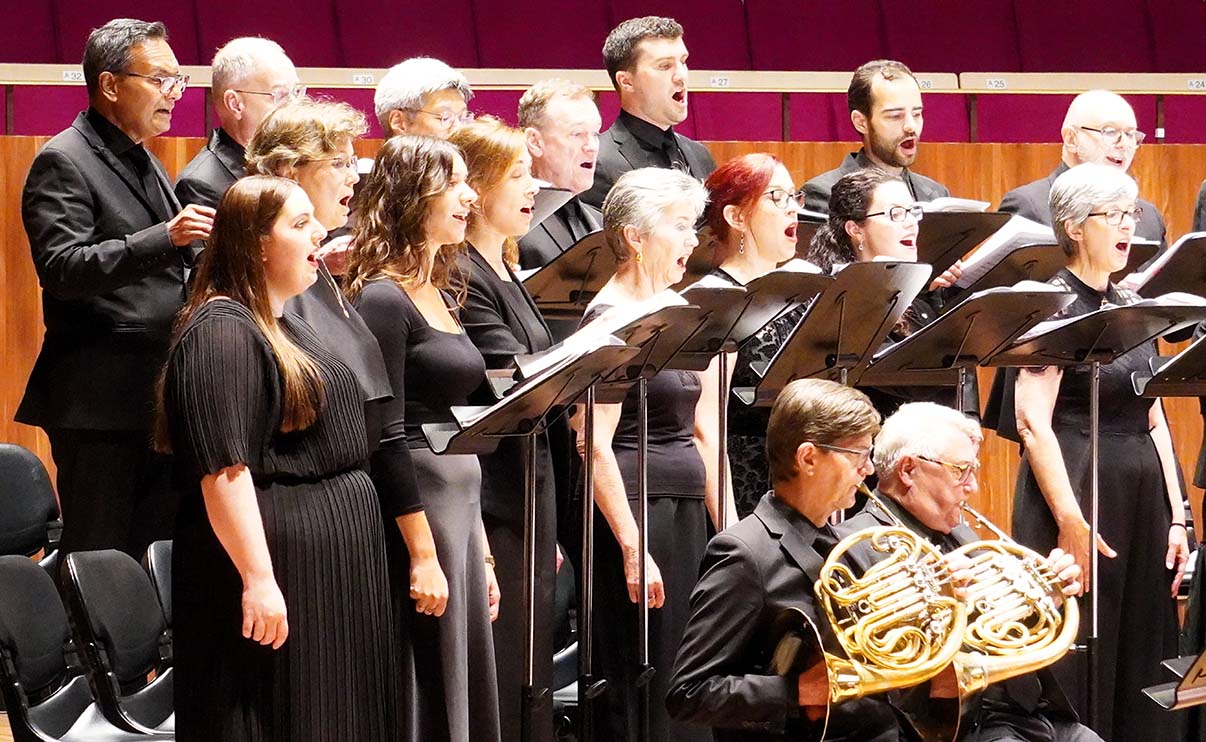
Part VI brought the Epiphany drama into sharp focus. Trumpets and timpani rang out in the opening chorus (Herr, wenn die stolzen Feinde schnauben), calling for courage and trust. Glorious! Jacqueline Porter’s soprano recitative and aria were clear and radiant, her full sound floating easily above the orchestra, supported by oboe and strings. The famous a cappella chorale (No. 59) was a moment of sheer delight for me. The choir sang softly and lovingly in their best ‘don’t wake the baby’ pianissimo tones. Awe filled silence followed.
The final pages were triumphant. The choir looked delighted, the baroque trumpets, notoriously difficult to control, mostly magnificent, and the concluding chorale crowned the work with confidence. A final, joyful gift followed: a reprise of Jauchzet, frohlocket! from Part I. Not part of Bach’s original arc for these cantatas, but a nice programming touch nonetheless, sending us out on a blaze of strings, timpani and glorious voices.
This was a concert to be proud of: Bach performed with insight and joy, new Australian voices placed thoughtfully alongside him, and an ensemble operating at a highly professional level. A truly festive, world-class afternoon of music making.