Bel a cappella | O Mistress Mine
6 September, 2025, Mosman Art Gallery, Mosman, NSW
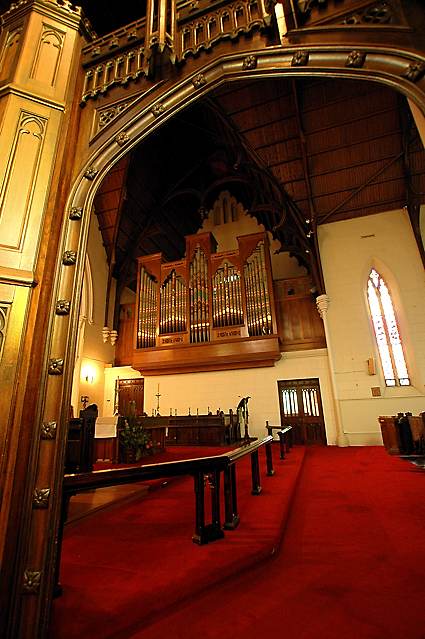
It was a sunny Saturday afternoon, with the sun shining through the stained glass windows of the hall at the Mosman Art Gallery enhancing the pleasant atmosphere.
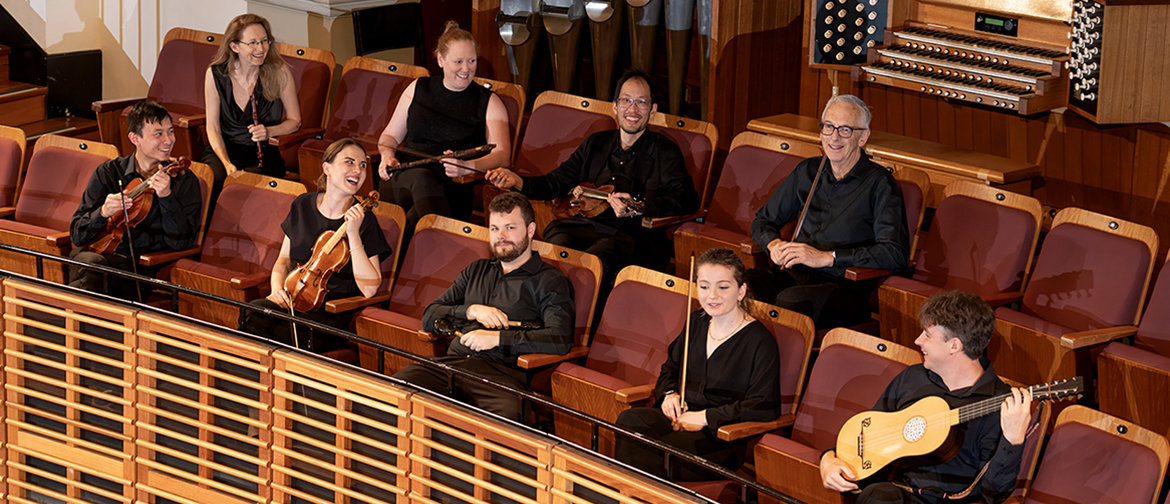
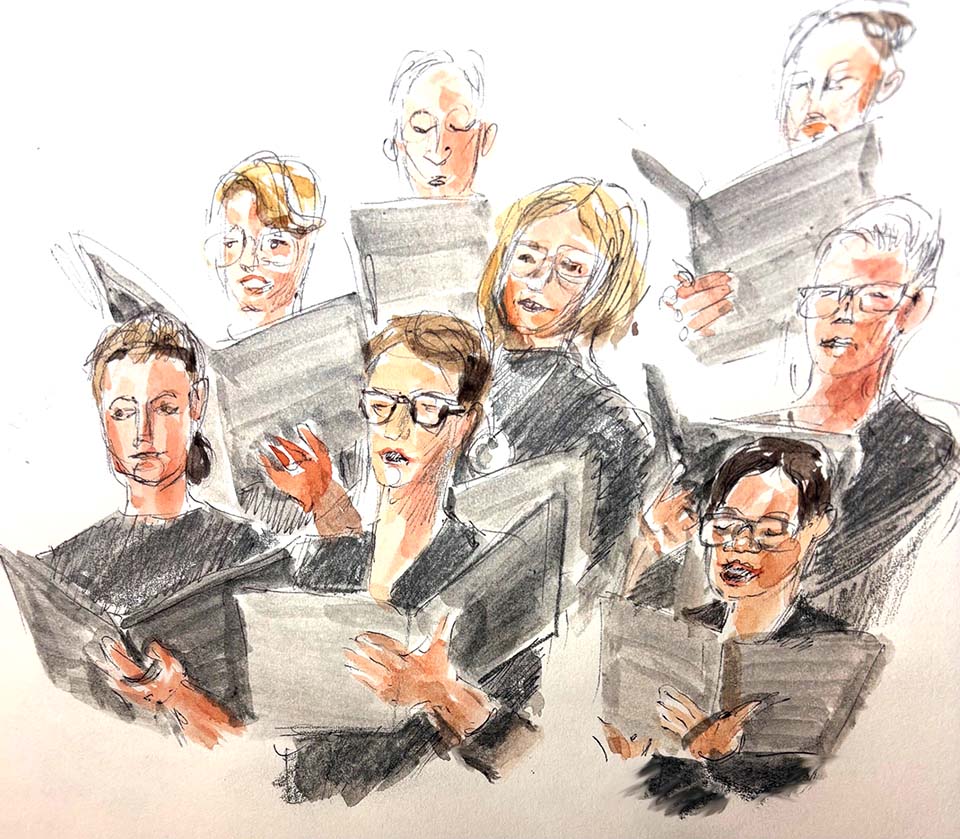
Bel a cappella were in a playful mood when they performed songs inspired by Shakespeare’s plays. Although songs had been written to be performed within his plays during his lifetime, by the nineteenth century such songs were composed to be performed in their own right, independent of the play. This concert, titled O Mistress Mine, comprising of songs from the last 125 years, was arranged to be musically interesting, rather than being placed in chronological or categorical order.
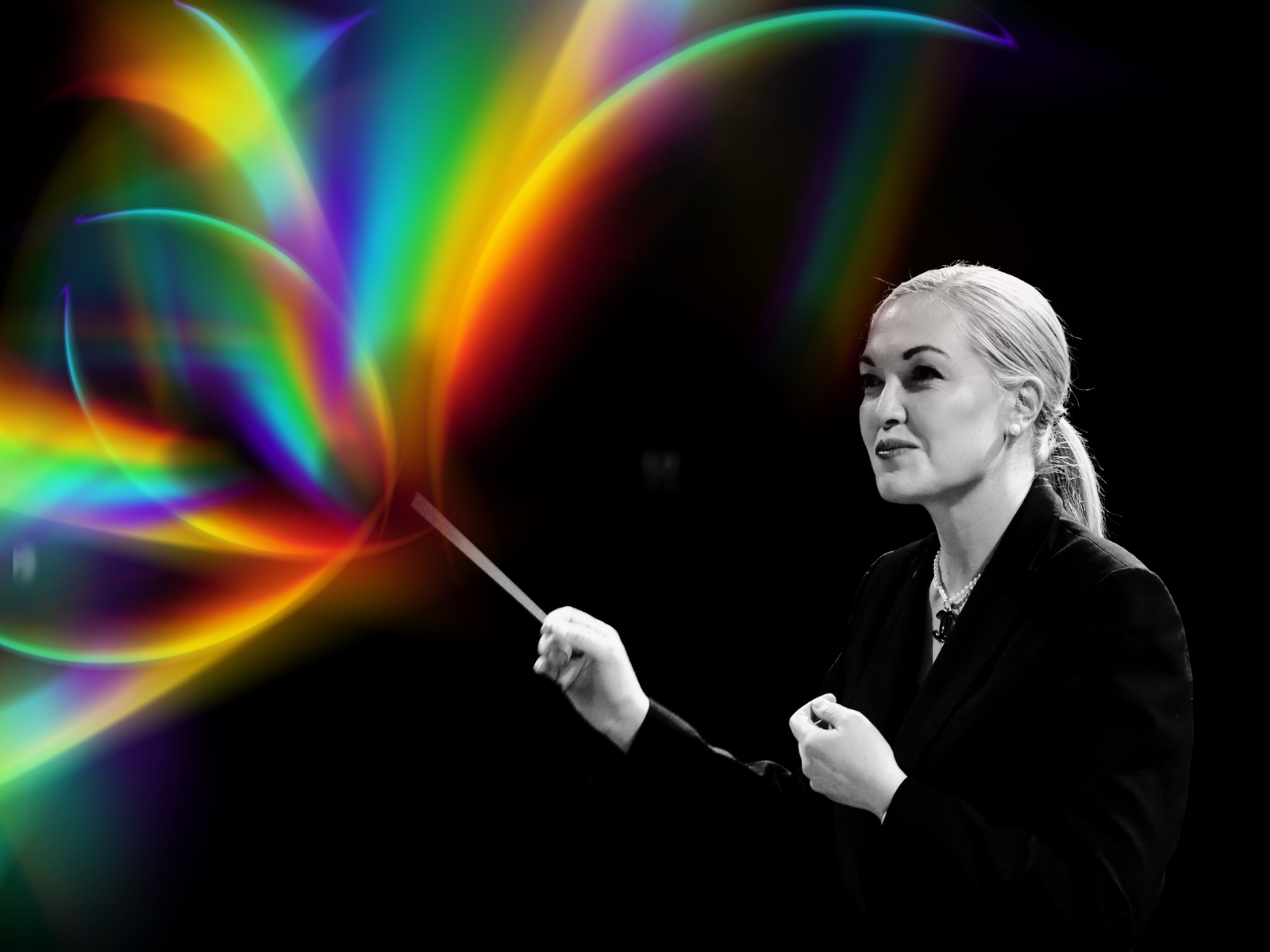
After Bel a cappella’s commissioned Acknowledgement of Country, in the form of Upon a High Rock Platform by Christopher Sainsbury, the conductor, Monica Buckland, introduced the concert. It began with Charles Wood’s version of Full Fathom Five, a song from The Tempest, where Ariel sings to gain Ferdinand’s attention and guide him by the sound of her voice. Thus, the female voices sang the words indicating the drowned father, while the male voices sang “ding-dong….” to give the effect of bells ringing sonorously.
The theme of possible “death” was continued with A Lover’s Dirge from the comedy Twelfth Night. The song is about unrequited love, and Rebecca Clarke’s setting from 1908 has a lilting quality, beautifully brought out by Bel a cappella.
Full Fathom Five was revisited with Vaughan-Williams’ Three Shakespeare Songs, written in 1951. As in Wood’s setting, “Ding-dong bells” was featured to create subtle harmonic reverberations and an eerie underwater atmosphere. Bel a cappella’s expertise shone through in achieving this effect. The second song was also from The Tempest. The Cloud-capped Towers is a speech by Prospero about the transience of life. The music had a feeling of etherial magic. The feeling of magic was retained in the third song, Over hill, over dale from Midsummer Night’s Dream, where a fairy describes to Puck where she has been. This was sung with a light skipping and flitting rhythm.
This was followed with another set of Shakespeare songs, this time from a contemporary composer, Iris Szeghy. Fairy Song: You Spotted Snakes, from Midsummer Night’s Dream included whispered chanting and whooping, interweaved with delicate harmonies of a lullaby that was also reminiscent of the insects and other creatures the fairies were tying to keep away from their queen, Titania. This piece was most effective, although challenging for the choir, who performed it expertly. The words for Sweet Music’s Power: Orpheus, with his lute were probably not written by Shakespeare, but appeared as a song to cheer up Queen Katharine in Henry VIII. Iris gave this song an ancient feeling and included more unusual whispered breathing. The choir continued blowing and whispered chanting effects plus laughing in the third song Blow, blow thou winter wind from As You Like It. In the play this was used to cheer up Duke Senior and his followers, who had been banished to the forest of Arden.
We were then treated to the world premiere by one of Bel a cappella’s own members: Dreaming Isle by Clive Lane. The text is from The Tempest and describes singing and music from various parts of he play. The choir sang the pleasant harmonies with verve and enthusiasm.
A set of songs by the contemporary Finnish composer, Jaako Mäntyärvi, was beautifully sung by the choir. The fairy lullaby You Spotted Snakes, from Midsummer Night’s Dream was interpreted in descending harmonies, and Full Fathom Five had a somber touch. Double, double, toil and trouble by the witches in Macbeth, featured onomatopoeic renderings of the word “bubble” while the recipe was being chanted with increasing intensity, finishing with a loud foot stomp. It was a fitting way to finish the first half of the concert.
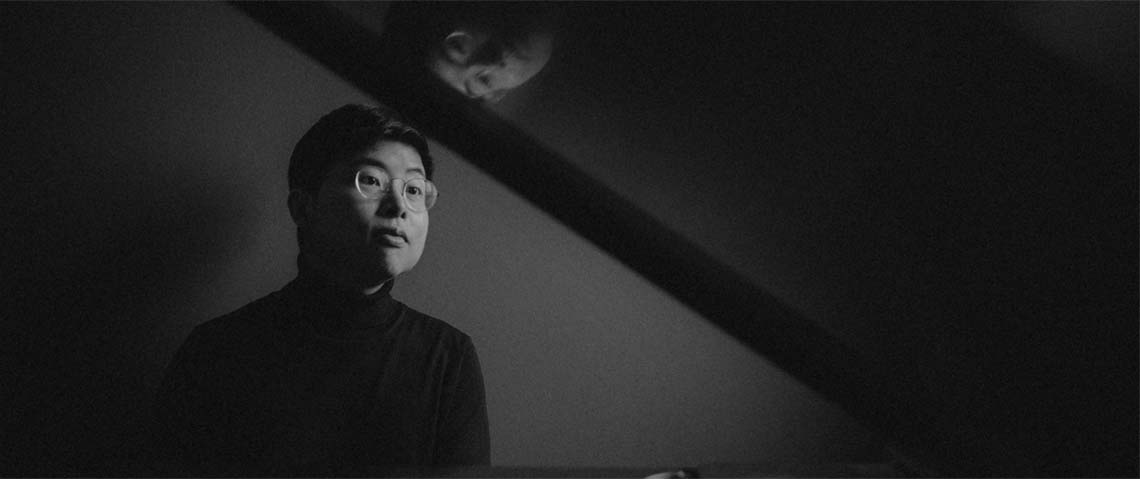
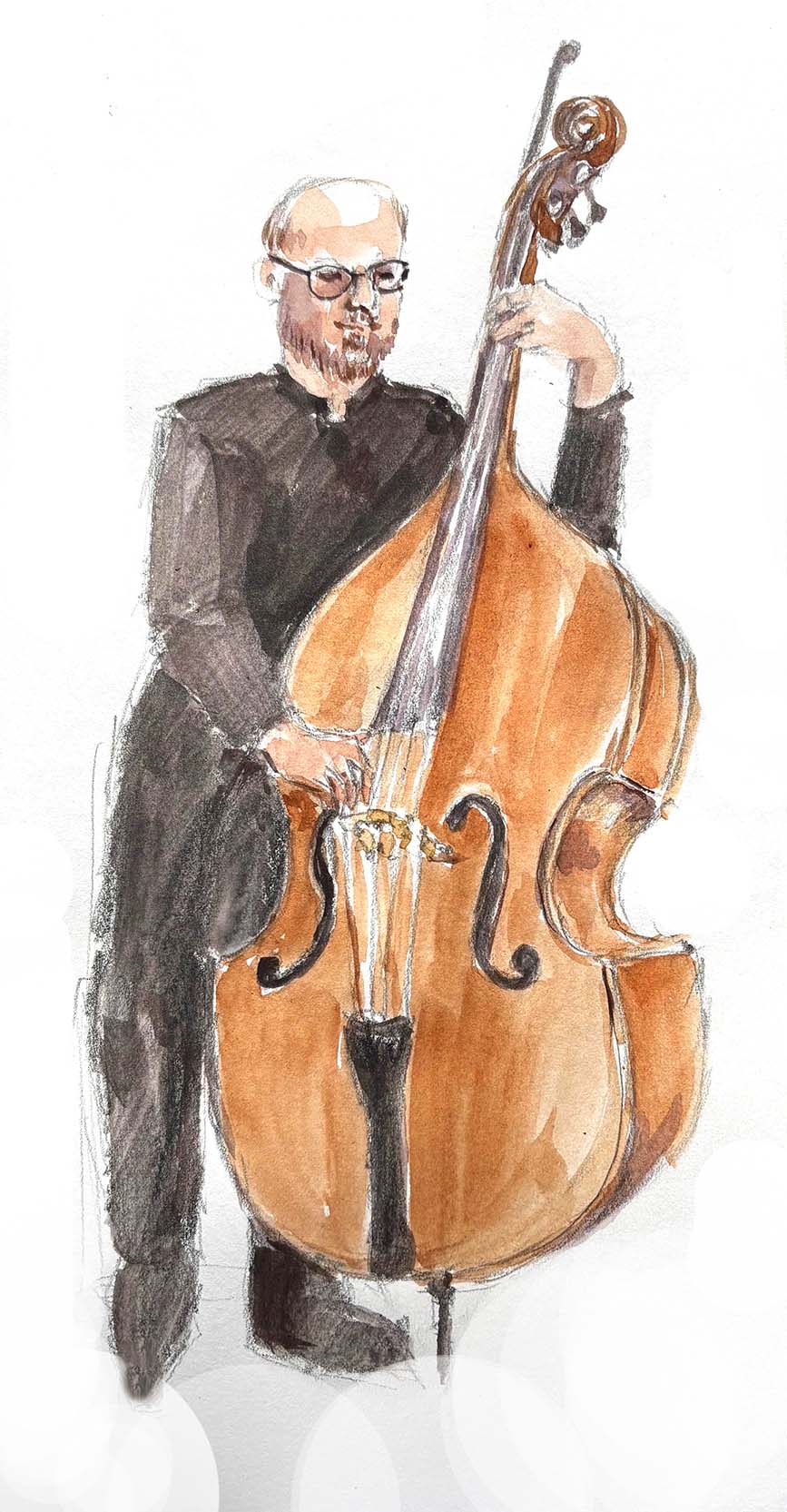 After the Interval the tone became more jazzy. Nick Southcott (piano) and Lloyd Swanton (double bass) played Lullaby of Birdland by George Shearing, whose music would end the concert and then the choir sang the title song of the concert: O Mistress Mine, from Twelfth Night by mid twentieth century composer, Alan Murray in a suitably romantic manner.
Shakespeare songs by Matthew Harris followed, with more bell-like sounds in It was a lover and his lass. In the play, As you Like It, this song was about the Clown and his intended bride. Sweeping harmonies appear in O Mistress Mine beautifully executed by Bel a cappella. When daffodils begin to peer from The Winter’s Tale was accompanied by double bass, giving it a distinctly jazzy feel, fitting for a rogue bent upon fun and mayhem in spring!
John Rutter composed his jazzy version of It was a lover and his lass in honour of George Shearing’s birthday. It was accompanied by piano and double bass and was easy listening, so typical of Rutter. The jazz accompaniment continued with George Shearing’s Songs and Sonnets. These were produced with the help of John Rutter. As with many jazz pieces, there were references to existing tunes. Who is Sylvia had a simplified Schubertian piano accompaniment and Fie on sinful fantasy had forceful chant-like qualities.
Hey, ho, the wind and the rain, from Twelfth Night, symbolises overcoming life’s hardships. This was sung with robust joyfulness. The song, the play and the concert end with the words “we’ll strive to please you every day” … And they did!