Bel a cappella | Of a Rose Sing We
Dec 10, 2023, St Augustine’s Balmain
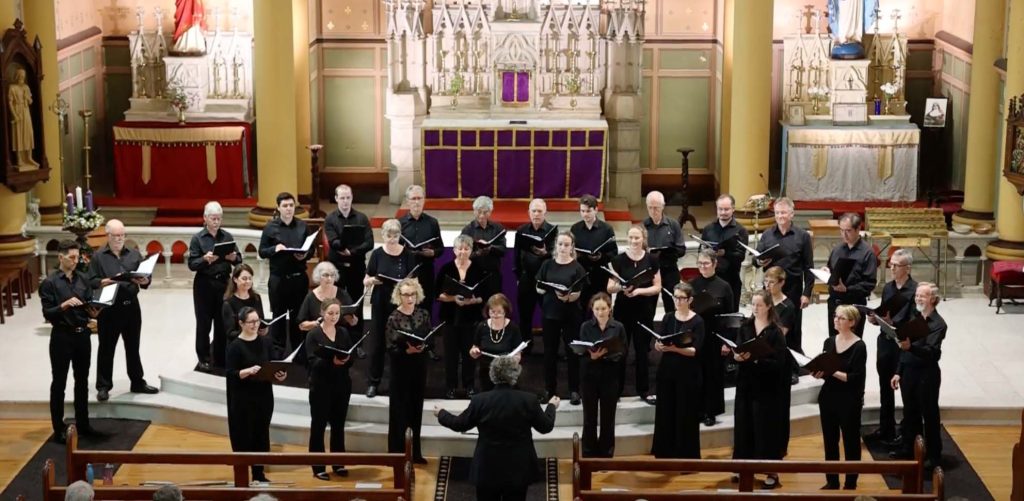
As usual, Bel a cappella did something unusual and very special when they began their Sunday afternoon concert, Of a Rose Sing We. They sang not of a Rose just yet, but SANG an Acknowledgement of Country, which is usually spoken at the beginning of events. Christopher Sainsbury, a Dharug man, had been commissioned to write this and went a step further to write Upon a high rock platform with beautiful words describing the local landscape that truly reflect an Acknowledgement of Country. We were privileged to hear this innovative World Premiere. The final words ‘teach me, teach me’, were sung as a beautiful chord. The composer was acknowledged with due applause.
Monica Buckland then introduced the concert, saying that this piece will be sung at the opening of all Bel a cappella’s concerts from now on. They sang it again. And so the concert began…
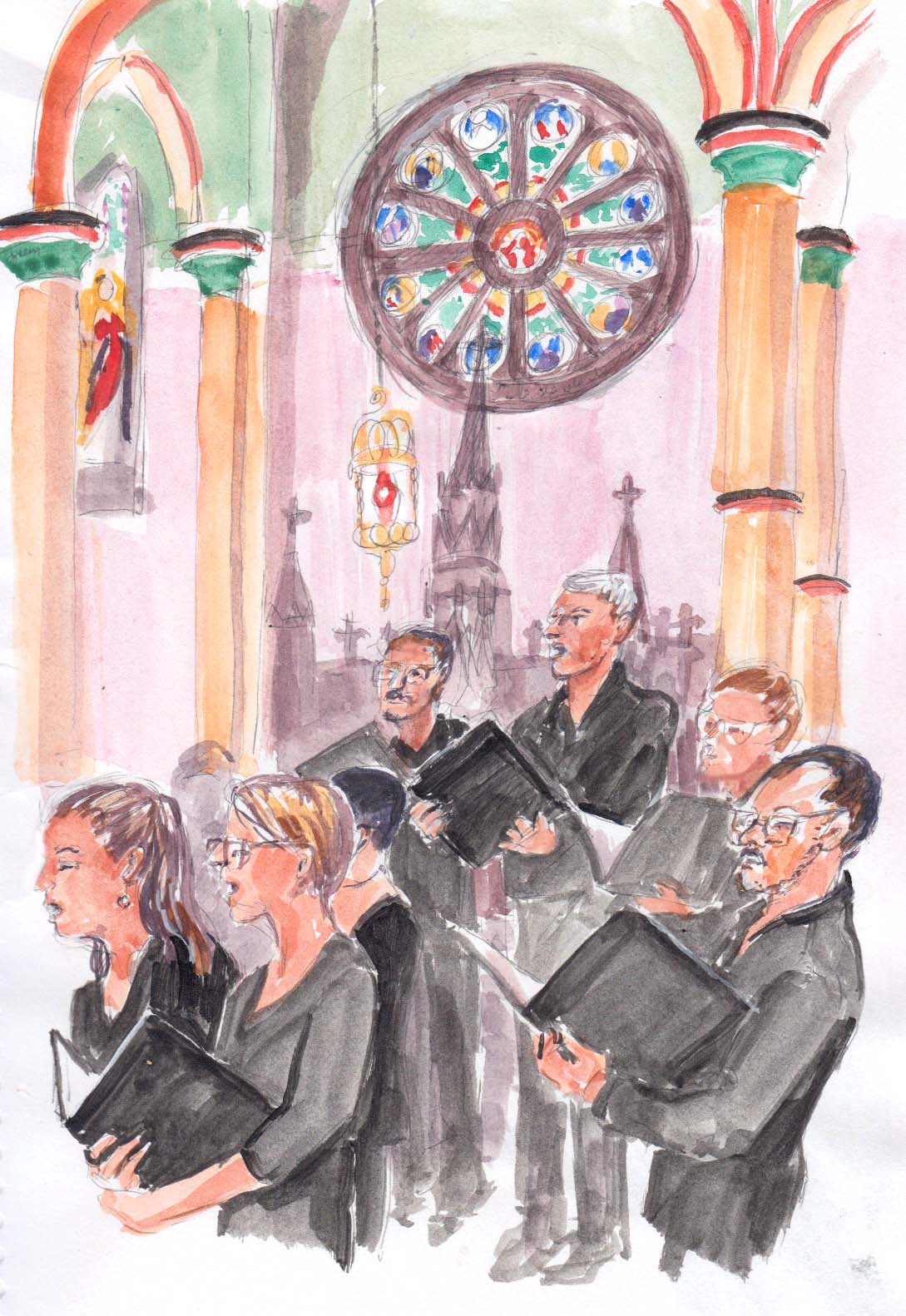
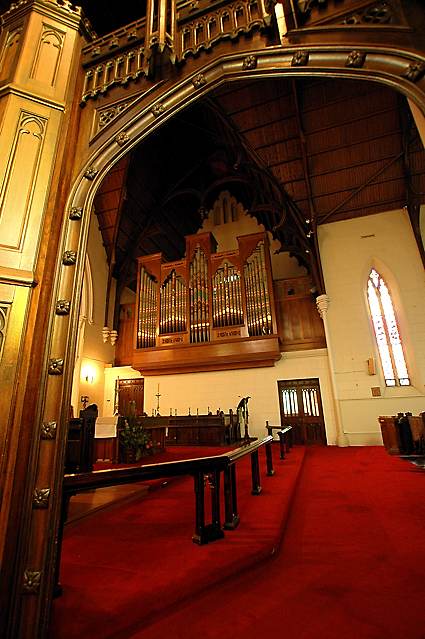
The choir split up, with sections standing along the sides of the church and sang Es ist ein Ros entsprungen, my own personal favourite since childhood days. Written by Michael Praetorius in Germany before the 17th century, the hymn describes the rose as symbolic of the Virgin Mary. The second and third verses were sung by solo quartets from the different locations. This gave a mysterious, yet intimate feeling to the whole piece.
A solo quartet then began singing from the organ gallery – they sang the words of Mary reacting to the Annunciation in the opening of John Taverner’s powerful work of the same name. The main choir, taking the part of Archangel Gabriel, sang in loud sonorous chords, in a way that would have truly disconcerted Mary. One could discern Taverner’s influence of the Orthodox Church in this dramatic performance.
This was in contrast to the next few pieces, which were all about the rose and regrowth, symbolising Mary. These recent works all shared a sweetness and tenderness beautifully expressed by the choir. There were three different settings of There is no Rose, each with its individual charm.
John Joubert’s setting opened with delicate female voices, which were offset by the men’s counterpoint; Cheryl Frances-Hoad’s version featured peaceful, murmuring harmonies and we were treated to a beautiful soprano solo in the setting by Alison Willis. Nestling between these, was Kerensa Briggs’ A tender shoot, which opened true to its title and developed into close, dissonant harmonies.
C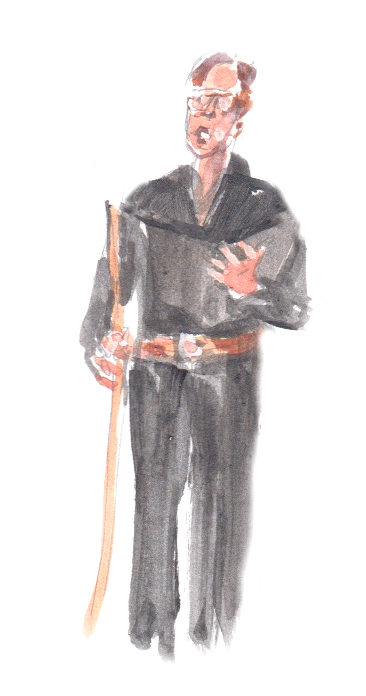 horisters then picked up wooden rods and pounded them on the church floor in the tradition of rebellious slaves communicating on the islands off South Carolina. Some of the basses pounded their chests. This was the sound of Blessed be!, by another contemporary composer, Melanie DeMore. The choir chanted in strong and vibrant rhythms, with a distinct feeling of a Spiritual.
Monica explained the reason for the stick pounding and segued into describing the next piece as also having rebellious elements, although more subtly expressed. This was the Deutsches Magnificat for double choir by German composer, Heinrich Schütz. It describes Mary visiting her pregnant cousin, Elizabeth and singing a song about God exalting the poor and putting down the rich. The harmonies were typical of the 17th century and made a fitting end to the first half of the concert.
After the Interval, we were treated to a superb combination of Praetorius’ Es ist ein Ros entsprungen with Jan Sandström’s darkly shimmering, mysterious, harmonies echoing in the vaults of St Augustine’s Catholic church. This, again featured solo quartets, enabling the choristers’ beautiful voices to shine. Some of the higher harmonies reminded me of Ligeti’s Lux Aeterna.
Benjamin Britten’s Rosa Mystica, written in his youth, was set to a poem by Jesuit priest, Gerard Manley Hopkins. Female voices soared above the men’s more rhythmic chanting. Britten’s tricky rhythms were well mastered by Bel a cappella.
A spotless rose, by Herbert Howells, an English translation of Es ist ein Ros entsprungen, was warm and harmonious, with a beautiful baritone solo.
A very moving carol by Shireen Abu-Khader followed. Born in the area where Christ himself was born, she emulated the sounds and feeling of this landscape, rather than referring to cold winter nights of Europe. Greek melodies and Byzantine chants were deployed, with a prayer for peace and love in Arabic ending the piece. This was the first time Nabd (Heartbeat) was performed in Australia.
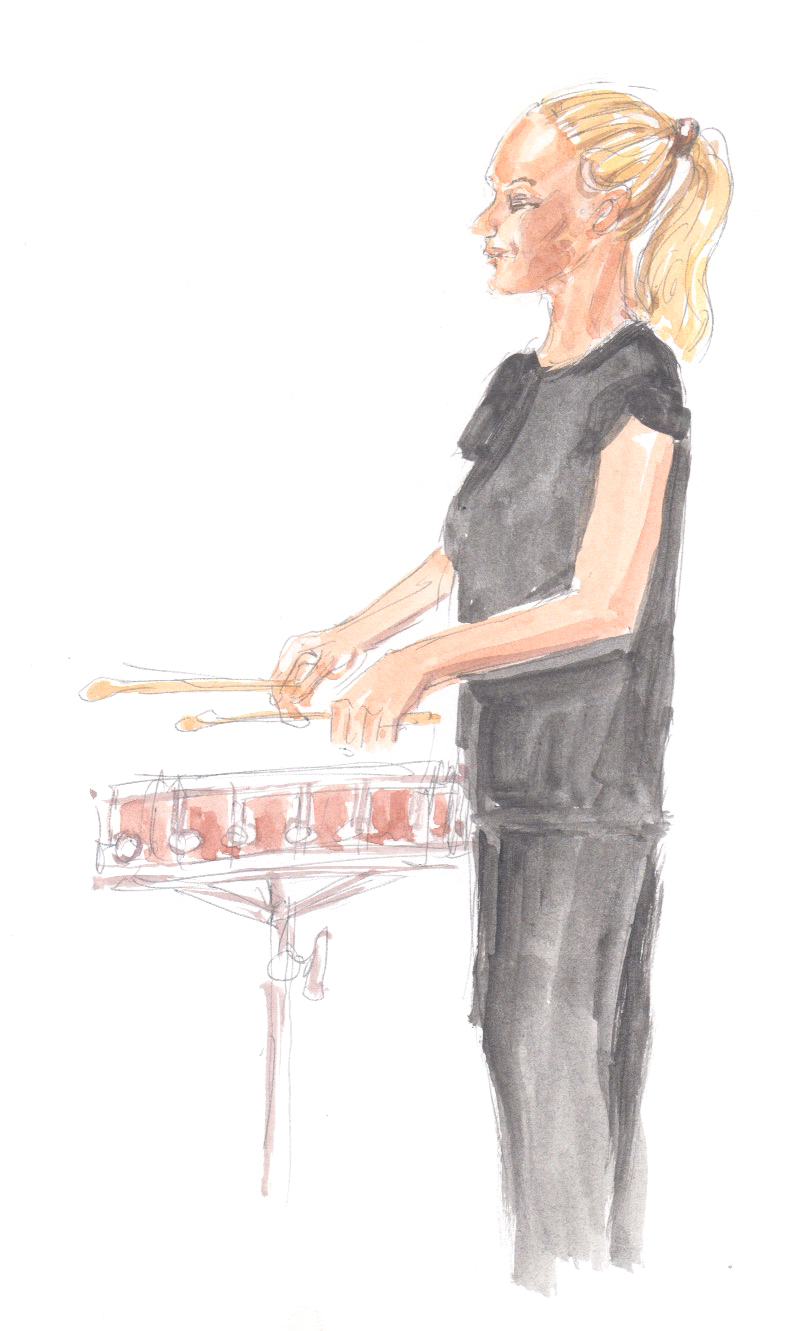 Gaudebat et ridebat!, by Australian composer, Katherine Parton, was another Australian Premiere. Accompanied by Olivia Watson on snare drum, it was very rhythmic and joyful.
Olivia Watson switched instruments to a glockenspiel for the final piece in this concert, May Magnificat, by William Mathias, a 20th century composer. This was also set to the words of Gerard Manley Hopkins and was presented by two choirs, one singing Hopkins’ words and the other singing the Magnificat in Latin. There was a beautiful soprano solo, with the full choir ending the piece magnificently.
There was wild applause for this beautifully thought out program. Musical Director, Monica Buckland, and composer, Christopher Sainsbury, were each presented with a bottle of wine, while the summer sun shone through the Rose Window of St. Augustine’s Catholic Church.
Sketches: Heidi Hereth