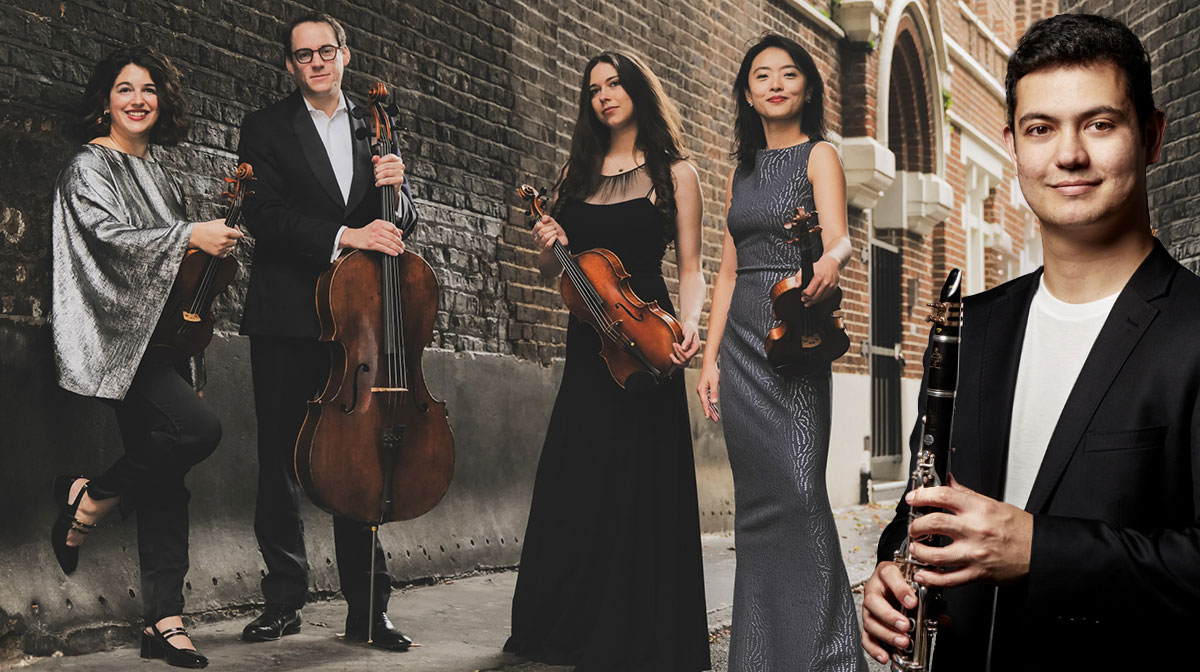
Sydney Mozart Society | Sydney Soloists
14 April 2026, The Concourse, Chatswood, NSW
Program:
MOZART | Clarinet Quintet in A major, K 581
SCHUBERT | The Shepherd on the Rock, D 965
DVOŘÁK | Piano Quintet in A major, Op.81
Artists:
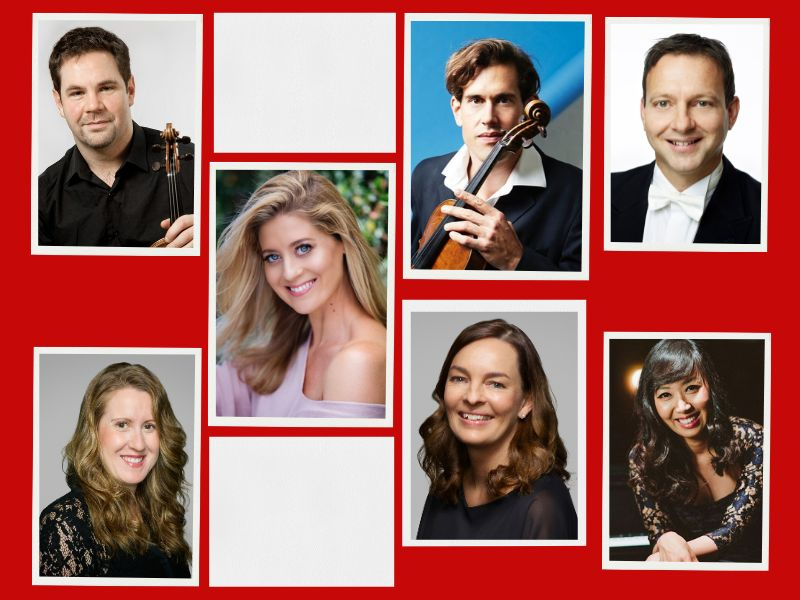
Julie Lea Goodwin (soprano)
Andrew Haveron (violin 1)
Alexandra Osborne (violin 2)
Tobias Breider (viola)
Catherine Hewgill (cello)
Francesco Celata (clarinet)
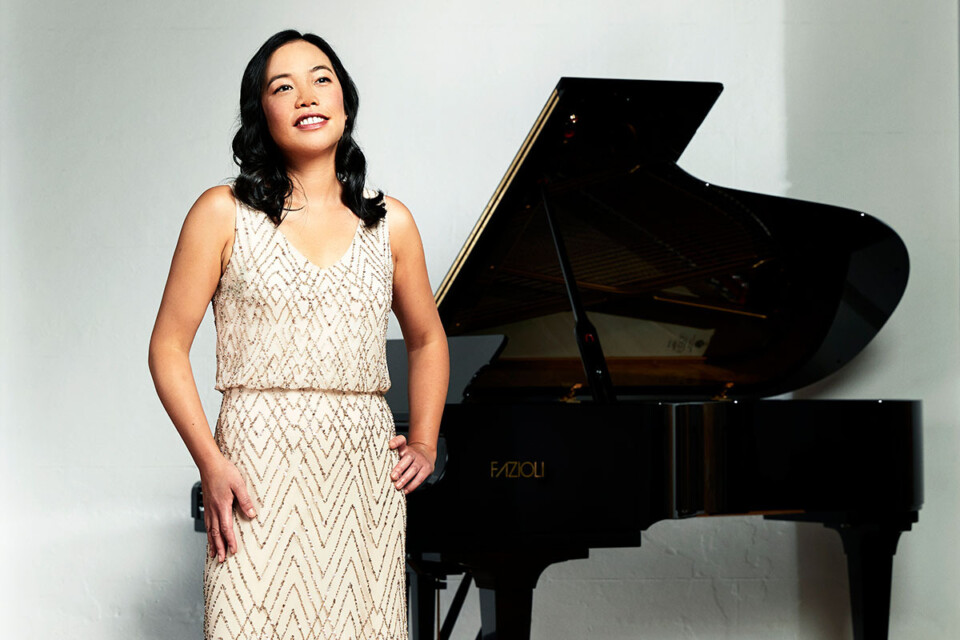
Vivian Choi Milton (piano)
The Clarinet Quintet was played first instead of The Shepherd on the Rock as originally programmed. This made sense from a number of perspectives. Firstly, the pieces were now in chronological order. Secondly, The Shepherd is in B-flat major while both the other pieces are in A, thus finishing tonally where the concert started. Lastly, the Mozart and Dvořák have the string quartet as their base, again providing a structural symmetry to the concert.
There is a qualitative difference between the keys of A major and B-flat. String players are more comfortable in A because of the tunings of the open strings which provides for more natural finger positions. The resonances in the instrument favour the sharp keys and players are more likely to want to slightly sharpen the leading note (G# in the case of A major), increasing the tension. Also a sharpish third (C# in A major) brightens the whole key. The flat keys on the other hand, where the clarinet is right at home, do not have these same tendencies. This gives the key a more restful, settled, natural and warm feeling.
Please excuse the diversion; now on to the music.
The Mozart Clarinet Quintet is probably the most well know and loved work in the chamber music canon. And with good reason. As a listener one can know every note of this piece and yet never get tired of it. It is one of those compositions that has a structure of crystalline purity and is full of captivating melodies over a wide range of emotions. Celata’s clarinet playing was miraculous. He has liquid legato phrases and a consistency of warm tone, even at the high end of the range and in the pianissimo phrases. And a perfect balance in the dialogue with the strings. In the delicately soft Larghetto movement, the interplay between the clarinet and upper strings was perfectly executed. The violins play con sordini (with mutes), the viola naturally matches that with its gentle sonority and Celata’s clarinet artfully interacted with the violins. Unfortunately the unmuted cello did not blend so well with the dynamics; it was too prominent in the texture.
The Minuetto movement is unusual for Mozart because it has two trios; a sad one in A minor for strings only and the second bright, back in A major with the clarinet. Both were beautifully rendered. The final variations movement starts with child-like simplicity and it was played with ease and lightness. On viola Tobias Breider really shone in the achingly wistful variation III. A slight increase of speed in the final Allegro enlivened the ending. A very satisfying performance.
There were some beautiful moments in The Shepherd on the Rock. Goodwin’s voice was lively and bright in the upper range, however the chest voice (so essential over the wide tessitura of this piece) did not match that strength. Celata’s clarinet was as beautifully toned as we had already experienced in the Mozart. There were many moments of delight and thrill even, but the echos down in the valley were not convincing. Nor was the phrasing of the imitative interplay between voice and clarinet. The piano lacked warmth and was sometimes not together with the voice; it had a somewhat frantic feel about it. Unfortunately this work seemed insufficiently rehearsed. That said, the depressive third verse was carried off well and the fourth verse, return of spring, was uplifting.
The Dvořák Piano Quintet in A major was a different matter all together. This complex work was well prepared and it showed. It has a modest start with simple arpeggios in the piano and a solo cello melody. The ensuing dense textures of the first and last movements showed no sign of muddiness; the inner voices (violin II and viola) were always clearly articulated. This is no mean feat. Vivian Choi Milton’s piano was warm and engaged, filling out what is almost an orchestral background. Andrew Haveron on 1st violin had many exquisite filato phrases high in the range. Here we had genuine ensemble playing; for example the louder and brighter instruments happily gave the stage when the softer viola needed to come out. The slow and dark Dumka movement with its brief frenetic dance had a robust Slavic character. Dvořák would be proud of this impressive performance.
This was a concert of popular works, obviously well know to the Sydney Mozart Society audience and they clearly enjoyed it. The Mozart was excellent, but the more aurally demanding Dvořák was deservedly the star of the program.