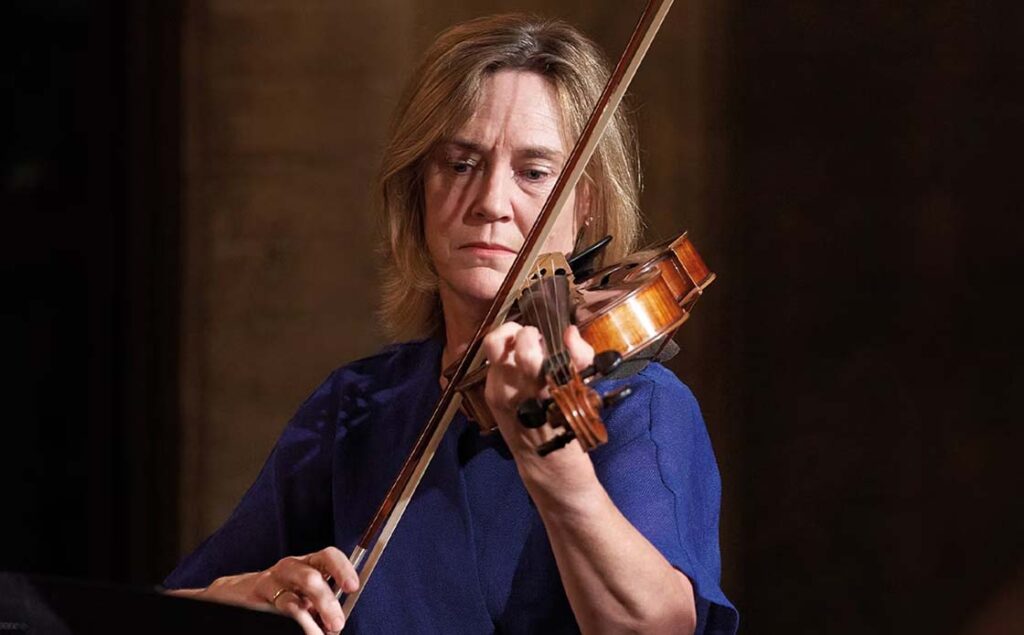
Sydney Symphony Orchestra | Cocktail Hour with Rosemary Curtin: Mostly Mozart
January 31, 2026, Utzon Room, Sydney Opera House, NSW
Program
Mozart: Horn Quintet, K407
Mozart arr. Oguey: Adagio, K580a
Mozart arr. anon: Grande Sestetto Concertante, after Sinfonia Concertante, K364
Performers
Alexandre Oguey, cor anglais
Lucy Smith, french horn
Sophie Cole, violin
Alexandrer Norton, violin
Anne-Louise Comerford, viola
Rosemary Curtin, viola
Kristy Conrau, cello
Fenella Gill, cello
David Campbell, double bass
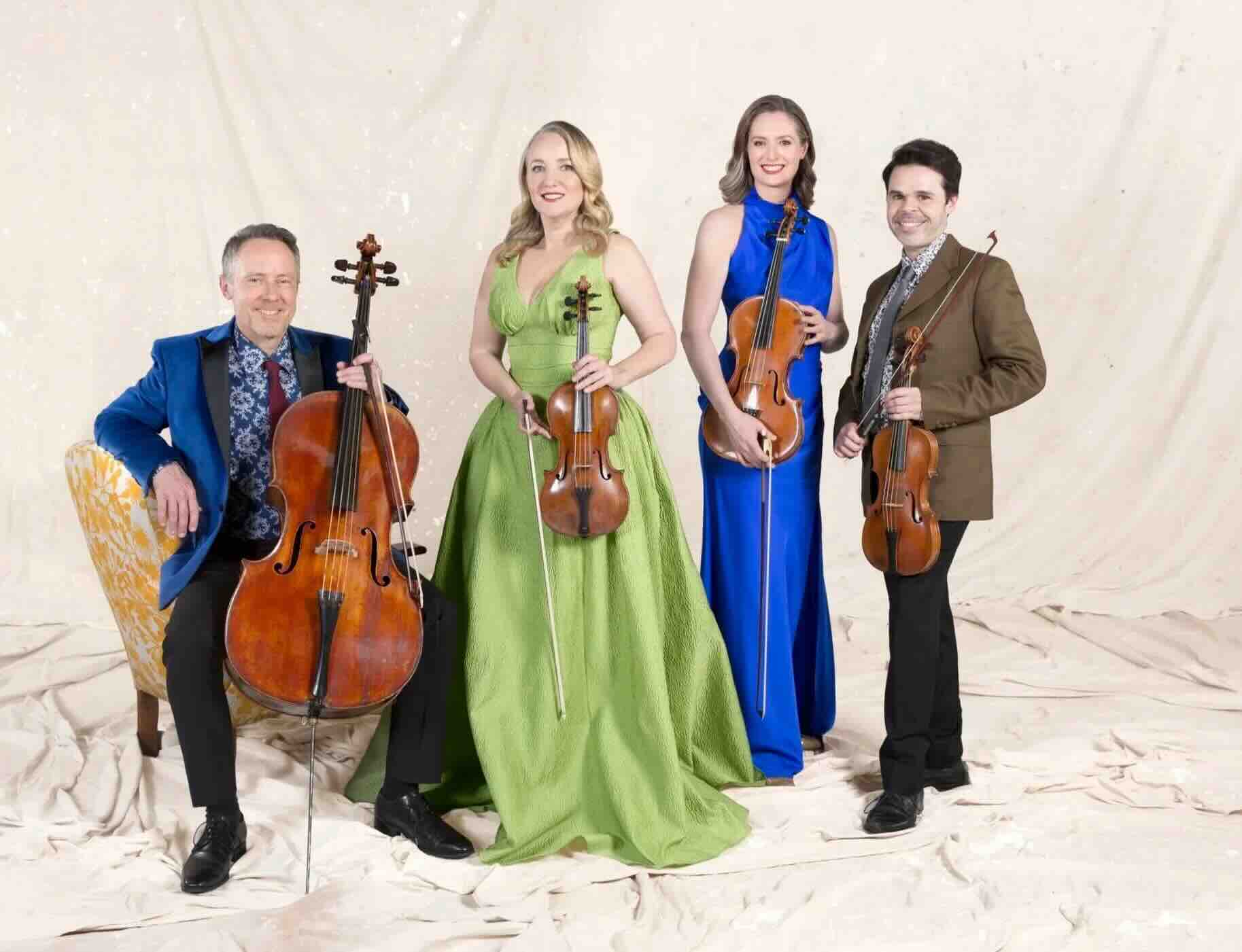
This all-Mozart chamber music program for members of the Sydney Symphony Orchestra was put together by viola player Rosemary Curtin. It had been a longterm wish of her life to perform the Grand Sestetto Concertante, the last work on the program. As a 12 year old she was given a recording of this by her parents and she fell in love with the warmth of the viola. This concert was the realisation of that dream. More on Sestetto later.
The Horn Quintet is in the key of E flat major. Presenter Genevieve Lang pointed out this is the courageous and heroic key of Beethoven’s Third Symphony, the Emperor Concerto, Mozart’s Piano Concerto 22 and much of The Magic Flute. While E flat is an excellent home key for the horn with scope for many open notes, it is not however the key where strings are most sonorous and comfortable to play. While there was considerable melodic interest in the strings, the focus of attention in this performance was squarely on the horn part. Lucy Smith, the young horn player in the SSO’s Fellowship program made her Utzon Room debut with this demanding piece. As we know, the horn is a notoriously dangerous instrument to play and there are many rapid arpeggios in this piece. It is further demanding in that the horn plays almost constantly. Smith’s efforts were brave; even heroic. Her performance, rather than a blend with the string texture, brought the horn to the foreground. While the strings were in conversation with the horn, the focus was squarely on the horn, both in scoring and execution. The horn’s tone colour was appropriately well controlled, register changes were seamless and the articulation clear. The sighing phrases in the Andante movement were subtly and delicately executed.
It made for an arithmetic error to have a quintet of six players; to balance the comparative strength of the horn a double bass was added to the cello at the octave. This worked well. Two violas and one violin makes for a warmer texture from the string group too, and this was no doubt a factor in Curtin including this work in the program.
The cor anglais player Alexandre Oguey arranged the Adagio, which survives only as a 73 bar unfinished fragment, into a full movement for this performance. It was originally scored for clarinet and 3 basset horns, but Oguey said someone had scribbled “English Horn” at the top of the score. That, and the piece being in F was all the excuse an oft-overlooked cor anglist(?) needed. Here it was arranged for cor anglais, violin, viola, cello and double bass. Oguey played the expressive unbroken melodies with great lyricism. Ensemble playing was in the fore here, the blend with the strings was perfection. The inner voices added depth and the sustained beauty seemed to make time stand still.
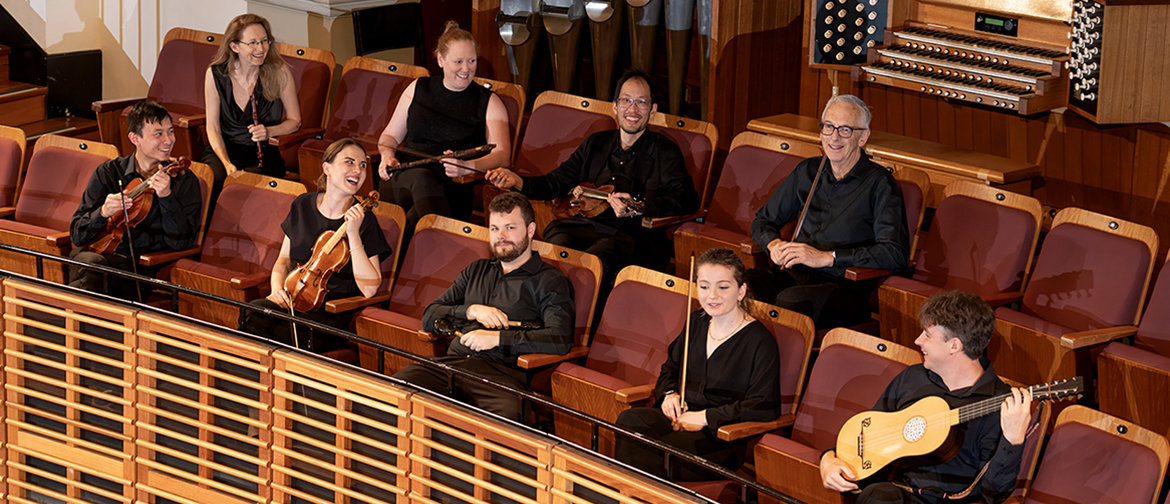
To add further evidence that arithmetic went out the very substantial Utzon Room window in this performance, the program finished with a “sestetto” for seven instruments. This chamber arrangement of the Sinfonia Concertante was made by an unknown arranger, but it is a triumph of a piece. It is for two each of violins, violas, cellos and a single bass, all individually scored. Heavily influenced by his operatic style, Mozart’s melodies in the first movement often feel like vocal lines in arias or duets. The violins, violas and first cello all seem of equal importance as melodic material is passed around and the second cello and bass hold the rich orchestral texture together. Again the ensemble playing was perfection here, both in texture and rhythm.
The second movement, Andante, was achingly sad and beautiful. I am a tough nut, but I was holding back tears here. This level of ensemble playing is only achieved when superb musical skills and thorough rehearsal culminate in a work like this, one of immense pathos. I think this has just become my favourite Mozart chamber work.
One of the great things about orchestral musicians is that achieving blend is daily bread. There were no prima donnas here. Themes emerged when the music demanded but all were ever ready to hand the stage to other parts. What an exquisite concert this was. Fabulous music, beautifully performed, topped off by the great Sydney Harbour view from the Utzon Room and some wonderful “Handpicked” wine from the sponsors. Quite the best way to spend a Friday evening. We thank you for your dream and vision Rosemary!