Sydney Symphony Orchestra | A Masterclass with Daniel Müller-Schott
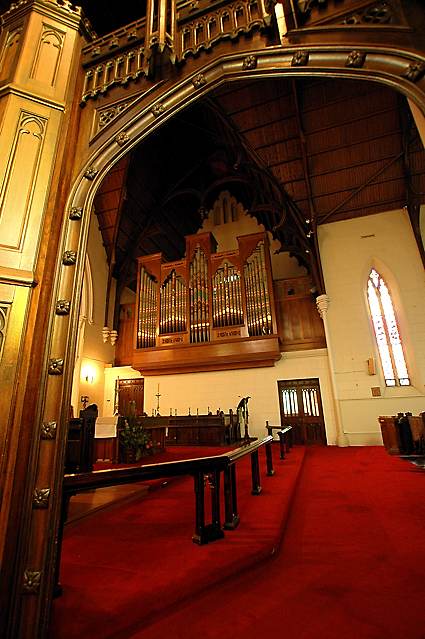
21 October 2025, St James Church, Sydney, NSW
Daniel Müller-Schott performs Tchaikovsky
23 October 2025, Concert Hall, Sydney Opera House, NSW
Program:
Dukas: The Sorcerer’s Apprentice
Tchaikovsky: Variations on a Rococo Theme
Stravinsky: Petrushka
Artists:
Lionel Bringuier: conductor
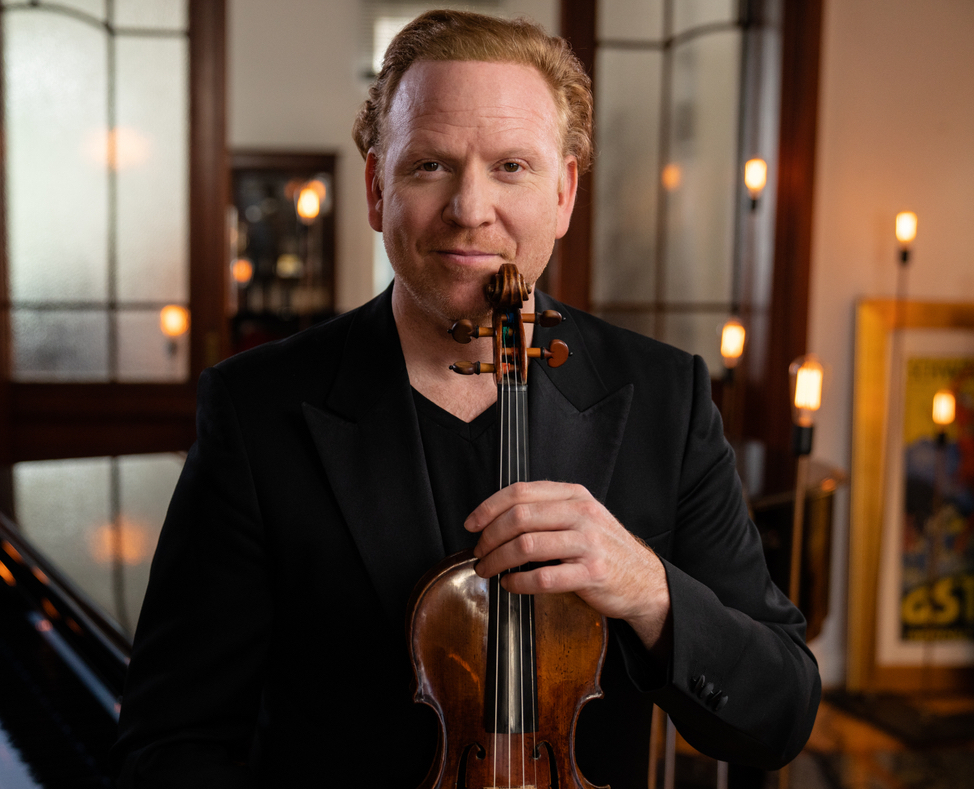
Daniel Müller-Schott: cello
Sydney Symphony Orchestra
Considering both a masterclass and a concert performance in a single review offers an interesting comparison between what a performer advises young musicians and how this advice manifests in his own performance.
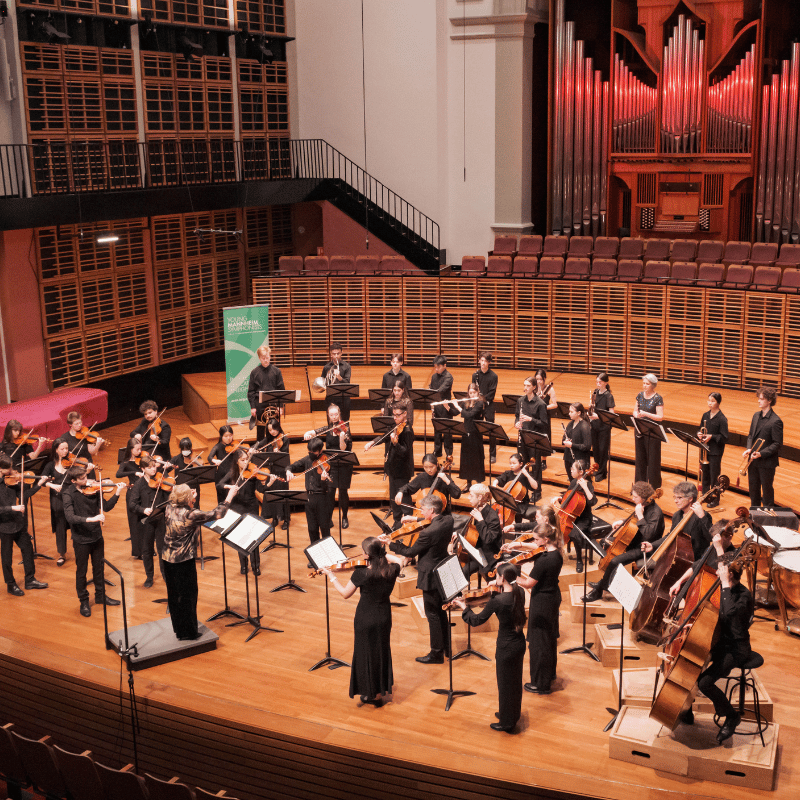
The masterclass involved three of the five string players of the SSO’s Fellowship (young artists) Program: Noah Lawrence on cello, Liam Pilgrim on violin and Harry Young on double bass. Neither of the two women were included. There may have been good reasons, but it did not feel quite right.
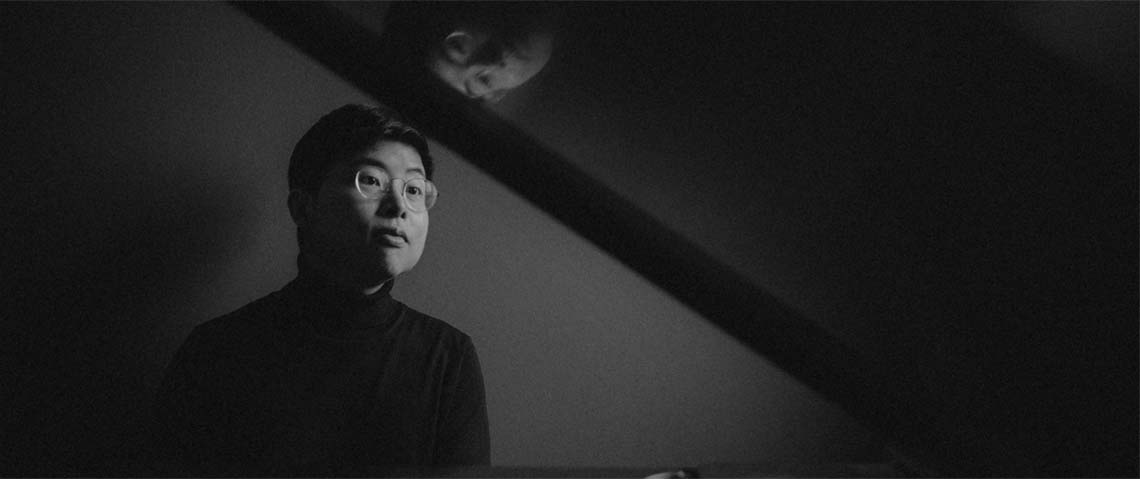
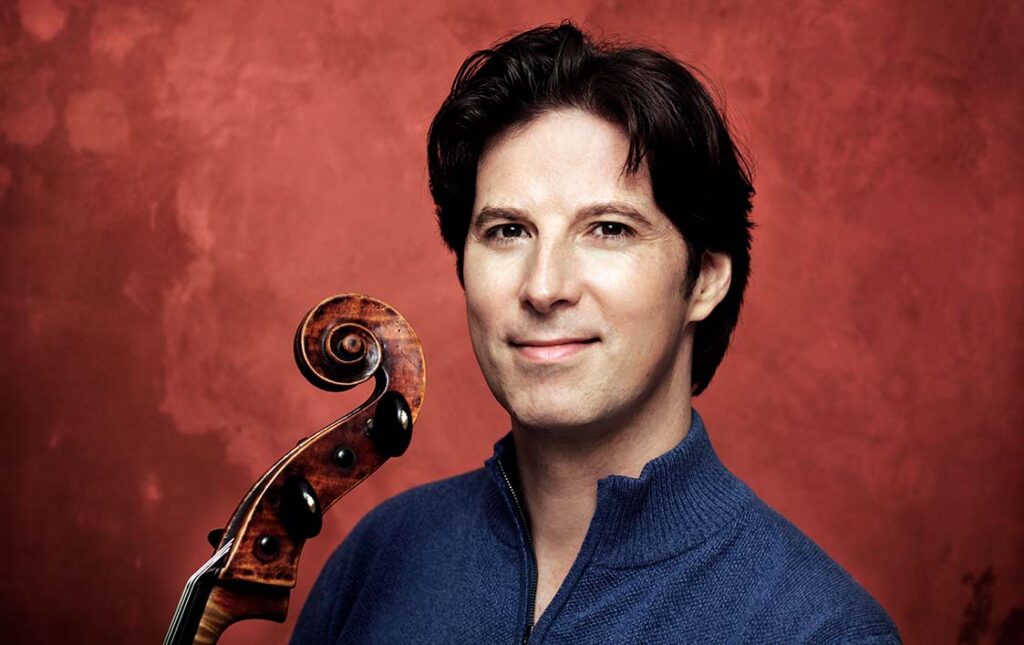
Müller-Schott is a world-class cellist (his achievements are too numerous to go into here) and an ideal person to conduct a masterclass.
Music is of course much more than just playing the dots on the page. Each of the participants did go beyond that in their chosen piece, but Müller-Schott clearly articulated how they should go about breathing life into the music well beyond their initial performance. There is only so much that can be done within a 30 minutes session for each performer, so he concentrated mostly on the opening sections of the their works. Some masterclasses involve teachers who might demonstrate how to play a phrase and then ask the student to imitate it. While Müller-Schott did this occasionally with the cellist Fellow and incidentally, did so both on the student’s and his own cello, he mostly talked and sang to show the shaping of a note or phrase. Having a highly articulate teacher is a wonderful thing indeed.
There was way more valuable information than what can be easily summarised, but here are a few of the most important gems:
- All notes, especially long ones, must have shape in both dynamics and tone colour
- Hear a note in your mind before you play it
- Intensity: think about vibrato rate and depth, and closeness to bridge of the bow
- Think like a singer in preparing the placement of the opening note of a phrase
- Think like a singer in sustaining the tone between notes (portamento). This often means using a slide on the string with continued bowing pressure, rather than changing fingers
- Practise with full bow strokes and then pair it back to suit the performance
- Rhythm: in quaver or semiquaver groupings, the first note should be substantially broadened and the last one slightly. “You have more freedom than you think”
- Feel the pulse in syncopations
- Shape phrases, sections and movements in waves
- Be in conversation with the accompaniment
- Invite the audience in with expressiveness; make the music dance if possible
- Repetitions: broaden and make the second time more intense
- Take time over key changes
- Freedom is everything.
In this, and many other ways, he was able to bring the depth of his musical experience to assist the early career Fellows to enliven their performances. A half hour masterclass is not sufficient to make a student into a master musician, but it would certainly have constituted a leap forward for them.
The shortish matinée concert program two days later was well tailored for the inclusion of high school music students in the audience. The Dukas, under the direction of Lionel Bringuier, had all the anticipation, frivolity, chaos, drama and a big bang finish that a large orchestra can muster. It was clearly a hit with young audience. Petrushka is also an eminently suitable study piece for music students. It is a more mature work than Stravinsky’s Firebird Suite and, although it uses many textures pointing in that direction, it is not as demanding (or salacious) as The Rite of Spring. The students would have been prepared by their teachers for the programmatic aspects of this work; the street fair; the Petrushka doll (ungainly piano) in love with the ballerina (flute) who is in love with another, leading to Petrushka’s death. The conductor understood well the characteristics of this music where for example, unlike Western European music, beats are not so much divided into strong and weak; hence giving this performance a strong Russian flavour.
The Tchaikovsky Variations on a Rococo Theme for cello and orchestra were also appropriate for this audience; not as demanding as a full concerto but still showing the soloist’s skill and composer’s style. Tchaikovsky is known to have written this work as a homage to Mozart whom he greatly admired. Apart from the classical size of the orchestra and the title, the Variations are decidedly romantic, with lush textures, huge swells and sweeps up to super high notes. Müller-Schott’s performance had all the vibrant life to which he was pointing in the masterclass. Every note was important and shaped to draw the audience in. Phrases rolled in waves with many full toned portamenti. Each variation too had its own momentum and as did the work as a whole. He used brilliance of tone (bow close to the bridge) when he needed to rise over the orchestral texture. When playing solo on the low C string, he did as he advised in the masterclass and, this time with bow above the fingerboard, “let the animal out”. Vibrato too was well considered; when to use it, when not, and to what depth and speed depending on the need for intensity.
Müller-Schott was in constant conversation with the orchestra, listening during his rests and responding like-for-like. Silences were never taken as time off; they had all the intensity of the notes. The balance was ever there with the orchestra; a real ensemble performance.
Daniel Müller-Schott certainly practised in the concert what he preached in the masterclass. What a consummate musician! It was a privilege to hear him share his knowledge and then perform in kind.
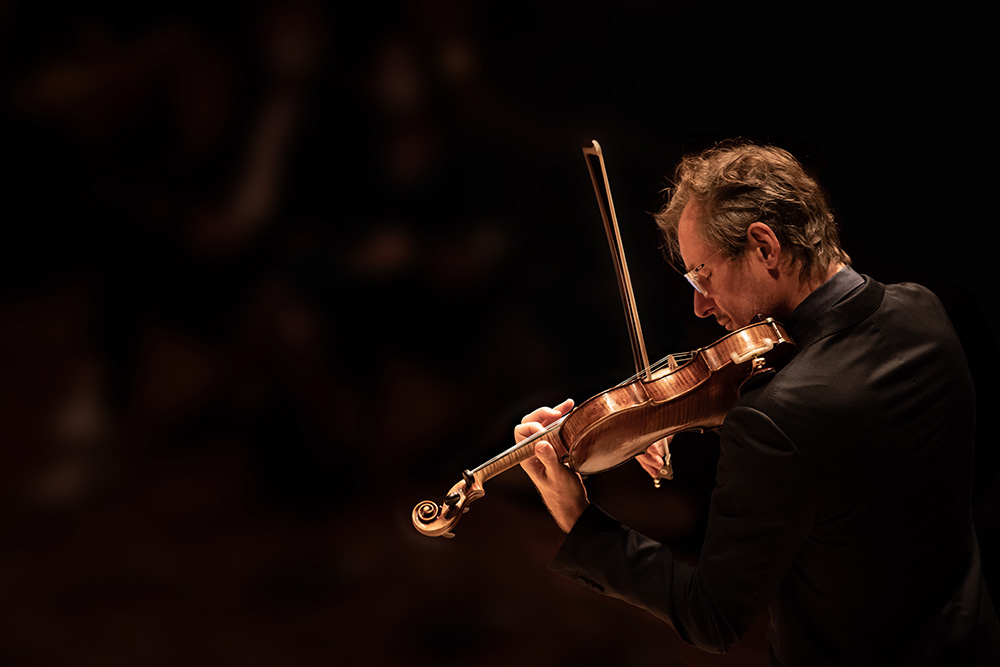
Photo credit: Uwe Arens