The Song Company | Der Schwanengesang
May 21, 2026, St James’ Church, Sydney, NSW
Artists:
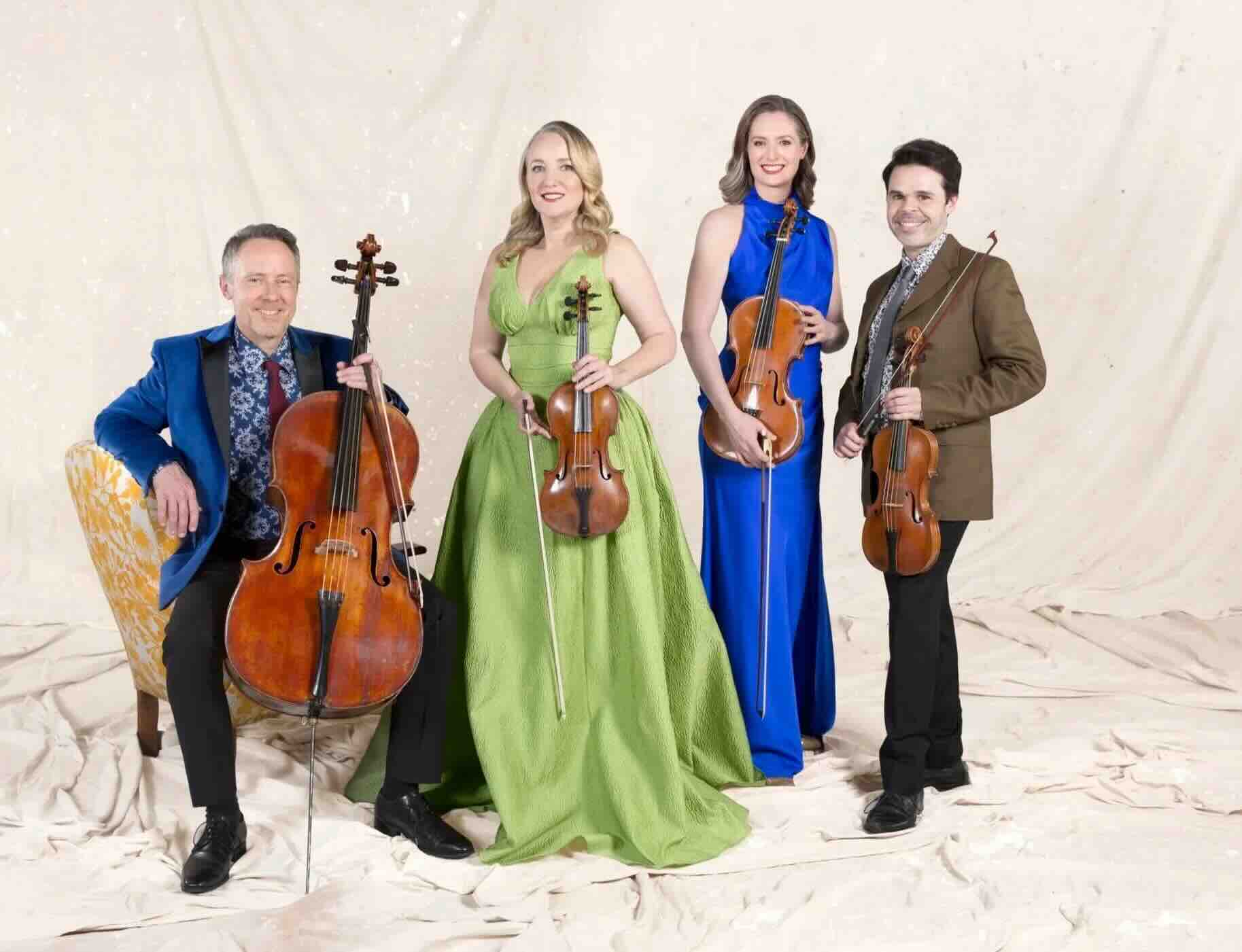
The Song Company
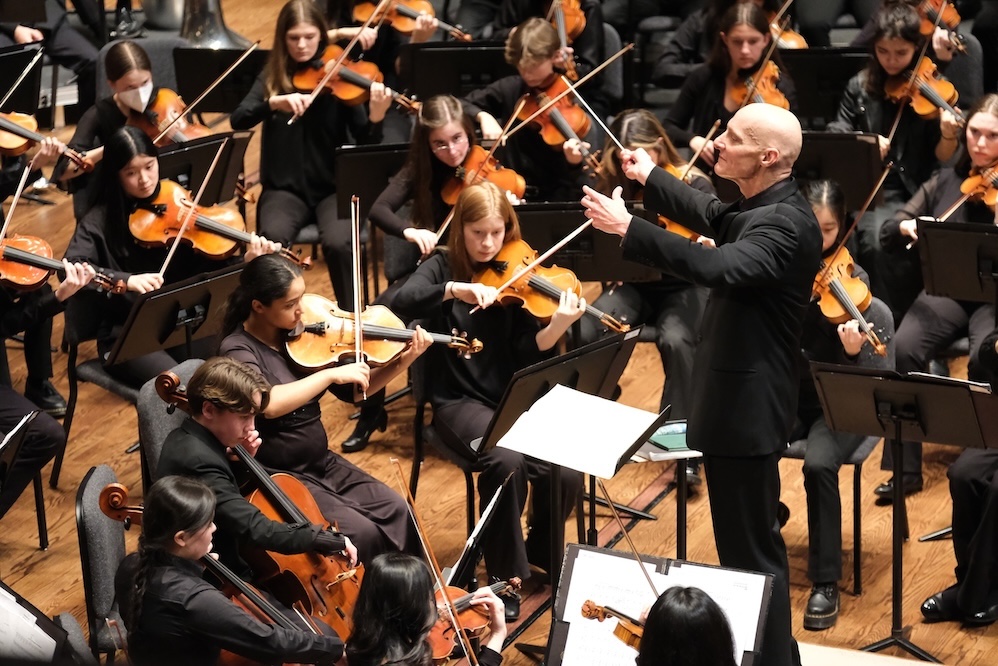
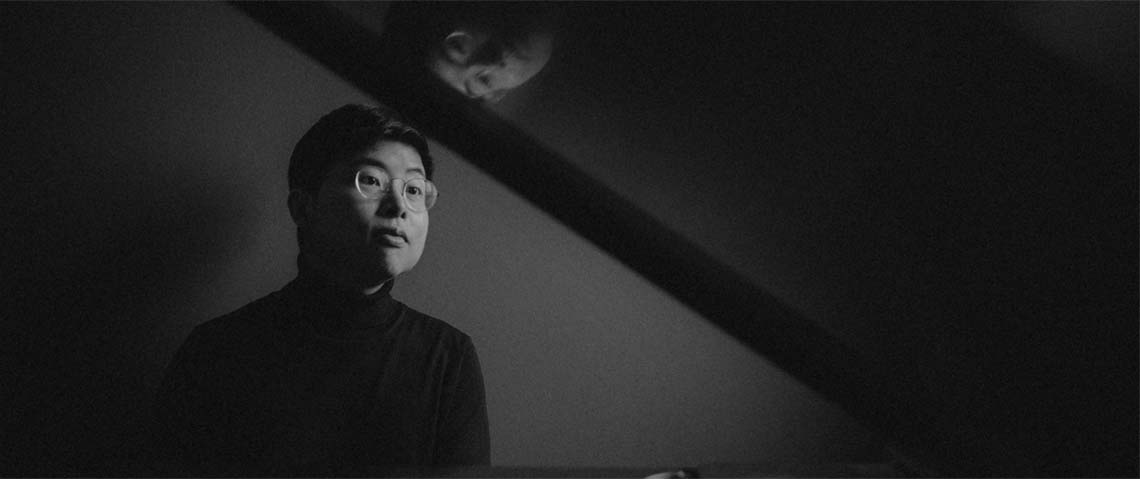
Conductor: Roland Peelman
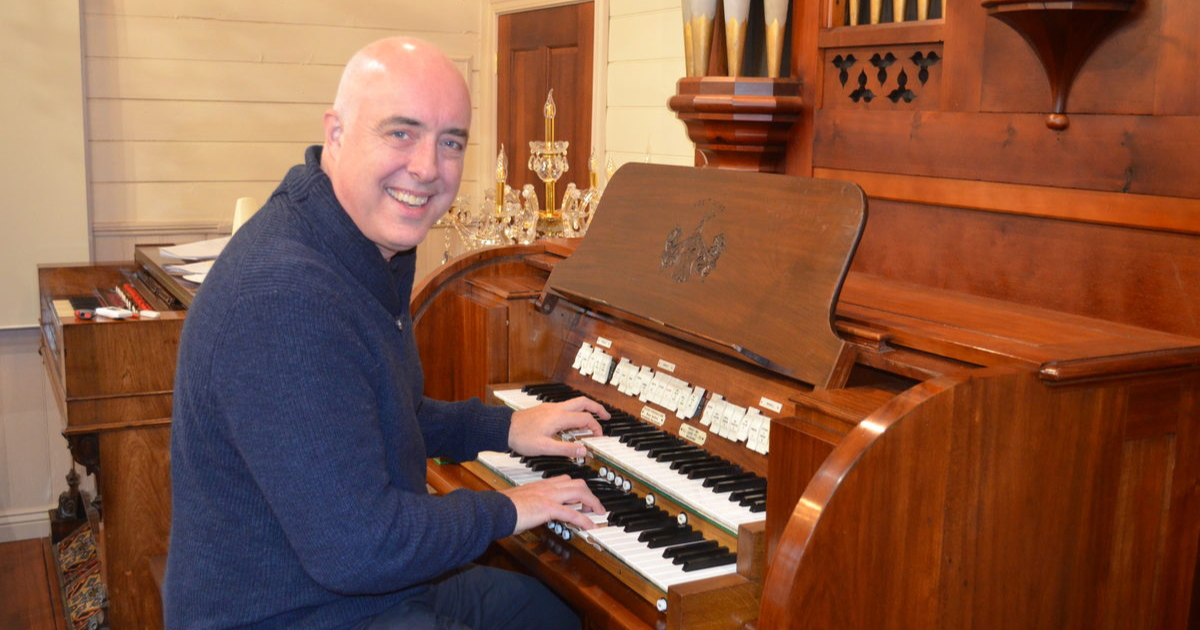
Continuo: Nathan Cox
Schütz wrote this setting of Psalm 119 right at the end of his very long life. The title of this large work is Der Schwanengesang (“The Swansong”), was posthumously assigned. He is reputed however to have known this would be his last work.
Of all of the psalms, 119 is the longest by far, having 176 verses divided into 22 sections. And it is amongst the most dour. It concerns itself with respect for God’s law, commandments and justice, and as such seems an appropriate meditative subject for a devout Lutheran close to death. However, Schütz’ rendition is anything but dour. To explain this, a slight diversion into the development of his musical style is in order.
Schütz was born in 1585 and as a young man was sent to Venice to study with Gabrieli at San Marco. He stayed for 3 years until Gabrieli’s death in 1612. As a mature composer, he spent further time in Venice from 1628 to 1629 where he was greatly influenced by the music of Monteverdi. This might seem a bit strange as the Lutheran tradition was very much established in opposition to the Catholic Church. Attending Catholic services would have been frowned upon, if not forbidden all together. Interestingly however, in the musical universe this difficulty was intensionally overlooked as it was clearly understood that the greatest music in the world was coming from Italy. Luther himself had great respect for the music of Josquin and Ockeghem. So here we have a monumental German work, written de profondis from a Lutheran composer firmly rooted in the tradition of Gabrieli and Monteverdi.
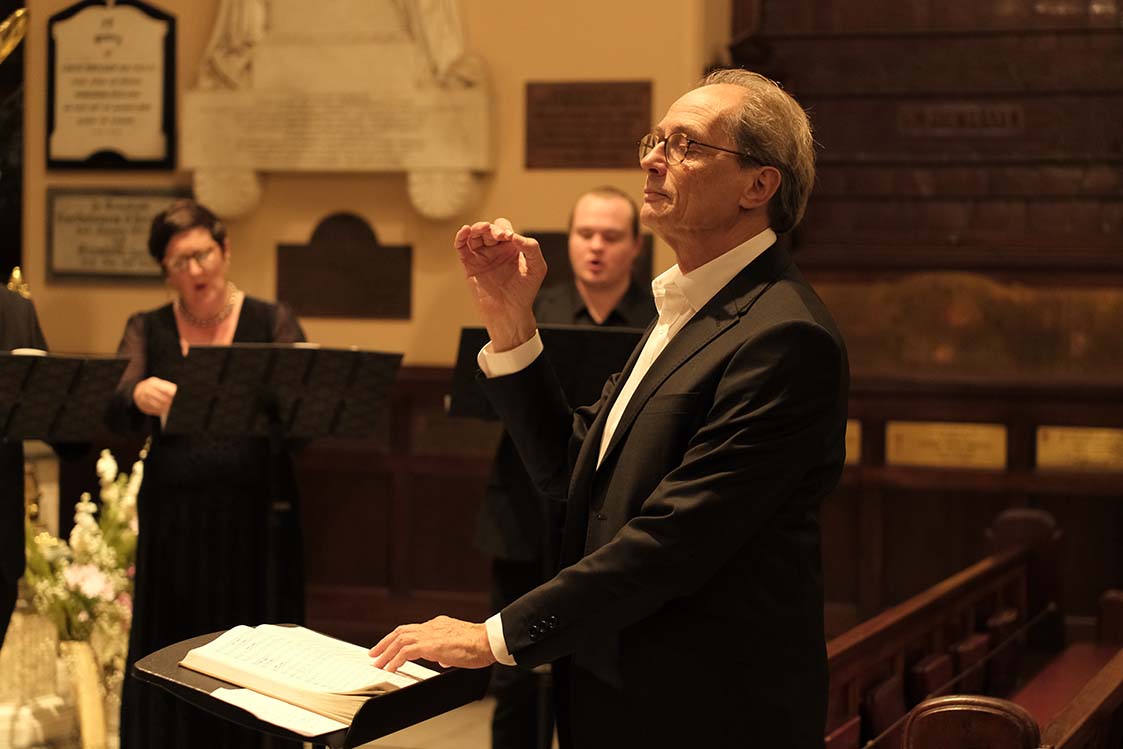
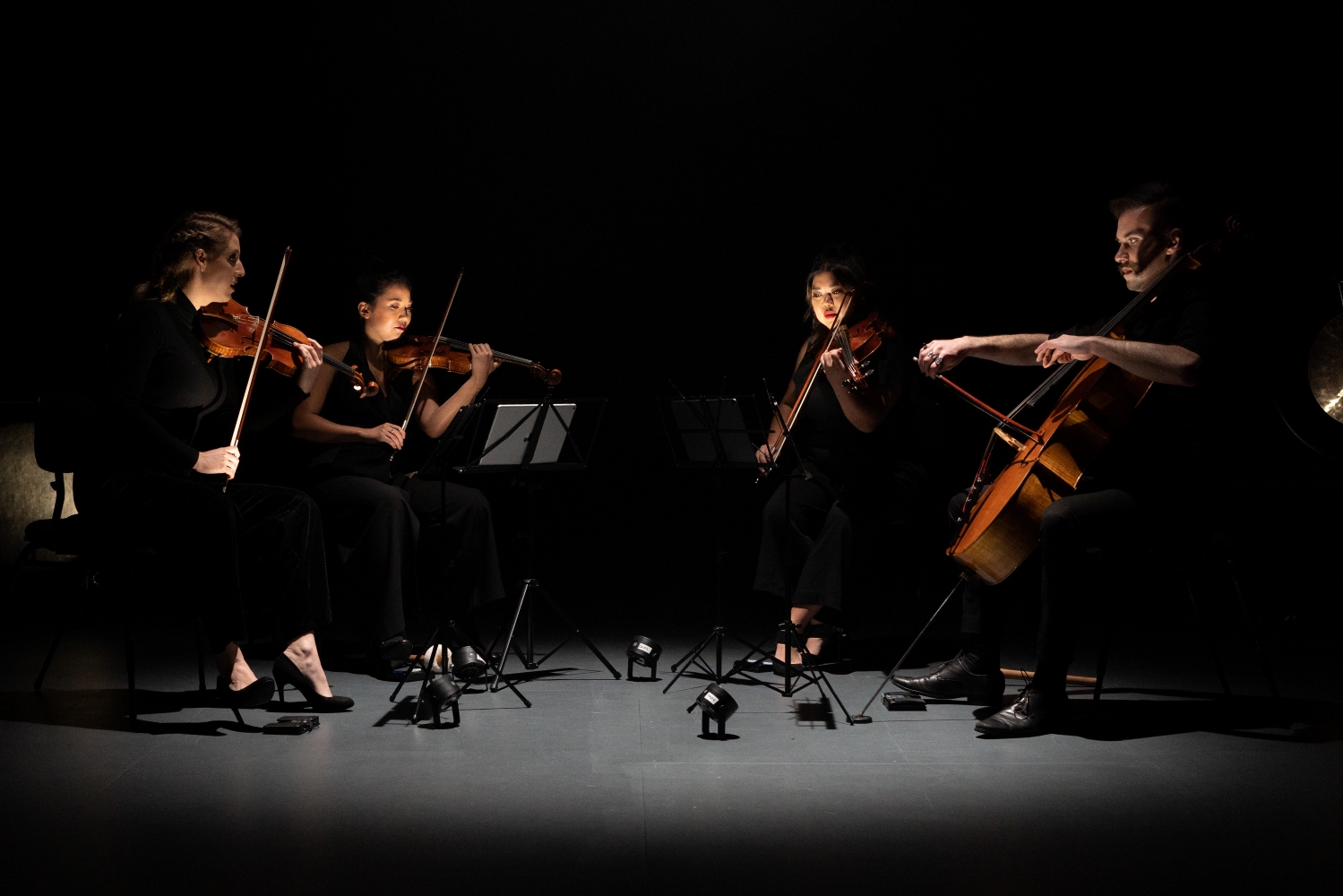
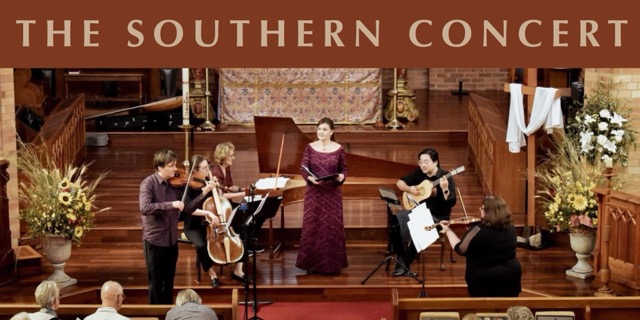
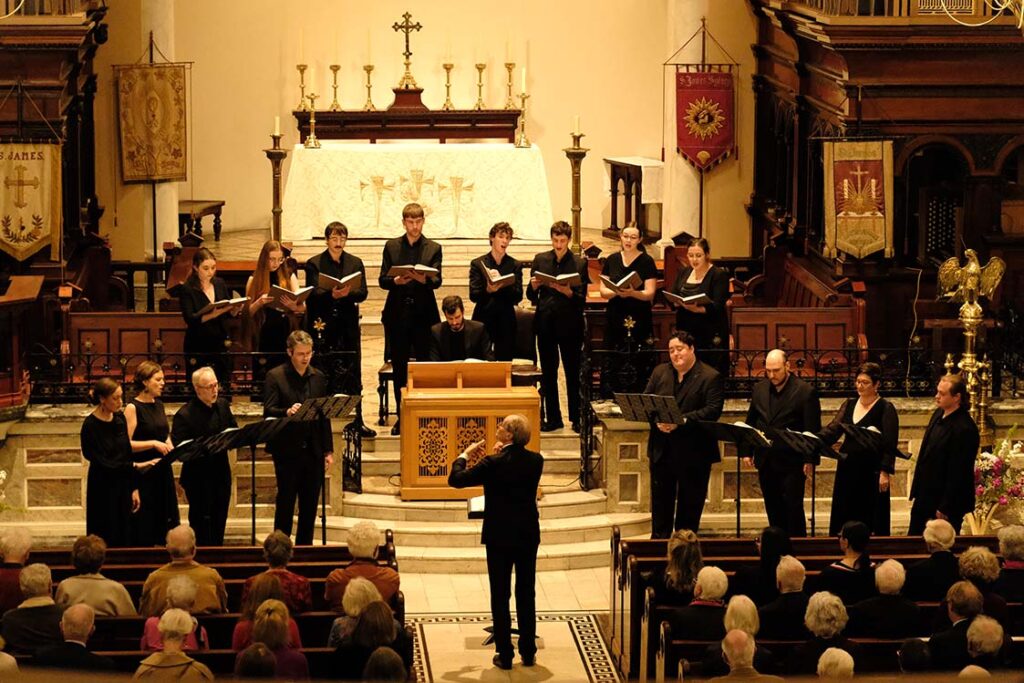
Although there are no prescriptive orchestration instructions on the original score, Roland Peelman‘s allocation of voices shows depth of historical understanding. He uses two times four solo voice choirs, the core singers of The Song Company, for the main text of the psalm. The two SATB ensembles are physically separated on the left and right side of the church, enabling antiphonal effects so often found in Gabrieli and Monteverdi. Schütz would likely have had a Favorit-Chor (a small chamber group of soloists) at his disposal for this purpose. Another 8 voices supplement this ensemble, but only join in for the doxologies (Ehre sei dem Vater… “Glory be to the father…”) which Schütz inserts at the end of every second of the 22 sections of the Psalm. This represents the Capell-Chor (full choir) at his disposal, to join in at climactic tutti passages. Schütz mentions that instrumental doublings or substitutions were encouraged without being prescriptive; it was common practice in this period, especially in early baroque Italian sacred music, to add cornetts, sackbuts, strings etc. In this performance, the only supporting instrument was a positive organ, unobtrusively played by Nathan Cox.
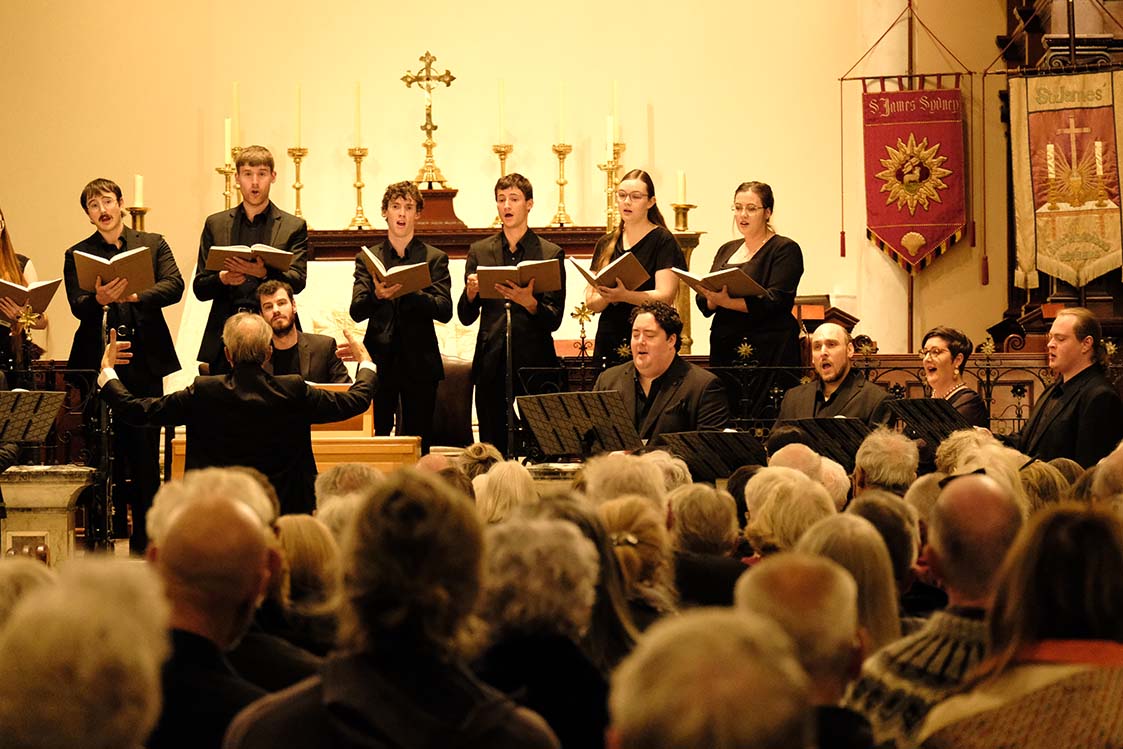
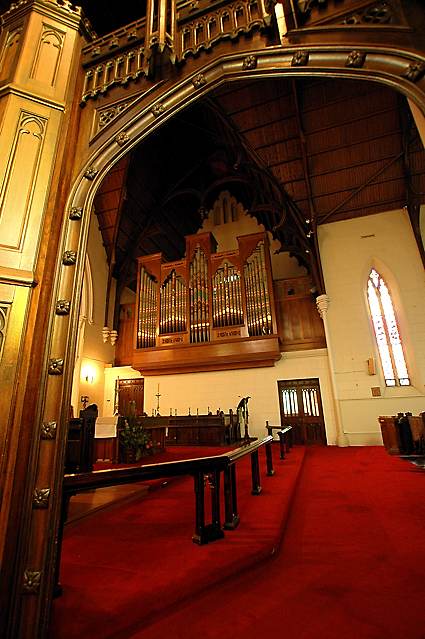
Whilst not as resonant as San Marco in Venice, the acoustics in St James are ideal for vocal music, especially for such expert voices as The Song Company. The softest passages were clearly heard, even in a packed church. And forte tutti sections, also thanks to the near perfect intonation of the voices, resounded like a controlled explosion. Very dramatic.
The diction was also excellent and, although only English text was provided in the printed program, it was possible to map the German and keep one’s place in the text. This becomes important as much of the genius of Schütz’ setting lies in the overall close correspondence to the meaning of the text and the specific word painting in the detail. For example the sudden brief change to triple time in section 6 on ich wandle fröhlich (“I wander happily”) dispels any dourness in the text with a dance in its step. Also Schütz has words like immer (“always”) and ewigkeit (“eternity”) repeat and roll on and on like waves on the beach. There are endless such examples which demonstrate just how rich this music is.
Any residue of the seriousness of his meditation on God’s law is blown away by Schütz’ decision to append his earlier settings of Psalm 100 and the Magnificat. Only Psalm 100 was added in this performance. There is nothing about law here, just joy, praise and the giving of thanks. And again dancing into triple time. Schütz leaves us without doubt on a positive note.
To hear this rarely performed monumental work is a privilege. To hear it performed by The Song Company directed by Roland Peelman was an utter delight. Peelman was musical director of the group for 25 years to 2015 and raised its musical stature to one of Australia’s premier ensembles. His return as a guest conductor in this instance, both in the choice of repertoire and astonishing level of performance, was most welcome. It was a concert that will live for a long time in the memories of those fortunate enough to have attended.
Photo credit: Alicia Gibbons