Sydney Symphony Orchestra | Donald Runnicles conducts Mahler 6
9 April, 2026, Concert Hall, Sydney Opera House, NSW
With musicians of the Australian National Academy of Music (ANAM)
GUSTAV MAHLER (1860–1911)
Symphony No.6 in A minor (1903–04)
- Allegro energico, ma non troppo. Heftig, aber markig
- Scherzo: Wuchtig
iii. Andante moderato
- Finale. Allegro moderato – Allegro energico
Mahler created some of the most impressive and indeed immersive symphonies of the late Romantic Period. Now we see them as monuments to an epoch long gone. There were massive forces as musicians were poorly paid, so there could be scorings for 120+ players and choirs of many hundreds. It was a time when audiences looked forward to indulging in new music on the fantastic scale and Mahler was one of the great composers who delivered, and in doing so truly summed up the end of the music of the 19th century.
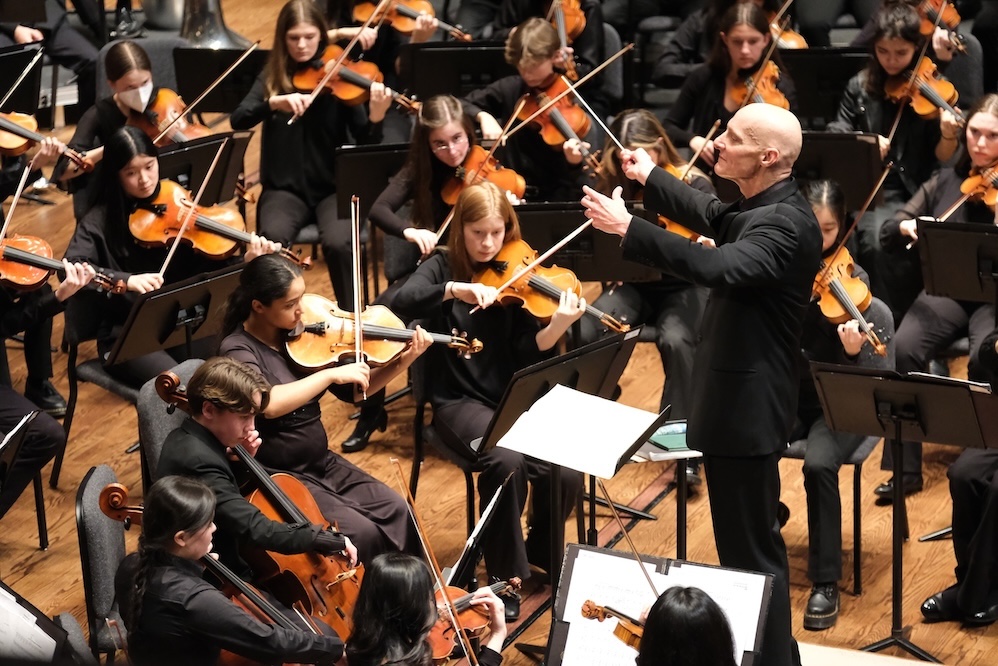
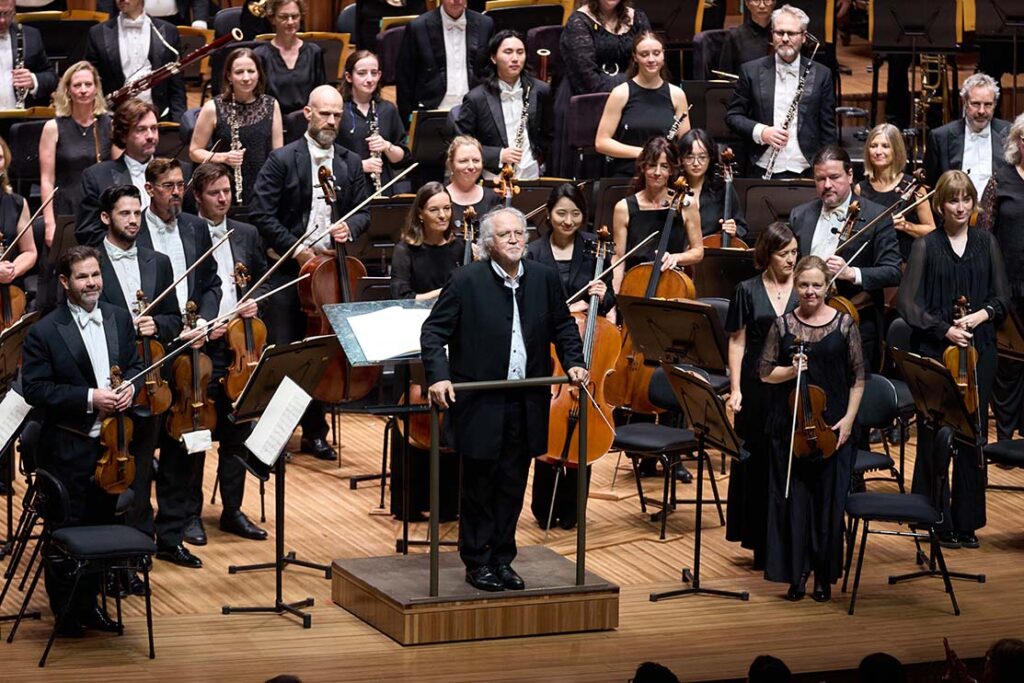
Conductor Donald Runnicles and the 110 member Sydney Symphony Orchestra traversed the 90 minute extravaganza of this Symphony No.6 as if on a pilgrimage across emotional terrains. Runnicles displayed his grand vision of the work whilst allowing the music to ebb and flow and the many magical solo moments to come through the wall of sound with ease. He handled the rare delicate sections as if he was a chamber musician sharing the lyricism with his colleagues.
The opening two movements have at their substratum a pulse which is basically double of an adult’s resting heartbeat and this keeps a tension going regardless of the melodic or harmonic world that Mahler creates over the top. The Allegro energico tossed and turned and the romantic outpourings were nearly softened by the occasional hymn-like sections. The demonic Scherzo with its excursions into childlike music, and manic changes in emotional moods was a delight.
The slightly old-fashioned Andante moderato is a showpiece for the string ensemble to caress music that seems timeless and to create a cloudlike form for various wind soloists to charm – think A Midsummer Night’s Dream. The Finale is an extended summation of all that went before with outrageous outbursts from the brass and wind and the percussion.
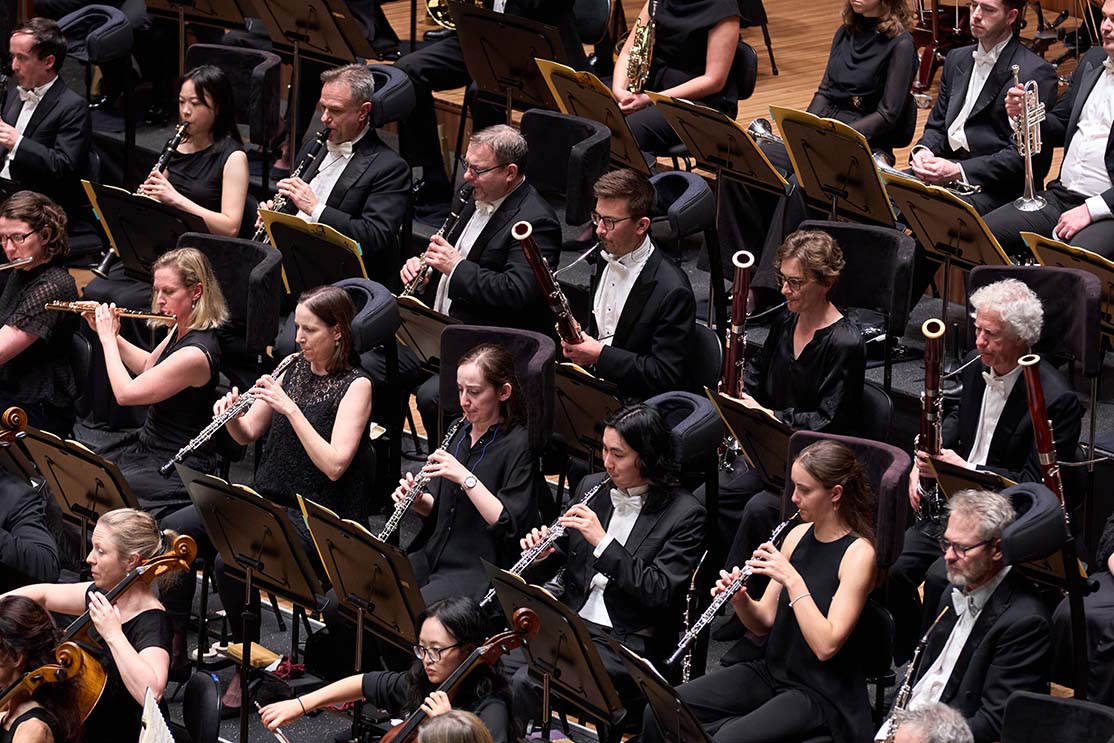
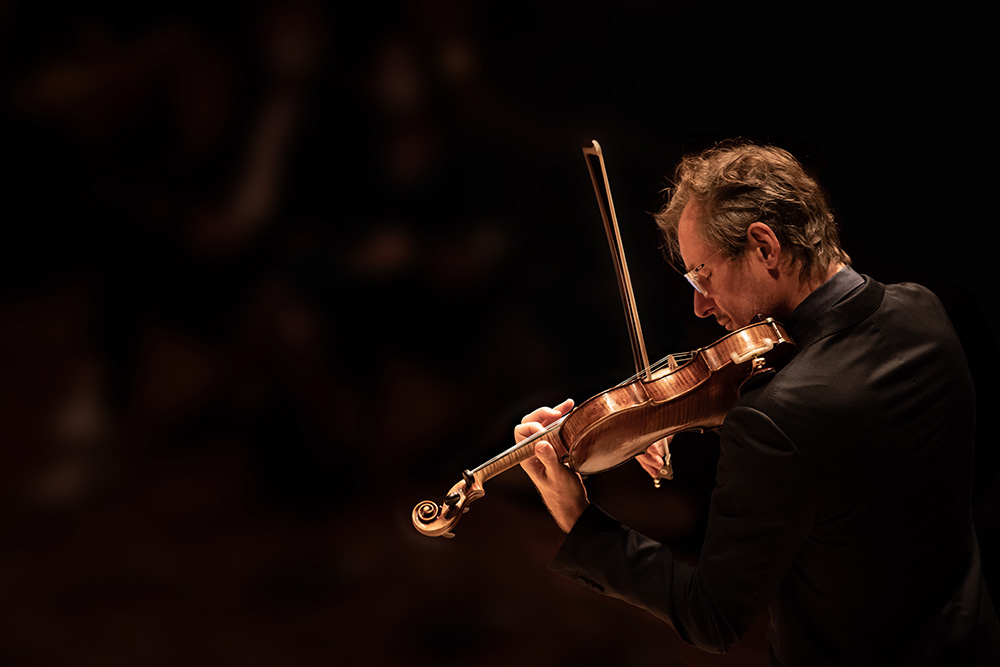
There was so much to love in this performance and highlights in the solo sections were the elegant playing of Emma Sholl (flute), Frank Celata (clarinet) and Todd Gibson-Cornish (bassoon). Mahler entrusted so much to the oboe in this work and Shefali Pryor was lyrical and sweet-toned in all her solos and powerful in leading her section. The solo horn playing of Samuel Jacobs is a constant joy and in this concert he reached transcendent heights. David Elton was another standout brass soloist. Sydney audiences have come to expect perfection and magic from the bow of concertmaster Andrew Haveron and as usual he was all that could be desired.
The ensemble playing from all sections was nigh on flawless, thrilling the listeners. And special mention goes to the percussionists, the harps and the celeste and the double bass section. Stunning all round!
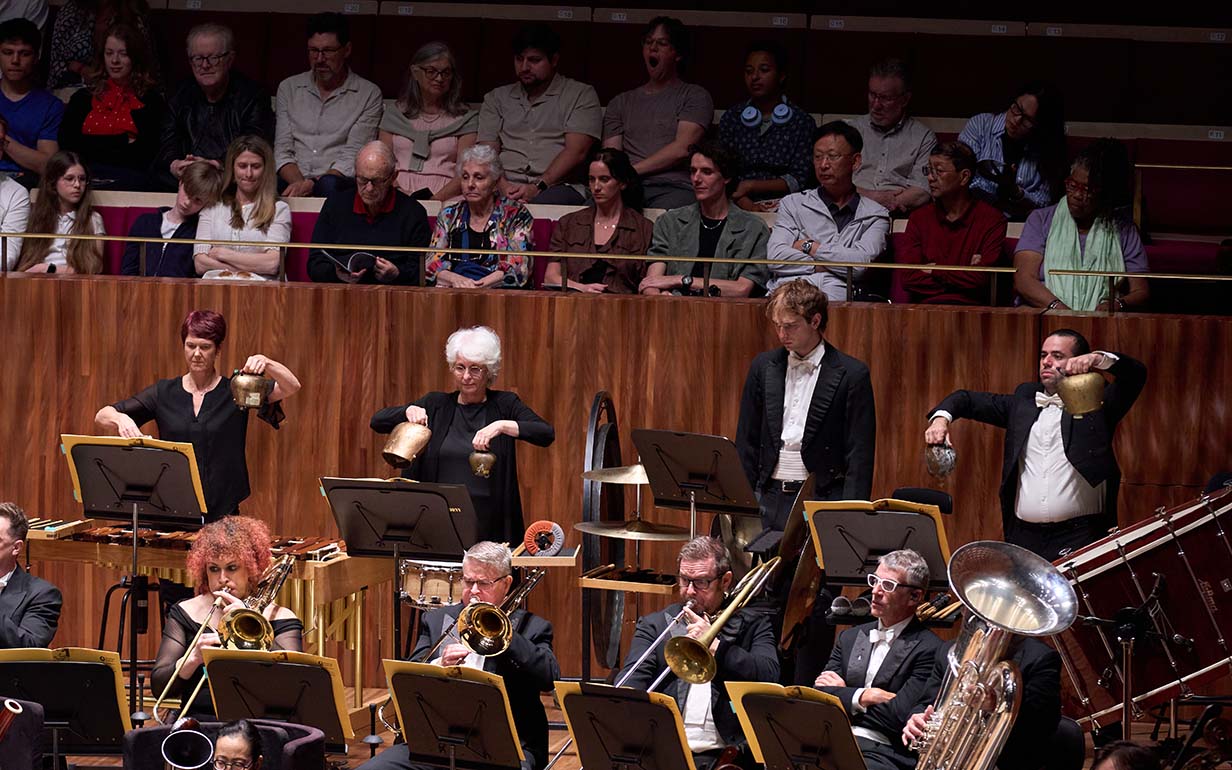
A little personal indulgence
At the end of 1973 I was a student at Sydney University and Australia’s leading composer, Peter Sculthorpe lent me his LP of Mahler 6 for the holidays. He said he wanted me to listen to it many times. I did, and when I subsequently heard versions that were radically different to that recording I was most unsettled. The memories of first loves go deep. Runnicles and the SSO reinforced my affection for this over the top example of late Germanic Romanticism.
Photo credit: Jay Patel