Brisbane’s Poinciana trees are bursting with vibrant red flowers, showering footpaths, rooftops, roads, and parked cars with flamelike petals. A perfect afternoon for listening to Elysian Fields.
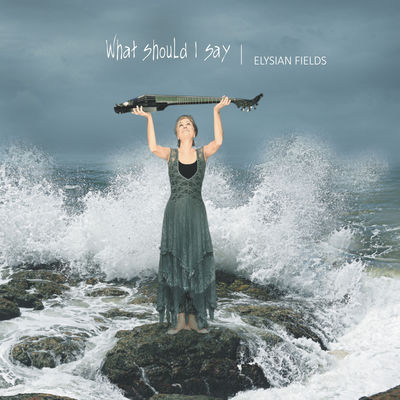
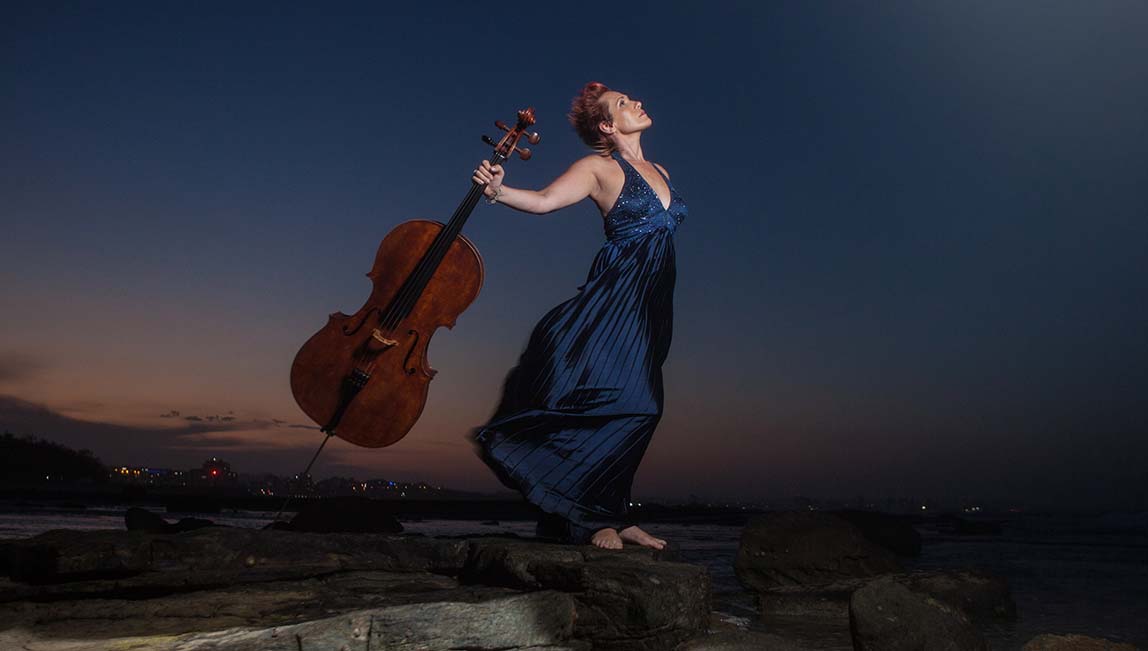
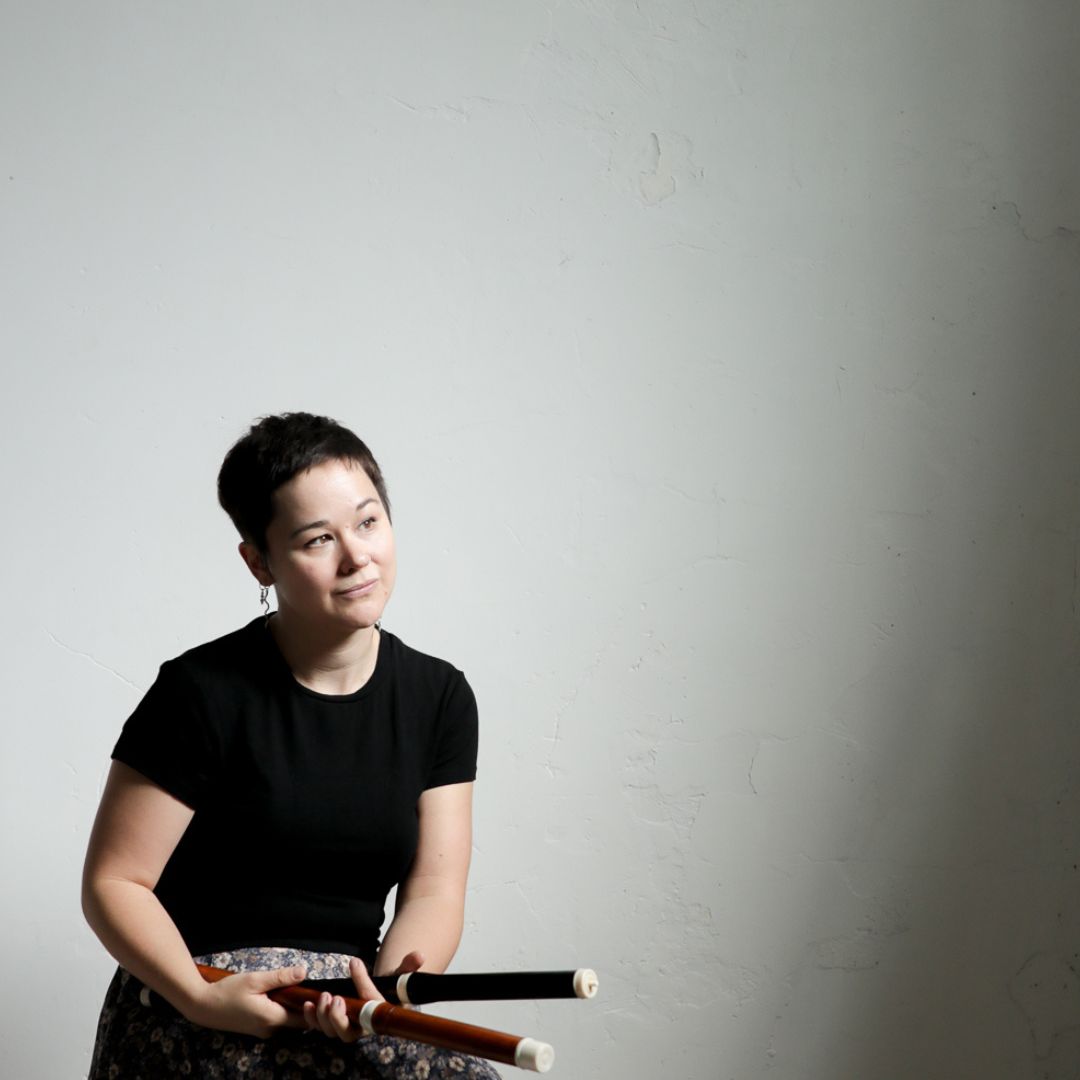
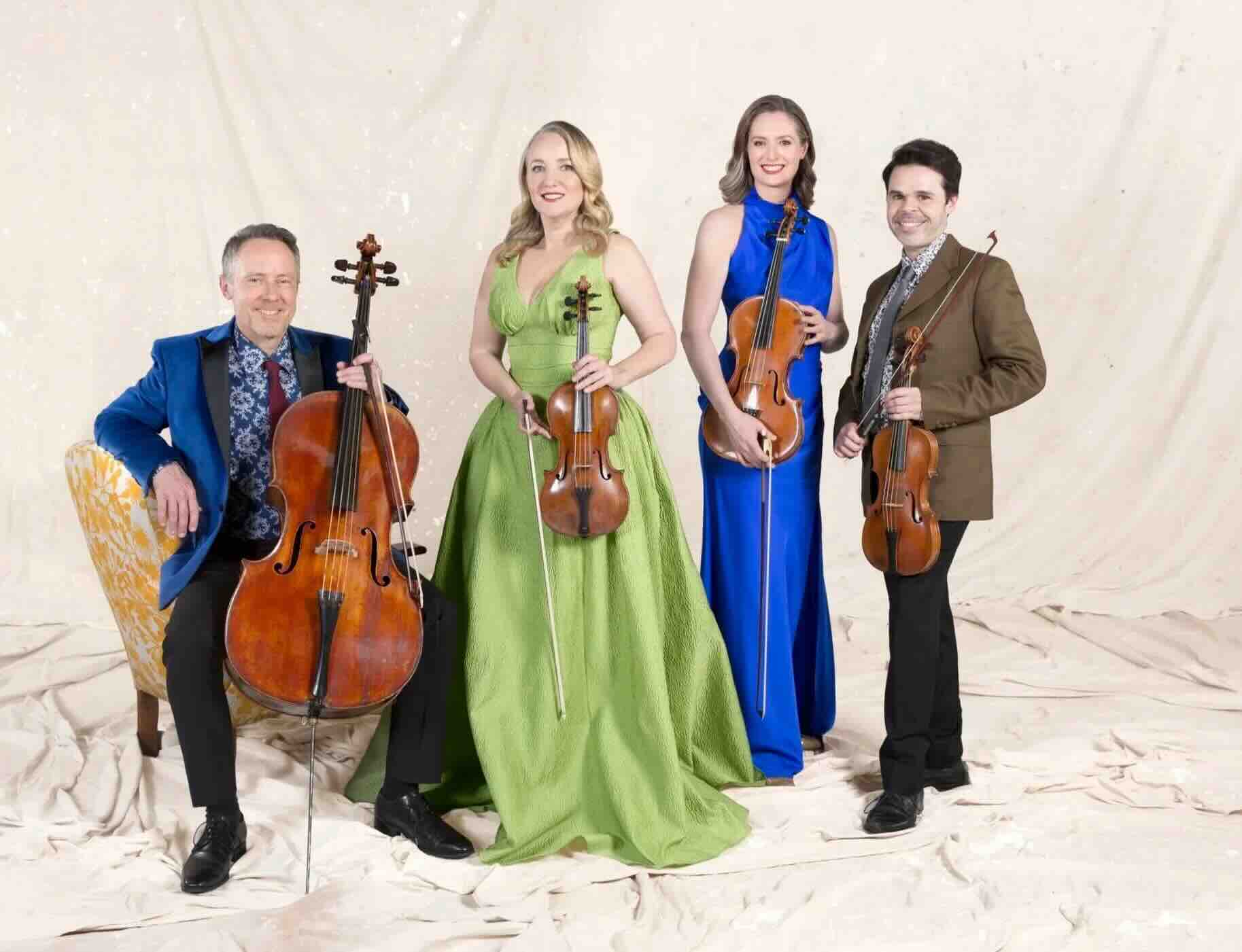
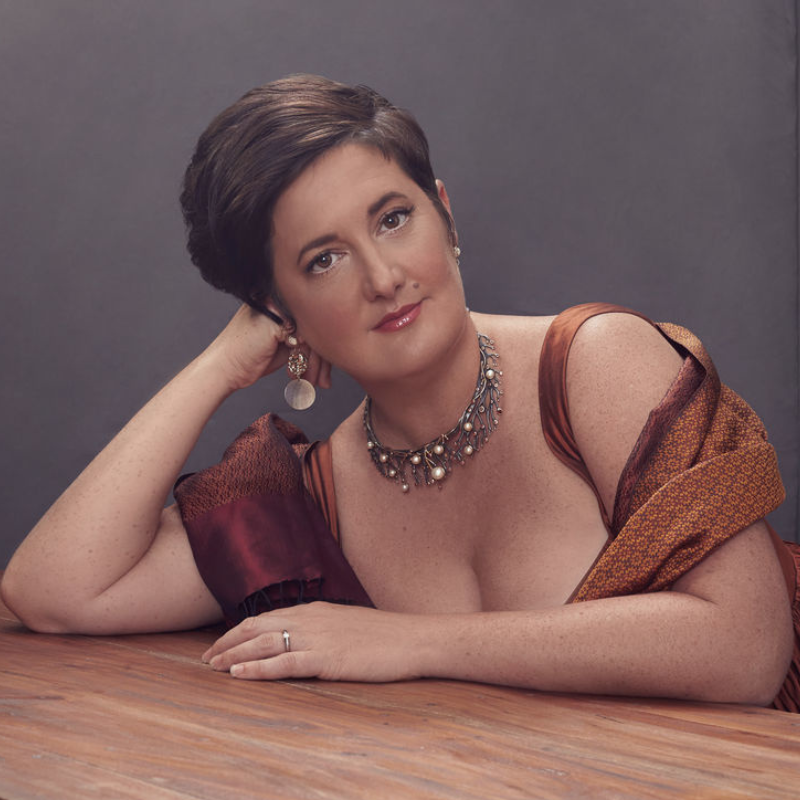
What Should I Say is the first CD to be released by classical jazz fusion ensemble, Elysian Fields. Elysian Fields is Australia’s only band featuring an electric viola da gamba. Its founder, Jenny Eriksson, is one of Australia’s leading viola da gamba players, in both acoustic and electric versions of her instrument. Elysian Fields features piano, violin, bass guitar, drums, voice, saxophone and, of course, the electric viola da gamba. I know what you are thinking: but what on earth is a viola da gamba?
Well, I did some research (since I had no idea either). The viola da gamba originates from medieval Europe, preceding the violin family. The viola da gamba has seven strings (seven! I thought four were hard enough). Unlike traditional violins and violas, which are tuned in intervals of fifths, a viola da gamba is tuned in fourths and a third. And, the viola da gamba is held between the legs, like a cello. Da gamba translates from Italian to ‘the legs’. Confused yet?
Elysian Fields is contributing to the Australian music scene by doing just what experimental, fusion music does: pushing boundaries, breaking new ground and reinventing a baroque period instrument for the modern era. Their work is not part of an established trend, but rather goes against the grain.
Elysian Fields is attempting to convey how the past and present are in dialogue with one another, how our pasts influence and shape us. This album explores improvised, composed and semi-composed music, through blending a variety of genres, time periods and styles. Elysian Fields uses elements of baroque, classical, jazz, world and folk to create a multilayered, diverse sound. What Should I Say creates a dialogue between the present and the past, through the contrasting use of renaissance poetry, and an electric version of a baroque stringed instrument.
In this album, Elysian Fields also explores new ideas of expression, language and communication. Traditionally, the viola da gamba was thought to express the closest sound to a human voice. This idea is woven throughout the album, with the da gamba taking the lead melody, or working with the vocals.
The CD is comprised of five sections, What should I say: Four Poems of Thomas Wyatt, Southern Cross, Dark Dreaming, Elysium, and At Carna. These sections take inspiration from renaissance poetry, Irish folklore, Greek mythology, or dreams and blurred realities. The band’s name, Elysian Fields, is a reference to Greek mythology. Elysian Fields is known as the final resting place of the souls of the heroic and the virtuous.
What should I say: Four Poems of Thomas Wyatt, features poetry by a renowned renaissance poet, Thomas Wyatt, who was credited to the invention of the English sonnet. Wyatt was a great innovator of language. Each poem is heard initially with solo piano or very sparse instrumentation, and then again, with more elaborate accompaniment.
Southern Cross is a slow, meditative, instrumental only piece, featuring piano, viola da gamba, drums and saxophone. The piece opens with solo piano, with lulling, rippling chords. The electric viola da gamba then floats gently overtop. The viola da gamba and saxophone layers weave together, like two voices.
Dark Dreaming is an exploration of dreams, nightmare, and blurred realities. It opens with heavy, minor bass chords, viola da gamba, and piano. Bass and gamba compete with complex counterrhythms, building tension. The saxophone enters, paired with the gamba in duet. Texture builds to polyphony as drums and saxophone grow in intensity. The gamba plays deep, low-pitched semibreves underneath it all, dark and foreboding. This piece evokes ideas of Greek mythology, of a sea battle, and Poseidon, god of sea.
Elysium is composed of four sections, for piano, viola da gamba, saxophone and vocals with melodies and countermelodies intertwining. The mirrored, homophonic melodies allow the da gamba to assume the role of vocal, or language.
At Carna has a gentle piano melody, which is reminiscent of the opening of Southern Cross. The da gamba takes charge as a soloist. This shows what a typical electric viola da gamba sounds like.
In all, this is a thoroughly enjoyable CD that challenges boundaries. It includes hybrid, experimental forms and rare instruments. This music is a testament to Jenny Eriksson’s growing talent, her musicianship, and her ensemble’s quest for new sound.
Buy on itunes (click on the cover below)