Salut! Baroque | Bohemian Rhapsody
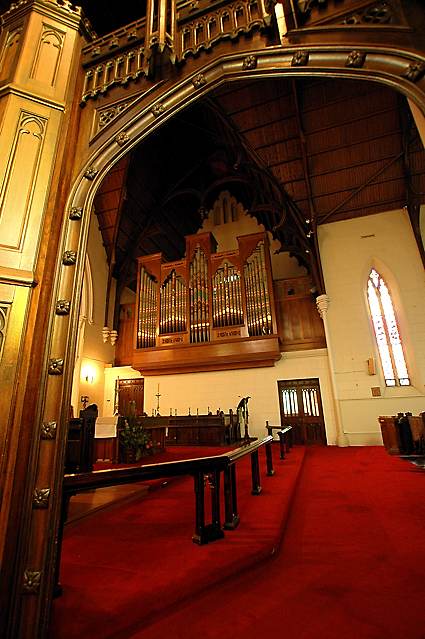
14 June, 2026, Verbruggen Hall, Sydney Conservatorium of Music, NSW
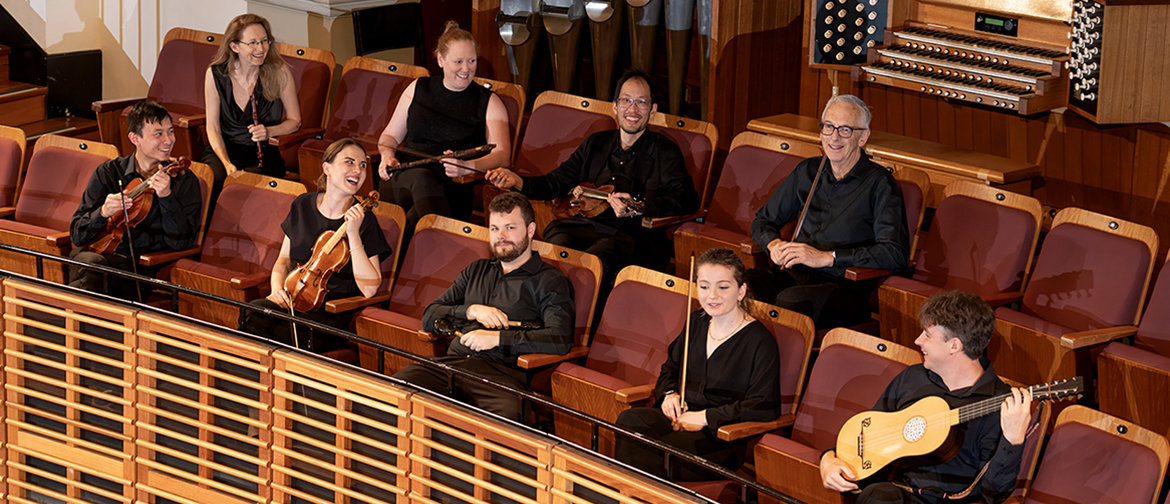
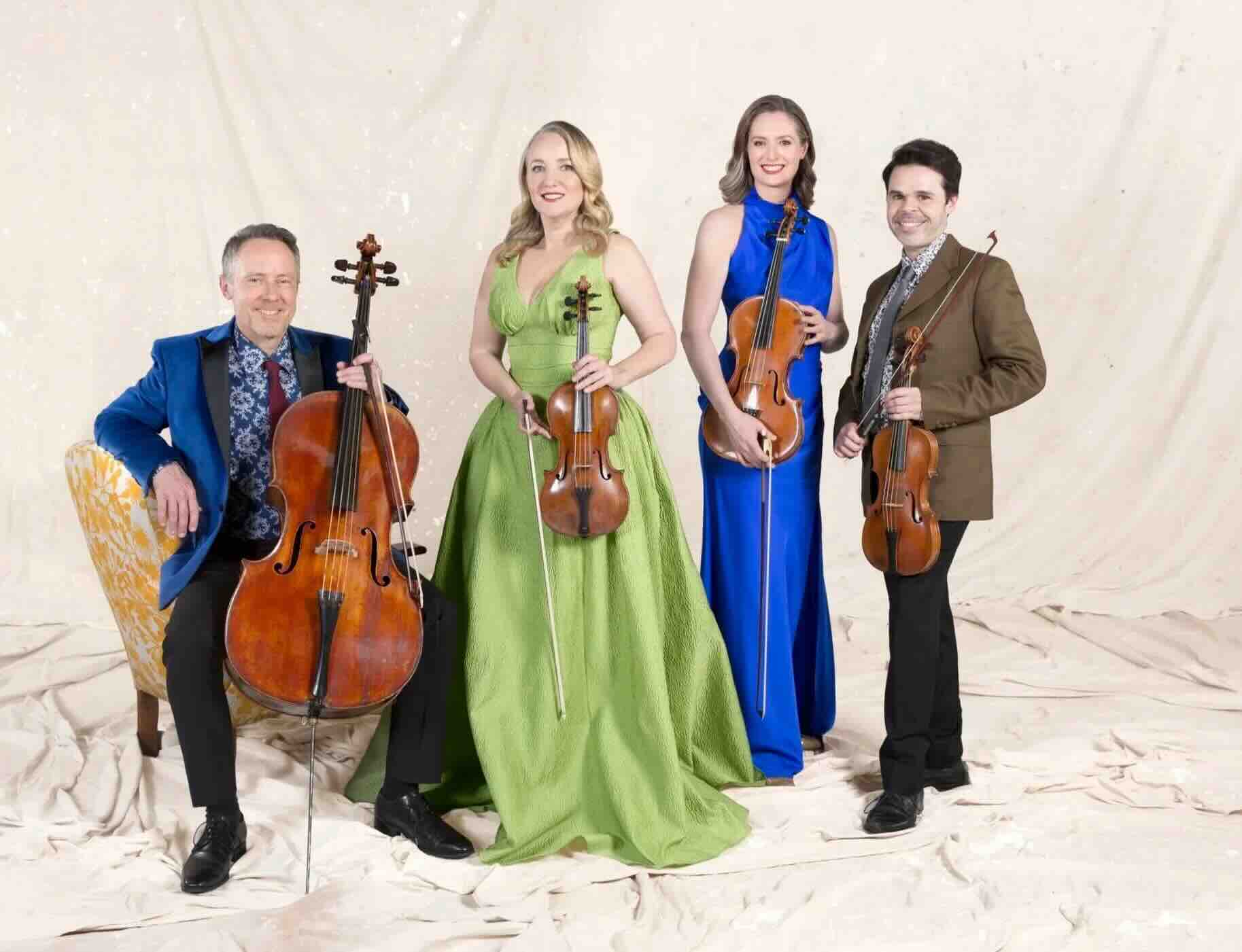
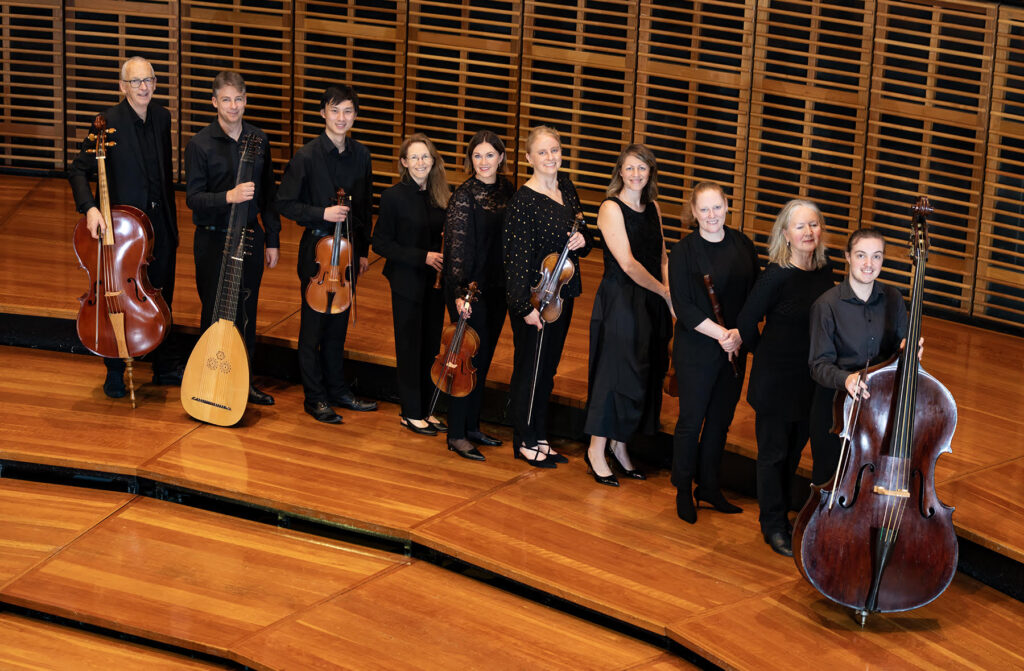
Musicians:
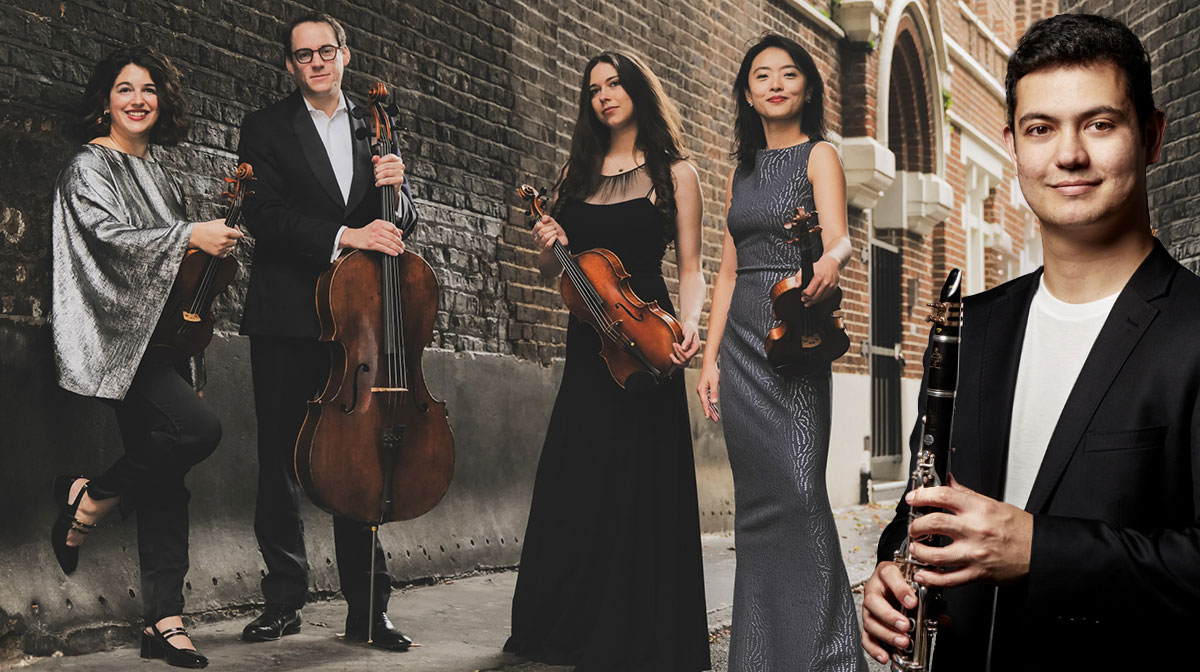
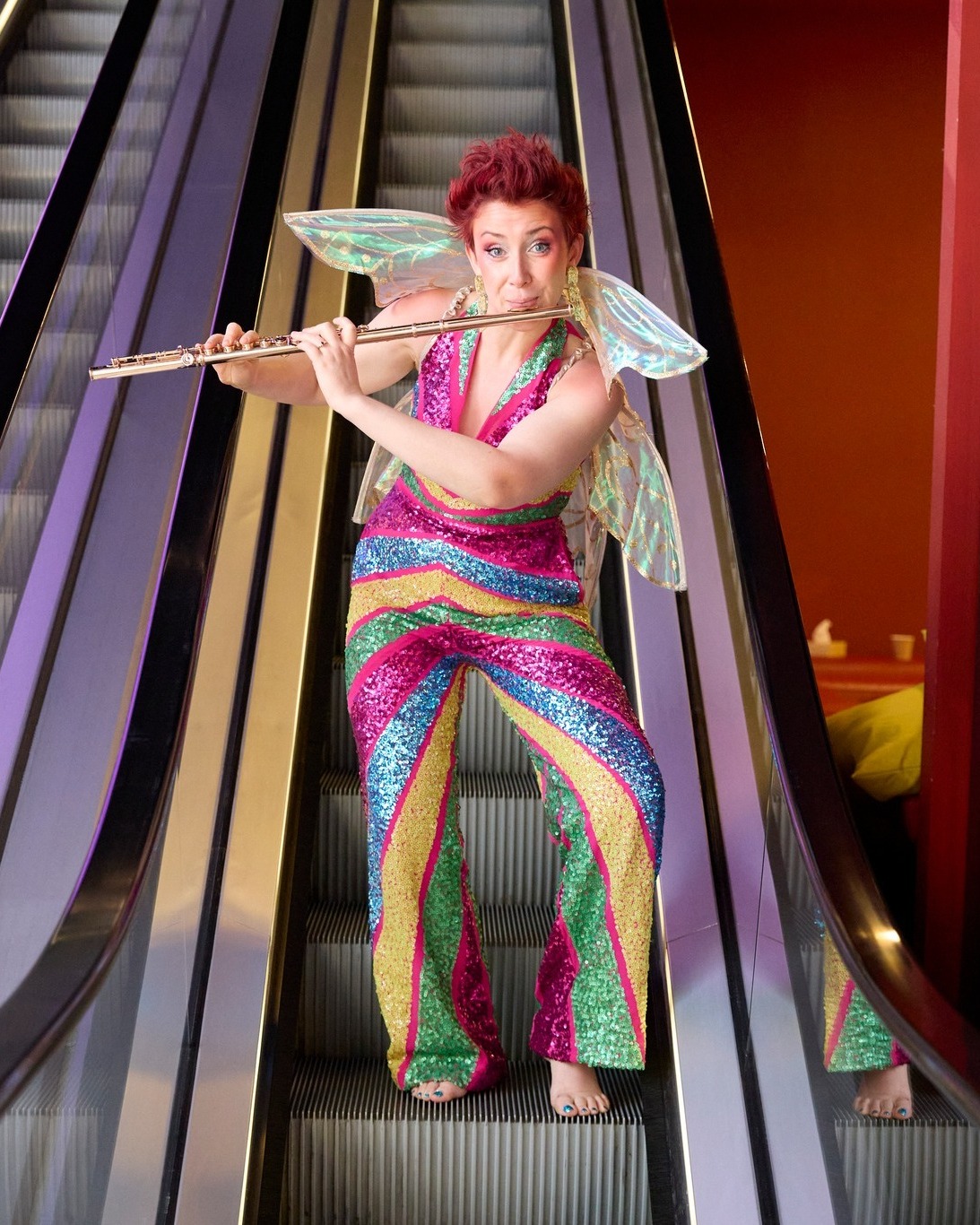
Sally Melhuish, Recorder
Alana Blackburn, Recorder
Rachael Beesley, Baroque Violin
Julia Russoniello, Baroque Violin
Marianne Yeomans, Baroque Viola
Brad Tham, Baroque Viola
Tim Blomfield, Baroque Cello
Jude Hill, Baroque Double Bass
George Wills, Theorbo/ Baroque Guitar
Monika Kornel, Harpsichord
Program:
Heinrich Ignaz Franz von Biber – Sonata I in B minor
Antonio Vivaldi – Largo from Concerto in D major RV 93
Antonio Vivaldi – Allegro from Concerto in D minor, RV535
Jan Dismas Zelenka – Hipocondrie à 7 concertanti, ZWV 187
Antonio Bertali – [Passacaglia] from Sonata a 4 in D minor
Johann Joseph Fux – Ouverture-Suite in G minor Op. 1 No. 4
Antonio Caldara – Sinfonia No.12 in A minor
Johann Heinrich Schmelzer – Sonata à 5 in D minor
Johann Caspar Ferdinand Fischer – Ouverture-Suite in G minor Op.1, No.7
František Jiránek – Grave from Concerto in D minor for Violin
Jan Josef Ignác Brentner – Capriccio; Trio from Concertus in F major Op. IV No. V
The skinny: a 1 hour concert with no interval; very beautiful music presented with an extremely high level of enjoyment and quality. There is so much good music out there that we still don’t know about. We come to concerts like this to find out about them.
Salut! Baroque have, once again, given an outstanding concert, full of vitality and variety. The hour passed very quickly, and all of this unfamiliar music was greatly enjoyed, consumed, and appreciated, both from a compositional and performance perspective.
The theme for this concert was Bohemian Rhapsody – not the song by Queen arranged for baroque orchestra – but all the baroque music composed from the region of Bohemia (see program above), which is the most western and largest region of the Czech Republic (as outlined in the most excellent notes that came with this concert).
The musicians walk onstage and begin the concert with a flourish, a courtly phrase. It sounded too tuneful to be tuning. This contrasted markedly with the rest of the concert in that, after every piece, one of the stringed instruments had to retune. Ah, the joys of baroque instruments!
The only complaint I have, and it is a trivial one, is that there is not enough interaction between audience and performers, and that it is easy to get lost in the program. I thought that I kept a good track of what piece was currently being performed, but I might have been wrong. In any case, I feel like it would not hurt at all if someone from Salut! Baroque spoke to their audience. Perhaps it would be about the music that they have performed, or are about to perform, or how their day is going, etc. I find that the 4th wall between audience and performers is much lower than it used to be in other concerts.
The performers demonstrated a high level of technical skill and ensemble coordination. Fast passages were executed with precision, while dynamic contrasts helped maintain the drama in the performances. I really like how the non-participants sat unobtrusively on the side of the stage, waiting in support for the current performers and ready to rejoin the orchestra when it was their turn. Salut! Baroque are well rehearsed and deeply immersed in this repertoire, and we all enjoyed their exceptional musicianship. The performance was both educational and entertaining, proving that unfamiliar baroque music can still be discovered in exciting and innovative ways.
Photo credit: Paul Porteous