The Cooperative | Verdi’s Nabucco
30 August 2025, Pitt Street Uniting Church, Sydney, NSW
Conductor: Toby Wong
Director: Menila Moineaux
Cast
Nabucco: Tristan Entwistle
Abigaille: Livia Brash
Young Abigaille: Violet Rose Olds
Zaccaria: Bernard Leong‑Lokman
Fenena: Angelique Tot
Ismaele: Sam Elmi
Anna: Samanta Lestavel
Abdallo: Spencer Darby
Il Gran Sacerdote (High Priest): Dale Schilling
Additionally: The Cooperative Chorus, Chamber Orchestra and Children’s Ensemble
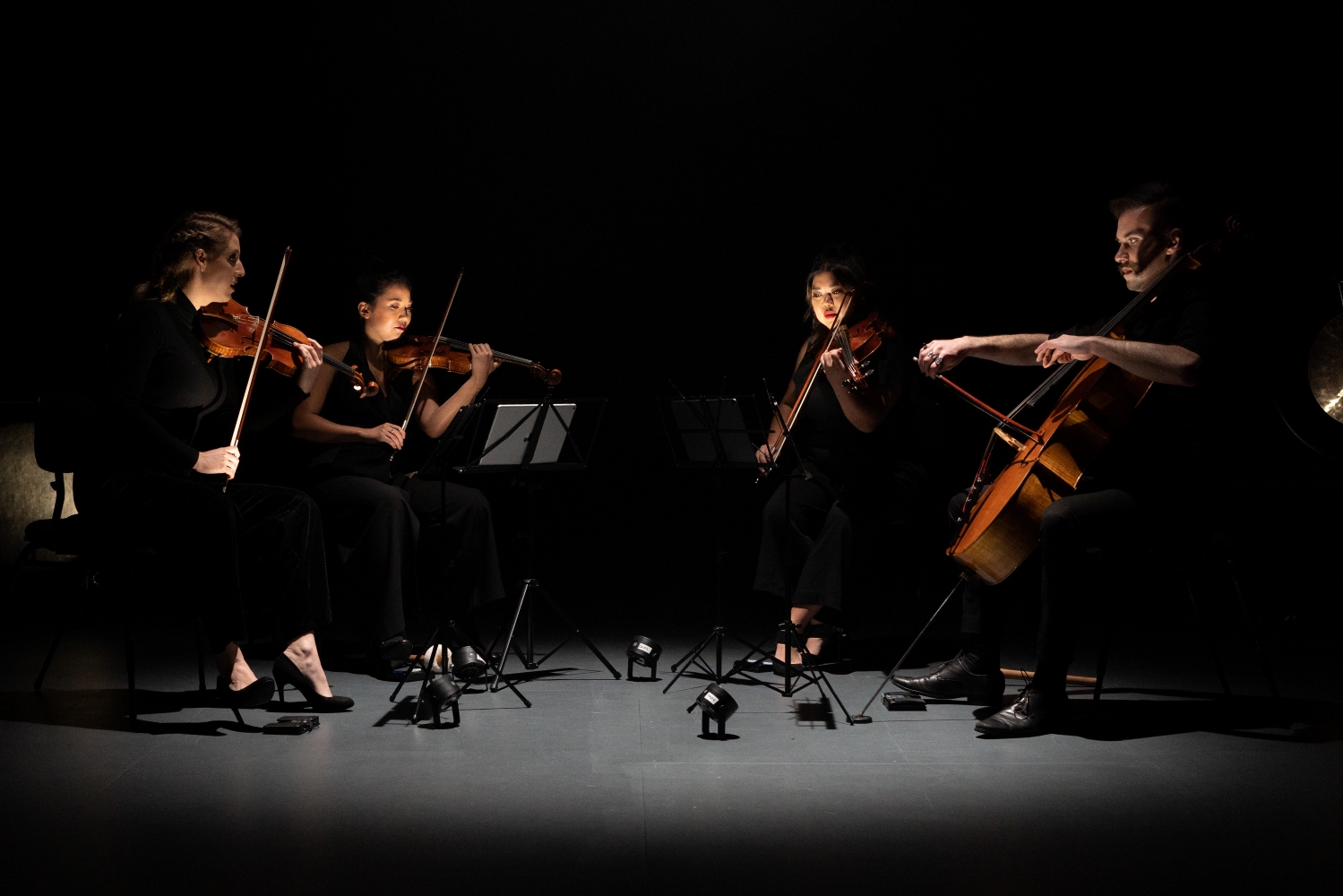
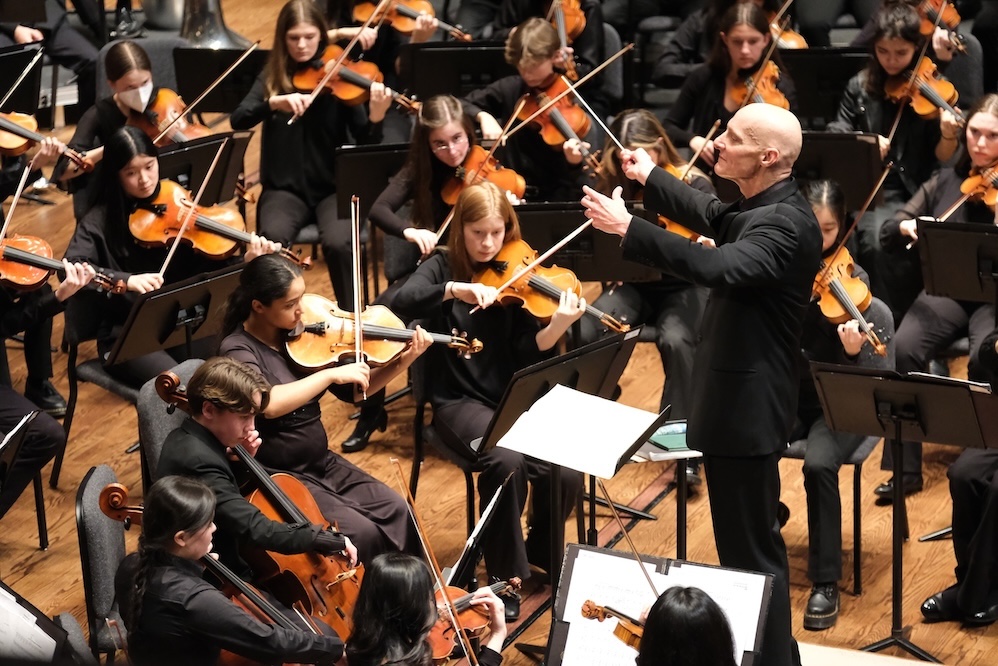
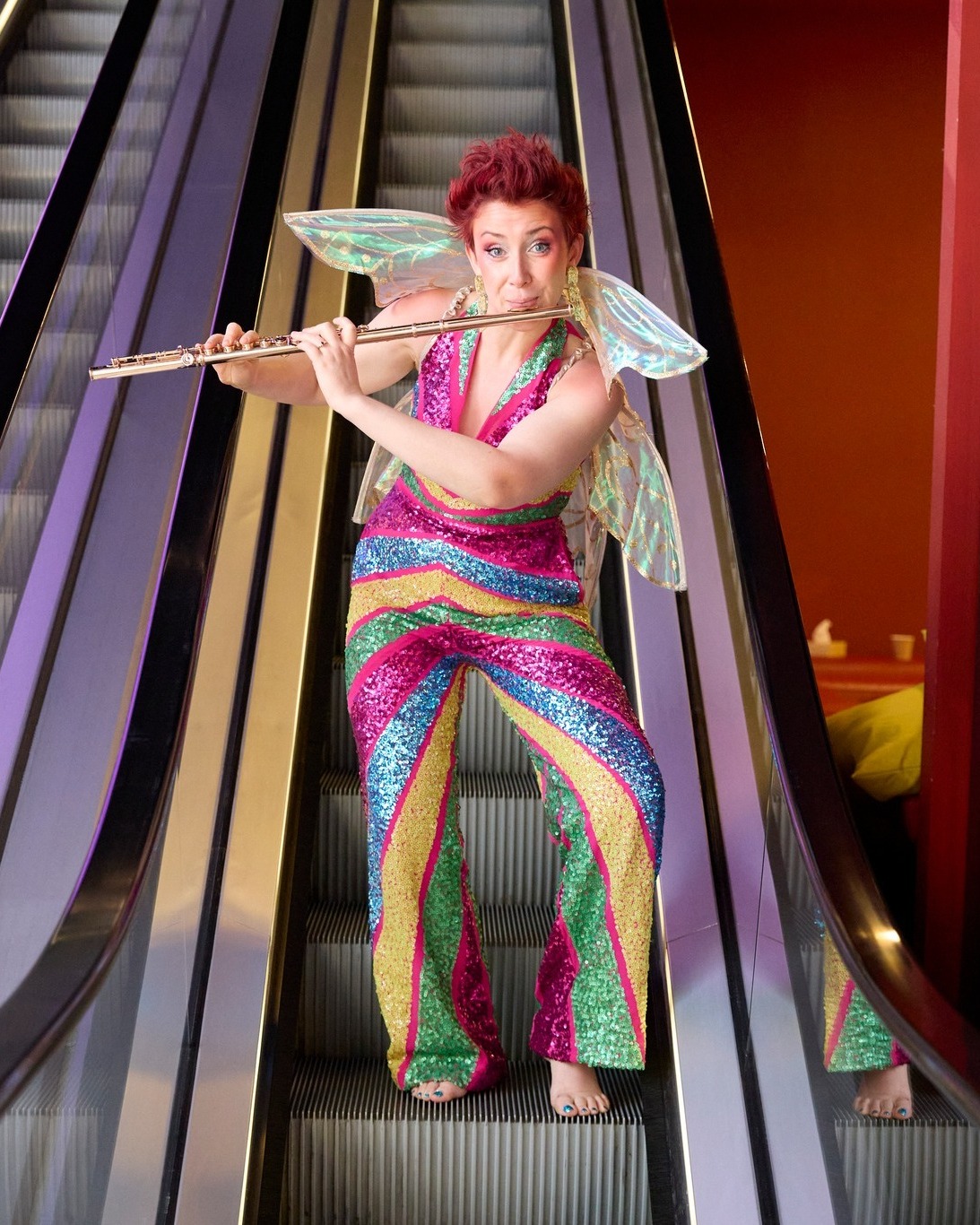
From the first downbeat of Verdi’s Nabucco, it was clear that The Cooperative had no interest in presenting opera as simply a museum piece. The overture pulsed with life. A small band of players, led with energy and precision by conductor Toby Wong, proved that fewer musicians does not mean lesser sound. The flute line in particular danced brilliantly above the ensemble, lifting us straight into Babylon’s splendour – and despair.
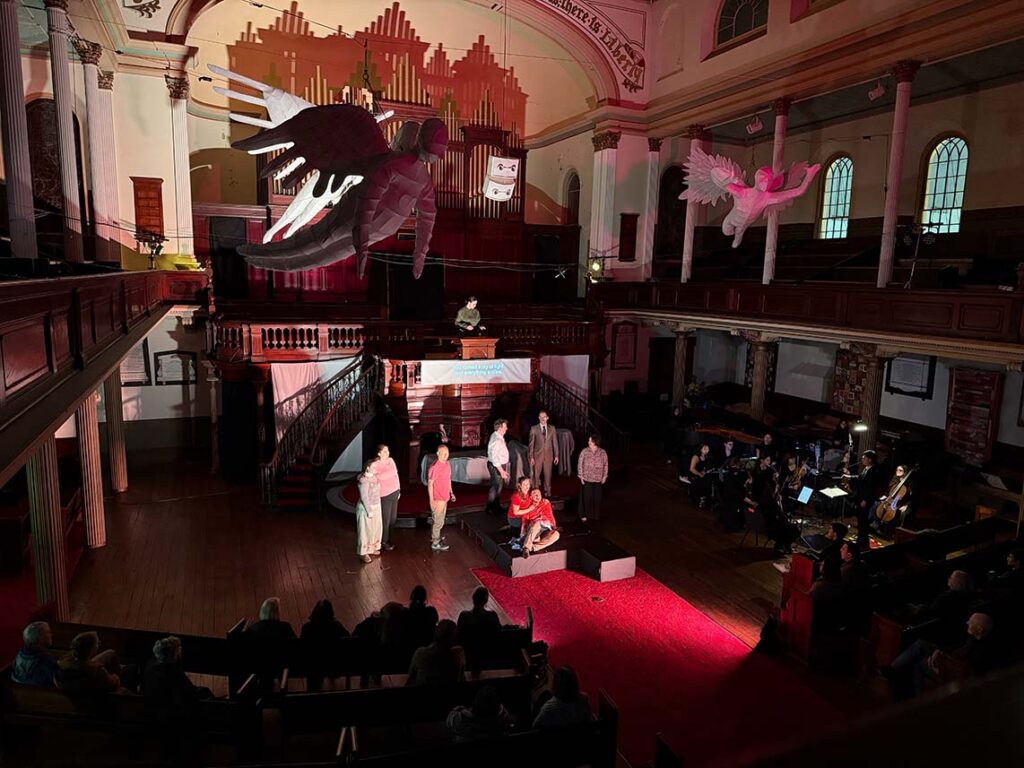
The company’s mission is unambiguous: opera with a conscience. Nabucco, with its exiled Hebrews and dangerous despots, couldn’t be more fitting. In 2025, with war, displacement and power-mad leaders filling the headlines, the story feels chillingly present and the modern day costumes including streetwear and machine gunned guards made us feel it all the more. The production made excellent use of Pitt Street Uniting’s three-tiered space, with singers appearing from balconies, aisles and stairwells. The Hebrew Slaves’ famous chorus, Va, pensiero, emerged from all around us, ghostlike, sung from within and among the audience. It was hair-raising.
The cast was strong across the board. Livia Brash was a volcanic Abigaille, bursting with vocal power and drama. Her upper register was dazzling and dangerous, sometimes ear splittingly so, which suited the character perfectly. A spurned, raging woman with a thirst for power, Brash embodied her completely. She also showed genuine vulnerability in her duet with Nabucco in Part III, which landed with emotional weight.
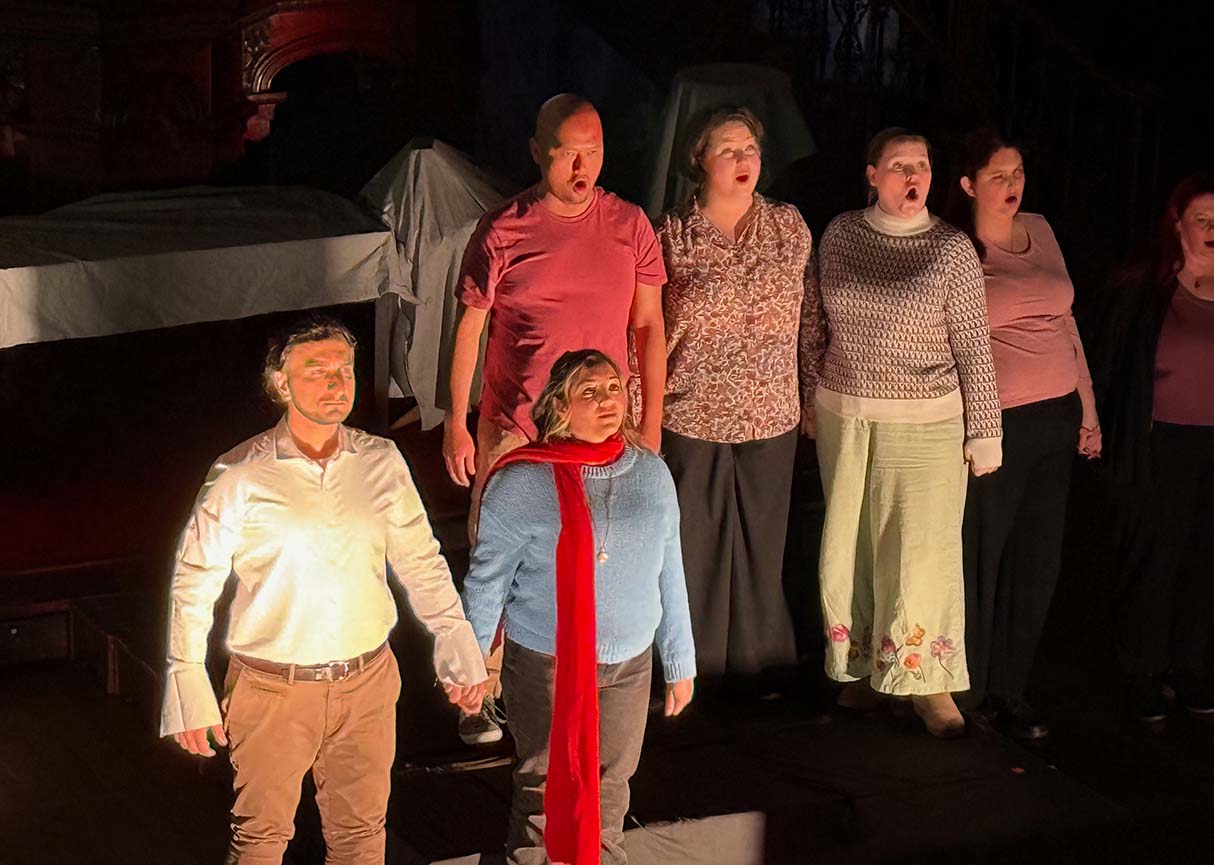
Tristan Entwistle gave us a compelling Nabucco, imperial in bearing and vocally assured throughout. His descent into madness and final moment of lament were delivered with nuance and resonance. Sam Elmi brought a warm, lyrical tone to Ismaele, while Angelique Tot gave us a moving, dignified Fenena. Bernard Leong-Lokman sang Zaccaria with gravitas and vocal strength. Samanta Lestavel, as Anna, Spencer Darby (Abdallo) and Dale Schilling (High Priest) provided solid support, rounding out a cast that never felt anything less than committed.
One of the most quietly effective choices was the inclusion of a silent child figure, the young Abigaille, played with subtle grace by Violet Rose Olds, always dressed in white. Was she a ghost of innocence lost? A conscience? A divine witness? Whatever her meaning, she was a constant, watchful presence, threading human fragility through a tale of tyranny.
The chorus was balanced, expressive and fully engaged in the drama. Their final pleas for liberation, sung from the upper balconies while Anna desperately begged guards below, were theatrically effective.
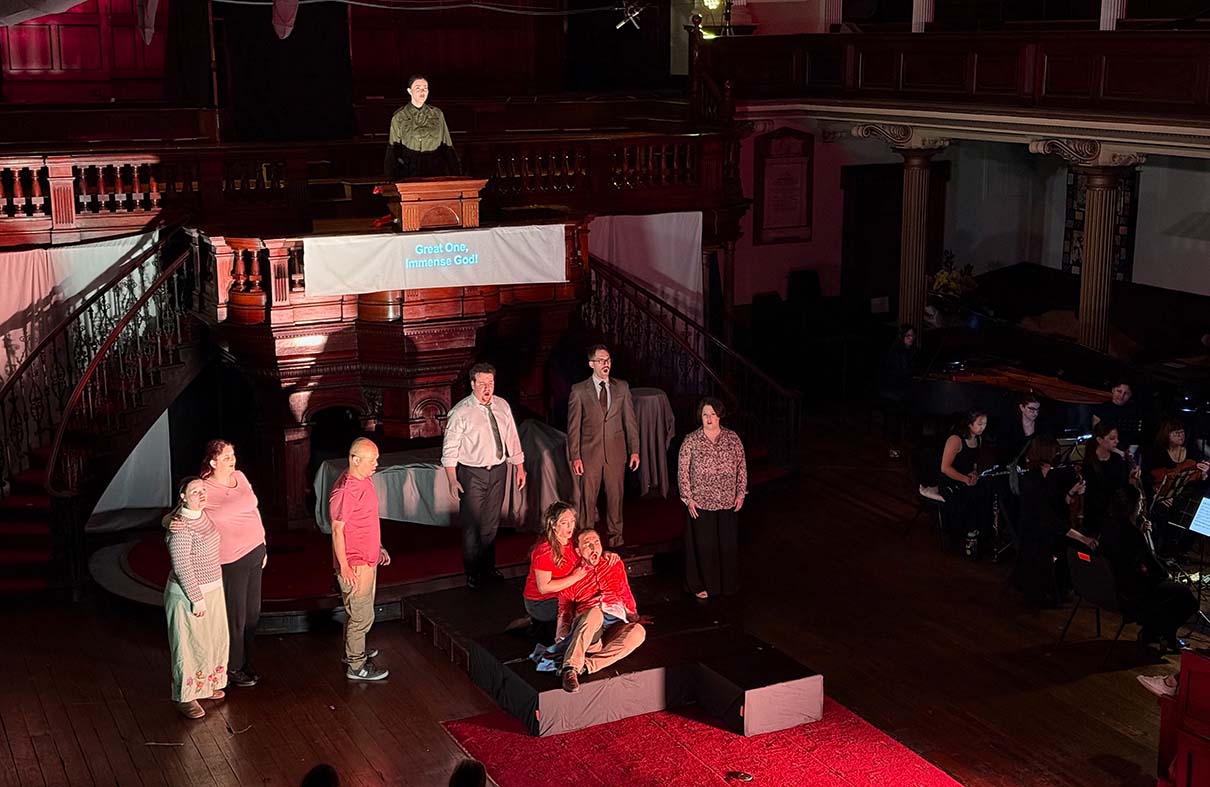
While the staging was sparse, its impact was multiplied by thoughtful direction and strong storytelling. The Cooperative doesn’t need spectacle to make a point. In this Nabucco, oppression was no ancient relic, it was a mirror. One might even see echoes of Trumpian ego in Nabucco’s self-deification, though the parallel is left for the audience to draw.
Above all, this was a reminder that opera doesn’t need chandeliers or six-figure budgets to move and provoke. The Cooperative’s model – come as you are, pay what you can – challenges the idea that opera is only for the elite. This was art for everyone. And it was good. No, better than that – great.
The Cooperative might draw relatively small audiences, but their ambition is anything but. If you believe art can change the world, you’d do well to start here.