The Australian Brandenburg Orchestra | Italian Serenatas
18 June, 2026, Melbourne Recital Centre, VIC
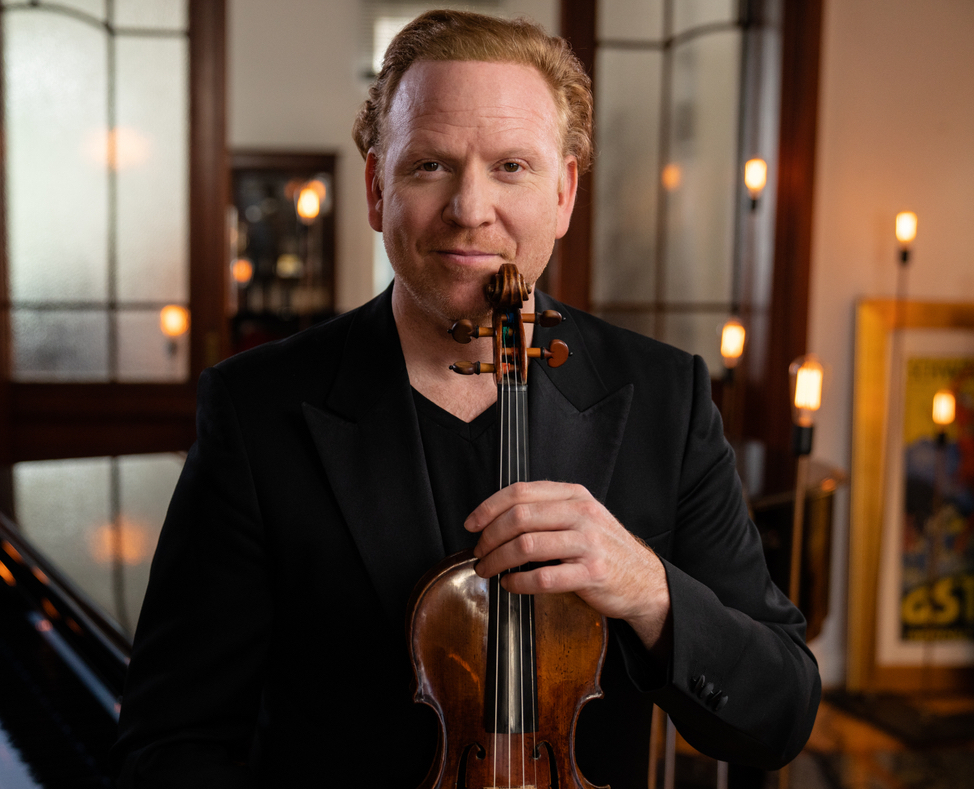
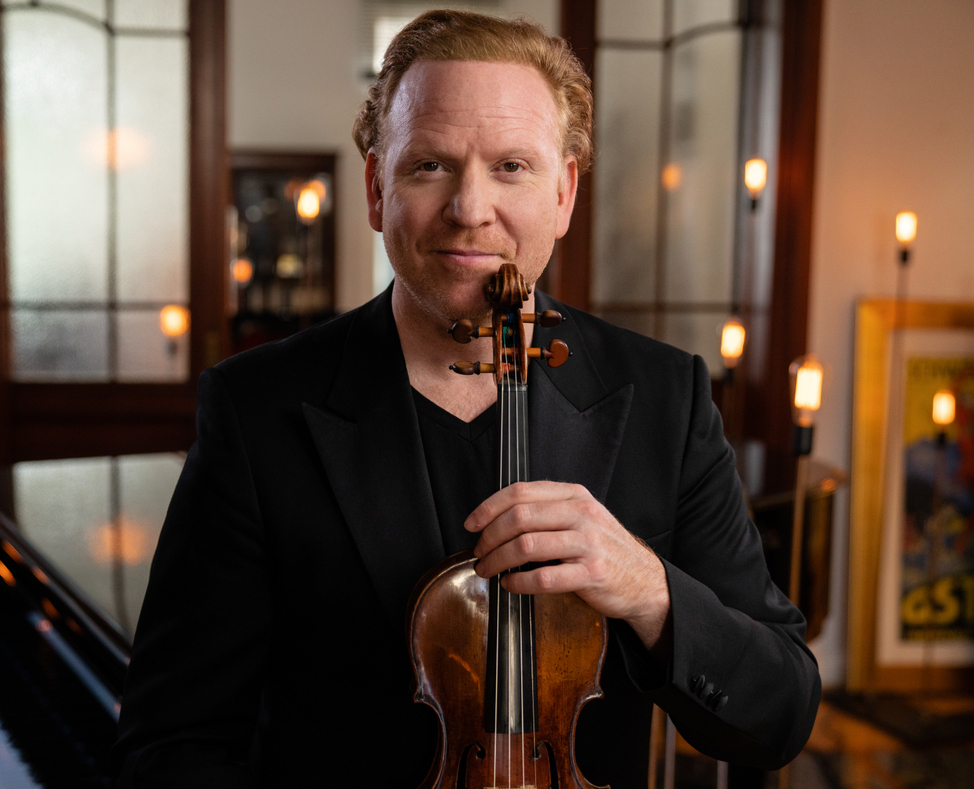
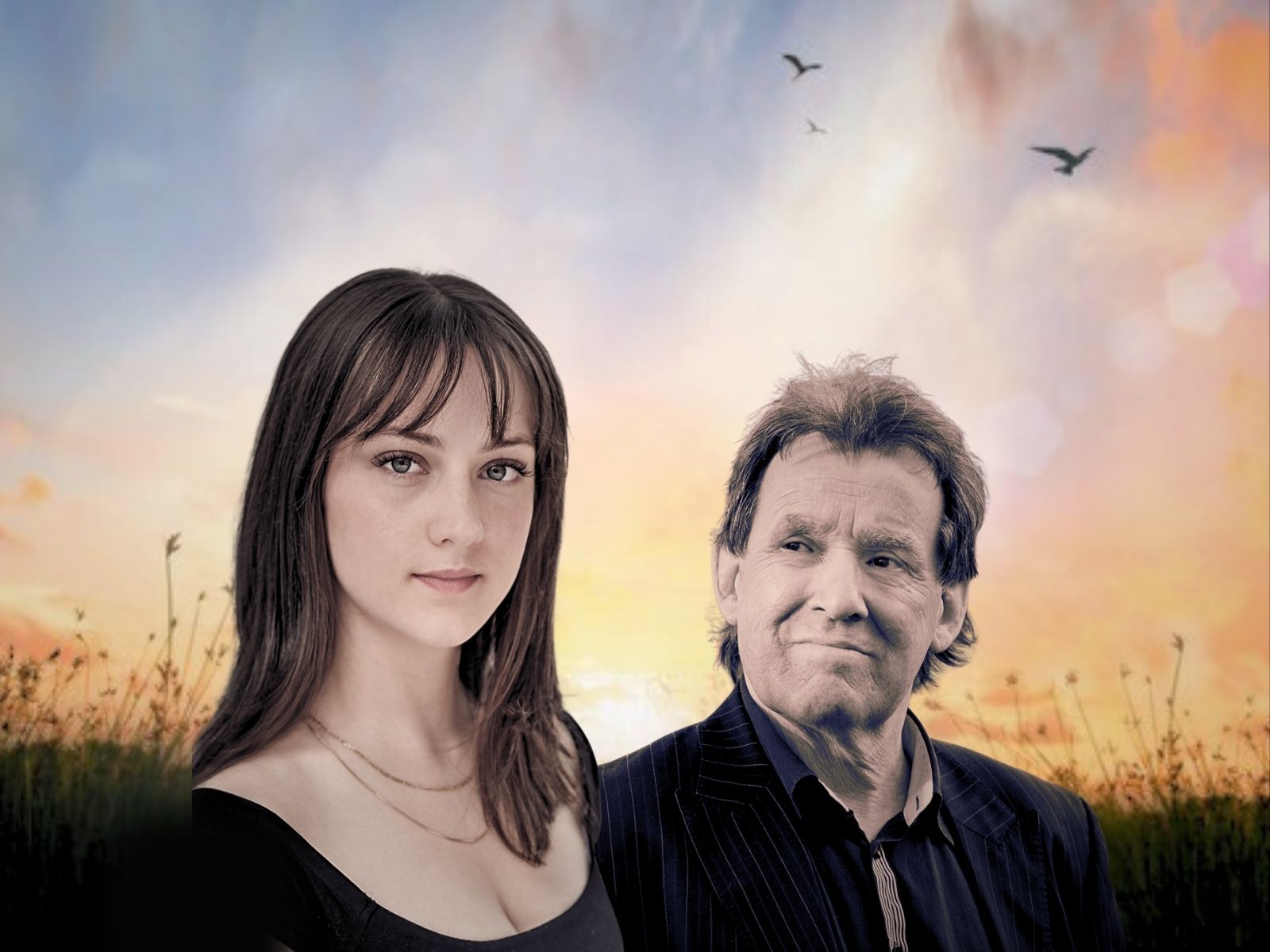
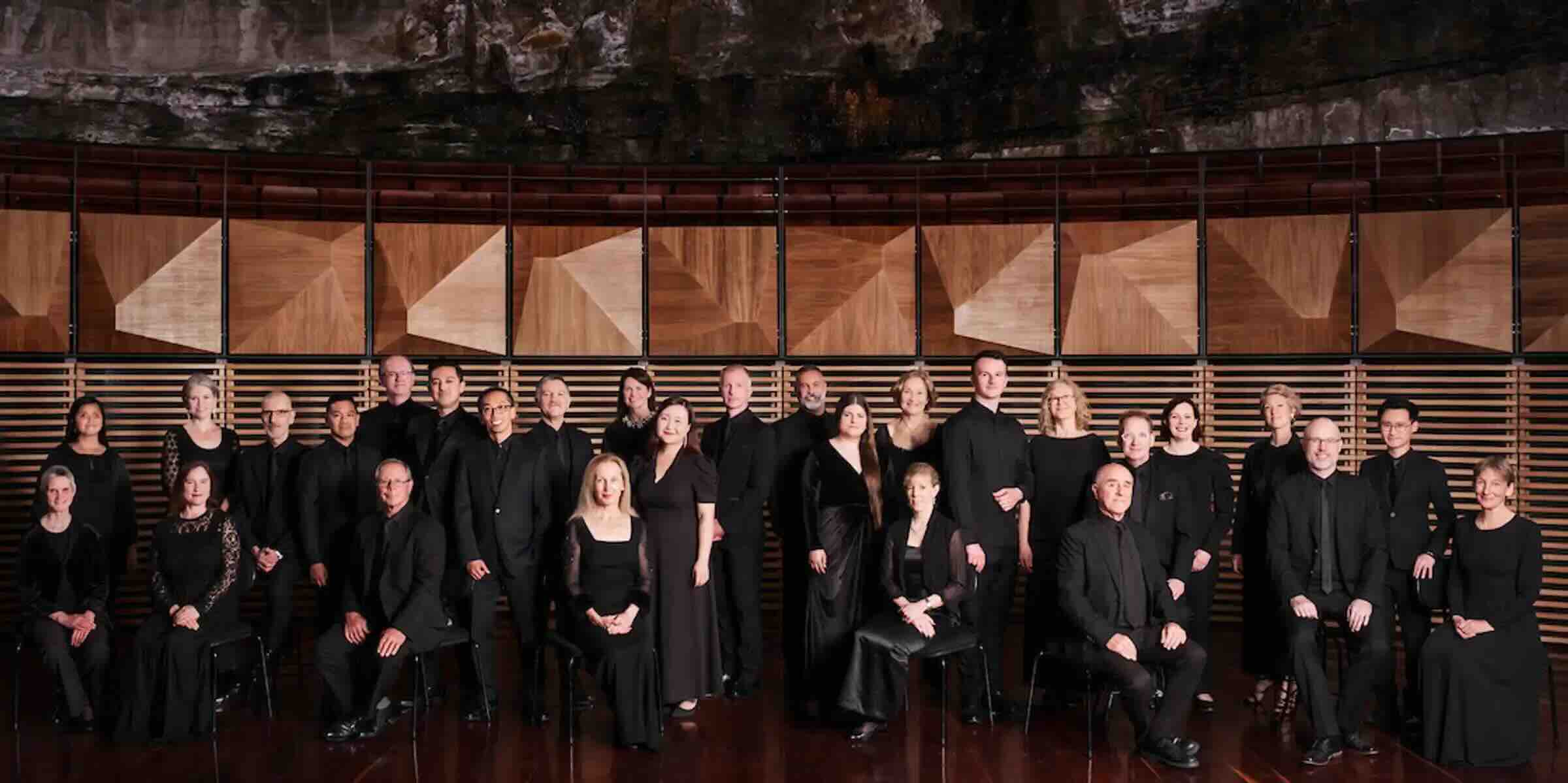
There are occasions when a concert becomes a transformational event, when audiences are transported to places that defy description, and the experience melds emotion with beauty. The Australian Brandenburg Orchestra’s Italian Serenatas, a concert featuring celebrated Italian baritone Renato Dolcini was such an event. I have previously described the Australian Brandenburg Orchestra as a musical superpower, and without wanting to draw out the metaphor, it is fair to describe Renato Dolcini as an important and powerful ally. The Australian Brandenburg Orchestra’s artistic director Paul Dyer says “Renato Dolcini is an artist who brings authenticity and dramatic intensity to every performance…. It’s that feeling of being completely immersed in the music’s drama and beauty that is most exciting.”
The program presented works by acclaimed Italian Baroque composers including Vivaldi, Corelli, Falconieri, Gregori, Porpora, Caldara and others, including Handel, and took the audience on a musical journey through the cultural capitals of Florence, Naples, Rome, and Venice.
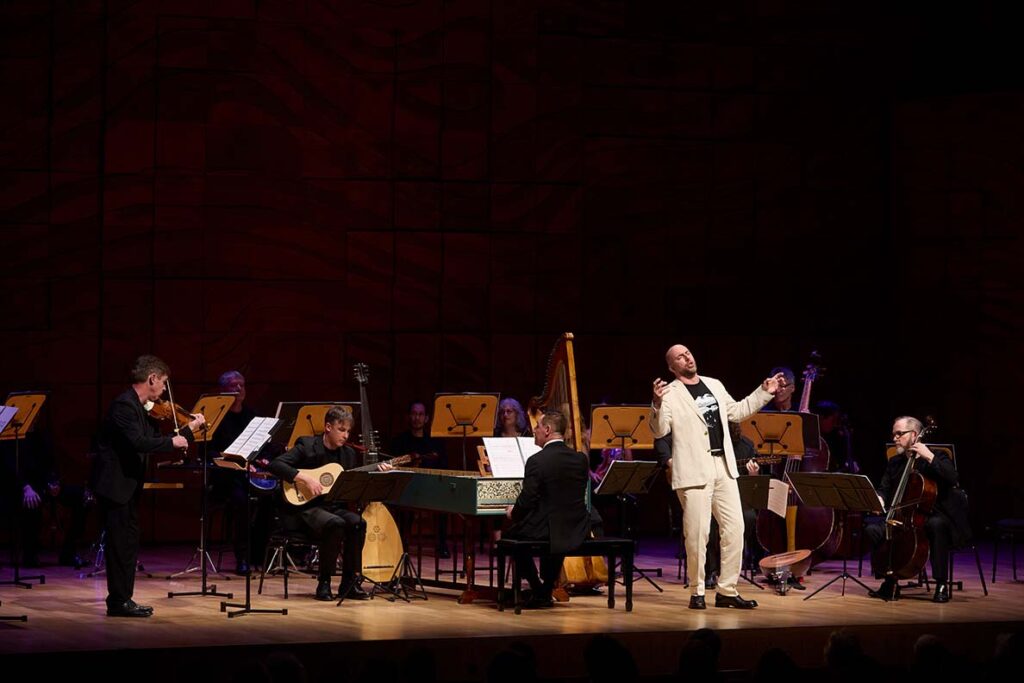
Paul Dyer opened with a short talk welcoming the audience, but also telling the audience that they were about to have some fun. He was right. From the very first notes of Gregori’s Concerto Grosso in C major it was obvious that the players were enjoying themselves, and this delight was soon shared by the audience. Also obvious were the sonic hallmarks of this orchestra; perfect intonation, precise rhythmic interpretation, and refined ensemble playing that blurs the lines between individual instruments unless called for in the score. The program in this Florentine section moved from one composer’s work to the next, without applause, providing a continuous and seamless flow of beautiful music. The final work from Florence, Benedetto Ferrari’s Amanti, lo vi só dire is a work for voice and theorbo, the long-necked lute on which Ferrari was a virtuoso. This work introduced the audience to the artistry of Dolcini’s voice and presence. The singer immediately mesmerised the audience, using not only his voice, but also dramatic gestures and motions. He walked around the stage, froze his body movements during subdued moments, did the opposite during instances of high musical activity, and generally created an atmosphere that was both intimate and exciting. From this first appearance onwards, his presence on stage created a palpable sense of expectation and delight from the audience.
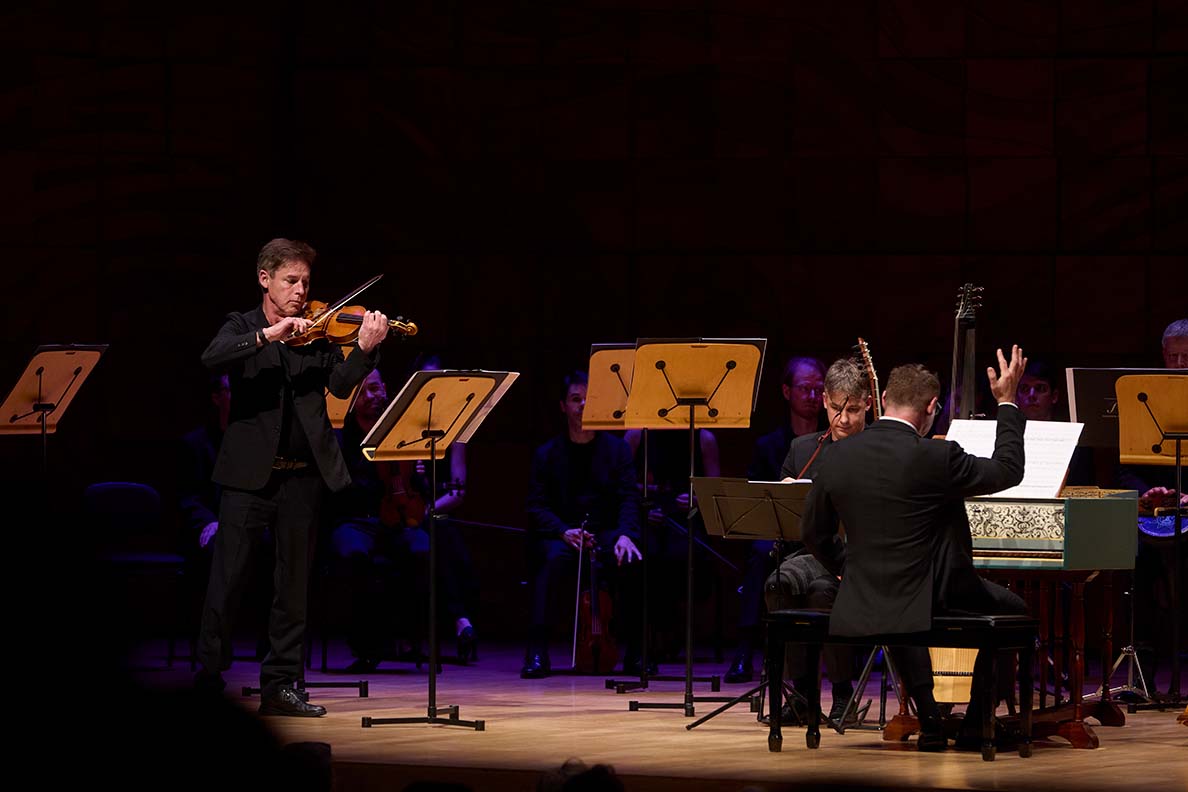
Naples, the second city to be musically visited, featured compositions by Andrea Falconieri, Nicola Antonio Porpora, and Nicola Matteis as well as an anonymous but joyful tarantella that involved all the musicians singing the chorus in response to Dolcini’s verses. I could sense a desire among many in the audience to get up and dance, but in a concert setting, one cannot dance.
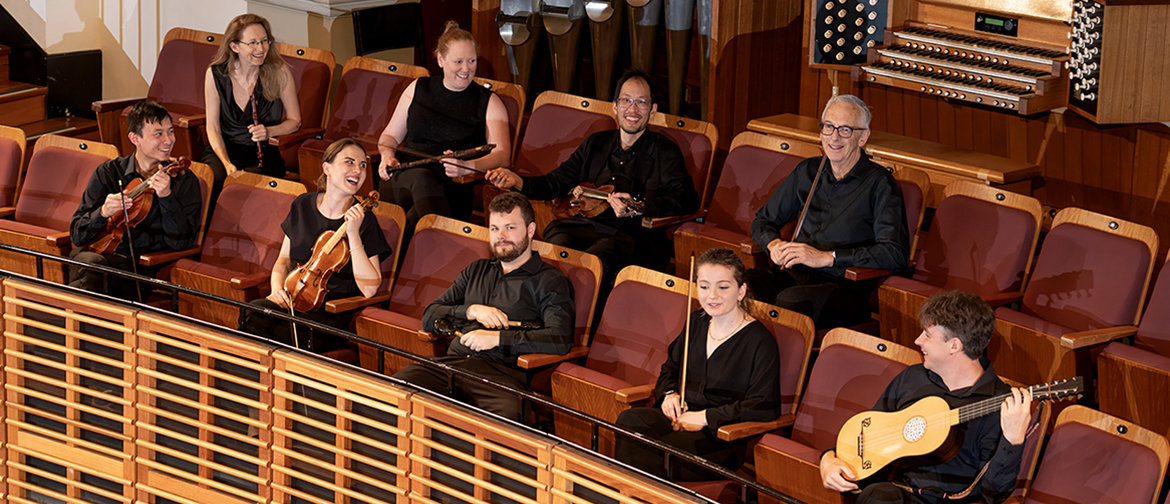
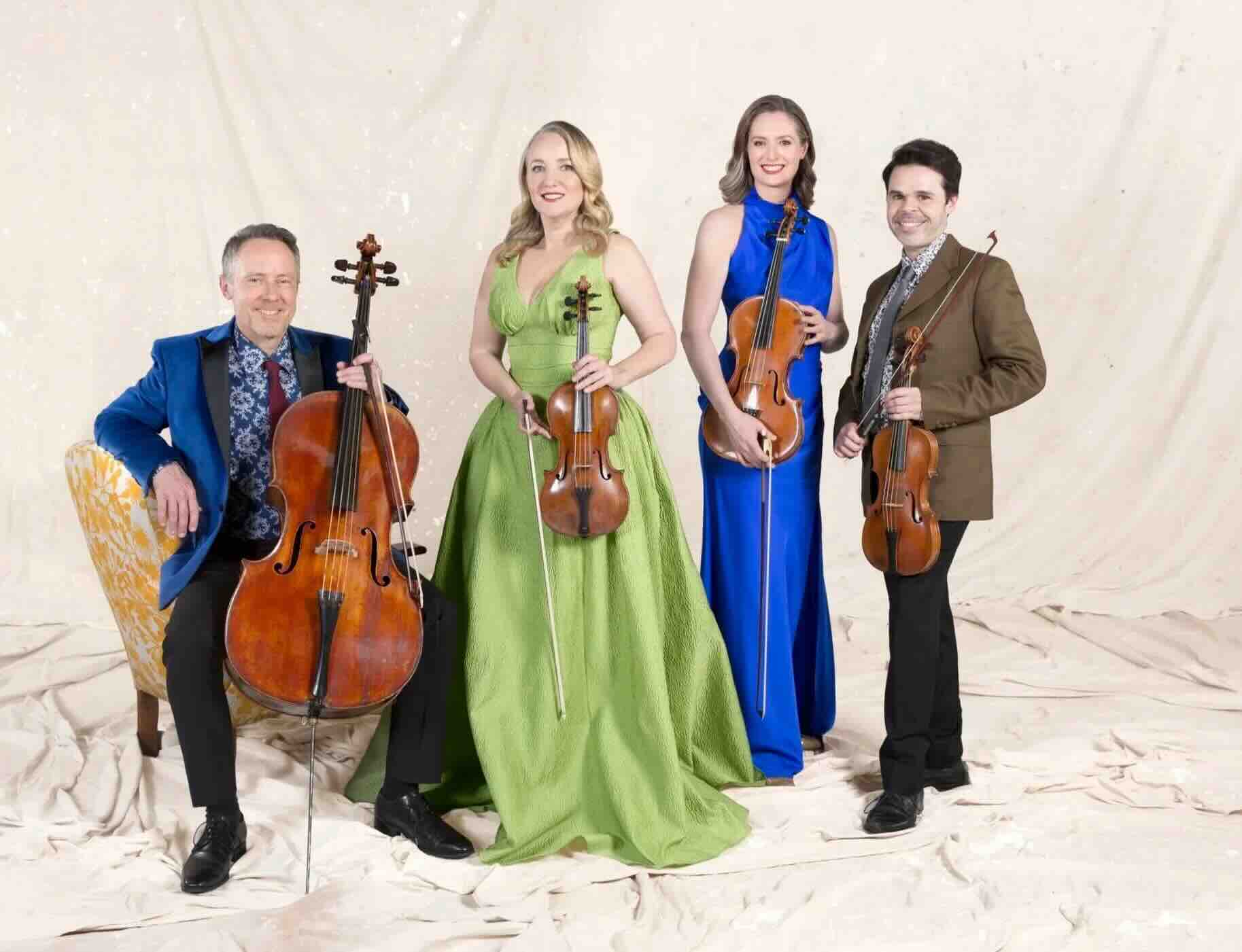
Following the interval, Paul Dyer spoke briefly, introducing some of the baroque instruments, and setting the scene for the journey into the baroque music worlds of Rome and Venice. Arcangelo Corelli’s Concerto Grosso in D major, a two-movement work played by the full orchestra, is a stately, sober but engaging work that projects the grandeur of Rome. It features two violins as the main exponents of melody, with the accompanying instruments occasionally interjecting their sonority. In between this work and another ensuing Corelli piece, Dolcini sang an anonymous song with a folk-like quality accompanied by baroque guitars, theorbo, harp and percussion instruments. Once again, his vocal skill, his gestures and his movements around the stage had the audience spellbound. The aria ‘Vieni, o cara’ from Handel’s opera Agrippina once again exhibited Dolcini at his best, but also demonstrated Handel’s affinity with the Italian language, the operatic form and its Italian origins.
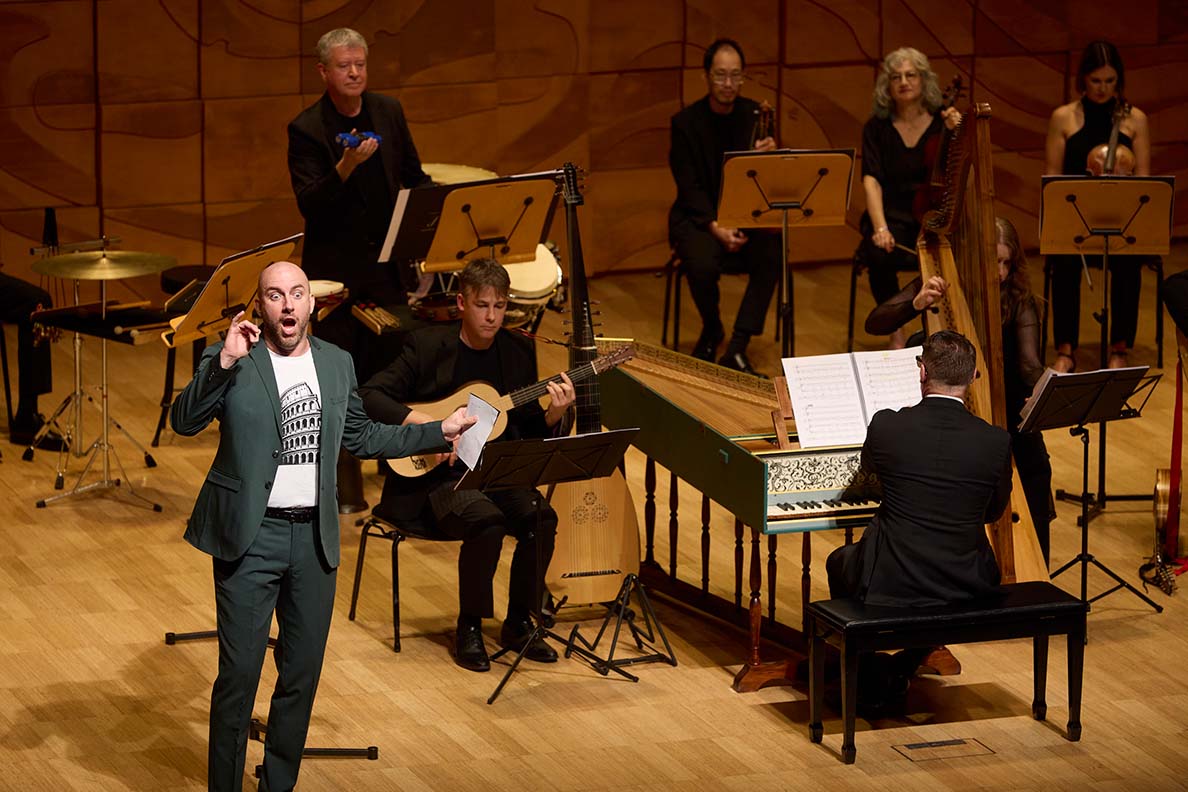
Fittingly, the music of Antonio Vivaldi dominated during the final section of this journey.
Composers often use phrases or indeed whole sections from their earlier works in later compositions and this was the case in Vivaldi’s ‘Gelido in ogni vena’, an aria from his opera Farnace. In a concert full of highlights, this piece was artistically outstanding. Using the opening passages from ‘Winter’ (The Four Seasons), this work enabled Dolcini to exhibit all of his considerable skills. He employed wide-ranging dynamics, demonstrating his ability to project vocal intensity, then soften immediately into a subtle and restrained manner, at all times conveying to the audience an intensely emotional journey. Despite the dark and mournful nature of this work, the orchestral colours and the voice succeeded in conveying joyfulness and beauty. The aria ‘Per lacerarlo’ from Vivaldi’s opera Tuezzone featured Dolcini singing very fast coloratura passages and wide leaps, bringing the advertised program to an exhilarating close. As an encore, a beautiful aria by Monteverdi, another great Venetian composer, concluded the rich musical experience for the audience.
This concert presented music of extraordinary passion, elegance and scale.
Renato Dolcini’s voice, charismatic presence and dramatic intensity flawlessly combined with the colour of the orchestra’s period instruments and superb playing to create a sound world that the audience will remember as a vibrant musical encounter. This was a splendid and exceptional concert.
Photo Credit: Laura Manariti