Melbourne Symphony Orchestra | Impressions of Paris
October 25, 2025, Hamer Hall, Melbourne, VIC
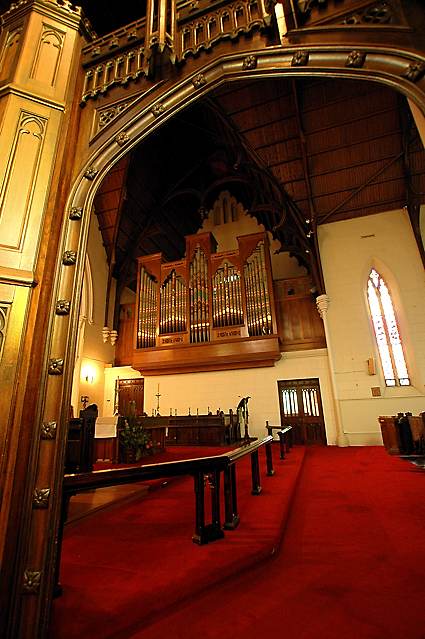
César Franck might have said, as a certain diminutive, dapper detective did: “I am not Frrench, I am Belgian!” Living most of his life in Paris, including being organist at a posh Paris church, he took required French nationality when becoming head of organ studies at the State-run Conservatoire. A pious, gentle man, his students loved him and the organ class became a composer’s workshop in fact, with younger, enthusiastic talent lapping up his tuition.
Some of them felt that the blossoming of Franck’s musical works in the last five years of his life (the Symphony was first performed in 1889, the year prior to his death), were due to his fascination for composer Augusta Holmès —no relation to Sherlock— whose beauty and Celtic feistiness charmed them all. Even the (very) gay Saint-Saens asked her to marry him; she wisely refused!
His only symphony relies on techniques from Liszt and Wagner, which caused heavy criticism at the time. The very first motif (think 2 or 3 notes, rather than a long theme that Tchaikovsky or Brahms might have used) underpins the whole work, reappearing in various (dis)guises to link the work together.
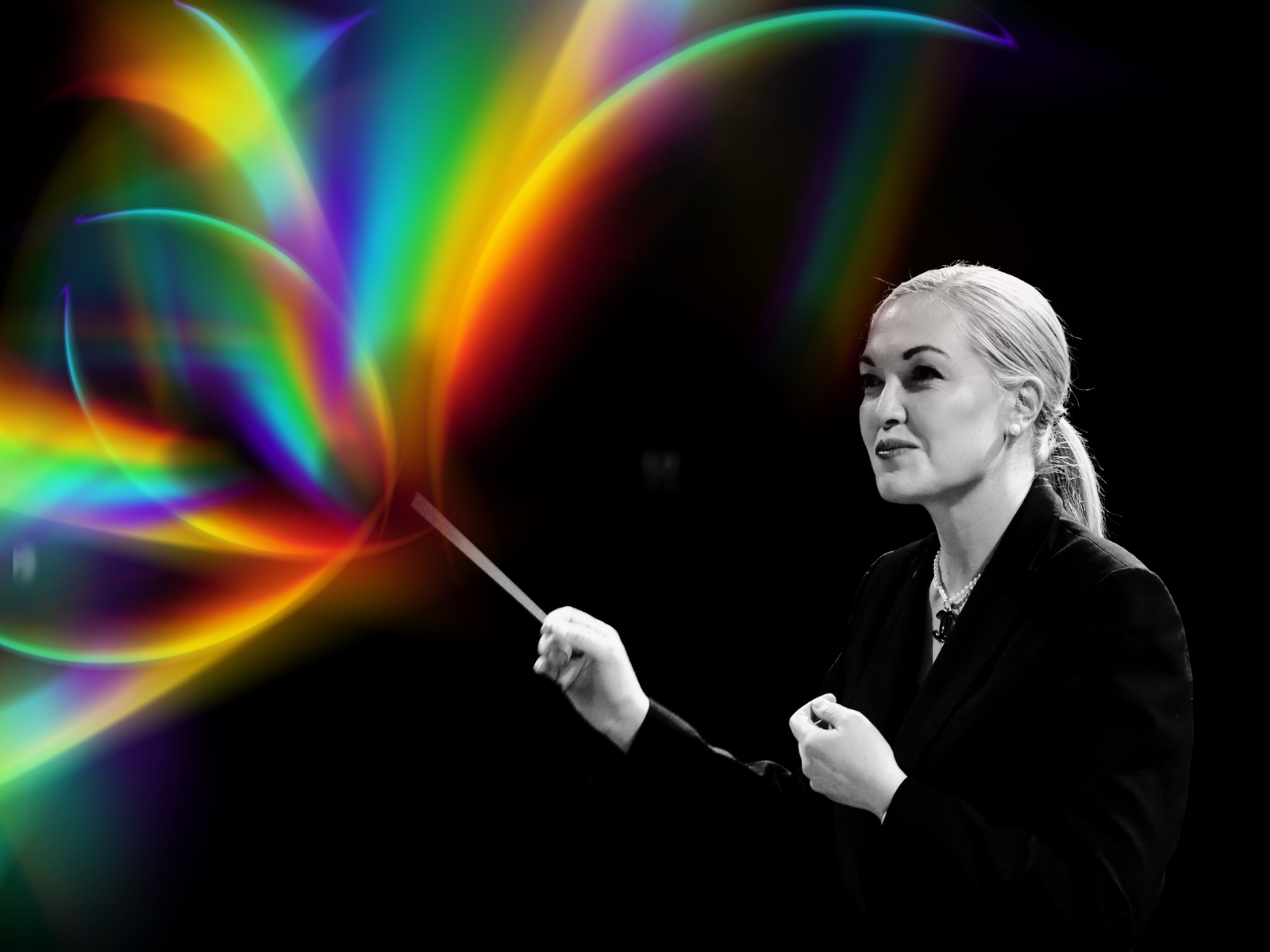
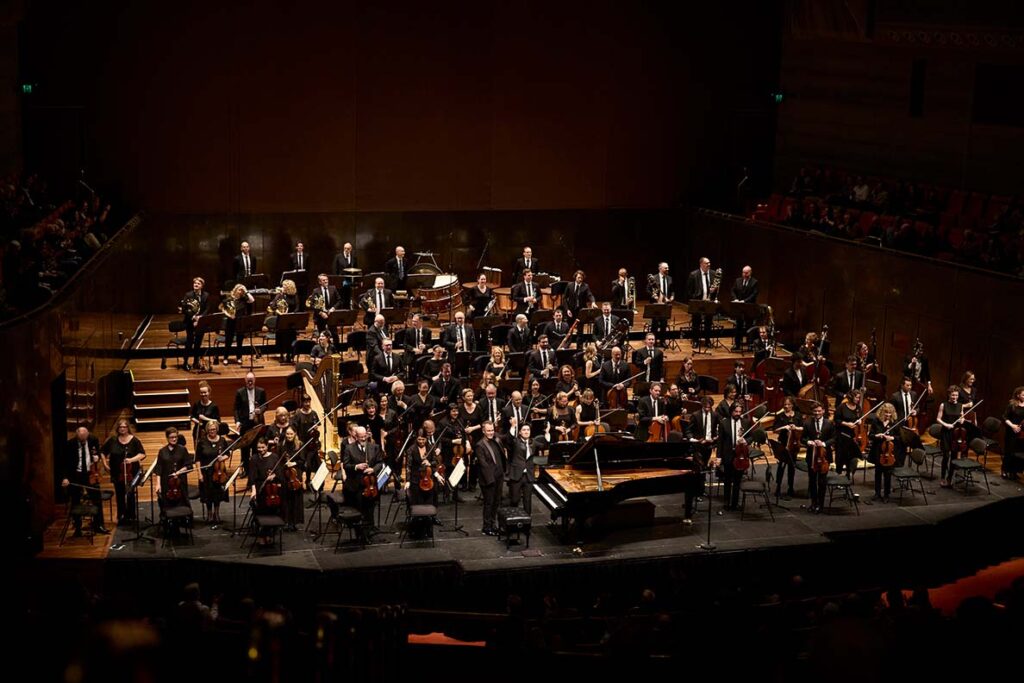
Rodolfo Barráez was in total command of the large forces and the massed string playing was passionate and superb. Michael Pisani played the elegaic cor anglais tune with quiet grace, sinuous where necessary (a woodwind professor of the day practically shouted that any work with a cor anglais solo could NOT be a symphony!)
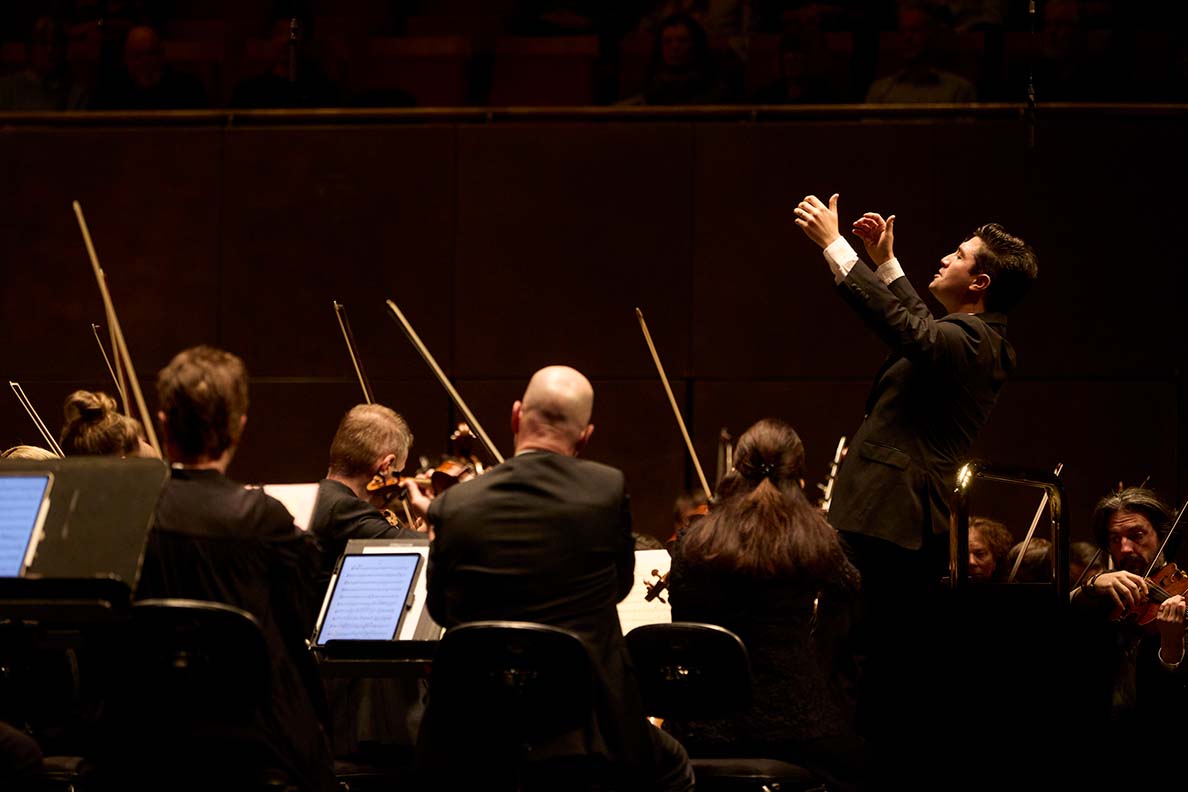
The conductor has a task ahead to shape the constant changes in texture and musical physionomy as the little motif goes through many personality changes over 40 minutes. Not helped by Franck’s ingrained habit of sliding up or down a semitone in tonality, which one observer has likened to an organist sliding his fingers down a note, or using the foot pedals to do so. Barráez kept a firm hand on the shifting structure and the final Coda, which can seem abruptly “tacked-on”, it felt musically just so.
Beautifully performed, as if by one instrument, I mentioned to a violist —judging by her larger instrument case— as we took the escalator afterwards — that the orchestra had had a great workout. She said that the work was easy to play and great fun. Certainly, the woodwind, brass, strings and percussion, given their bows at the work’s conclusion, deserved every bit of the enthusiastic applause.
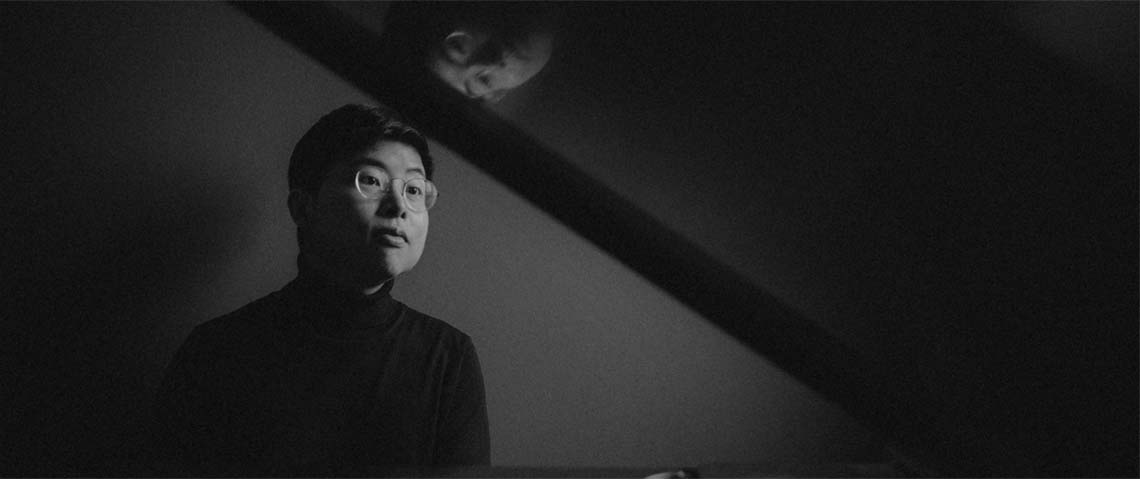
Before interval Ravel’s left-hand piano concerto had Nicholas McCarthy as soloist. Ravel wrote it at the same time as the standard G major concerto, the latter for Ravel to play on his upcoming US trip. Ravel wanted a complete contrast to the standard two-hand work and certainly achieved it. Using a huge orchestra he writes the most complex, demanding piano music possible, ably performed by McCarthy. Often, the pianist is playing with the orchestra, rather than against it, as in more traditional works. Occasionally, it was hard to hear the piano, but this came from Ravel’s massive orchestration and the concerto grosso approach of the composer.
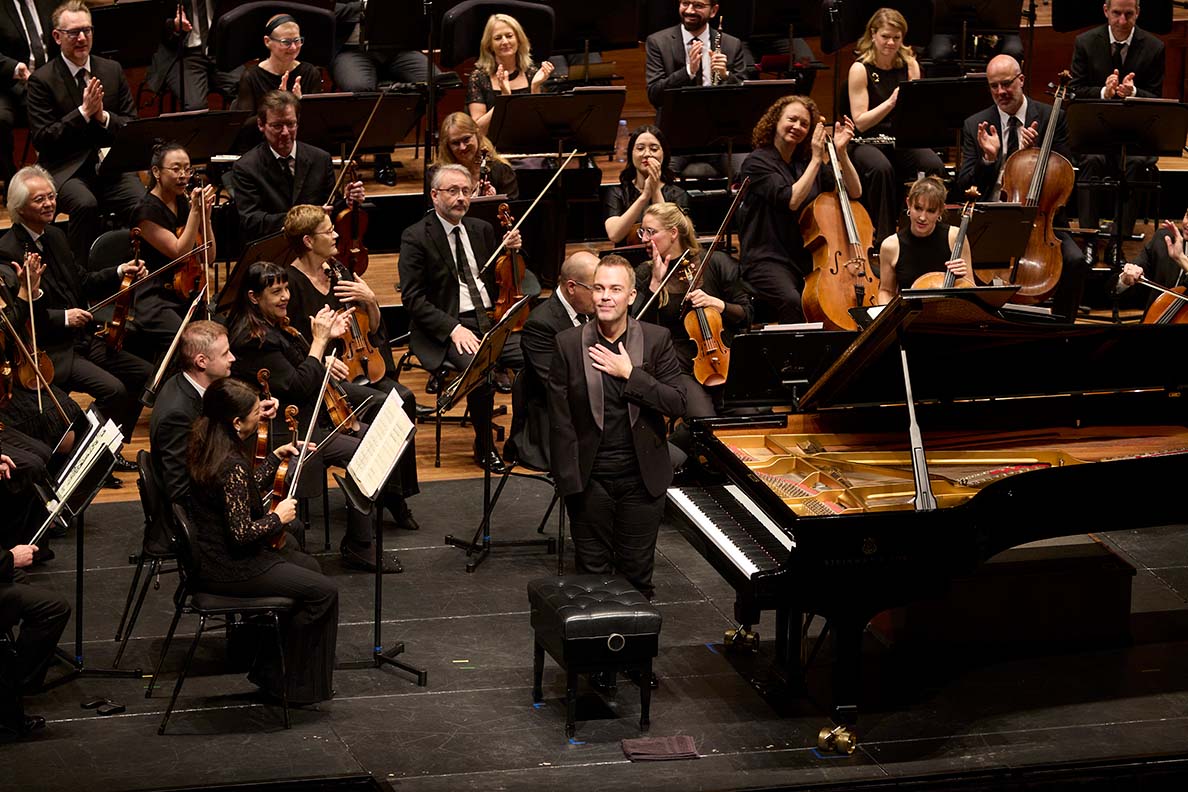
Wittgenstein who commissioned it —he had his right-hand destroyed in WWI— annoyed the composer by altering the piano layout for himself, and suggestions to rewrite it for two-hands (by another pianist) so as to have more performances, were nixed by the Ravel family. Fascinating to watch as Nicholas McCarthy sat far right on the piano bench so that his left hand could easily reach the high treble fingerwork required and glissandos —the musical equivalent of slipping on a banana peel— and leaping passage-work fielded no problems for this expert soloist: brilliant work.
A beautiful Prelude and Nocturne by the 18-year-old Scriabin, charmingly introduced by the pianist, proved a lovely contrast to the monolithic Ravel work.
James Henry, Yuwaalaraay/Yorta Yorta man, provided his Newport Lakes to start the programme; providing an impressionistic look at a landscape which holds great meaning for him. Flute trills and glockenspiel work suggested birds and the ripple-effects in the combined strings suggested grasses and greenery dancing in the wind. Interesting to hear an orchestra fully employed working together in a tonal, light manner, compared with the almost militaristic, brass-heavy, at times jazz-influenced, Ravel Concerto. It was a perfect start to this very varied programme where works from three different eras were presented at the highest level of musicianship and expertise. James Henry deserved his bows and I could imagine the cool Ravel smiling at the result and our very Belgian Frenchman enjoying the bravos for his symphony.
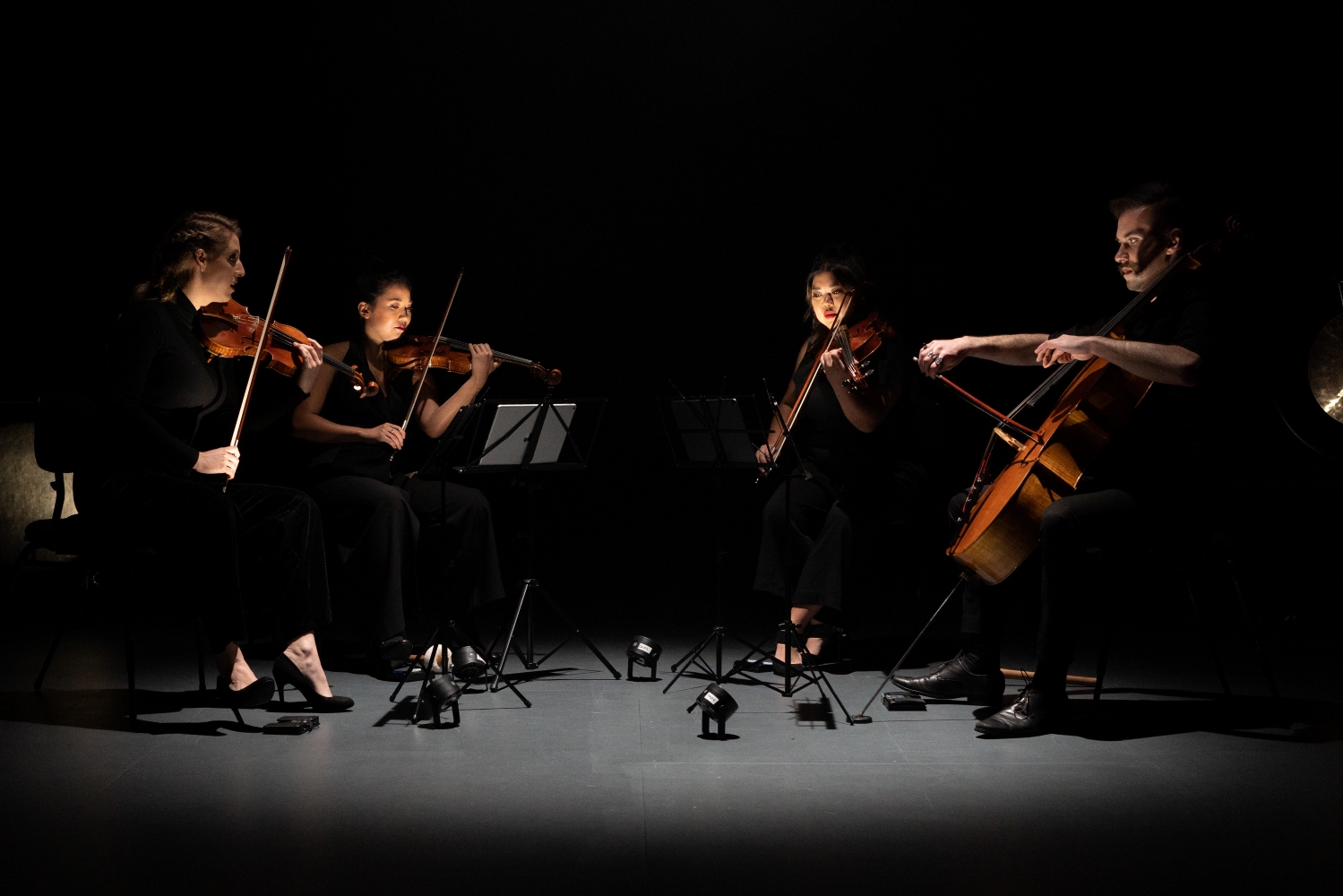
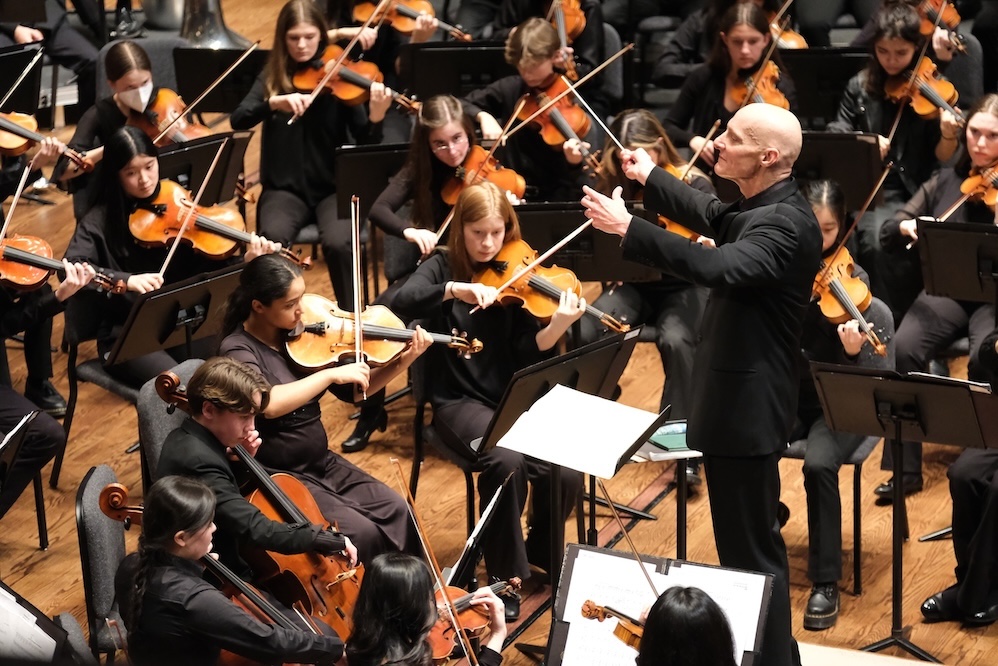
Photo credit: Laura Manariti